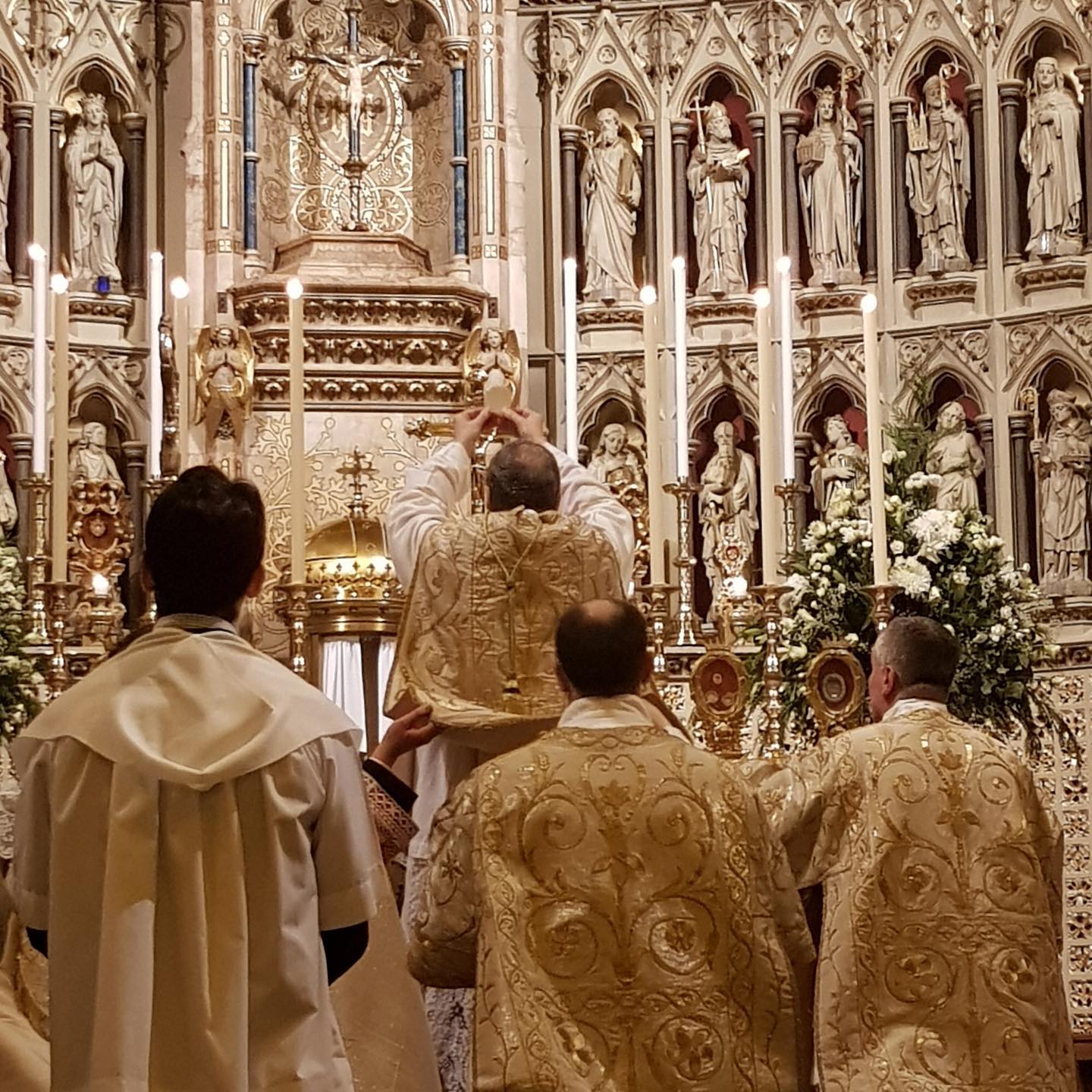
#oxfordoratory
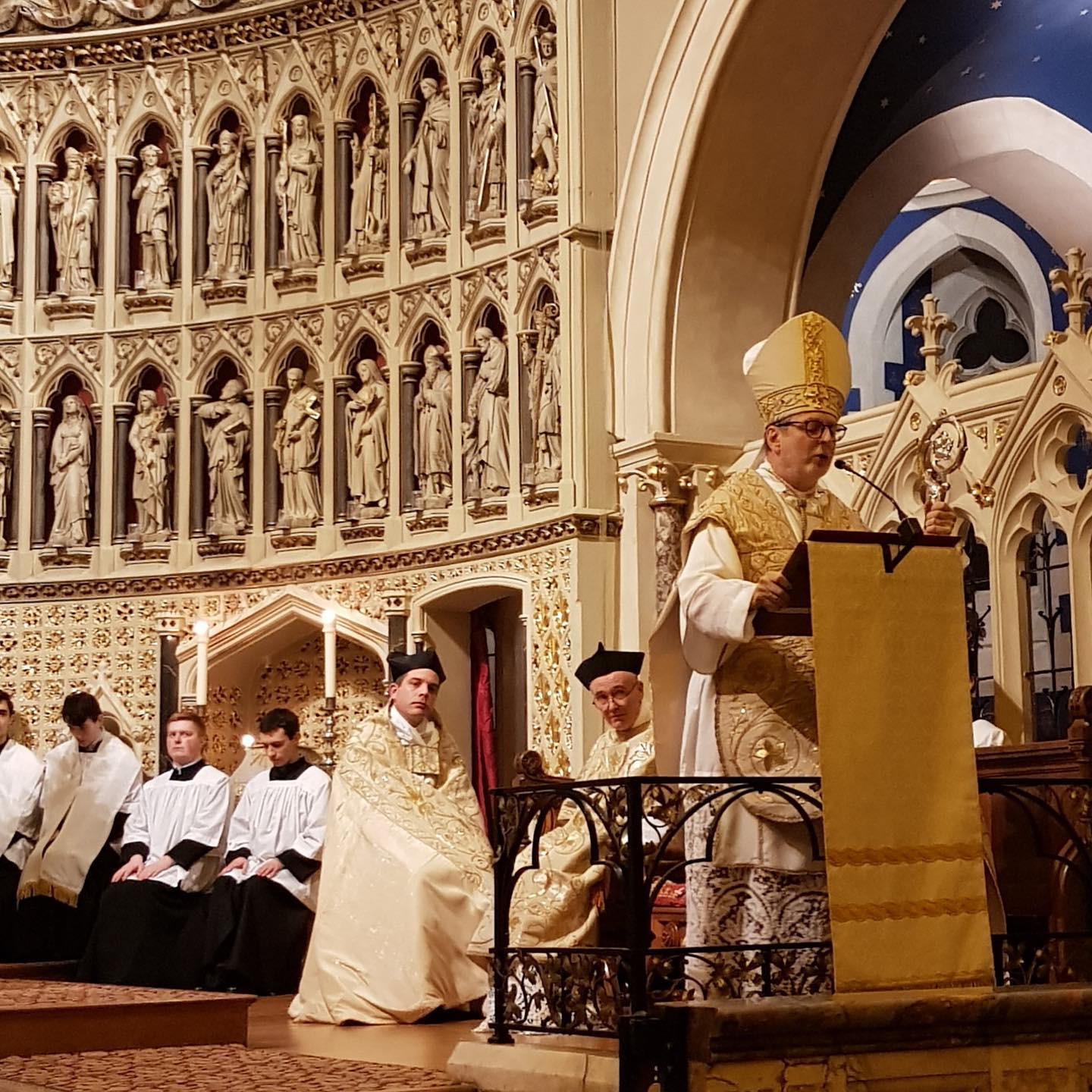
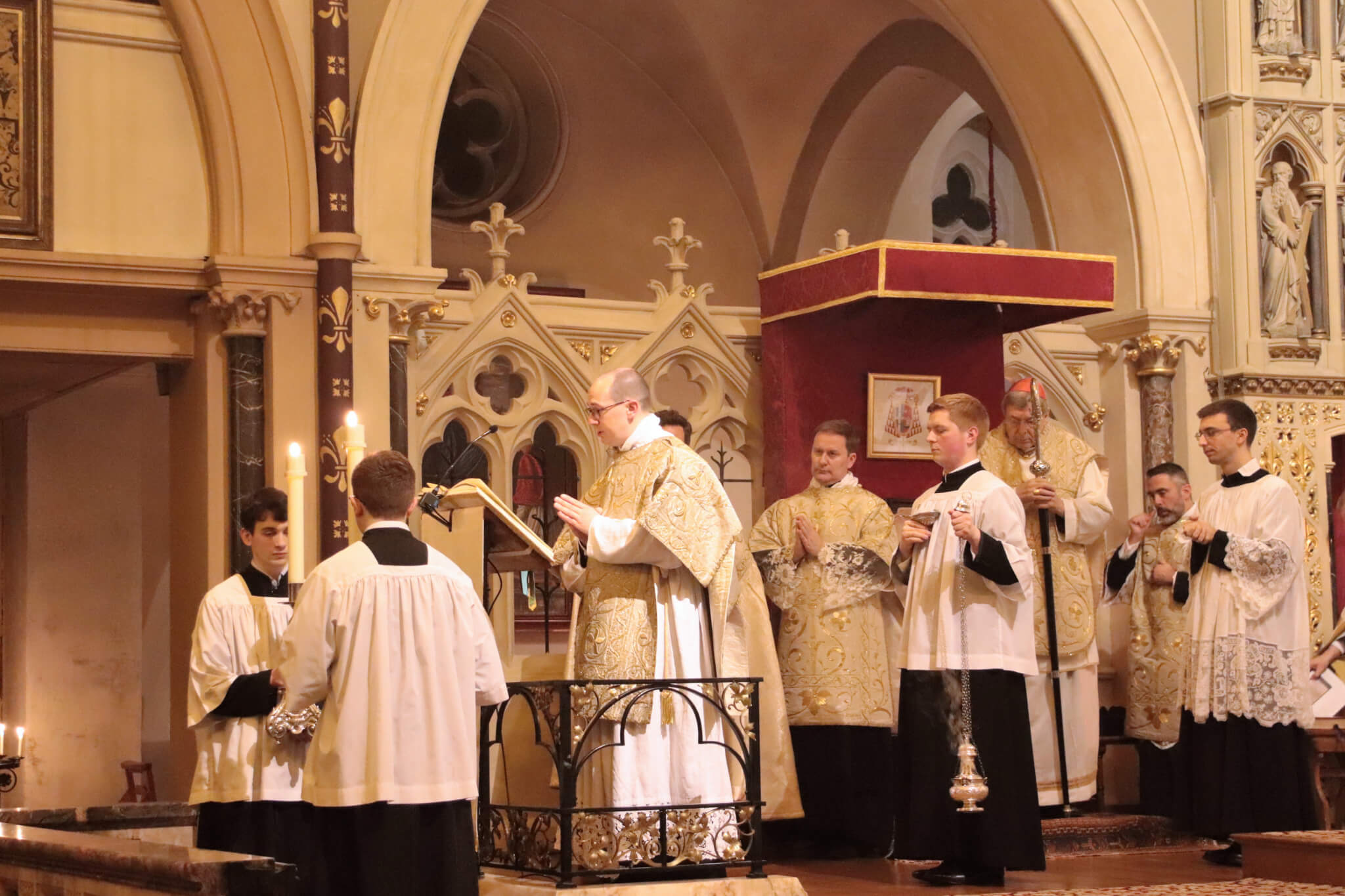
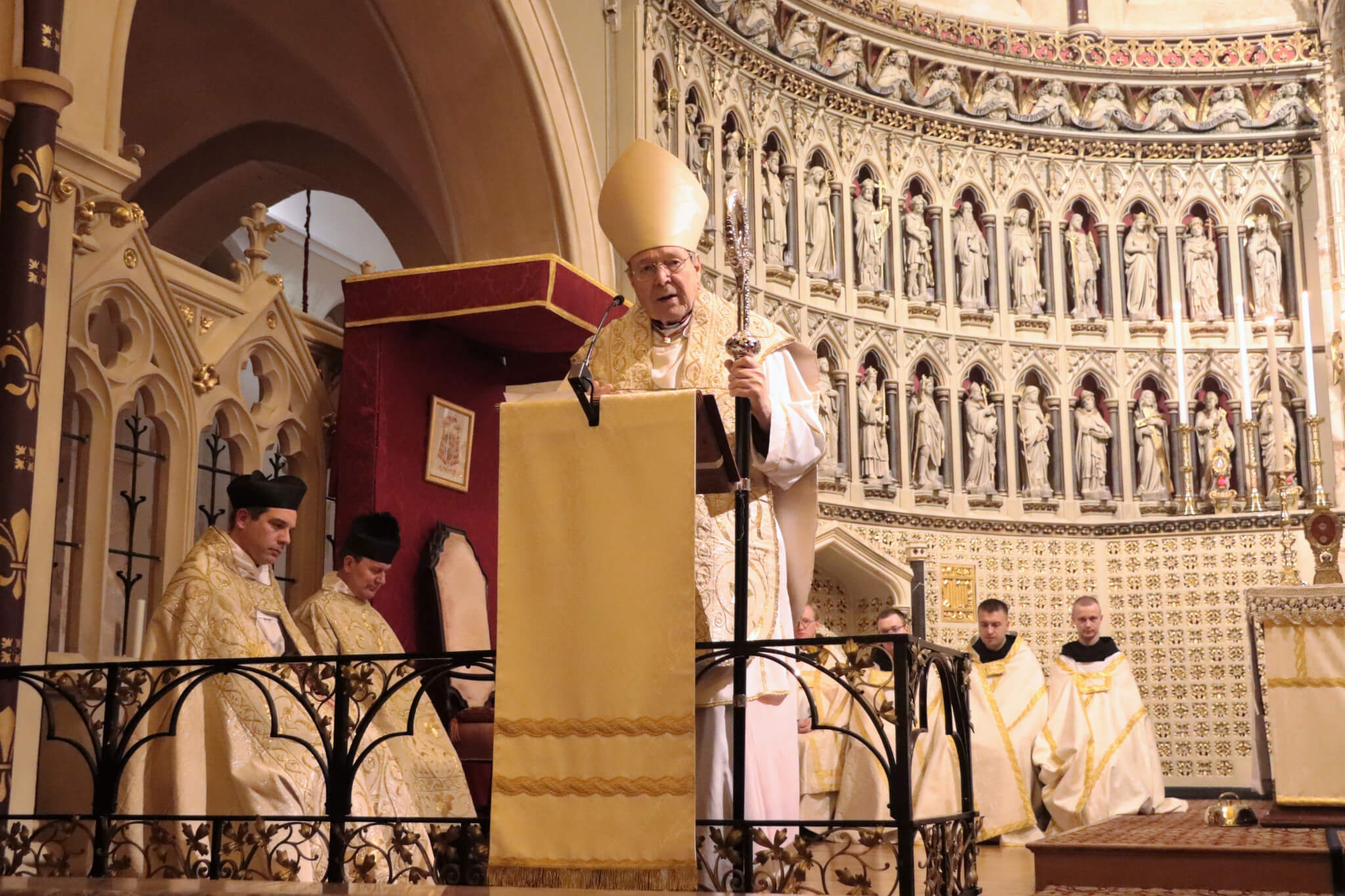
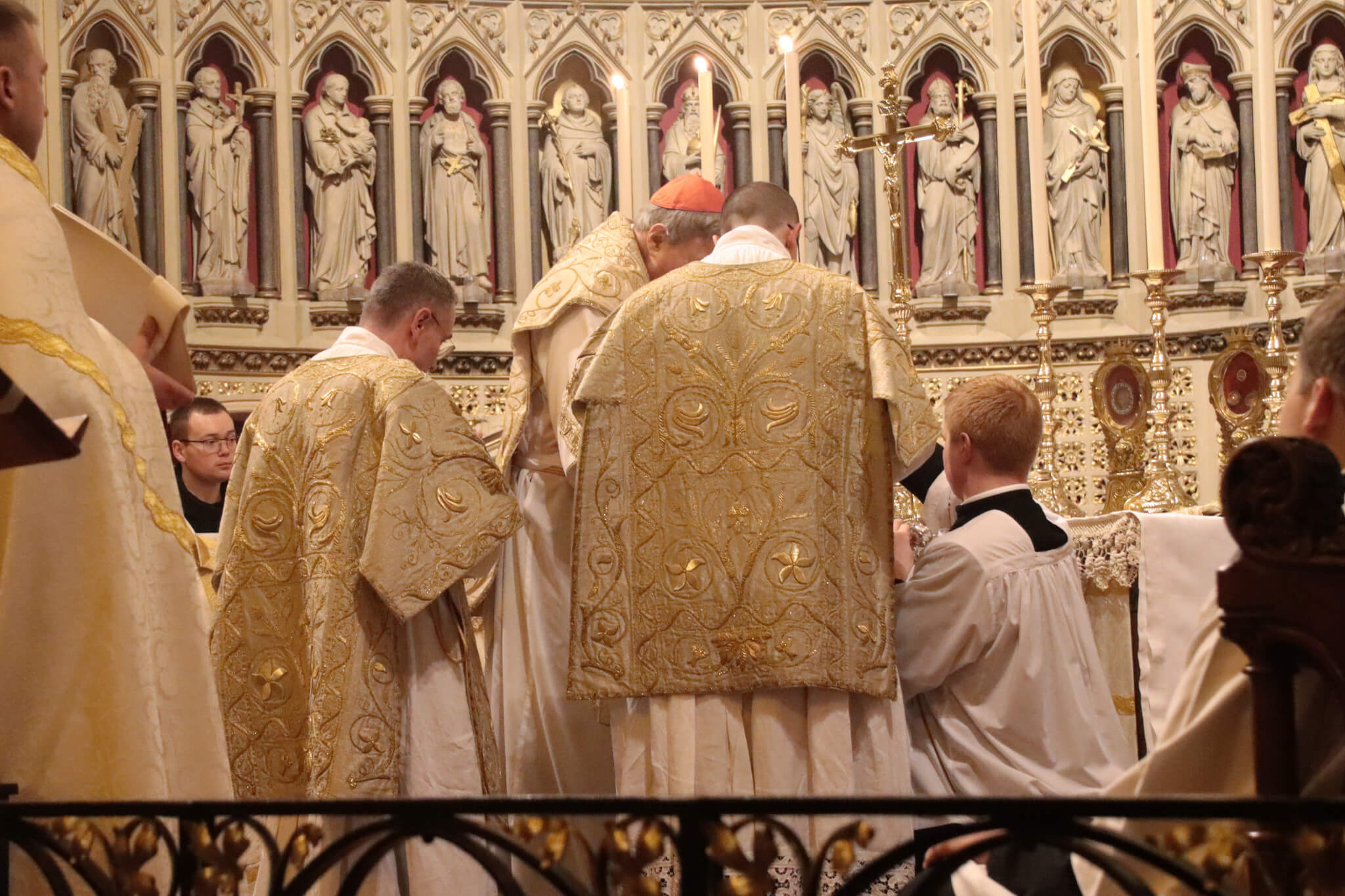
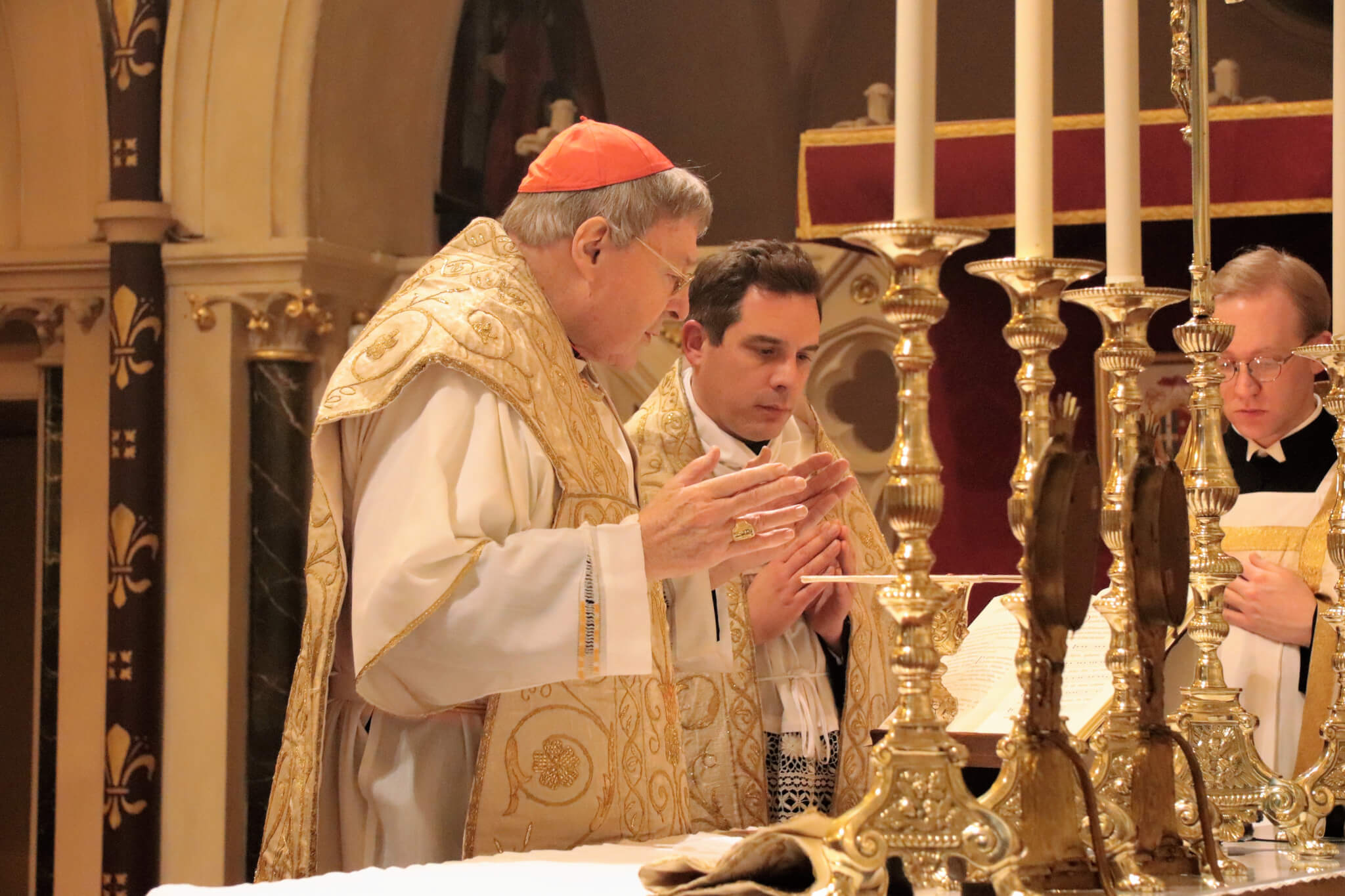
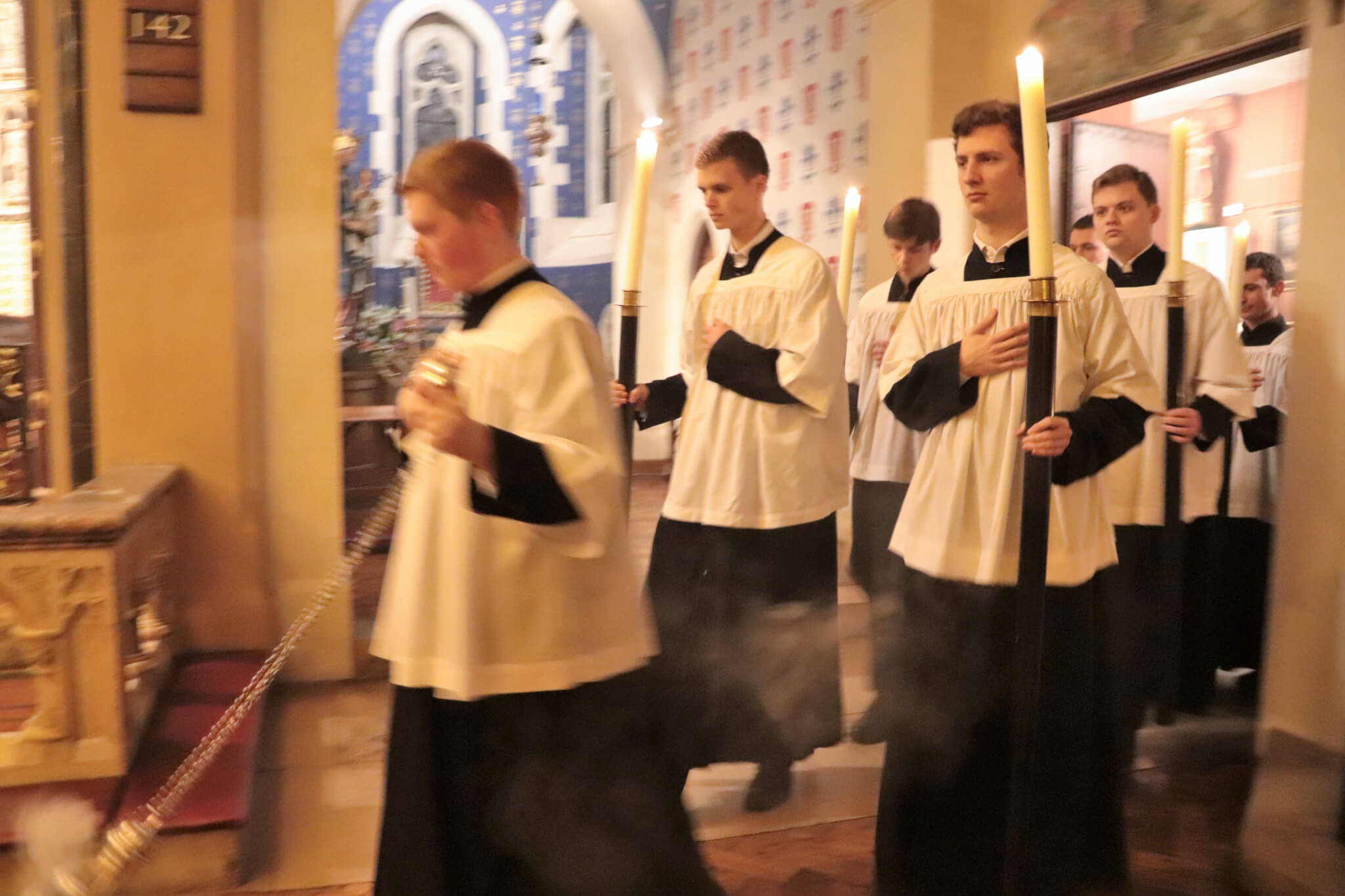
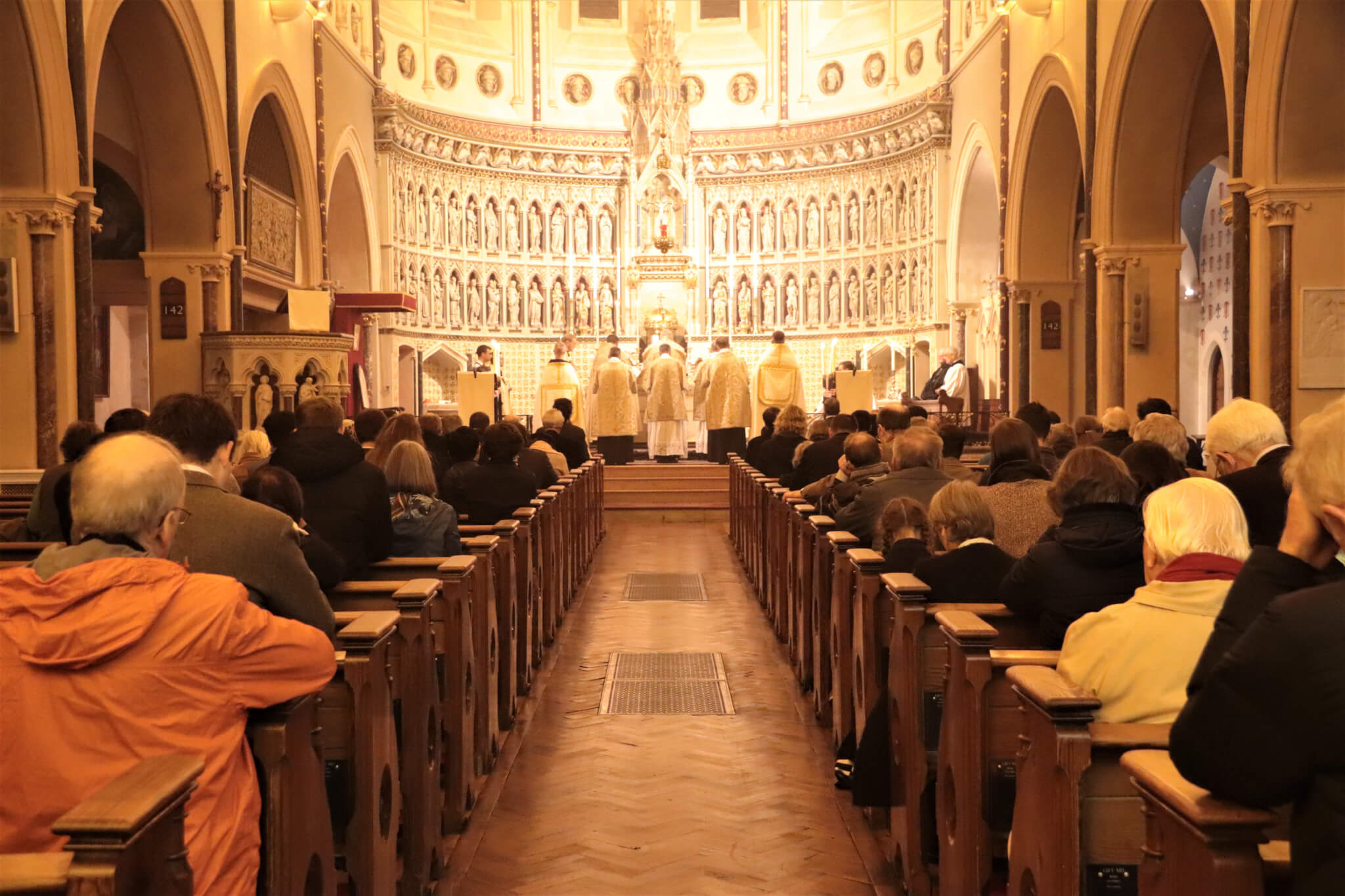
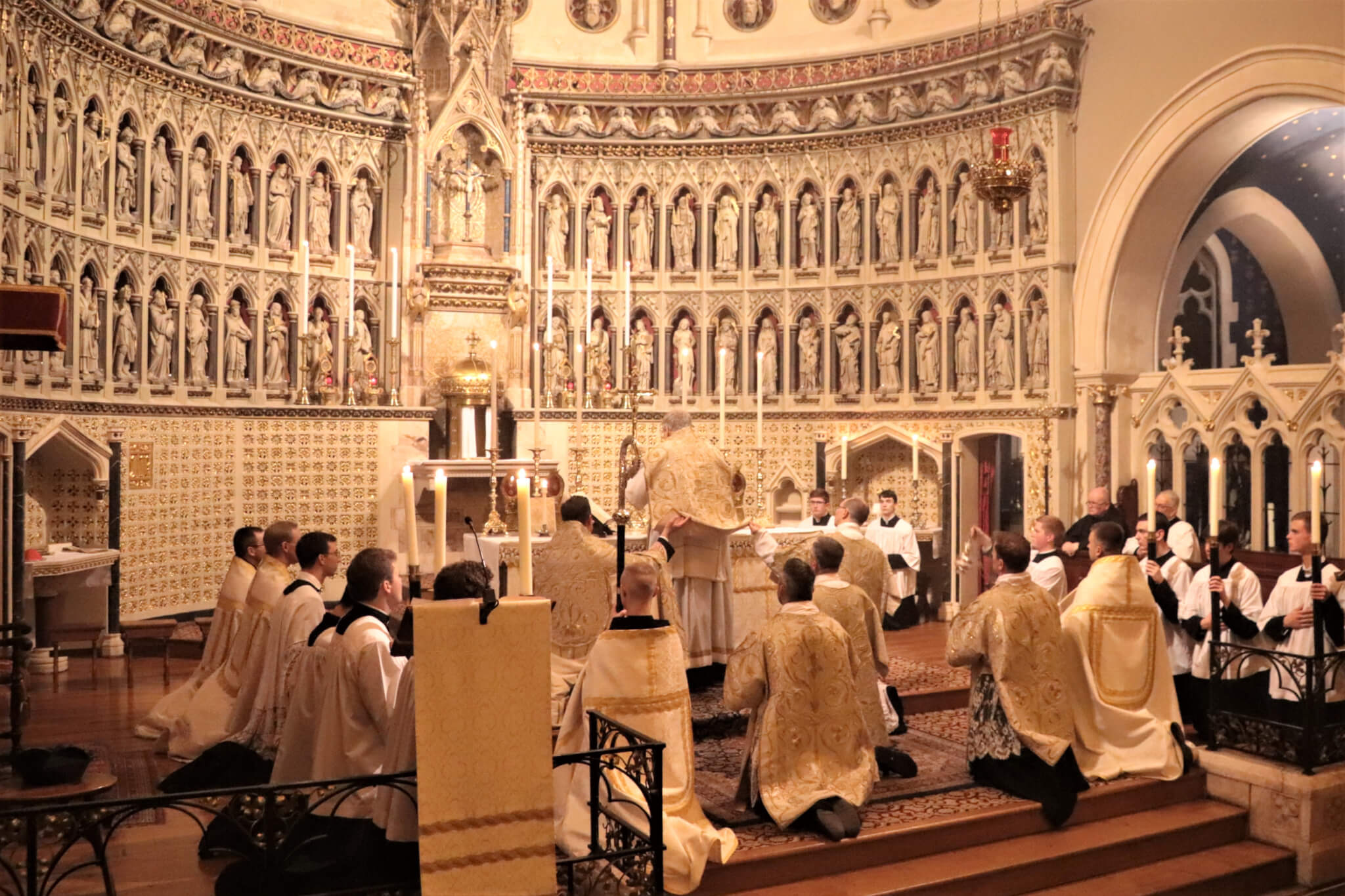
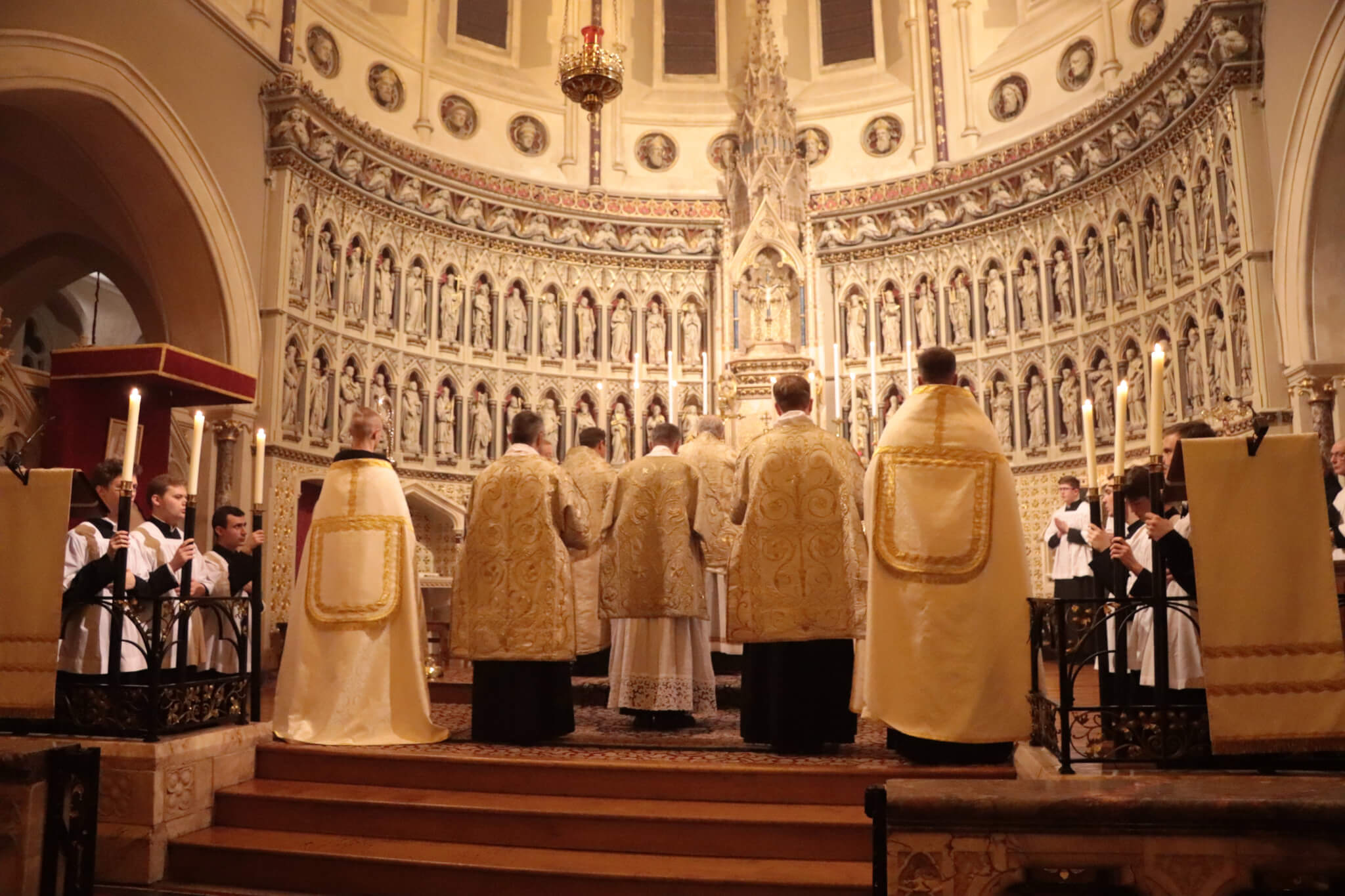
Yesterday we welcomed His Excellency, Archbishop Claudio Gugerotti, Apostolic Nuncio to the UK to celebrate Mass and preach for the feast of Our Lady’s Immaculate Conception.
#oxfordoratory
My childhood parish had a lovely custom of building the Christmas Crib throughout Advent. The first Sunday saw the stable and the first animals arriving. Then, as the Sundays of Advent progressed, more and more figures would be brought up at the beginning of Mass — the shepherds, the angel, St Joseph — until finally, Our Lady and the manger appeared on the last Sunday, ready to receive the Christ Child at Midnight Mass. Like the candles on the wreath, this practice helped to mark the progress of Advent, but it was also a visual reminder of what the season is all about: preparation for the birth of the Saviour. Just as the crib was gradually made ready, so we were reminded to prepare our homes and our hearts for Christmas: through prayer, through acts of charity and kindness, and especially in the Sacrament of Confession.
But this custom is also a representation of God’s saving plan in history. After the Fall, God gradually prepared his Chosen People for their redemption, through the Law and the Temple sacrifices, through the prophets and kings. And his final, and most wonderful, act in that plan — the last piece of the puzzle — was the mystery we are celebrating today: the Immaculate Conception of the Blessed Virgin Mary.
Our Lady, by a singular grace, was preserved from all stain of sin from the first moment of her creation, to be a worthy dwelling place for God’s Son. Free from all the foolish pride, arrogance, grasping greed, and self-centredness of sin that had afflict humankind since Adam, Mary was able to be so open to the Lord and his will, so trusting and so loving, that she was able to say “yes” to God and welcome his Son into her womb. With the Virgin Mary, “our tainted nature’s solitary boast”, God was able to complete his plan, and everything was finally ready for his coming into the world.
Our celebration of Mary’s Immaculate Conception gives glory to God for his plan of salvation and for the immensity of his love for her and for his sinful children. We honour Our Lady because in her God gave honour to the whole human race. But our calling to mind her “unsullied purity of soul and body” is also meant to help us prepare and purify our own souls for the feast of the Nativity of the Lord. Our Lady prompts us to look at ourselves, and see what in us needs forgiving, and healing, and strength; she helps us to know what in us needs saving so that we can welcome our Saviour when he comes.
Most Holy Virgin, obtain for us a deep hatred of sin, and purity of heart, so that our every thought, word and deed may tend to the greater glory of God. Obtain for us a spirit of prayer and self-denial, that we may recover by penance what we have lost by sin. Obtain for us the grace to share one day your happiness in heaven.
O Mary, conceived without sin, pray for us who have recourse to thee.
These reflections are sent out each Wednesday to all those on our mailing list. Click here to sign up to our mailing list, and receive our Sunday E-newsletter and these reflections straight to your inbox.
Sunday 5 December Solemn Mass 11:00
Advent II
Missa Veni Domini Lobo
Vigilate Byrd
Audivi vocem Lobo
Tuesday 7 December Solemn Vespers 18:30
The Immaculate Conception
Invitatory Croce
Ave maris stella Hassler
Magnificat octavi toni Victoria
O salutaris hostia Laloux
Tantum ergo Brough
Adoremus Laloux
Alma redemptoris mater Victoria
Wednesday 8 December Solemn Mass 18:00
The Immaculate Conception
Ecce sacerdos magnus Elgar
Missa Ave maris stella Victoria
Ave Maria a8 Victoria
Sancta et immaculata Croce
Sunday 12 December Solemn Mass 11:00
Advent III (‘Gaudete’)
Kleine Orgelmesse Haydn
O Sapientia Ramsey
Egredietur virga Handl
Sunday 19 December Solemn Mass 11:00
Advent IV
Missa Ave Maria Palestrina
Ave Maria L’Héritier
Alma redemptoris mater Lassus
Saturday 25 December Solemn Mass at Midnight
Christmas Day — Carols & Midnight Mass
A spotless rose Howells
Sing lullaby arr. Quinney
Bethlehem down Warlock
God is with us Tavener
Missa Sancti Nicolai Haydn
O magnum mysterium Lauridsen
Verbum caro Sheppard
Saturday 25 December Solemn Mass 11:00
Christmas Day — Mass during the day
Messe solennelle Vierne
Laetentur coeli Byrd
Hodie Christus natus est Palestrina
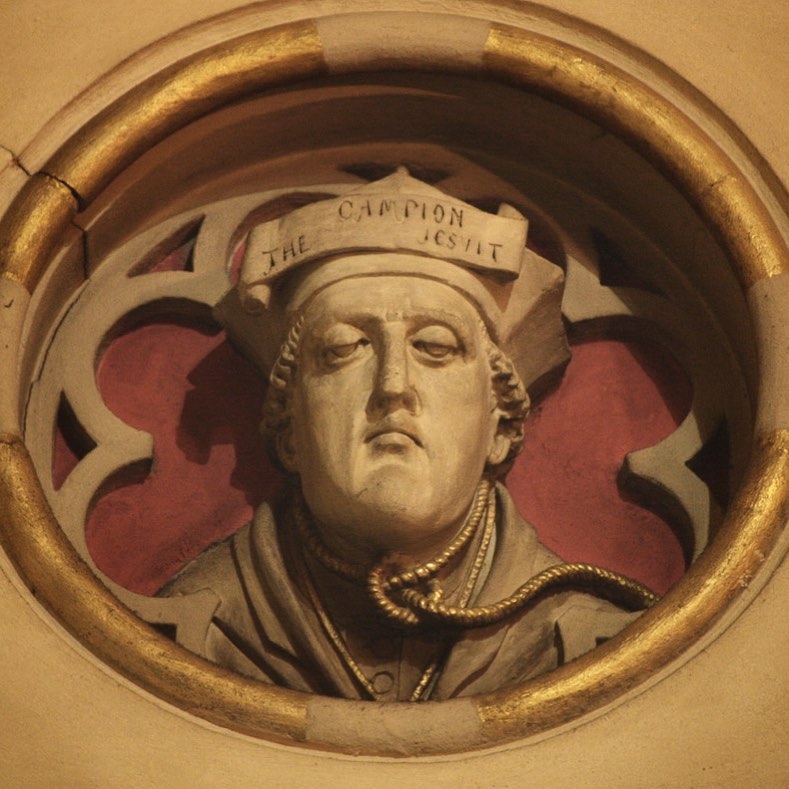
One of the heads looking down onto our sanctuary is that of St Edmund Campion, who is celebrated today together with his fellow priest martyrs of the University of Oxford, St Ralph Sherwin and St Alexander Briant.
When he was finally caught and arrested, he was taken to London with the sign ‘Campion, the seditious Jesuit’ pinned to his hat. Here we see that the Jesuit fathers who built our church have omitted that particular adjective out of reverence to the saint.
#oxfordoratory
It may not have escaped your notice that Christmas decorations are out in force. In shops and schools, civic buildings and the high streets, trees and lights are bringing a cheery sparkle to these early nights. And it only the start of December.
In our house, growing up, there was always a certain excitement about the decorations being excavated from the loft yet again. Some were gaudy and brightly painted, others, made of glass, almost as thin as the tissue paper that wrapped them, had cherished stories of which grandparent had owned them, and still there were new purchases, adding to the hotchpotch collection. Advent has only begun, and trees perhaps shouldn’t really be appearing just yet — Christmas Eve is time enough — but the decorations should be a salient reminder to us rather than a cause of horror or stress.
The 17th century Venerable Fr Giambattista Prever of the Turin Oratory was noted for his outstanding growth in the virtues, for his gentle and charitable guidance of souls in the confessional and for his zeal in getting them into the box in the first place. But he was also notable for his creative ingenuity. “In the church too, which is the material, as souls are the spiritual temples of God, Father Prever exercised the zeal of his ingenious and ardent charity,” writes his biographer. He had an incredible desire to make the church beautiful, decorating it for feasts and celebrations with great care and, we are told, great taste. “Such was the perfection of his work and the beauty of the designs, that all were in astonishment, especially as a pair of scissors and a penknife were his sole instrument.” Sadly, no illustrations of his decorations are provided by the biographer.
For Fr Prever, the decorations he worked so hard to install were to attract the faithful to the feast, and were a gesture of devotion, making all beautiful to welcome the Lord who becomes present among us on the altar. They were expressions of that Oratorian conviction that beauty in art reflects the beauty that is in God and speaks deeply to our souls.
But the soul is the spiritual, where the church is the material temple of God. As we think about turning our mind to the decorations in our own home for the approaching feast of Christmas, as Advent has begun we ought to think about those spiritual temples of God which are our own, and how we might make them ready for the feast, to renew in them the welcome we have for our Lord by the beauty that is in them. For Fr Prever, and for us, Confession and a renewed zeal to avoid sin and practice the virtues must surely come first. The means are very simple — if Fr Prever managed so much with a pair of scissors and penknife, what might we allow God’s grace to do in us?
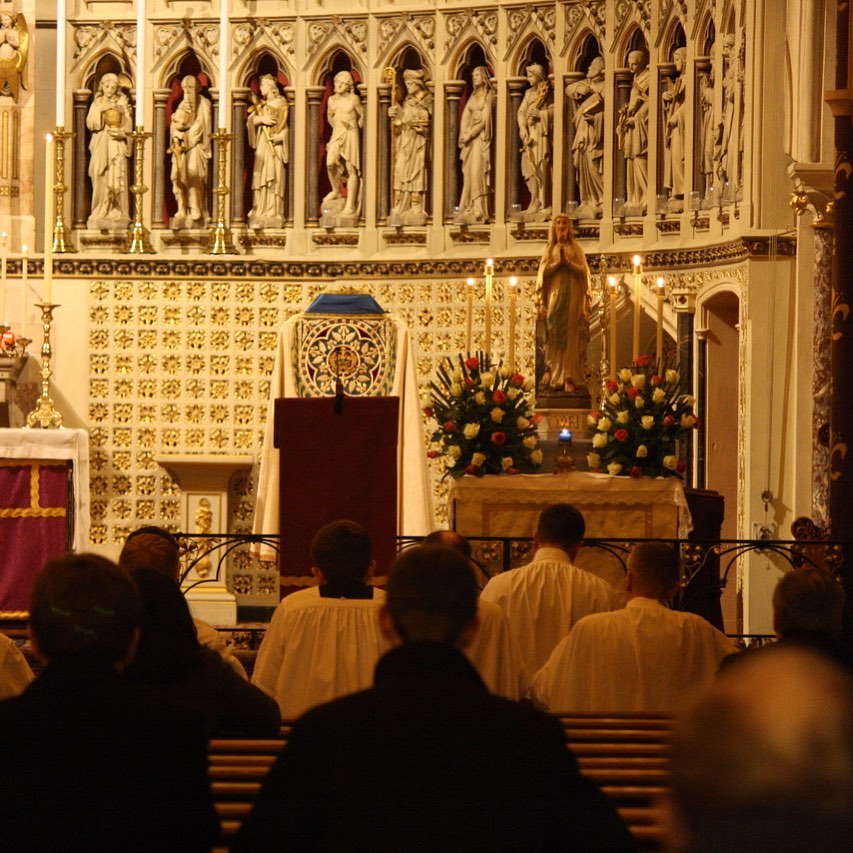
Our novena to Our Lady continues each evening, in preparation for the feast of her Immaculate Conception.
#oxfordoratory
The second highest point on the Camino to Santiago brings you to the small village of O Cebreiro. The village is distinctive on what is already an interesting route for its thatched-roof round huts, which look like they may well have been inhabited continuously since the first people settled on top of the hill over two thousand years ago.
But there is more to the village than curious architecture, or even the stunning view of the surrounding countryside at sunrise and sunset. In the parish church, in a small niche to the side of the altar, is a very precious relic: a chalice, stuffed with pieces of linen, is displayed behind a glass screen. The chalice contains the remnants of a Eucharistic miracle that took place in the village in the fourteenth century.
The priest of the village at the time didn’t particularly appreciate his vocation. He was not convinced that the bread and wine at Mass truly become the Body and Blood of Christ, and couldn’t really be held up as a model of pastoral zeal. One day, during a particularly heavy snow storm, which would have made the steep track up to the village completely perilous, the priest rang the church bells before Mass, secretly hoping that no one would turn up and that he needn’t bother saying it.
Much to the priest’s disappointment, a farmer who lived out in the countryside had decided he would not be deterred by a little weather, and made the difficult journey up to the village. The priest began the Mass, furious that he was having to say Mass for this one person. He thought the whole exercise pointless, but Our Lord showed him otherwise. As he spoke the words of consecration over the bread, ‘This is my body,’ he noticed he was no longer holding bread, but a piece of real flesh, with blood dripping onto the linen corporal underneath. The chalice now on display contains the remains of this miracle — a piece of flesh, wrapped in the blood-stained altar linens.
The bishops of England and Wales have decided that it is not yet time to restore the obligation to attend Mass on Sundays and holy days. But the farmer of O Cebreiro shows us that if we really believe that Christ himself is present on the altar of every Mass, nothing — snow, steep hills or even pandemics — should stop us from making the effort to be there.
We may not be required in this country to attend Mass on Sundays for the moment. But that gives us an opportunity — an opportunity to show that we attend Mass not because we have to, but because we want to. We make the effort not because someone with authority tells us to, but because we won’t allow anything to stop us from encountering the one we are called to love with all our heart and with all our soul and with all our strength.
I hope that our faith never grows so weak that Christ feels the need to intervene with a Eucharistic miracle here in Oxford. I hope too that all those who make the effort to attend Mass in our church feel welcome. And you might be reassured to hear that pilgrims to O Cebreiro have been welcomed rather more warmly in recent years by the parish priest, who stands at the entrance to the village congratulating all those who make it up the hill.
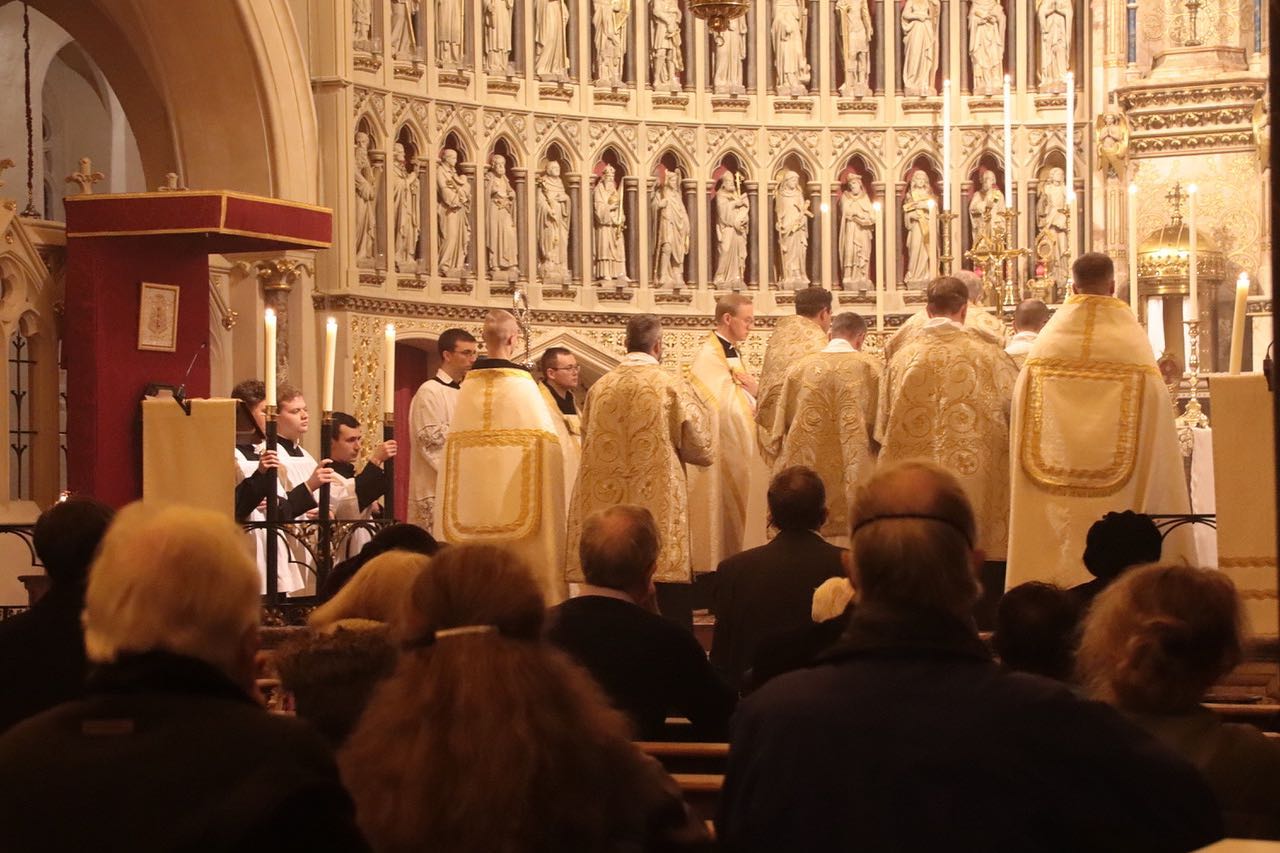
More pictures of our Mass with Cardinal Pell are now available to view on our new website, launched earlier today.
www.oxfordoratory.org.uk
#oxfordoratory

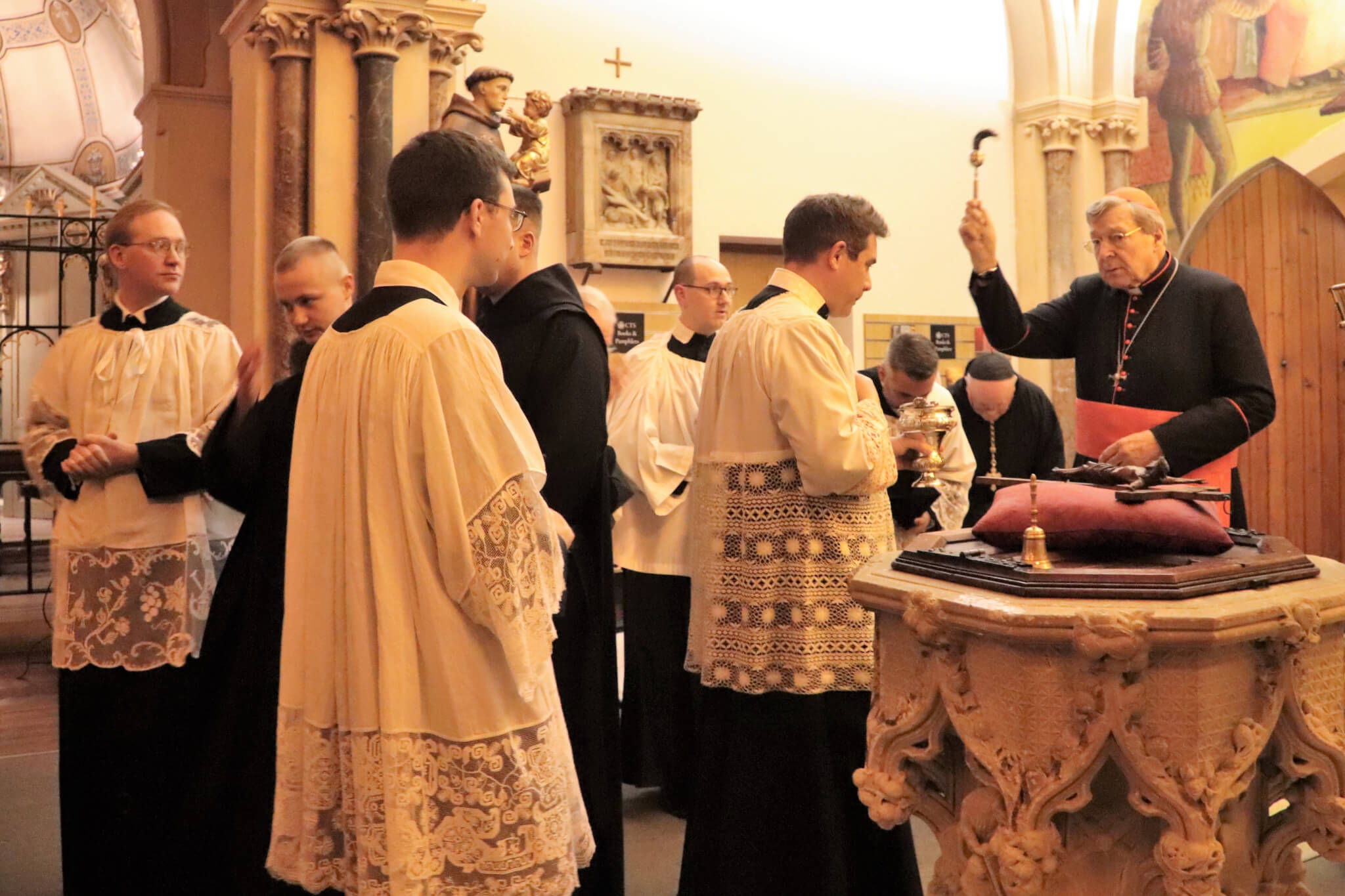
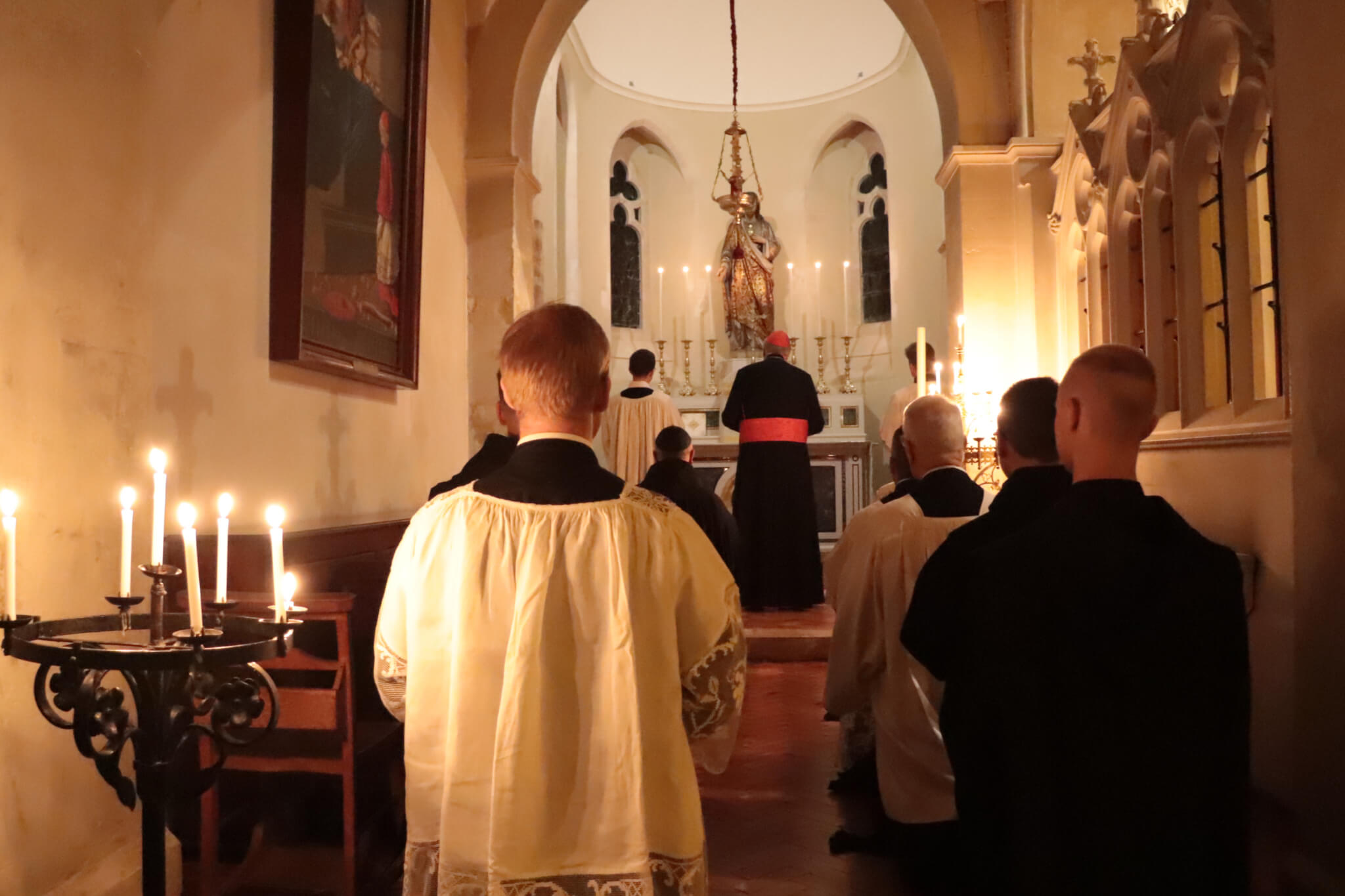
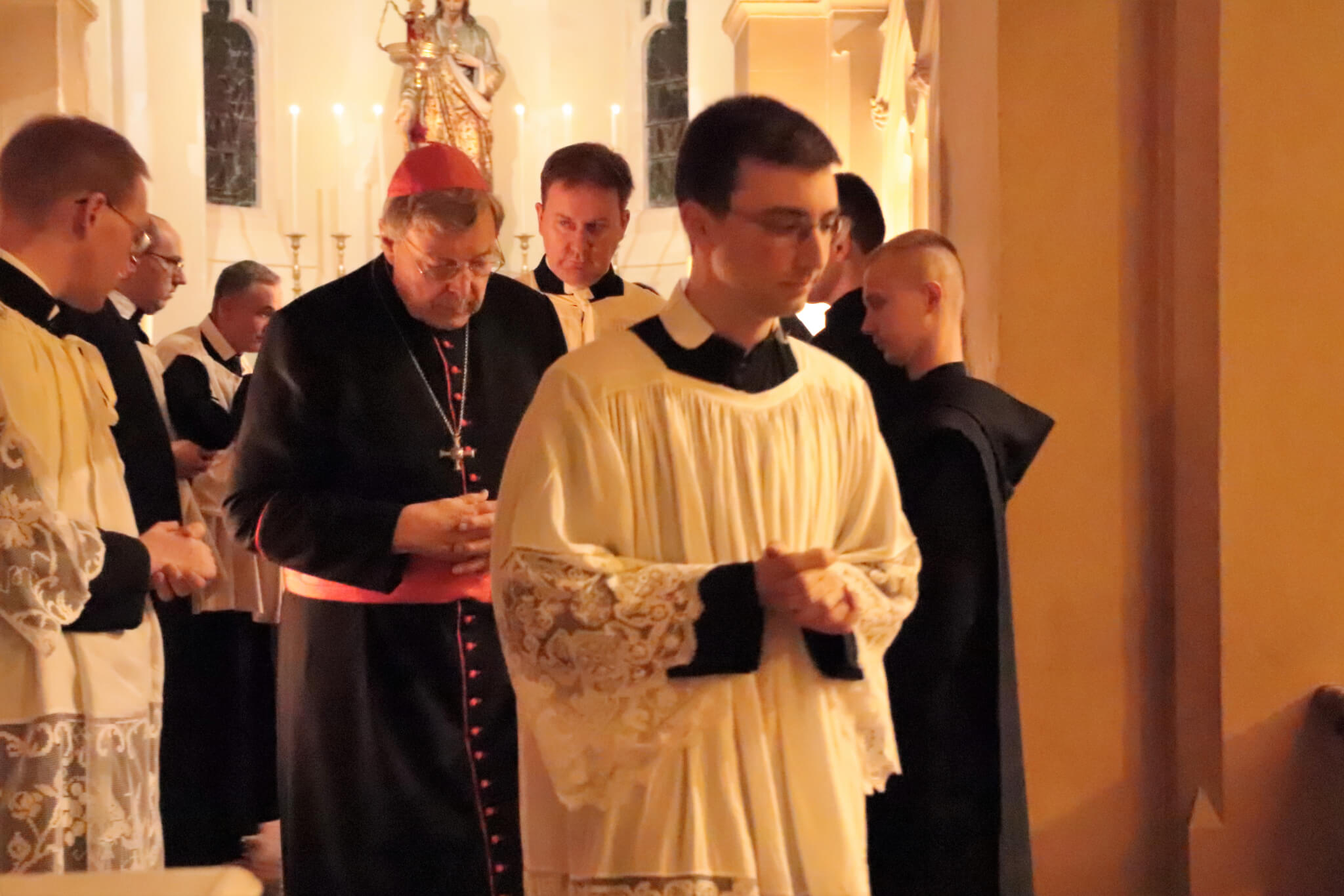
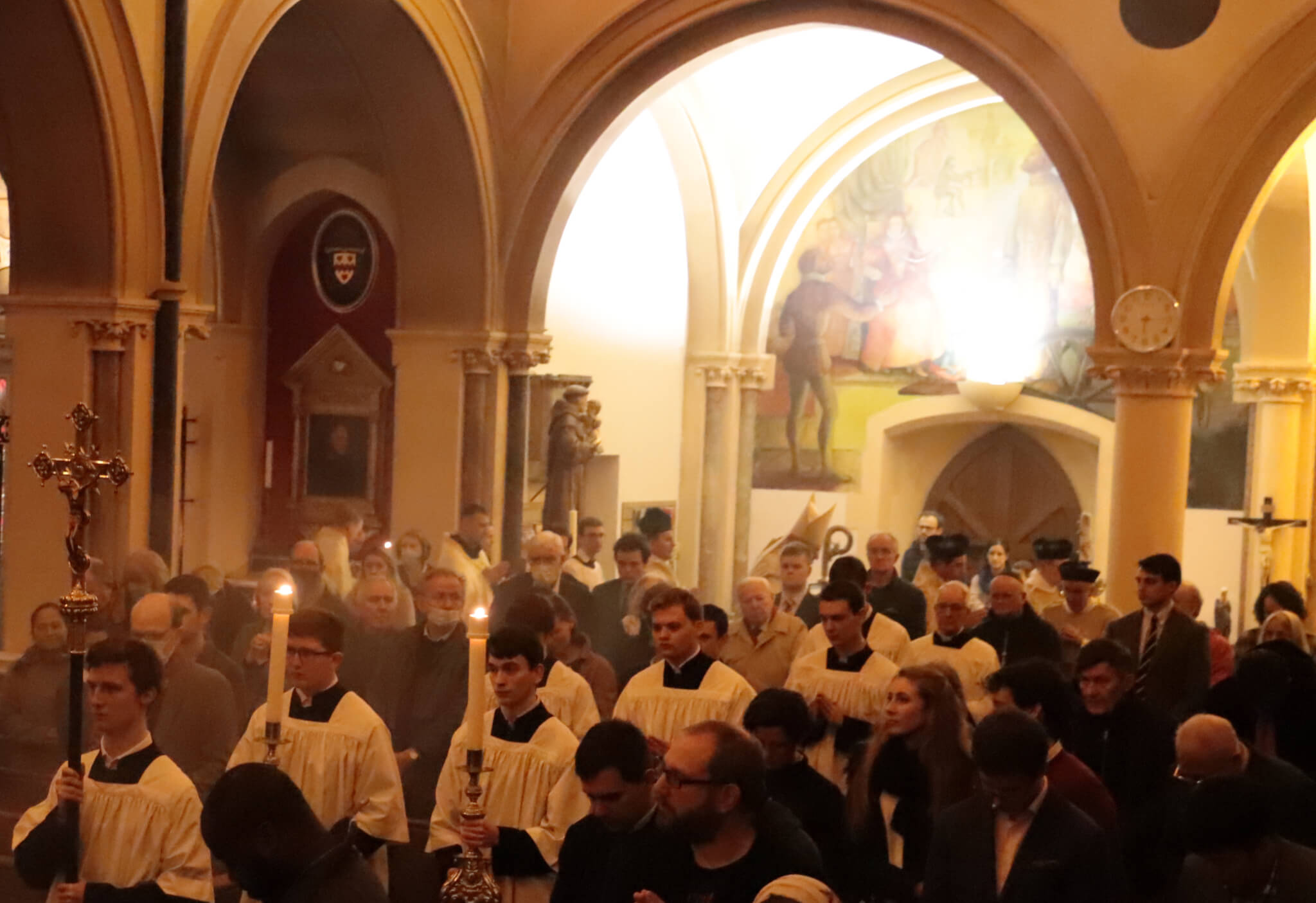
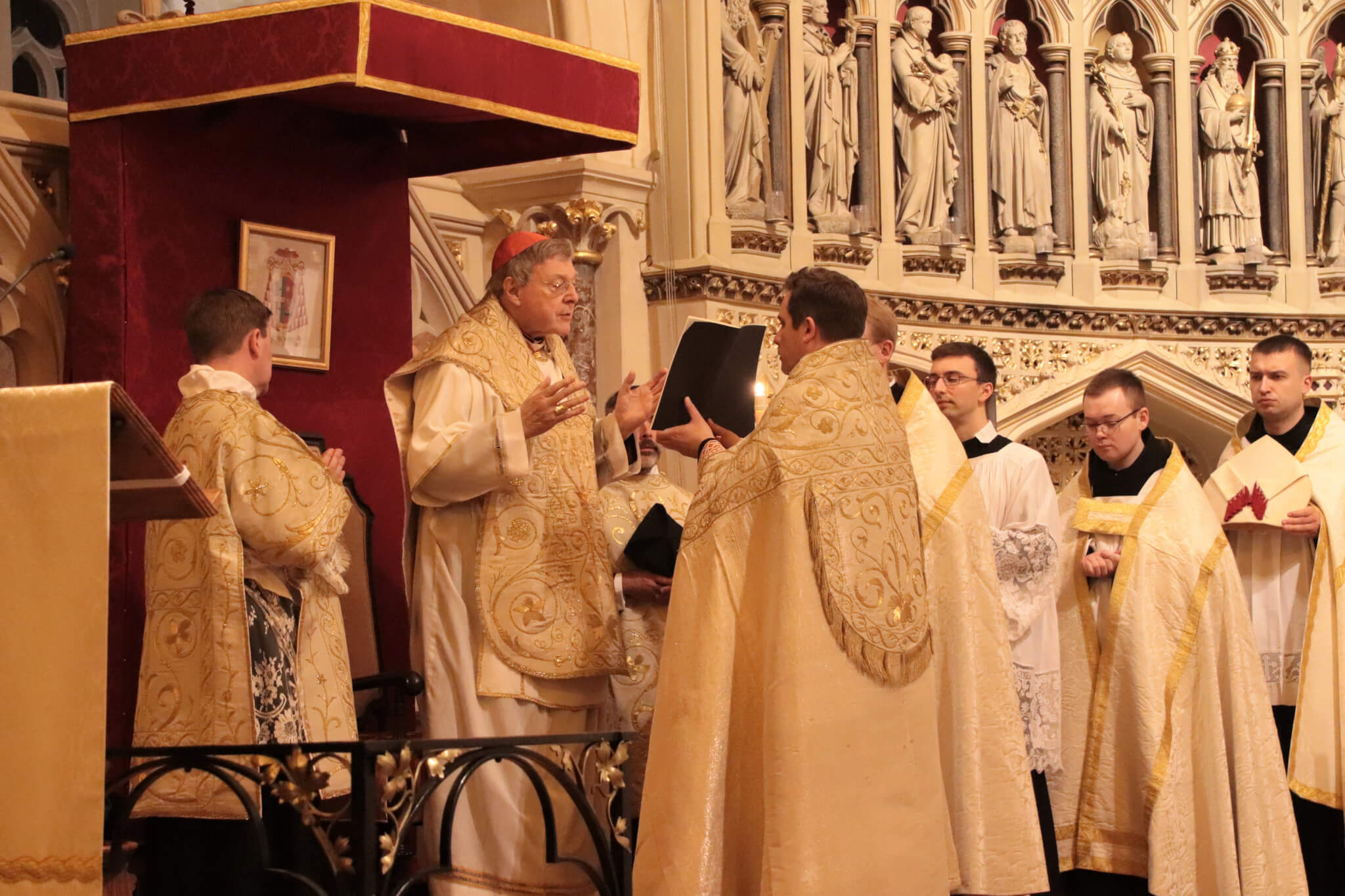
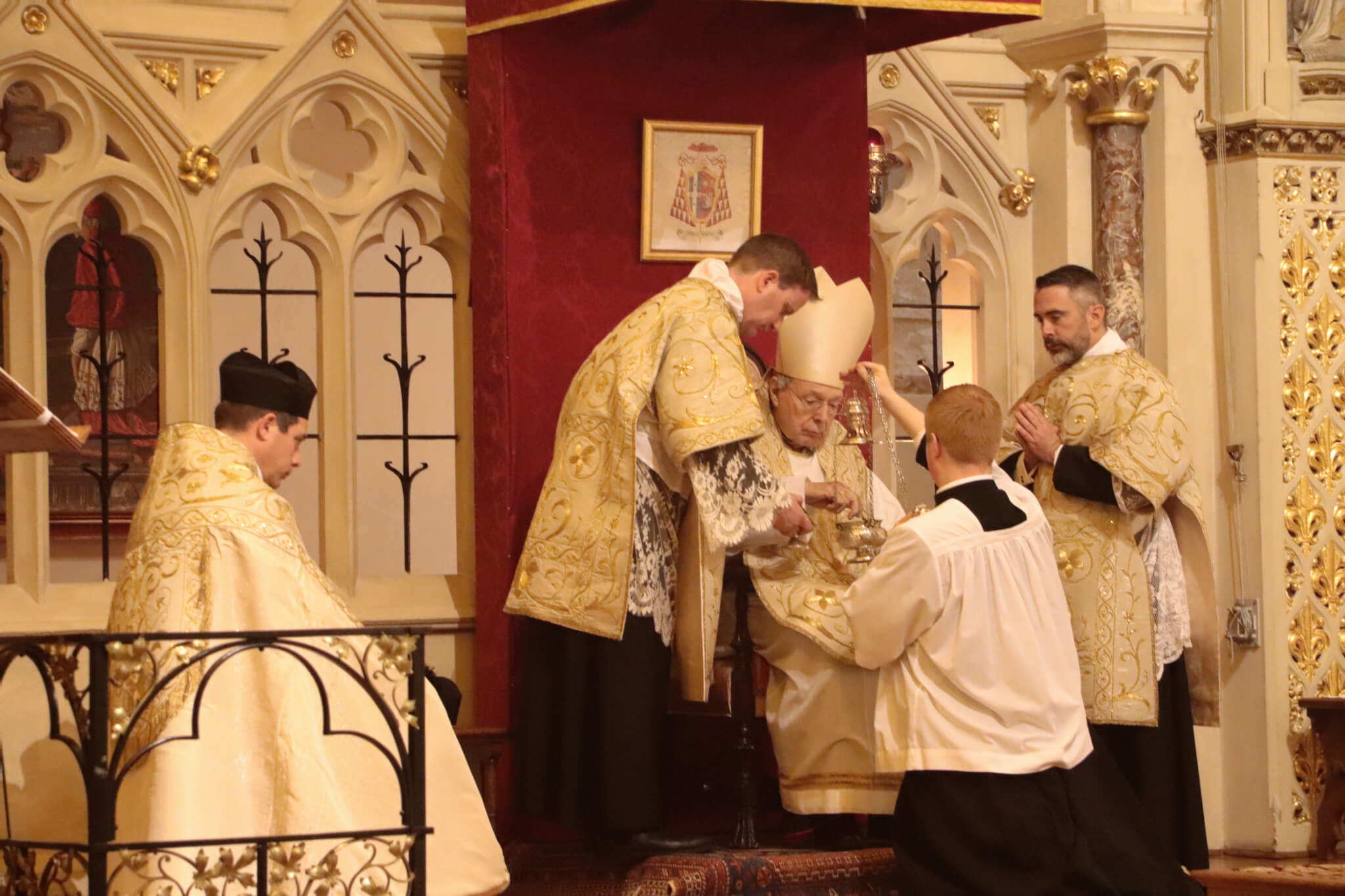
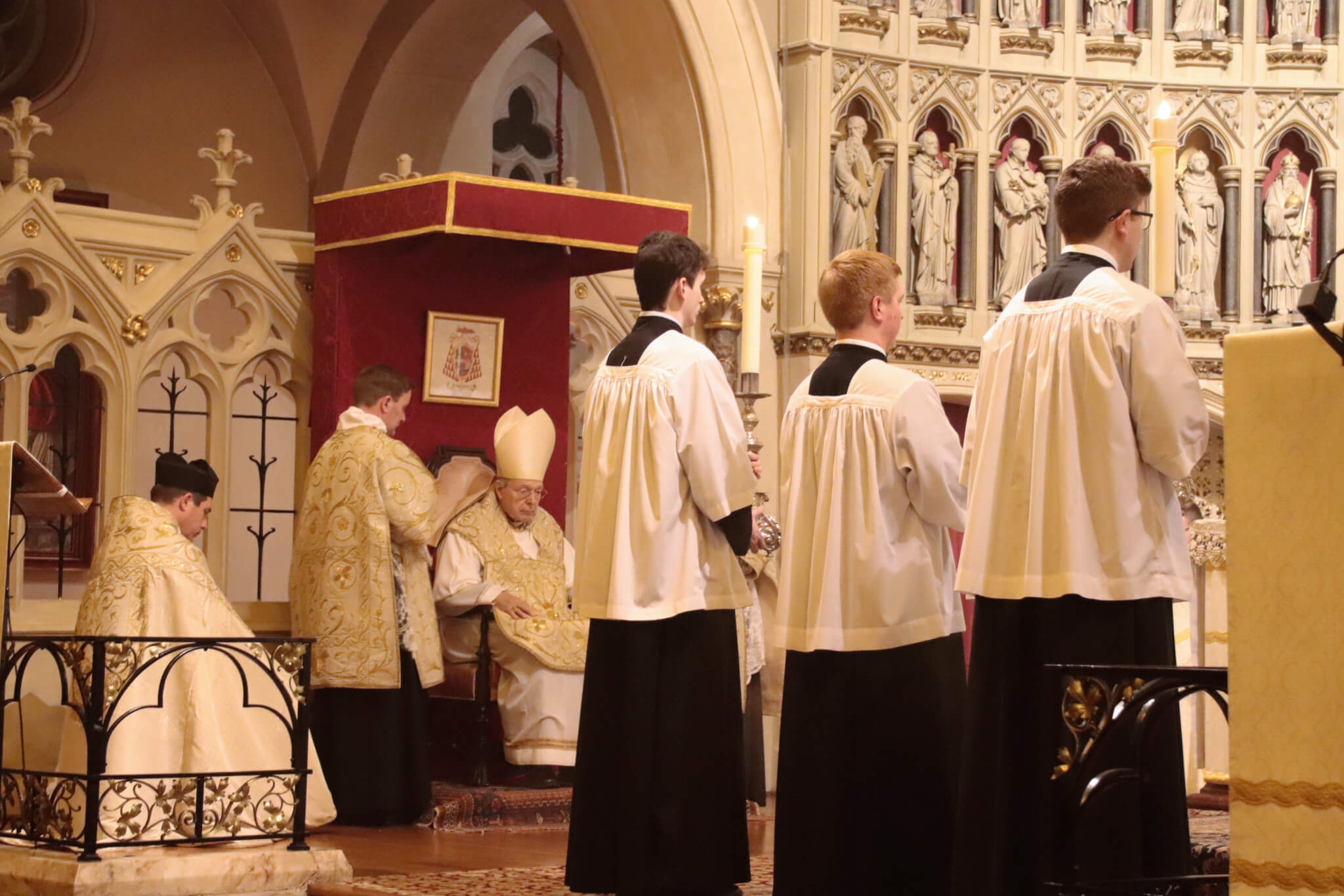

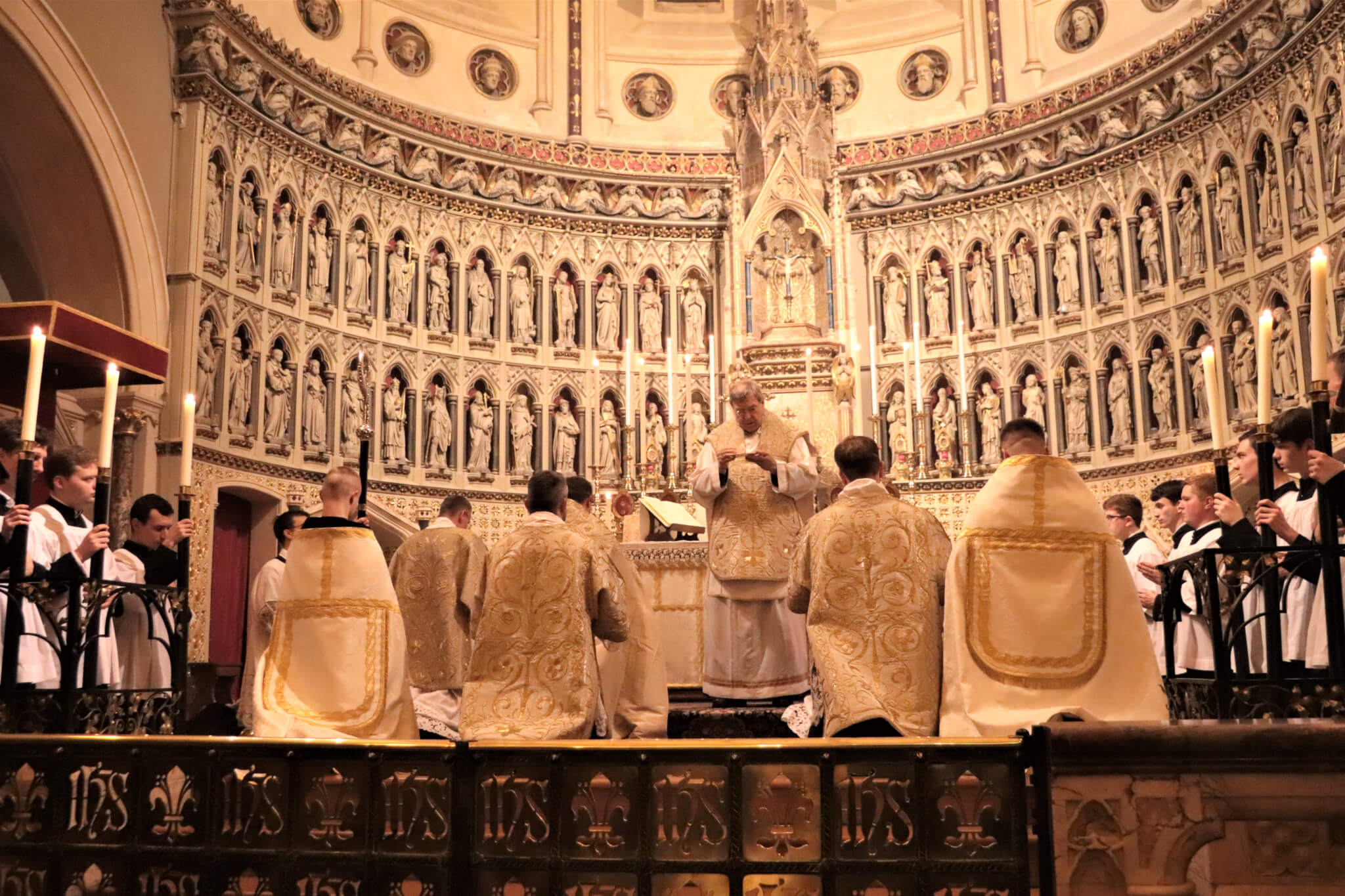
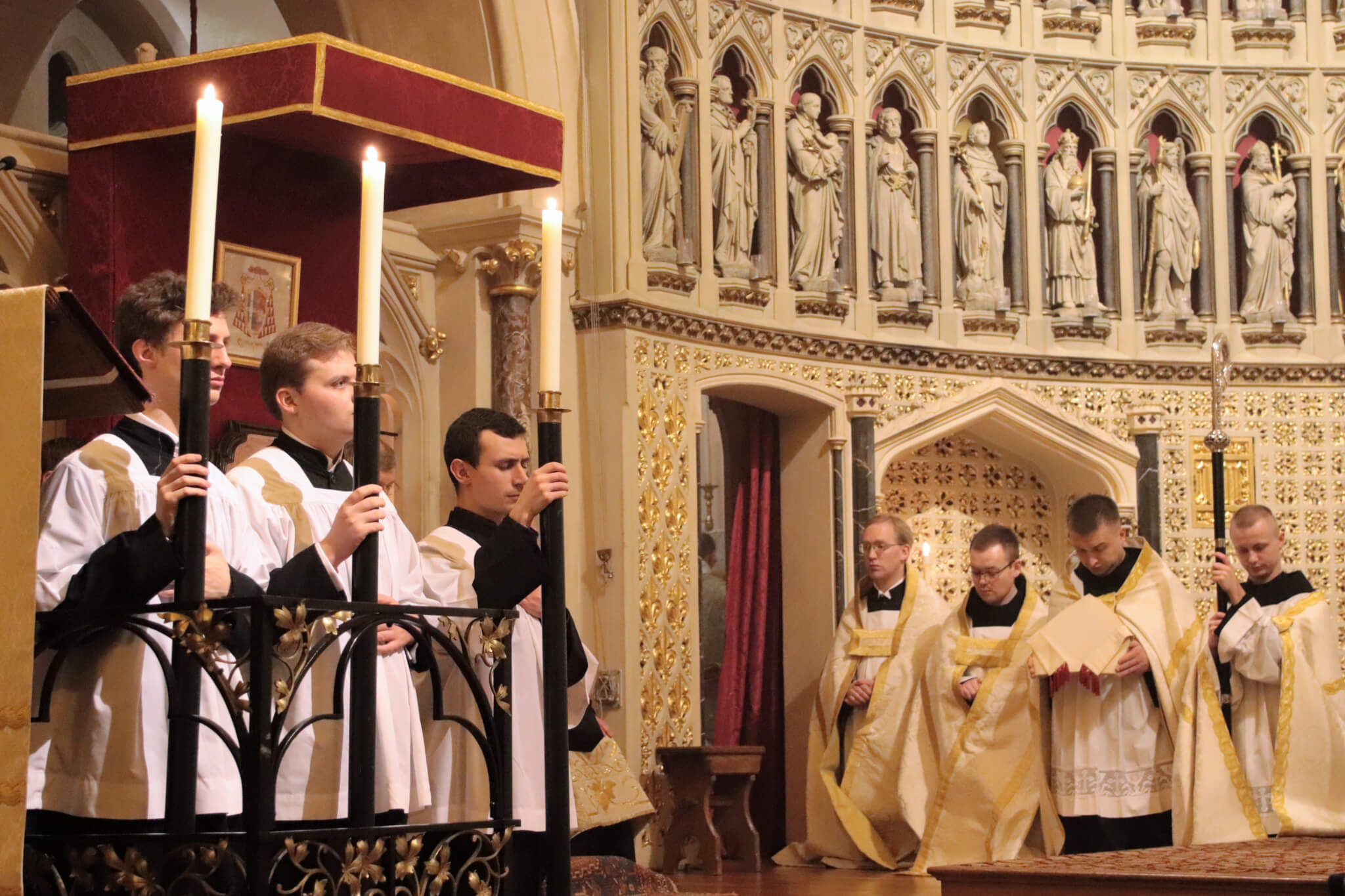
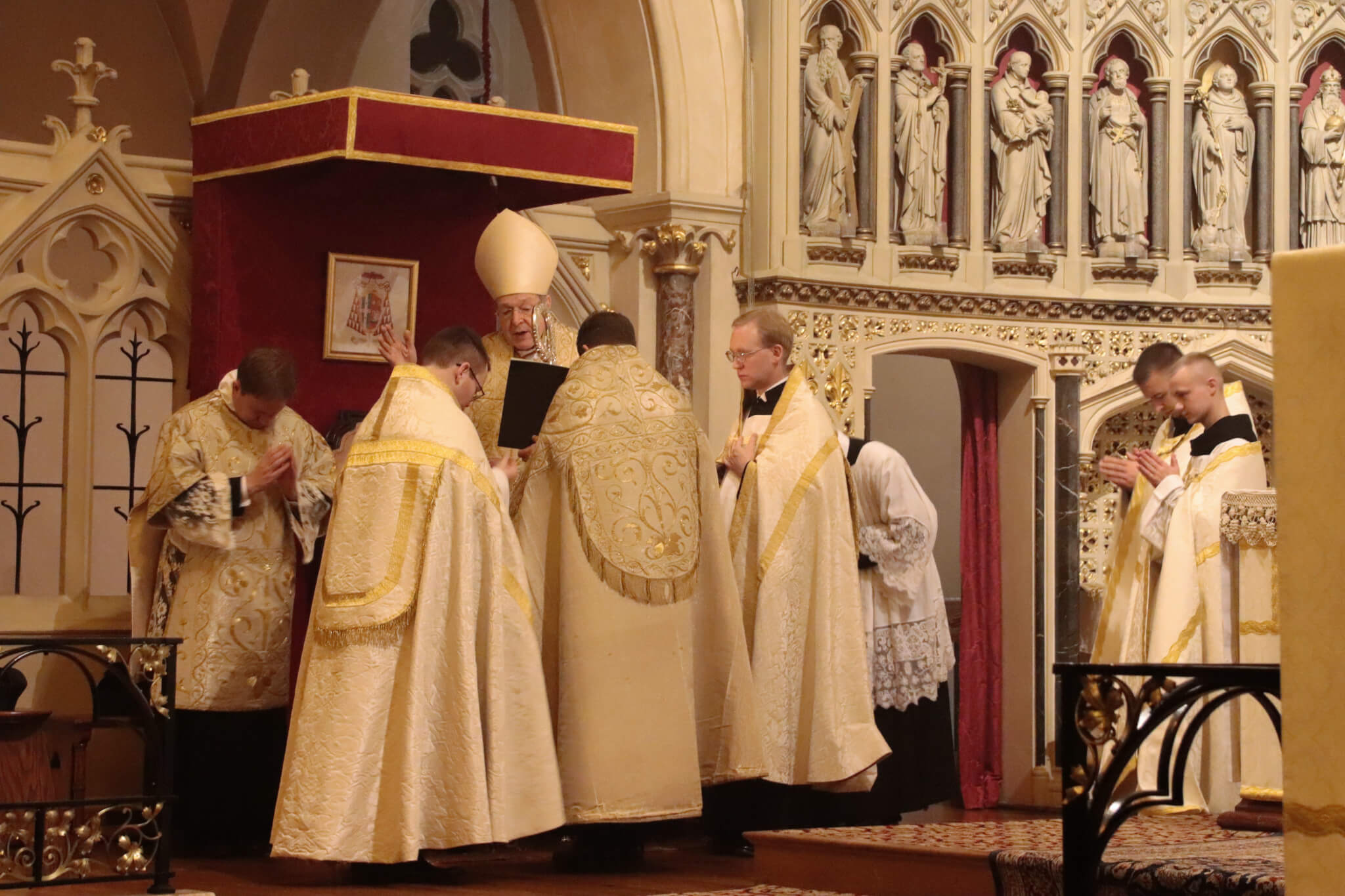
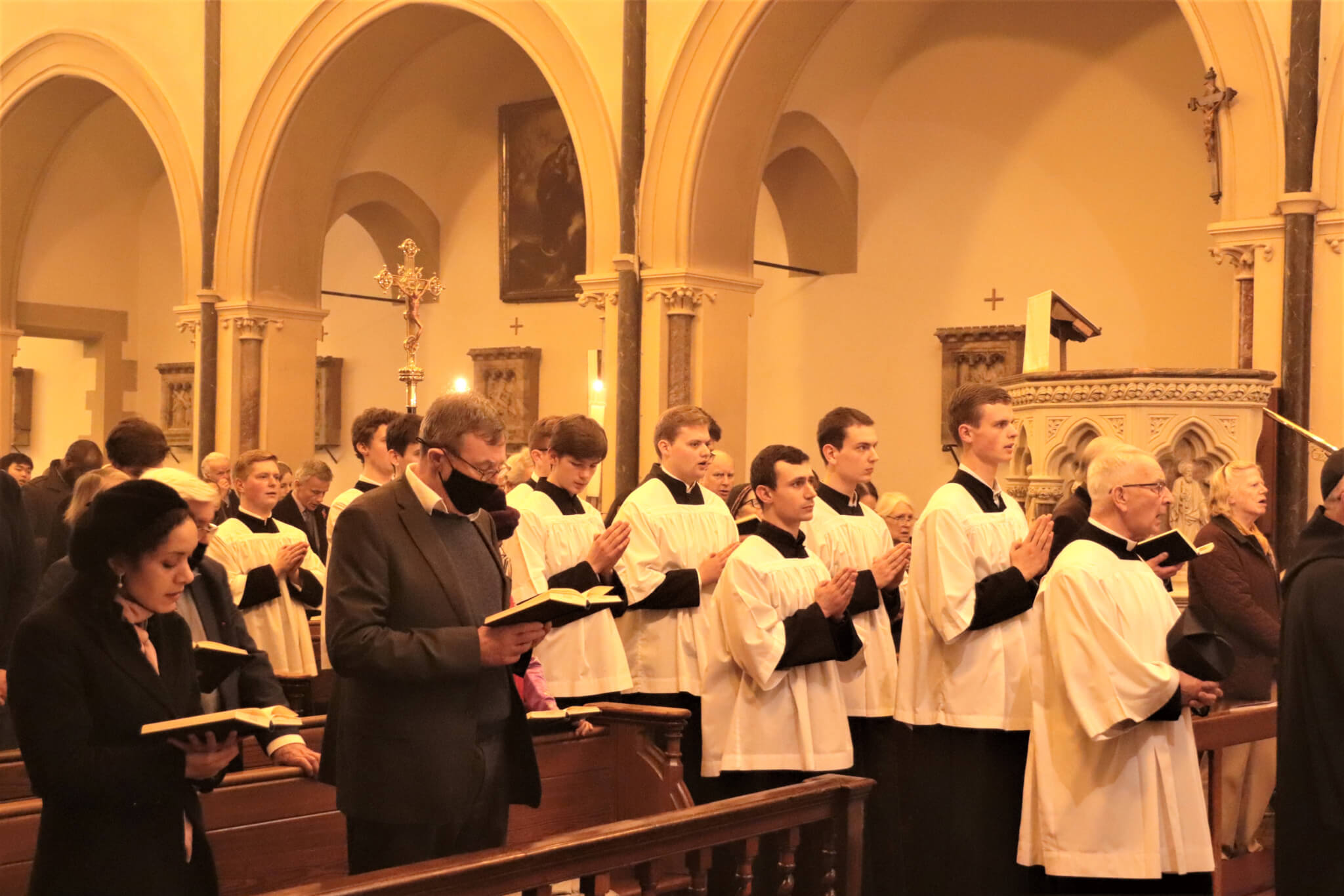
Photos by Hannah Chegwyn