The original decoration of our church wasn’t all dependent on paint. Running the length of the nave, there are panels of marble above each archway, in the area underneath the windows. We get a really good idea of what it looks like from the big patches that have just been uncovered.

#oxfordoratory

View on Instagram

Keep the light burning brightly

On Tuesday our reredos, the great decorative structure in the apse of the church surrounding the high altar, will be ablaze with the light of fifty-two lamps, one for each of the statues of the saints and angels. It is an impressive illustration of the light of Christ in which we share through our baptism, a light which is to be kept burning brightly as a flame of faith alive in our hearts so that — as the rite of baptism says — “when the Lord comes, we may go out to meet him with all the saints in the heavenly kingdom”.

On the first day of November each year we celebrate the feast of All Saints. But the saints we celebrate are not just the ones on our reredos, or paintings, or stained-glass windows. Not just St Philip and St Francis and St Ignatius and St Theresa. Not just those whose lives we remember in the Church’s liturgical calendar. But all those millions of our brothers and sisters in whom God’s light has burned brightly and who are now reigning forever with him in heaven, “a large number, impossible to count, of people from every nation, race, tribe and language”.

We may often find it hard to identify with those saints whose stories we know so well. They seem so different to us. They seem so otherworldly. We put them on pedestals and light candles in front of them, but they’re not like us — or rather, we think we are nothing like them. But we can be absolutely sure that, as unique as each of us is, somewhere in the house of our Father, there is someone who has struggled and fought with all the trials, difficulties and temptations that trouble us — and they have won. Whatever your besetting sin may be, the thing that you just cannot seem to shake off, whatever it is that seems to dominate and control you, the temptation that never seems to go away, you can be sure that there are plenty of others in Heaven, plenty of saints, who have struggled just as you do, and in the end, which God’s help, they have triumphed. That is why the feast of All Saints is so special, and so encouraging. The lives of the saints give us a glimpse of just what God can do in any person’s life, and so they show us just what is possible. That holiness and faithfulness are possible. That living the commandments, and the Beatitudes, and the Christian life, is possible — and not for the few, but for all of us.

St John Henry Newman once wrote: “As the sun’s light comes to us reflected and refracted, so God’s saints are the means under which his glory comes to us”. Newman was convinced that the struggle for holiness, the struggle to become saints, was the heart of the Christian life, and for most of us it is a long, slow, life-long process of transformation: “a habit of prayer”, says our Cardinal, “the practice of turning to God and the unseen world in every season, in every place, in every emergency — prayer, I say, has what may be called a natural effect in spiritualising and elevating the soul. A man is no longer what he was before gradually… he has imbibed a new set of ideas, and become imbued with fresh principles”. In another sermon of his, St John Henry explained that good works are not important in themselves, they do not store up merit for us like rewards for good behaviour, or pounds in a celestial bank account; rather, they are important because little by little they change and transform us into good people — into saints. Acts of love, of patience, of kindness and generosity accumulate into habits that we do more and more easily, more and more naturally.

St John Henry’s path to holiness (which is actually our Holy Father St Philip’s path to holiness) is attractive because it does not demand great and dramatic acts. We don’t have to perform great penances, or preach the Gospel to thousands, or shed our blood for the name of Christ. It simply invites us to be faithful in all the circumstances of ordinary life, to believe that God can help us to be re-formed and re-made. Whatever it is that you feel stands between you and God, whatever it is you struggle with most strongly, Heaven is full of known and unknown saints who have fought the same struggle and have triumphed, with God’s grace, and kept the light burning brightly.

If you ask me what you are to do in order to be perfect, I say, first— Do not lie in bed beyond the due time of rising; give your first thoughts to God; make a good visit to the Blessed Sacrament; say the Angelus devoutly; eat and drink to God’s glory; say the Rosary well; be recollected; keep out bad thoughts; make your evening meditation well; examine yourself daily; go to bed in good time, and you are already perfect.

St John Henry Newman: A short road to perfection

These reflections are sent out each Wednesday to all those on our mailing list. Click here to sign up to our mailing list, and receive our Sunday E-newsletter and these reflections straight to your inbox.
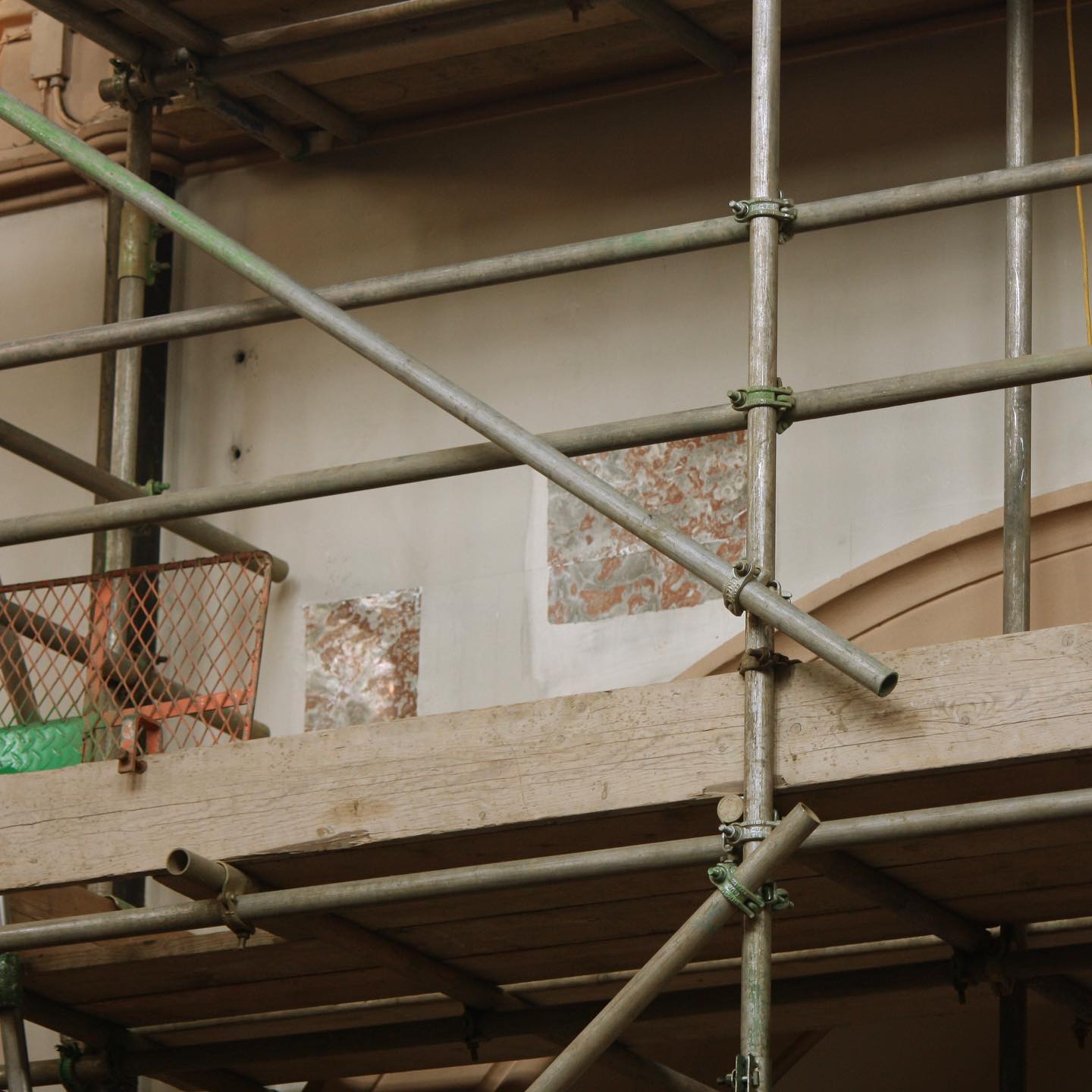
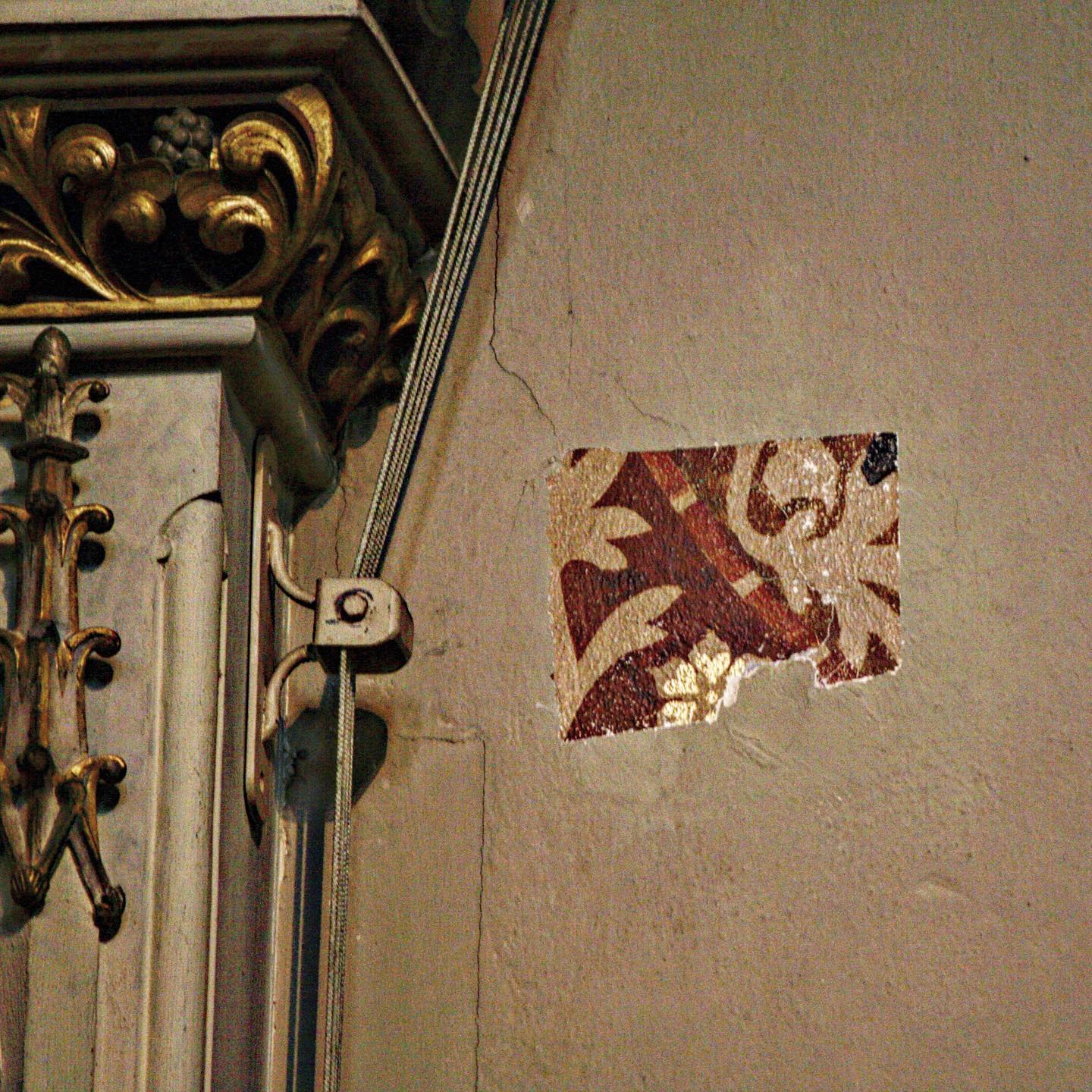
We’re not quite sure why the original decoration of the church was painted over — whether it was meant to be a permanent simplification, or a temporary way of dealing with a dirty church that would have been too expensive to restore properly at the time. The initial investigations have shown that (so far at least!) more of the original design survives than we thought, under the layers of monochrome paint.

#oxfordoratory

View on Instagram

We have scaffolding up in church for the next few weeks while we investigate the condition of the stone, plaster and decoration at the upper levels. (There are also much less exciting holes being opened in the floor to find out what’s underneath.) This is all part of our ongoing maintenance of the building, but we’re also taking the opportunity to learn more about the original decorative scheme — photos of what’s been uncovered to follow.

#oxfordoratory

View on Instagram

Marlene Dietrich and Saint Frideswide

This time of year is an especially glorious one here at the Oratory. In the church we have just ended the magnificent Forty Hours with its solemn liturgies and hours of silent prayer before Our Lord, when so many hundreds of people have come to adore Christ in the Blessed Sacrament. For the Fathers and all around us we have also had the joy of clothing another new novice — a source of much joy and encouragement — do keep Brother Vincent in your prayers. In the city and university it is also the beginning of term, when students return or else come here to begin what they are promised will be the best years of their life. All of these things remind us that each one of us can enjoy a very real sense of belonging, not only to the places and institutions of which we are part, but for us as Christians to the Body of Christ which is His Church.

That sense of belonging is an important one, and one we must foster and cherish. In an age of heightened emphasis on identity we can often find ourselves more divided than ever before. Yet it is a problem as old as the Fall — that unless we feel we belong, we feel unloved. There is all sorts of depressing poetry on this theme; and Marlene Dietrich even put it into song (as only she could) — Ich weiß nicht, zu wem ich gehöre — I don’t know to whom I belong. When we forget that our human fraternity derives from the paternity of God, that we are brothers and sisters because we have the same Father in Heaven, then we run the risk of division and of forgetting to Whom we belong. If we all belong to God, recognise, know, and embrace that, then no-one is left by the wayside.

If only we could communicate to everyone that they really are wanted, really are loved by God, that they do belong, and belong to Him. How much more harmonious and happier we should all be! Belonging to God and to His Church reminds us that there is a place for us, not in this life only, but in our true home in Heaven. Our belonging to Christ and His Church also enables us to see our other ‘homes’ in a much greater perspective. Our families and friends become not just those we love and are loved by, but those that Almighty God has, from all eternity, desired us to know so that we should help each other to heaven. Our jobs and our daily tasks become those means of really living our holiness in that ‘Little Way’ so beloved of St Thérèse of Lisieux. And even the places where we belong take on a new meaning in God and gain for us new friends.

This week on Wednesday we celebrate Saint Frideswide, the patroness of Oxford and the University. She belongs to us all as a special friend in Heaven; she prays for us in this city and parish and through her prayers and encouragement reminds us that we belong to God and to Heaven. This week you might read about her or visit those places known to her and to us. We have Masses for her feast at the usual times and Benediction on Wednesday at 6:30pm. She belongs to us and we to her because we all belong to God.


These reflections are sent out each Wednesday to all those on our mailing list. Click here to sign up to our mailing list, and receive our Sunday E-newsletter and these reflections straight to your inbox.
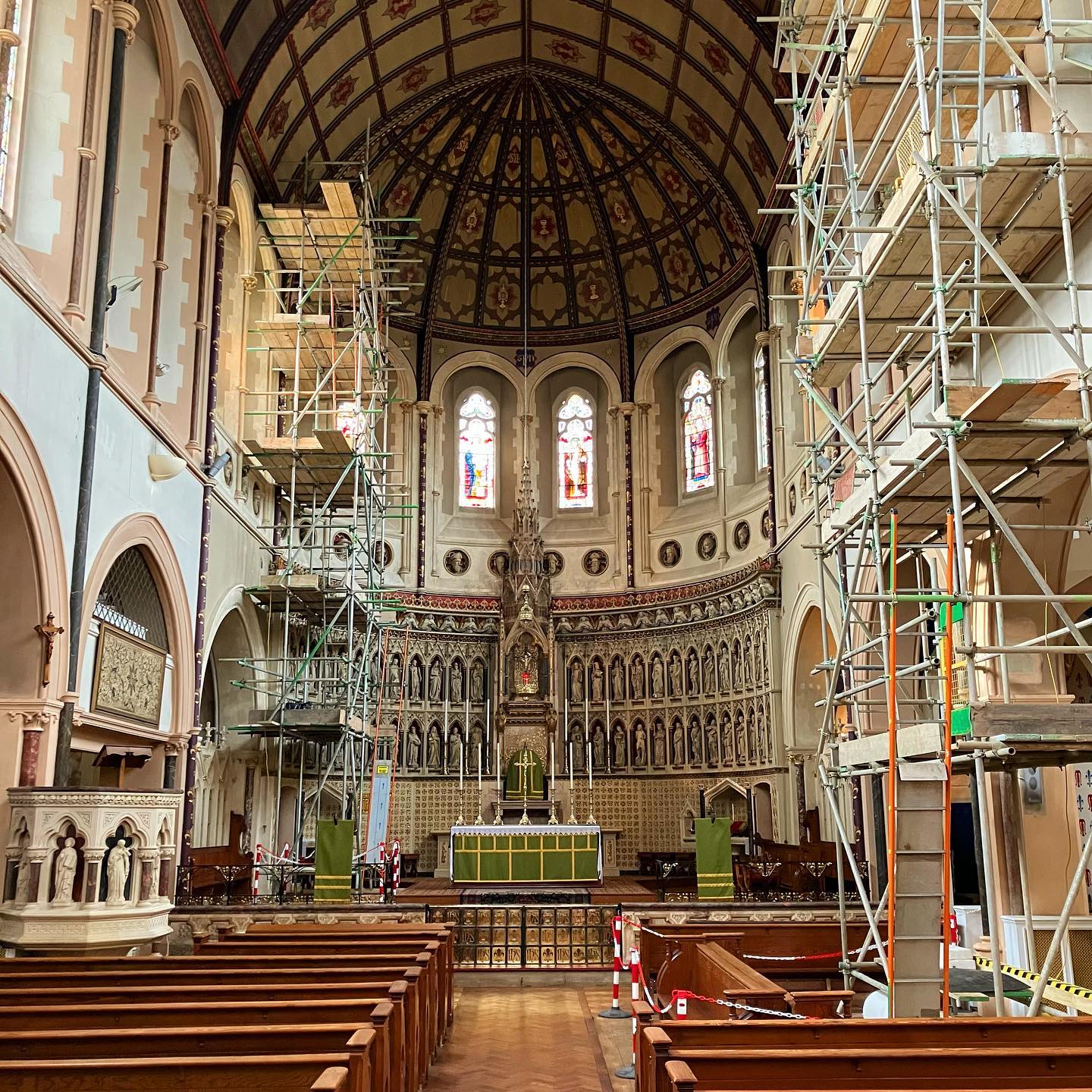
Jesu! whom for the present veil’d I see,
What I so thirst for, O vouchsafe to me:
That I may see thy countenance unfolding,
And may be blest thy glory in beholding.

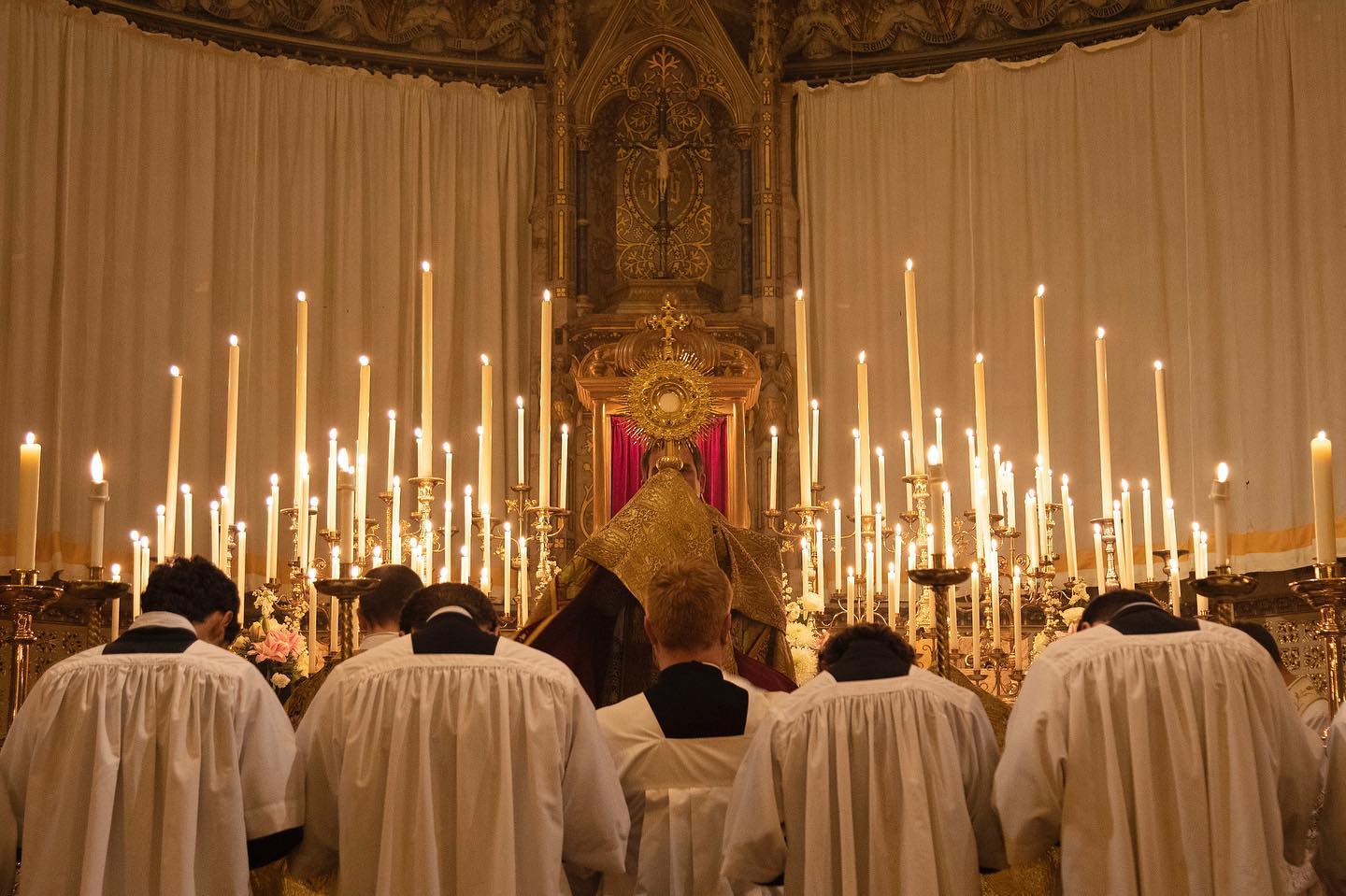
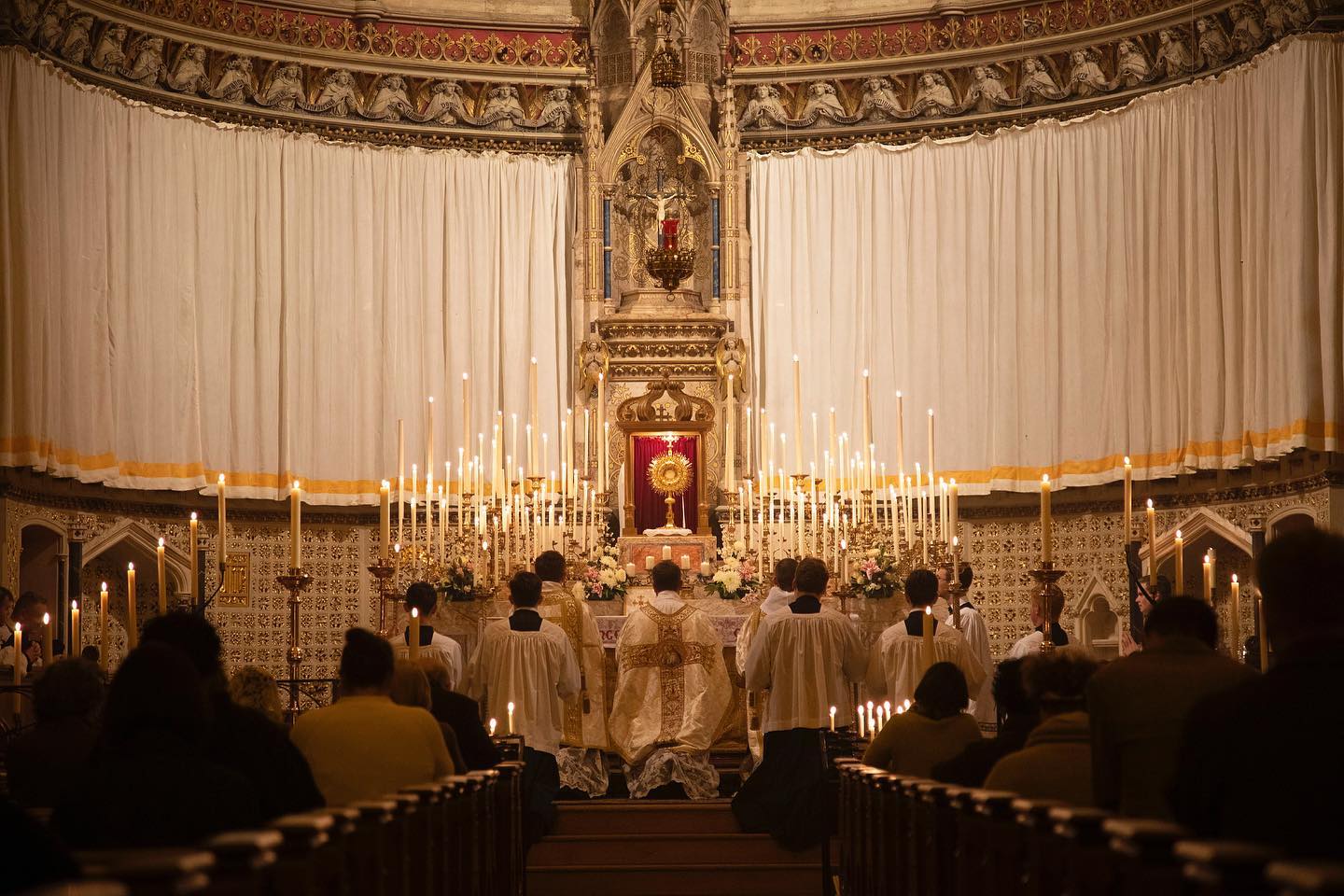
Our Forty Hours concluded with Benediction this evening. #oxfordoratory

View on Instagram

Our Forty Hours devotion has begun, with exposition of the Blessed Sacrament all through the night.

Next had they exposition for
The Forty Hours’ Prayer,
Which Philip introduced to Rome,
And all in this did share:
As each one’s turn for watching closed:
“Your hour,” he said, “is done,
But still the time for doing good
Is only just begun.”

(From The Rhymed Life of Saint Philip)

#oxfordoratory

View on Instagram