“Therefore he made atonement for the dead, that they might be delivered from their sin.” (2 Maccabees 12:45)

All priests can say three Masses on All Souls, to give the faithful departed as much help as possible. All the faithful can assist the Holy Souls not just through prayer, but also through special indulgences granted by the Church in November. Every November, there are opportunities to obtain plenary indulgences for the Holy Souls in purgatory by: (1) visiting a church on 2 November and praying the Our Father and Creed; (2) visiting a cemetery and praying for the faithful departed on any of the days between 1 and 8 November (it is possible to obtain an indulgence each day this is done). As with all plenary indulgences, it is also necessary to go to confession, receive Holy Communion, pray for the Pope’s intentions and be detached from all sin.

#oxfordoratory

View on Instagram

Mediocrity will not do

For many centuries now, the passage containing the Beatitudes, given us by Christ in his Sermon on the Mount, has been read as the appointed Gospel for All Saints Day, because they have been seen as the so-called blueprint of Christian living. These are surely the promises of Christ for which we ask the prayers of our Lady to be made worthy. They are not meant to refer to certain elite groups in the Church, more sure and more worthy of heaven than the rest of us. Nor are the attitudes commended — meekness, purity etc — meant to be chosen ad libitum, as a luxury, as if they were for the chosen few who want to take Christianity a bit more seriously. No, they are part of the package for all the baptised, who have received ‘the universal vocation to holiness.’ St Philip is often quoted as having told his friends that ‘the great thing is to become saints’. To be a saint is a vocation as widespread as the grace of God. And that grace is denied to none who seek him with all their heart and energy.

Those to whom we have given the title of saint are probably only a tiny minority among the residents of heaven, and many besides those honoured in the Church’s calendar must have been taken by the Lord immediately to himself after living quiet heroically holy lives, pretty much unnoticed by any who knew them. I suspect we may have been in church, sitting next to someone like that, for many years. And then there are those who have made it, chastened and sanctified from purgatory. We tell ourselves that, if we are lucky, we will be in that class, looking with a sort of holy envy at the saints who have passed into the light of God’s eternity without needing any of the cleansing purgatorial experience. We see ourselves, perhaps, as second-rankers in a three-tiered humanity: the saints ‘up there’ in a cloud of glory; the ‘lost’ elsewhere, below; and ourselves in the middle, with all our defects and imperfections.

The Beatitudes, are given us on the feast of All Saints to remind us that mediocrity will not do. Purgatory is a state in which saints are formed out of those who have missed many chances, but not the final grace, on earth. It is not a less strenuous Heaven for the good but half-hearted, any more than it is a sort of second-chance.

The best and easier thing is to begin here and now: to wrestle with our greed for possessions, or our desire for anything or anyone who might keep us from loving God; to face and conquer our willingness to compromise with goodness and truth; to lay aside feelings of rancour and revenge and show mercy, in the same way that we are fully expecting the Lord to deal with us; to seek peace at all levels, being more insistent on charity than justice, when it comes to dealing with our own wounds. As for persecution, we hardly need look for it. It will come, for we have committed ourselves to take seriously the command to seek and help establish the kingdom of God on earth, which is something the powers of darkness cannot abide and are constantly trying to undermine and destroy. Ultimately, of course, the victory is with our Lord, whose Kingship will be eternal and undisputed. The saints are part of that, enjoying the fulness of life in God’s presence. Holiness is our vocation — difficult, but beautiful, with rich promises and blessings. Worth striving for surely?


These reflections are sent out each Wednesday to all those on our mailing list. Click here to sign up to our mailing list, and receive our Sunday E-newsletter and these reflections straight to your inbox.
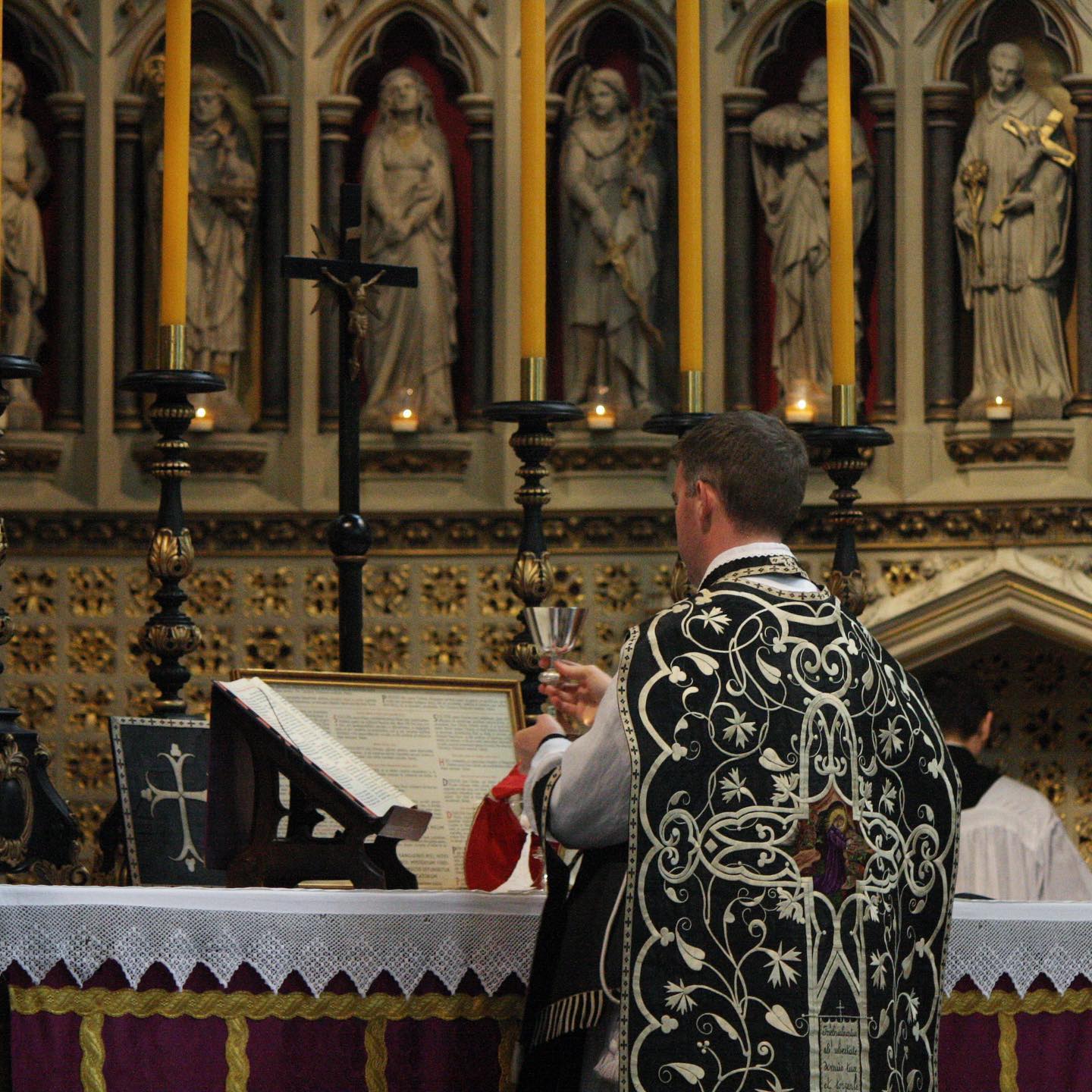
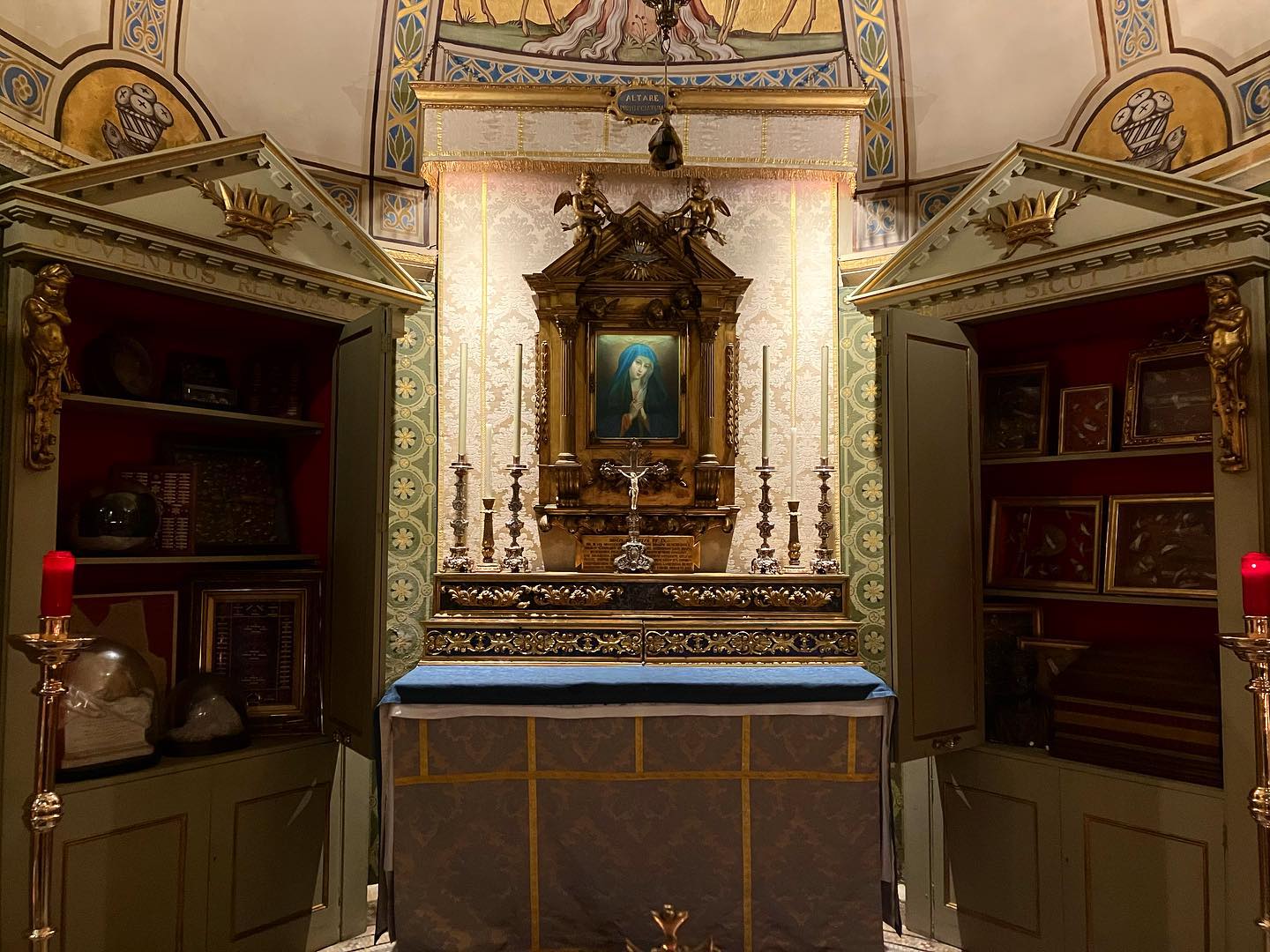
The feast of All Saints has its origins in 609, when Pope Boniface IV transferred the relics of the martyrs from the catacombs of Rome to the Pantheon, the temple formerly dedicated to all the gods of Rome now a church in honour of Our Lady and the martyrs. The relic cupboards in our Relic Chapel are open for the feast, revealing some substantial relics from the Roman catacombs — a link with the great hero saints of the early Church, now praying for us in heaven. #oxfordoratory

View on Instagram

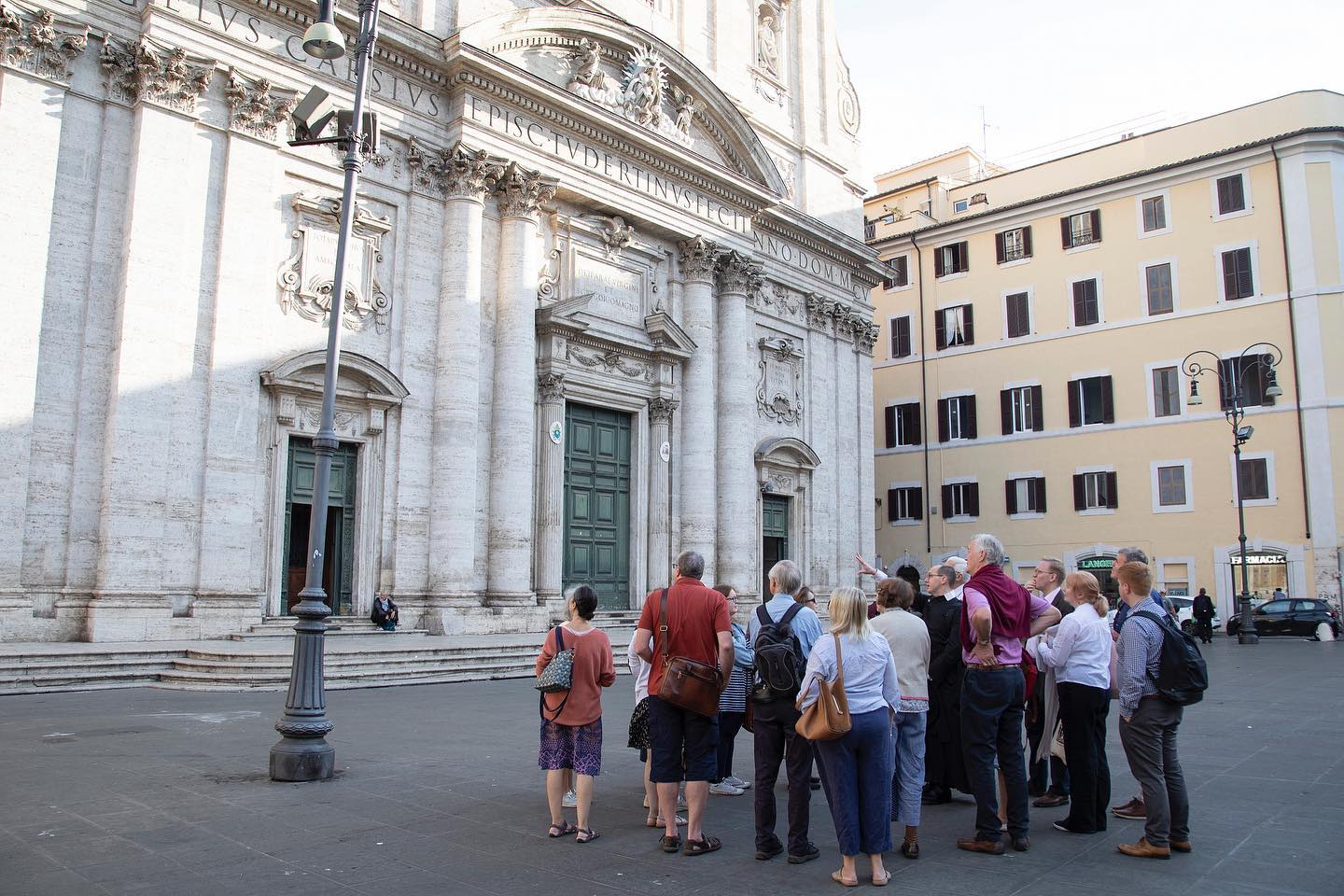
Over time, St Philip decided the Oratory needed its own church, and the ‘New Church’, the ‘Chiesa Nuova’ as it is still known, was built.

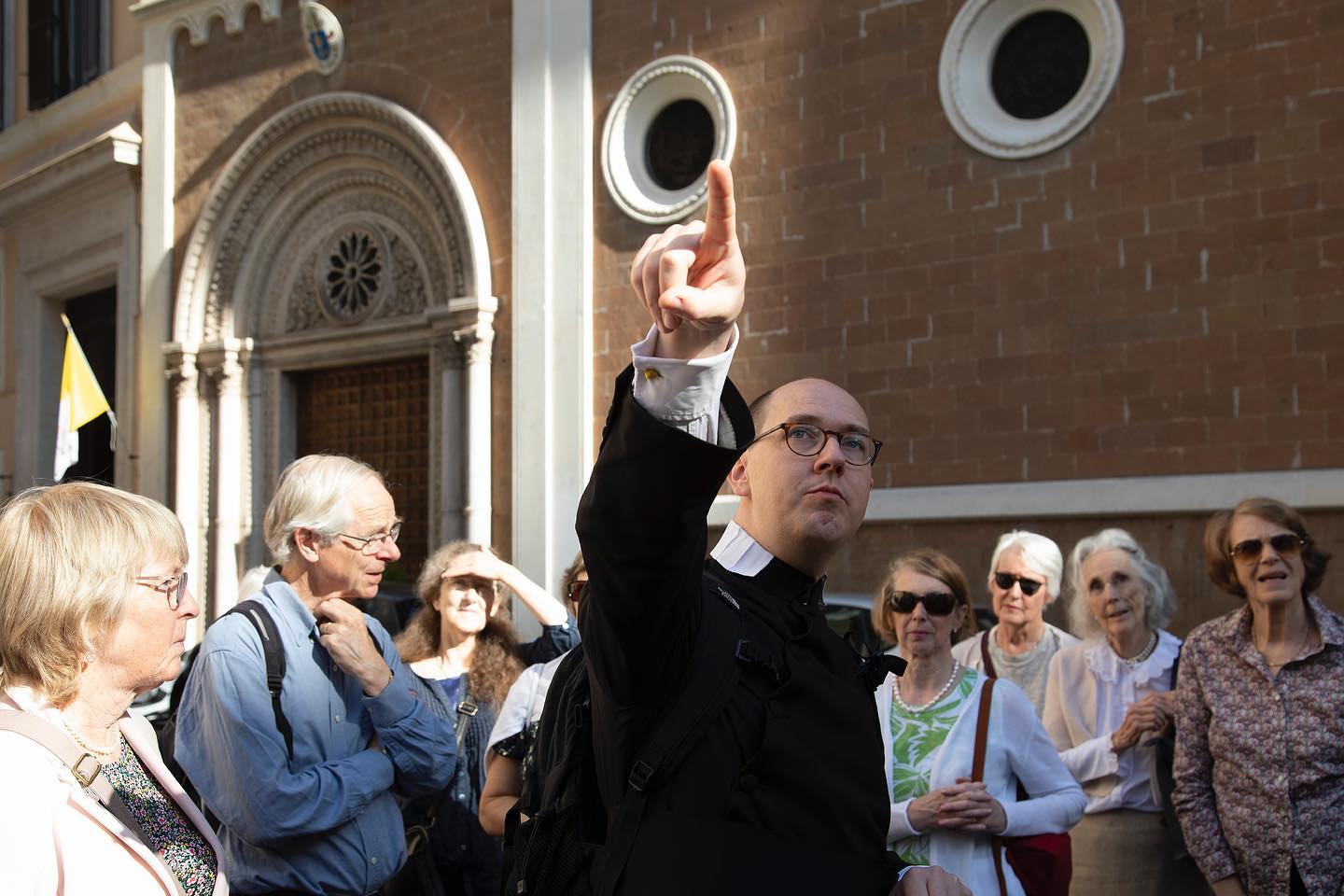
Photo from the Friends of the Oratory pilgrimage to Rome.

Support the Oxford Oratory by becoming a friend: www.oxfordoratory.org.uk/friends

#oxfordoratory

View on Instagram

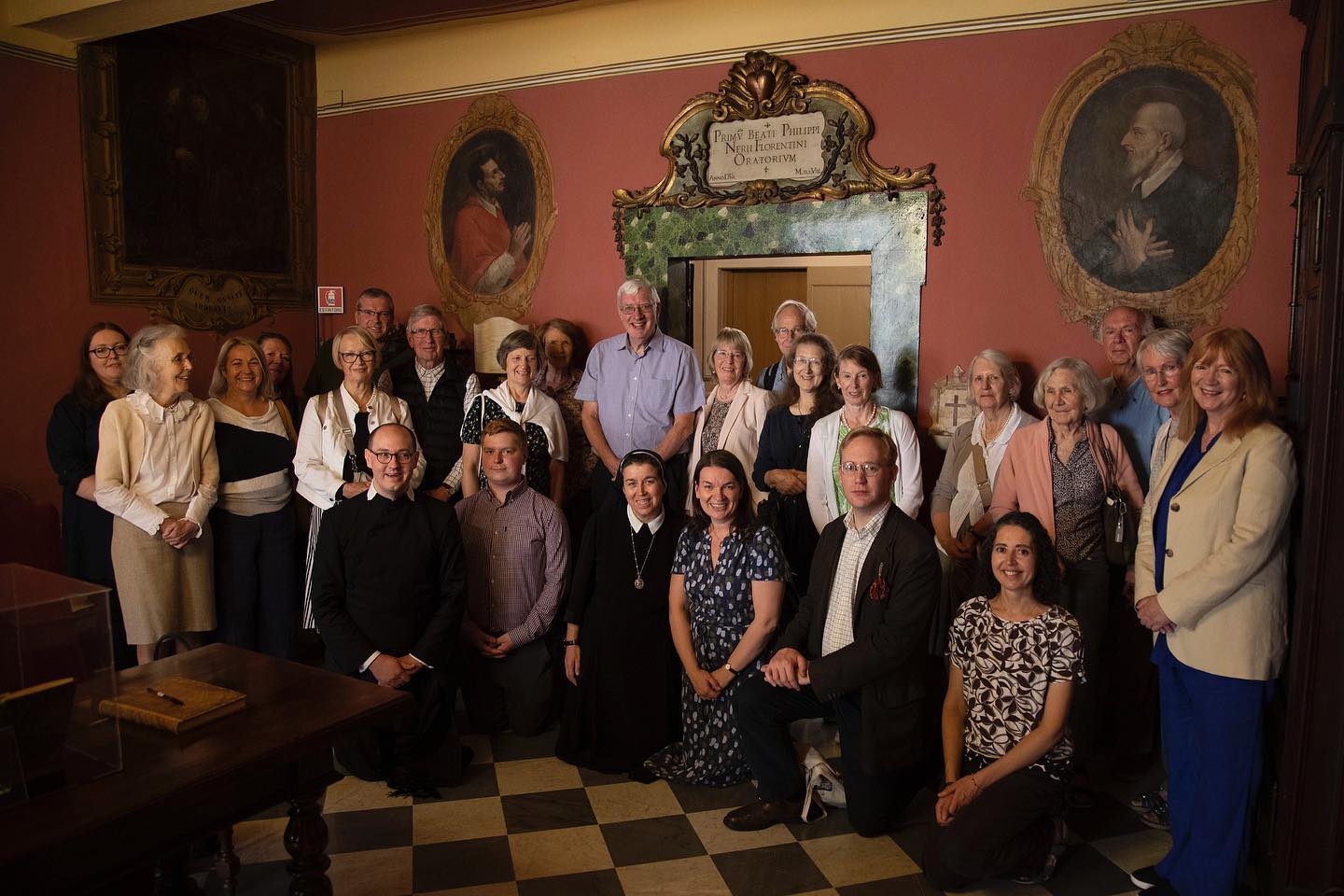
The Oratory began at San Girolamo della Carità. People would come each day to hear St Philip speak and to spend time in prayer together. His rooms have now been converted into a chapel.

Photo from the Friends of the Oratory pilgrimage to Rome.

Support the Oxford Oratory by becoming a friend: www.oxfordoratory.org.uk/friends

#oxfordoratory

View on Instagram

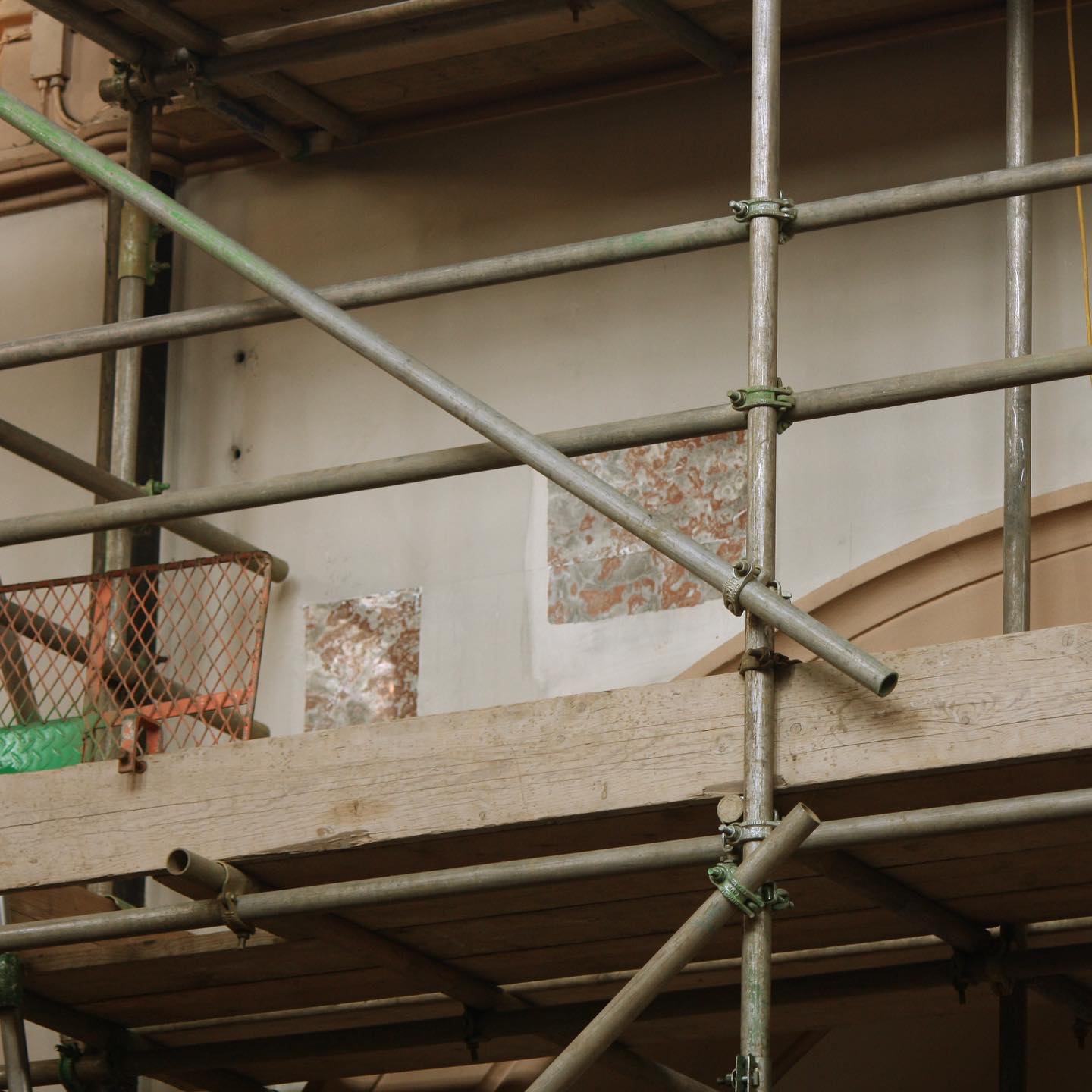
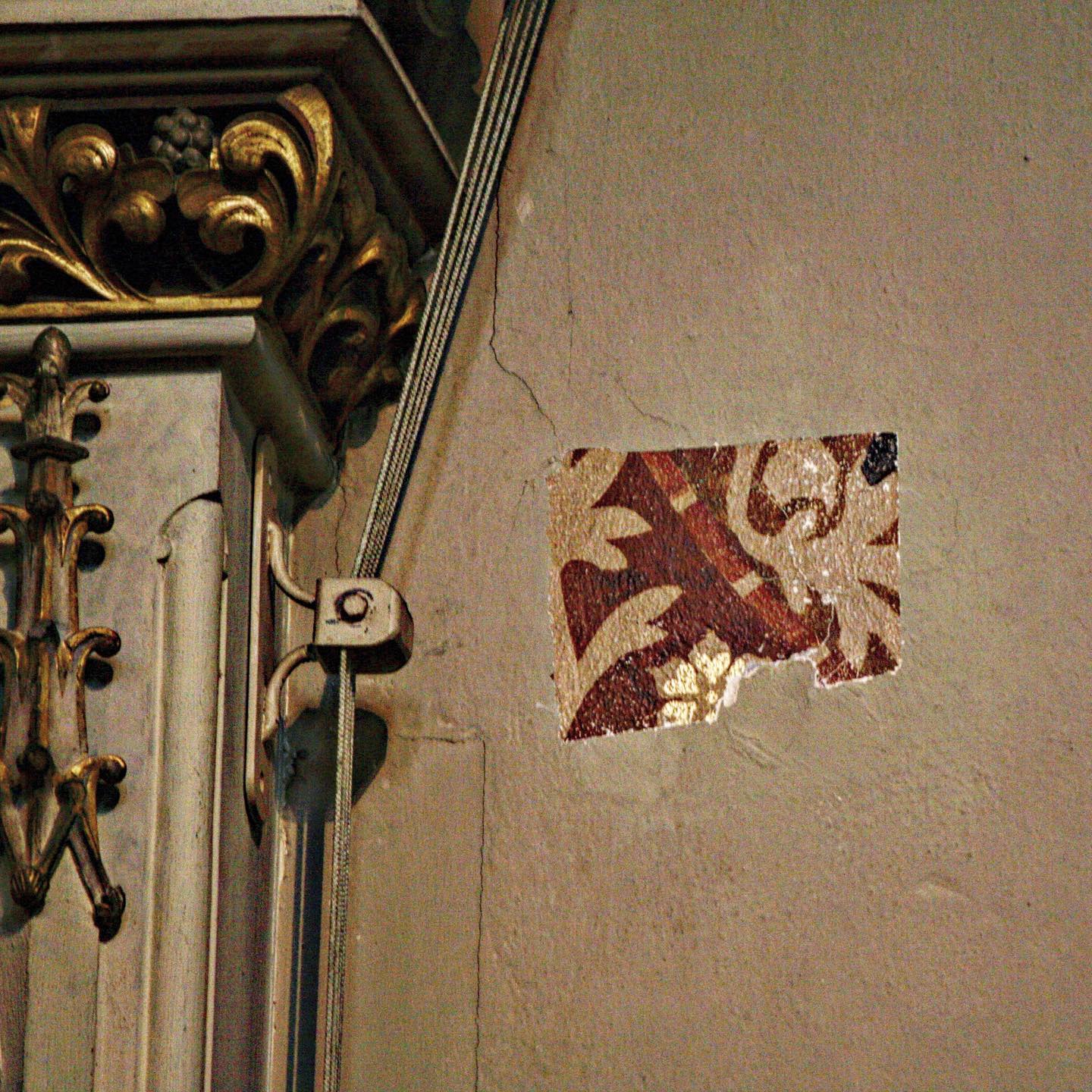
The original decoration of our church wasn’t all dependent on paint. Running the length of the nave, there are panels of marble above each archway, in the area underneath the windows. We get a really good idea of what it looks like from the big patches that have just been uncovered.

#oxfordoratory

View on Instagram

Keep the light burning brightly

On Tuesday our reredos, the great decorative structure in the apse of the church surrounding the high altar, will be ablaze with the light of fifty-two lamps, one for each of the statues of the saints and angels. It is an impressive illustration of the light of Christ in which we share through our baptism, a light which is to be kept burning brightly as a flame of faith alive in our hearts so that — as the rite of baptism says — “when the Lord comes, we may go out to meet him with all the saints in the heavenly kingdom”.

On the first day of November each year we celebrate the feast of All Saints. But the saints we celebrate are not just the ones on our reredos, or paintings, or stained-glass windows. Not just St Philip and St Francis and St Ignatius and St Theresa. Not just those whose lives we remember in the Church’s liturgical calendar. But all those millions of our brothers and sisters in whom God’s light has burned brightly and who are now reigning forever with him in heaven, “a large number, impossible to count, of people from every nation, race, tribe and language”.

We may often find it hard to identify with those saints whose stories we know so well. They seem so different to us. They seem so otherworldly. We put them on pedestals and light candles in front of them, but they’re not like us — or rather, we think we are nothing like them. But we can be absolutely sure that, as unique as each of us is, somewhere in the house of our Father, there is someone who has struggled and fought with all the trials, difficulties and temptations that trouble us — and they have won. Whatever your besetting sin may be, the thing that you just cannot seem to shake off, whatever it is that seems to dominate and control you, the temptation that never seems to go away, you can be sure that there are plenty of others in Heaven, plenty of saints, who have struggled just as you do, and in the end, which God’s help, they have triumphed. That is why the feast of All Saints is so special, and so encouraging. The lives of the saints give us a glimpse of just what God can do in any person’s life, and so they show us just what is possible. That holiness and faithfulness are possible. That living the commandments, and the Beatitudes, and the Christian life, is possible — and not for the few, but for all of us.

St John Henry Newman once wrote: “As the sun’s light comes to us reflected and refracted, so God’s saints are the means under which his glory comes to us”. Newman was convinced that the struggle for holiness, the struggle to become saints, was the heart of the Christian life, and for most of us it is a long, slow, life-long process of transformation: “a habit of prayer”, says our Cardinal, “the practice of turning to God and the unseen world in every season, in every place, in every emergency — prayer, I say, has what may be called a natural effect in spiritualising and elevating the soul. A man is no longer what he was before gradually… he has imbibed a new set of ideas, and become imbued with fresh principles”. In another sermon of his, St John Henry explained that good works are not important in themselves, they do not store up merit for us like rewards for good behaviour, or pounds in a celestial bank account; rather, they are important because little by little they change and transform us into good people — into saints. Acts of love, of patience, of kindness and generosity accumulate into habits that we do more and more easily, more and more naturally.

St John Henry’s path to holiness (which is actually our Holy Father St Philip’s path to holiness) is attractive because it does not demand great and dramatic acts. We don’t have to perform great penances, or preach the Gospel to thousands, or shed our blood for the name of Christ. It simply invites us to be faithful in all the circumstances of ordinary life, to believe that God can help us to be re-formed and re-made. Whatever it is that you feel stands between you and God, whatever it is you struggle with most strongly, Heaven is full of known and unknown saints who have fought the same struggle and have triumphed, with God’s grace, and kept the light burning brightly.

If you ask me what you are to do in order to be perfect, I say, first— Do not lie in bed beyond the due time of rising; give your first thoughts to God; make a good visit to the Blessed Sacrament; say the Angelus devoutly; eat and drink to God’s glory; say the Rosary well; be recollected; keep out bad thoughts; make your evening meditation well; examine yourself daily; go to bed in good time, and you are already perfect.

St John Henry Newman: A short road to perfection

These reflections are sent out each Wednesday to all those on our mailing list. Click here to sign up to our mailing list, and receive our Sunday E-newsletter and these reflections straight to your inbox.
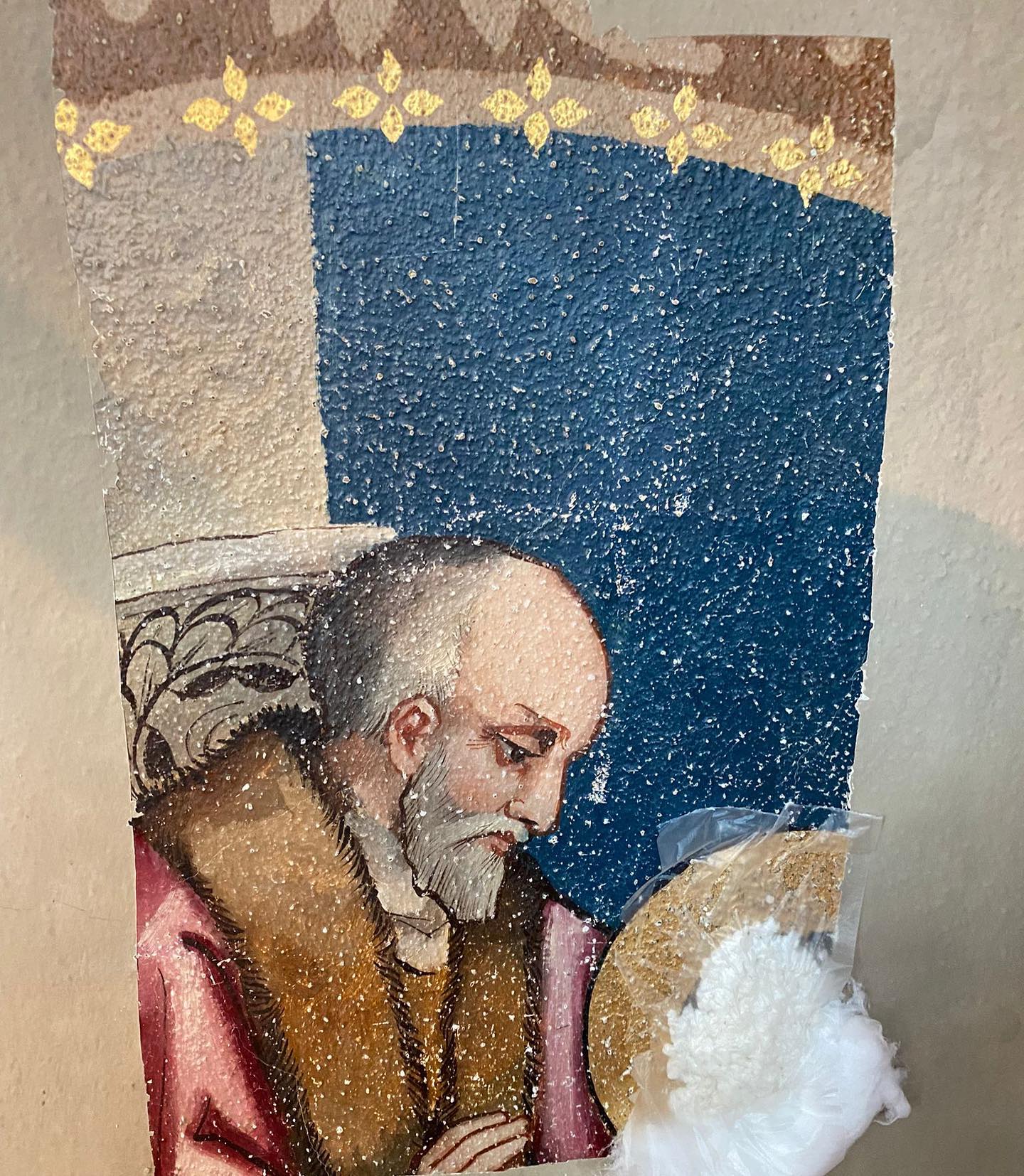
We’re not quite sure why the original decoration of the church was painted over — whether it was meant to be a permanent simplification, or a temporary way of dealing with a dirty church that would have been too expensive to restore properly at the time. The initial investigations have shown that (so far at least!) more of the original design survives than we thought, under the layers of monochrome paint.

#oxfordoratory

View on Instagram