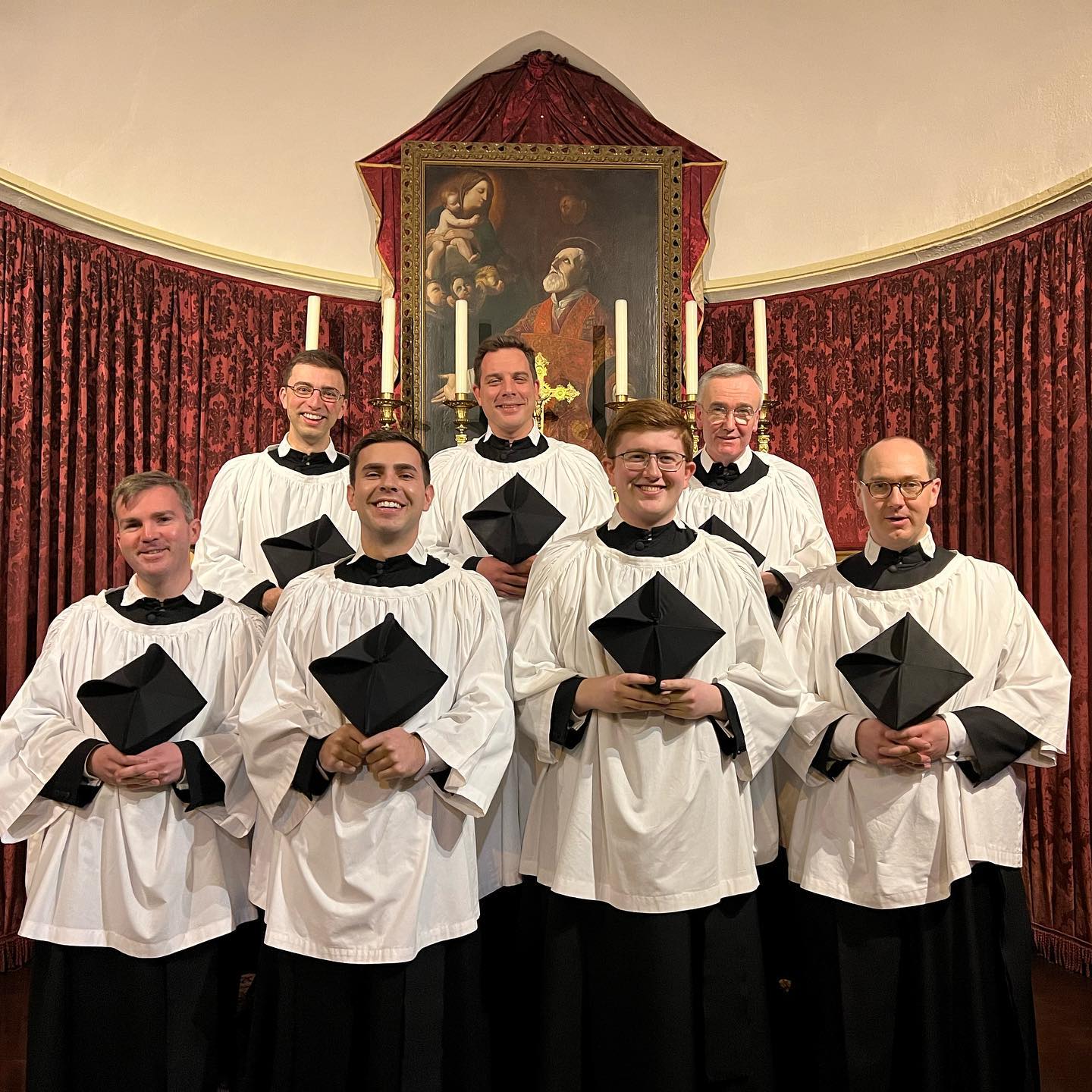
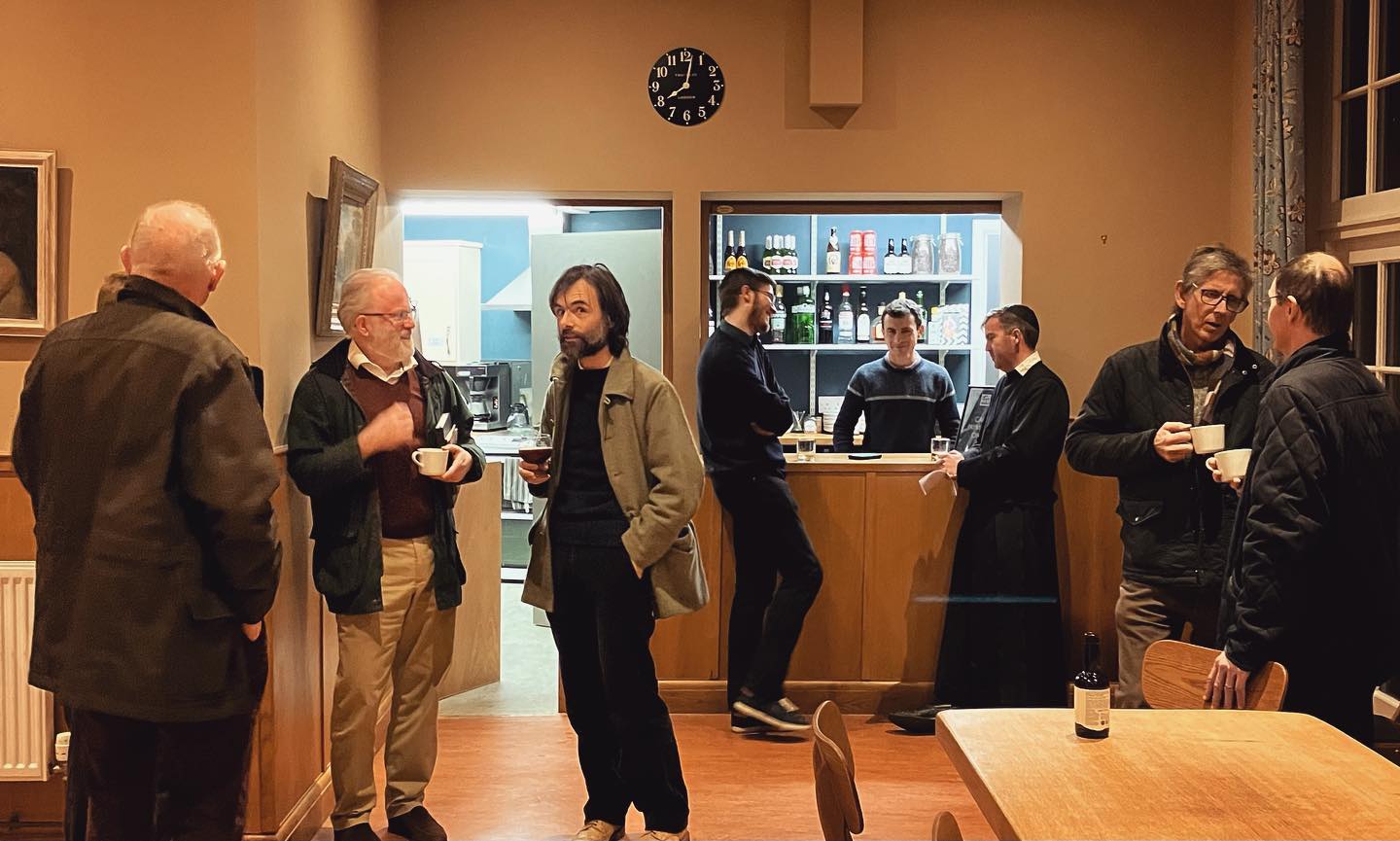
The final Men’s Oratory of the year and the last meeting of all our Oratory groups for 2022. We heard about the many inspiring examples given to us in the martyrs of the French Revolution, who marched under the banner of the Sacred Heart. Meetings of all our Oratory groups will continue in 2023! #oxfordoratory

View on Instagram

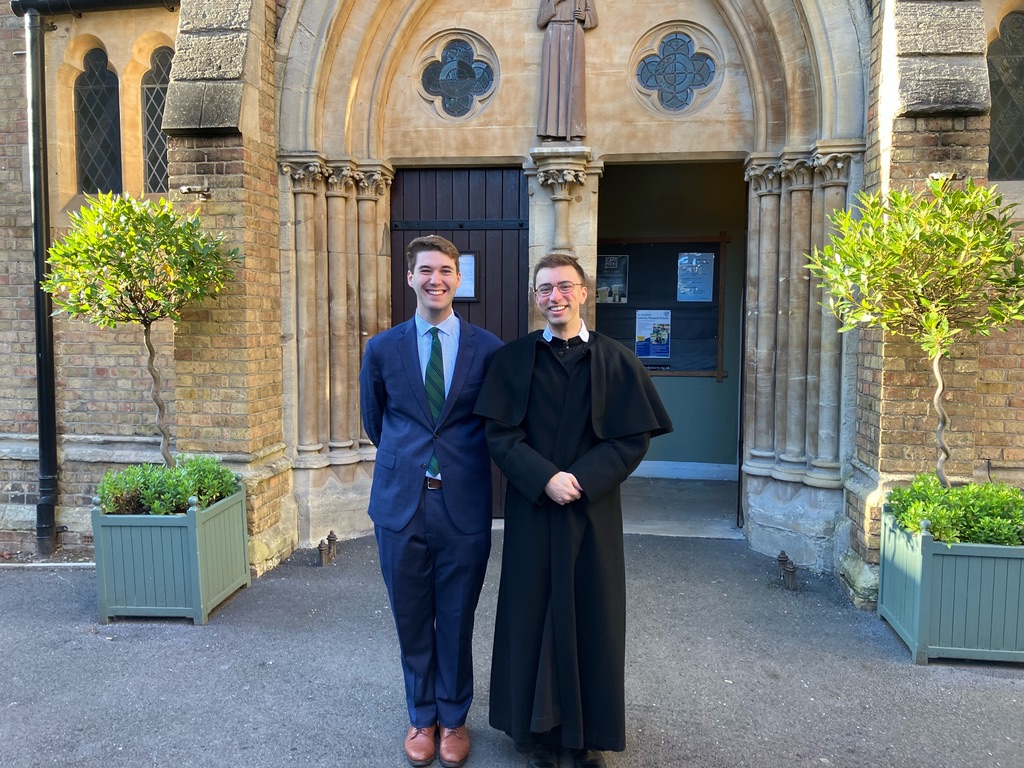
Some preparations for Christmas are more dramatic than others. Today Nicholas became a Catholic, and it is a great joy to welcome him into full Communion with the Church!

Please pray for Nicholas, and for all those we are currently preparing to be received in the new year.

If you are interested in becoming a Catholic, or know someone who is, come and speak to one of the fathers or send us an email.

#oxfordoratory

View on Instagram

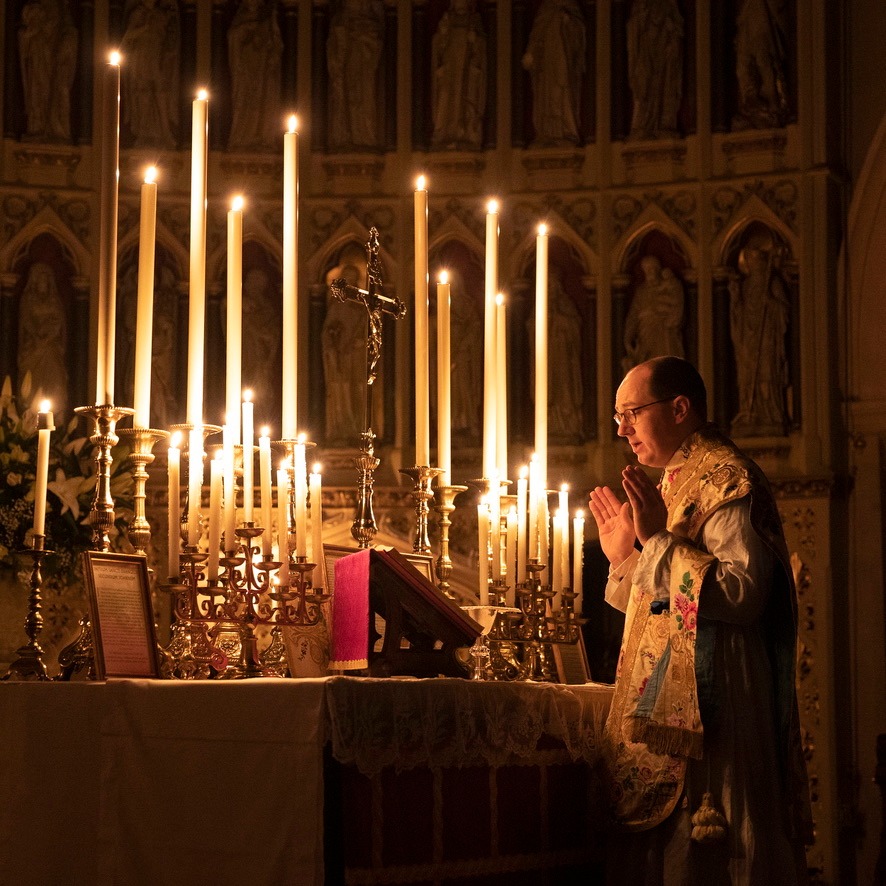
“It is truly right and just, our duty and our salvation,
always and everywhere to give you thanks,
Lord, holy Father, almighty and eternal God,
and to praise, bless, and glorify your name
in veneration of the Blessed ever-Virgin Mary.
For by the overshadowing of the Holy Spirit
she conceived your Only Begotten Son,
and without losing the glory of virginity,
brought forth into the world the eternal Light,
Jesus Christ our Lord.”

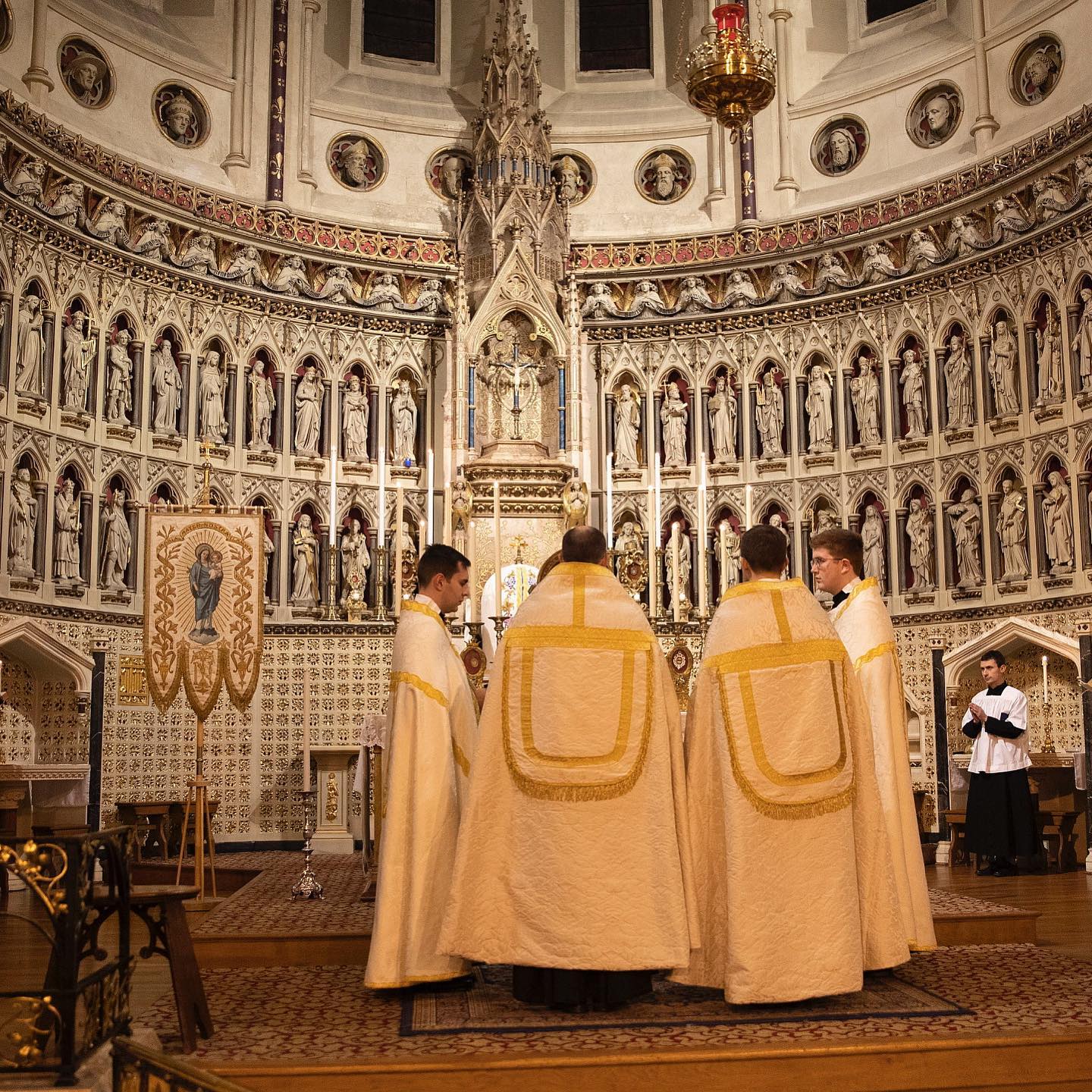
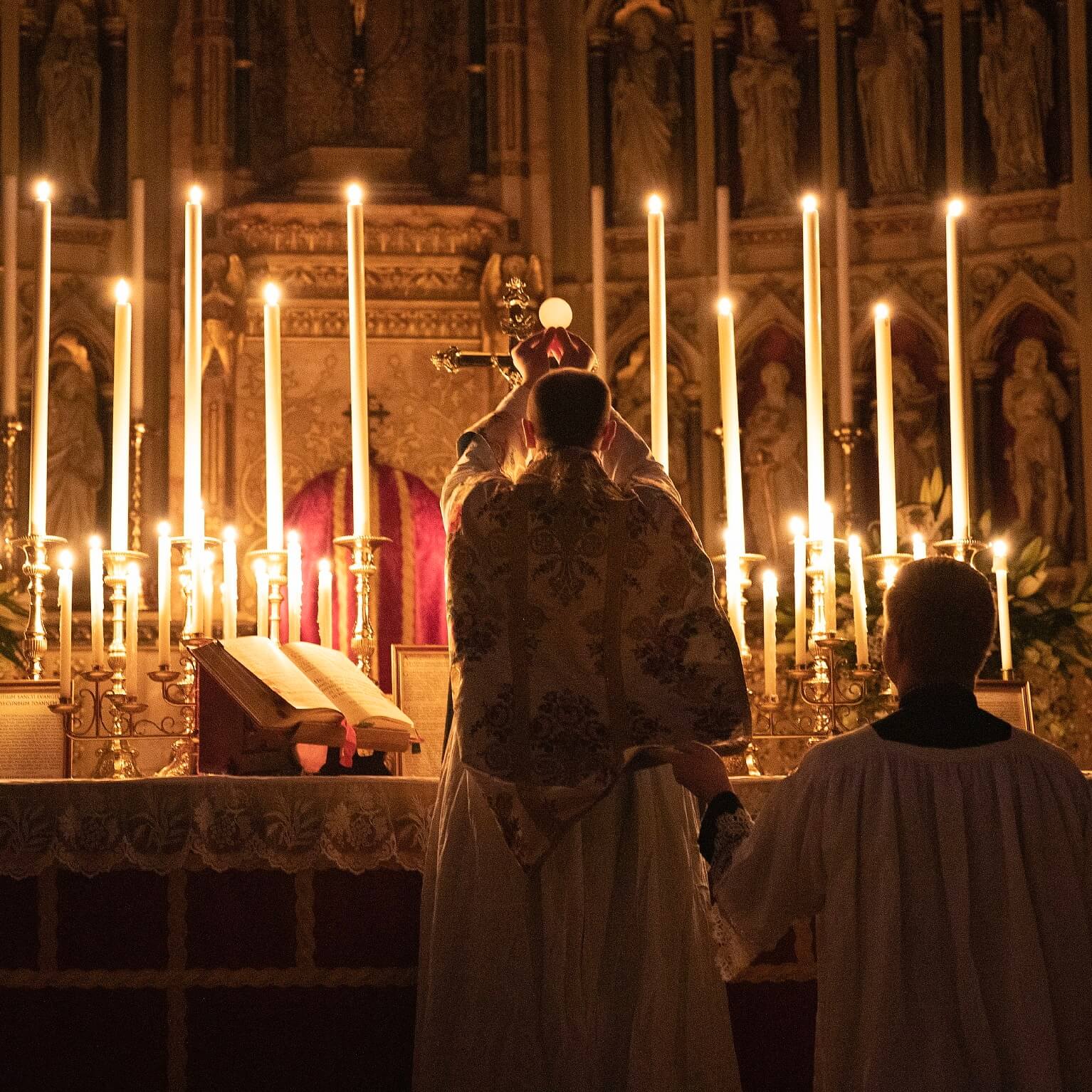
A photo from our annual Rorate Mass in honour of Our Lady — part of our preparation for Christmas.

#oxfordoratory

View on Instagram

‘Make straight the way of the Lord’

John the Baptism was, without doubt, an extraordinary person. Pretty much everything about him was exceptional — even the food he ate and his weird garb marked him out from ‘normal’ people. As for his message, that too was unusual. There had not been a prophetic voice heard in Judea for several hundred years, and suddenly, there he was, shouting boldly his challenging call to repentance and change.

Fascinated by this strange figure, who chose the remote desert regions over the city centre for his stage, the people, including some Pharisees and Sadducees, flocked to hear him. They hadn’t gone to hear the wind in the reeds, they went to hear a man speak powerfully and prophetically, someone who didn’t mince his words, even about members of the royal family — which ultimately cost him his life.

And when asked whether or not he was the Messiah they were eagerly waiting for, he told them quite clearly that he was not, that he was merely a voice crying in the wilderness, ‘Make straight the way of the Lord’. He told them that he was only a voice, nothing you could look at but something you listened to. His message was: ‘Make straight the way of the Lord’.

Of course, he was quoting Isaiah, a much earlier prophet, and claiming to be the one sent ahead of the long-expected Messiah, urging the people to clear the way ahead and straighten out the road, the Royal Highway. What sort of road was this meant to be? Where did it lead? Where was this King going to establish his Kingdom? When he came, the King would answer that question very clearly: ‘The Kingdom of God is within you’. Therefore, the way that the Baptist sets about preparing the way is to appeal to the hearts of the people. ‘Repent, mend your ways, and come be baptised. Share your possessions with those in need. Those whose job is to collect taxes and rents, see to it that you exact no more than is just or due. You, soldiers, be content with your pay and stop throwing your weight around. And Herod, leaves your brother’s wife alone!’ In all this, John was seeking to ensure that the paths were being straightened out.

Two thousand years later, his message is still pertinent. Our own paths are not so straight nor always kept in best order — the road-menders are urgently required to make them viable. We are continually being tempted to cut corners, to be not quite as straightforward in our dealings with others; not quite straight in our speaking if we think we might lose the approval of others, whose good opinion we rather cherish; not quite so straight in our thinking if we fear the uncomfortable conclusions we might reach. In the Gospel somewhere, Our Lord warns us about taking our hand from the plough or looking back, lest the furrow we are busily ploughing is no longer straight. In making decisions, we have often to rely on our conscience, which isn’t so reliable if our consciences have become twisted and dulled. Moreover, we can even forget how to discern what is true, good or indeed beautiful, because we have allowed ourselves to compromise too readily and easily with the world. This is why we need Advent and to heed the voices of Isaiah and John the Baptist, before we can fully share in the real joy of Our Lady and the angels at Christmas, which will soon be upon us. Meanwhile, let’s continue our preparations, allowing the slightly hectoring voice of John the Baptist to keep us on our toes.


These reflections are sent out each Wednesday to all those on our mailing list. Click here to sign up to our mailing list, and receive our Sunday E-newsletter and these reflections straight to your inbox.
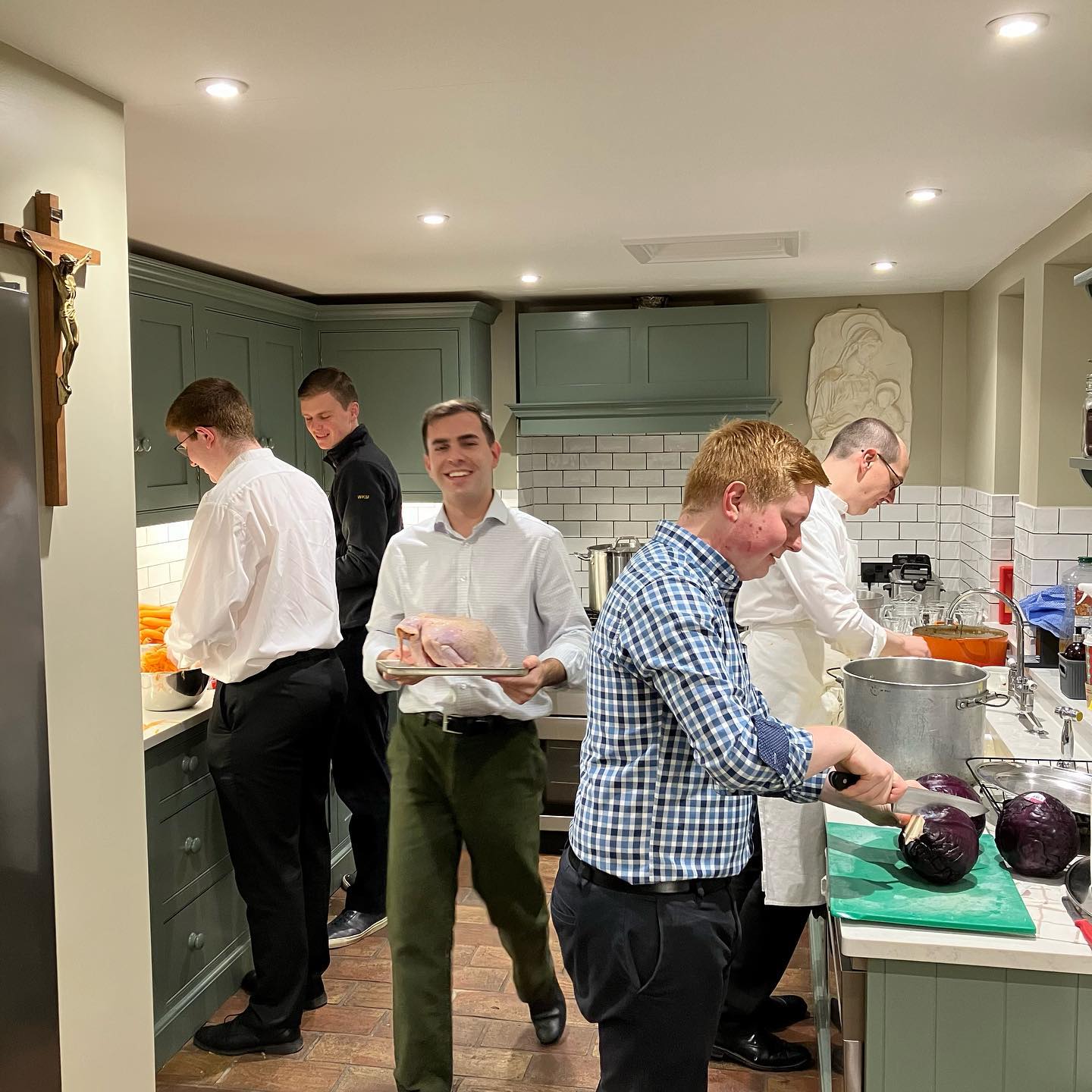
Today we are hosting the annual Christmas lunch for the less fortunate run by the Companions of the Order of Malta. Some of the Fathers and Brothers are helping out in the kitchen. Potato peeling began at 8am.

#oxfordoratory

View on Instagram

Advent signs of the Kingdom

Advent is a penitential season – we wear purple vestments, and the Gloria is omitted from Mass. Our churches are more stark and simple. We are encouraged to do penance, to go to confession, to prepare our hearts and lives for the coming of Christ at Christmas, but also – if not more so – at the end of our lives and at the End of Time. At yet it is not Lent, we still say the Alleluia, and our penance and preparation is hopeful, expectant. It is more prayerful. The Kingdom of God is near. 

In a sense, we ought not to be too upset about snowmen on Royal Mail stamps, Christmas parties and carol services, and All I want for Christmas playing in shopping centres from the first day of December. Somewhere is all of it is a deep yearning in people for meaning and connection, a desire for joy and relationship – ultimately, a desire for God. And if there is any meaning in in Our Lord’s instruction to stay awake, to be alert, that meaning comes from the promise that the Kingdom of God is near. 

We shouldn’t interpret our Lord’s command to be alert, stay awake, as awful warnings. We shouldn’t lapse into fear and foreboding. Instead, we should look for the signs that God’s kingdom is very near, signs of promise and hope, signs of new life in the midst of our troubled world. Advent is a time when we should look for such signs, cultivate and nurture the signs we discover, and be ourselves signs of the coming of God’s kingdom to the world around us, and therefore signs of hope.

And we can see such signs in the joy and pleasure of friends and family gathered together. In the joy and pleasure of Christmas parties. In the presents we might give, in the good works we can do in our city and our parish for the homeless or the lonely or those in hospital. We can see such signs in Advent candles and calendars, and Christmas cards, and Christmas lights, and the awful music, symbolising the hope and love of the season.

Stay awake! Be alert! In all of our preparations, our shopping, cooking, decorating, the hustle and bustle of the season, how are we paying attention to the nearness of God’s kingdom in ourselves, in our souls? It’s easy to allow the season and our day-to-day responsibilities of work and family to fill up our lives so the deep yearnings of our hearts, the desires of our souls to welcome Christ’s coming are left unmet, unnoticed. Be alert, stay awake! As people of hope, who are prepared to meet the Son of Man when he comes, we must nurture those shoots, that new growth, so that the Kingdom of God and the coming of his Son may blossom forth in our hearts; and this season of Advent might be a season of hope and love and transformation for all of us.


These reflections are sent out each Wednesday to all those on our mailing list. Click here to sign up to our mailing list, and receive our Sunday E-newsletter and these reflections straight to your inbox.