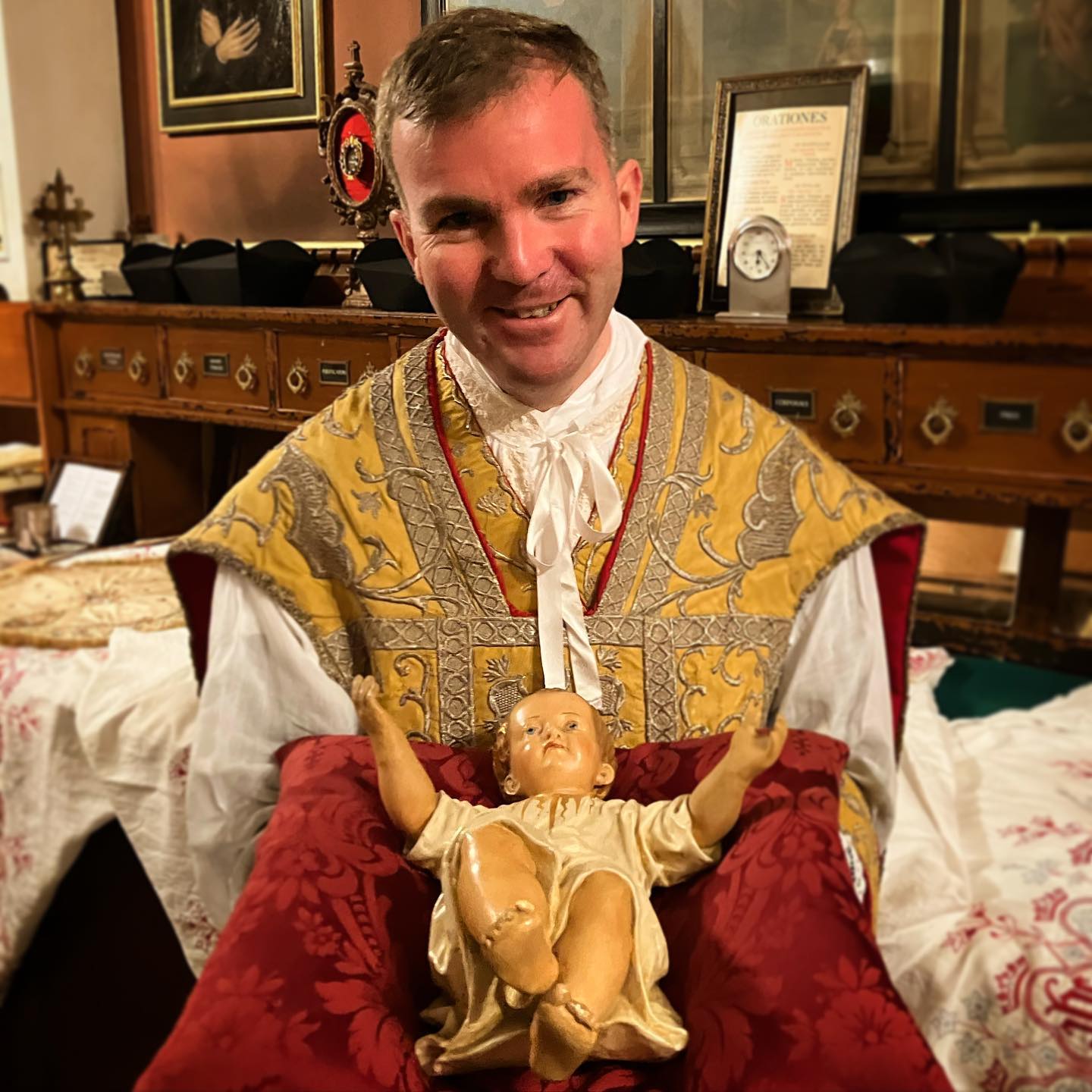
The bambino on his way to the crib before the first Mass of Christmas this evening. Happy Christmas!
#oxfordoratory
The bambino on his way to the crib before the first Mass of Christmas this evening. Happy Christmas!
#oxfordoratory
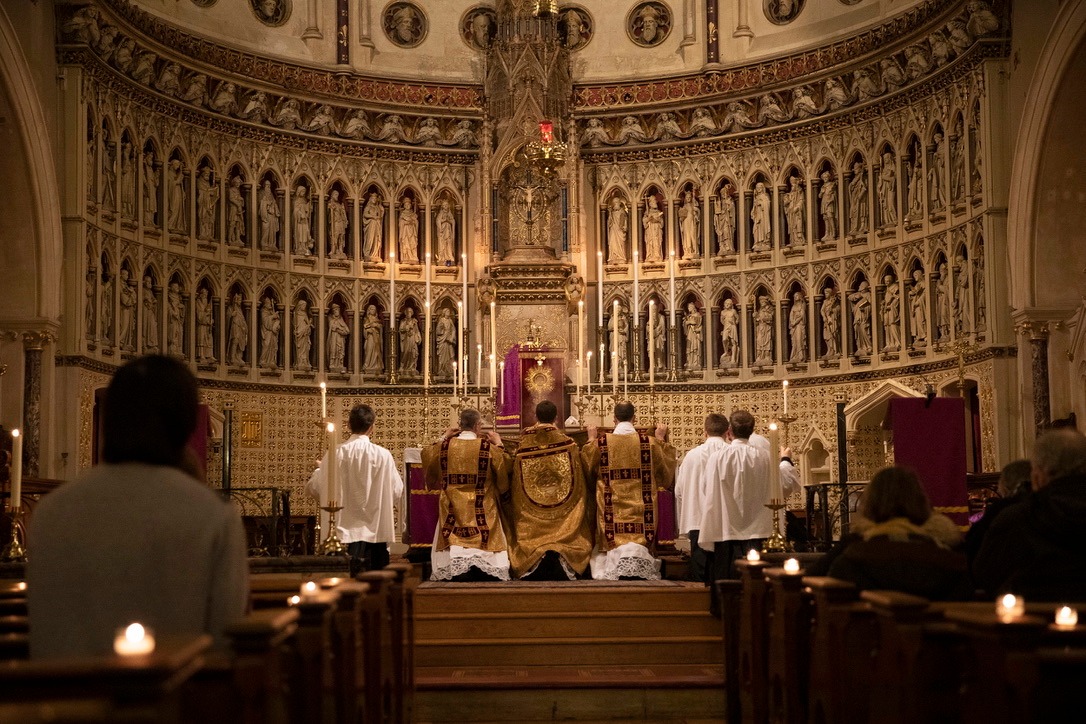
Benediction of the Blessed Sacrament at the end of our carol service on Wednesday night. A fitting conclusion to our evening contemplating Emmanuel, God with us.
“The Holy Eucharist is the continuation of Christ’s incarnation on earth. The mystery of the Eucharist gives us the joy of having Christmas everyday. When we come to the Blessed Sacrament we come to Bethlehem, a name which means ‘house of bread’.” (From the Rosary Meditations of St Teresa of Calcutta)
#oxfordoratory
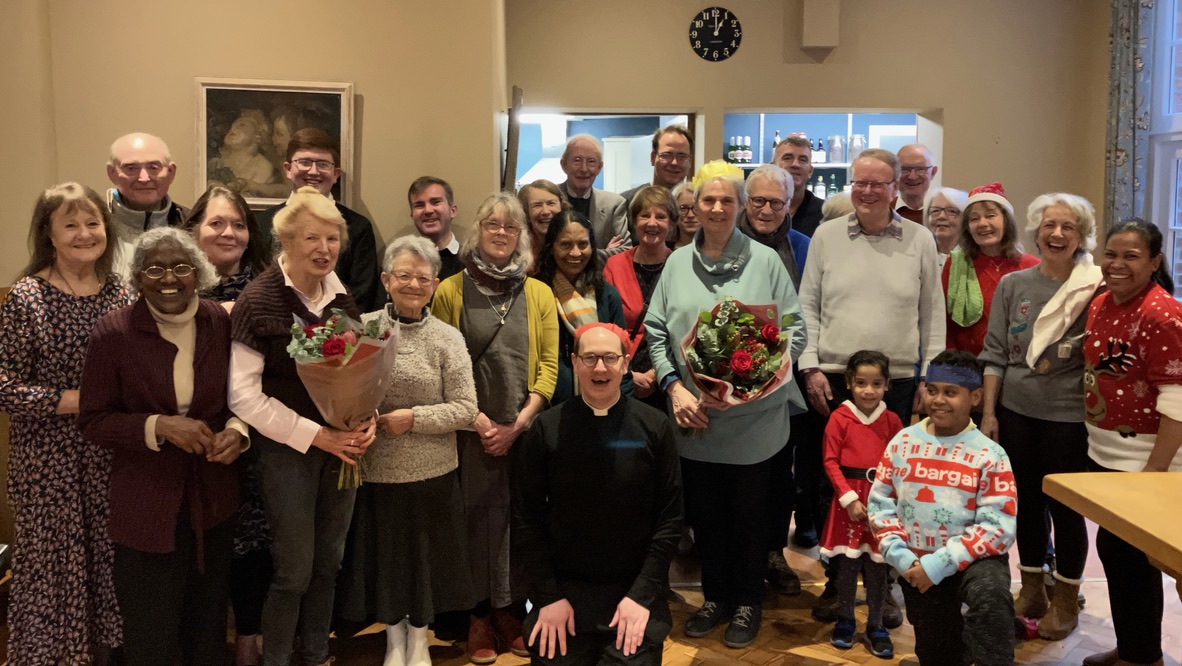
Massive thanks to our cleaning team and porters for all their hard work throughout the year. We couldn’t keep the church open without them! We’re especially grateful to two of our volunteers who are retiring this year: Christine for all her dedication in running the Oratory Bookshop and to Paulette who was one of our first porters when the Lodge was built.
#oxfordoratory
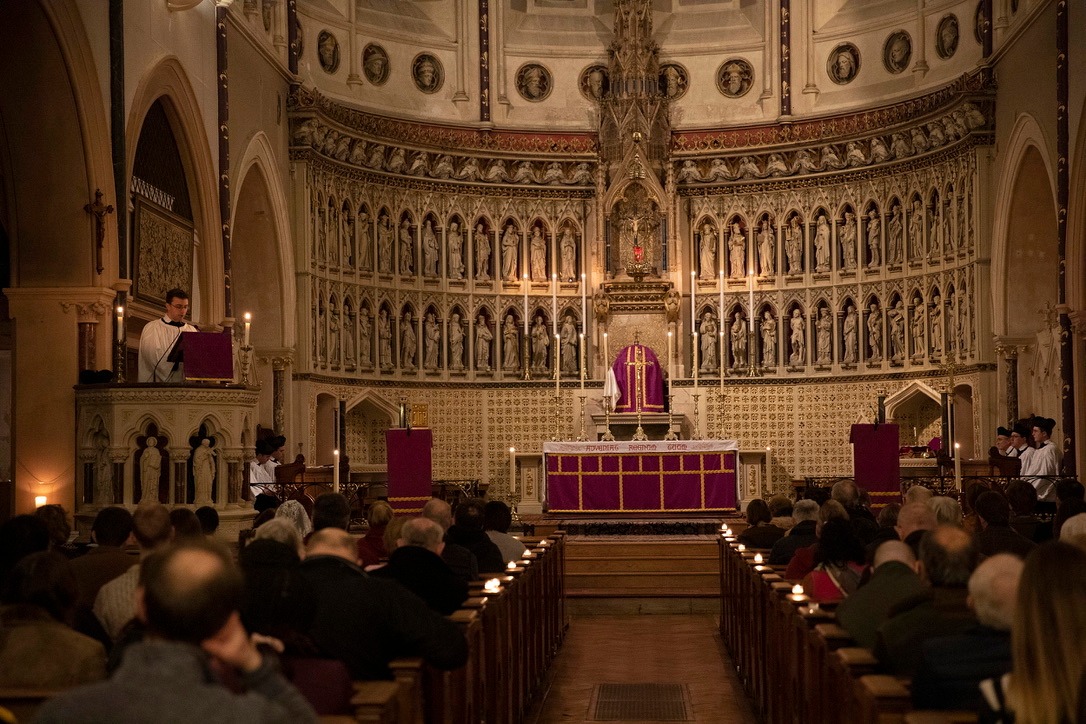
Wonderful carol service with the Oratory choir last night in preparation for Christmas. Catch up online if you missed it: https://youtu.be/HvTG4rxwbCg
#oxfordoratory
People often come back from their summer holidays and find that they haven’t spent very much time in prayer. We sometimes hear about it afterwards in the confessional. A whole week or two can go past, and someone who would normally be very regular in praying every day — even someone who might often attend daily Mass — can suddenly realise that a whole week has passed without thinking very much about God at all. The same happens all too often during the Christmas period as well, and there can be a similar stream of confession in the New Year of those who felt they really should have spent a bit more time with God. Our late Fr Jerome used to point out that it is better that way round than the reverse — that we pray most of the time and might take a few weeks off, rather than praying only during holidays and not for the rest of the year! But that doesn’t mean we can’t try to avoid the problem altogether.
The reason for all this is that we human beings aren’t nearly as sophisticated as we like to make out. We don’t always think about all of our actions before we do them. We don’t always do the things we think about and decide to do. We depend on habits to help us perform daily tasks without having to think about them. Just think how tedious it would become if we had to decide each day when we would brush our teeth, what toothpaste we would use and how long we would brush them for…
We depend on our habits, and our habits depend on our routines. When the pattern of our day is more or less consistent, we know what we’re supposed to be doing and when. Prayer is supposed to be a routine thing. That doesn’t make it any less important or any less exciting than, for example, the routine time we spend with those we love. It’s part of our daily life, and not some extraordinary effort we make from time to time, precisely because it is essential.
The problem is that, when our routines get interrupted, so do our habits. And we forget to do things. If we know in advance that our routines are going to be interrupted over Christmas, we will need to make more of an effort to spend some time in prayer, if we want to make sure we don’t pass the Christmas period without missing the point.
At Christmas, God becomes man, like us in all things but sin, so that we can approach him with our cares, needs and worries, with our thoughts and feelings, with our prayer and praise — all without fear. It would be a shame to miss out on sharing that with him just because we forgot to fit it into our schedule.
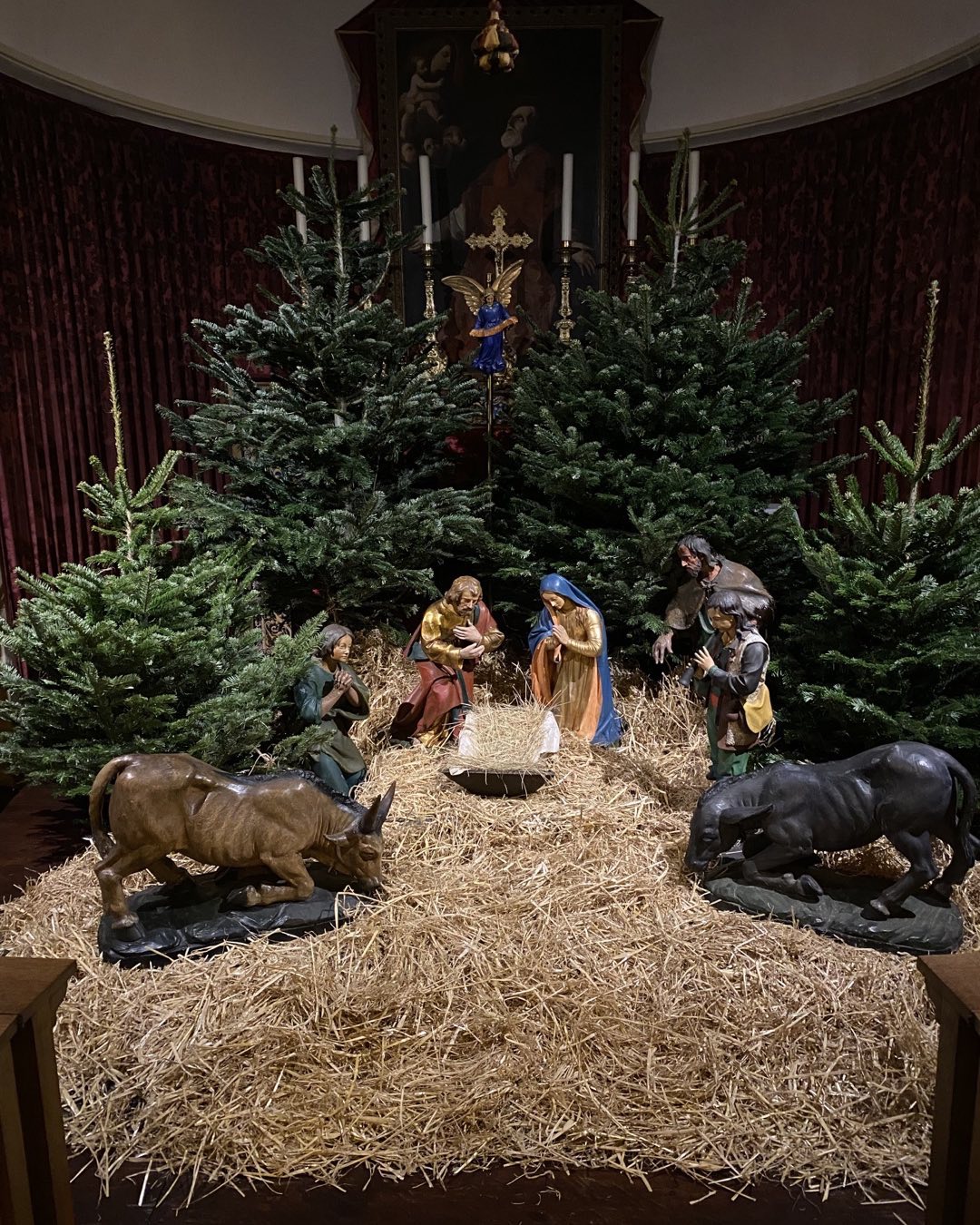
Unfortunately St Aloysius’ School Carol Service is not happening as scheduled this evening. The Oratory crib scene is up, however, and ready for our own Carol Service this Wednesday at 8:00pm with the Oratory Choir. Do join us then for this beautiful service in preparation for Christmas!
Sunday 4 December Solemn Mass 11:00
Advent II
Mass for four voices Byrd
Vigilate Byrd
Alma Redemptoris Mater Fernandez
Wednesday 7 December Solemn Vespers 18:30
The Immaculate Conception
Invitatory Croce
Ave maris stella Monteverdi
Magnificat octavi toni Bevan
O salutaris hostia Choisnel
Tantum ergo de Severac
Adoremus Laloux
Alma Redemptoris Mater a8 Lassus
Fuga sopra il Magnificat BWV 733 Bach
Thursday 8 December Solemn Mass 18:00
The Immaculate Conception
Missa Osculetur me Lassus
Ave Maria Parsons
Gaude Maria virgo Philips
Sunday 11 December Solemn Mass 11:00
Advent III (‘Gaudete’)
Kleine Orgelmesse Haydn
Benedixisti, Domine, terram tuam Fux
Audivi vocem de caelo Tallis
Le monde dans l’attente du Sauveur Dupré
Sunday 18 December Solemn Mass 11:00
Advent IV
Missa Dixit Maria Hassler
Ave Maria a4 Palestrina
Alma Redemptoris Mater a5 Lassus
Sunday 25 December Solemn Mass at Midnight
Christmas Day — Midnight Mass
Messe de minuit Charpentier
O magnum mysterium Lauridsen
Hodie Christus natus est Schütz
In dulci Jubilo (BWV 729) Bach
Sunday 25 December Solemn Mass 11:00
Christmas Day — Mass during the dayCoronation Mass Mozart
Mass in E flat Rheinberger
Tui sunt caeli Lassus
O magnum mysterium A Scarlatti
Final from Symphonie VI Vierne
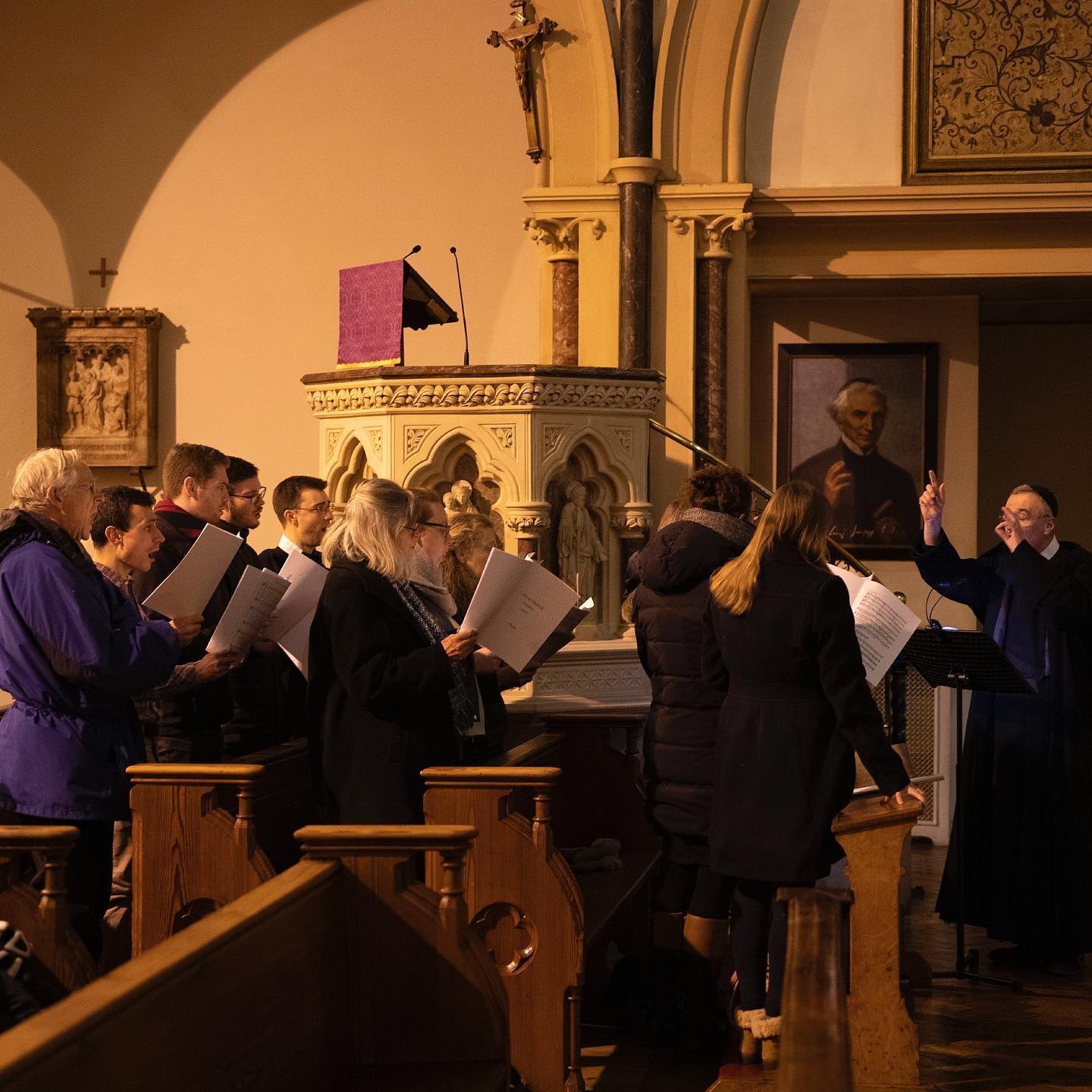
A photo of the parish choir at our Advent Musical Oratory last night. Catch up here if you missed it: https://youtu.be/eS66im3gWu0
Our Christmas Carol Service will take place next week, Wednesday 21 December with the Oratory Choir.
#oxfordoratory

At the start of Lady Kerr’s biography of Blessed Antony Grassi — whose feast we celebrate this Thursday — she tells us that his life contained “nothing…remarkable.” Perhaps we can see what she means: he was born in Fermo in 1592 and died there in 1671; from his childhood, he wanted to join the Oratory there, and so he did at the age of 17, remaining in the Congregation until his death. In that time, he barely left Fermo and its environs, except for a pilgrimage to Rome for the Holy Year of 1625.
To think of his life as unremarkable, however, is quite unfair: he was certainly remarkable for his holiness of life, for his devotion to the Sacraments — especially the Mass — and, above all, for his devotion to St Philip. Fr Flaminio Ricci, sometime Provost of the Roman Oratory and one of St Philip’s closest disciples, was originally from Fermo and returned there a number of times during Antony’s youth to convalesce after a series of illnesses. It was he who impressed on the young Antony a picture of St Philip and his spirit. His devotion to our Holy Father was only made more fervent during his pilgrimage to Rome, where he became well acquainted with Fr Pietro Consolini, a Father of the Roman Oratory who was one of St Philip’s most intimate disciples during his lifetime. He made it his task to follow St Philip’s Rule and his spirit ad litteram — to the letter — and his perfection in Oratorian life was recognised by his community when they elected him Provost thirteen successive times, in which office he remained from 1635 until his death.
Blessed Antony’s life was indeed unexciting, even unremarkable. He was not the great Apostle of Rome like St Philip, nor the Apostle of Ceylon like St Joseph Vaz; he was neither a bishop like Blessed Juvenal nor a martyr like Blessed Salvio. He was, quite simply, a son of St Philip. His example shows us that we do not need exalted positions or remarkable experiences to become saints: all we must do is, like him, pursue holiness and obedience to God’s will in whatever walk of life we find ourselves.
Blessed Antony Grassi, pray for us.