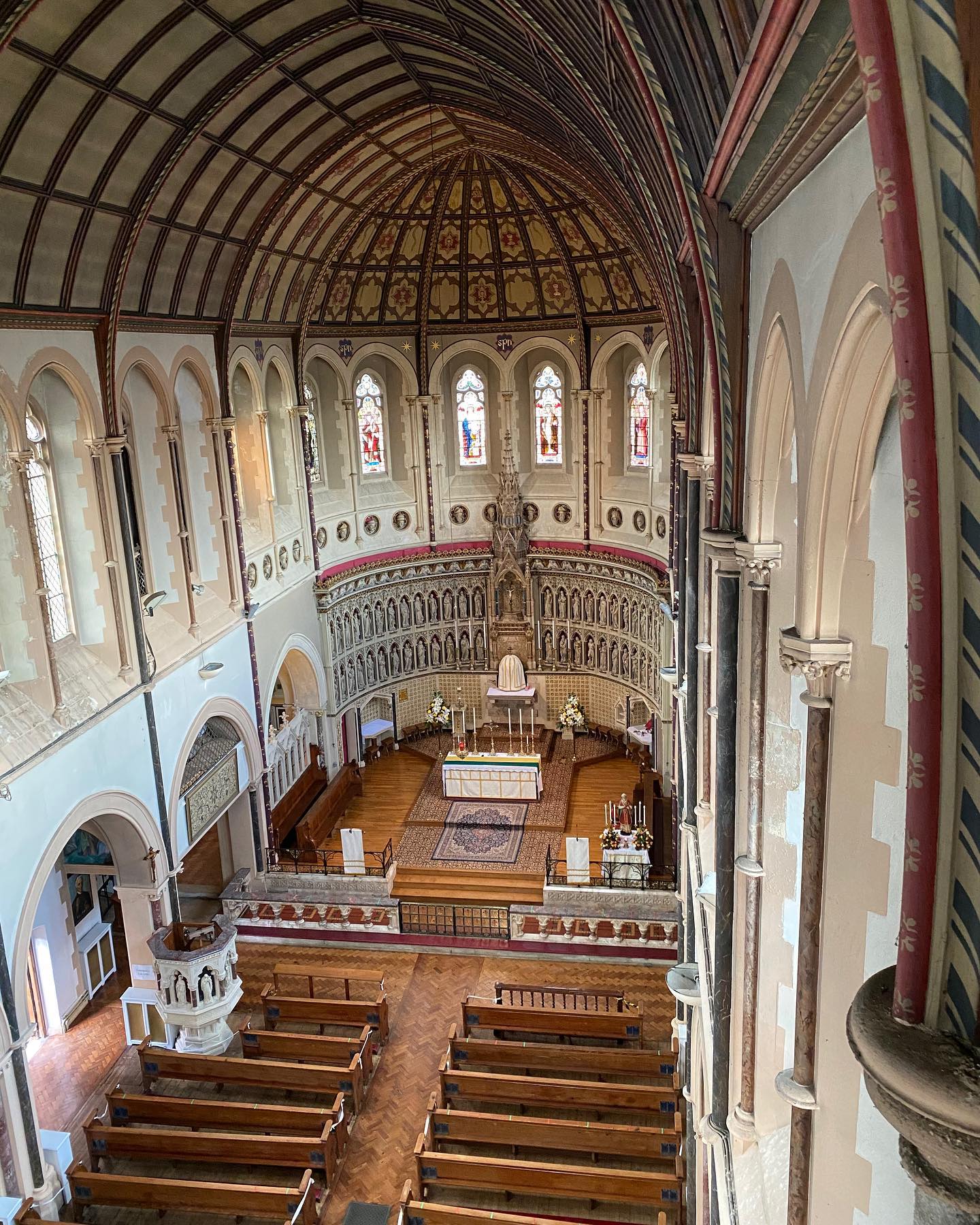
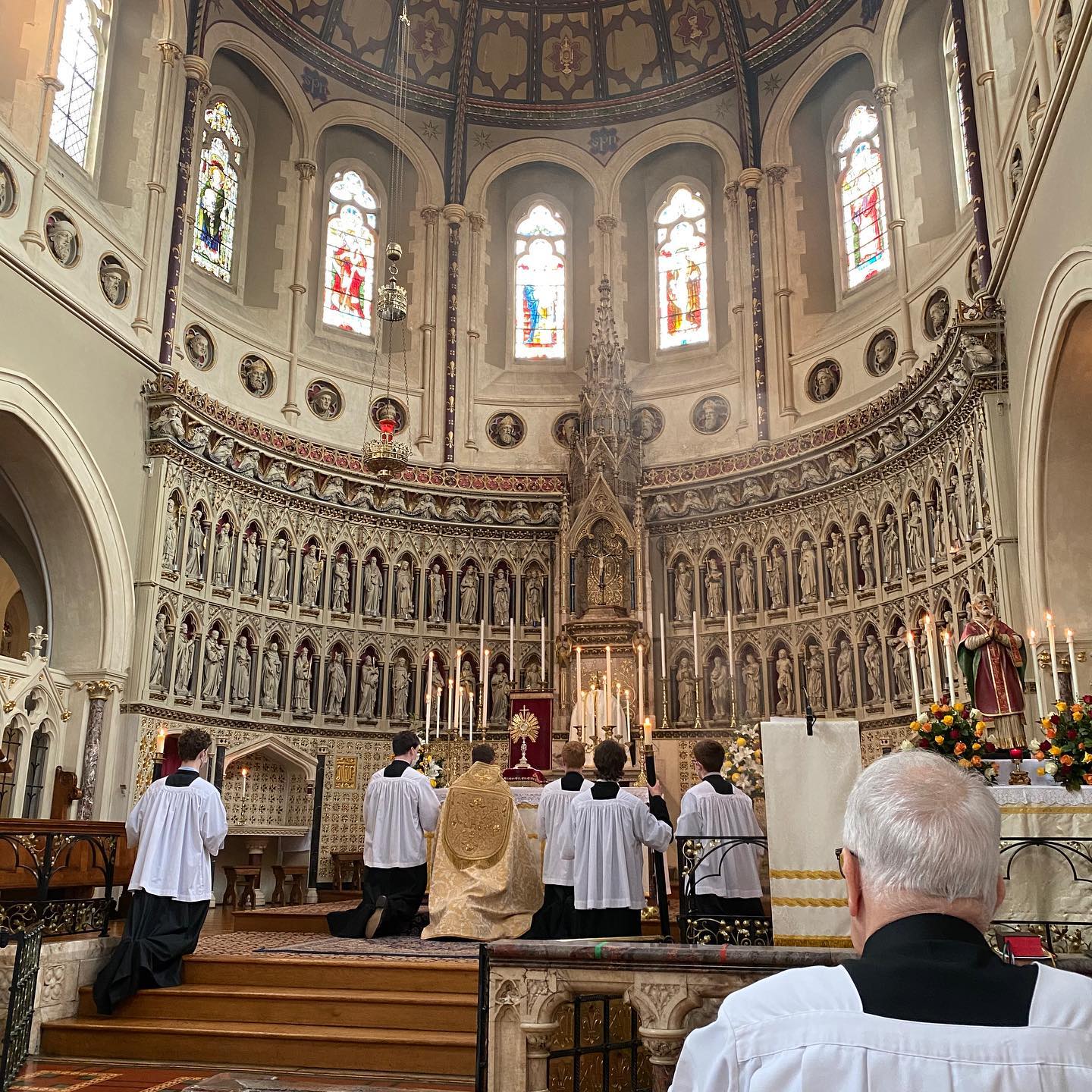
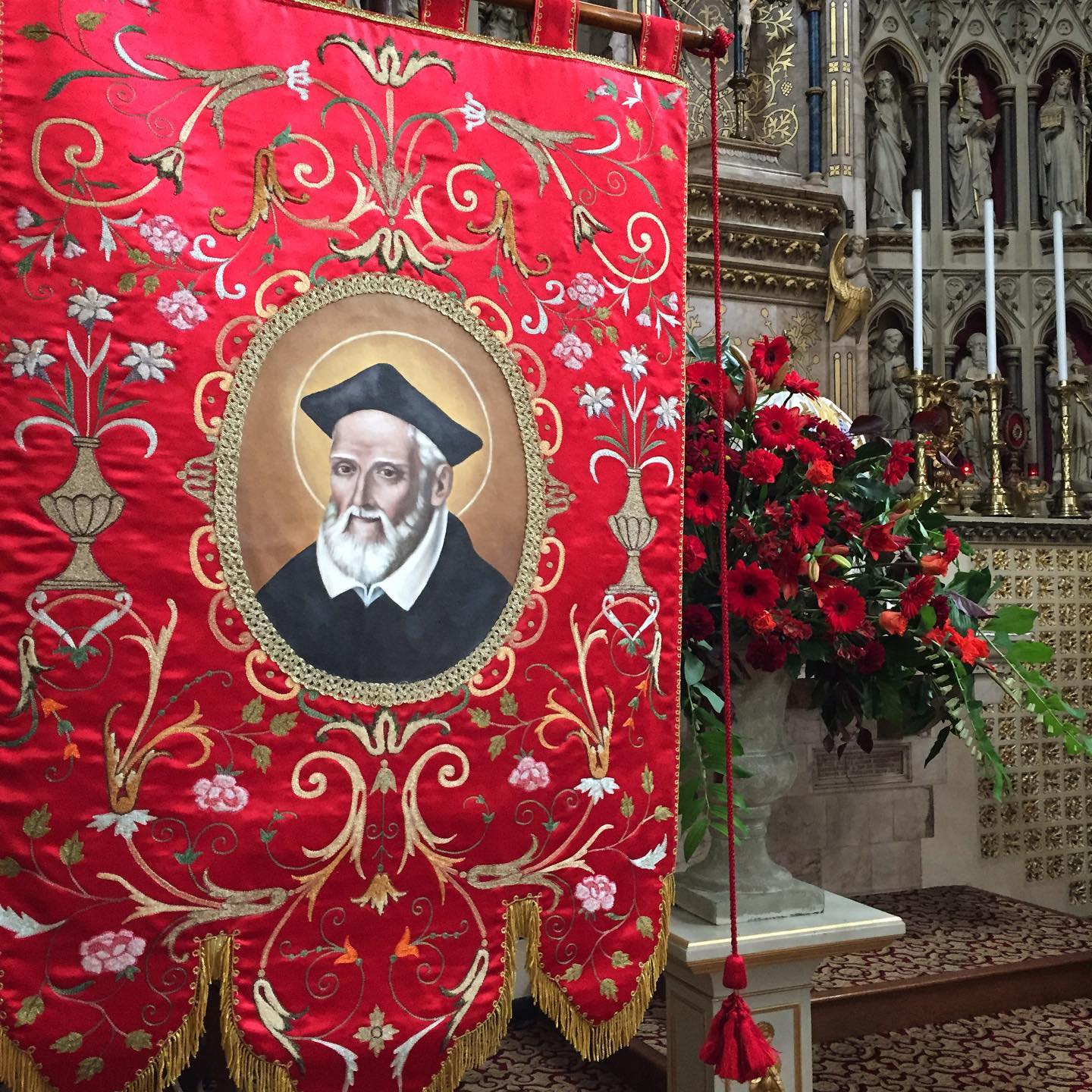
“The Solemnity of Saint Philip Neri, priest, who founded the Oratory at Rome, to preserve young men from sin, by exercises of spiritual reading, music, and works of charity. He shone with love for others, in the simplicity of the Gospel and the light of holy joy, in unbounded zeal, and the burning fervour of his service of God.” (from the Roman Martyrology for today)

Happy feast of Our Holy Father St Philip!

#oxfordoratory

View on Instagram

St Philip and the Holy Spirit

Happy Feast! Each evening as we have prepared for St Philip’s day, the Fathers and a small congregation have gathered for the Novena in Preparation for the feast. The novena prayers are simple and heartfelt, calling on our Father’s aid for this little corner of the Lord’s vineyard which is never without need of help. As part of those devotions we read from St Philip’s life, giving us a sense of the fruits as well as the cause of Our Holy Father’s sanctity. It is particularly apt that this great feast falls around the time of Pentecost since the greatest cause of that holiness, and the turning point in his life, was shown on the Vigil of Pentecost, 1544, when praying in the catacombs of St Sebastian on the Via Appia in Rome. The Holy Spirit appeared to him as a ball of flame, entered into him and remained within his heart, a Pentecostal fire, for the rest of his life. From that moment he was changed — also physically, his heart was after all enlarged so much his ribs remained broken his entire life. He was taken over by the Spirit.

We, each of us, have our own Pentecosts. We receive the Holy Spirit at Baptism when our soul becomes a temple of his dwelling, and we receive Him again at our Confirmation with power, bringing His seven-fold gifts with renewed strength. But each time we call on the help of the Holy Spirit too, He comes to us to help us. Whilst our personal Pentecosts are not accompanied by tongues of fire, by the gift of languages, and other manifestations which were so clearly seen in the early Church, the effect on us is the same. The Holy Spirit comes to us to be for us a Paraclete, an “along-sider,” a friend for the campaign of life. Whereas an evil spirit, should it take over a poor soul, de-humanises that person, controls them and turns them into an automaton, the exact opposite is true with the Spirit of God. When the Holy Spirit takes possession of us we become more the person God wants us to be, we become even more truly ourselves, we become freer. The Spirit gives us a taste for the things of God, He tunes us in to God’s wavelength and makes us more amenable to the commands of the divine will, which seeks to bring about our good and the good of those around us. In short, He sanctifies us.

St Philip’s life is a good place to look for evidence of what that Holy Spirit can do in a well disposed soul — of course to an exceptional degree. If, in St Philip’s life, we see a certain compassion, courage, and a hatred of sin, all tied to his profound devotion (particularly to the Mass) and a radiant, beautiful joy, we see the work the Holy Spirit wants to do in us too. So many of St Philip’s characteristics and gifts are for him alone — what a tedious world it would be if we went around imitating his silliness without the saintliness to excuse it! But we should all imitate him in his prayerfulness, in his love of learning of the things of God, in his devotion to the Blessed Eucharist and in his zeal for winning souls for the Lord — this is what his Oratory, after all, is for: transforming men and women in the world into saints.

And whilst we pray that our ribs remain unbroken, we pray this St Philip’s day that our hearts will be enlarged with God’s own charity. We might pray that the Holy Spirit, that Pentecostal fire, who will see all those good works brought to fulfilment, may renew and kindle His flame within us. May it be said of each of us one day, please God, that after the pattern of St Philip, we too are on our way to be saints of “gentleness and kindness, cheerful in penance, and in precept winning” all those souls God sends to be in our life. And may St Philip at the last welcome us home to that better city of which we are citizens now and will be forever.

“The Holy Spirit is the master of prayer, and causes us to abide in continual peace and cheerfulness, which is a foretaste of Paradise.” — St Philip

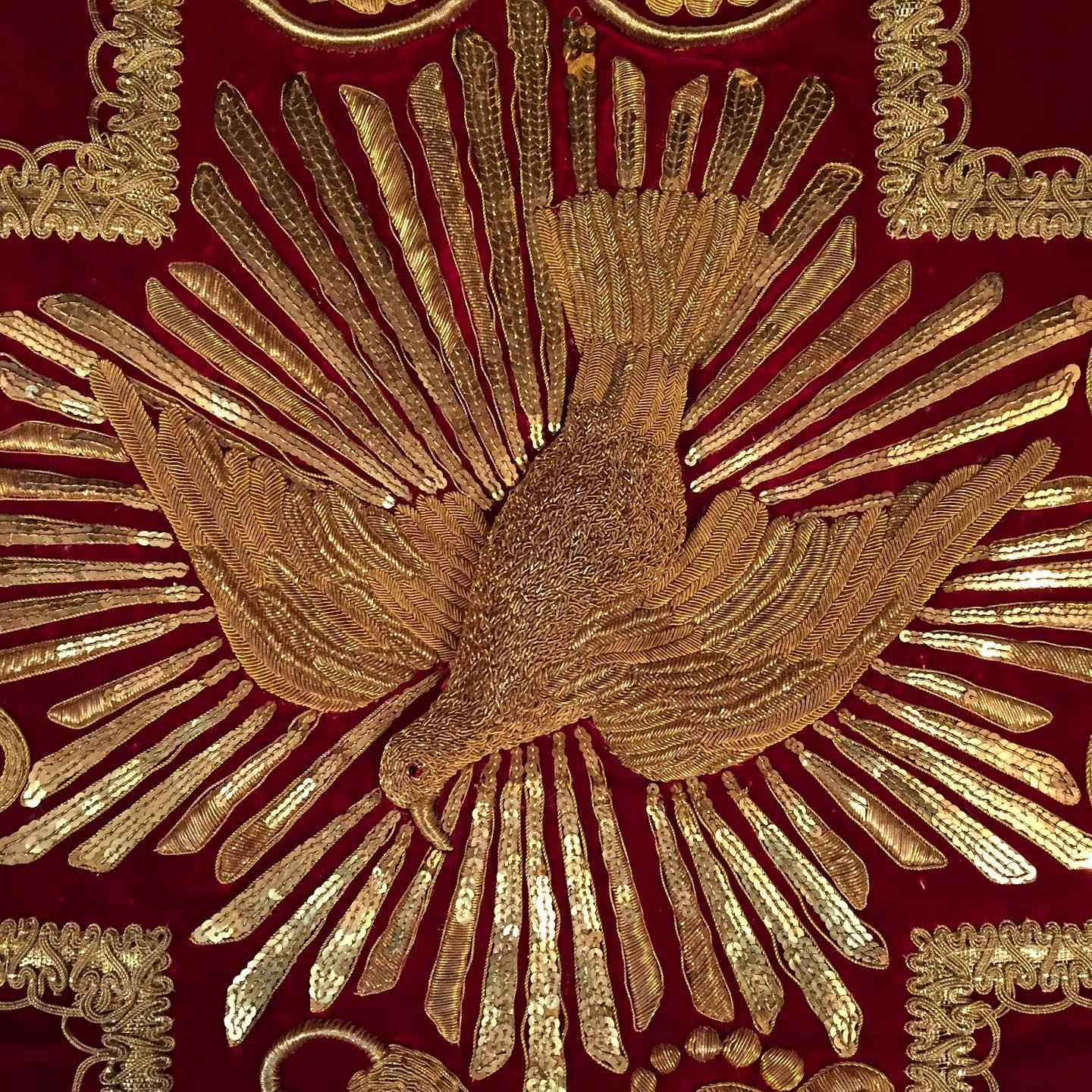
A detail of the Pentecost vestment used for Masses today. #oxfordoratory

View on Instagram

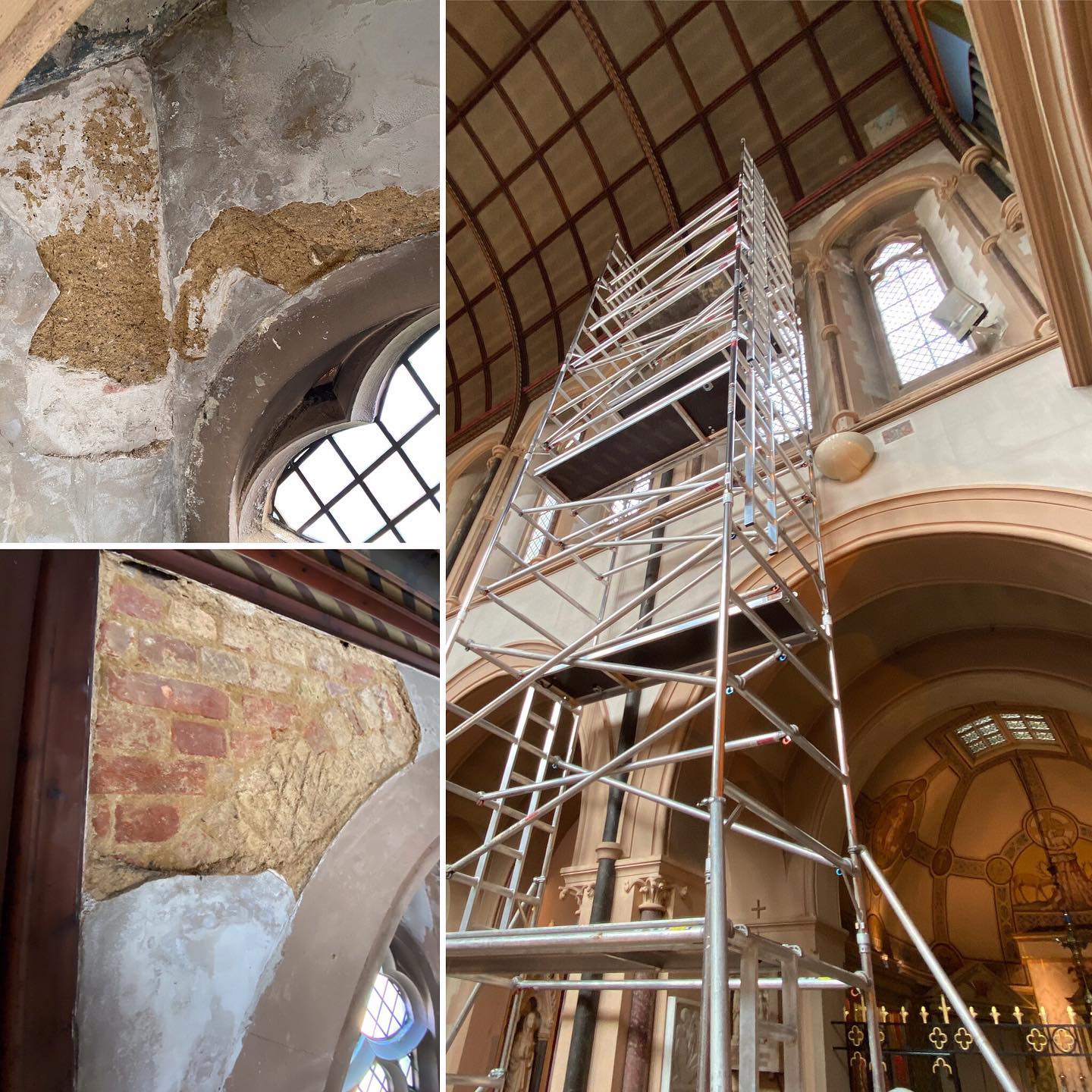
Emergency high level work earlier this week to remove loose plaster from around the windows. You might have noticed some of the pews at the back of church closed off for the last few weeks — there were heavy chunks of plaster ready to drop at any moment. It’s all safe now, and there is more space once again for people to come to Mass. Thanks to the volunteers who spent the day helping Fr Benedict to complete the work! #oxfordoratory

View on Instagram

Praying with the same passion

One of the themes of the Old Testament is that Israel was meant to be a people set apart: a holy nation, to point people towards God. God is completely holy, set apart, different, other from creation. Israel was meant to be holy, set apart, different from all other nations, as a reflection of God’s holiness, to point others towards him. In similar way, the Church is called to be holy, in order to point to God’s holiness. As St Peter writes, ‘You are a chosen race, a royal priesthood, a holy nation, God’s own people, that you may declare the wonderful deeds of him who called you out of darkness into his marvellous light.’ (1 Peter 2:9)

On his last night with his apostles, before his Passion, Christ prays that the the Church may be holy (John 17:17), like Israel, but he also asks: ‘that they may all be one.’ (John 17:21). We are not just to reflect God’s otherness. We are to be one in doing so — united, to reflect the unity of God.

The unity of the Church is important not just from a practical point of view, not just from an abstract theological point of view, not just because there is one truth and one Church founded by Christ, but because one of the purposes of the very existence of the Church is to direct others towards God by making his unity visible. It is a condition of people coming to faith in Christ, as he says himself, ‘may they be one… so that the world may believe that you have sent me.’ (John 17:21)

Our unity with each other is supposed to be proof that Jesus is who he says he is, and it comes about as a consequence of being one with him. When you think about it, we can’t all be united with Christ without being united with each other. So if we’re not united with each other, then our relationship with Christ is in trouble.

But what does it mean to be united? We’re using the word in several different ways here. There’s a unity of belief: believing the same things. There’s an ecclesial unity: the visible unity of the Church, or of different Christians all over the world. There’s a sacramental unity that is proclaimed and strengthened in Holy Communion, and there is the overall idea of our link, our unity with Christ himself by being part of his body. Each of these kinds of unity is tied up with the others of course. But there’s another kind of unity that matters: a person to person unity, a unity of will. Luckily for us, that unity isn’t simply a consequence of our willingness to agree with others, otherwise we’d all be doomed. It is a unity that comes as a gift from Christ, who says: ‘I have given them the glory you gave to me, that they may be one as we are one.’ (John 17:22)

That glory he gives us is the Holy Spirit. The Holy Spirit unites us with Christ, and so unites us with each other. He is the one that makes us able to join in this prayer with Christ, and to call God our Father.

In the Acts of the Apostles, St Luke tells us that in this period between the Ascension and Pentecost, the disciples were ‘steadfastly continuing in prayer with one accord.’ (Acts 1:14) That’s a more literal translation than you’ll find in most bibles. But even that’s not literal enough. That ‘one accord’ (homothumadon in Greek) means ‘with the same mind’, or even better, ‘with the same passion’. We don’t want to translate it as ‘passion’ because that makes it sound like something bad and out of control. But it gives us something of the idea that Luke is trying to convey. It’s not a stretch to say that the disciples prayed together with ‘the same intensity’ or ‘heat’ or even with ‘the same fire’. When we understand that, it’s no surprise that that prayer burst into visible flames on the day of Pentecost when the Holy Spirit revealed himself fully. If we are united in that kind of prayer, with the same Spirit burning within us, then there’s a chance that together we will be able to show Christ’s glory to the world, and then the world will also believe that Jesus is who we says he is.
Changes in restrictions from 17 May

New guidance has been released by the bishops to reflect the next stage of lockdown easing that begins on Monday 17 May.

From now on, we only need to have stewards on duty for busier Masses on Sundays and Feast days. We are all very grateful to all the volunteers who have made it possible to open the church over the last year.

The church only needs to be cleaned once a day. Again, thank you to everyone who has helped with this after Masses. The Fathers will clean the church at the end of the day before locking the church, which will allow the church to remain open for private prayer after the evening Mass until 7pm, and our opening times can now return to what they were before the start of the pandemic.

Some of the restrictions surrounding distribution of Holy Communion have also been relaxed. We will continue giving Holy Communion as we have been doing for the last few months, but this can now take place in the usual place within Mass.

Use of social distancing measures, masks and hand sanitiser will continue, and congregational singing is not allowed yet. Thank you all for your co-operation and patience with these measures, which have enabled us to keep our church open as much as possible over the last few months.

Organ Scholar

We are looking for an organ scholar to work with our Director of Music and choir, starting from September. This is an exciting opportunity for a suitably skilled organist to contribute to the vibrant musical life of the Oxford Oratory, while gaining experience of the traditional Catholic liturgy and sacred music performed to the highest standards. Full information is available here. Applications must be received no later than Friday 11 June.

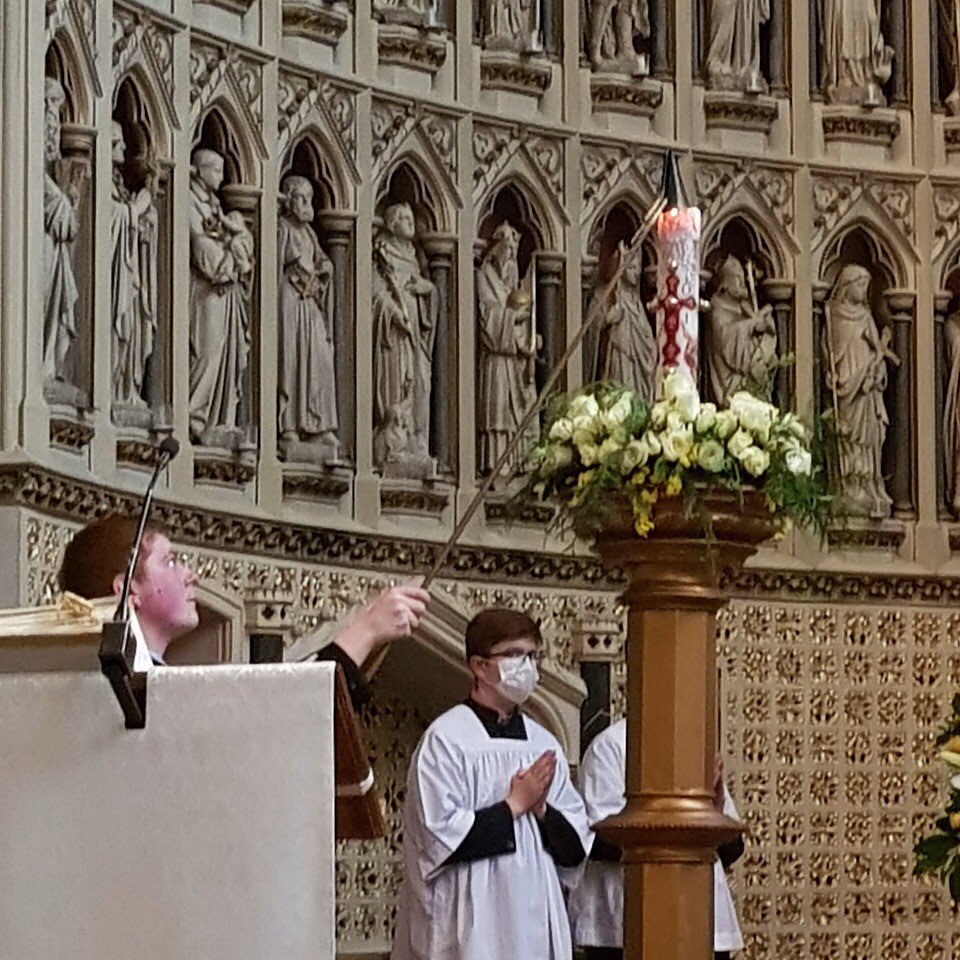
‘And so the Lord Jesus, after he had spoken to them, was taken up into heaven.’ The Paschal Candle has been a symbol of the risen Christ’s bodily presence among his disciples for 40 days. It is extinguished after the Gospel as he ascends into heaven. #oxfordoratory

View on Instagram