You can now follow the progress of Fr Richard and Fr Nicholas in York on the new St Wilfrid’s website:
You can now follow the progress of Fr Richard and Fr Nicholas in York on the new St Wilfrid’s website:
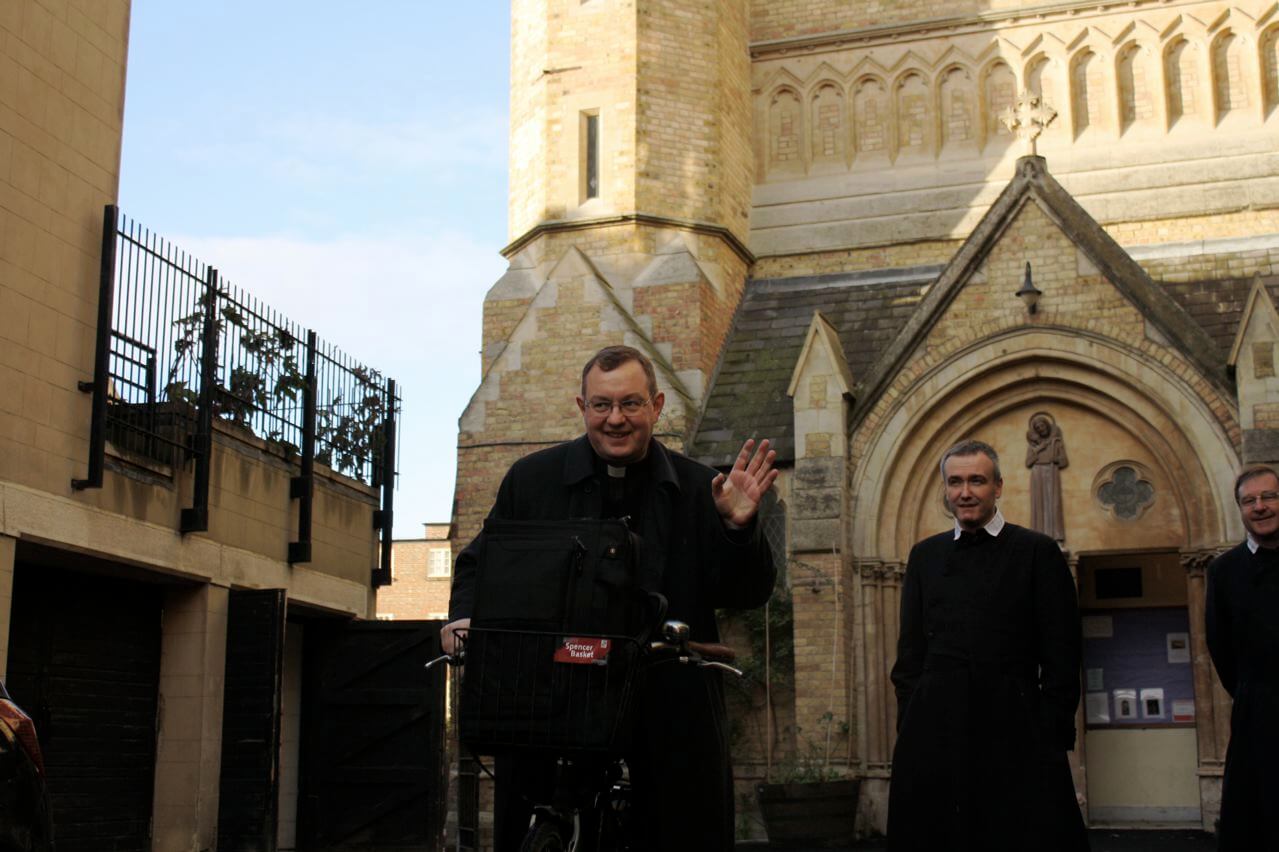
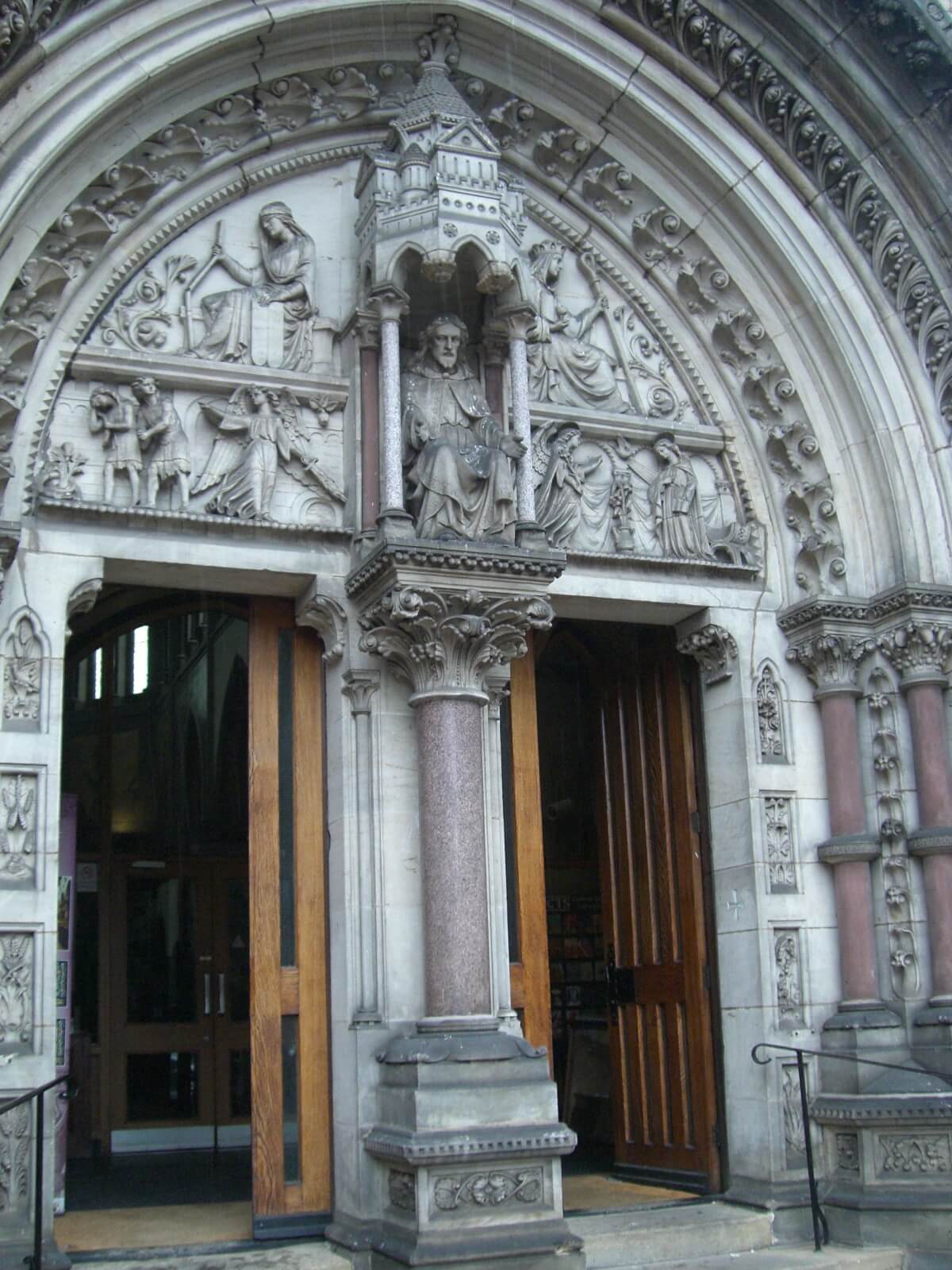
Many thanks for the generous gifts to the collection for the new account for the foundation in York. Approximately £3,500 was donated. Fr Richard leaves on Monday 28th to become Parish Priest of St Wilfrid’s. His address will be The Oratorian Community, Petergate House, 11, High Petergate, York. YO1 7EN. 01904 624767
Fr Nicholas will be going with him for the first month. This venture is a sacrifice for those who remain as well as for those who go, and both for the Fathers and for the people; so please continue to keep this new venture in your prayers.
A large number of priests came yesterday for the Autumn colloquium of the British Province of the Confraternity of Catholic Clergy. 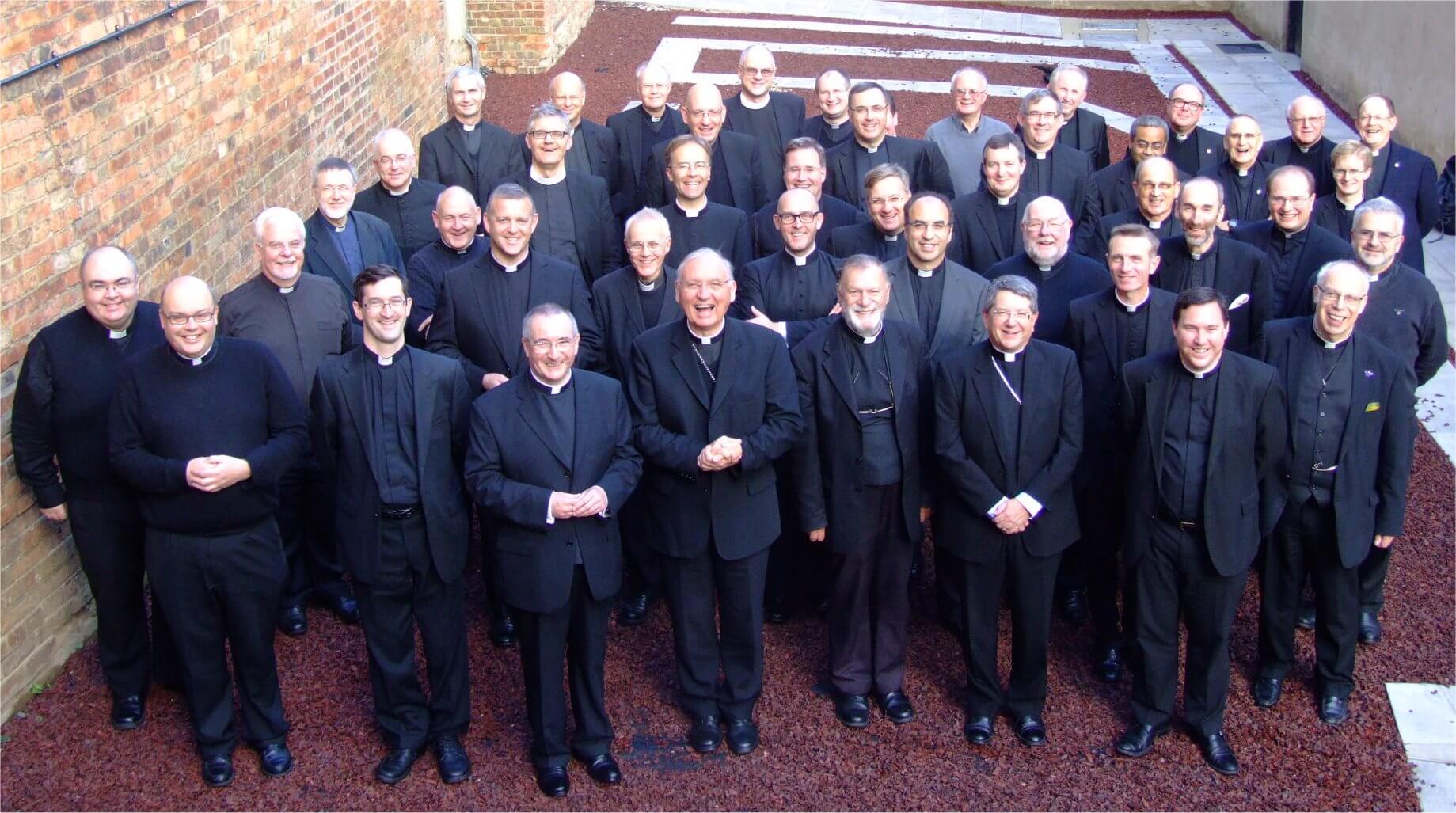
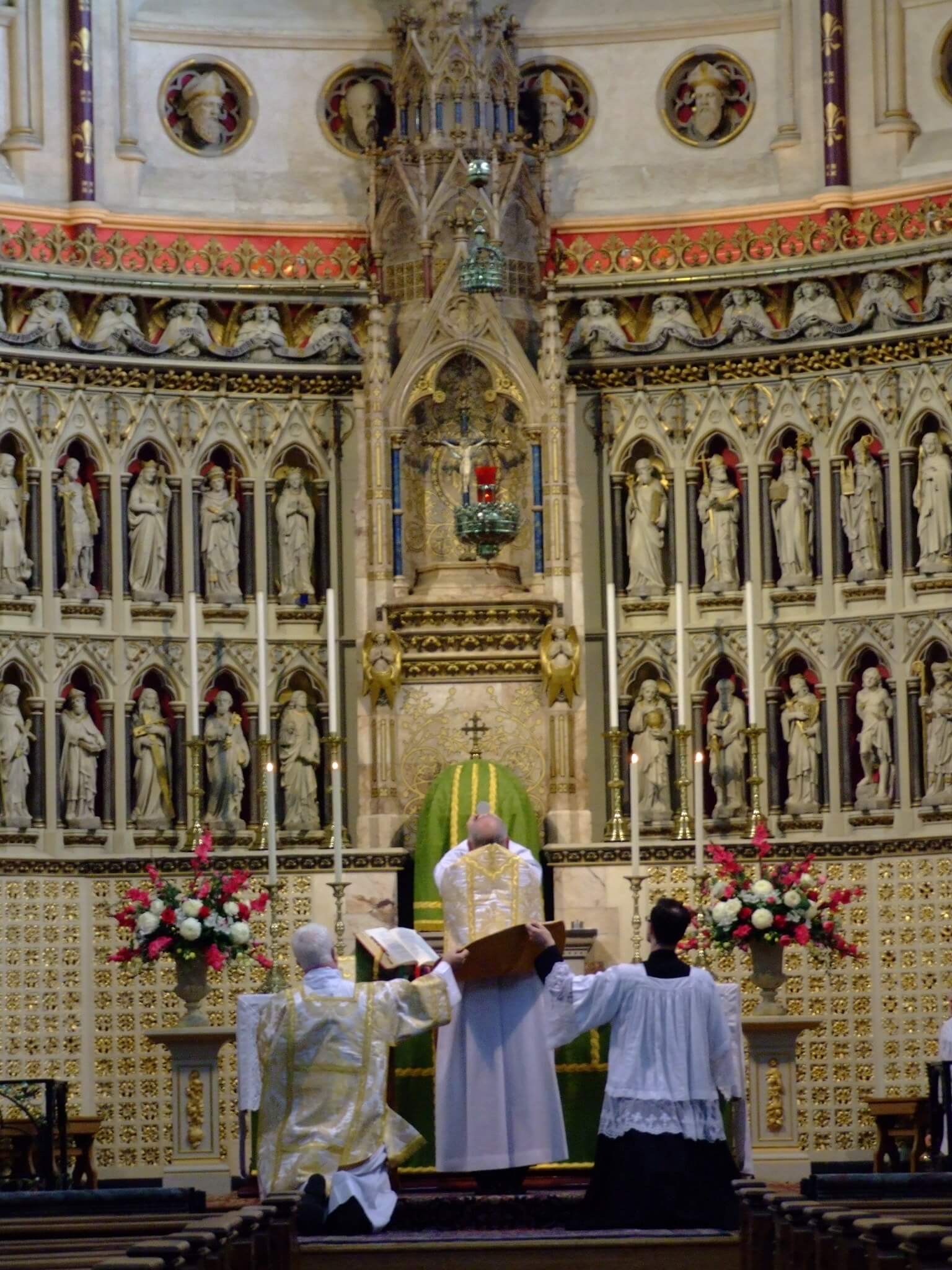
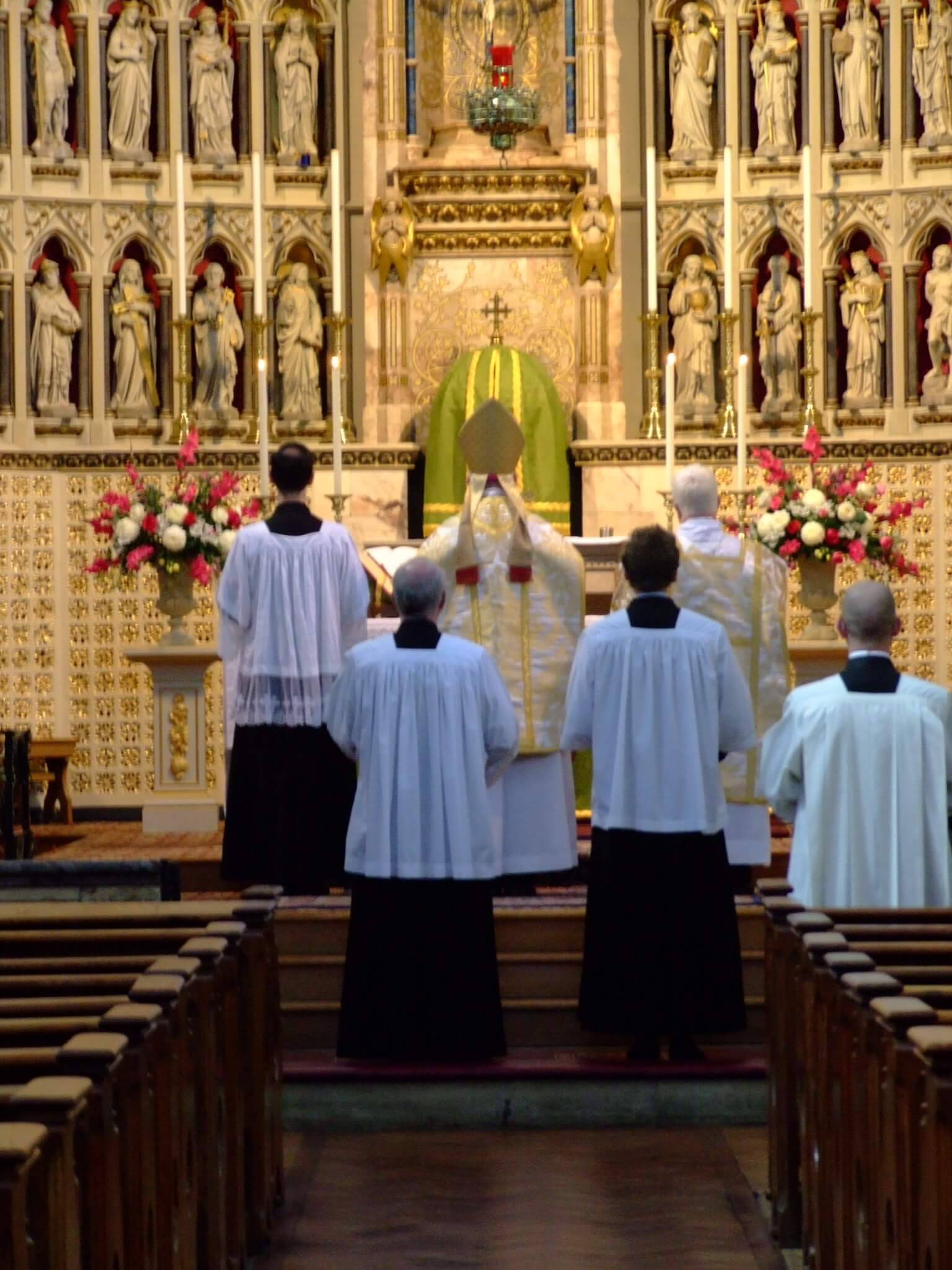
Mass was celebrated by the Bishop of Lismore (New South Wales), the Right Reverend Geoffrey Jarrett:
Later on there was Benediction of the Blessed Sacrament, and the conference concluded with a talk by Fr Jerome on “The Conversion of England”.
Photographs by Fr Tim Finigan.
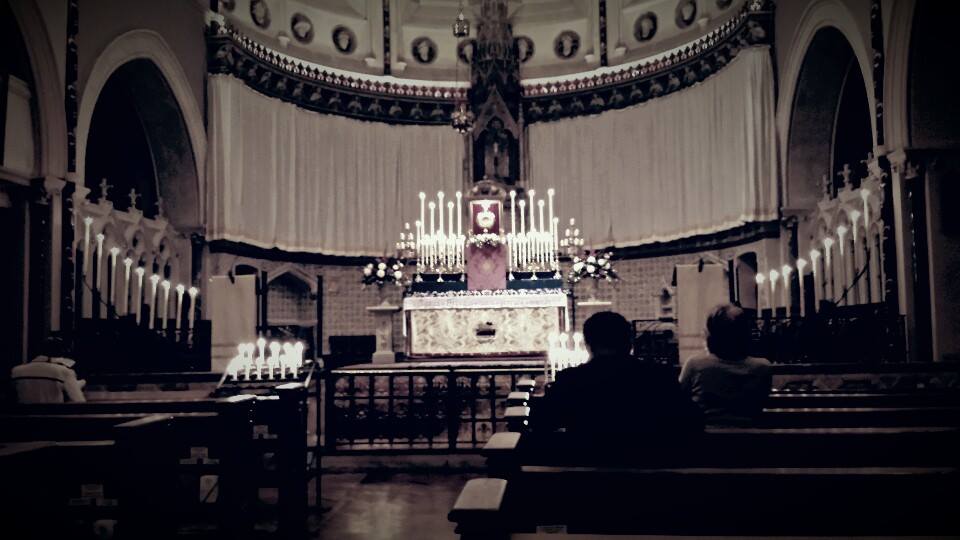
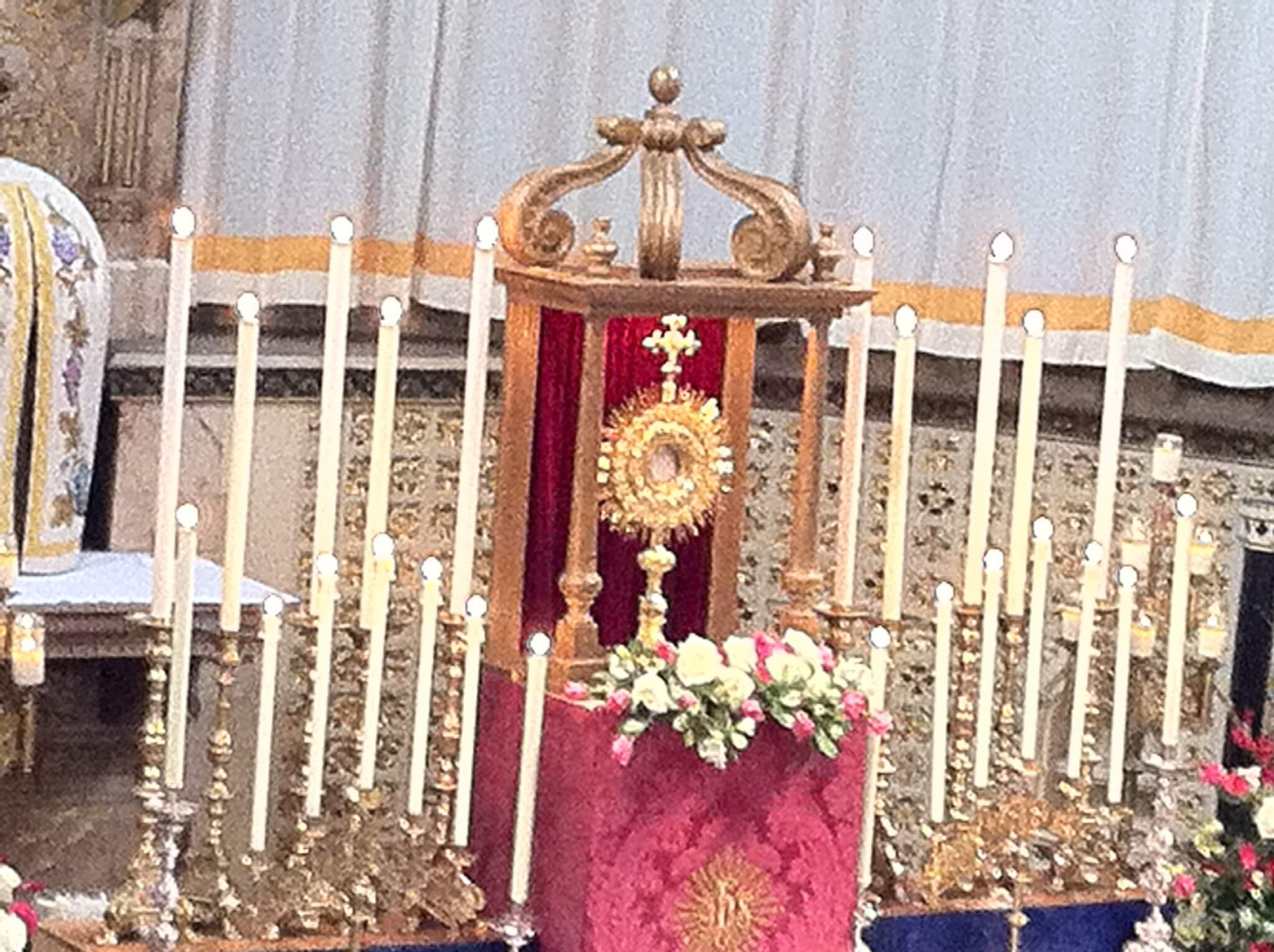
Our annual Forty Hours Exposition of the Blessed Sacrament began yesterday with a Solemn Mass, followed by an all-night vigil. The Dominicans of Blackfriars came to sing Compline at midnight, and the Sisters of The Work to sing Matins and Lauds at 5am. Exposition continues until midnight tonight, with a Mass for Peace at 6.30pm.
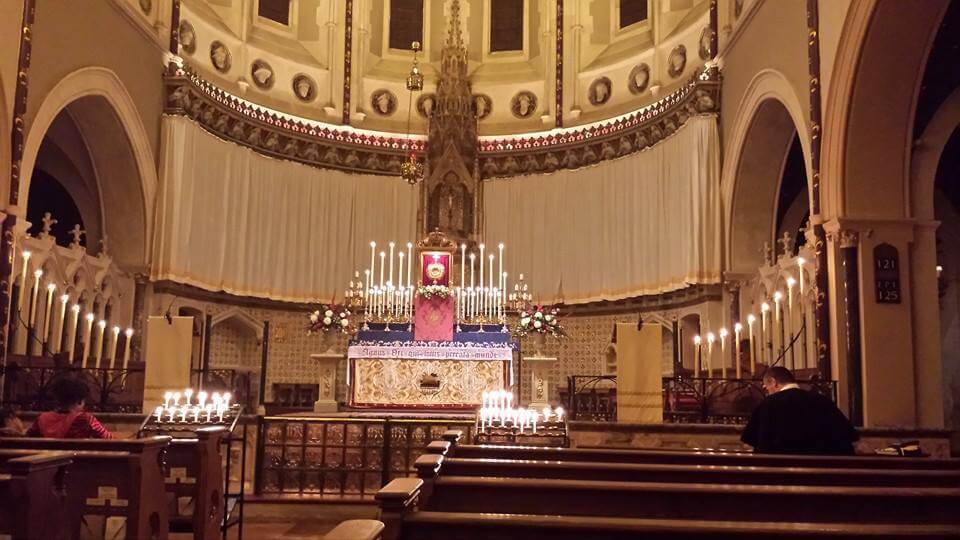
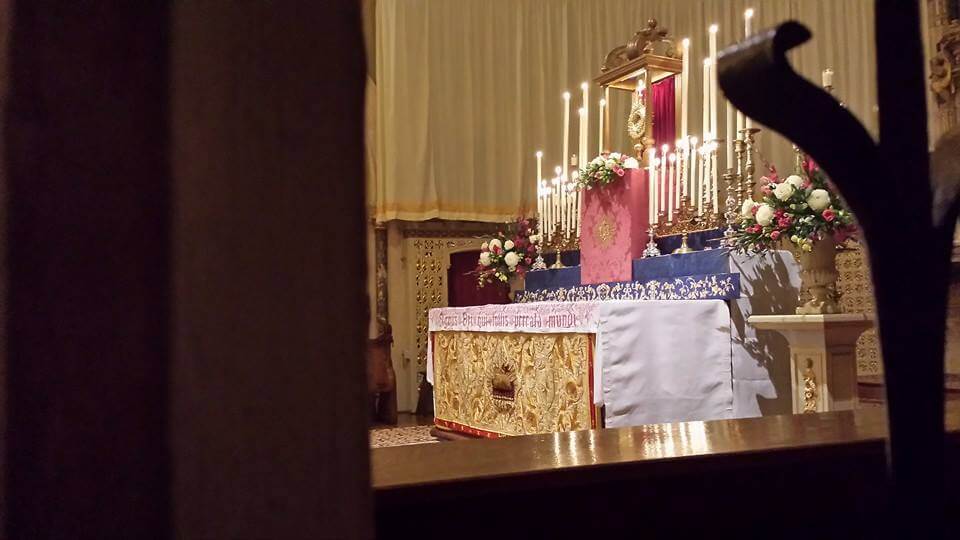
Tomorrow (Sunday) there will be a Solemn Mass of the Sacred Heart at 11am, after which exposition resumes until 5pm, when there will be Solemn Vespers, Procession and Benediction.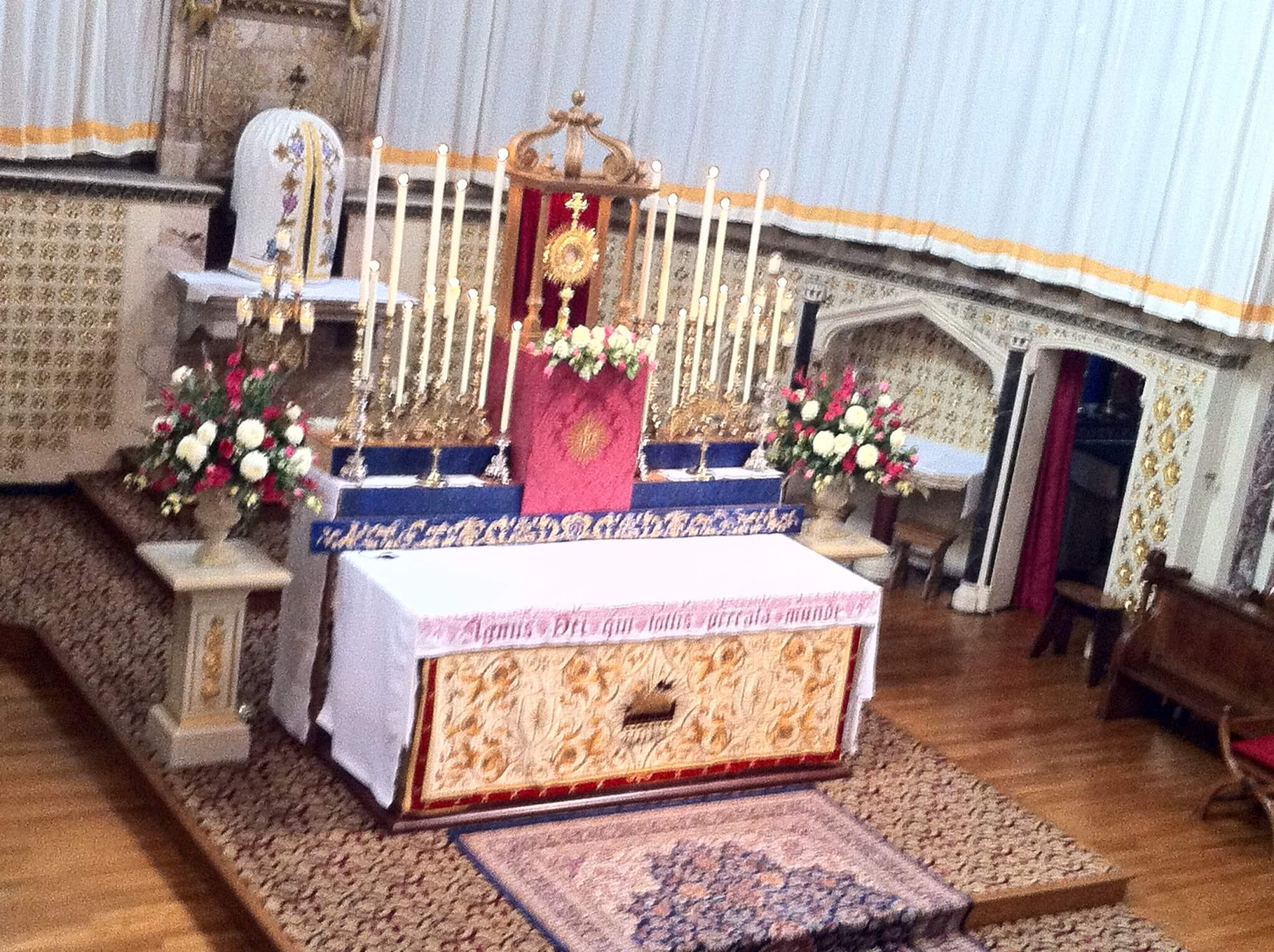
Our pilgrims have returned from the Beatification of Blessed Salvio Huix Miralpeix and 521 other martyrs of the Spanish Civil War.
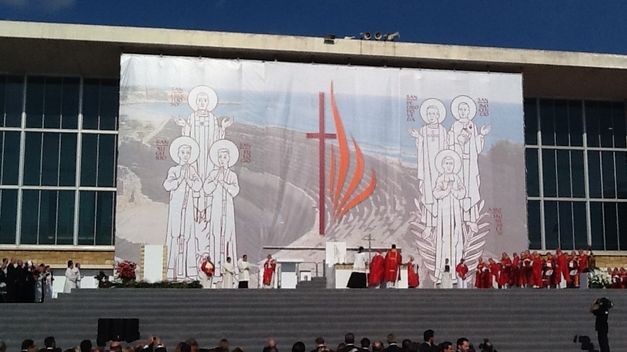
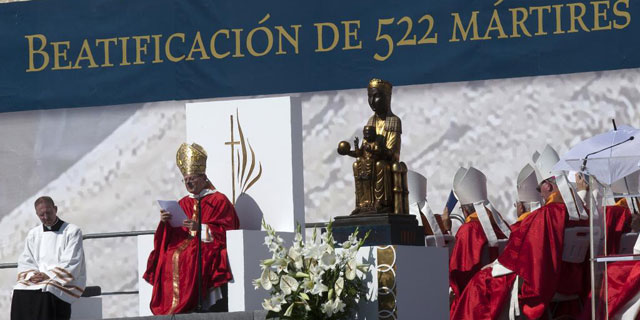
The beatification ceremony at Tarragona was a sunny and joyful occasion:
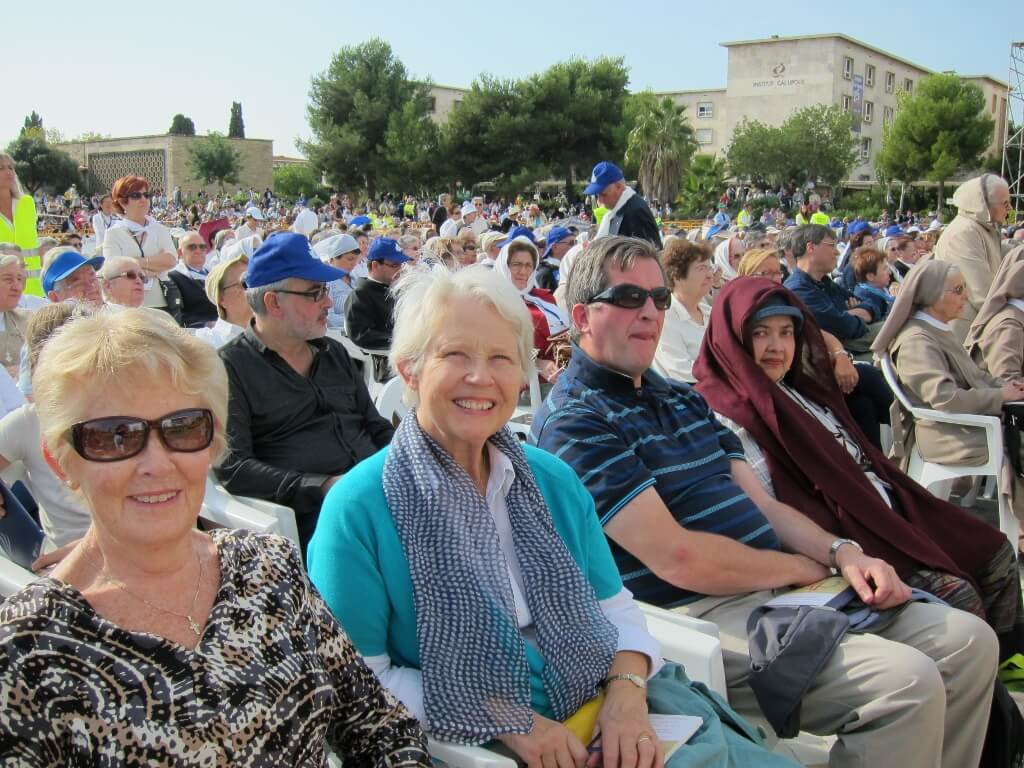
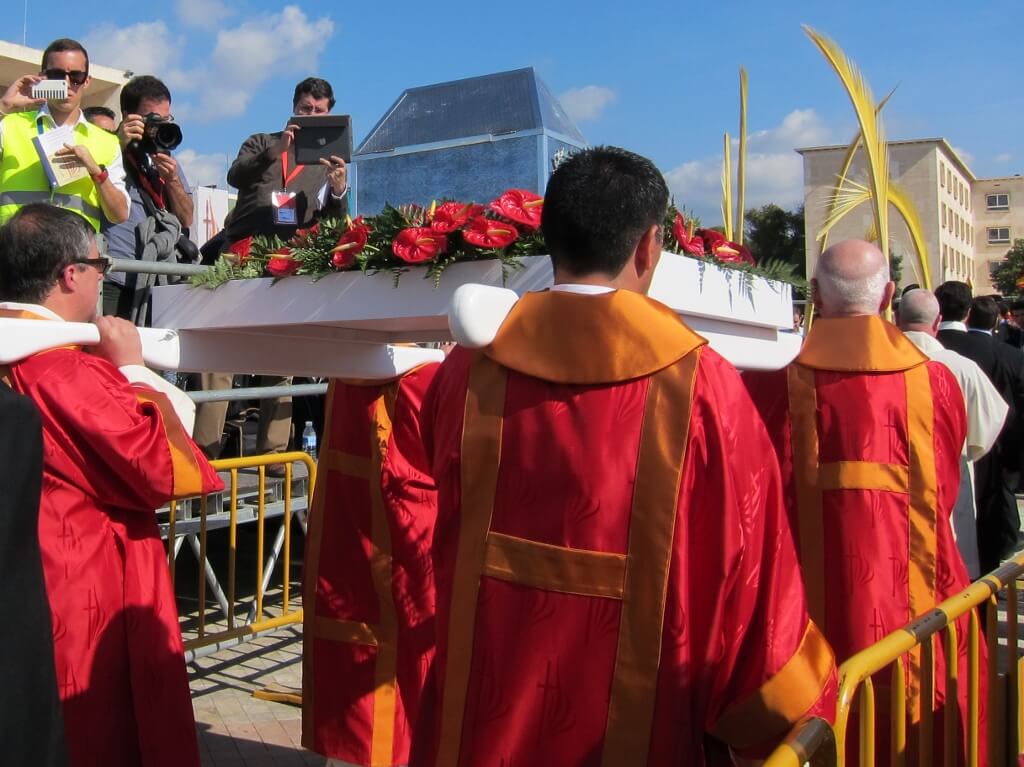
Deacons carried the relics of the newly-beatified martyrs:
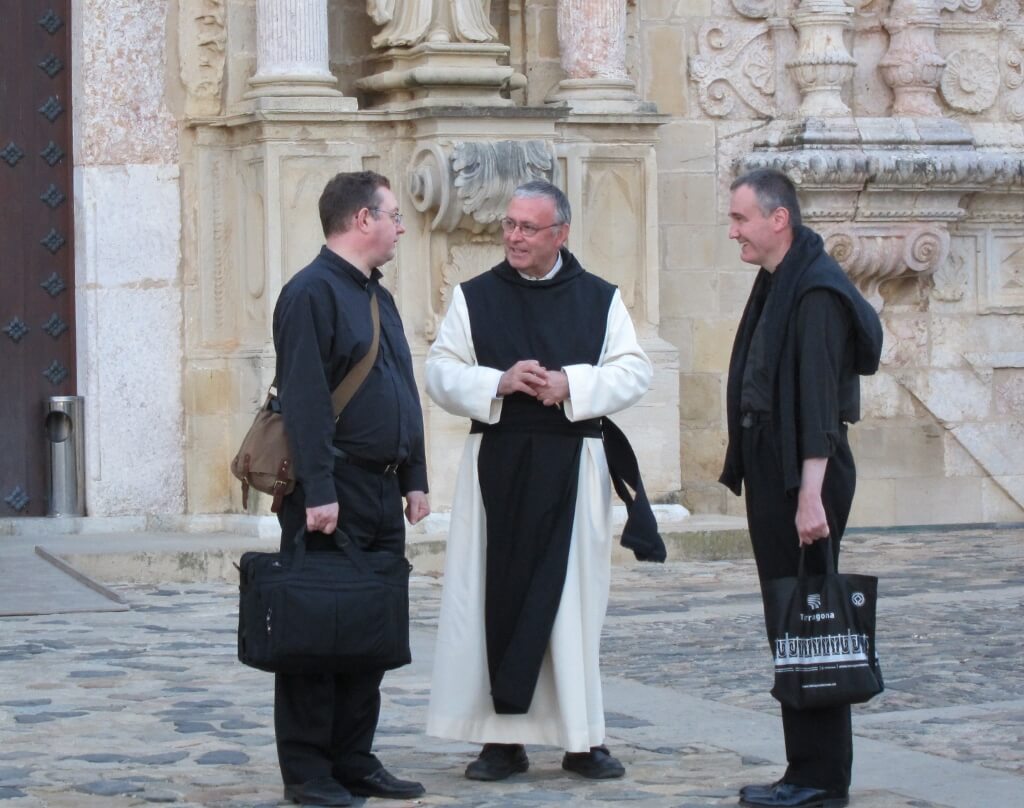
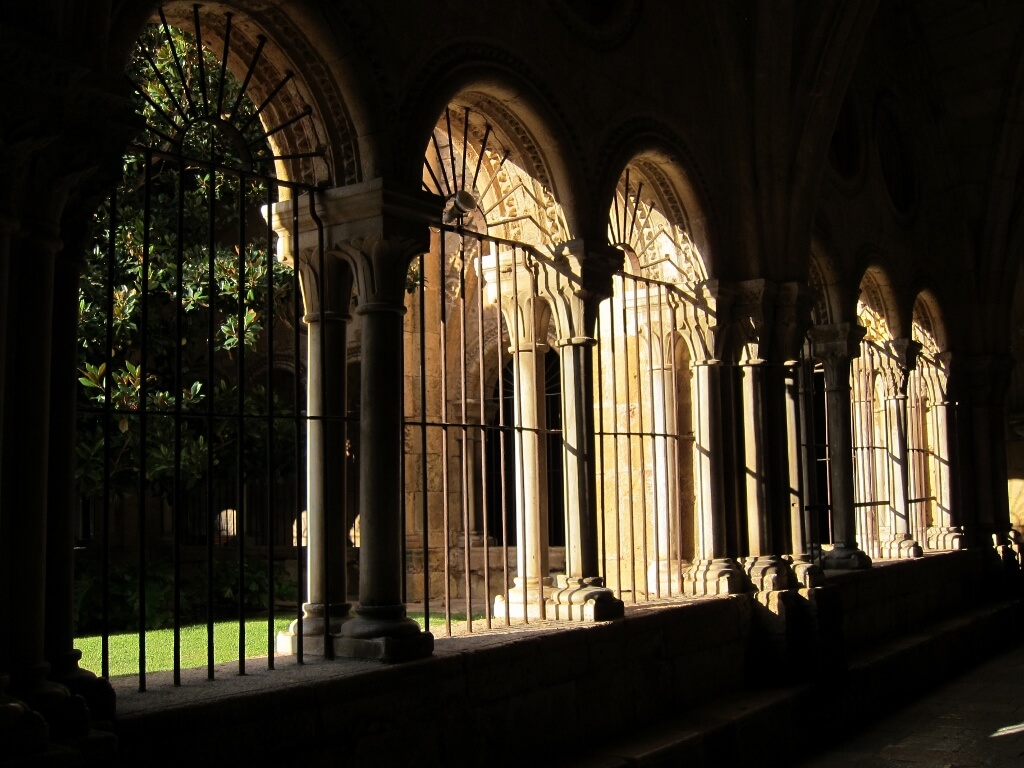
The group also saw some of the holy sites of Catalonia, including the Royal Cistercian Abbey of Santa Maria de Poblet:
Here is the group in Barcelona, outside the home of the architect Antoni Gaudi at the Park Güell.
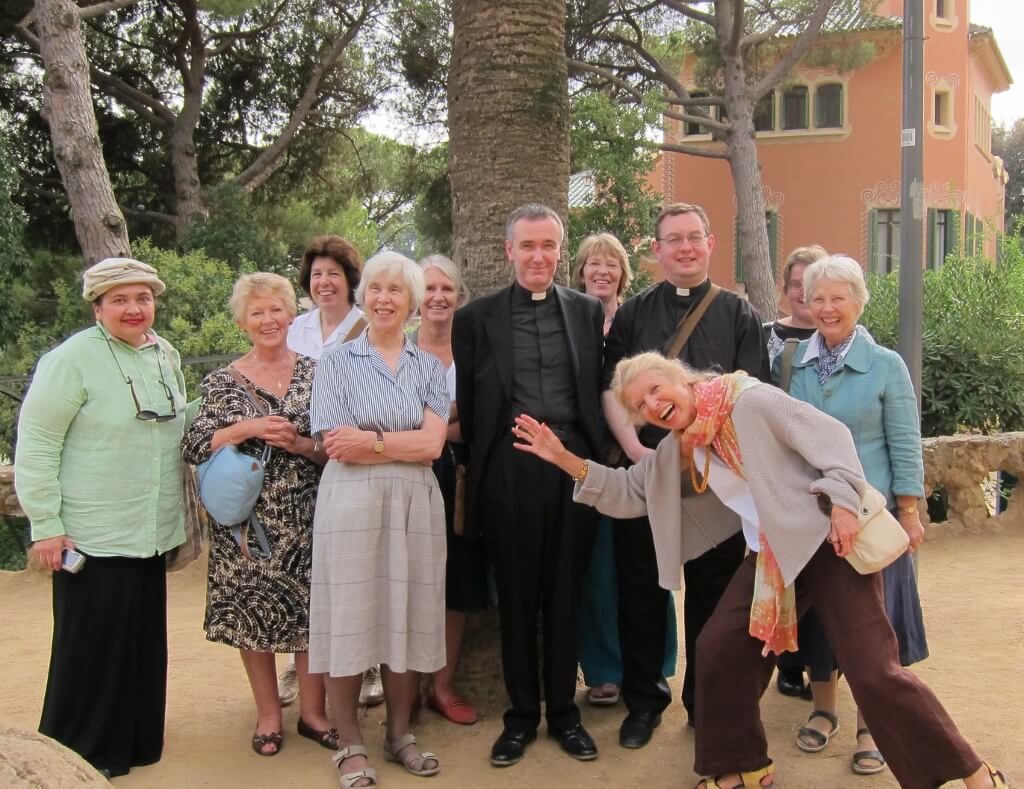
Gaudi was a Brother of the Secular Oratory in Barcelona and his own cause for beatification has been opened.
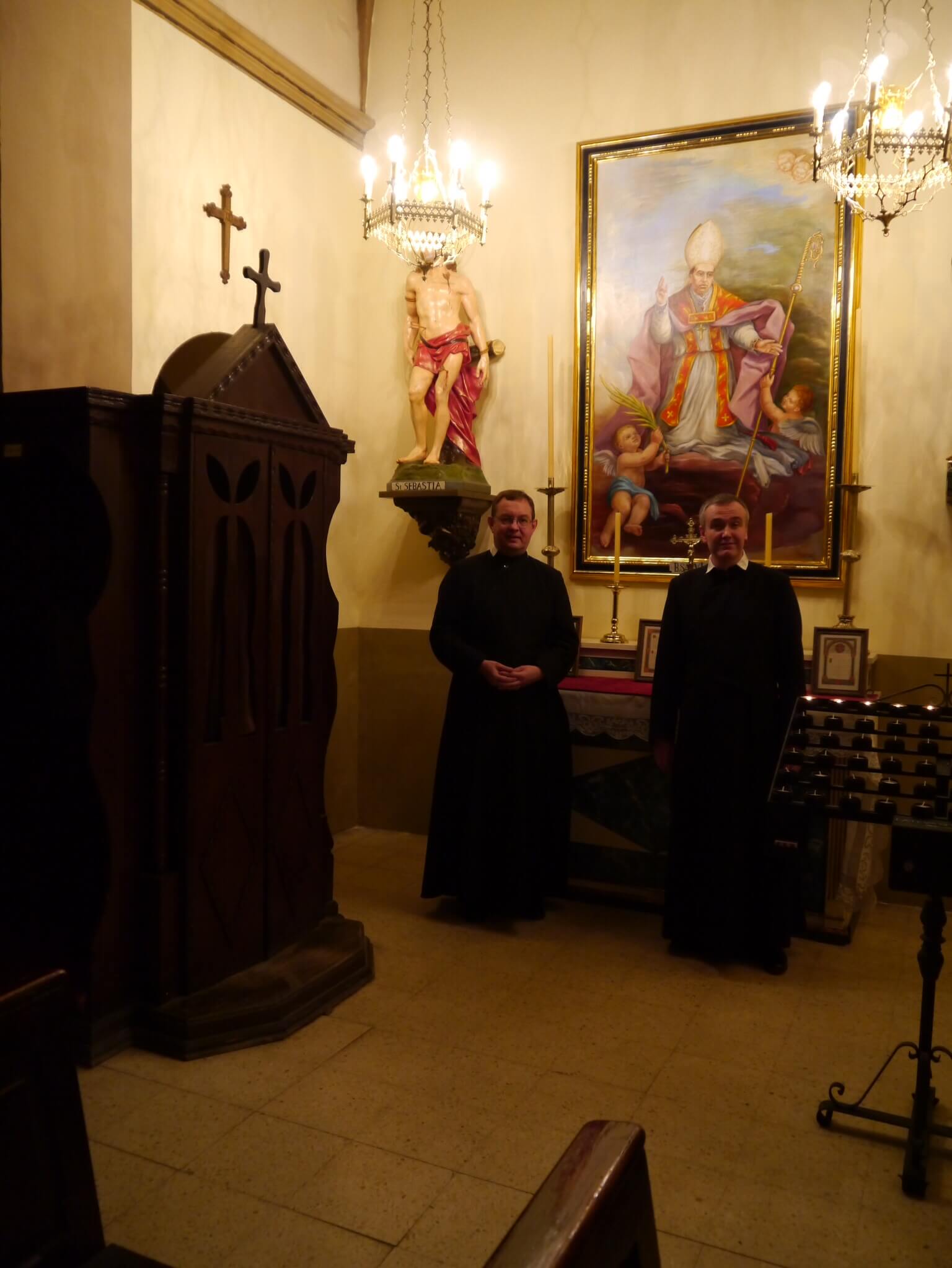
The pilgrims were able to visit Blessed Salvio’s own Oratory at Vic:
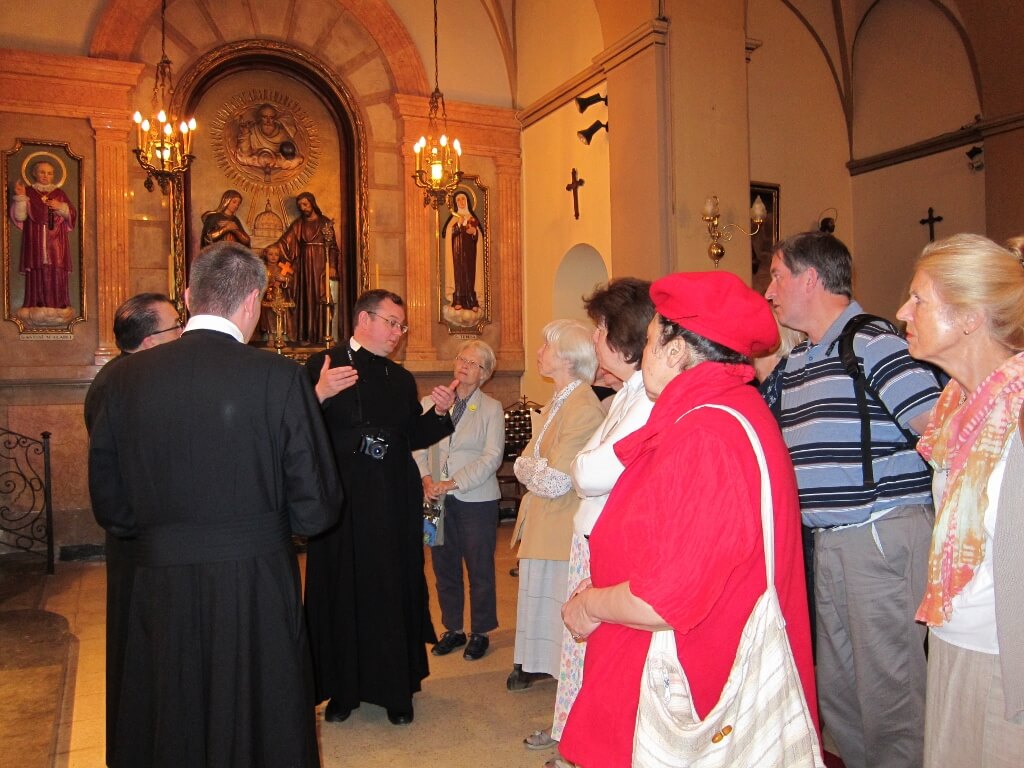
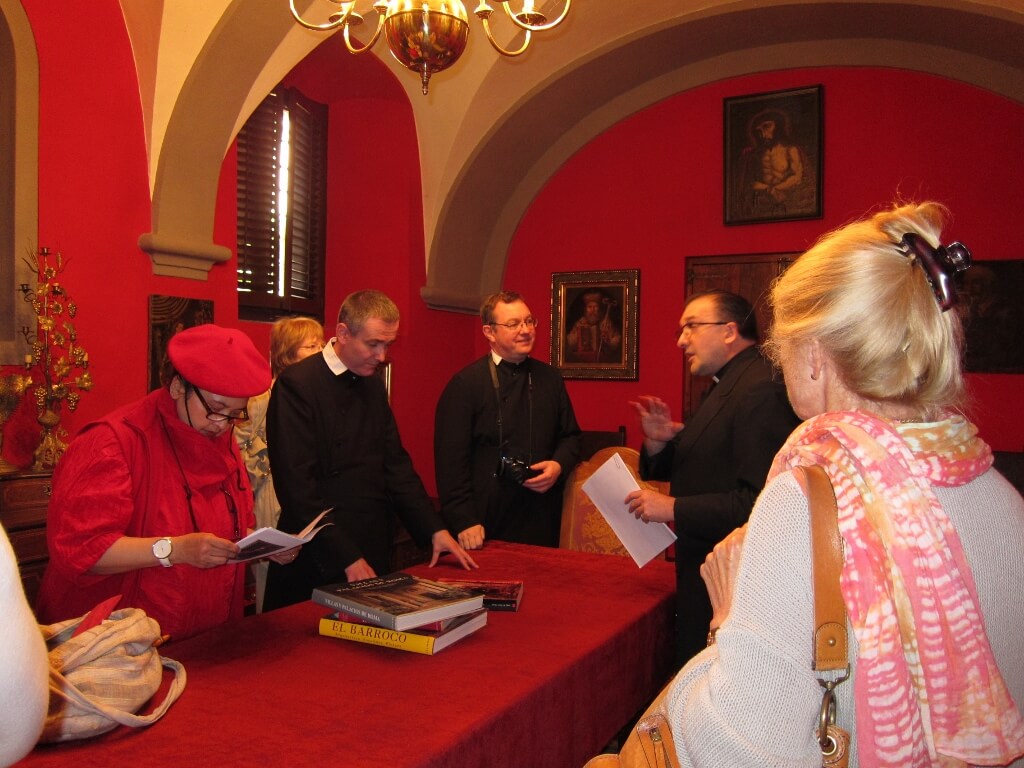
Here is the altar of the new Beatus in the Oratory:
Dear Brothers and Sisters, greetings!
I would like to express my heartfelt participation in the celebration which is taking place in Tarragona, in the course of which a large number of Pastors, consecrated people and lay members of the faith are being proclaimed Blessed Martyrs.
Who are the martyrs? They are Christians who have been “earned” by Christ, disciples who have learnt well the sense of that “love to the extreme limit” which led Jesus to the Cross. There is no such thing as love in installments, no such thing as portions of love. Total love: and when we love, we love till the end. On the Cross, Jesus felt the weight of death, the weight of sin, but he gave himself over to the Father entirely, and he forgave. He barely spoke, but he gave the gift of life. Christ “beats” us in love; the martyrs imitated him in love until the very end.
The Holy Fathers say: “Let’s imitate the martyrs!” We must always die a little in order to come out of ourselves, of our selfishness, of our well-being, of our laziness, of our sadnesses, and open up to God, to others, especially those who need it most.
We implore the intercession of the martyrs, that we may be concrete Christians, Christians in deeds and not just in words, that we may not be mediocre Christians, Christians painted in a superficial coating of Christianity without substance – they weren’t painted, they were Christians until the end. We ask them for help in keeping our faith firm, that even throughout our difficulties we may nourish hope and foster brotherhood and solidarity.
And I ask you to pray for me. May Jesus bless you and the Holy Virgin protect you.
Click on the image below for full details of this exciting concert by the highly-acclaimed Camerata of Curiosities, in aid of the Oratory Campaign: 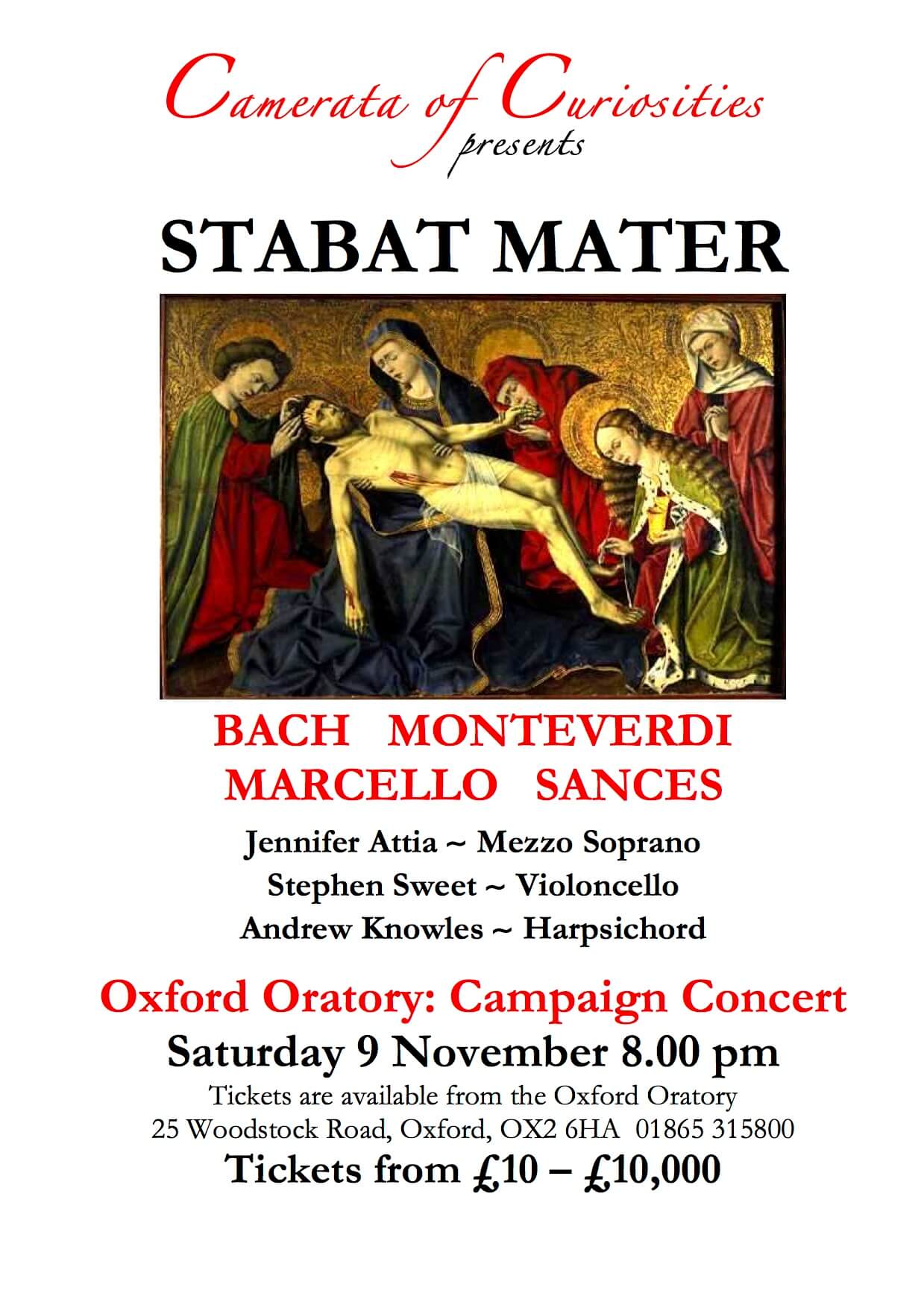
PROGRAMME
O viridissima virga – St Hildegard of Bingen 1098 – 1179
Pianto della Madonna: Stabat Mater – Giovanni Sances 1600–1679
Fantasia of foure parts – Orlando Gibbons 1583–1625 Salve, O Regina – Claudio Monteverdi 1567–1643
Allettamento VI (1714) – Giuseppe Valentini 1680–1740 Largo – Allegro – Andante – Presto – Vivace
Suite for Violoncello: Prélude BWV 1008 – J S Bach 1685– 1750
Cantabo Domino – Alessandro Grandi
There will be an interval at this point
Variazioni sopra il Ballo del fiore – Romanesca
O quam tu pulchra es – Alessandro Grandi 1586–1630
Duetto IV BWV 805 – J S Bach 1685–1750
Salmo Decimoquinto – Benedetto Marcello 1686–1739 Le cygne – Camille Saint-Saëns 1835–1921
Ave Maria – G Caccini 1546–1618
Deh piangi anima mia – Il Primo Libro delle Laude 1583
Tickets from the Porters’ Lodge or Fr Daniel.
The largest ever beatification in the Church’s history took place at Tarragona, Spain yesterday, when 522 martyrs of the Spanish Civil War were raised to the altars.
Among them was Blessed Salvio Huix Miralpeix of the Oratory at Vic, later Bishop of Llerida. He is the first beatified Oratorian martyr.
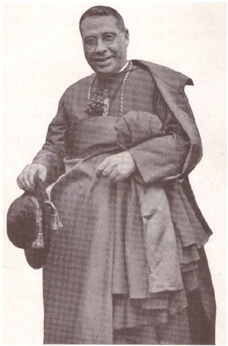
In 1936 the Oratorian bishop of Llerida near Barcelona, Salvio Huix-Miralpeix, was killed out of hatred for the Catholic faith.
He was born in 1877 in Sancta Margarida de Vellors in the Province of Girona, Catalonia, and desired to be a priest at an early age. He entered the seminary of the diocese of Vic and was ordained a priest of that diocese in 1903. He served as assistant priest for four years before expressing a desire to live a community life in the diocese where there was an Oratory. Here he followed the simple round of charity and ministry in the confessional and pulpit, taking any work that was offered, including teaching spirituality in his old seminary.
In 1928 in the cathedral of Vic he was consecrated bishop of Selymbria (in partibus) and made Apostolic Administrator of the diocese of Ibiza, where he remained for nearly seven years. During this time he saw the rise of the anti-Catholic forces of the Spanish Republic. He worked hard to counter the influence of legislation against the Church, not only by pastoral letters and parish visitations, but by organising acts of public penance. He worked to increase devotion to the Blessed Sacrament and the Mother of God, and established small groups of laity throughout the diocese on the Philippine model to promote spirituality and faithfulness to the Church in the face of hardship. He was transferred to the diocese of Lleida as its bishop in January 1935, just before the outbreak of the Civil War. Here he continued his pastoral work of gentle teaching and forthright preaching. He was only to live for 18 months.
As hostilities quickly escalated the cathedral was burnt, and the Episcopal palace attacked on the morning of the 21st July. The gardener hurried the bishop to his small house about 10 minutes away, and tried to hide him there. His efforts would place the family in great danger, and the bishop left of his own accord after a couple of days. Just before he was arrested he left his pectoral cross with a friend, who was to give it to Pope Pius XI, with the message that if it were asked of him, he freely offered his life for the Pope, and to assure him of his complete fidelity to Christ and the Catholic Church.
At 9.30 on the evening of the 23rd July, Bishop Salvio walked down the main street and handed himself in to the authorities to protect those who had been hiding him. “Soy el obispo de la diócesis y me entrego a la caballerosidad de ustedes” (“I am the bishop of the diocese, and I hand myself over to your protective care”). Many local communists wanted to kill him there and then, but as a person of some importance they waited for orders for what to do with him, so he was imprisoned that night with many other priests.
In prison he was still the pastor, and encouraged his co-workers in acts of faith, hope and charity, hearing their confessions and leading devotions. The Blessed Sacrament was smuggled into the prison by a priest awaiting trial, and all were able to receive Holy Communion on the feast of St James, the patron of Spain, knowing that it would probably be their viaticum. Still, for them there was no trial and no mercy from the authorities. The bishop was to die unknown and of no reputation in the eyes of the world, a motive he had learnt from St Philip.
On the pretext of being taken to Barcelona the twenty priest prisoners were put into the back of a lorry at 4.30am and driven away. They were taken to a cemetery and shot one by one on the night of 5th August. Bishop Salvio asked to be last to die, and he was able to console, encourage and absolve the martyr-priests as they left this world. In all 270 priests of the diocese of Llerida were killed in the Civil War along with their faithful shepherd.
Blessed Salvio Huix-Miralpeix, the Oratorian, brought the light, warmth and joy of God’s love, which he had found in St Philip, into the darkness of chaos and hate.
Pope Francis sent a message from Rome to the crowds gathered in Tarragona:

Fr Dominic, Fr Richard and a group of our parishioners were present, and we hope to have more images when they return from their pilgrimage.
There will be a Solemn Mass of thanksgiving in honour of Blessed Salvio at 11am on Sunday 27th October.
Blessed Dominic Barberi is our diocesan patron for the Year of Faith, so it was especially significant to follow in his footsteps on Tuesday, the vigil of the feast of Blessed John Henry Newman and the anniversary of Blessed Dominic’s arrival at Littlemore to receive Newman into the “One Fold of Christ”.
Pilgrims set off from the Oratory and stopped at Trinity College, where Blessed John Henry was an undergraduate, and then at the University Church of St Mary the Virgin, where he was Vicar:
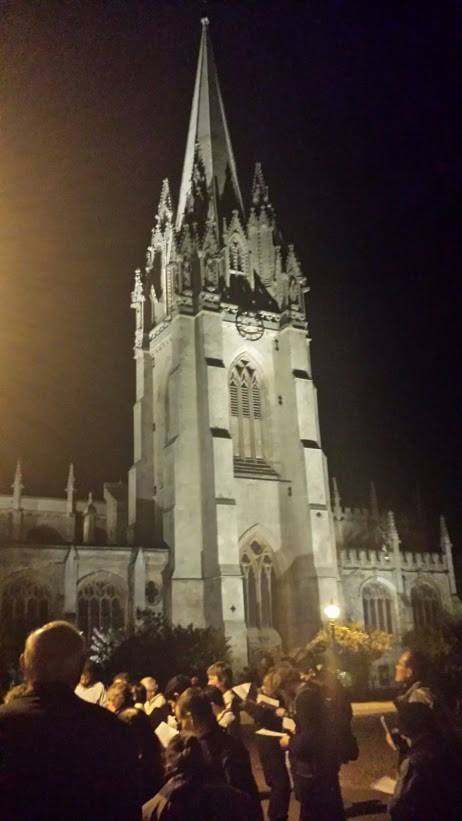
They then passed Oriel College, of which Newman was a Fellow, and then down the High Street to the site of the Angel Inn, where Blessed Dominic arrived on 8th October 1845.
Eventually the pilgrims arrived at Littlemore, stopping outside the church and school built by Blessed John Henry:
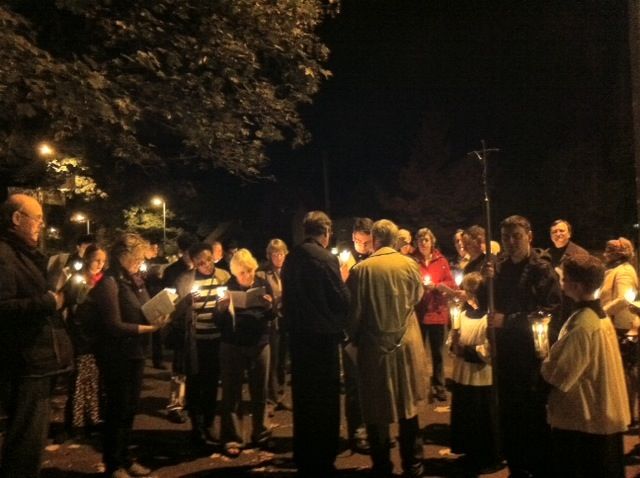
After a Holy Hour in the church of Blessed Dominic, we processed to the College, where Newman lived, and arrived at the exact hour that Blessed Dominic came in to dry himself by the fire and begin to hear Blessed John Henry’s confession.
From the library, we went to the final station in the chapel, next to Blessed John Henry’s own room: