Let your forbearance be known unto all

SAINT PHILIP’S DAY 2018

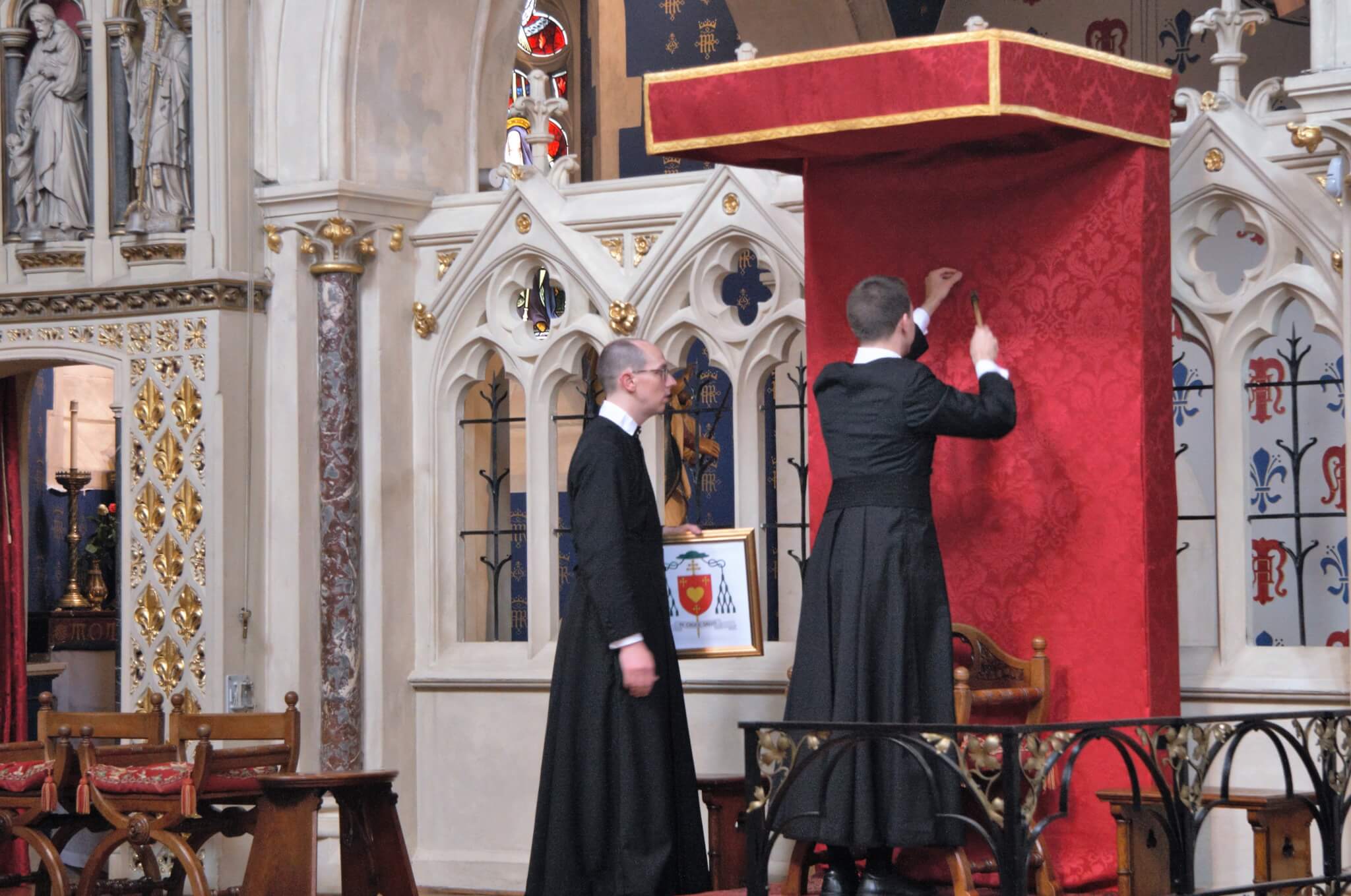
The throne is prepared for the Apostolic Nuncio:IMG_3126 (3)
His Excellency venerates the Crucifix upon entering our church:

IMG_3132 (2)

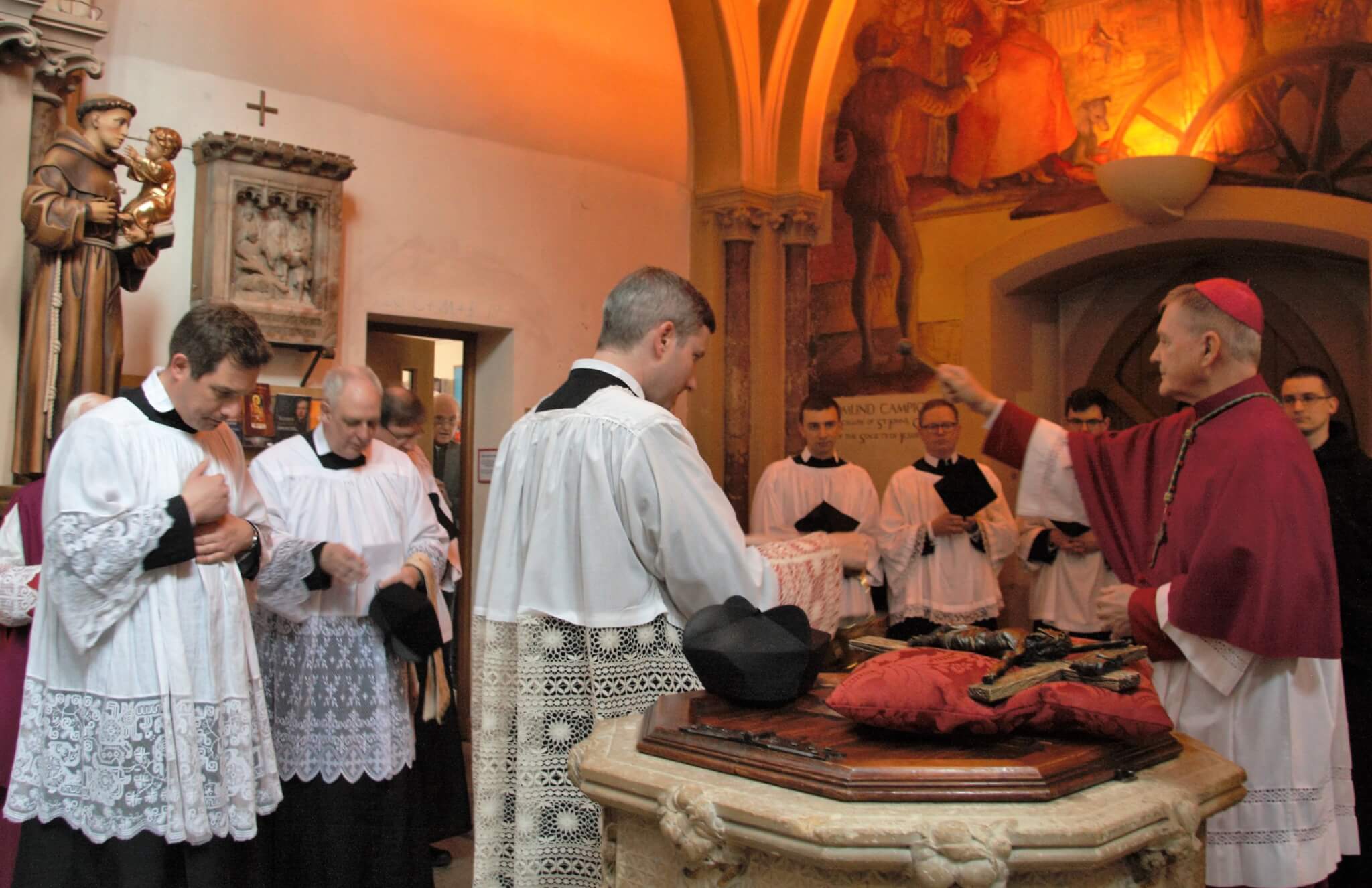
He sprinkles Holy Water:

IMG_3133 (2)

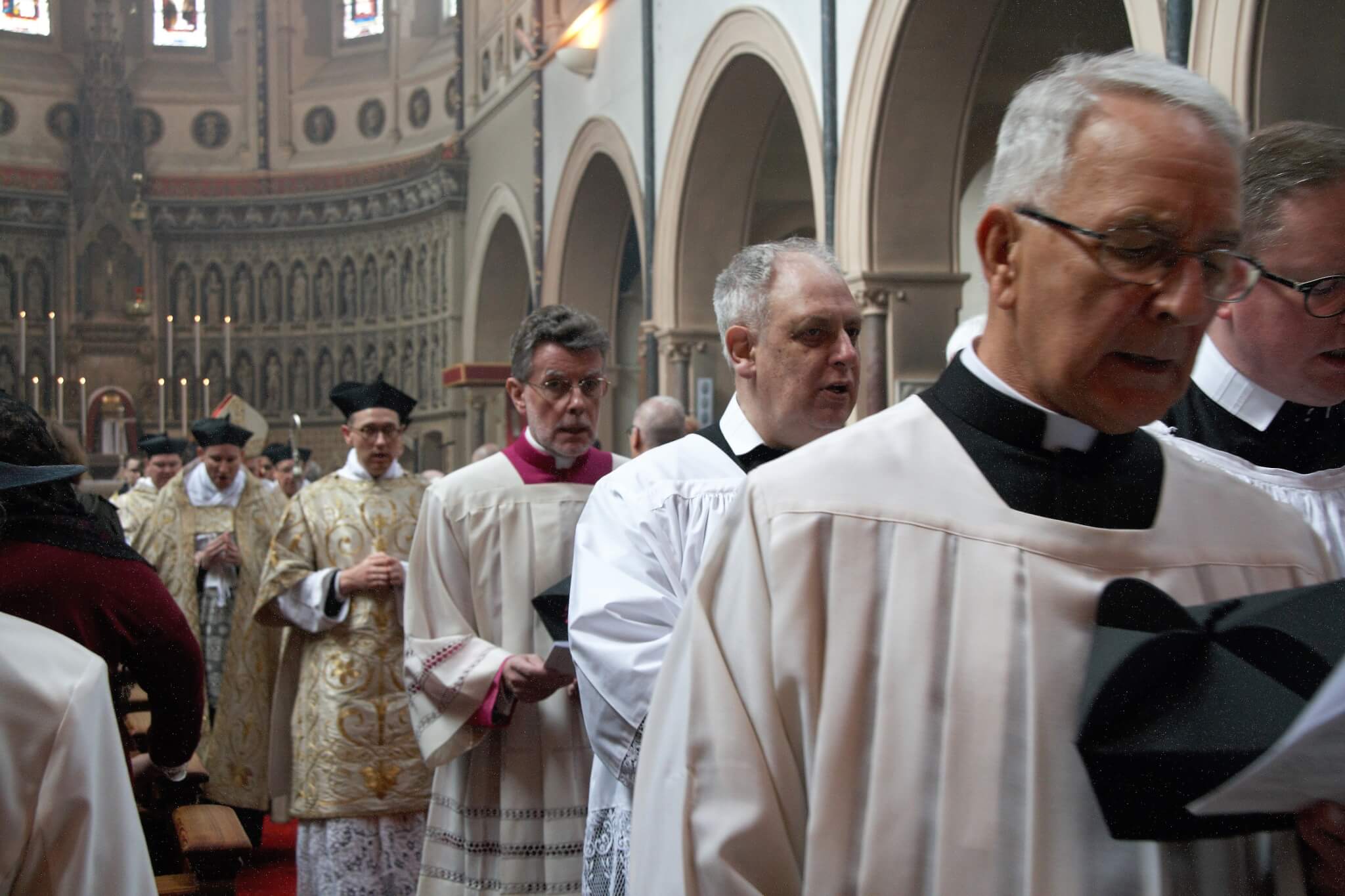
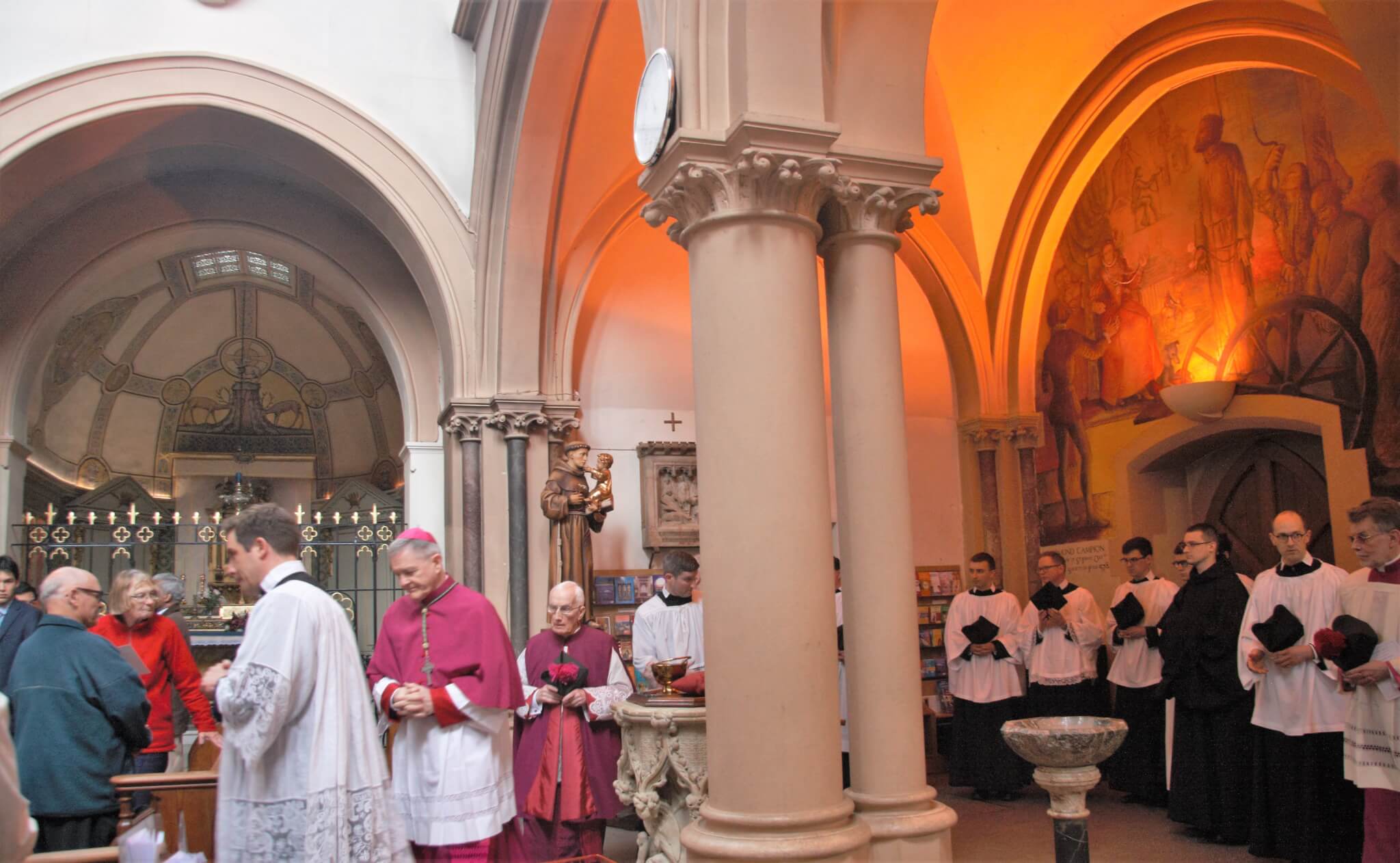
His Excellency processes into church:
IMG_3135 (2)

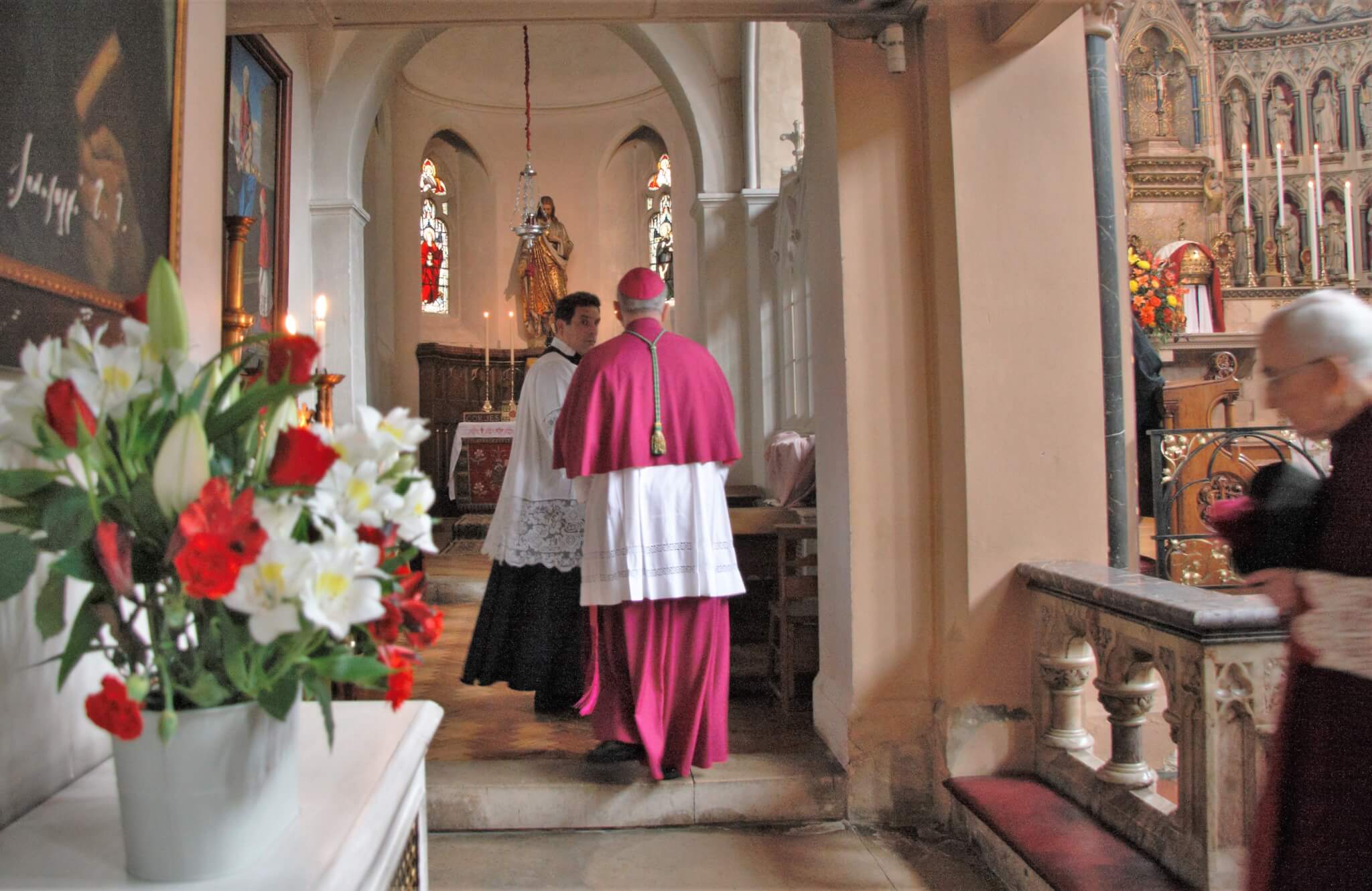
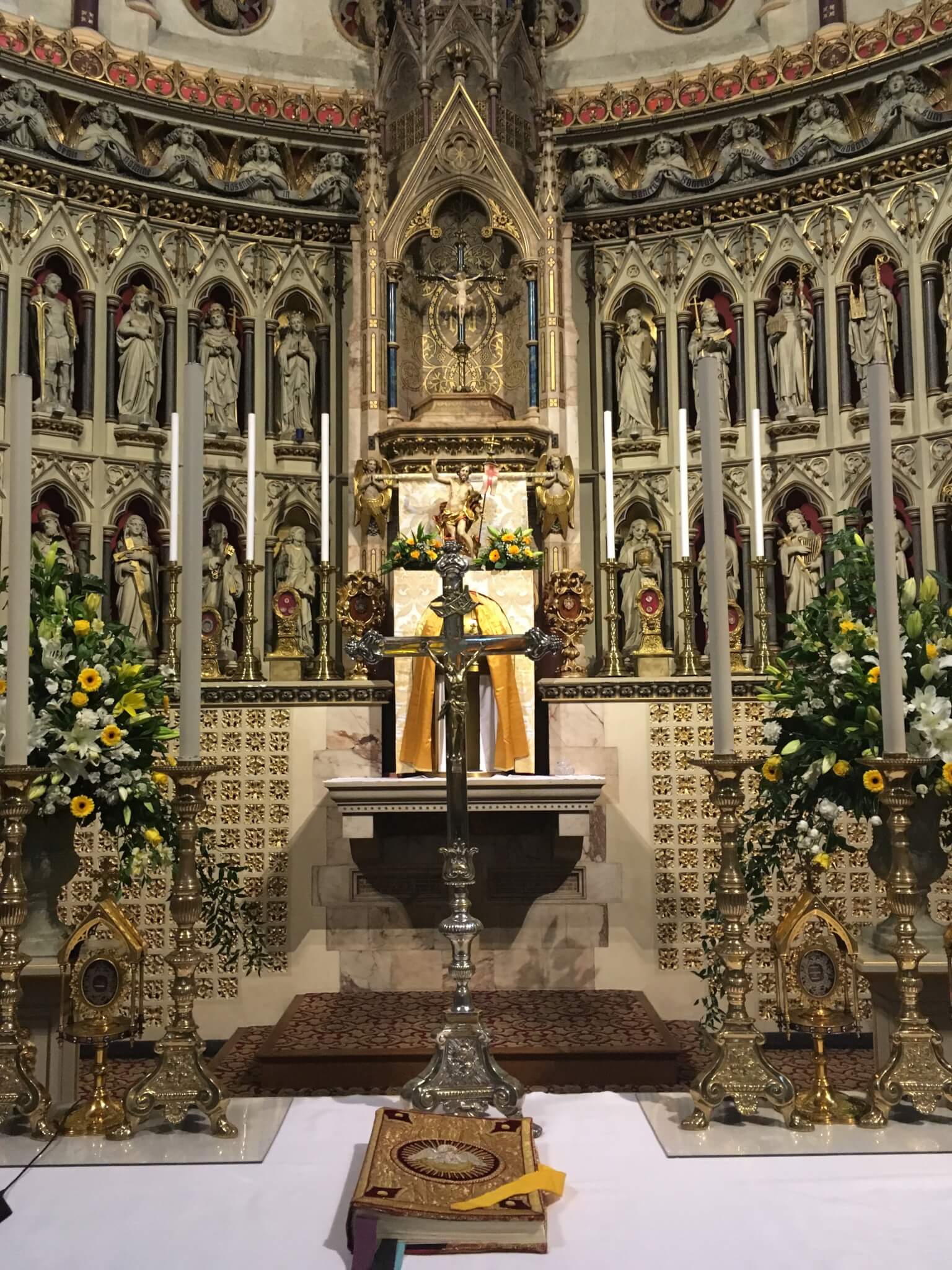
He visits the Blessed Sacrament:

IMG_3137 (2)

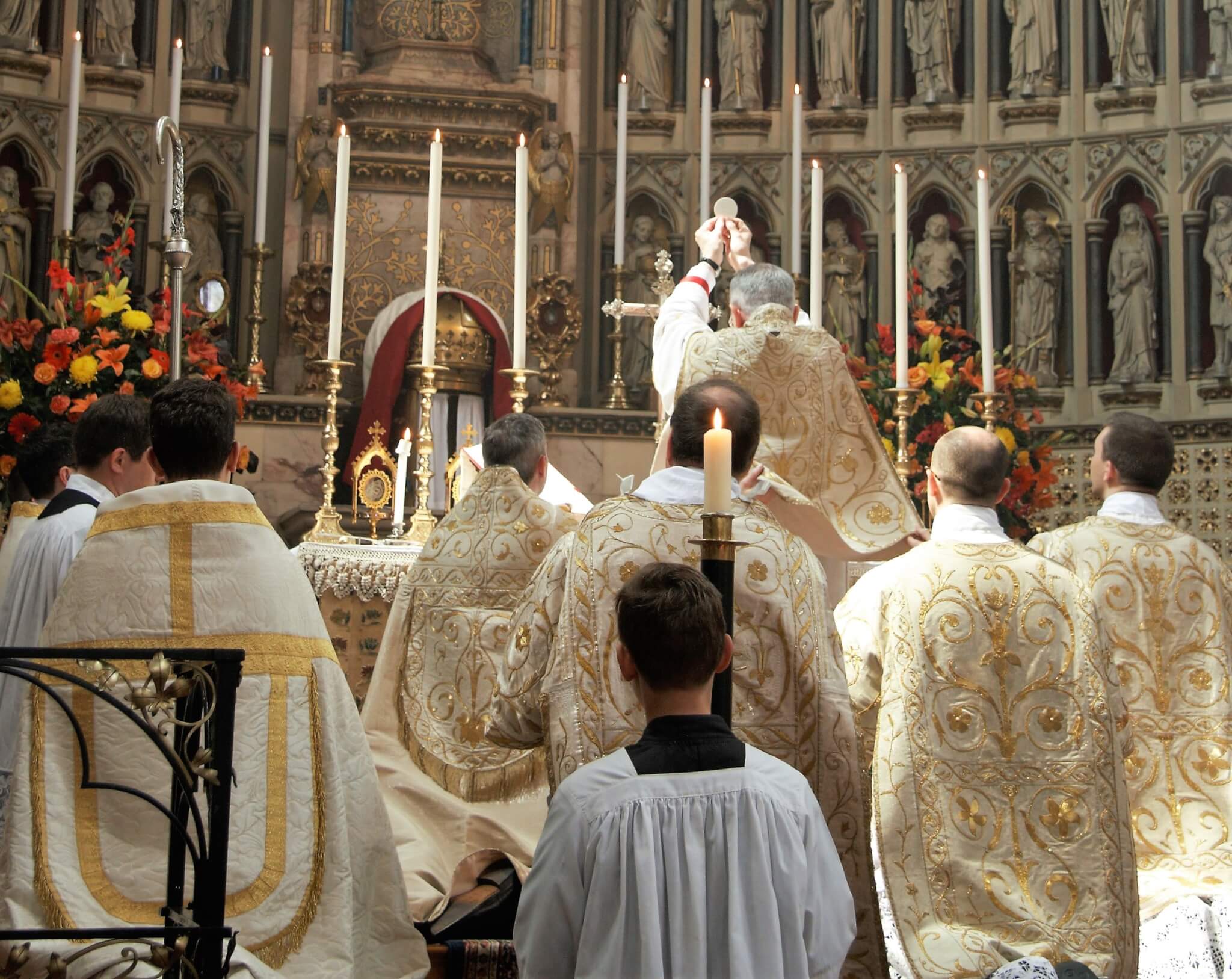
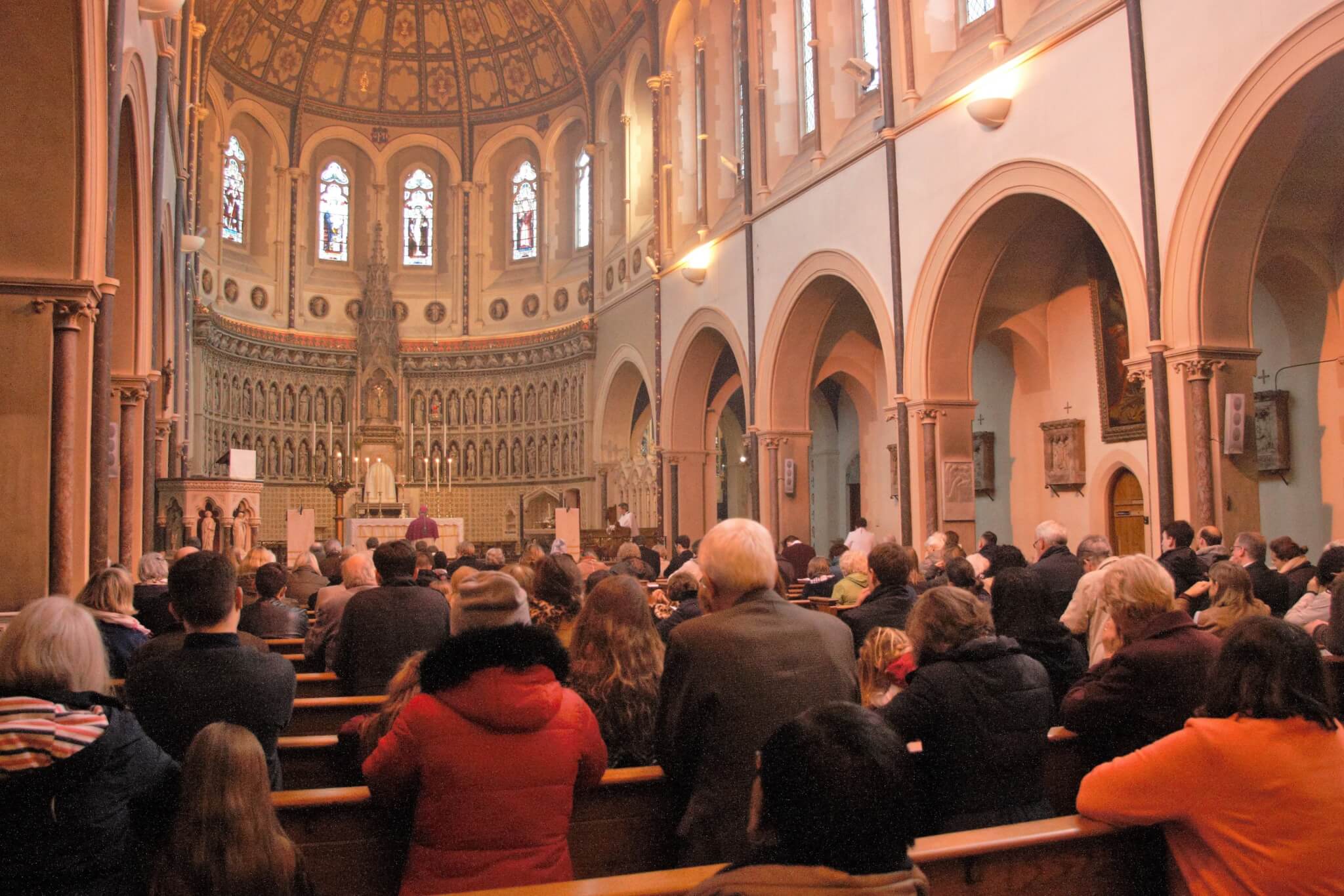
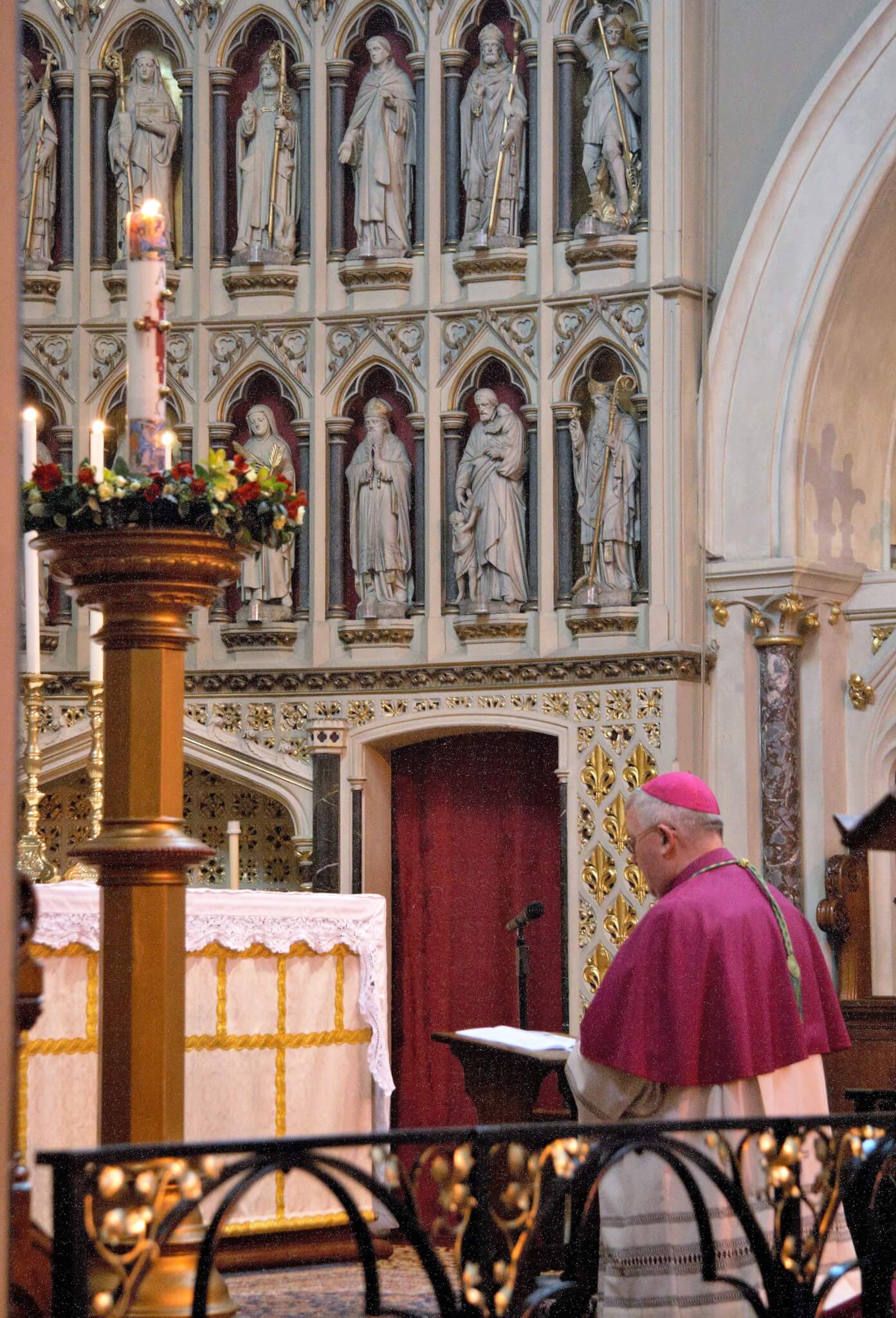
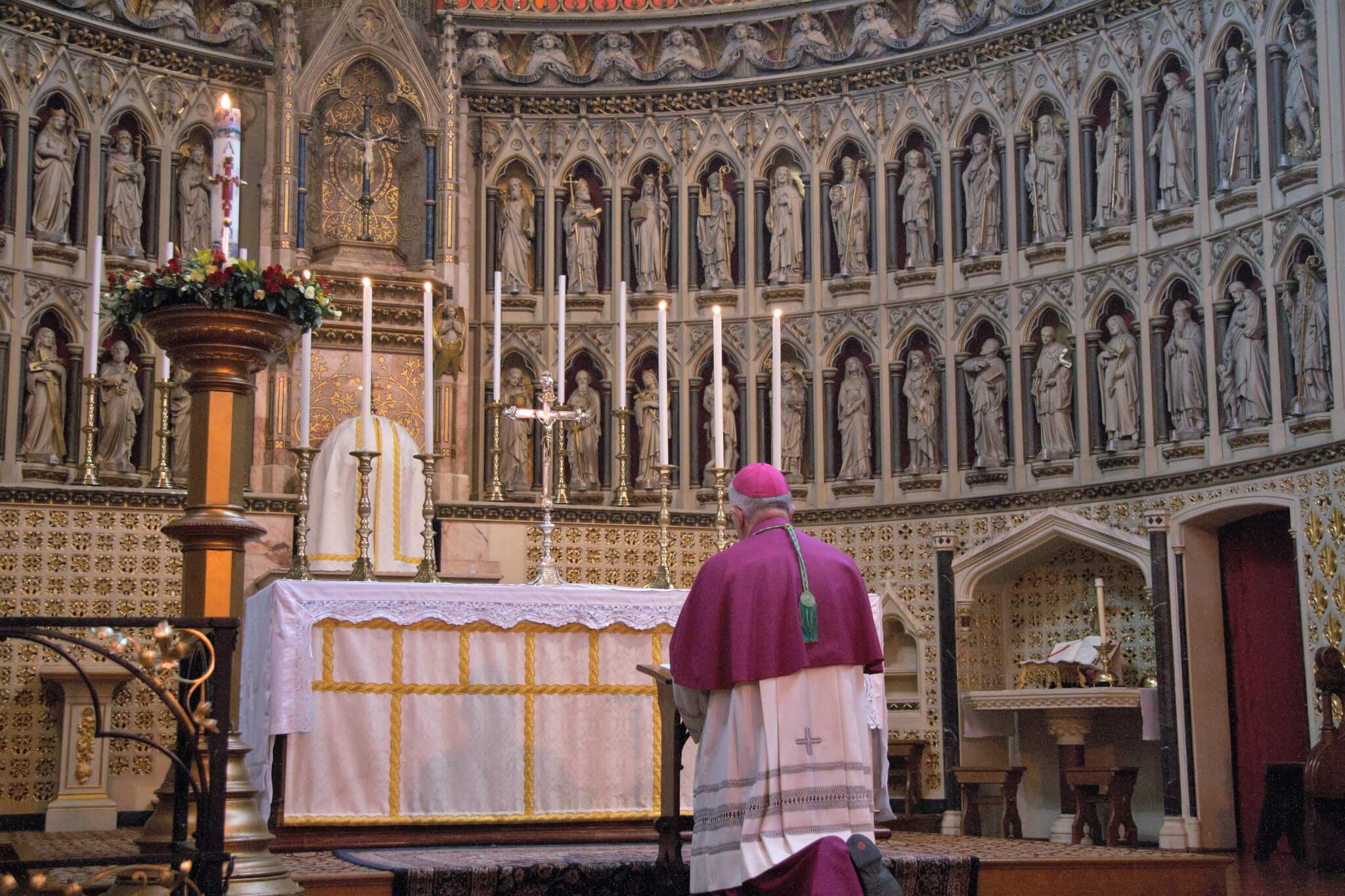
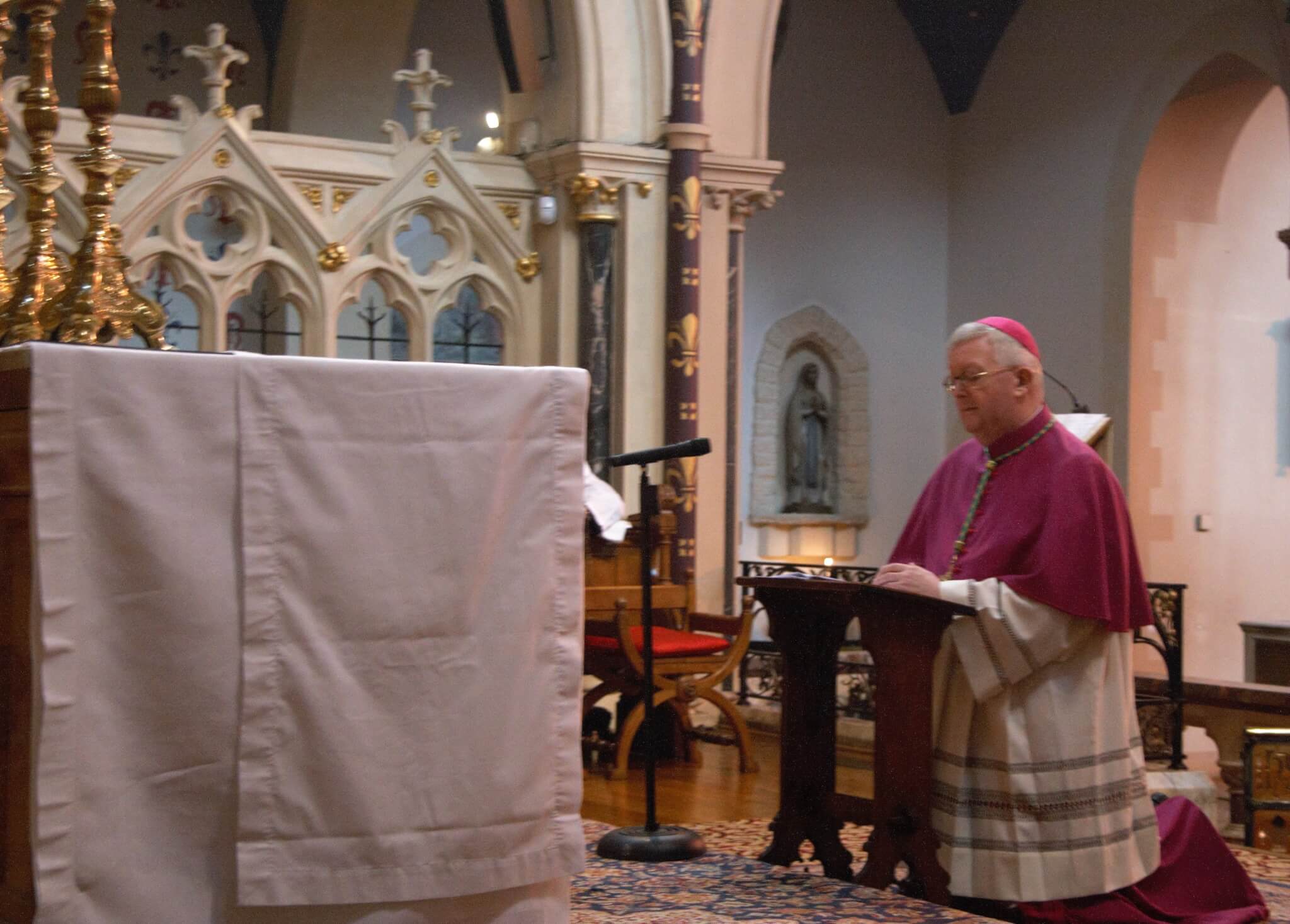
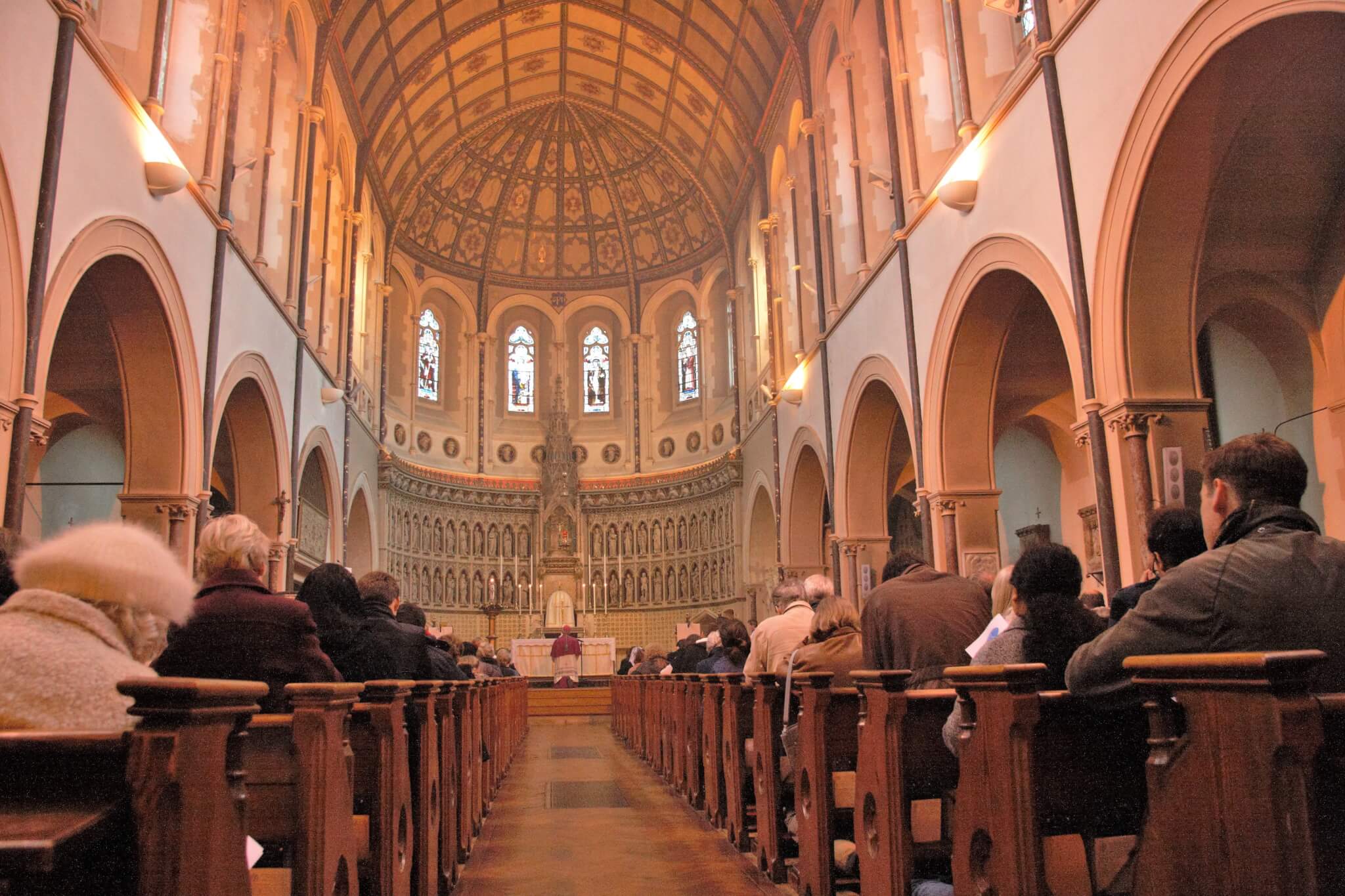
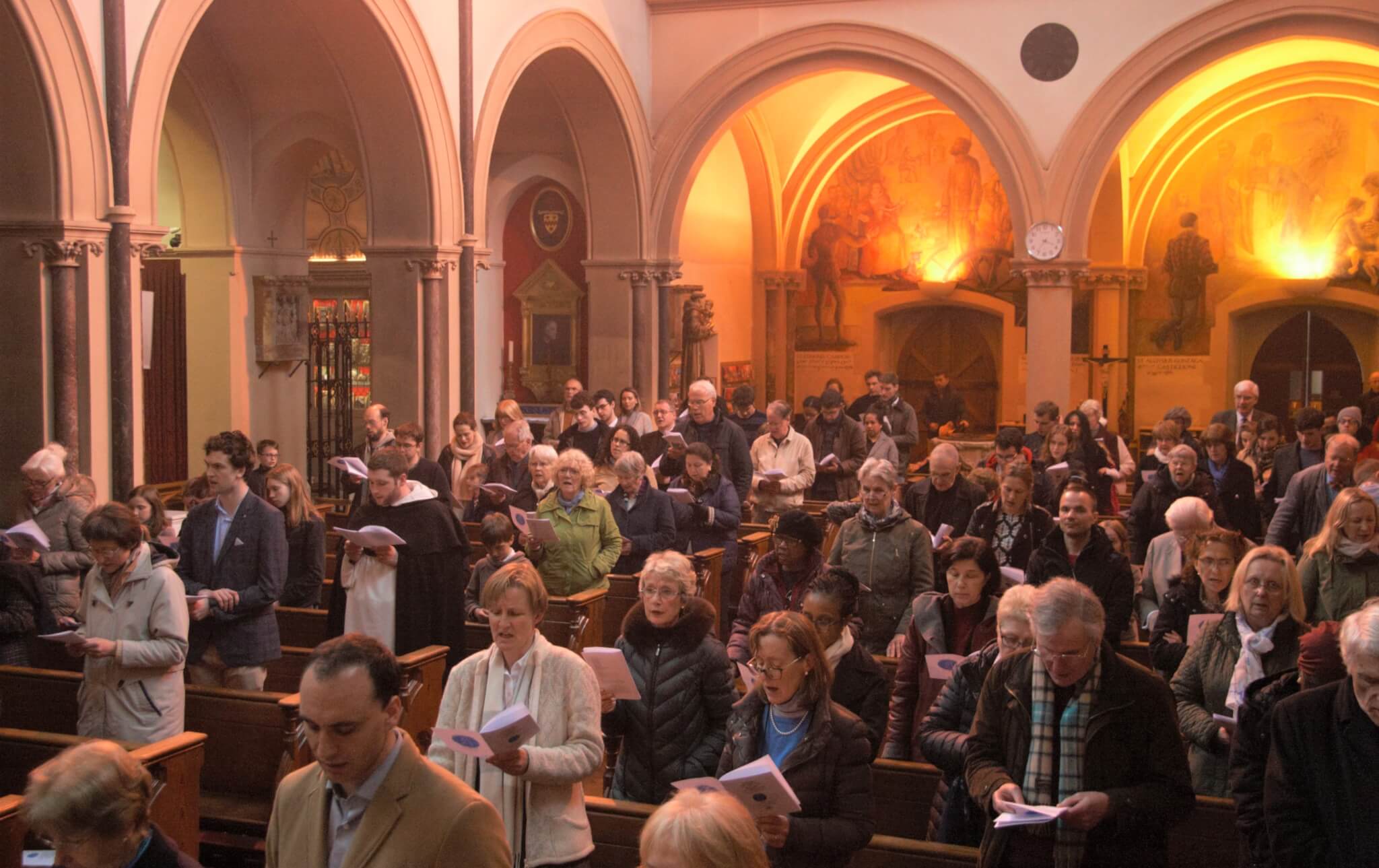
A Pontifical Mass was celebrated for St Philip’s Day by His Excellency Archbishop Edward Adams, Apostolic Nuncio to Great Britain.
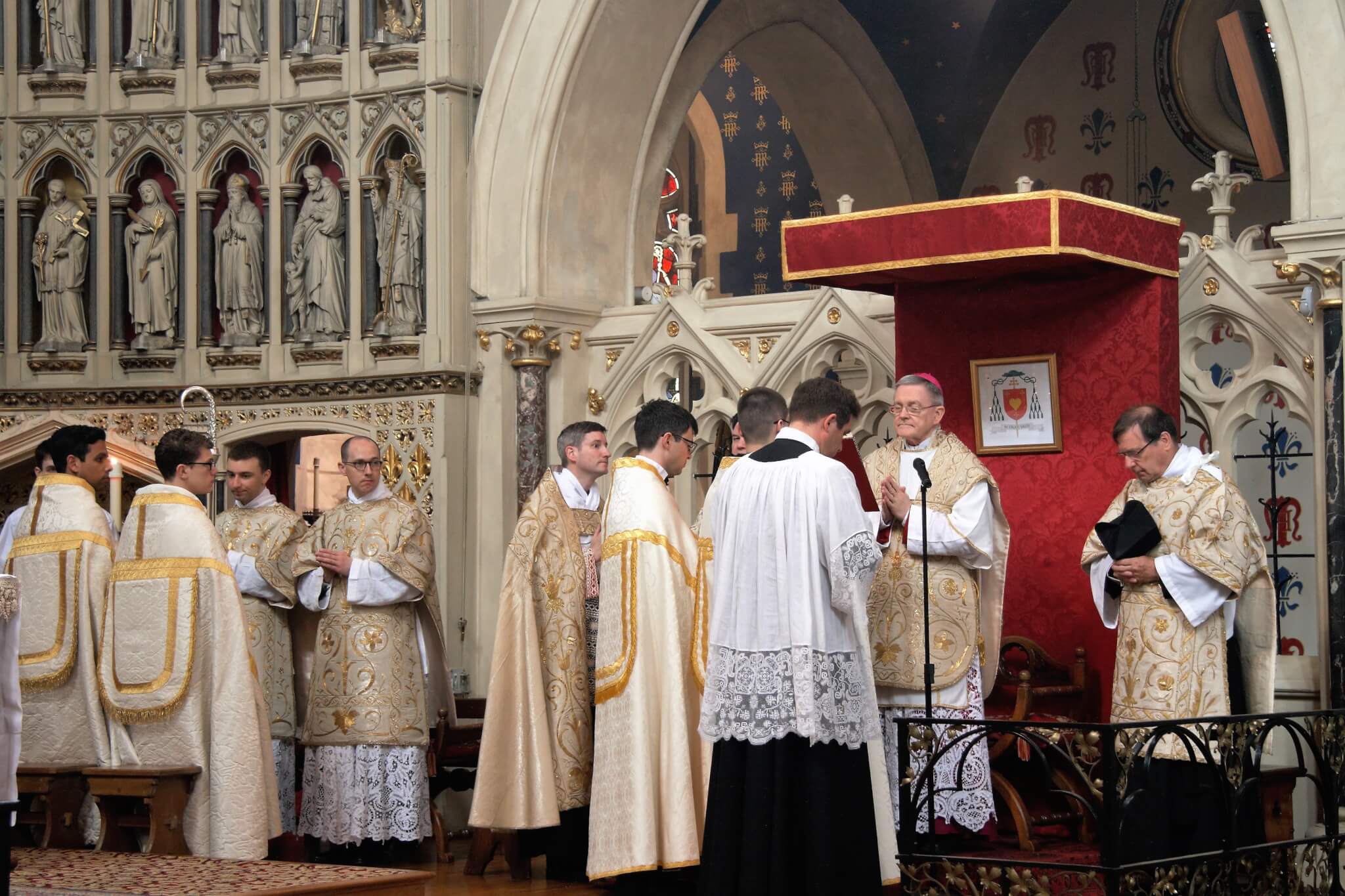
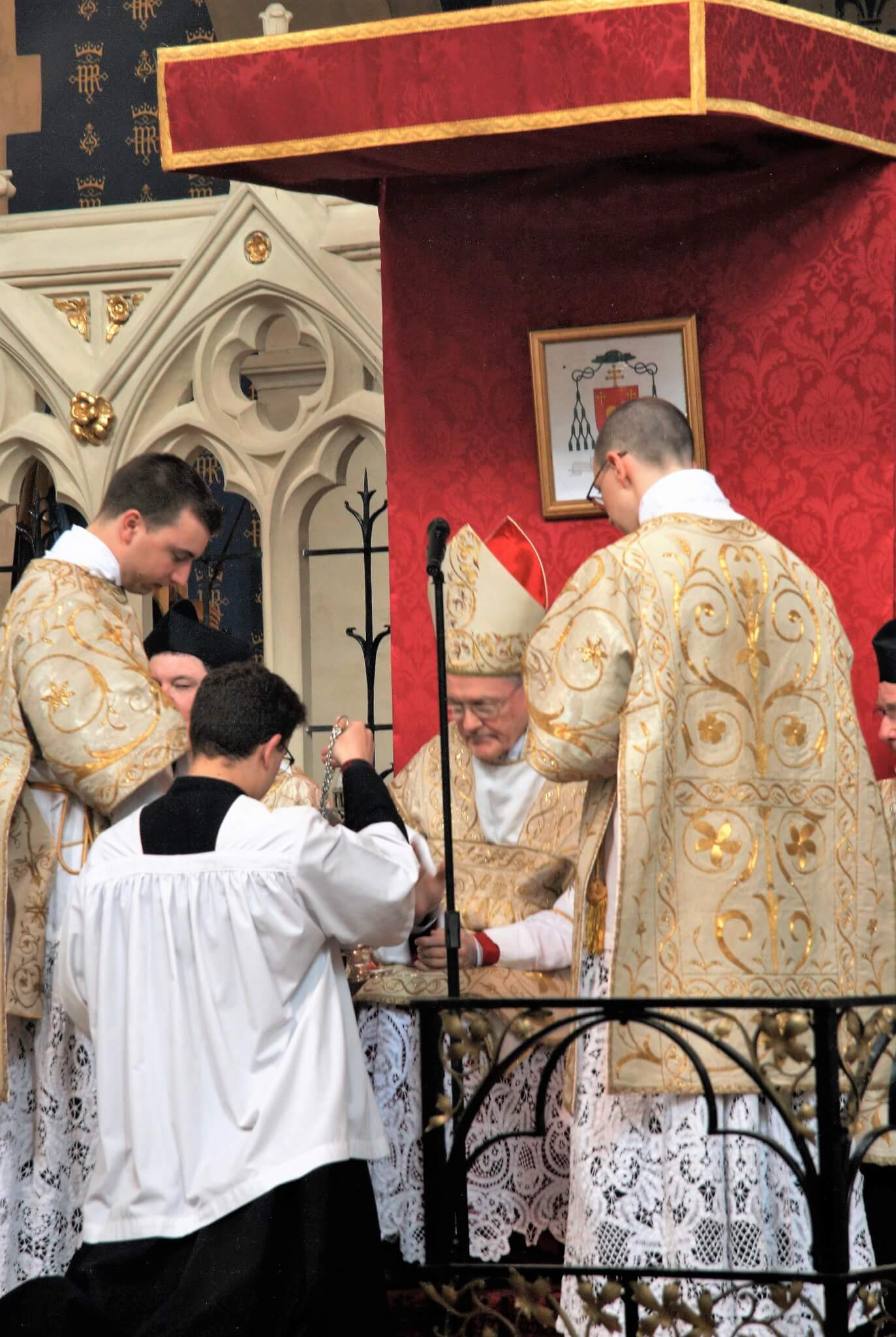
IMG_3151 (2)

IMG_3156 (2)

The Gospel:

IMG_3160 (2)

Fr Ignatius Harrison, Provost of the Birmingham Oratory, preached.
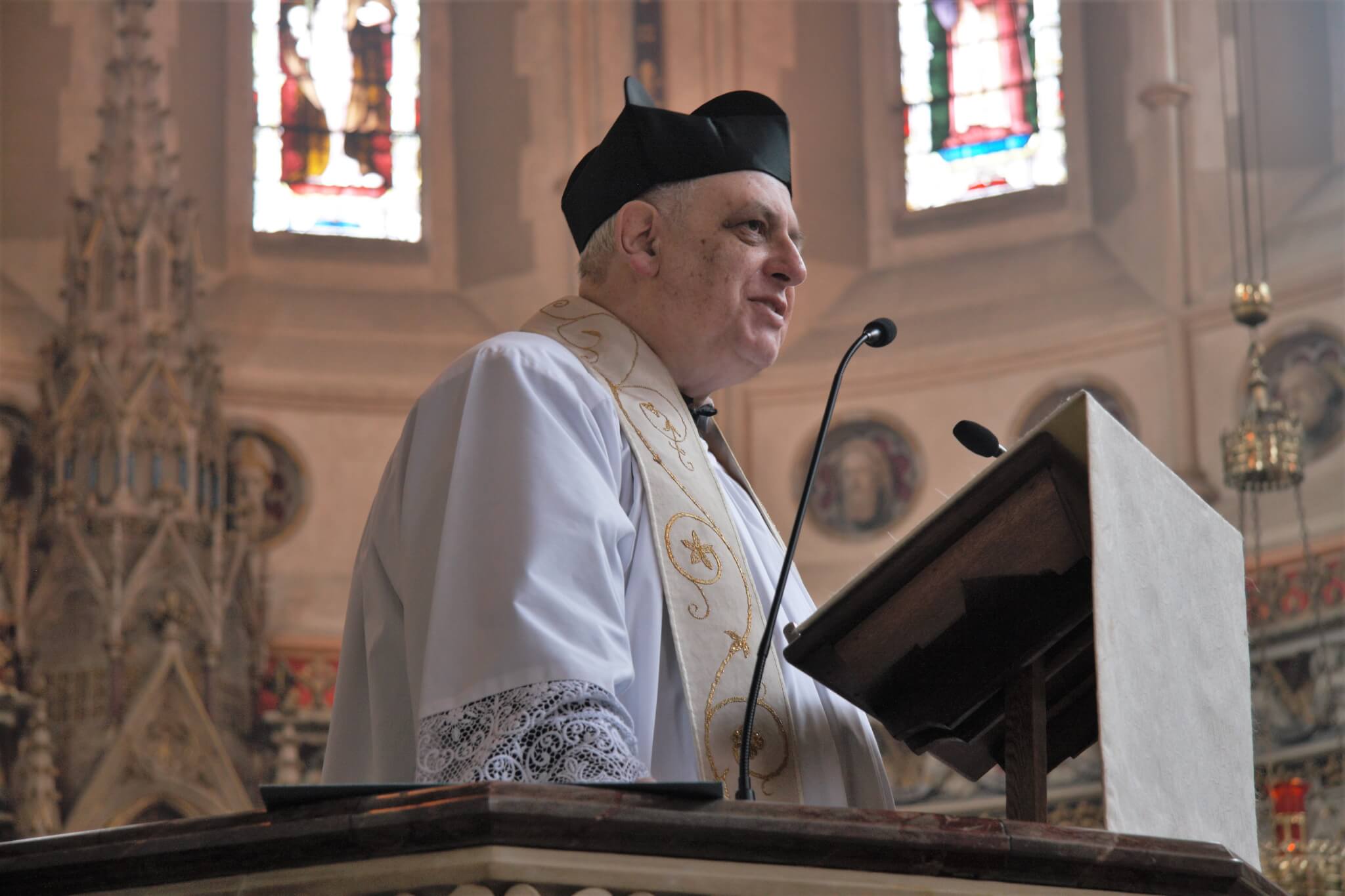
IMG_3161 (2)

Here is his excellent sermon:

SAINT PHILIP’S DAY – OXFORD 2018

“Let your forbearance be known unto all.” (Philippians 4:5)

The 16th century heresiarch, Jean Calvin, was scandalized by what Catholics believe about our Lord’s Real Presence in His Eucharist. Calvin thought it was gross superstition to assert that the Saviour could be “summoned by a formula and dismissed by digestion”. But that is what happens in part, although it is not trivial but sublime. It might seem trivial if it were not for the fuller theological context of our Eucharistic faith. The Real Presence is part of the Blessed Trinity’s grand ordinance of redemption, sanctification and salvation. In God’s merciful plan, His transcendence and His grandeur have been scaled down for us, to a level small enough for us to cope with. If the Lord’s substance in the Blessed Sacrament were not veiled by the accidents under which we receive Him, we would all surely fall apart. Divinity and its attributes are too potent, too huge for us to handle, unless they be mitigated, scaled down, and filtered. “Summoned by a formula and dismissed by digestion.”
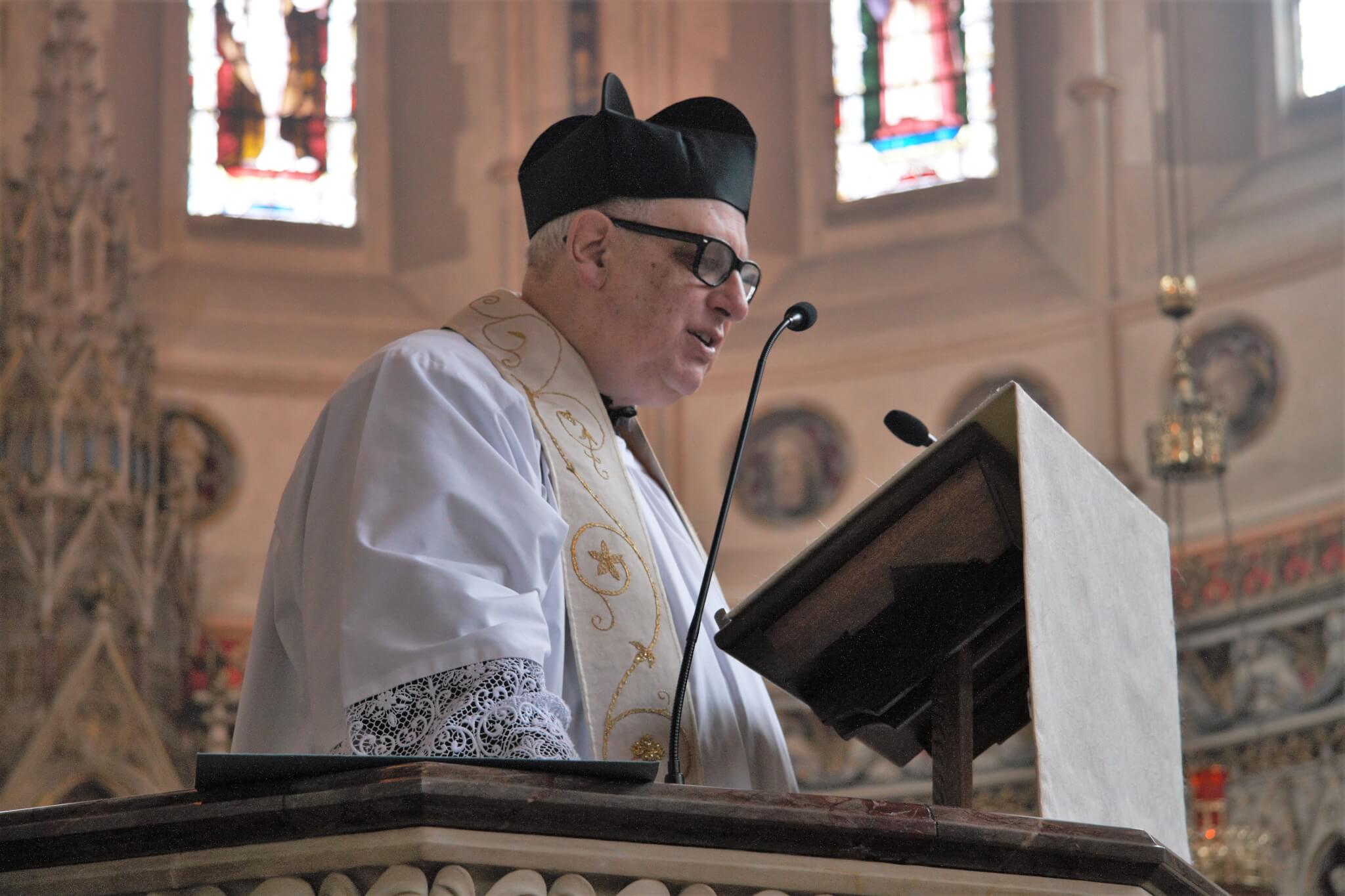
IMG_3163 (2)

Scaling Himself down to our level is the way the Almighty has always dealt with us humans. We see this supremely in the hypostatic union in Christ. When God came among us, He emptied Himself, we might even dare to say, He filtered Himself, so that we could cope. As the new and greater Moses, Christ’s divine glory is veiled, so that we will not be blinded by His splendour. On the Last Day that veil will be set aside, and in the dazzling glory then revealed every knee shall bow.

Until that Last Day, the Lord veils His glory for our benefit. God translates Himself into our vernacular, and in that translating something of the divinity is inevitably occluded, not from God of course, but from us. Perhaps that is why occasionally something unearthly is allowed to pass through the filter. Think of the strange phenomena that accompanied the giving of the Law to Moses on Sinai. Weirder still, the visions of Ezekiel. Or, the dazzling light of our Lord’s transfiguration on the mountain. Or, the strange signs that accompanied the descent of the Paraclete at Pentecost; a mighty rushing wind, darting tongues of fire.

Down the ages, many saints and visionaries have reported seeing unearthly realities, often accompanied by inexplicable phenomena. St Paul on the road to Damascus was temporarily blinded by the dazzling light of the vision that converted him. The three Little Shepherds of Fatima saw a Lady shining more brightly than the sun. Then there is what must surely be the weirdest of all public miracles since Pentecost, the so-called miracle of the sun at Fatima on 13th October 1917. Something like a shining disk was seen spinning and lurching across the firmament, seen by upwards of 70,000 people, believers and non-believers alike. How odd of God.

Such strange events convey something of the incomprehensible otherness of our Creator. Just occasionally heaven does something to remind us that there is more to our Maker than we can imagine. That partial lifting of the veil is, I believe, the key to understanding the strangeness which characterized the life of our Glorious Patriarch, whose solemnity we celebrate today. Whatever it was that happened to our holy Father in the Roman catacombs in 1544, one of its major effects was simply – strangeness. A high degree of strangeness that became the medium in which the rest of his life unfolded.

Just before Pentecost in 1544, while still a layman, Philip was praying in the catacombs of St Sebastian for the gifts of the Holy Spirit. He saw and felt something like a globe of fire coming towards him. It entered his mouth, sank down inside him and enlarged his heart. After his death his rib-cage was found to be forced outwards, and his heart was very much larger than is normal. After this personal Pentecost, Philip’s life was a continual series of unusual spiritual phenomena and miracles.

After he had reluctantly become a priest in 1551, his penitents found that he often had the unnerving gift of knowing their sins before they found the courage to confess them. Philip Neri was charismatic in the true sense of that over-used label. He received charismata from on high and used them for the spiritual benefit of others. He drew so many souls to God, and was a major influence in the much-needed reform of the Church in 16th century Rome. For us who are of his family, it is an abiding benefit of his personal Pentecost that he has set up his houses in all lands, even here, on Northern coasts.

The human mind is small, and likes to find neat compartments in which to fit the things that puzzle us. Have we not done this with Philip’s biography? The earliest witnesses were very clear about the strangeness of his palpitating prayer habits, his solitary and extended celebrations of Mass in private, his shaking, his continuous weeping, his jumping and dancing around, the weird lights that sometimes surrounded him, his levitating, his bi-locating, his precognition, his clairvoyance. In all of that the normal and the rational had little place.

Confronted with the seemingly inexplicable, some of Philip’s subsequent admirers moved towards a rationalizing and a sanitizing of the strangeness. It was an easy solution to assume that some or most of his oddities were simply his sense of humour, a light-hearted playfulness, an expression of Christian joy. That reductive hermeneutic somehow came to be accepted as fact. The truth is actually more rarified I think. Yes, he had jokes read to him in the sacristy before Mass, but not because he was a funny man. It was because he needed something to keep the ever encroaching strangeness at bay. He needed to keep his feet on the ground, at least until after the consecration. He needed to remain in the everyday world, until he could immerse himself in the supernatural, during the two solitary hours that habitually passed between his reciting the Agnus Dei and receiving holy communion.

Is it not dodging the issue somewhat to say that Philip was simply humorous? The plain truth is that he was simply – weird. Nevertheless, for several hours every day, in the confessional, at the afternoon oratory, in his street apostolate, his strangeness somehow managed to interact with the everyday world, though never in a way that could be called completely normal. The supernatural and the praeternatural were always manifesting. His interactions with everyday reality were a real effort for him, a departure from the unearthly invisible realm into which the globe of fire had skewed him in the catacombs, and from which he never fully emerged. Towards the end of his life he admitted that he could stop the palpitating and the shaking if he chose to, but if he did so he was unable to pray.

As regards his pastoral ministry, the strangeness was certainly fruitful. It issued in a person to person evangelization, and highly customized spiritual direction. He didn’t expatiate on the merits of family life. Instead, he concentrated on converting individuals, people from any sort of family or none. He didn’t engage in theological polemics. Instead, he brought individuals to their knees, clergy and laity alike, first in the confessional, then in front of the Blessed Sacrament, and then in front of an image of the Madonna.

In making Philip Neri a temple of the Spirit, God lifted the veil a little. The Lord allowed something of His otherness to be glimpsed. There are two mistakes to avoid here: the first would be to try and simulate the strangeness, as if it were a regular path to holiness. The second would be to forget that such glimpses of what Newman called ‘The Invisible World’, though intriguing, are no more than a reminder and are not intended to be normative. The lifting of the veil is atypical, and will remain so until this world passes.

In St Peter’s basilica in Rome, St Philip’s statue is situated near the chapel of the Blessed Sacrament, appropriately enough. Characteristically, he is clutching his enflamed and palpitating heart, and gazing upwards towards heaven. What a wonderful Saint, and we of the Oratory are blest to be his continuing and extended family. But let us forbear from wanting to be something that we are not. The Oratory of Saint Philip Neri is a small marginal note in the overall history of God’s Church. We are a small Congregation in a very large vineyard.

Although we are not called to follow our Saint in his strangeness, nevertheless may we always follow him closely in his zeal for saving souls, and doing good. A blessing I wish for us all.

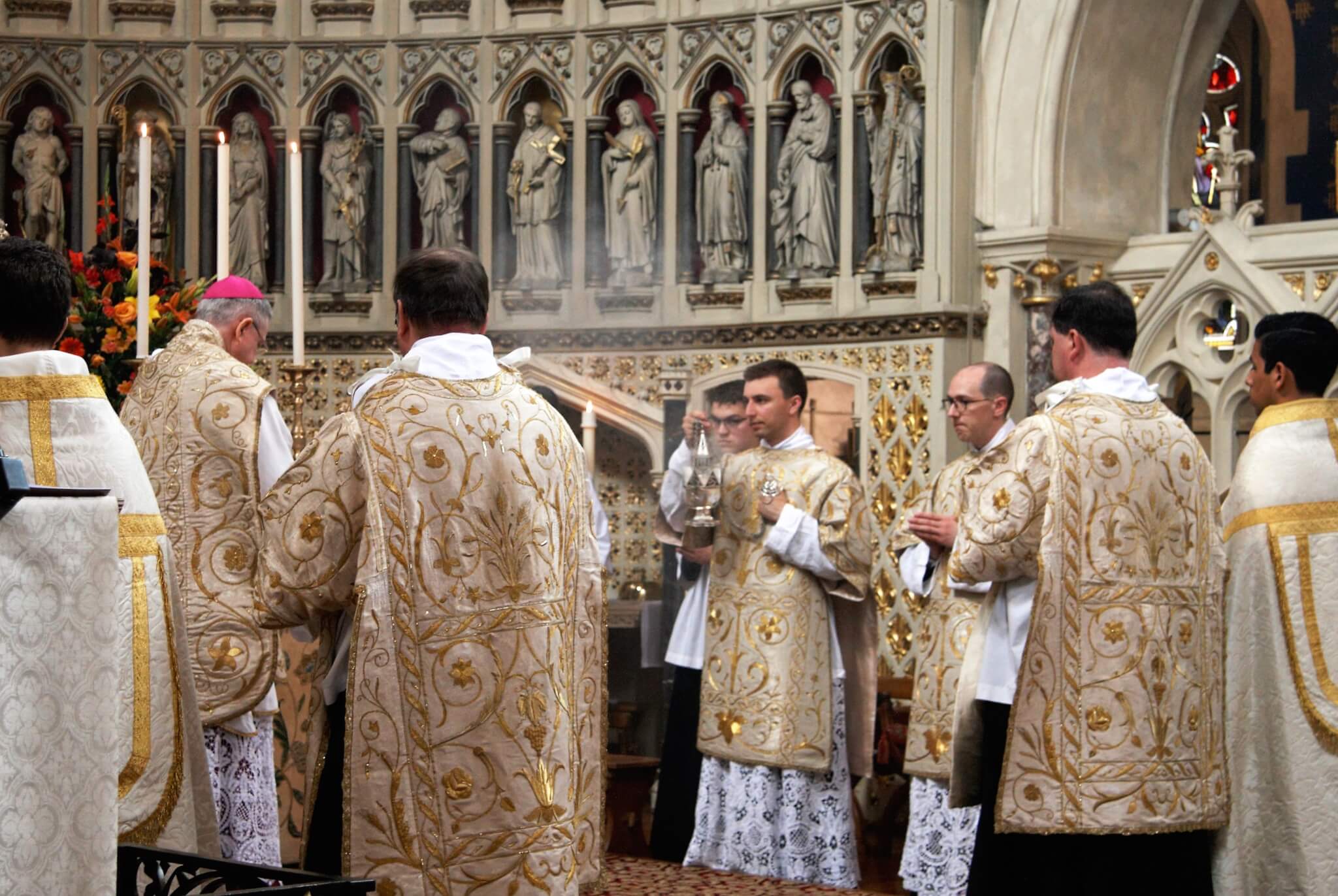
IMG_3174 (2)

IMG_3178 (2)

IMG_3183 (2)

IMG_3198 (2)


St Philip’s Day 2018

Saturday 26th May is the Solemnity of our Holy Father Saint Philip.

s filippo n

There will be Solemn First Vespers, Benediction and Veneration of the Relic at 6.30pm on Friday 25th May.

On Saturday 26th May there will be a Solemn Pontifical Mass celebrated by His Excellency Archbishop Edward Adams, Apostolic Nuncio to the Court of St James’s, at which Fr Ignatius Harrison, Provost of the Birmingham Oratory will preach.

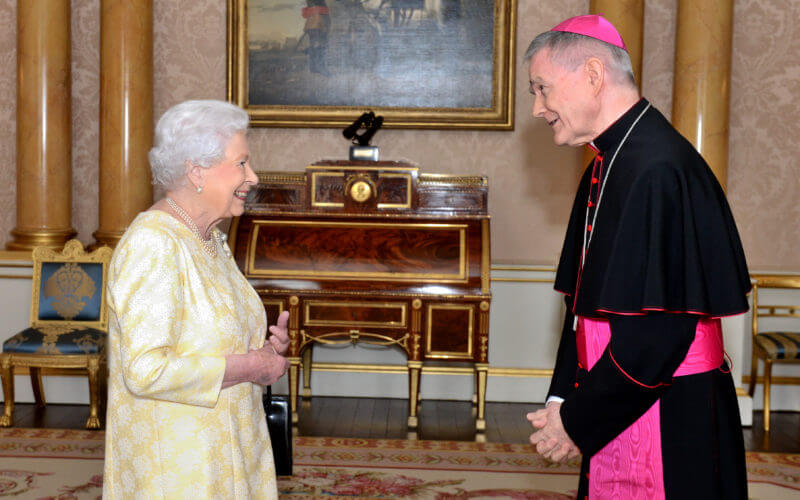
LONDON, ENGLAND - JUNE 8: Queen Elizabeth II meets His Excellency Archbishop Edward Joseph Adams, Apostolic nuncio, during a private audience in Buckingham Palace on June 8, 2017 in London, England. (Photo by Victoria Jones - WPA Pool / Getty Images)

Mary’s prayers shall win our country back to Thee

The people of Oxford were able to join in the Rosary on the Coast on Sunday – in the heart of our island, while others formed a great chain of prayer around the shores of the British Isles.

IMG_4491

His Grace the Archbishop led the Rosary, followed by the Litany of Loreto and a Litany of English and Welsh saints.

IMG_4489

Many people asked afterwards for a copy of the second litany. Here it is, courtesy of the Rosary on the Coast website: rosary on the coast litany

It is striking to realize just how many intercessors in heaven our country has.

IMG_4488IMG_4490

IMG_4492

We finished with a rousing rendition of ‘Faith of our Fathers’:IMG_4493

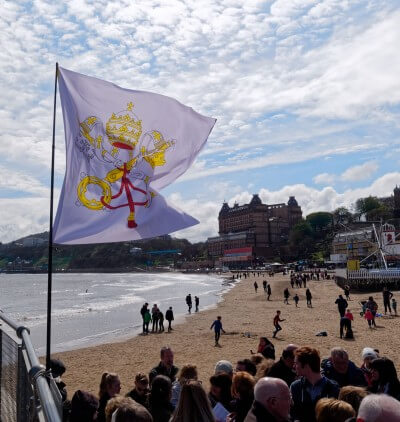
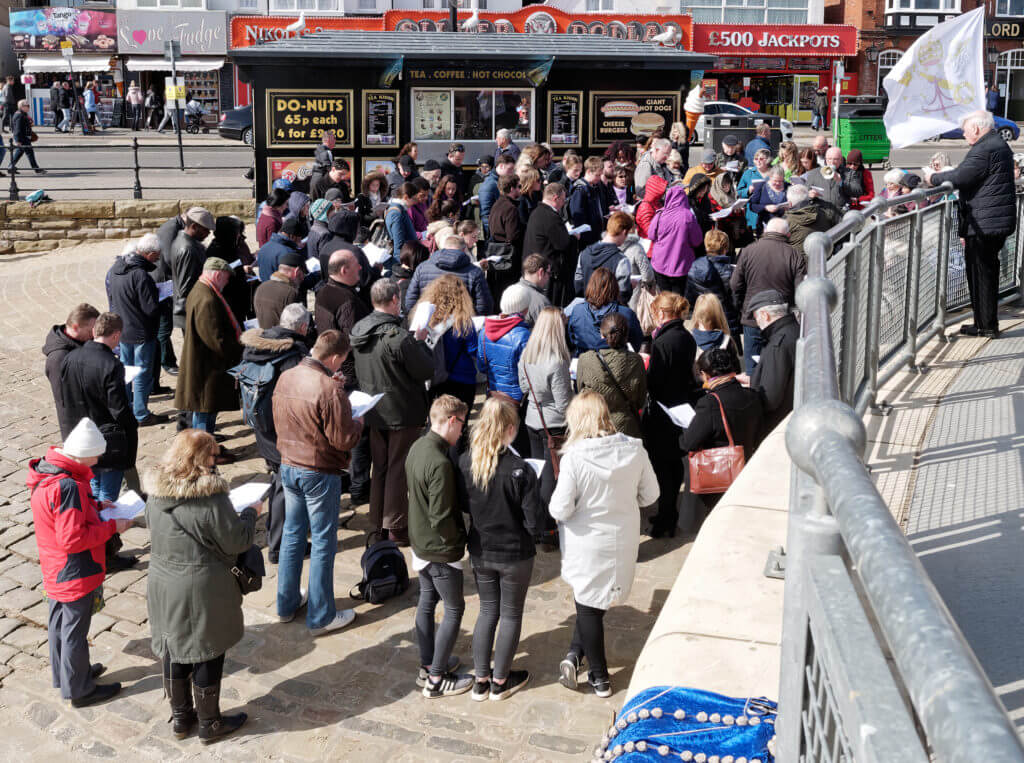
Heartier people than ourselves braved the elements by the seaside. Fr Dominic, the Oratorians-in-formation in Bournemouth, and the parishioners of the Sacred Heart were by Bournemouth pier. Fr Richard took a group of parishioners from St Wilfrid’s, York to Scarborough where they gave a great witness of prayer along the shore:

P1100572_DxO_DxOVP_preview-400x422

P1100606_DxO_DxOVP-1024x763

May all these prayers bear fruit in the transformation of our nation and the winning of souls to Christ and His Church.


Sacred Heart Altar

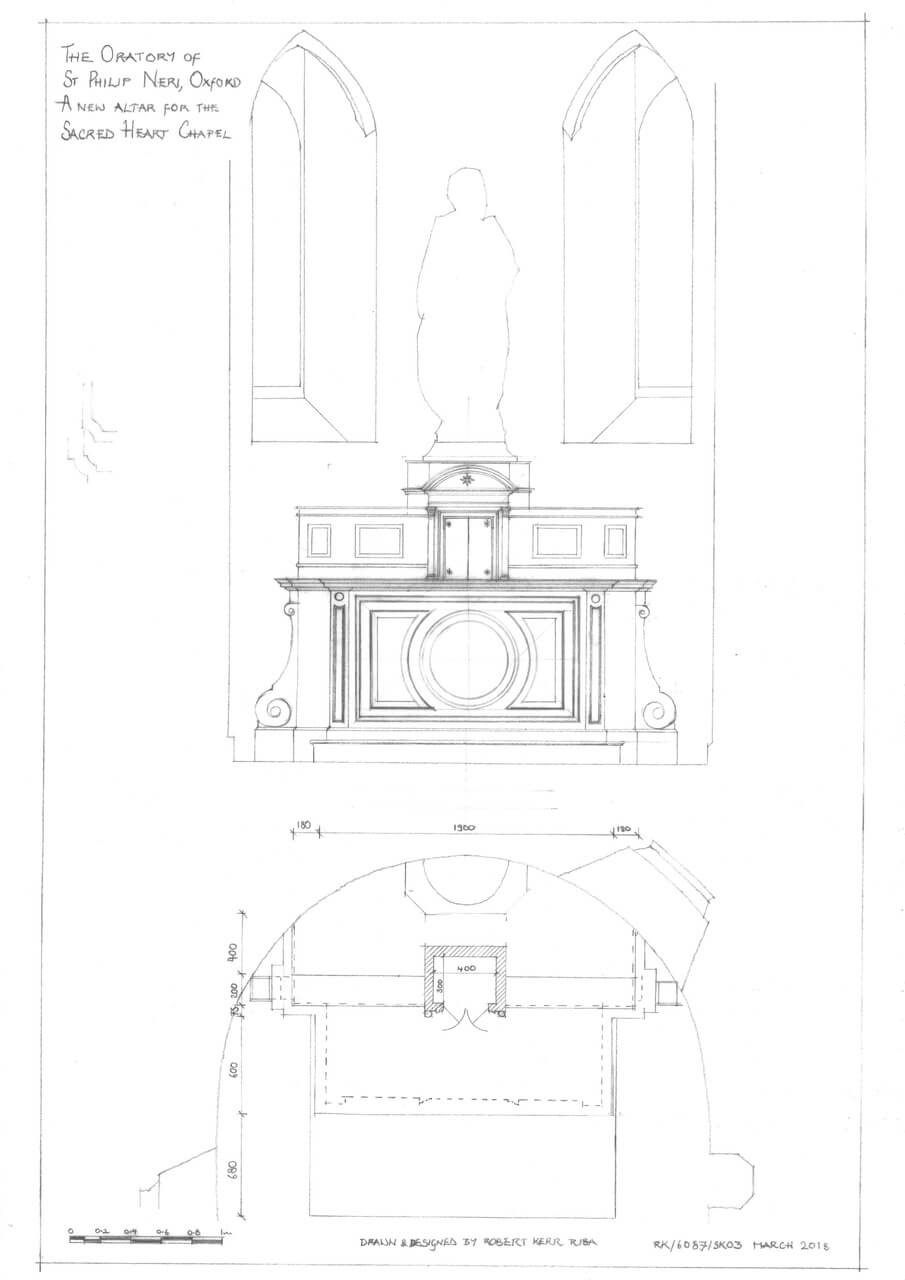
Some parishioners may have observed a notice in the porch concerning some proposed alterations to the Sacred Heart Chapel. In September of last year, the Fathers were given a very kind donation from a former parishioner who wished to see the Sacred Heart chapel refurbished. The Fathers have been thinking about how and when to begin a refurbishment of the whole church for some time now, but this gift has enabled us to begin with what is a very well-loved chapel. The present furnishings are far from their original condition and are in a perilous state, and so an architect has been engaged and a design has been prepared for a beautiful new stone Sacred Heart Altar. 

RK6087_sk02

Rosary on the Isis

63f077_529303d2a9bf4a9cb138a0916bccfe3d-mv2_d_6537_6330_s_4_2

Oxford is about as far from the coast as one can be in these islands. However, as many people won’t be able to travel to the seaside on 29th April, we shall pray the rosary in our church at 3pm on that day in union with all those who take part in this prayer for faith, life and peace in the British Isles. The preparatory prayers will begin at 2.45pm.

The website Rosary on the Coast has the following information about this event:

Recently the faithful of Poland and Ireland have responded to what they sense as a movement of the Holy Spirit to gather around the coasts of their nations and pray to Jesus, the Divine Mercy, for a renewal of faith and respect for human life through the powerful intercession of Our Lady of the Rosary.  Having witnessed this, a number of the lay faithful in the British Isles – England, Scotland, Wales and their isles – have felt the same inspiration and urge to respond.

They are hoping for us to have our own national Rosary on the Coast for Faith, Life and Peace in the British Isles and are calling their brothers and sisters to such a day of Prayer and Pilgrimage on Sunday 29 April 2018 at 3pm, fifth Sunday of Easter.

Context of Prayer for a re flourishing of Faith across the British Isles

This is an opportunity to pray for a re-flourishing of faith across the British Isles as a means of preparing for a New Spring Time within the Church, so that we Christians of these lands might spread the Gospel in its fullness in a renewed and joyous way. We hope that Rosary on the Coast will bring from heaven the grace of renewed evangelistic outreach and zeal as we further the work of the New Evangelisation.

An adventure of Evangelisation

“Our world is engaged in a fraught struggle over the meaning of the human person.  Aggressively secular anthropologies insist that nothing is really true or given in human nature, and the only lasting good for each human person comes about when they can choose everything about their identity from its very source.  It brings a radically new meaning to the idea of pro-choice because it seeks to lay hold on the very prerogatives of Creation itself.  Against this our Christian anthropology battles on proposing that God, in His loving plan of Creation, has already given us a nature that is best for us, so that our meaning and happiness are integrally linked to discovering, rather than inventing, the truth of who we are, and so entering its path to real dignity, freedom and peace.  Since this task is now, in our times, an adventure of evangelisation we need God’s supernatural assistance in grace and mercy, which the laity are beginning to cry out for in initiatives like the Rosary on the Coast, asking the Woman who was content to be the handmaid of God’s plan to be their intercessor and guide.” Bishop John Keenan

 Sunday April 29th 2018, the 5th Sunday of Easter, is both providentially the Feast of Our Lady of Faith & St. Catherine of Siena, who is one of the co patrons of Europe. This frames our initiative in the wider context of re Christianising our great continent.

Context of Prayer for the Sanctity of the Human Person

In our country 2017 marked the fiftieth anniversary of the Abortion Act, which came into effect on 27 April 1968, and which has overseen the killing of nearly nine million unborn children.  Marking this anniversary Lord Alton identified our country, half a century on, as ‘the geopolitical epicentre of the culture of death’ in our times.   Yet the consciousness of our citizens is in denial, unable to fathom and grasp the enormity of this wound to our society.

 Context of Prayer for Peace in our National life and for peace among Nations

There is a great unease in peoples’ hearts as helplessly they watch daily the news channels and their incessant litany of bad news and of horrors unthought-of … degeneration, disaster and war everywhere.

We live in times of unprecedented global upheaval with millions of peoples being displaced. The suffering of peoples is everywhere. How are we all to respond with both generosity and compassion? The contemporary culture seems to be devoid of hope and our initiative seeks through prayer to awaken HOPE.

OUR RESPONSE

The religious response of people of Faith is to turn to Jesus and to appeal to Our Lady as Queen of Peace, who witnessed the most terrible of evil of all at Calvary and whose silent sacrifice, in union with Her Son’s, saw that same evil defeated and lasting grace inaugurated. It is the Lord’s triumph over death, which transforms the hopelessness of the tomb into the joy of Easter Resurrection.  With Christ at the heart of our lives we can dare to HOPE for change!

Are we prepared to stand at the foot of the Cross-of the Calvary of our time and in fervent prayer, plead for the Mercy of God to descend and for the precious blood of Jesus to cleanse us and make way for the healing and purifying rays of Divine Mercy to envelop us all and prepare the way for God’s reign of blessing and peace throughout the world?

This is what Rosary on the Coast is all about.

Our people worry and watch on before the unchecked moral decline of our society amid an all too real Gospel context of threats of wars, terrorist attacks and natural disasters.  It arouses in them a new urgency to find some higher, more supernatural response, one that will adequately engage and overcome the dark strongholds of our world.   Our faith invites us not to be blind to the reality of evil and the spirit of Satan that often lurks behind geo-political problems, seeking to hold humanity in his primordial bondage.

 In the Light of Scripture

The books of Joshua and Daniel help us understand the spiritual context of what we are about, and offer us some lessons in the shape of a faith-filled response.  God’s people are to pray to Him to bring down the strongholds of evil that the walls of hatred of sin and division, of disunity in families, communities and among nations might come tumbling down.

The Lord gives us every encouragement to adopt this path:  If my people who bear my name humble themselves, and pray and seek my presence and turn from their wicked ways, I myself will hear from heaven and forgive their sins and restore their land.

2 Chronicles 7v14

 From the Cross Jesus gave us His Mother, Mary, as the Mother of the Church, to intercede before the throne of God for us, His People, who undertake such missions of prayer, penance and reparation, for our own sins and for the sins of the world, for our countries and their islands.

This mission includes an invitation to the Sacrament of Confession.

 The Rosary has been given to us as a powerful weapon to fight the darkness of our times and to pray for Peace in our world.  The saints have called Our Lady the terror of the demons, and Jesus, Our Lord and Saviour, has entrusted each person and our world to Her Motherly care. Our faith teaches us that it is through the supernatural movement of grace and prayer, invoking the powerful intercession of Our Lady, that evil is brought down, and goodness & peace seem to be restored among peoples and nations.

A Time for Prayer

Jesus taught His disciples that some evils can be cast out only by prayer and fasting. Today’s evils are no different and this National Day of Prayer through Rosary on the Coast can provide a privileged moment for moving and gathering the faithful throughout the Church in England, Wales and Scotland to such means of ridding ourselves of the present threats to faith, the dignity of the human person and to peace. It is a call to prayer in intercession for peace, for the conversion of our isles and for a re-flourishing of our Faith, so that God’s Commandments can be honoured and upheld and that all human life can be respected from conception to natural death.

Chapter 6

Chapter 9

2 Chronicles 7v14

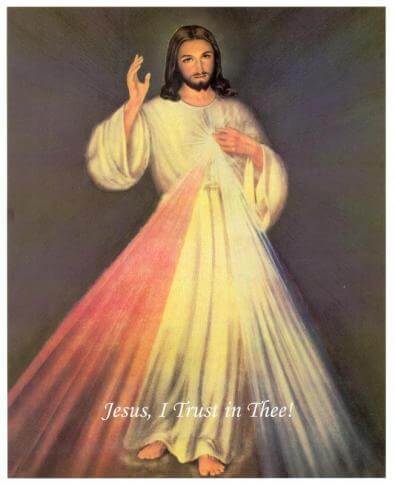
Divine Mercy Devotions

divine_mercy

There will be devotions to the Divine Mercy in our church on Divine Mercy Sunday – 8th April, beginning at 2.30pm. The afternoon will include confessions, Mass, Divine Mercy Chaplet, the three o’clock prayer, blessing of images, exposition of the Blessed Sacrament and Benediction, followed by refreshments at 4.30pm.

Here is a picture of The incredulity of St Thomas by Carvaggio. It depicts the Gospel for this Sunday:

thomas_grt[1]

Caravaggio first came to prominence when he was commissioned by the Roman Oratory to paint the Deposition at Santa Maria in Vallicella. He was initially criticized for ‘excessive naturalism’, but his paintings evoke the spirit of St Philip Neri and the emphasis of the Counter-Reformation on the devotional participation of the faithful in the Gospel accounts. The incredulity of St Thomas appears almost photographic in its realism, and enables the viewer to experience the Divine Mercy radiating from the open side of the Saviour, just as St Thomas the Apostle did, just as St Faustina did.

Pictures from Palm Sunday

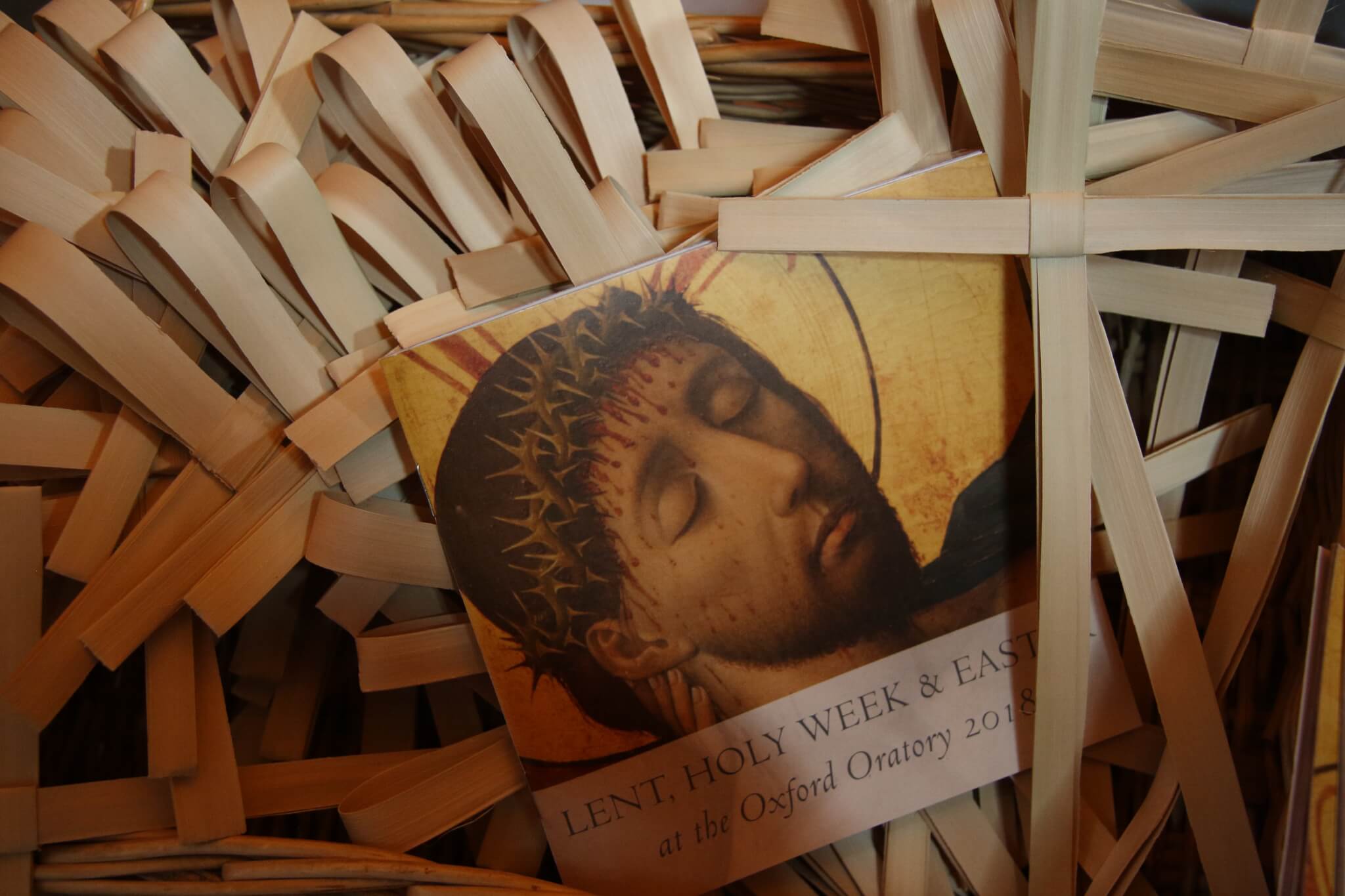
Times of Services and Confessions for Holy Week may be seen below this post.

tIMG_2870

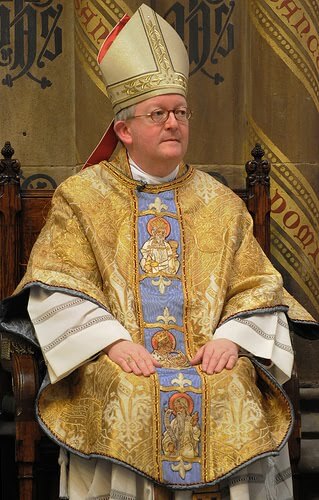
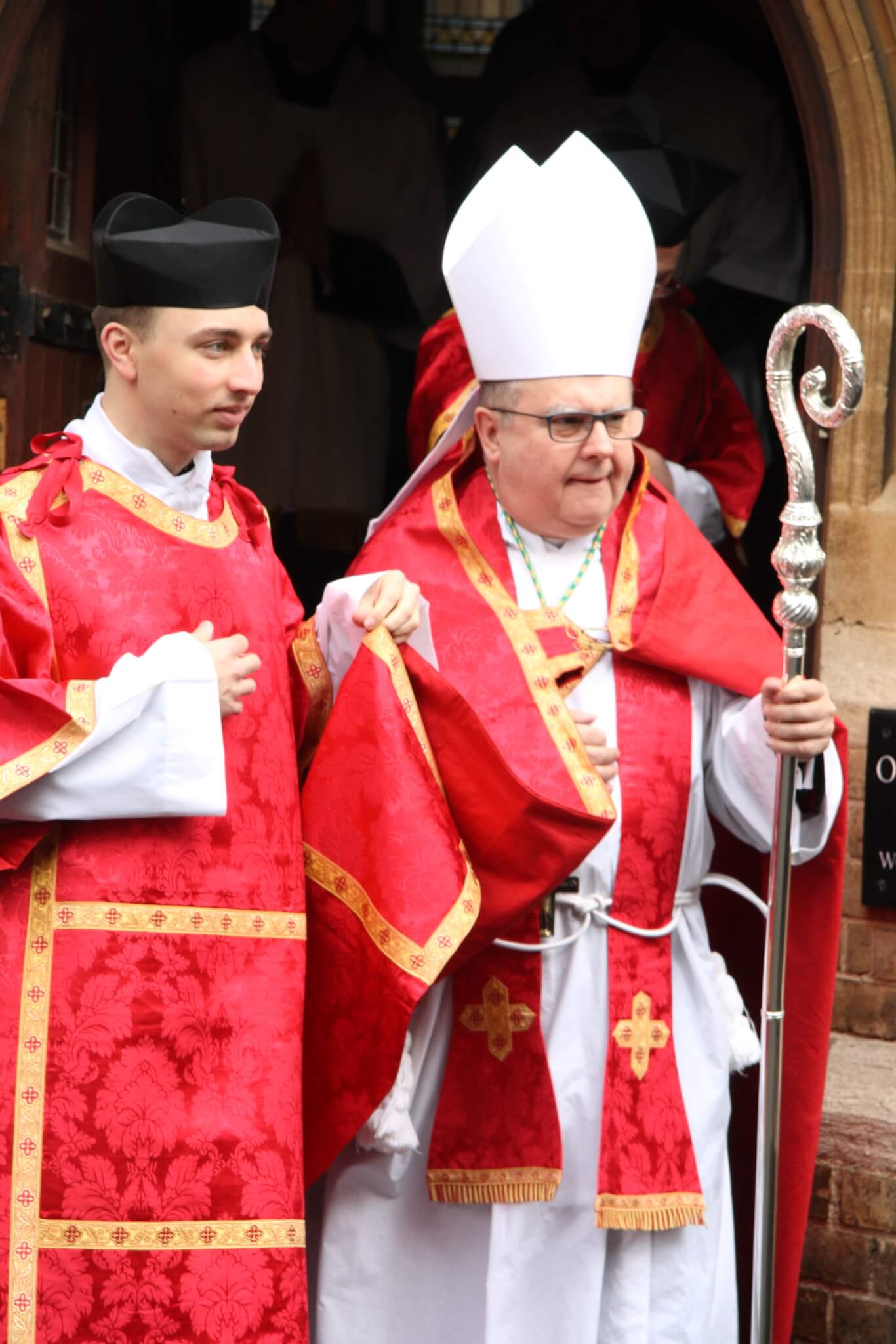
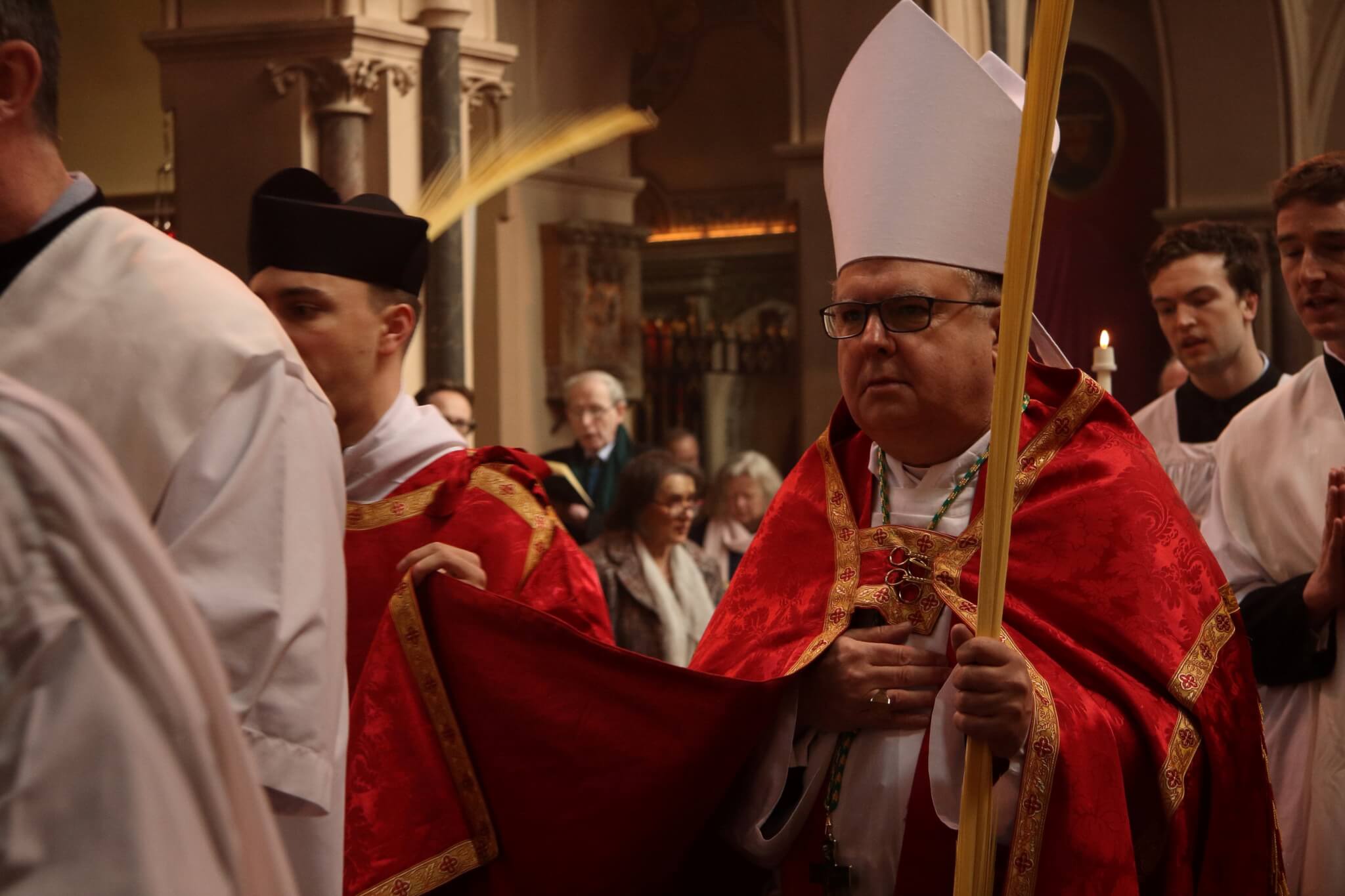
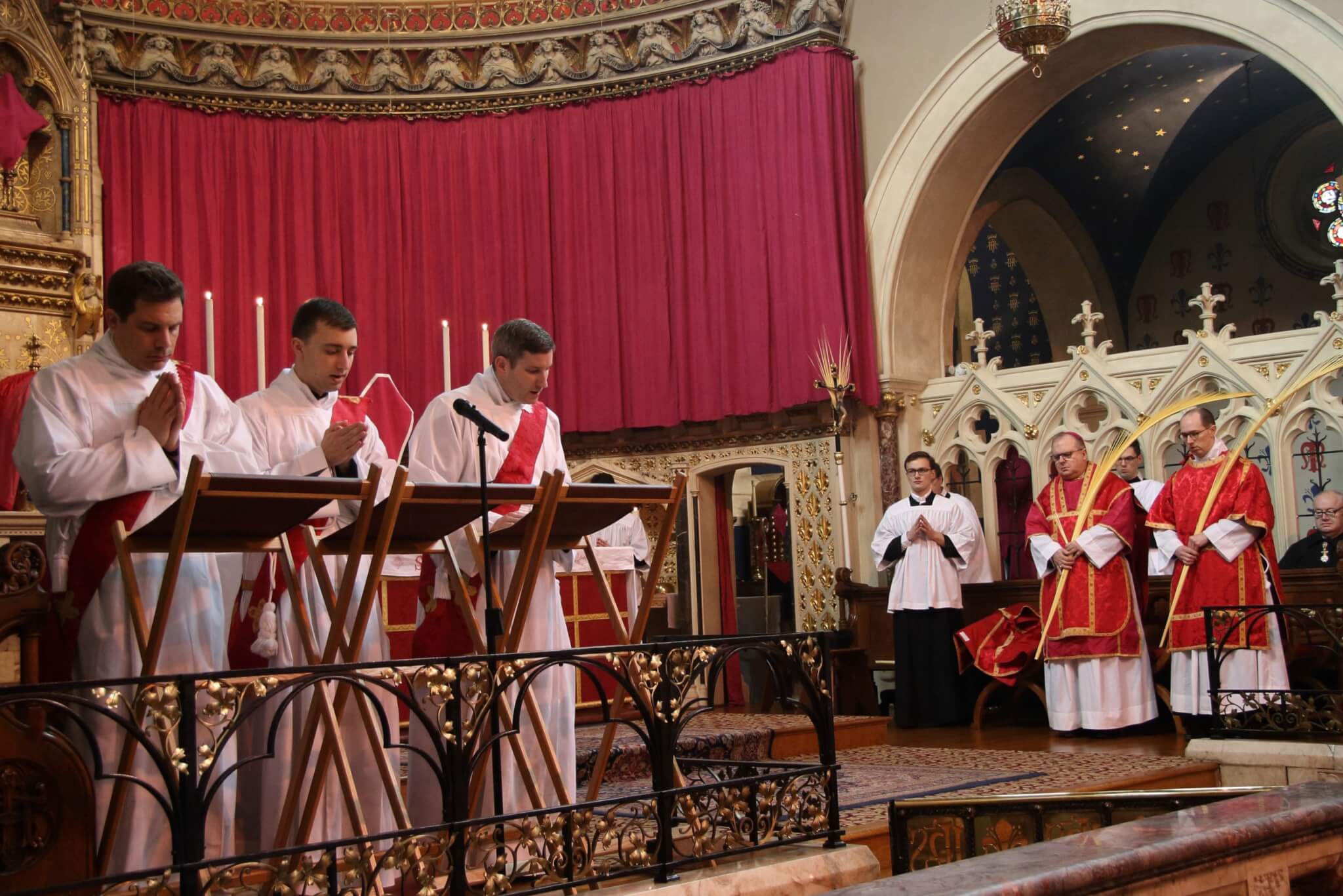
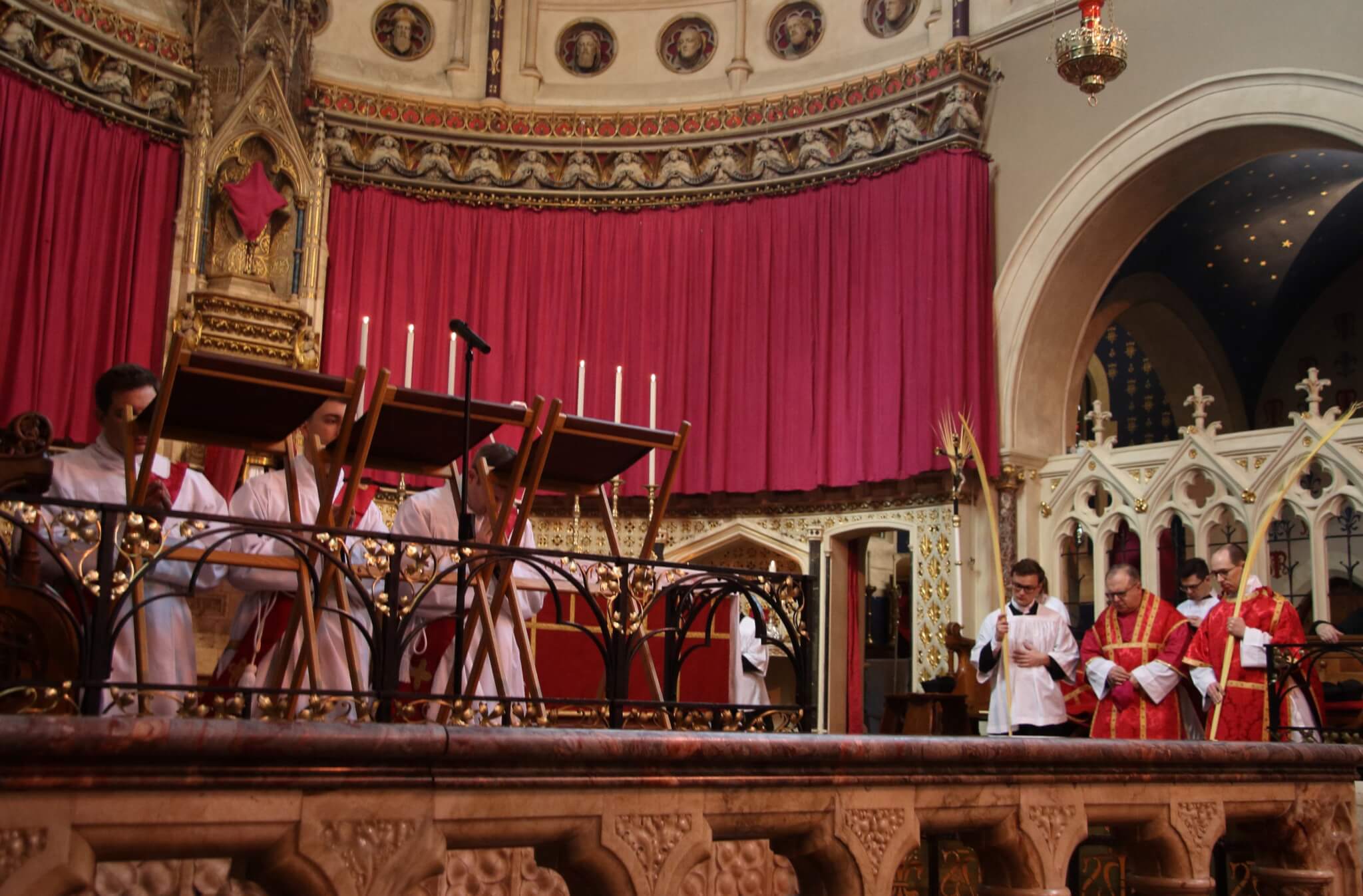
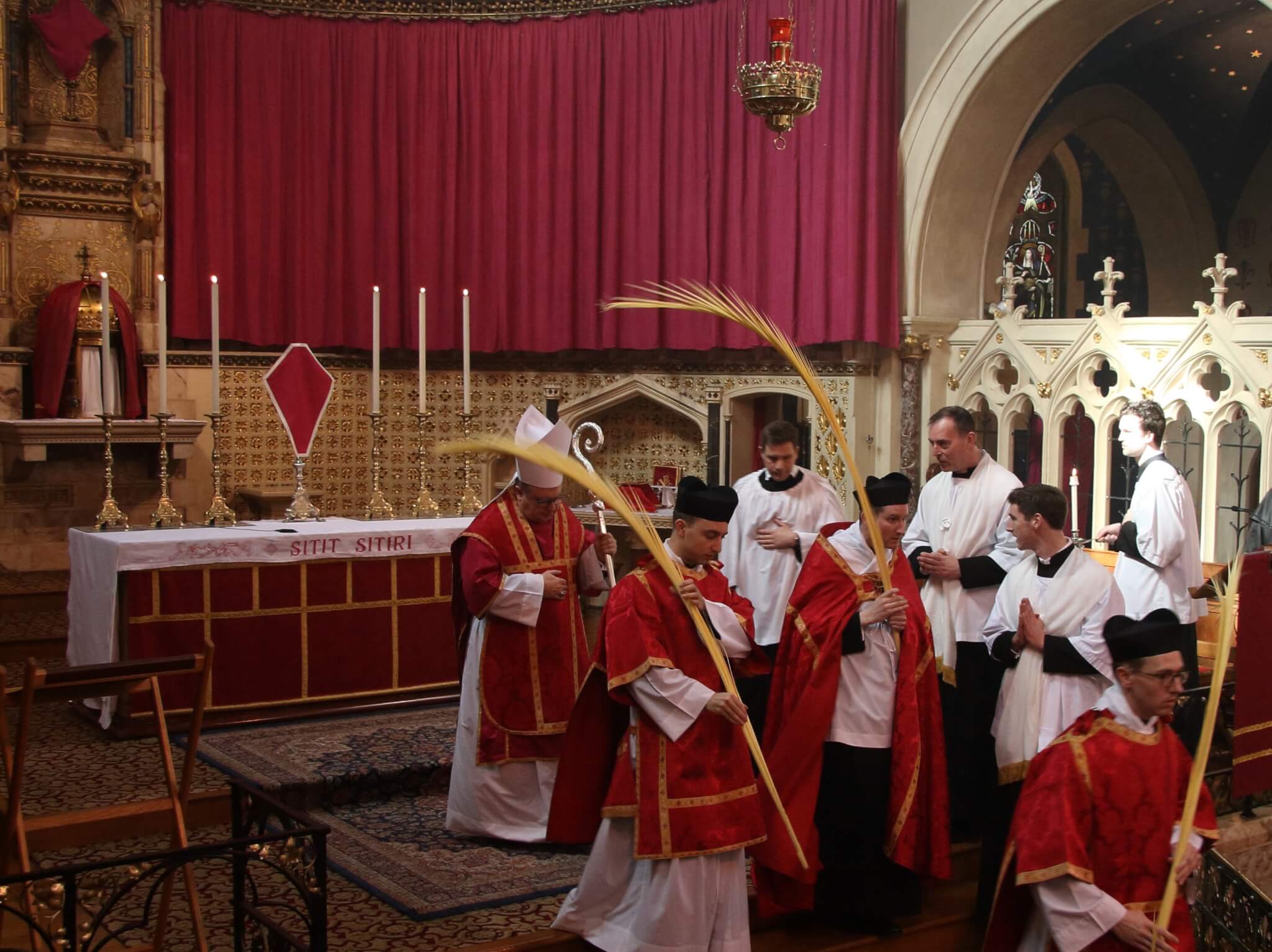
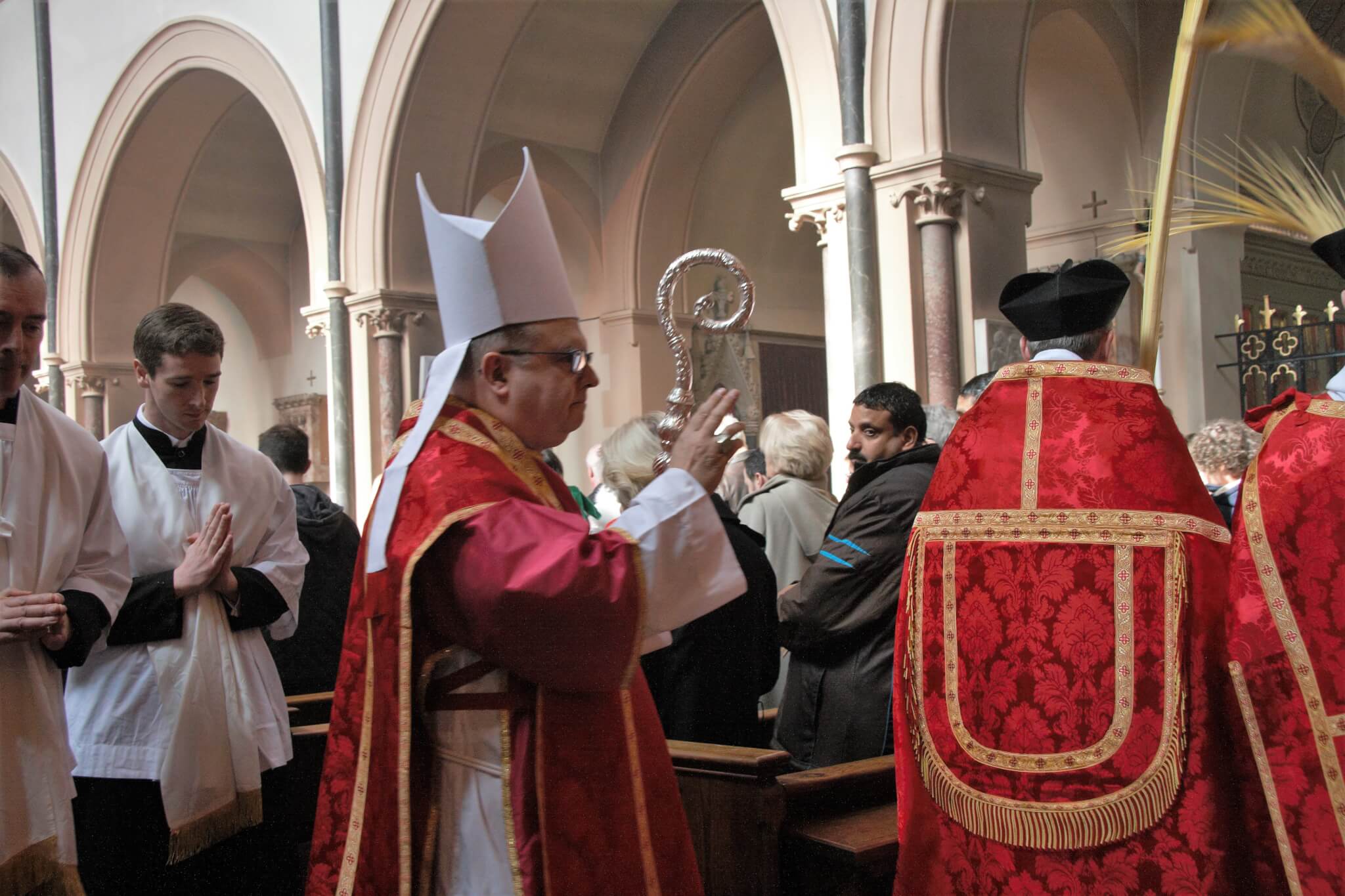
The Solemn Mass on Palm Sunday was celebrated by Bishop Robert Byrne, Cong. Orat.:

tIMG_2817

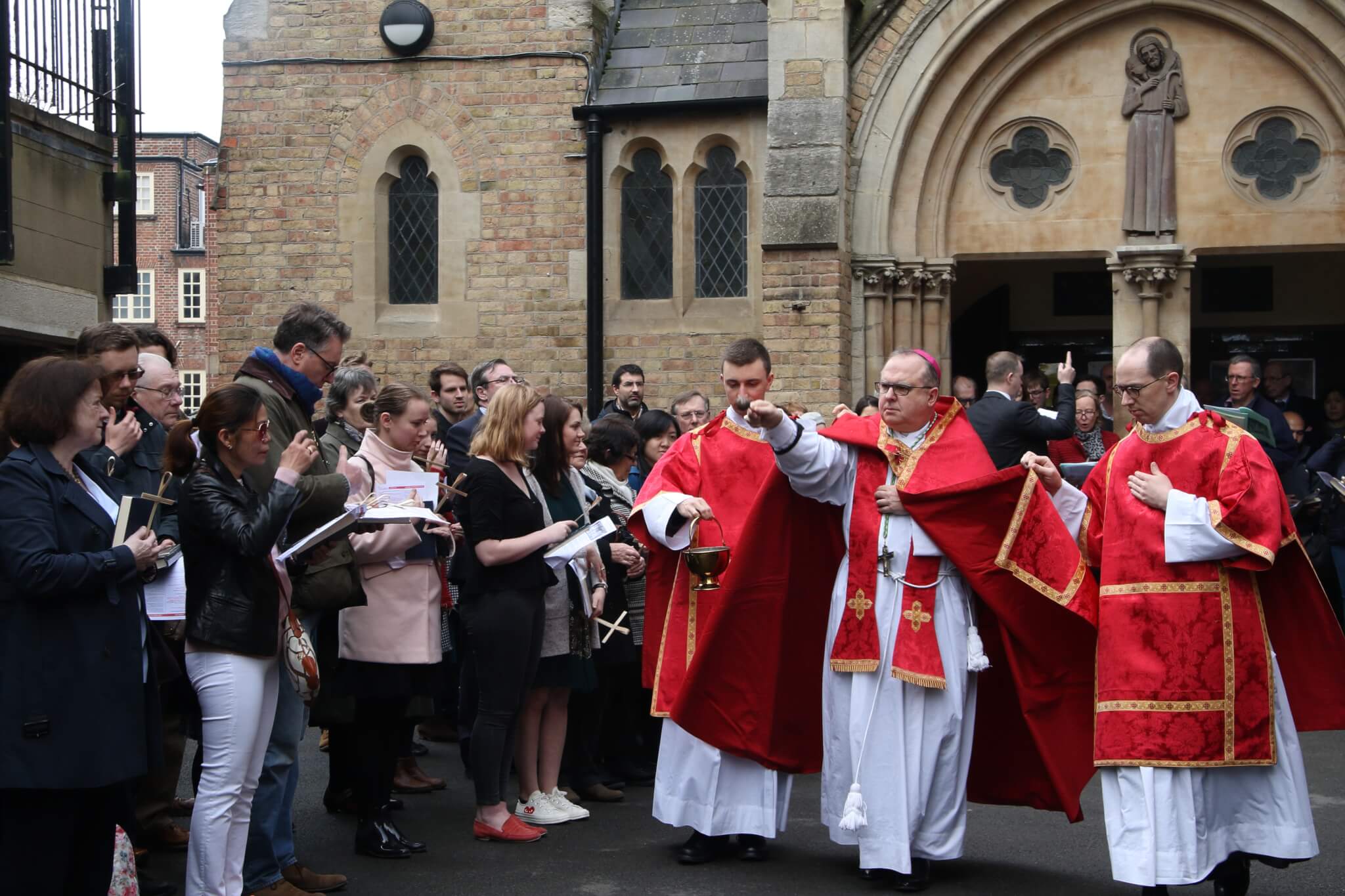
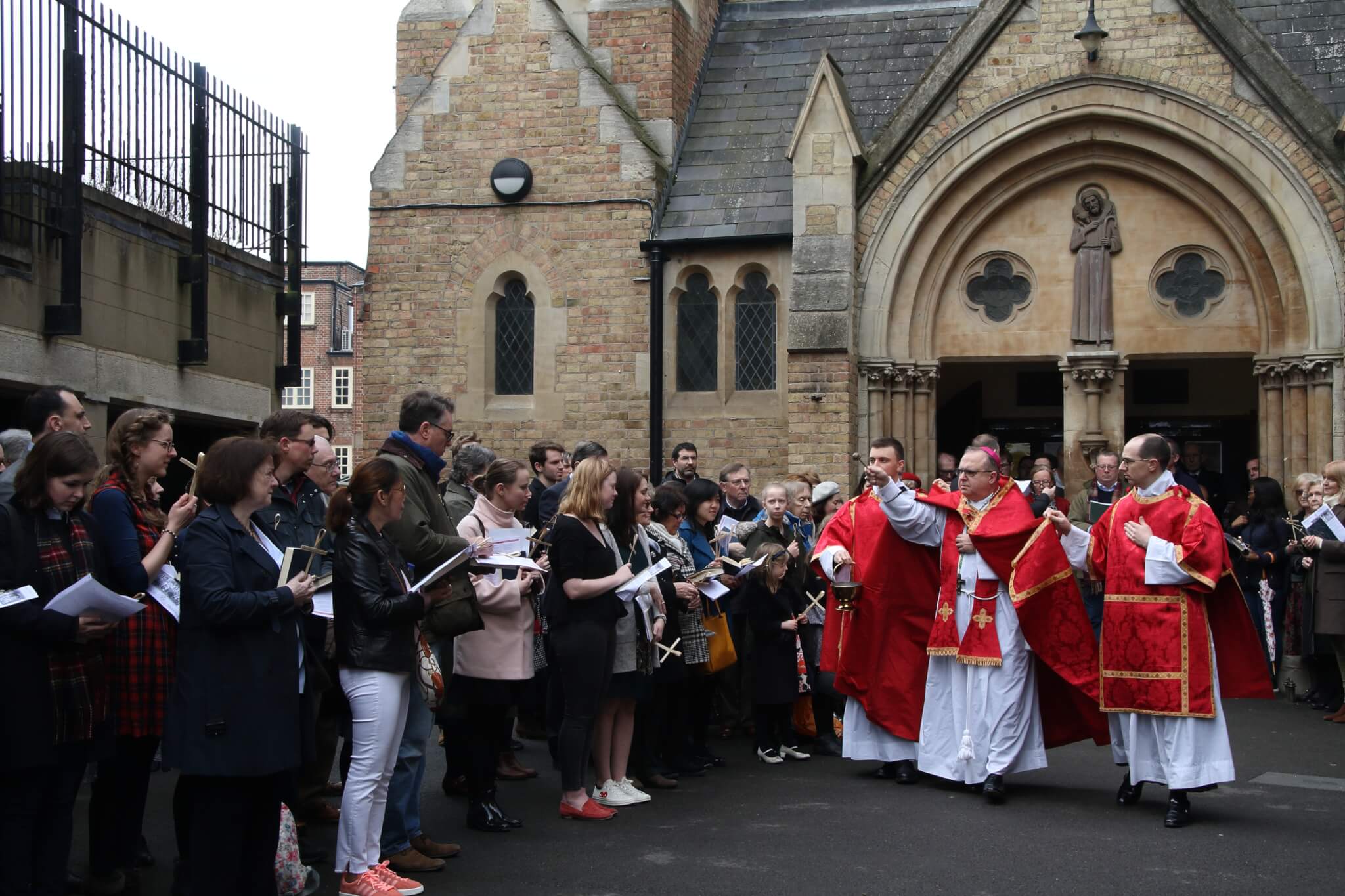
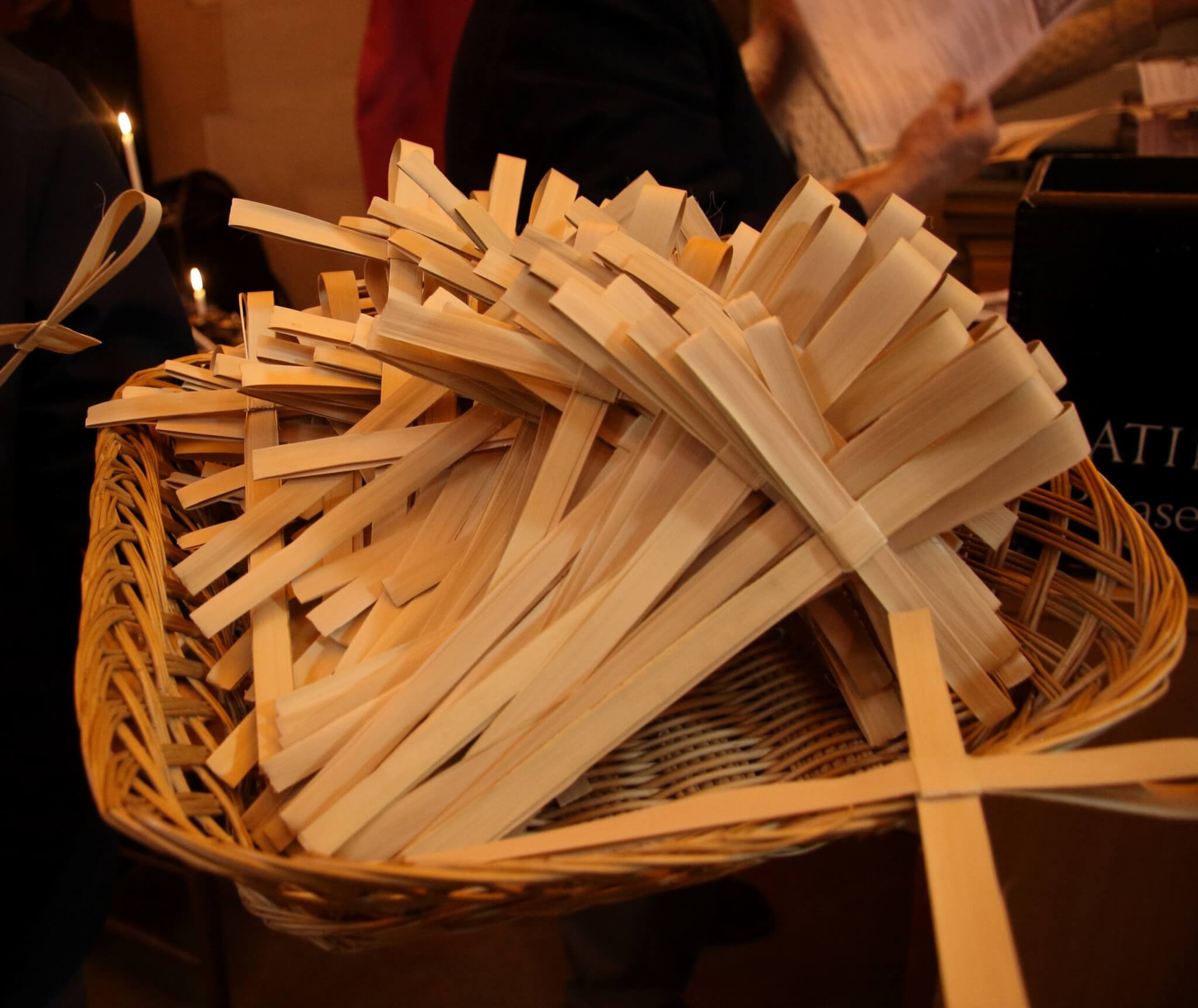
The blessing of the Palms:

tIMG_2822tIMG_2821 (1)

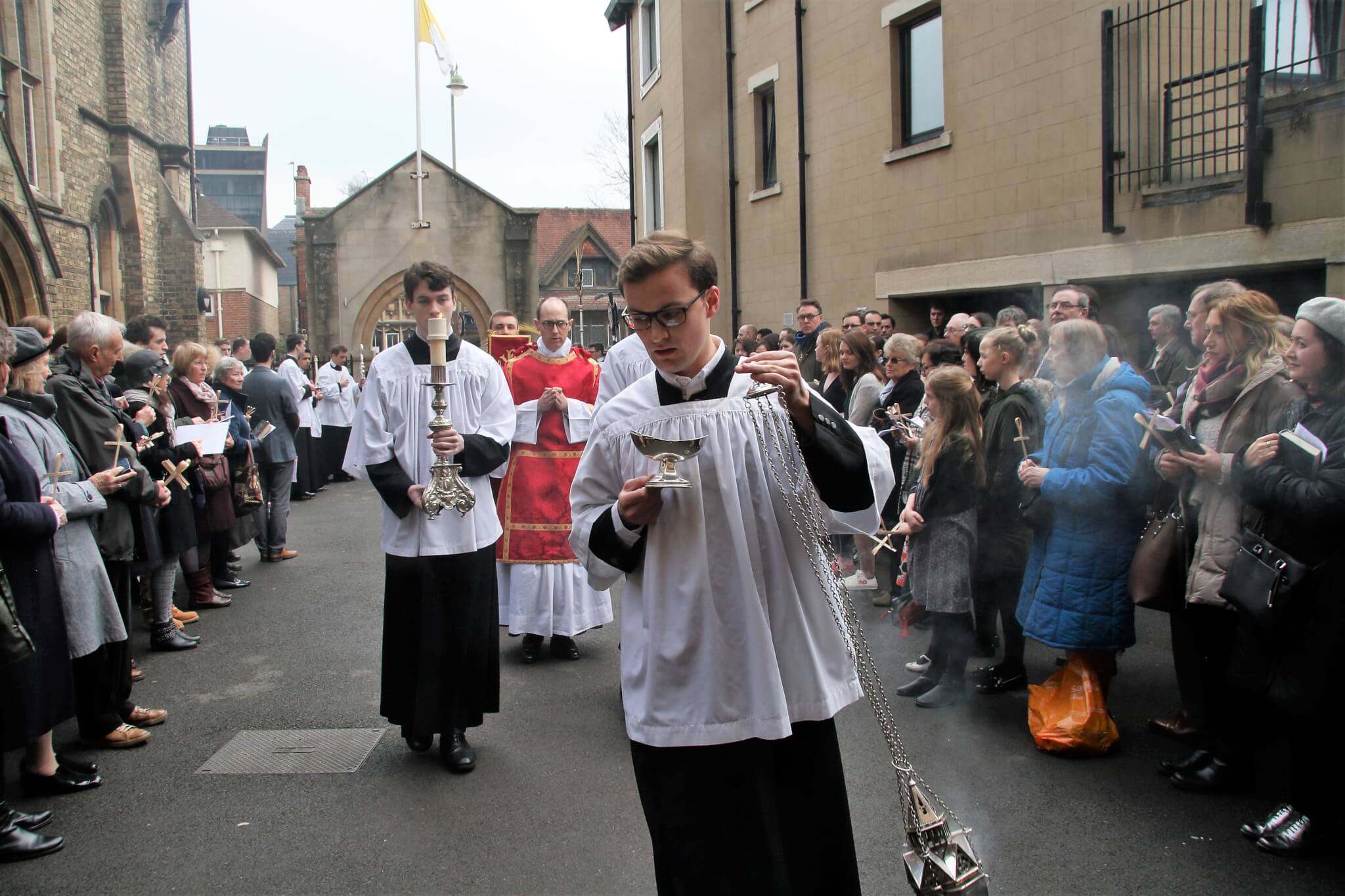
The Gospel Procession:

tIMG_2824

The Gospel is incensed:

tIMG_2826

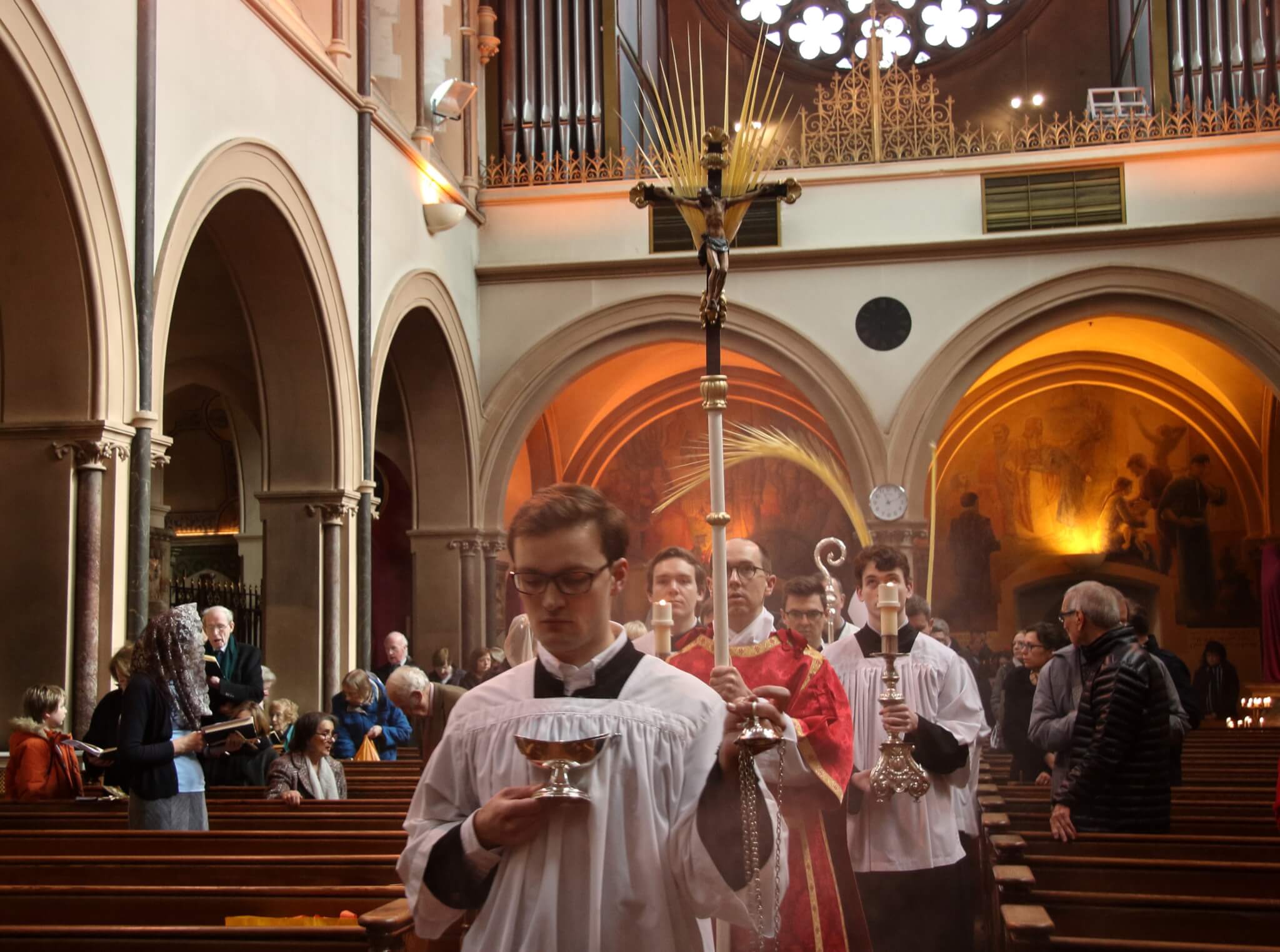
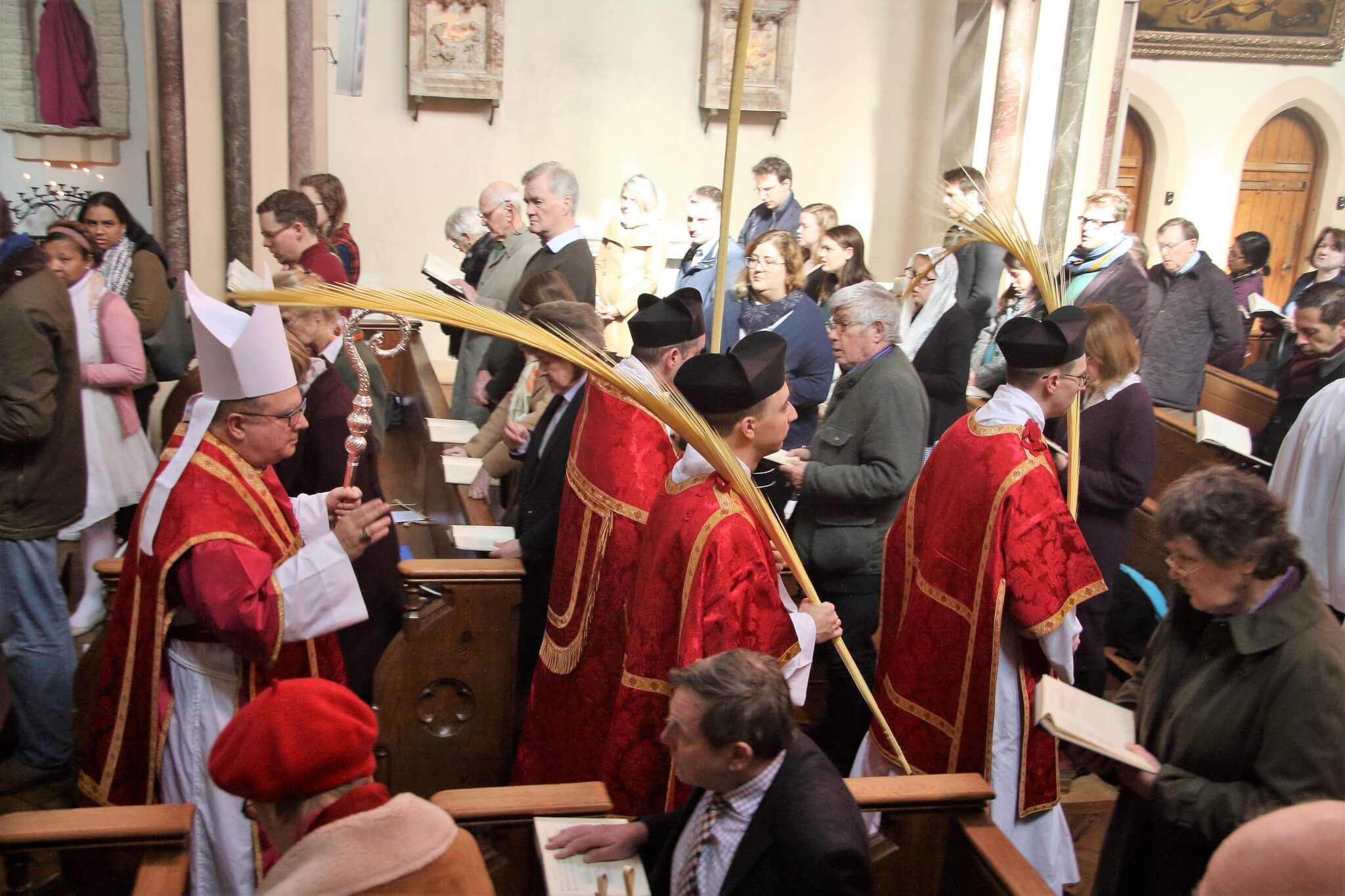
The procession into our church:

tIMG_2837

tIMG_2841

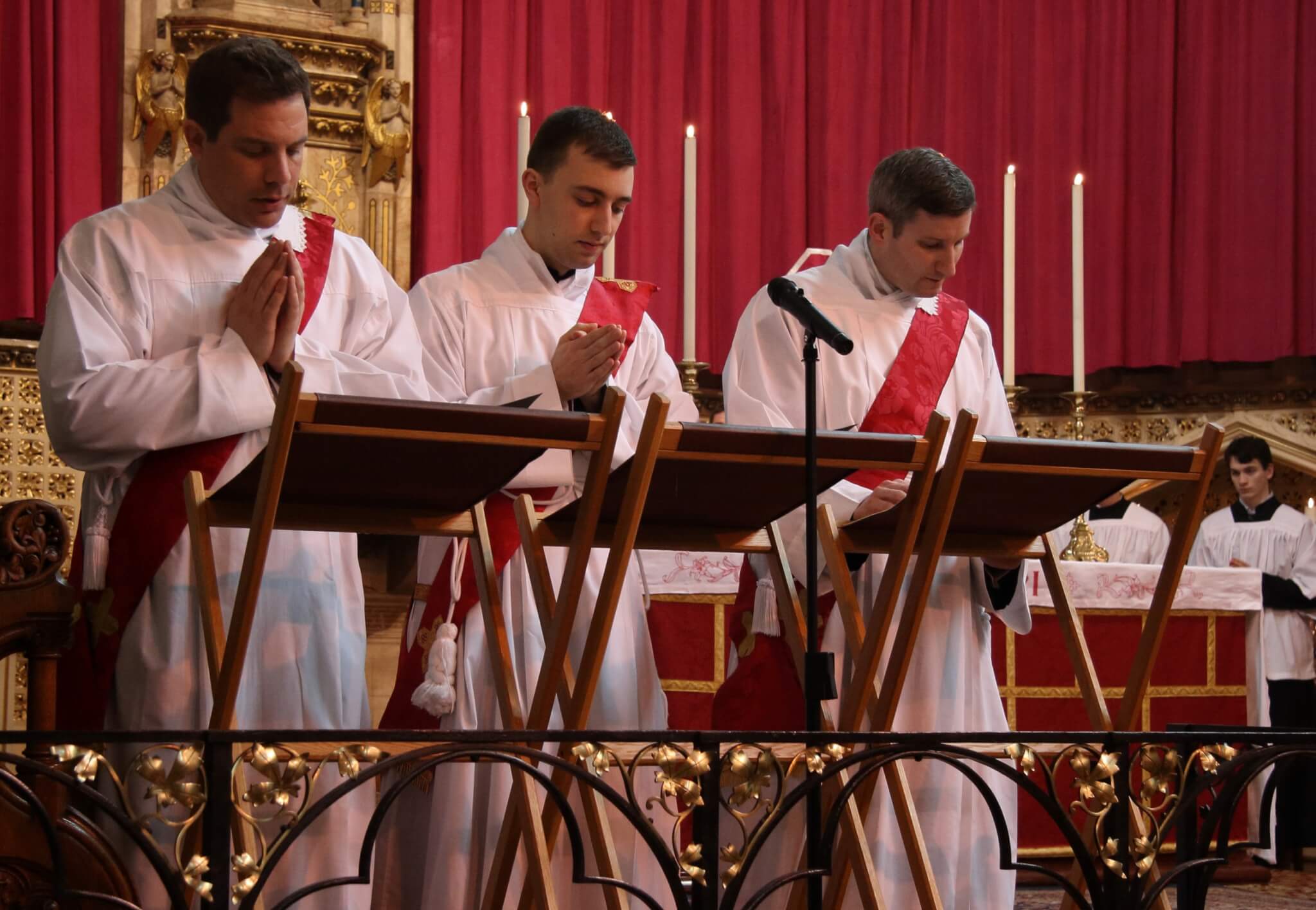
The singing of St Mark’s Passion:

tIMG_2853

tIMG_2851

“And Jesus uttered a loud cry, and breathed His last”:

tIMG_2855

The Mass of Palm Sunday:

IMG_2856

The Recessional:tIMG_2879tIMG_2882

IMG_2888tIMG_2810