Chapel of St Ignatius

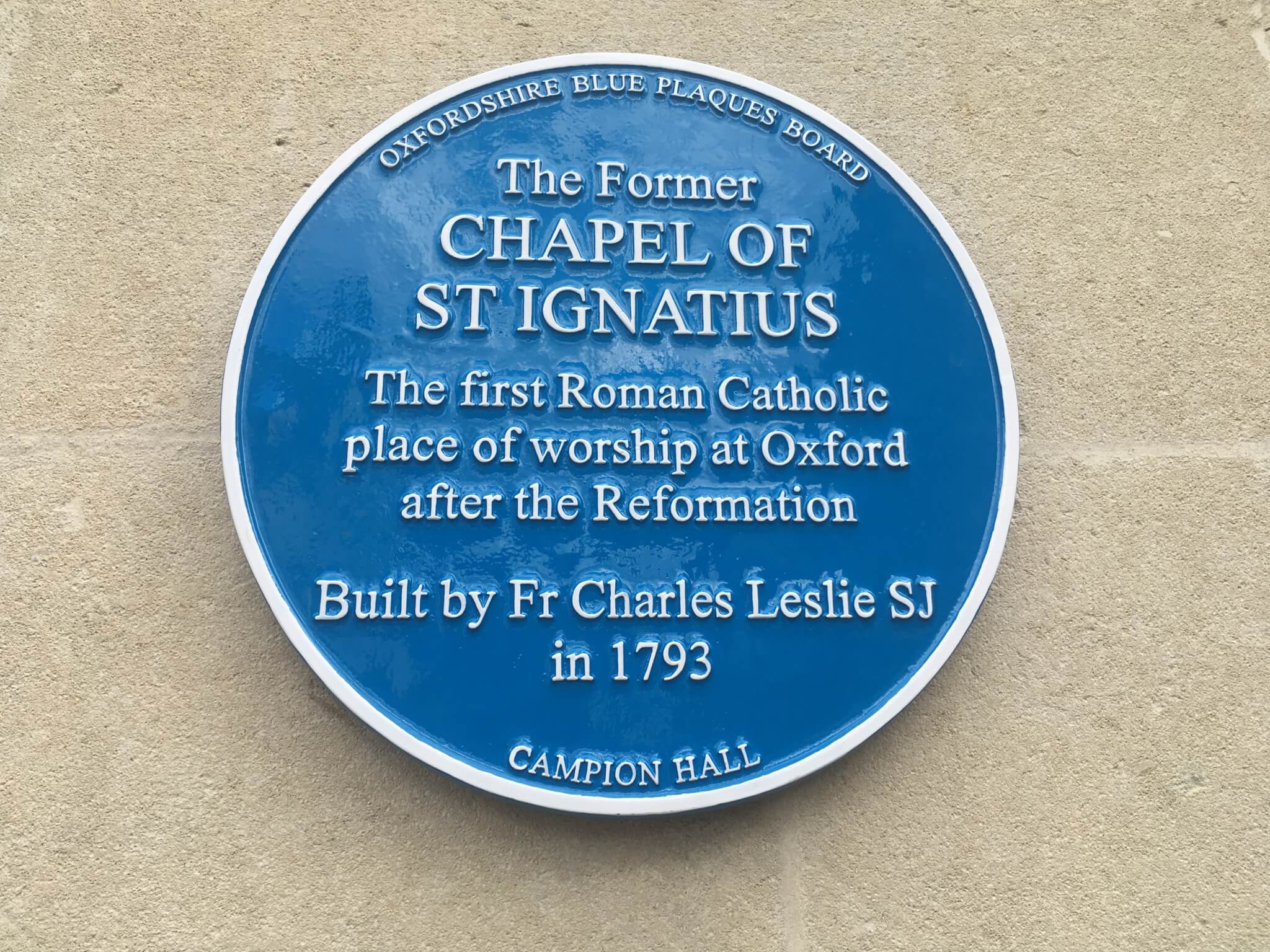
The chapel of St Ignatius was the first Catholic church built in Oxford after the Reformation. The builder was Fr Charles Leslie, a younger son of Patrick, 21st Baron of Balaquhain. He had joined the Society of Jesus, and on its suppression in 1773 continued to work as a priest under the Vicars Apostolic.

In 1792  Fr Leslie moved to Oxford and bought a house, using one room as a chapel (the 1792 Quarter Sesssions register “a chapel situate in the parish of Saint Clements in the Suburbs of the City of Oxford in the possession of Charles Leslie, Priest, recorded as a place for the religious worship of Roman Catholicks”). The following year the existing building was constructed in the grounds of his house, set well back from the road, as anti-Catholic sentiment was still strong, despite the passing of the 1791 Catholic Relief Act.

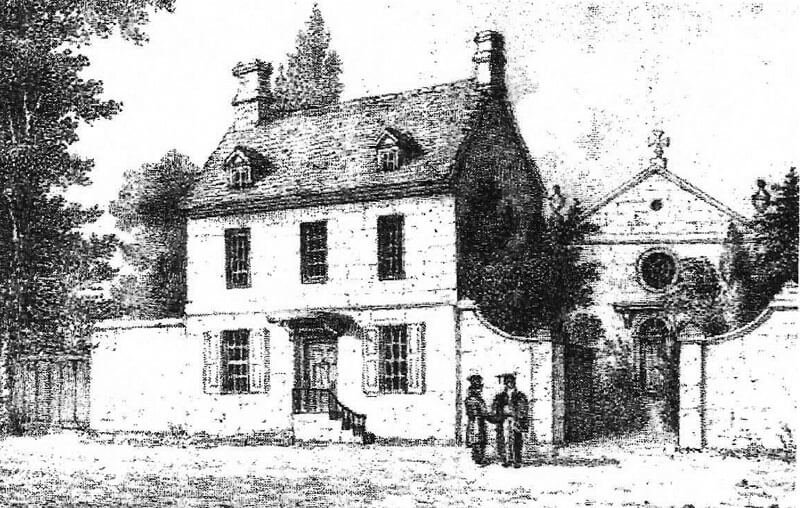
st_ignatius_chapel_with_house

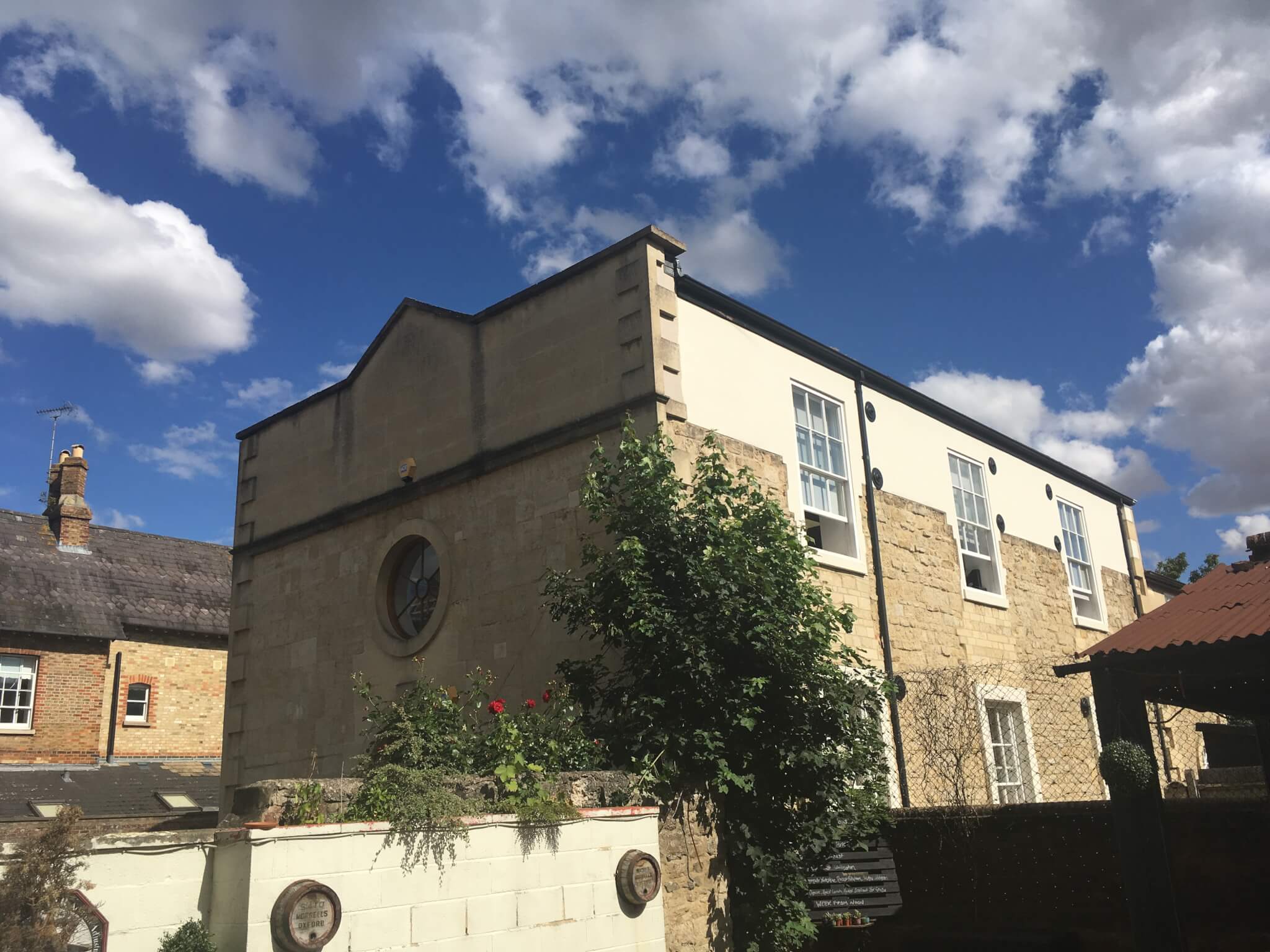
The Chapel of St Ignatius may be seen above in the nineteenth century. The house at the front was the Presbytery, completely rebuilt in 1829, but later replaced by a school building, which is still standing. This school, which began in a room of the presbytery in 1869, later on had its boys’ section next to St Aloysius’ Church, and so was known as St Aloysius’ School. In 1932 it was decided to have two separate, mixed, elementary schools, and so the school which remained on the St Ignatius’ site became St Joseph’s, while the school next to our church retained the name St Aloysius’. Here below is the school building at St Ignatius’:

IMG_5533

When St Aloysius’ Church was built in 1875, St Ignatius’ became a Chapel of Ease, until 1911 when the church of SS Edmund & Frideswide (now Greyfriars) was built and became a separate parish. The St Ignatius’ buildings were then used exclusively by St Aloysius’ School.

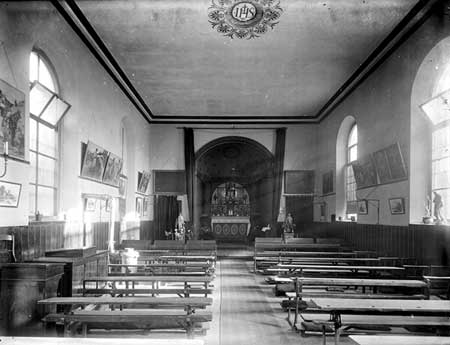
The Chapel of St Ignatius, though small, has a distinguished history, being the place where Blessed John Henry Newman went to Mass in his early days as a Catholic in 1845.

CC50_509

IMG_5530

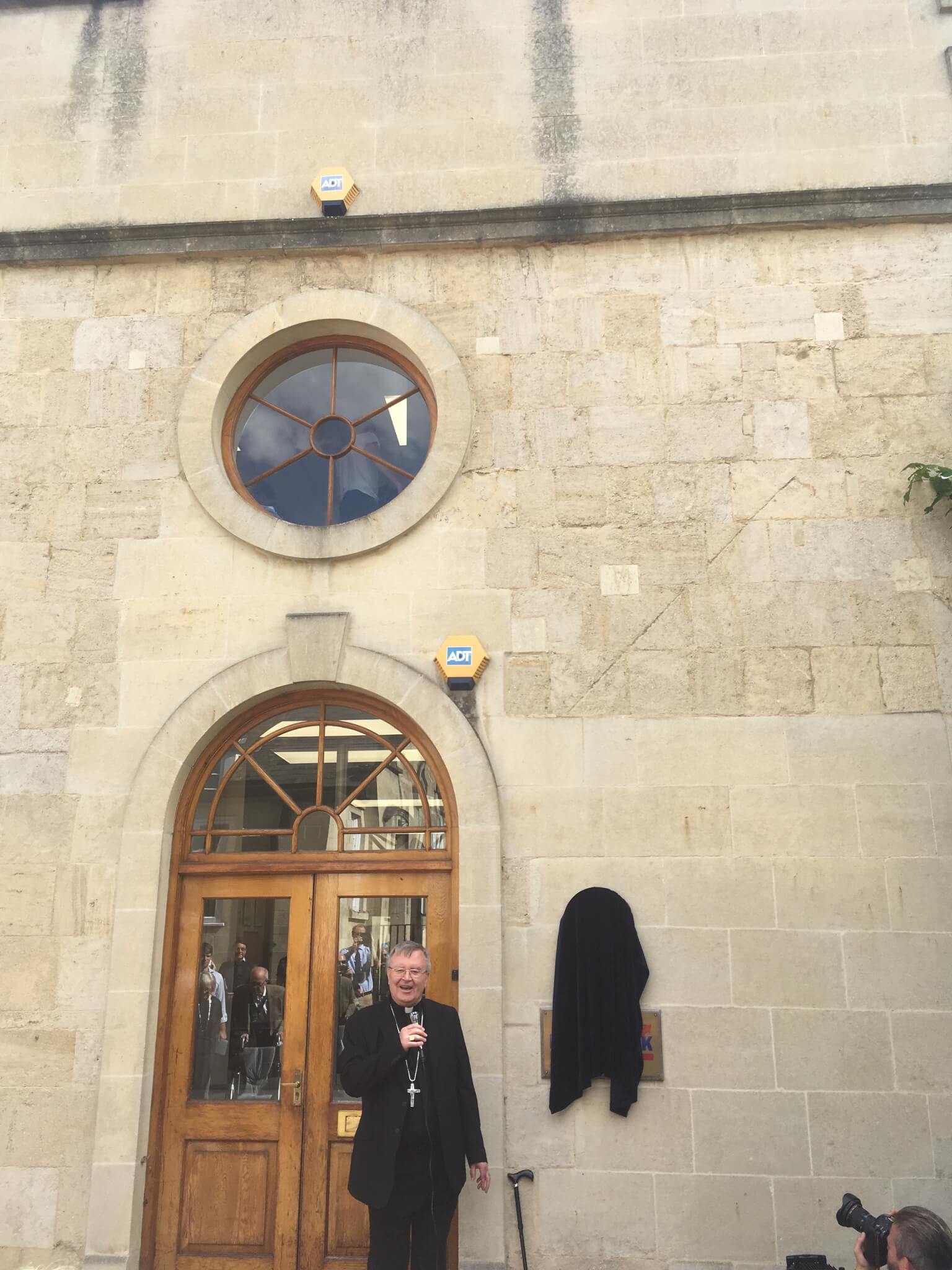
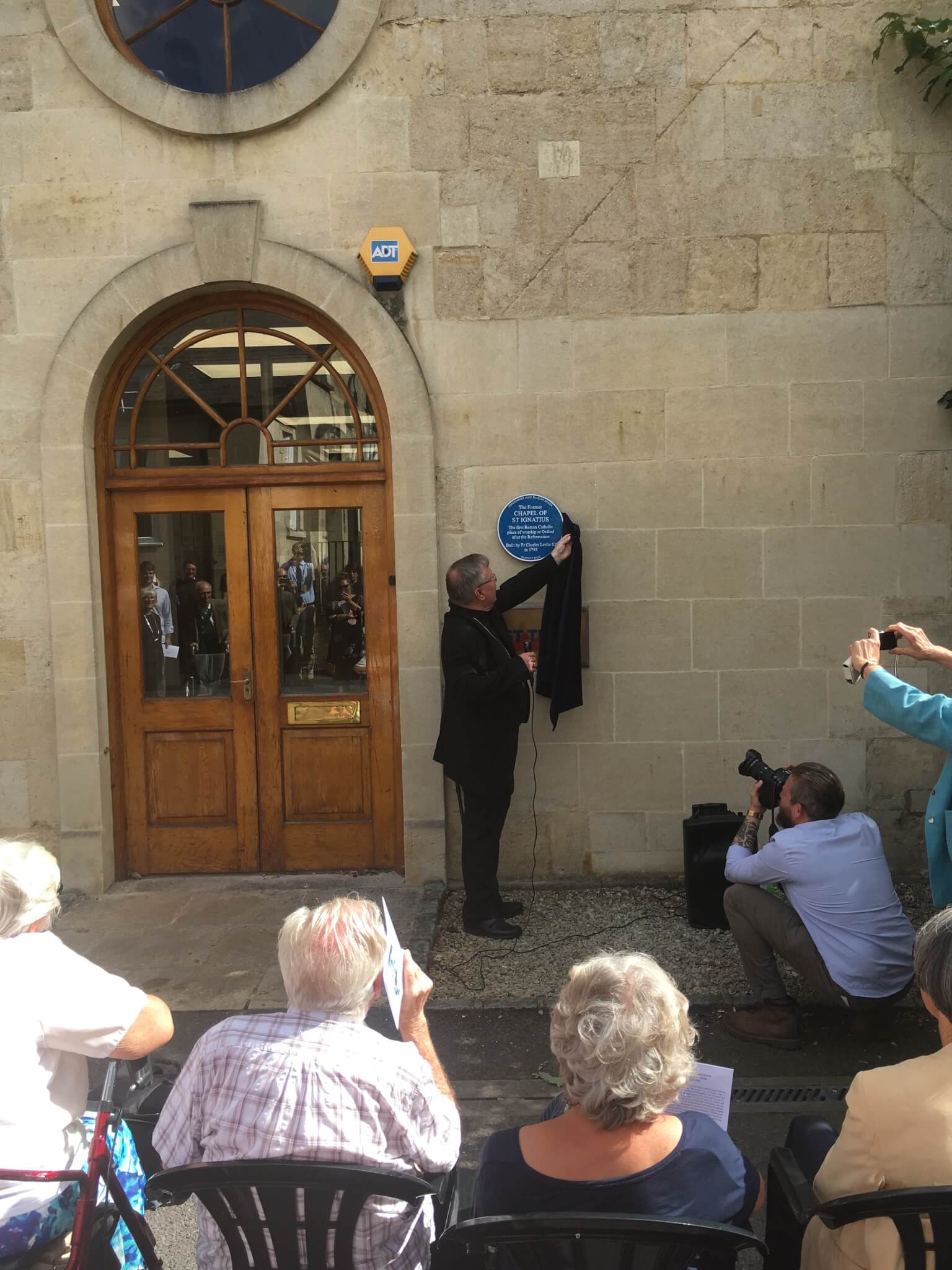
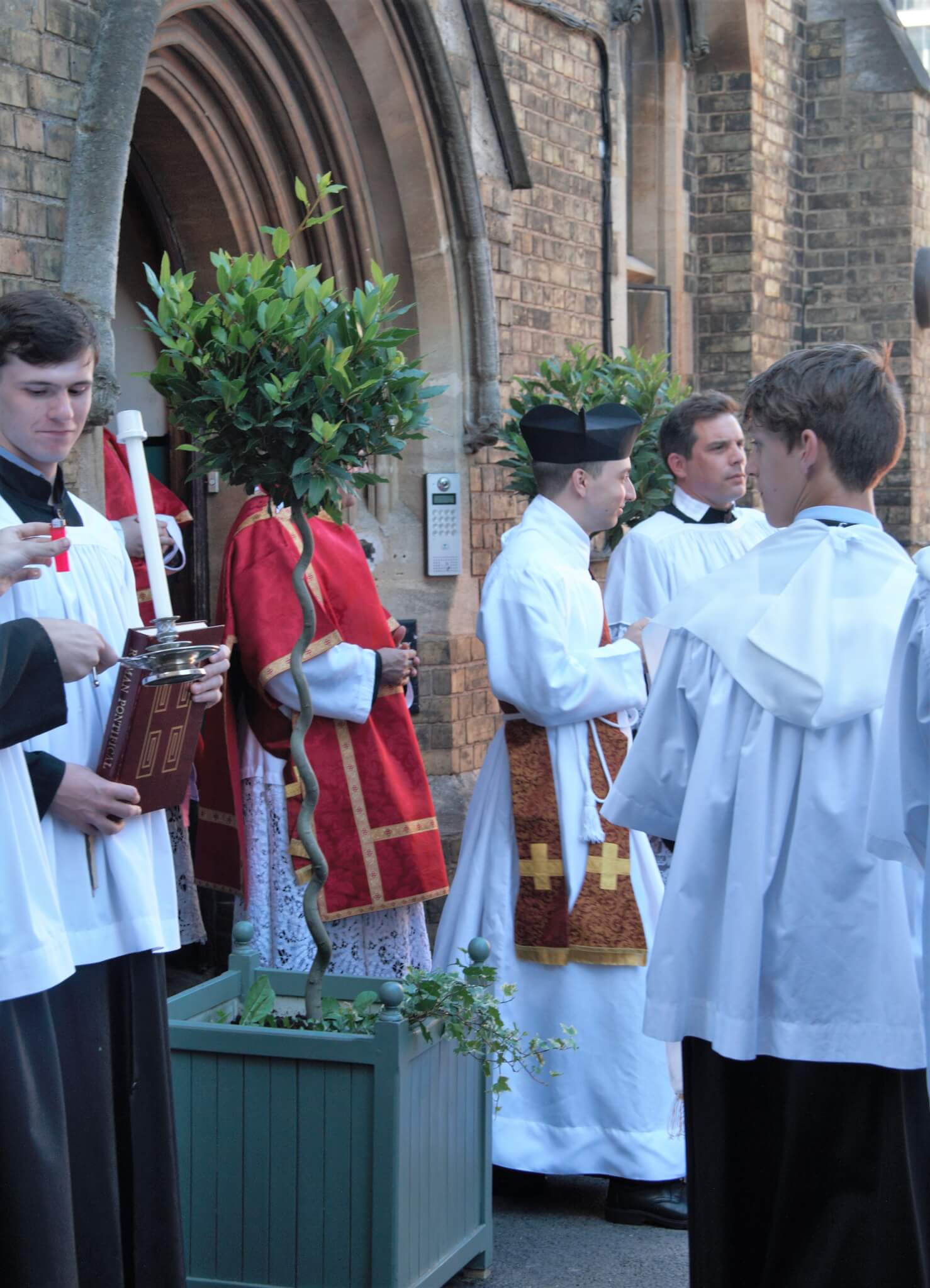
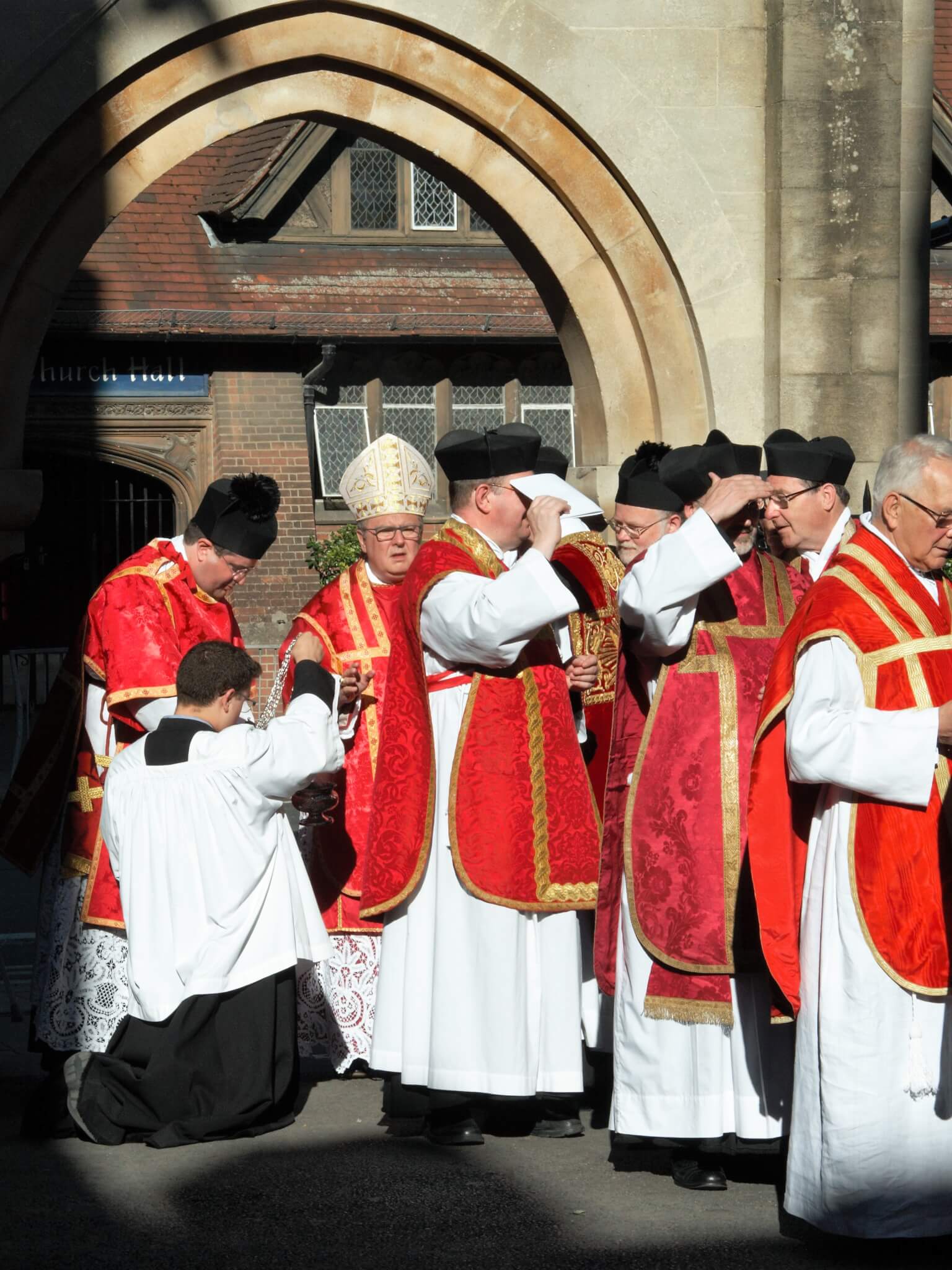
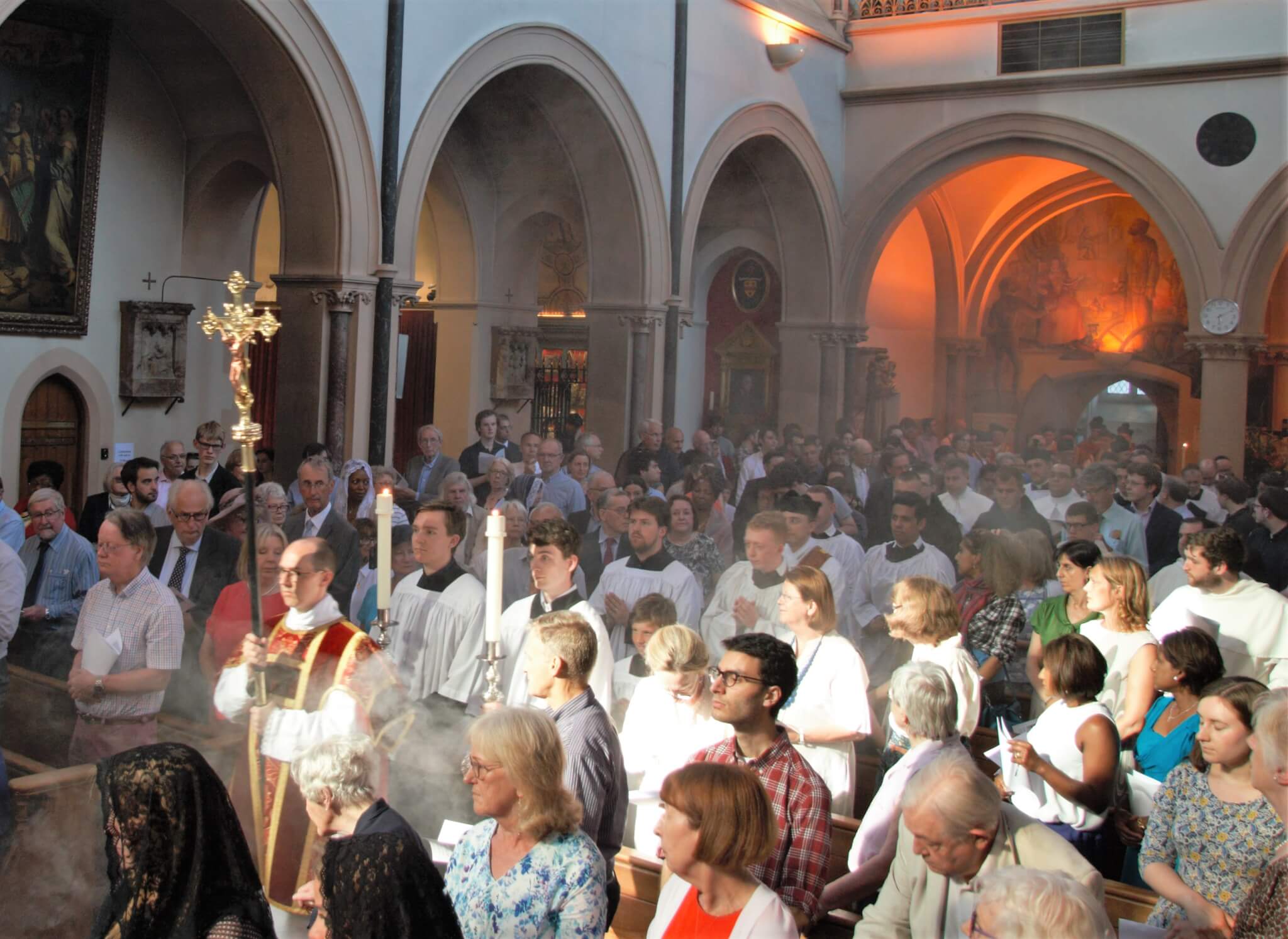
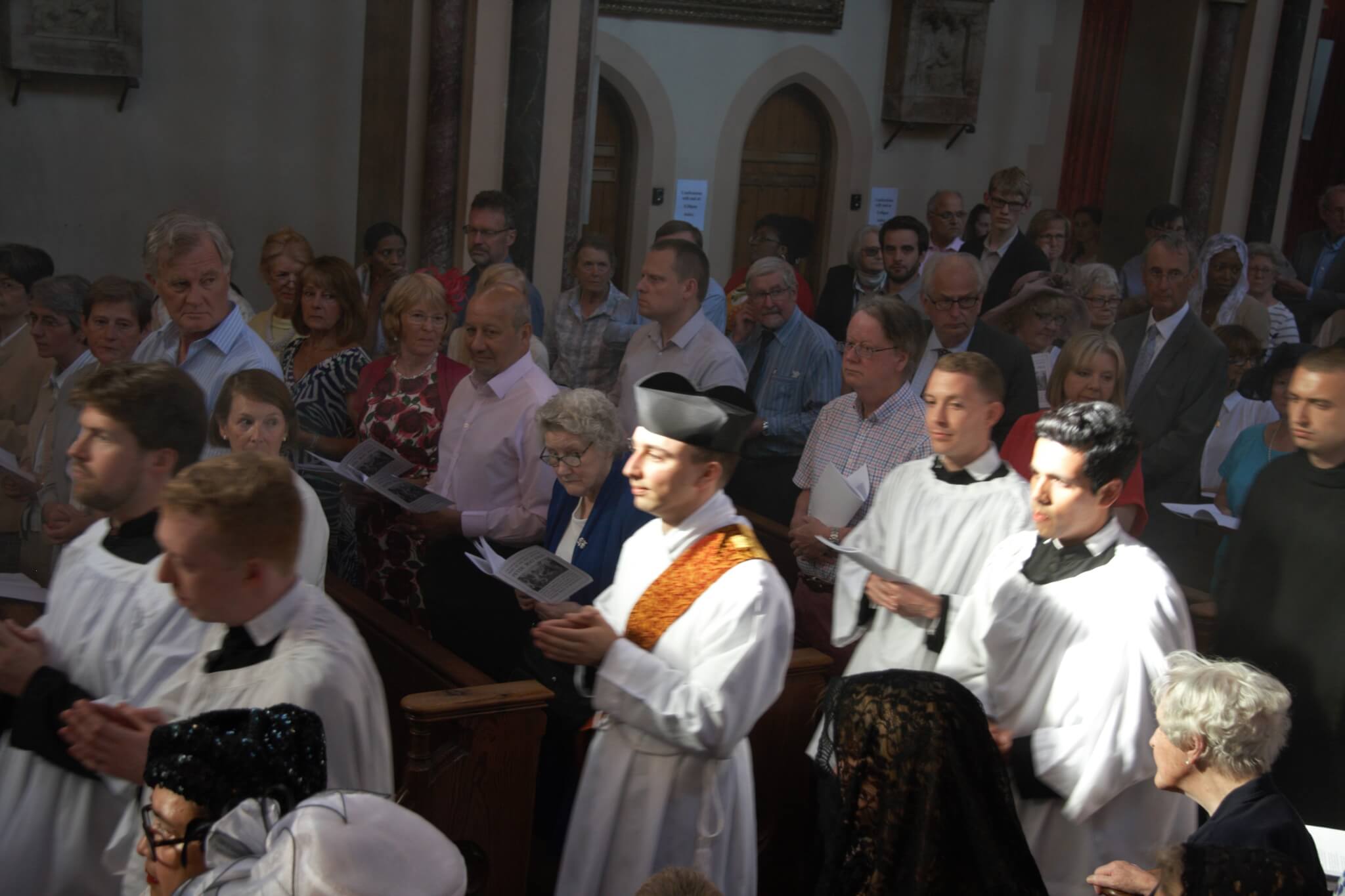
Today being the feast of St Ignatius Loyola, founder of the Society of Jesus, it was a good day for a Blue Plaque to be unveiled, 225 years after Fr Leslie built his chapel. Fr Joseph Munitiz SJ spoke about how Fr Gerard Manley Hopkins, curate at St Aloysius’, celebrated Mass and preached in the chapel, and Sr Marie Anne from St Joseph’s School described how Fr Hopkins would come to instruct the children.

Bishop William Kenney CP recalled that Blessed Dominic Barberi preached in St Ignatius’ Chapel, and then unveiled the plaque commemorating this important place in the post-Reformation history of the Church in our city:

IMG_5507

IMG_5520 IMG_5526

Father Oliver’s First Mass

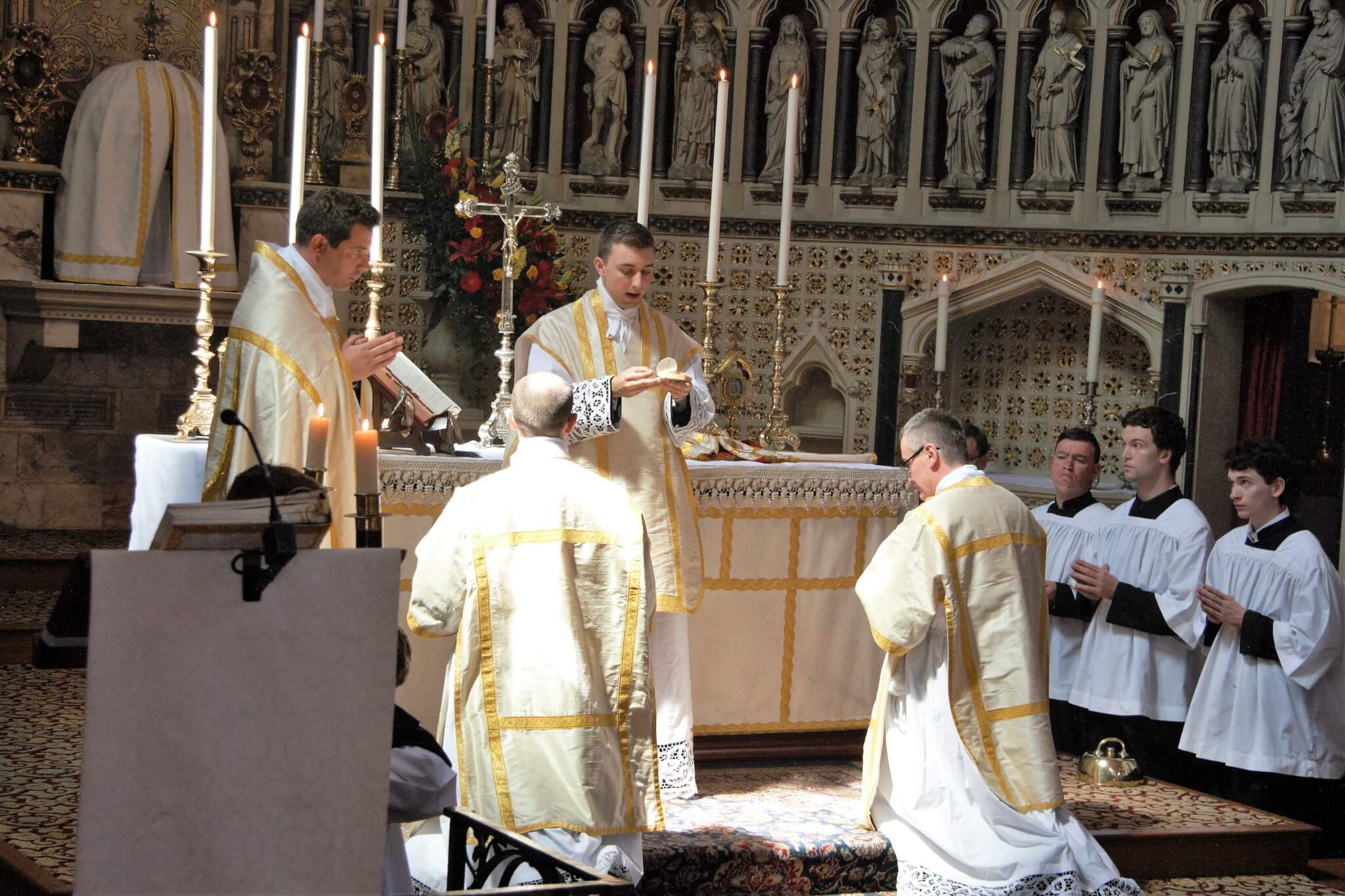
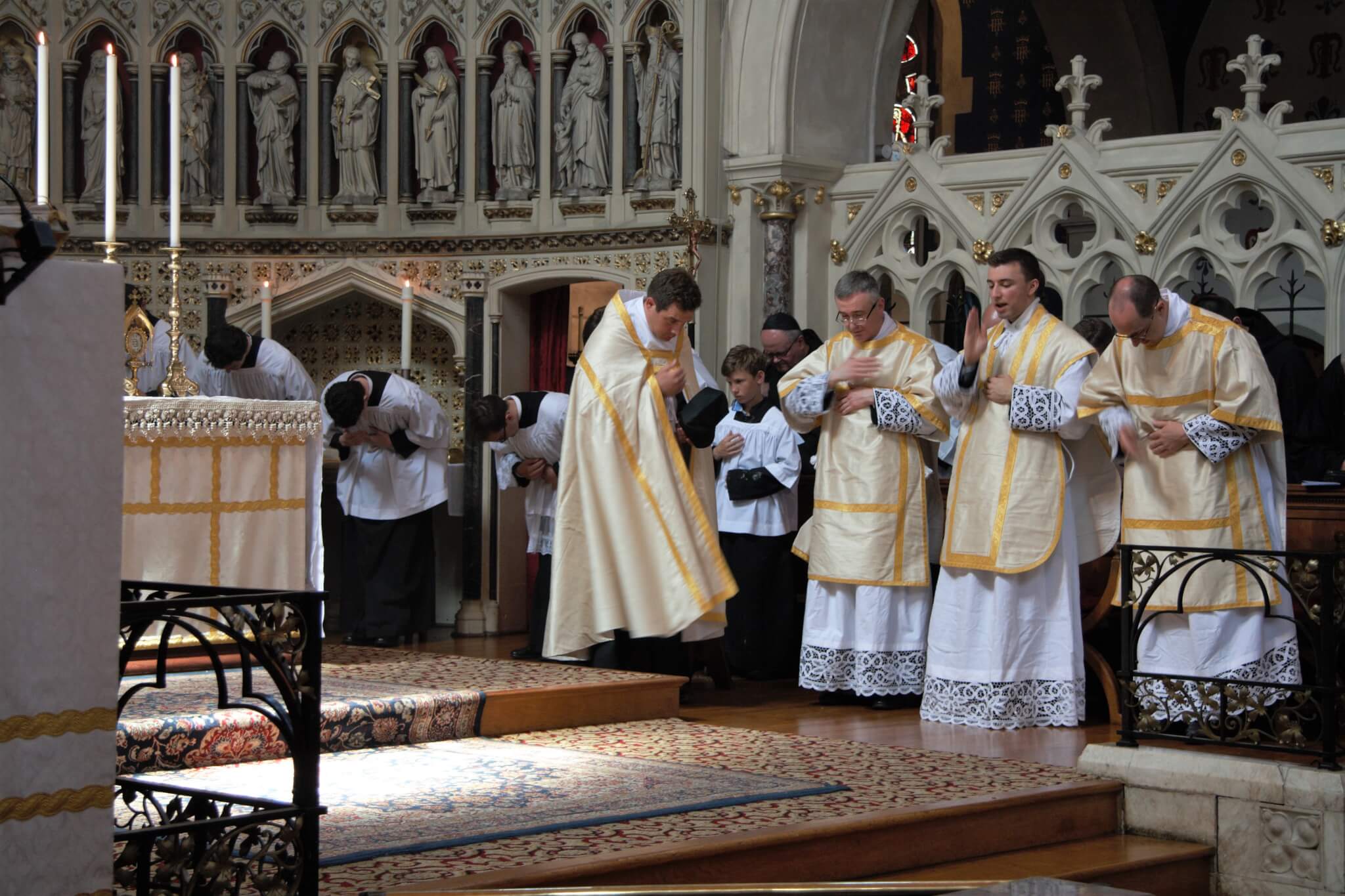
Fr Oliver celebrated his first Mass on Saturday 30th June:
IMG_3710 (2)IMG_3720 (2)

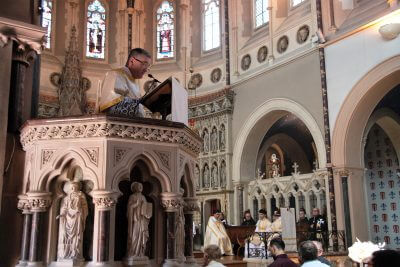
Fr Dominic preached the sermon which is reproduced below:
IMG_3728 (2)

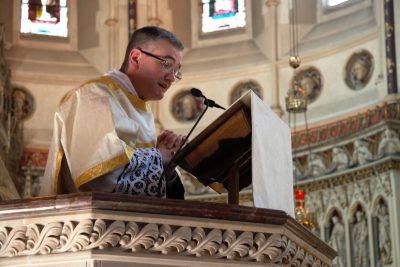
Sermon: First Mass of Fr Oliver Craddock

 Many years ago now, I recall Monsignor Stark (formerly Master of the Guild of Ransom) telling how his grandfather, a member of the SVP of a parish adjacent to the Birmingham Oratory, in the 1880s, had cause to go to the Oratory to fetch a priest to minister to a sick woman. The porter went off in search of one of the Fathers, leaving Mgr Stark’s grandfather alone in the darkened front hall. Presently he noticed a little bundle seated in a corner – the “little bundle” spoke to him: “If none of the Fathers can be found, and if you get me a cab, I will come with you. After all, I am a priest.”

I don’t recall whether or not in the event our Cardinal did have to go, but I am certain that neither his great and venerable age, nor his eminence, would have prevented Blessed John Henry from going to anoint and comfort a dying woman, for he who reminded us that “God has created us for some definite service”, never forgot that service for which he had been made: to serve God and his people as a priest.

My dear Father Oliver,

Last night, you had conferred on you the grace of ordination to the sacred priesthood: you were called out from among the people whom you shall serve, hands were laid on you, your own hands were anointed by the bishop and you rose from your knees a priest, Christ’s servant and friend.

We say many beautiful things about the priest, don’t we? We call him “alter Christus”, “sacerdos in aeternum”, “sacerdos et hostia”, all so beautiful and true. Yet keep in mind, above all, dear Father, that you are Christ’s servant and friend. Live these two realities and you will indeed become another Christ, and if you continue faithfully along the path on which you are now set, you will be a victim, offering yourself each day alongside your Lord, for his flock, which you tend in His name.

You will do this, I know, in St Philip’s way with “gentleness and kindness” and with a profound sense of joy. Imitate our saintly father, not in his quirkier eccentricities, but in his forbearance with others. Imitate him in his love and desire for prayer. Be with your people, encourage them by your example as you struggle alongside them. They need to know that you are with them, that you “are there for them”.

You’ve probably already discerned that what a priest is, speaks louder than what he says, and that to some extent, the priest’s life is the sermon people will rate. It has been said that he often speaks best when his mouth is shut. The messenger is never more important than the message he bears, but having been charged with the responsibility of delivering that message, makes him a part of it. So, he must love it with all his heart and love the people to whom he is sent, otherwise he will not care whether or not they accept that he brings the Good News of Jesus Christ, or whether or not they become saints. And that is our business here, “to help people become saints in their own homes”. In an Oratorian parish, we set out to do this together.  Of course we make mistakes, and as I told you years ago when you began your novitiate, we have to learn to live with them. There will be misunderstandings and fallings out. In an ideal world, Church or community, these things wouldn’t happen, but they do, and when they do, do your best to put things right as quickly and gently as you can, for part of our priestly ministry is concerned with healing.

I like the image of the priest as “pastor”, as shepherd: he is called to be a priest after the heart of Jesus, the Good Shepherd; and this surely means learning to love like Him.

The last time St Peter met Our Lord was when they took breakfast together by the shore. As soon as the meal was finished, Jesus turned to Peter and asked him, not once, but three times, “Do you love me?”. Three times the Apostle replied, “Yes, Lord, I love you”. Now, Our Lord was not being “needy” when he pushed Peter on this point: rather he wanted to know that Peter was back on track, on side, after his triple denial, and he wanted Peter to know that he was quite, quite forgiven, when he charged him with that awesome responsibility, “Feed my sheep”. I wonder if the final answer Our Lord wants from those who claim to love him is an answer that isn’t so much spoken as lived. Actions, not words.

Dear Father Oliver, by God’s grace and mercy, you have reached the starting line; and you are off! Run the race that is set before you, run with Christ and towards Him. Take with you those whom the Lord entrusts to your special care. Love them, protect them and guide them with a father’s love, feeding them by God’s Word and the sacraments, most especially in the Holy Eucharist, “that touch of love from Christ which heals, transforms and gives life”. (Cardinal Hume)

Go in search of the lost sheep – the ninety-nine will be in good hands. There are, I think, many lost sheep out there, waiting and wanting to be found.

Go to those for whom religion makes no sense at all; help them to come to see that the message you are bringing is good news, worth listening to, of great importance and supreme beauty. This you can do through your preaching, your prayers, your generous availability to those who come to you in need, and your cheerful example.

I remember the preacher at my first Mass – you were but a month old! – saying to the people, “You get the priests you deserve”. I couldn’t tell if he was commiserating with them or perhaps admonishing them; I’m not certain he was congratulating them! But if this is true, then be the priest, the pastor, to them who will make them feel loved and in safe hands, knowing that what you teach them is the truth and that whatever you do, be it at the altar, the pulpit, in the Oratory, wherever, that it all matters, because God matters, and that, consequently they matter.

May the Lord bless you, Father. May St Philip help you by his prayers to remain faithful to your calling to serve, so that many years hence, when you are old and feeling your years, when you feel you have given your all and done everything you can, like Blessed John Henry, you may remember with profound gratitude your God-given purpose and say, “I am a priest”, for which God be thanked!
IMG_3734 (2)

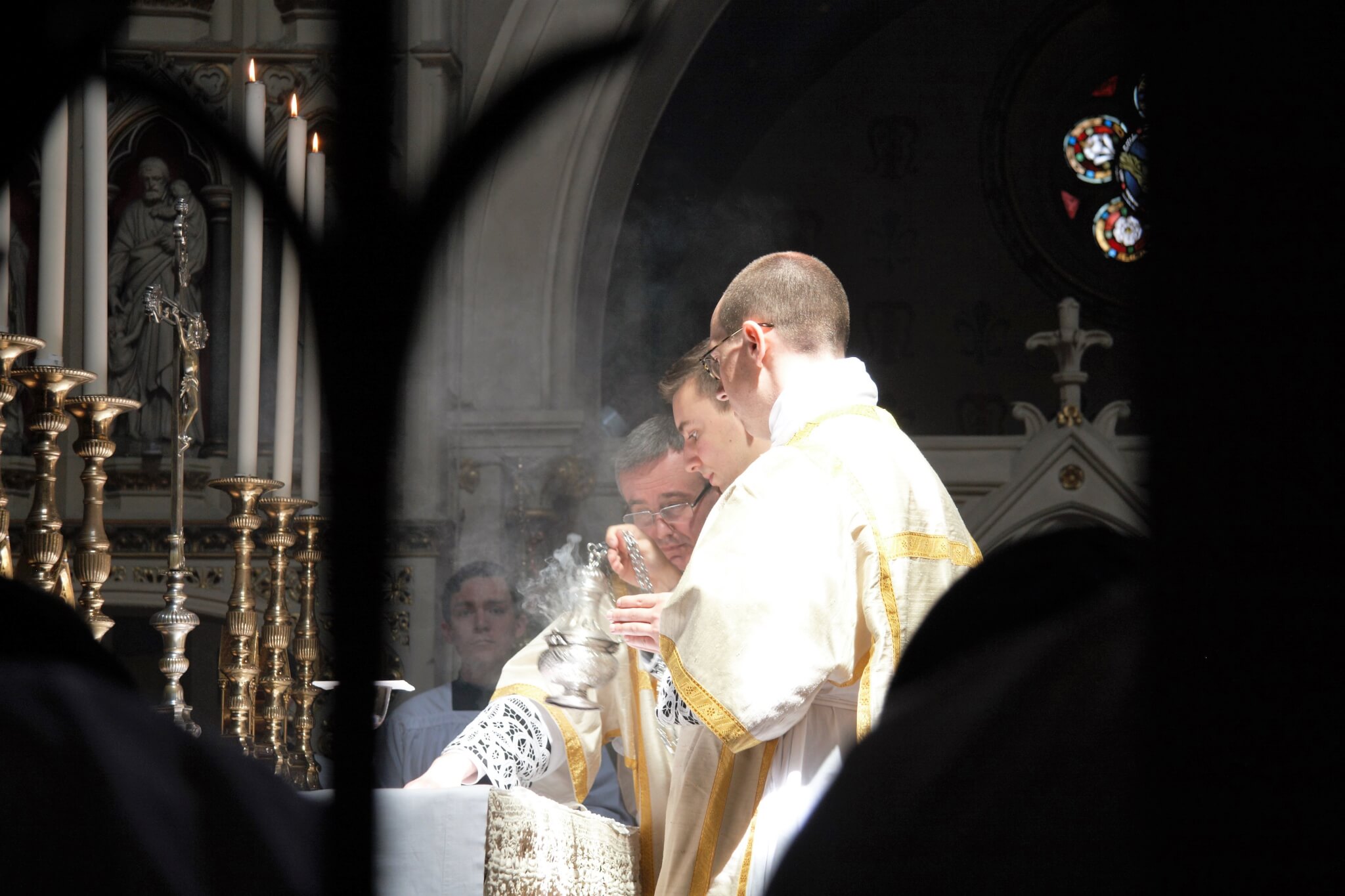
Incensing the altar:

IMG_3739 (2)IMG_3738 (3)

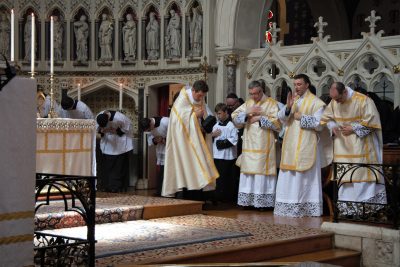
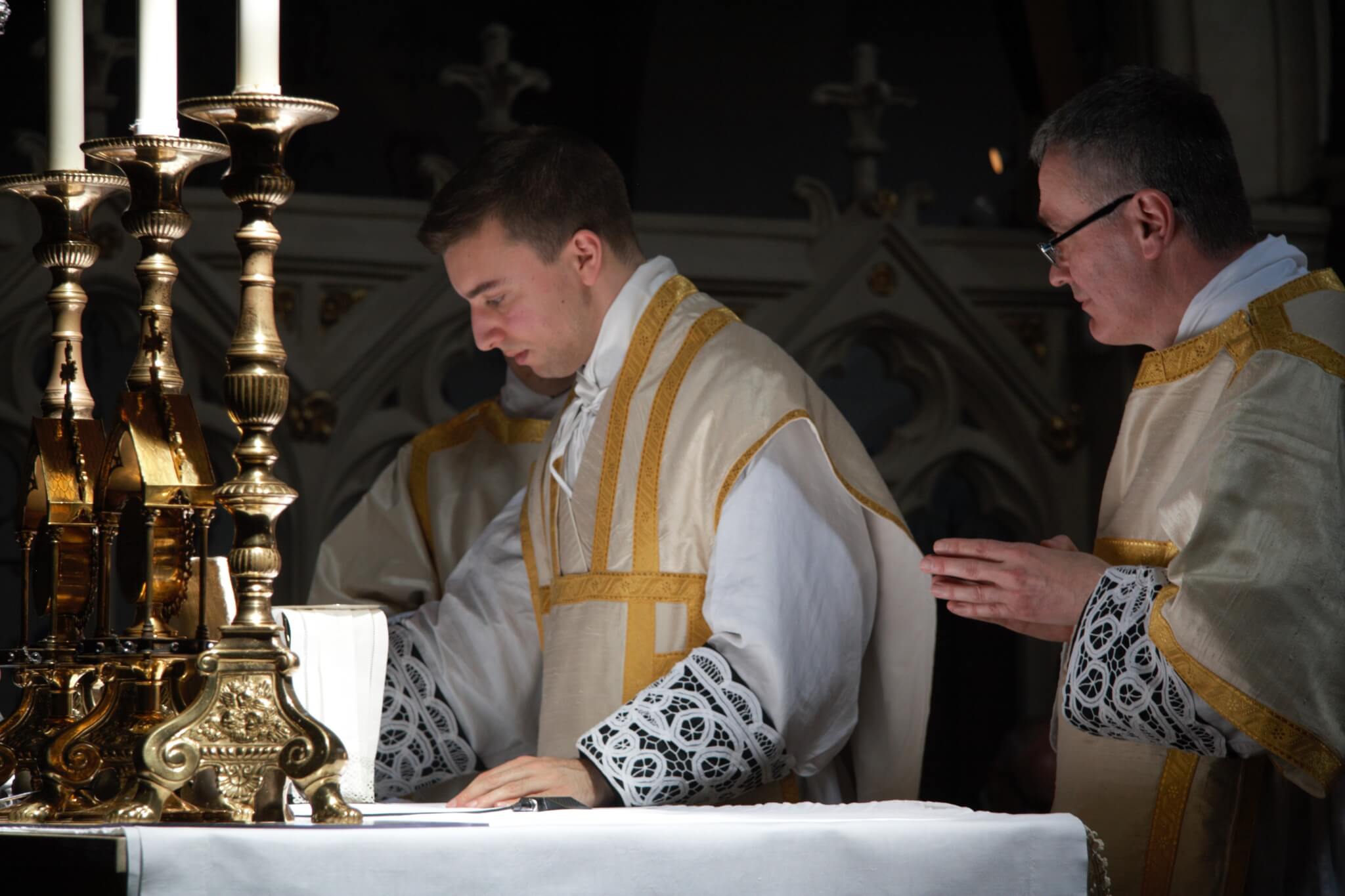
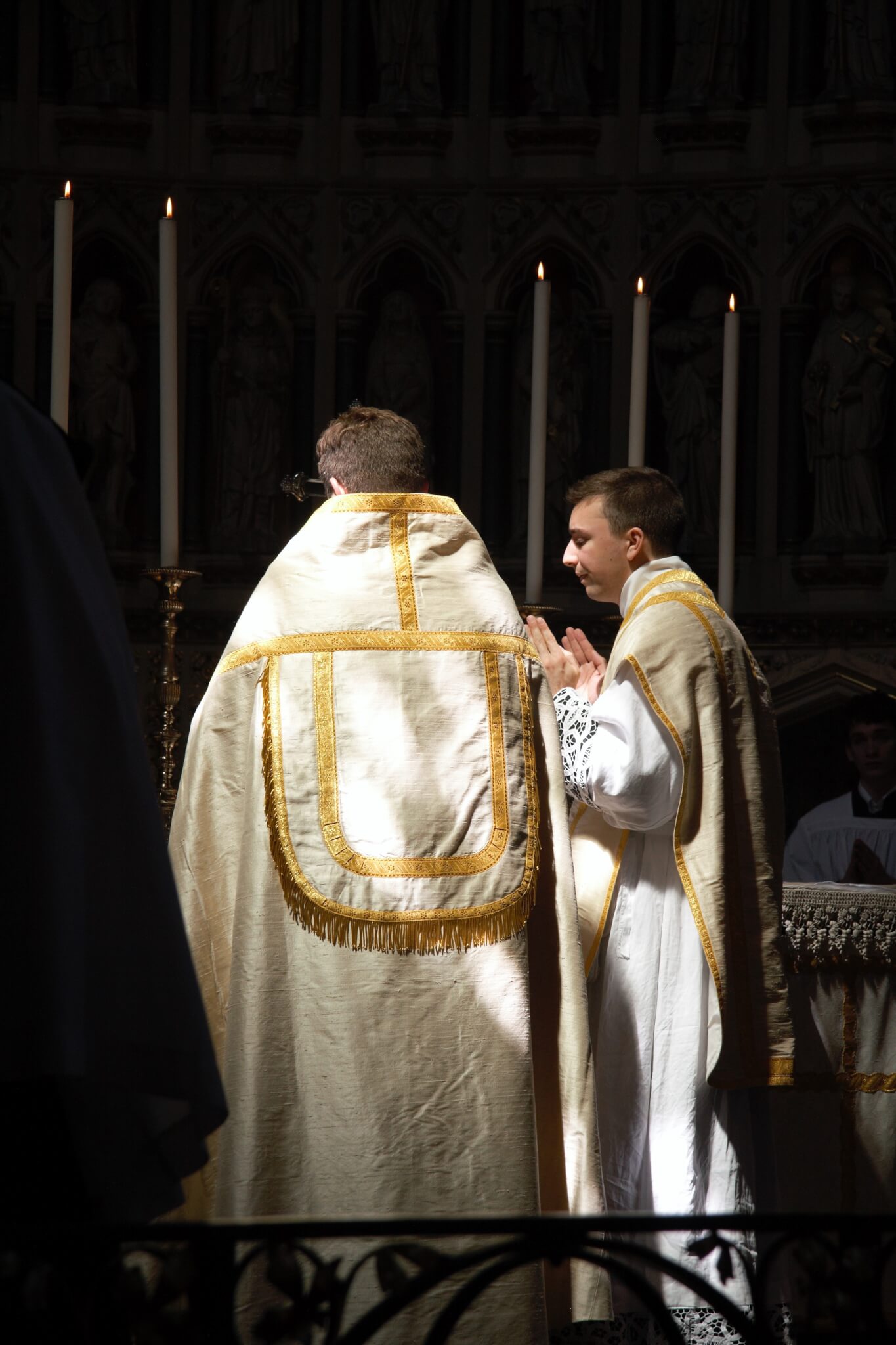
Standing at the Altar of God:

IMG_3782 (2)

IMG_3746 (2)

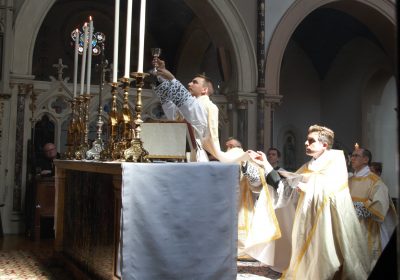
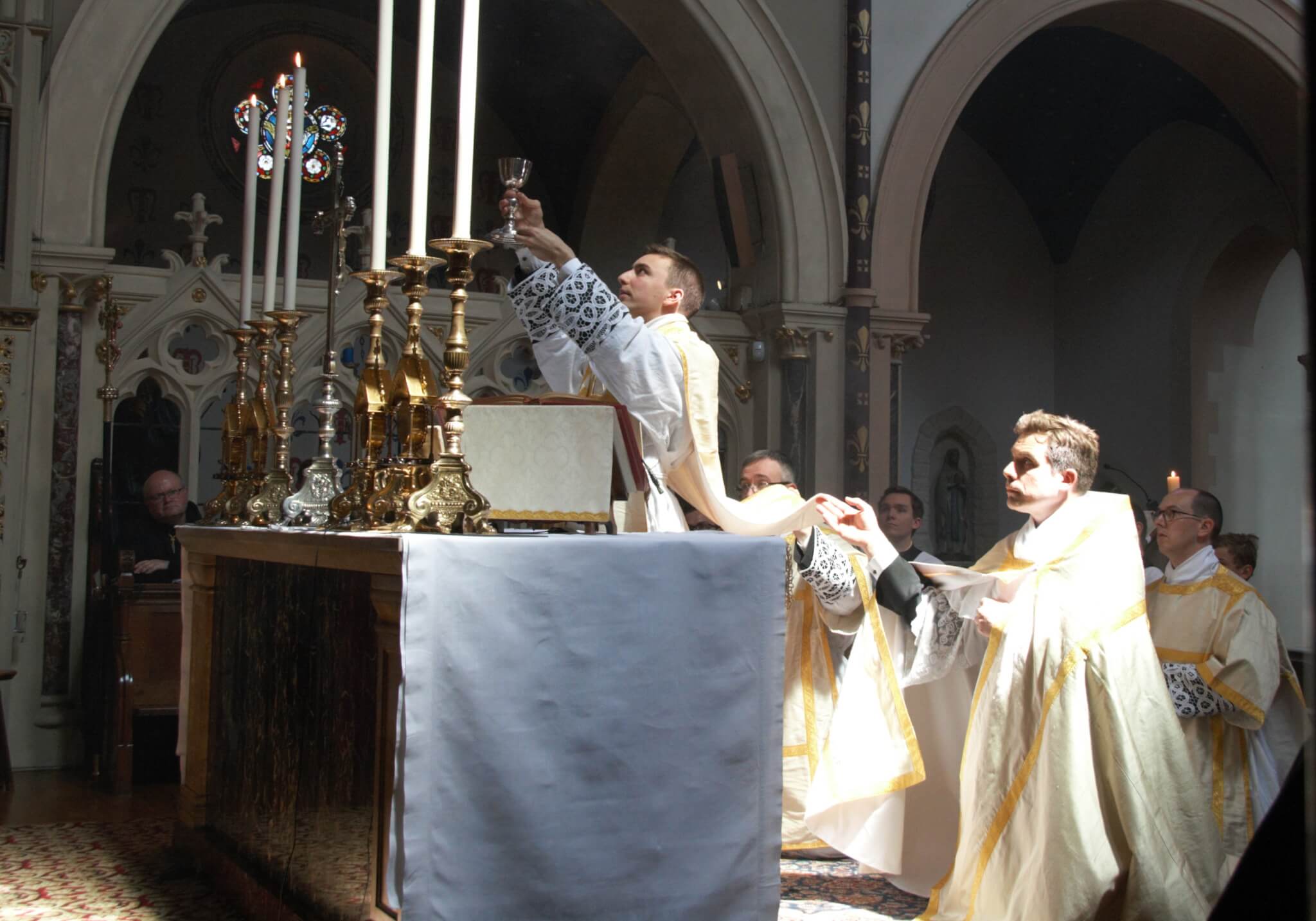
The elevation of the chalice:

IMG_3759 (2)

Ecce Agnus Dei:

IMG_3767 (3)

The final blessing:

IMG_3788 (2)

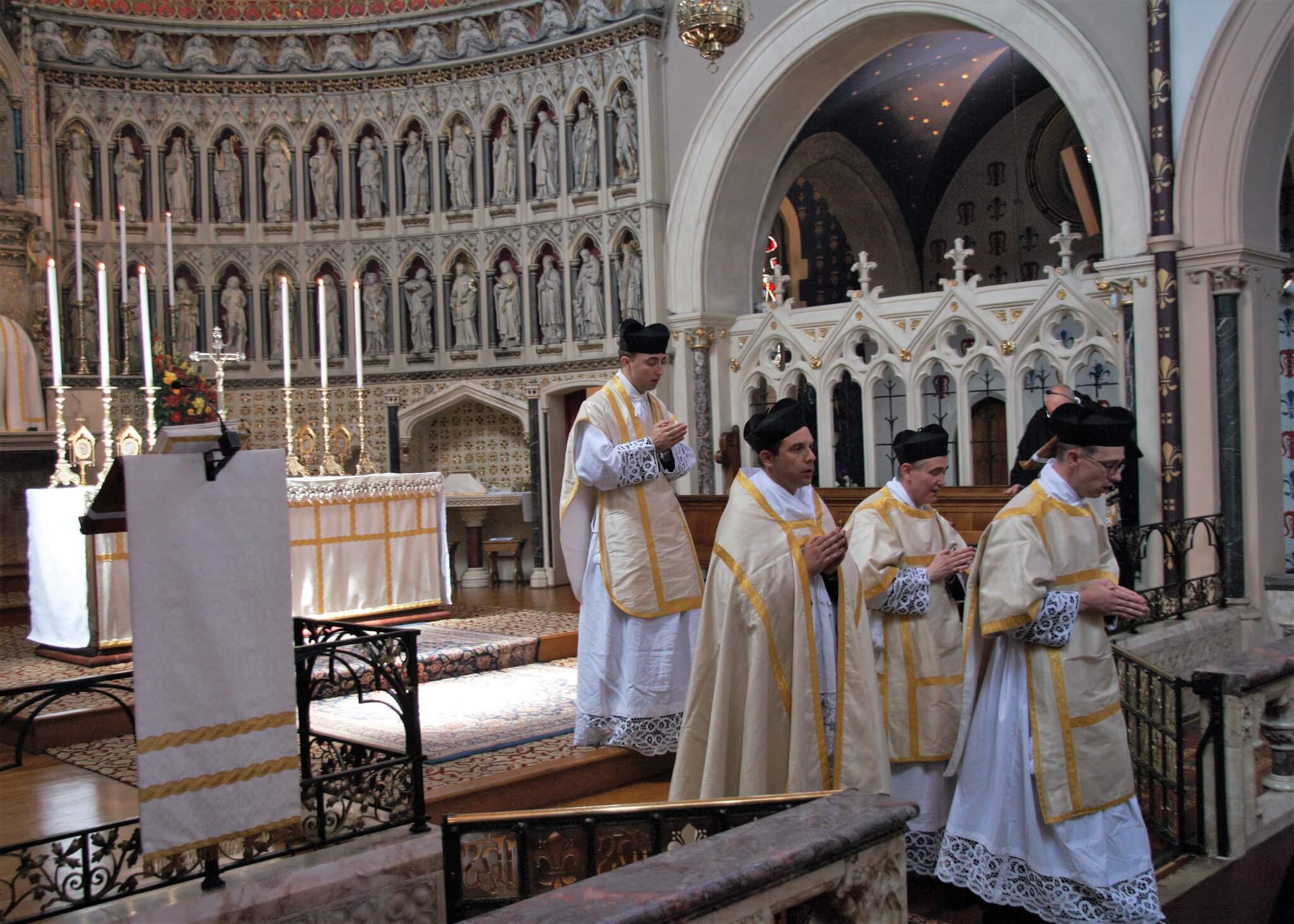
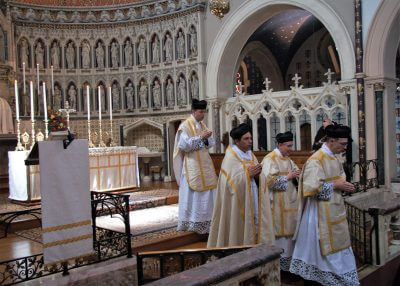
Leaving the sanctuary at the end of Mass:
IMG_3796 (2)

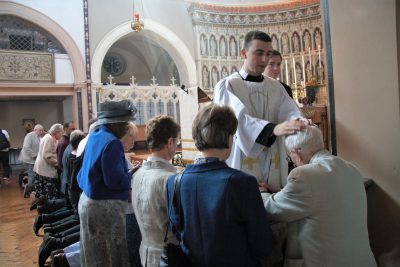
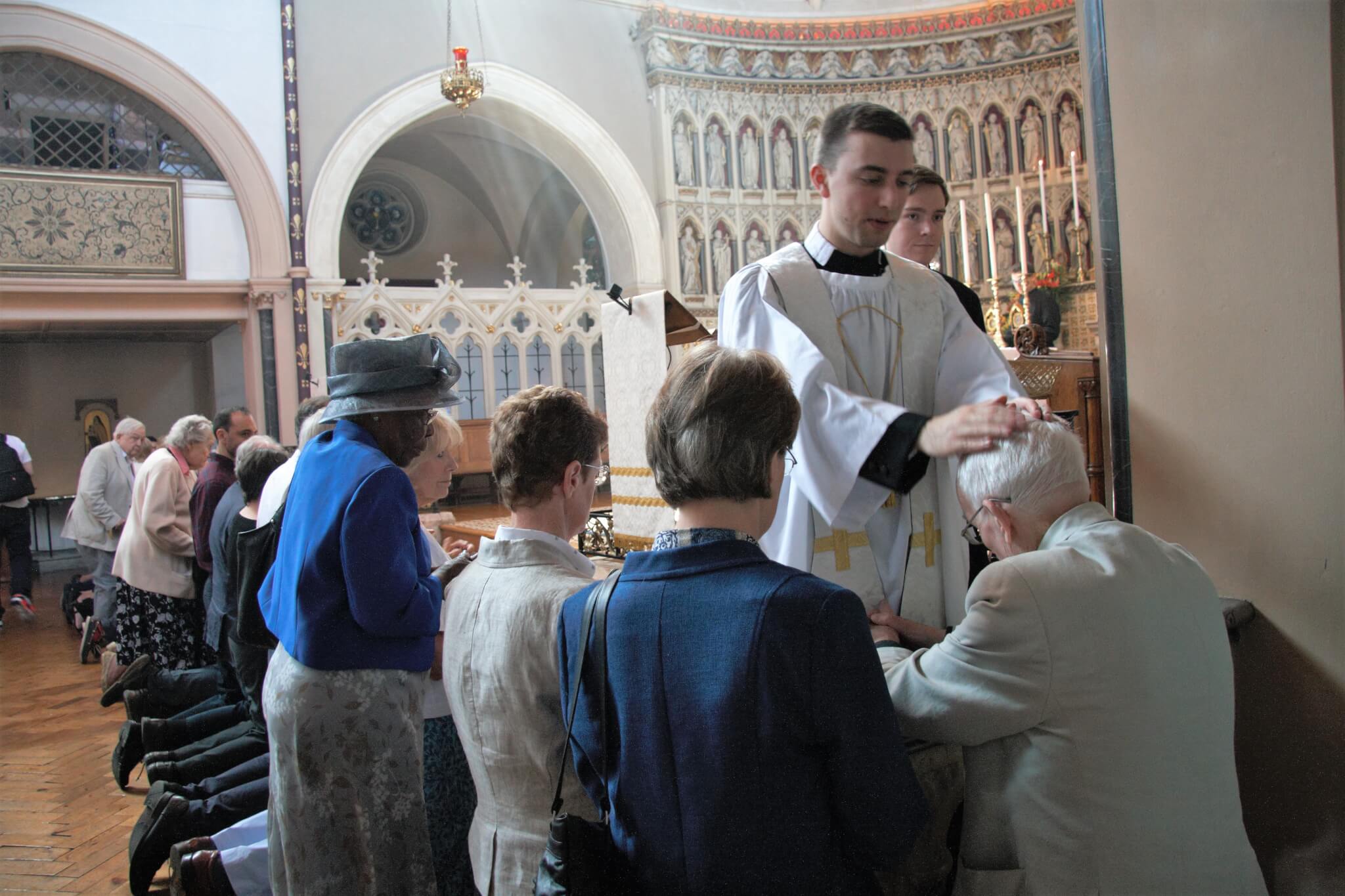
Giving first blessings after Mass:
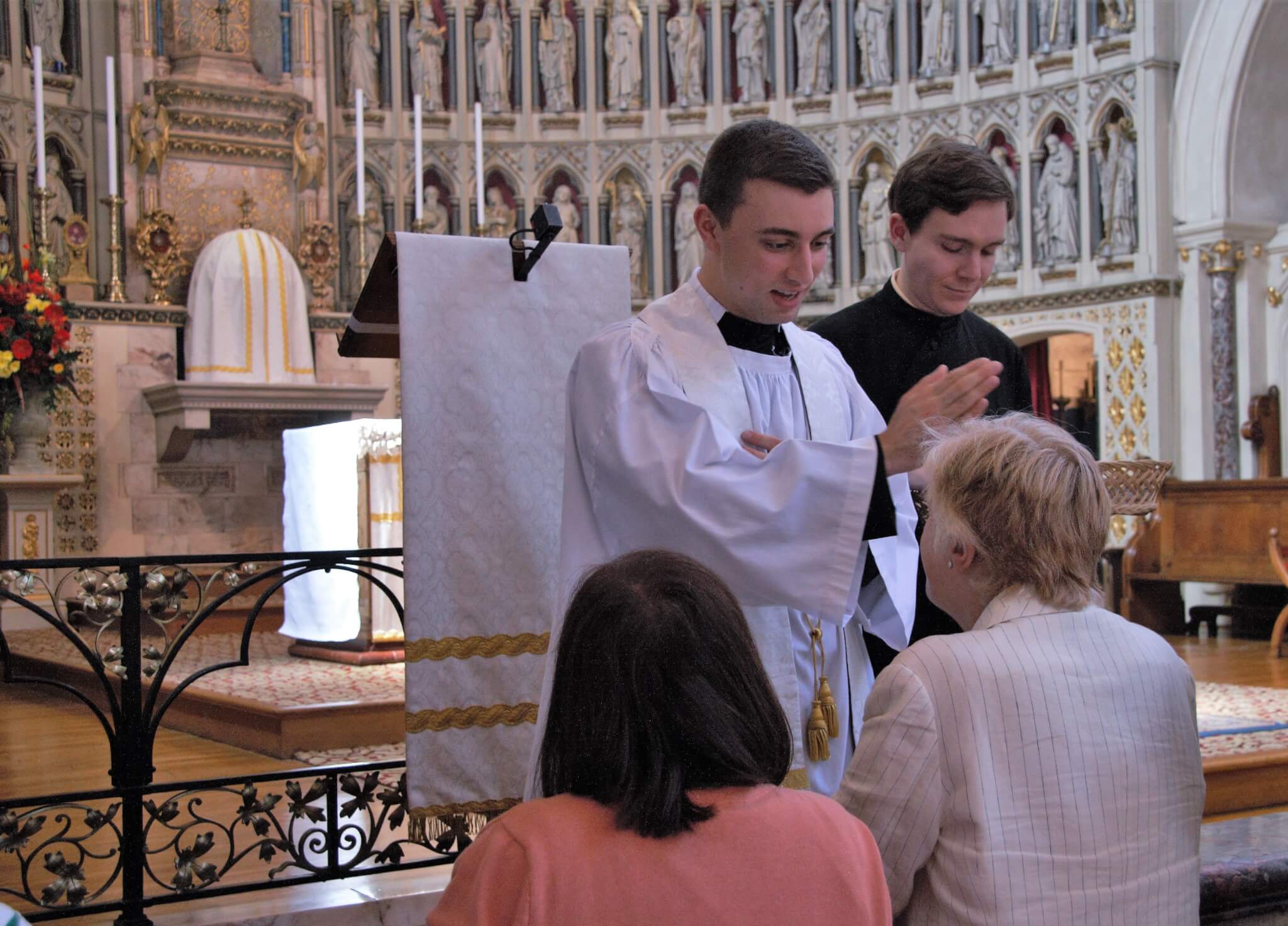
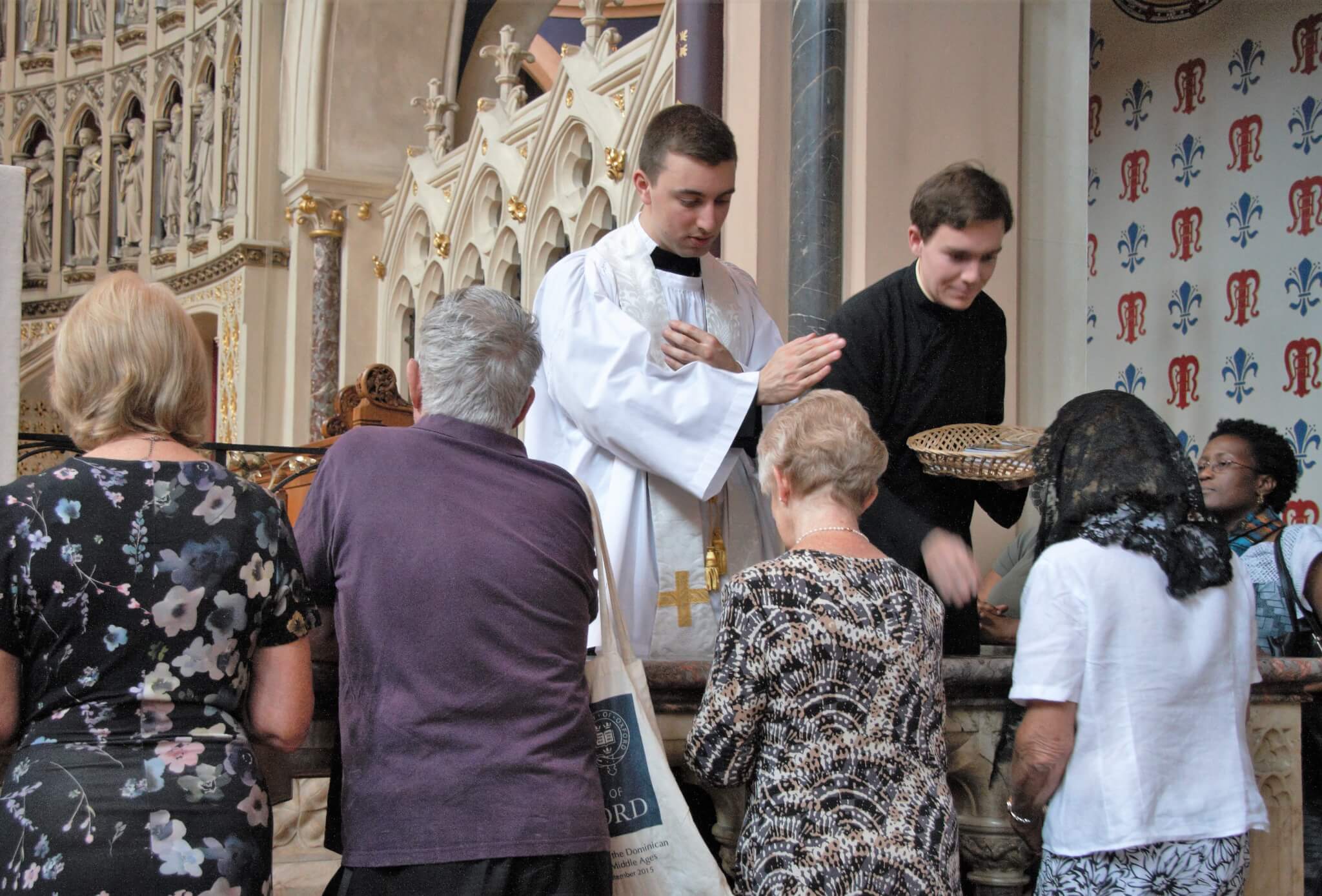
IMG_3807 (2)

IMG_3812 (2)

IMG_3818 (2)


Ordination to the Priesthood

IMG_3704 (2)

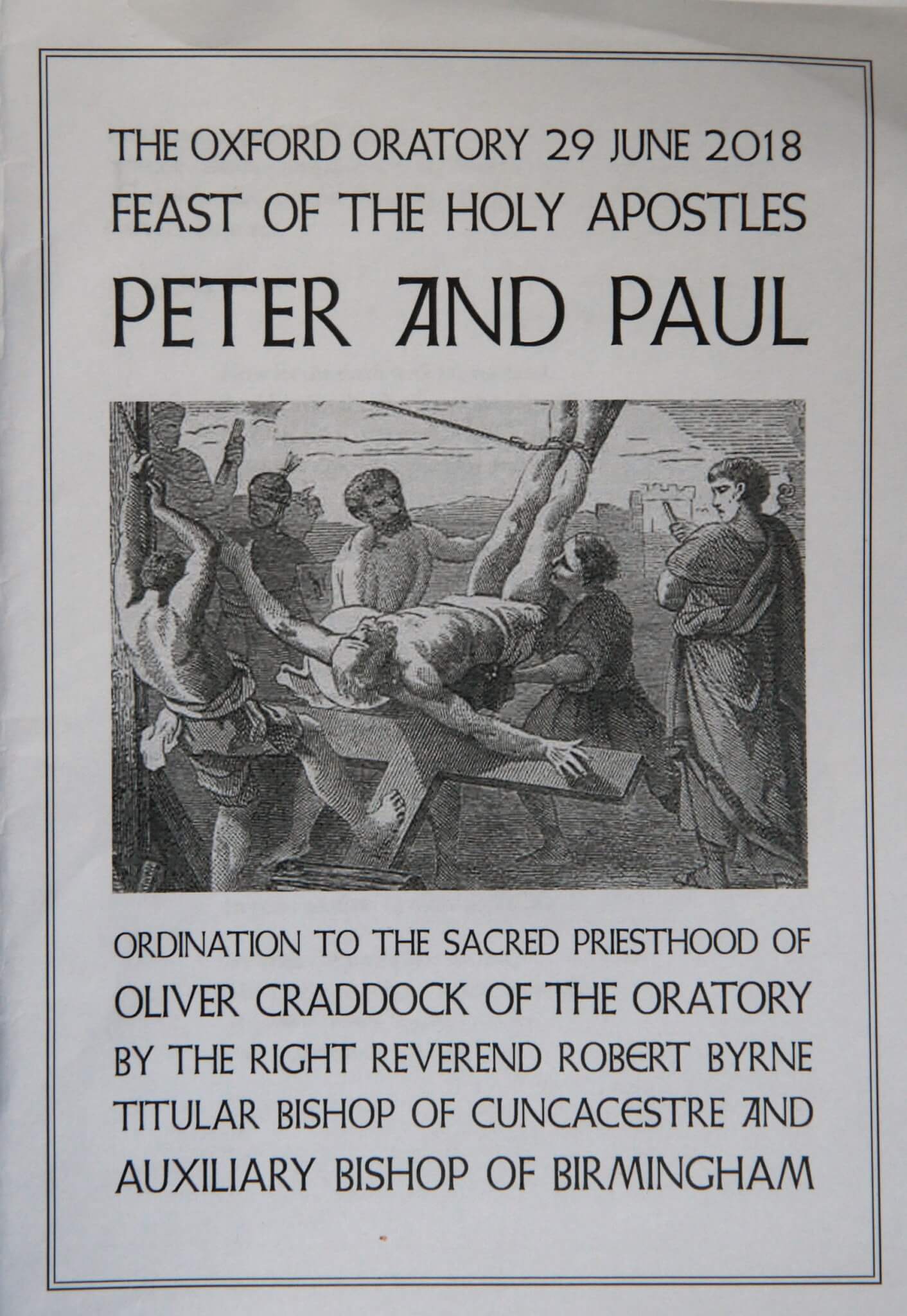
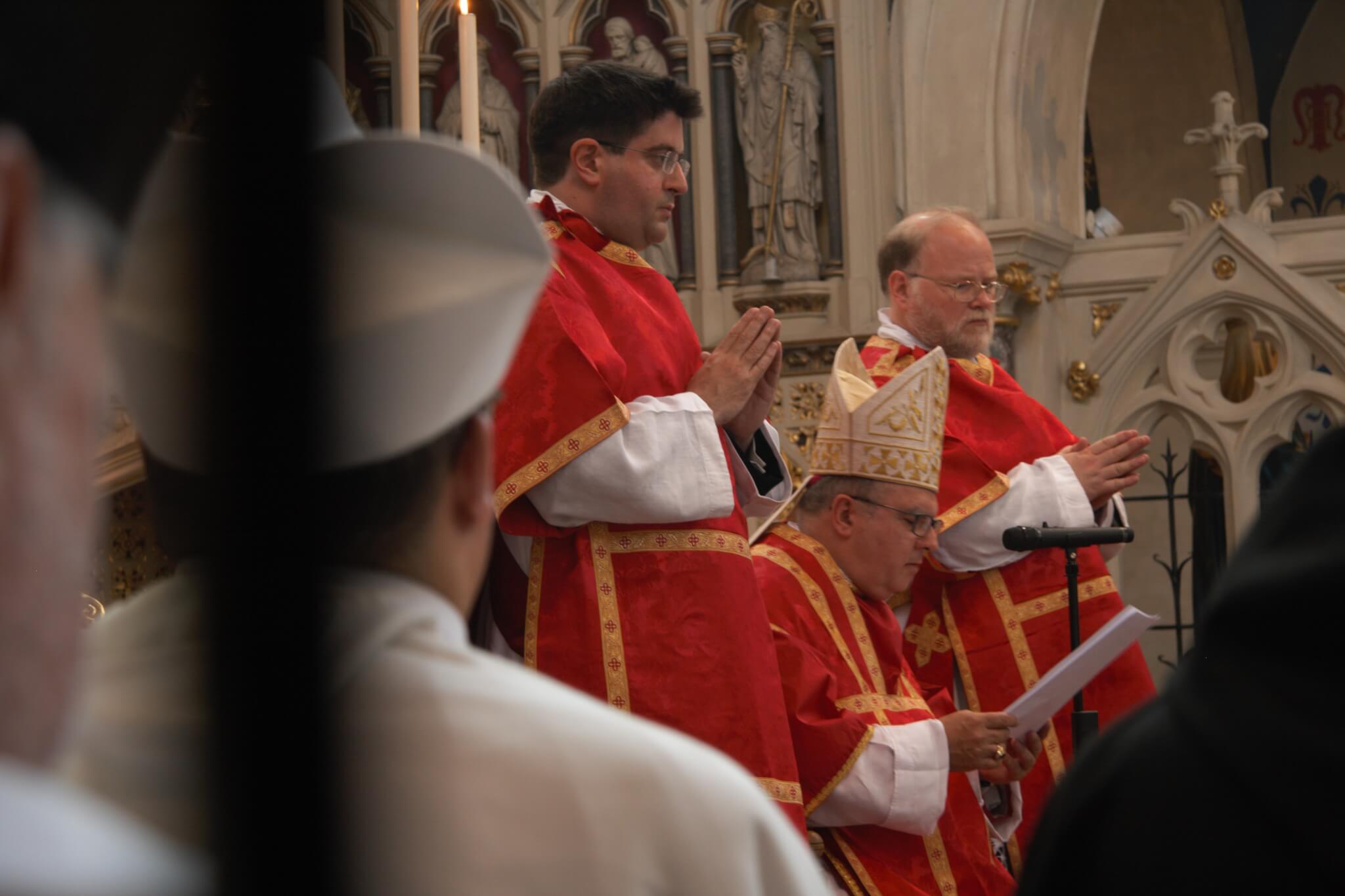
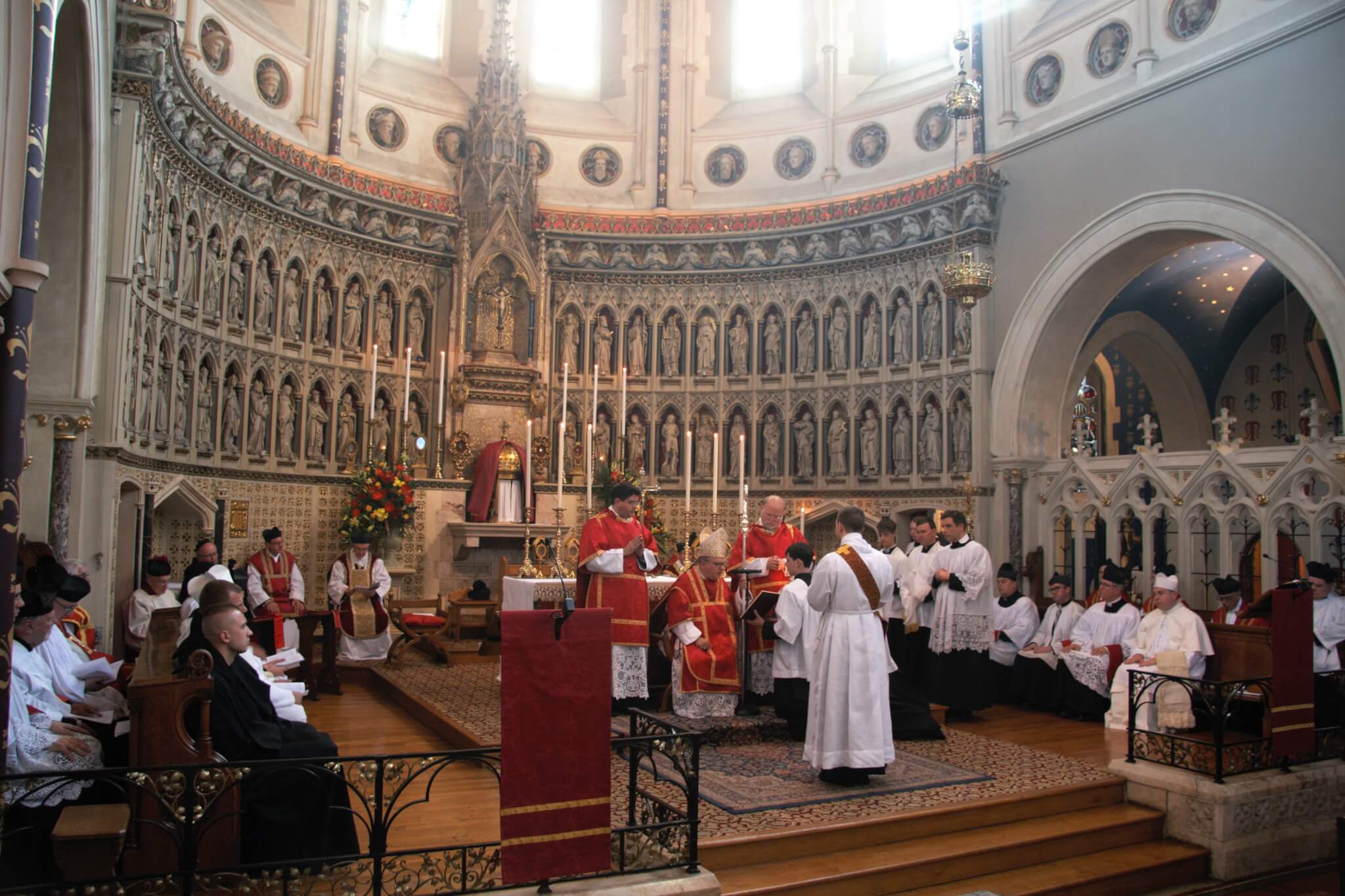
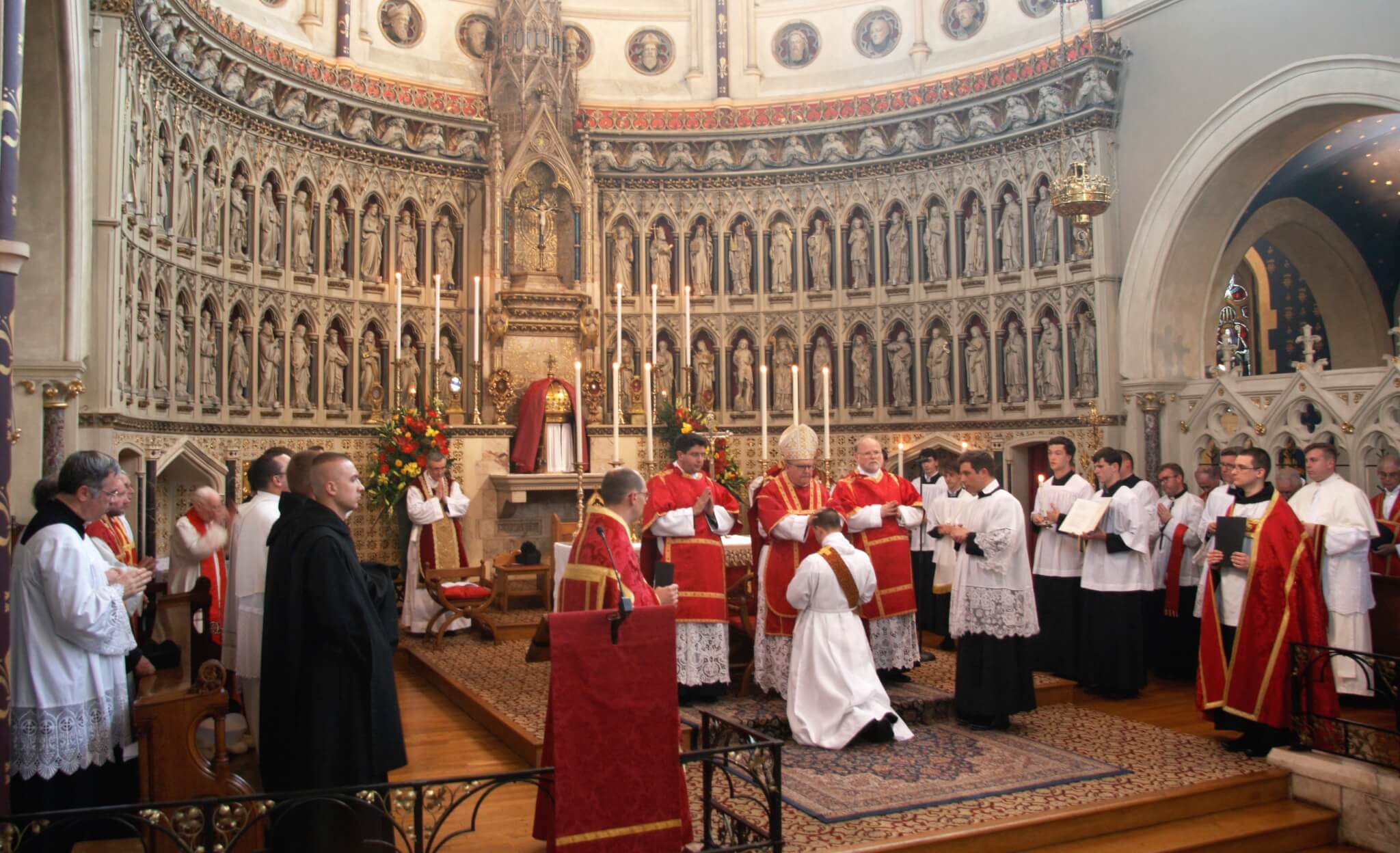
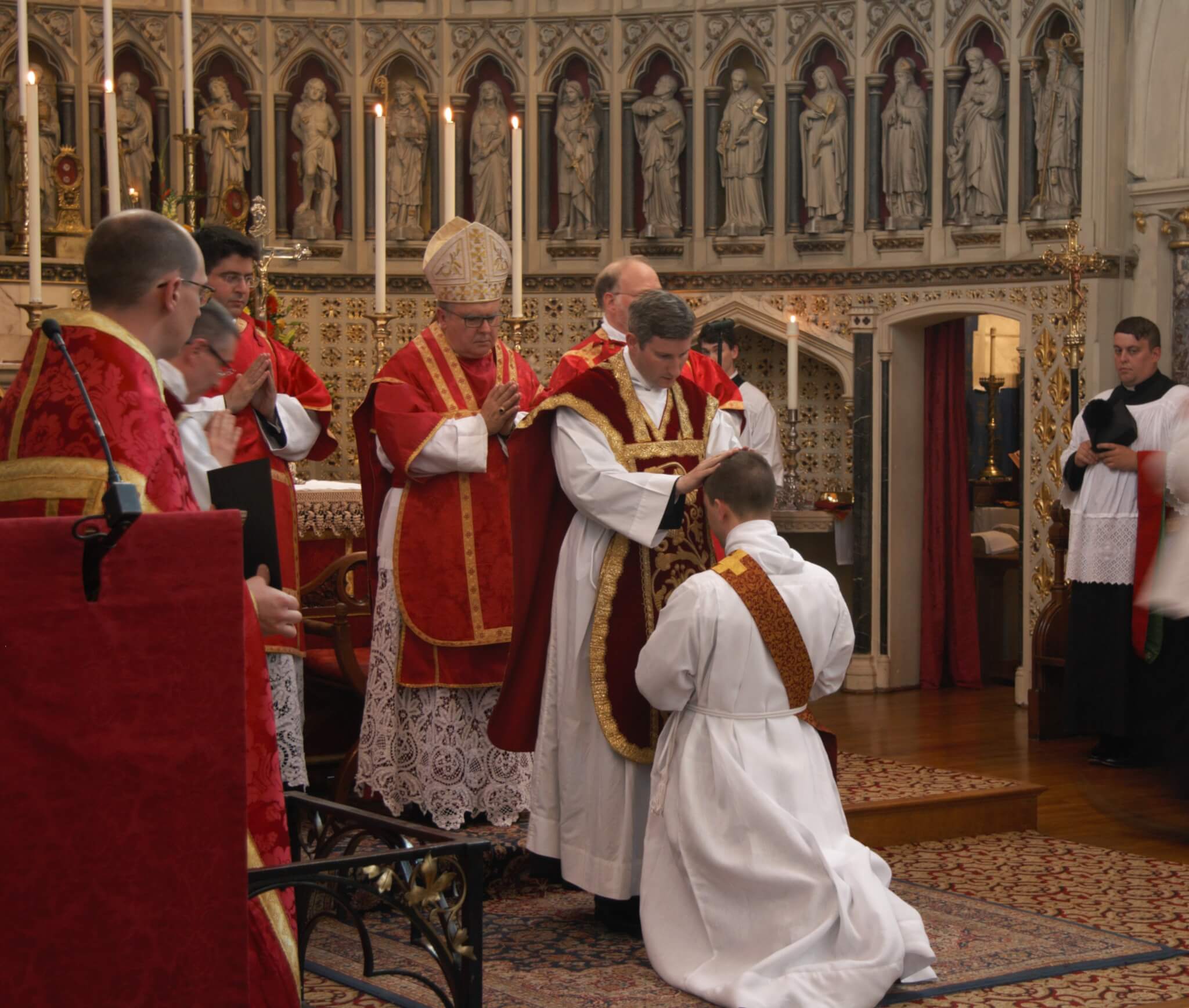
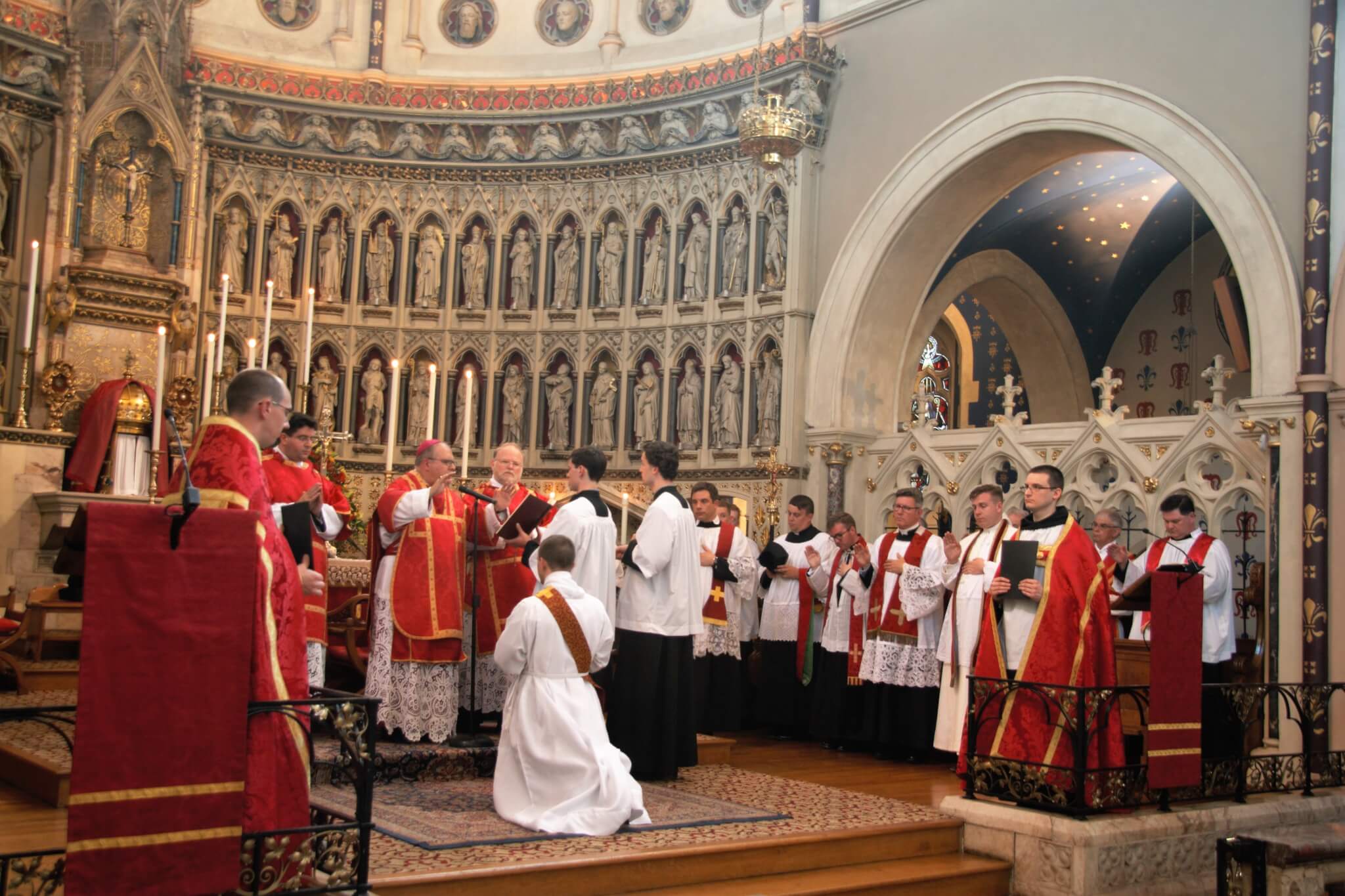
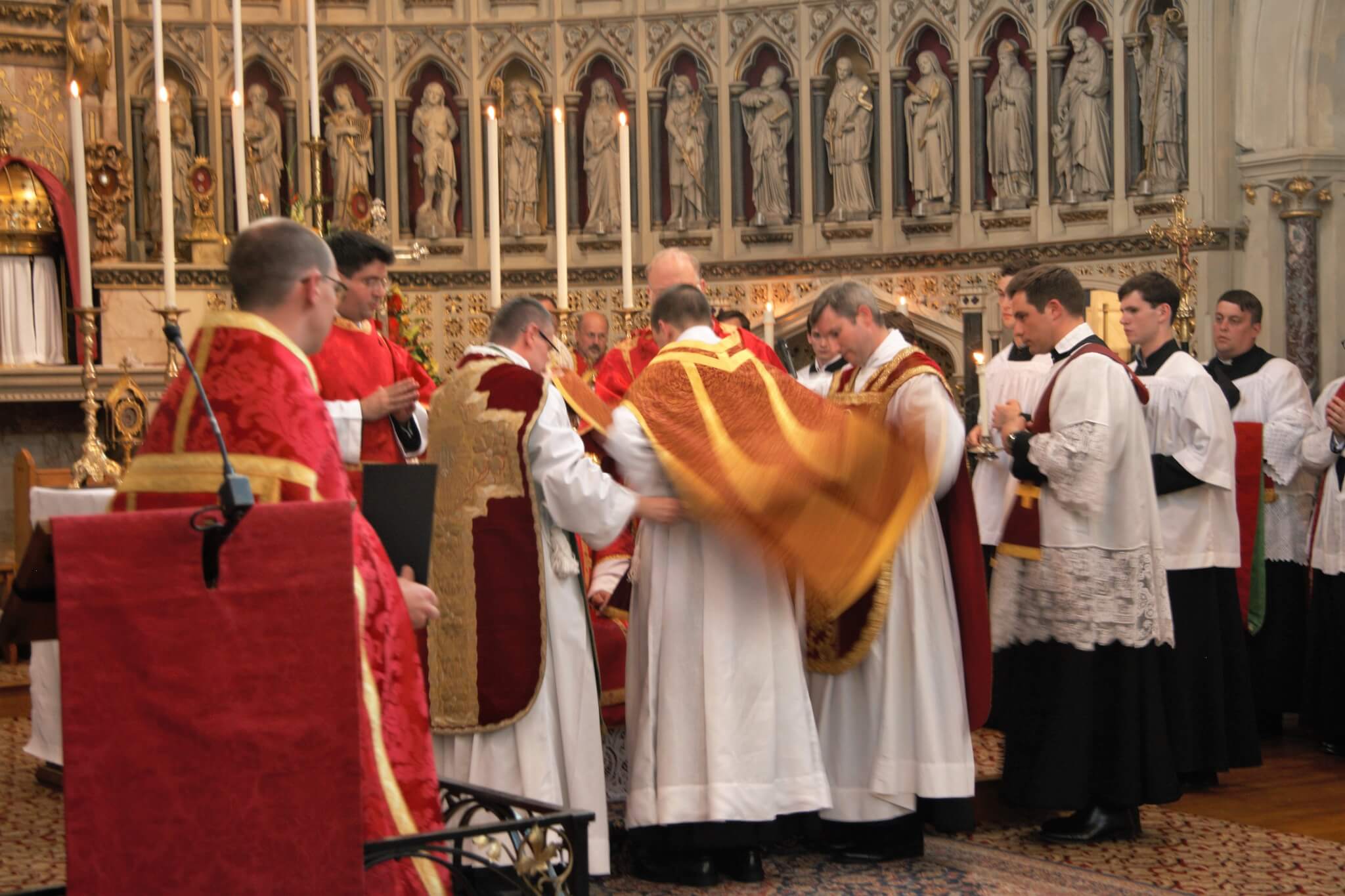
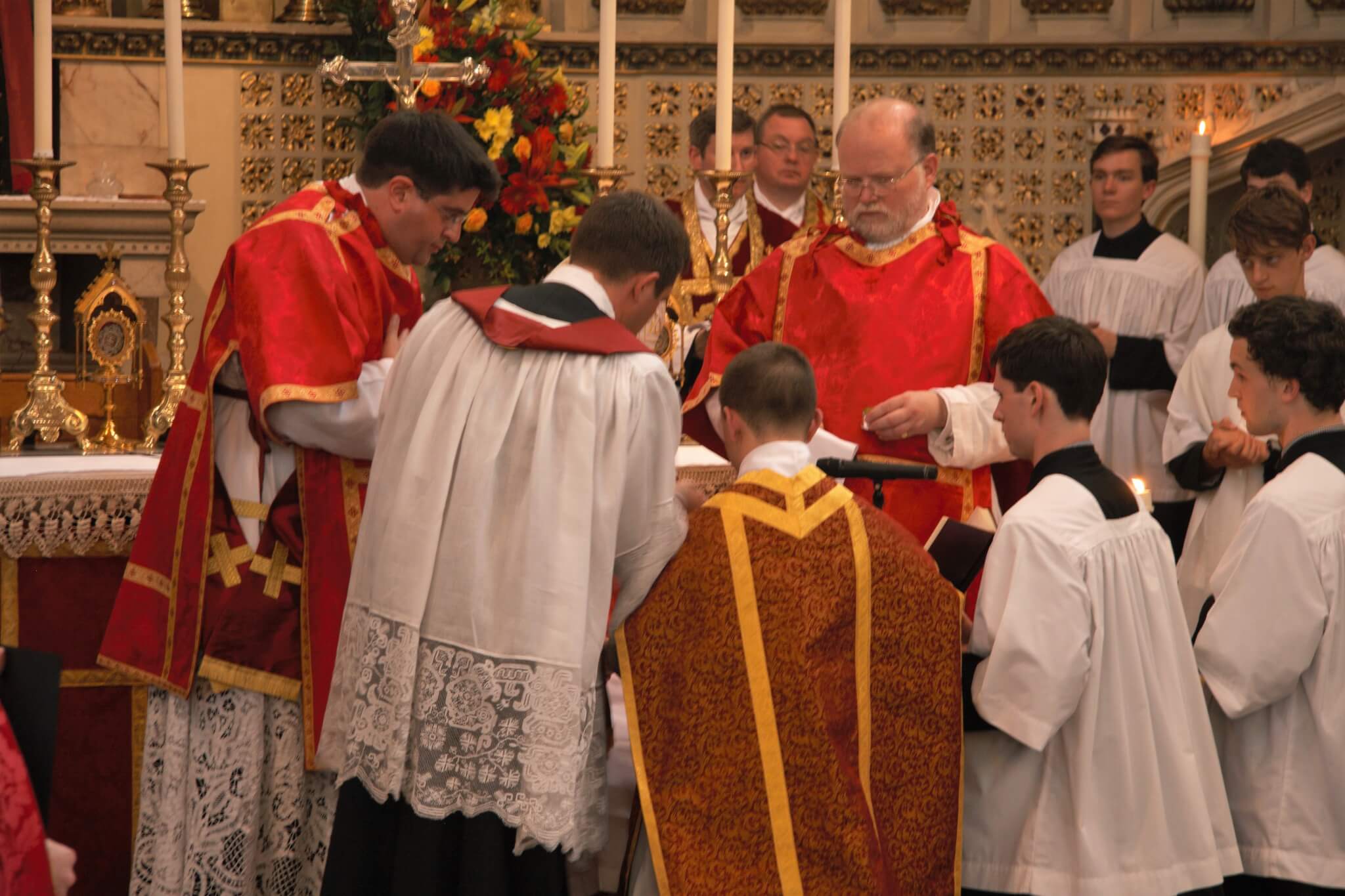
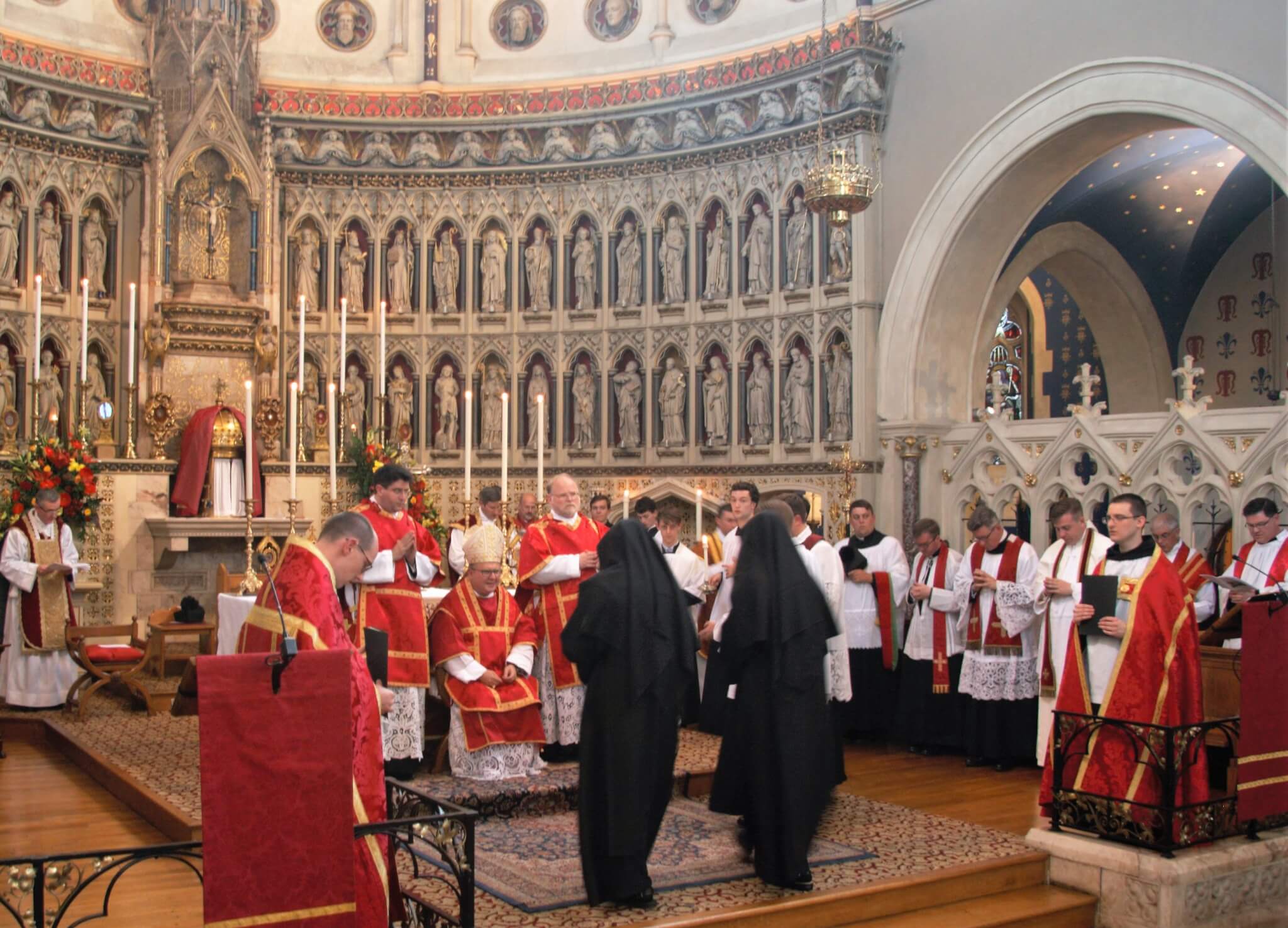
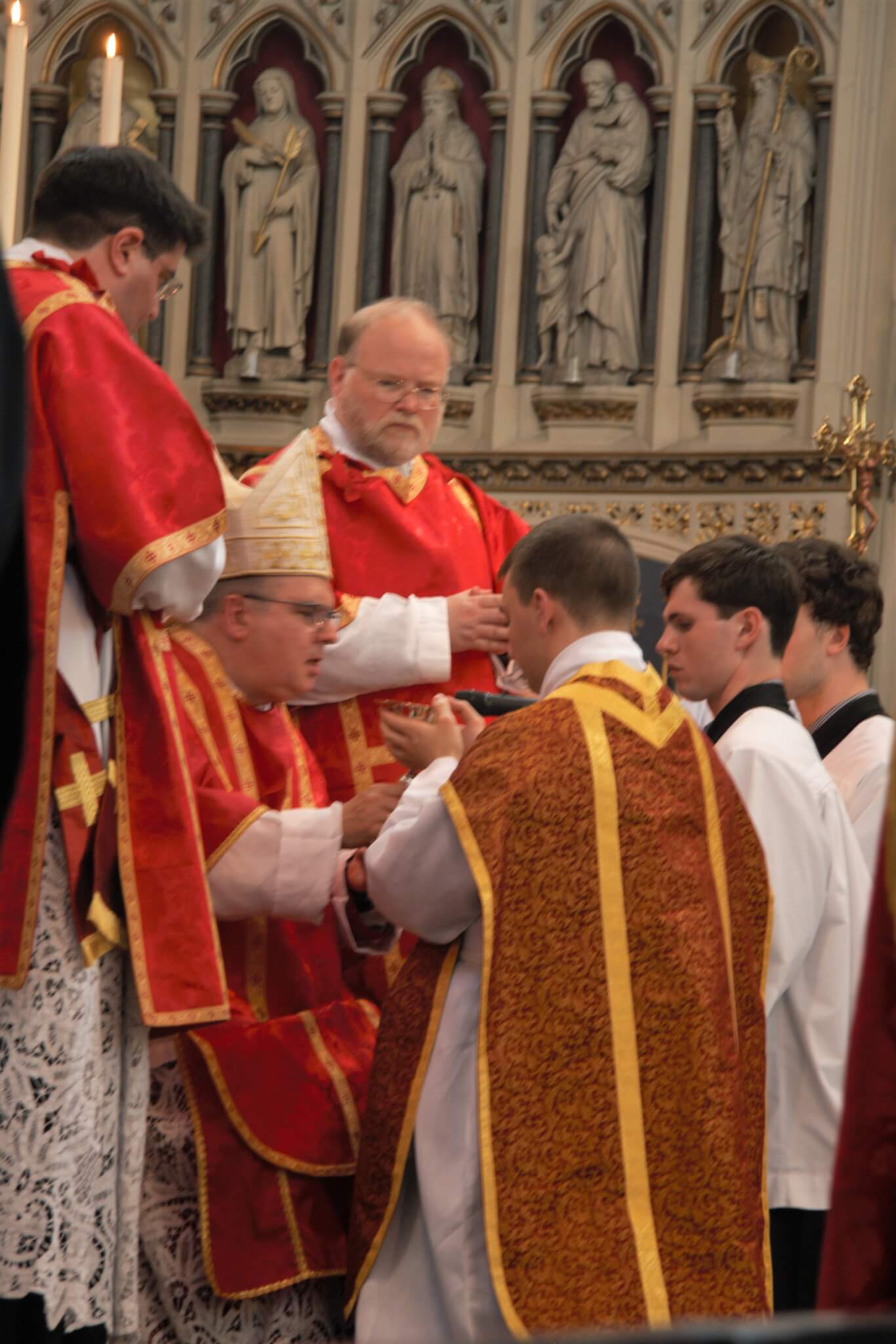
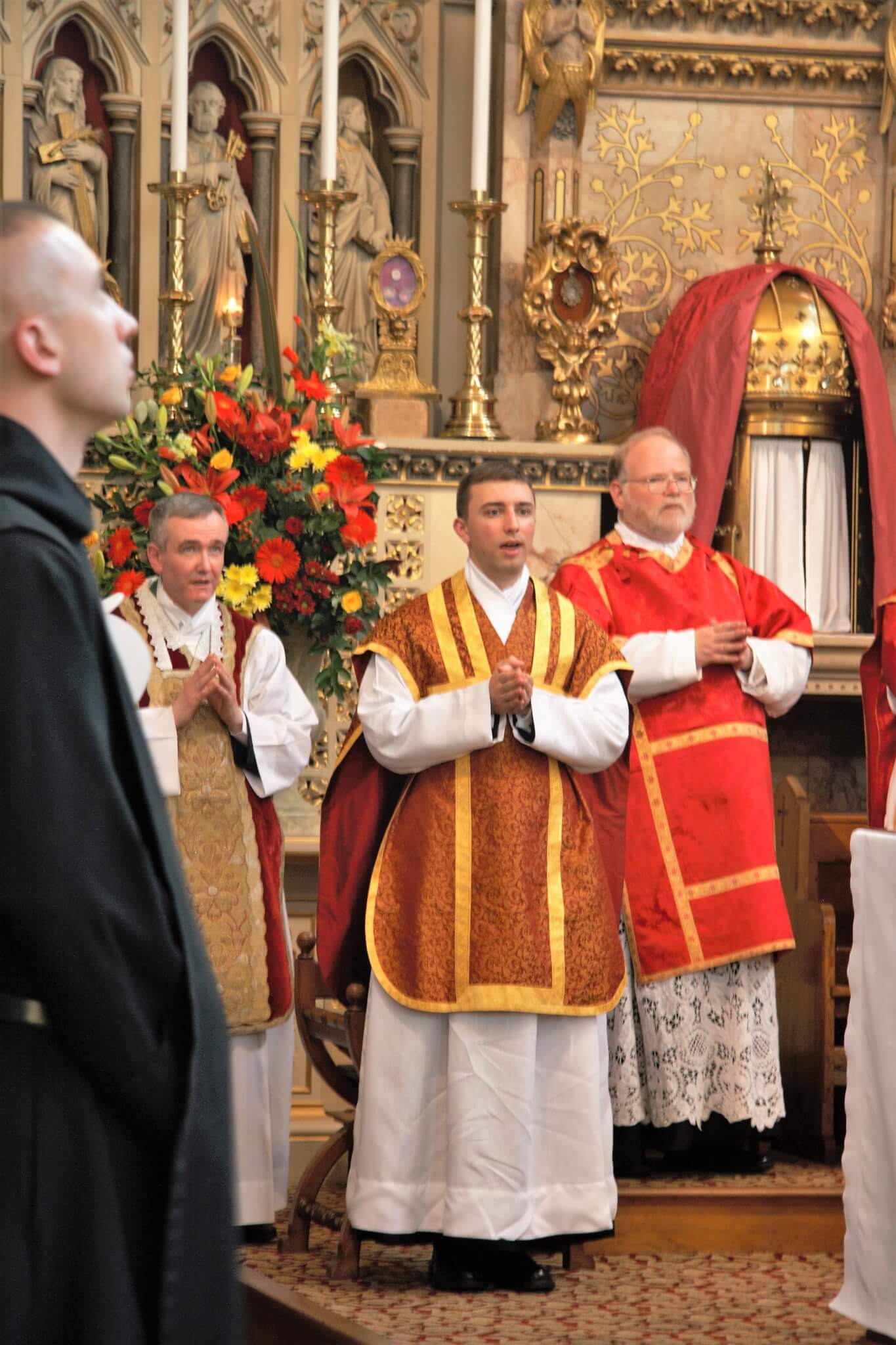
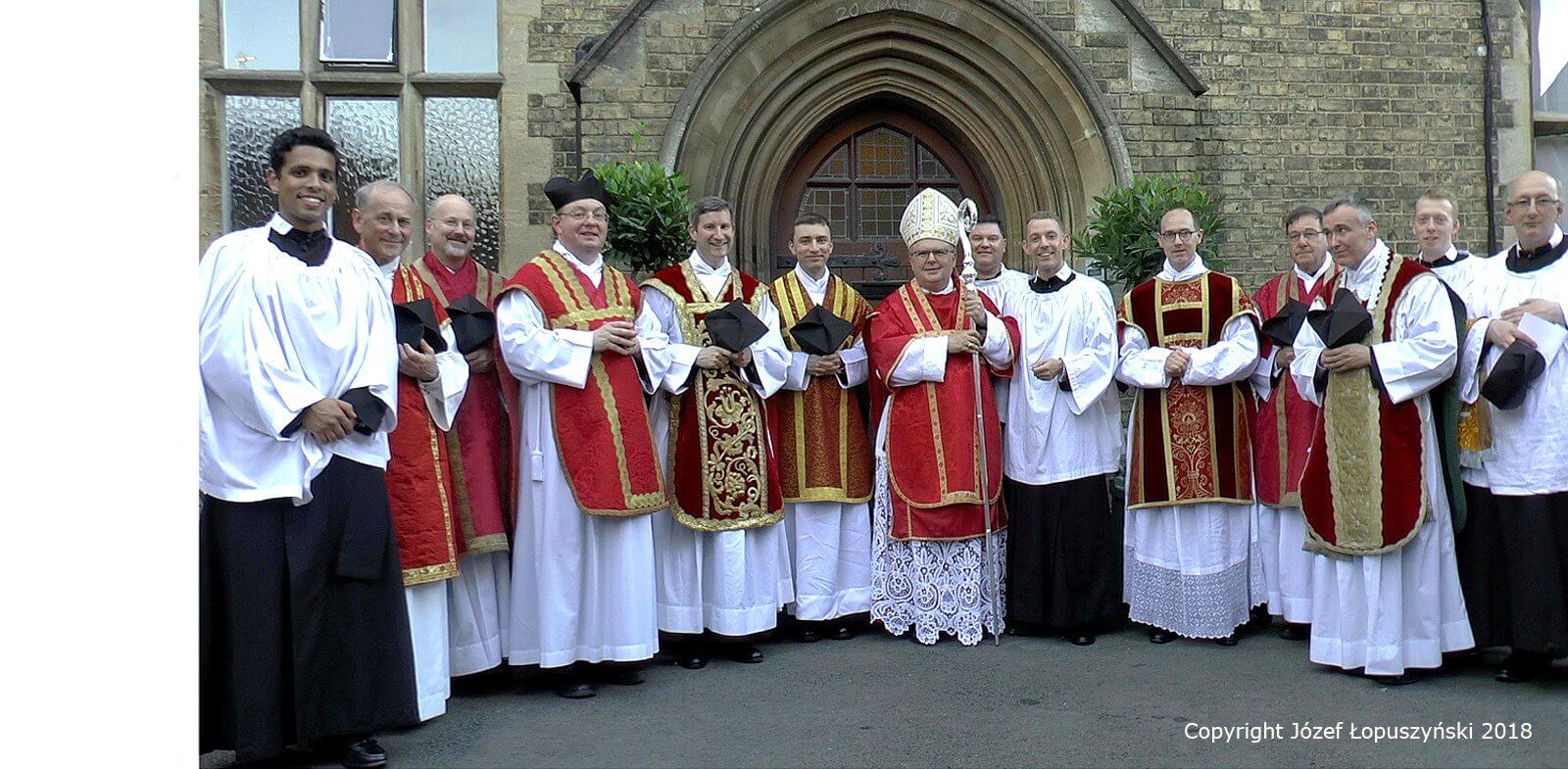
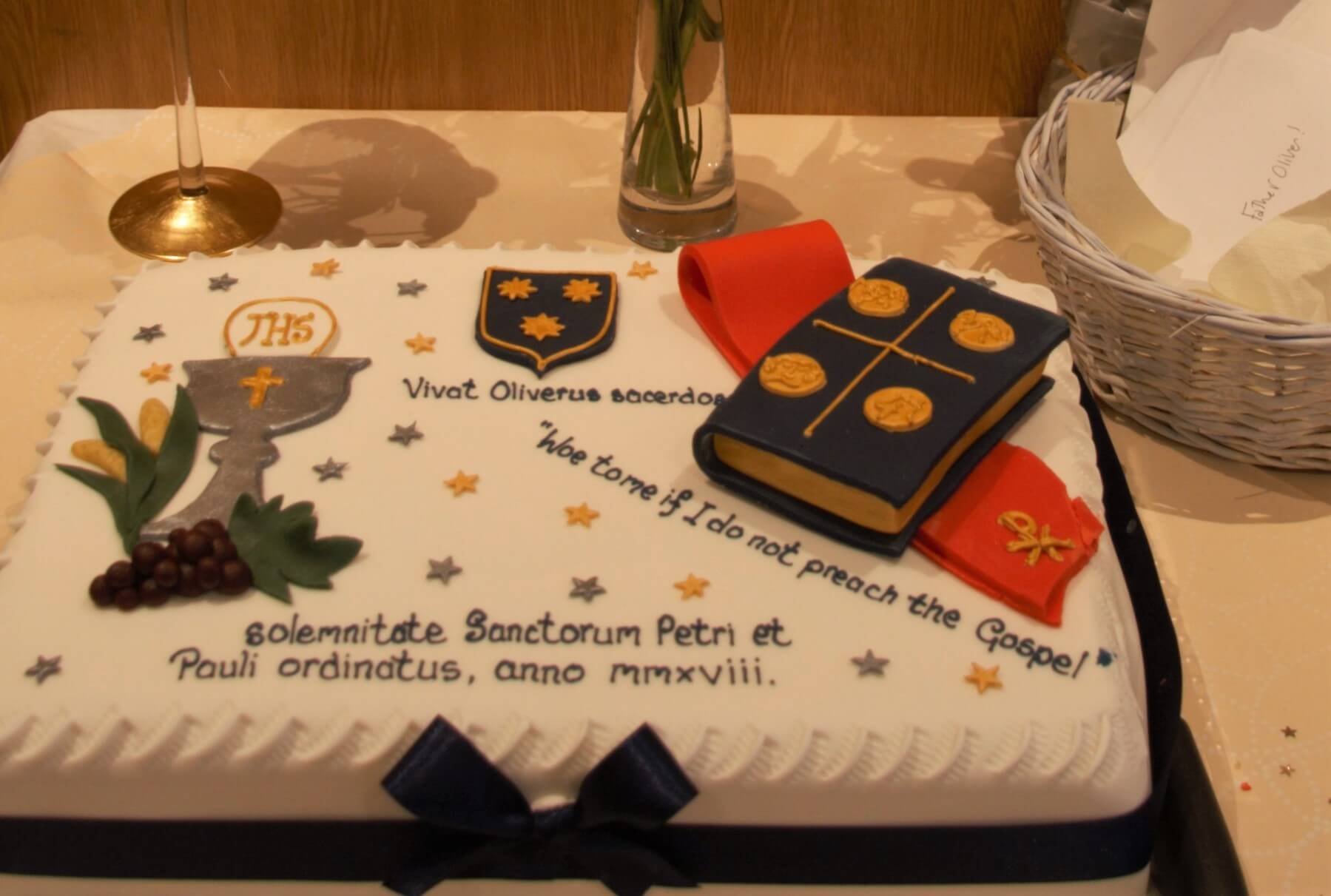
On Friday 29th June 2018, the Solemnity of SS Peter & Paul, Br Oliver Craddock was ordained priest in our church by Bishop Robert Byrne, Cong. Orat.

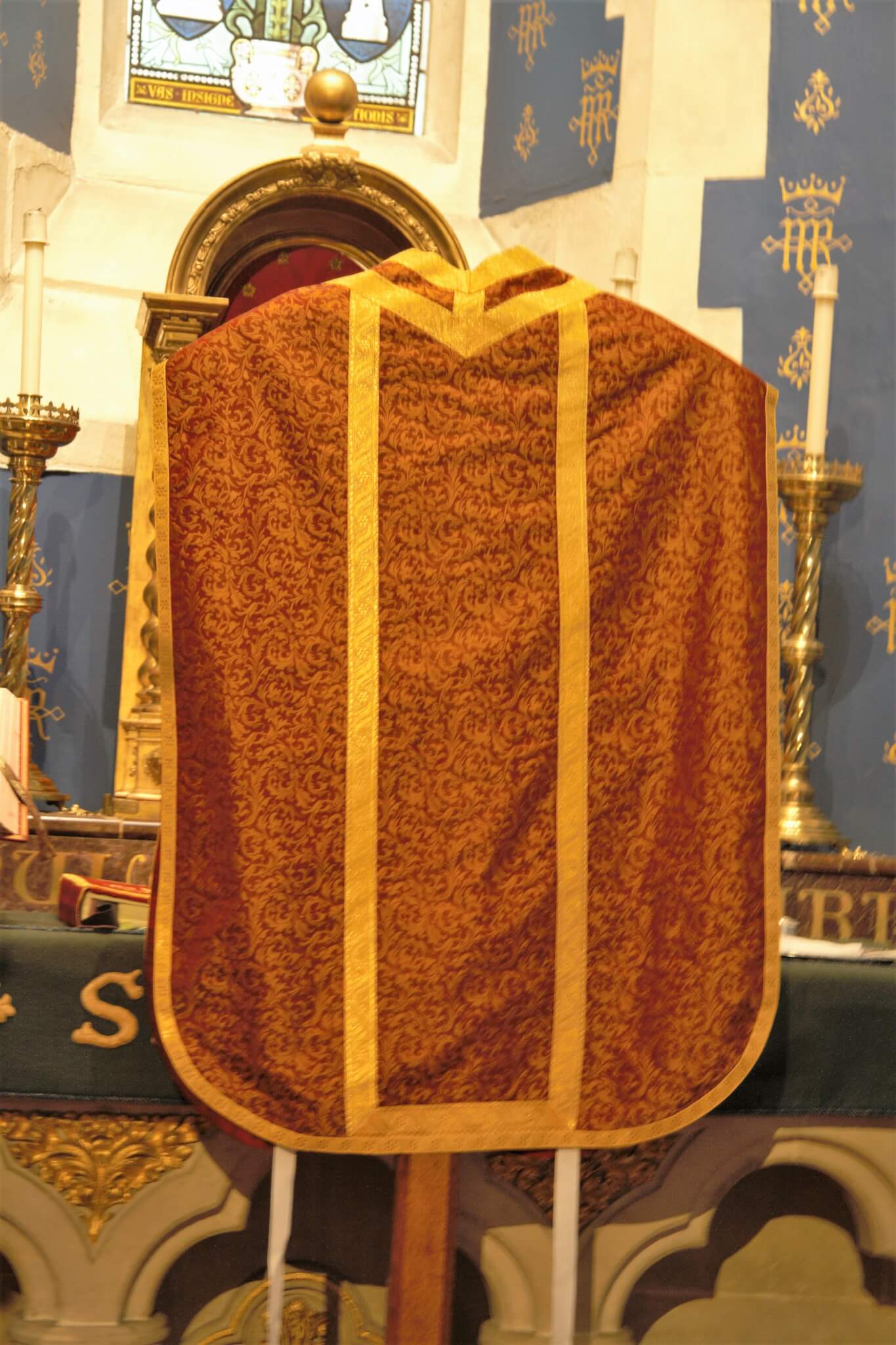
The ordination chasuble stands ready in the Lady Chapel:

IMG_3483 (2)

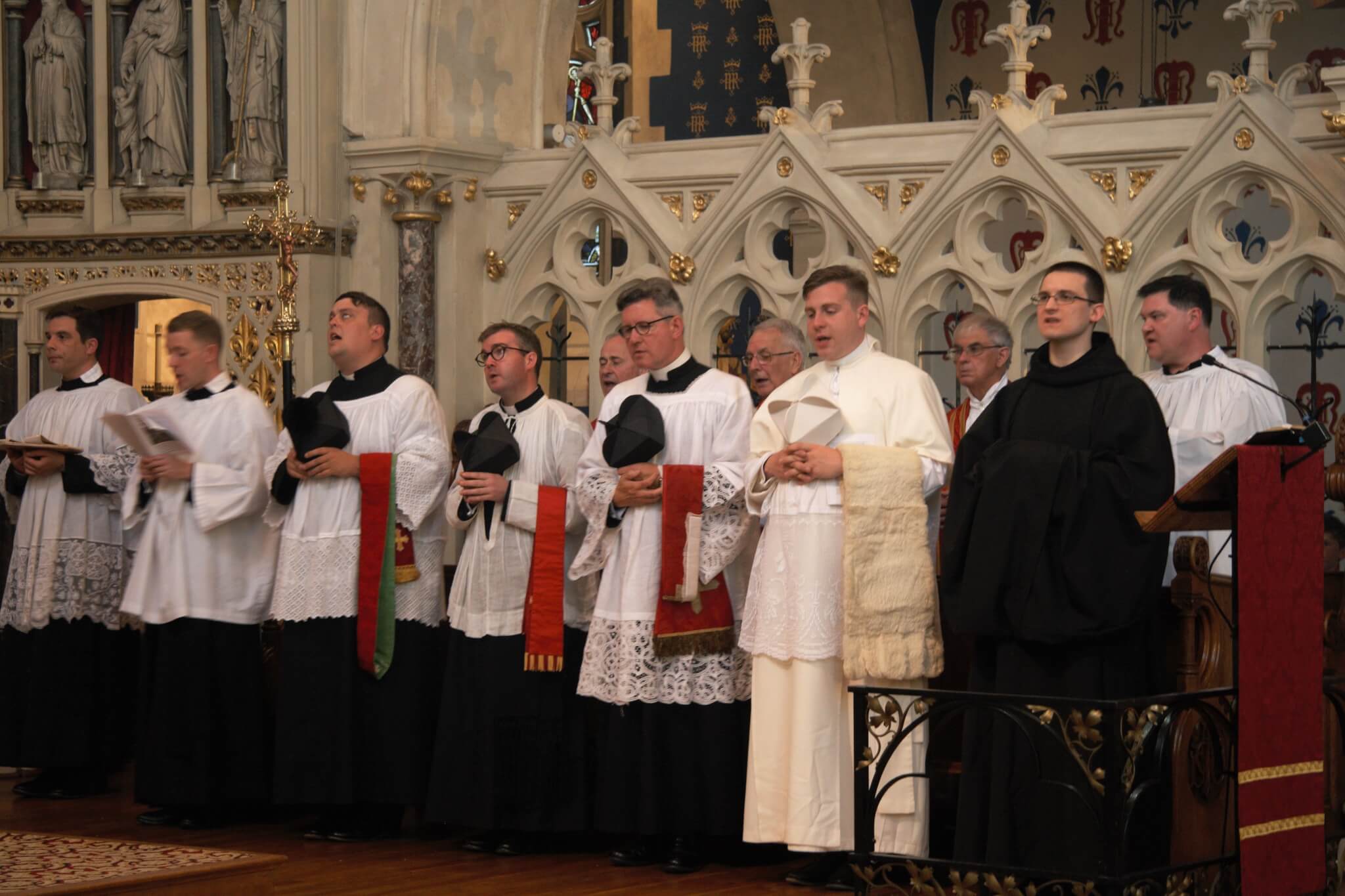
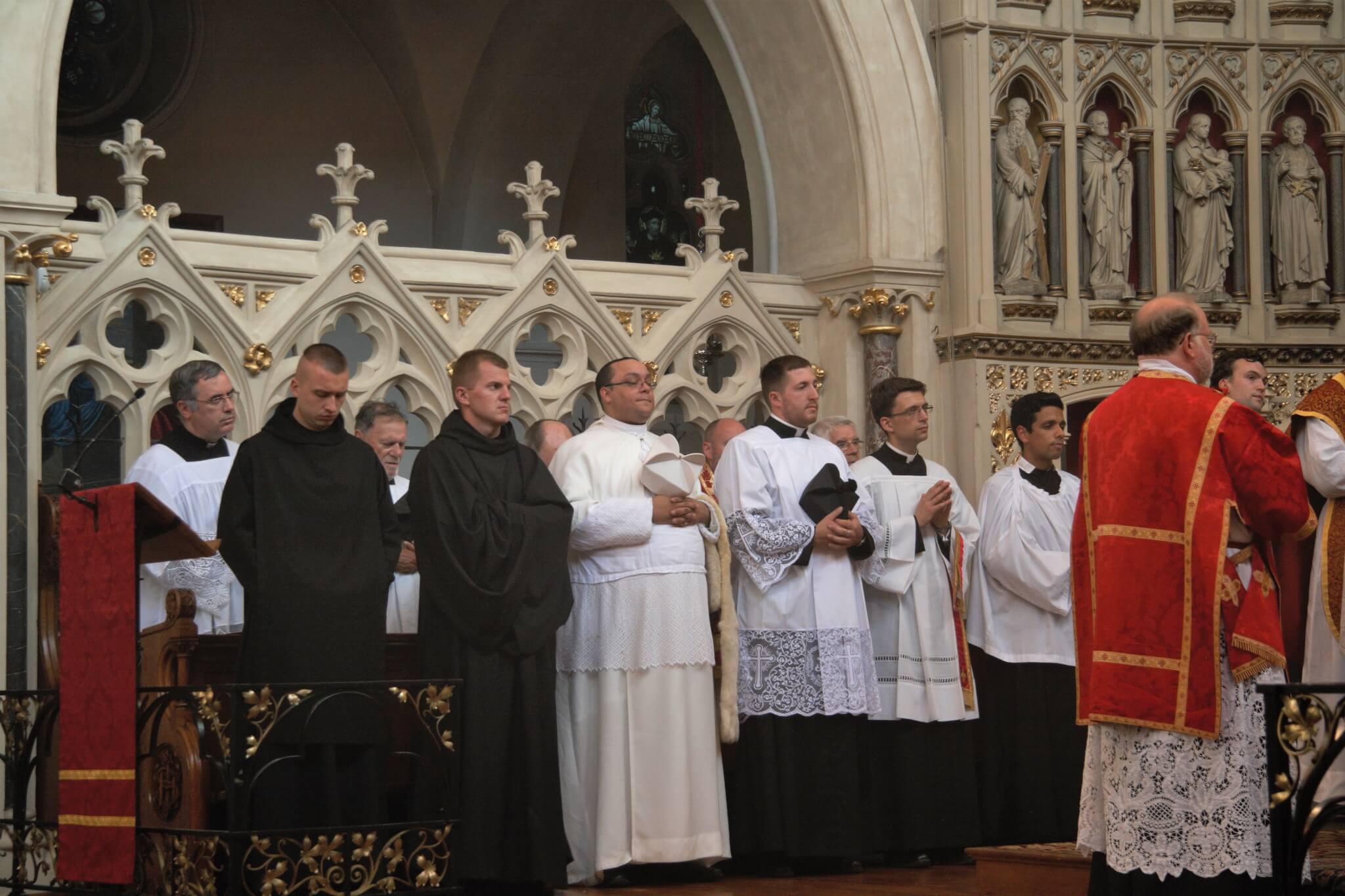
The clergy assemble before Mass:
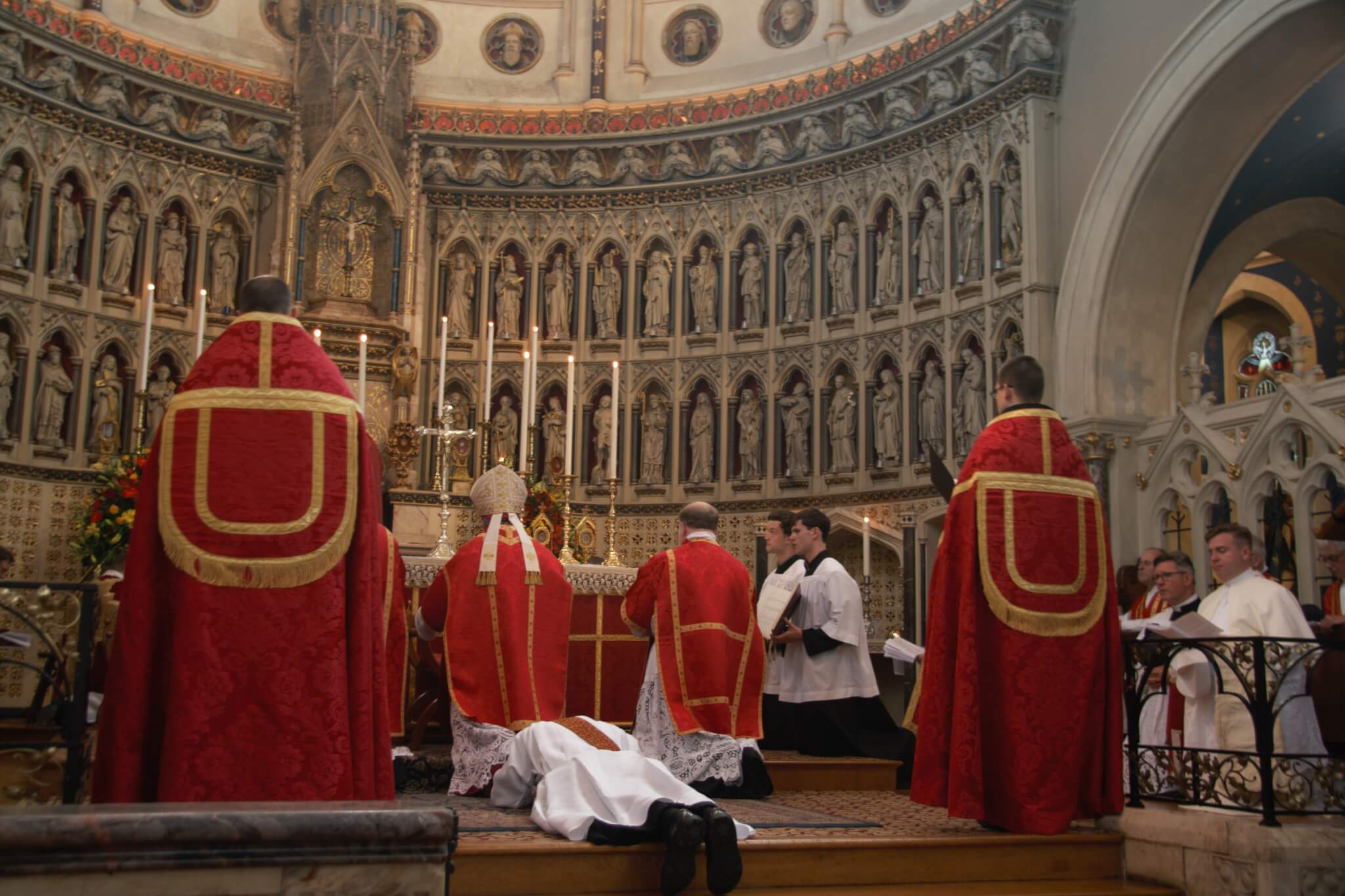
IMG_3499 (2)

IMG_3505 (2)

The entrance procession:

IMG_3516 (4)

IMG_3520 (2)

The Bishop’s Sermon:

IMG_3538 (2)

Br Oliver stands before the Bishop:

IMG_3542 (2)

The candidate lies prostrate during the Litany of the Saints:

IMG_3550 (2)

IMG_3555 (2)

The candidate is made a priest by the laying on of hands:

IMG_3559 (2)IMG_3561 (2)

IMG_3562 (2)

IMG_3564 (2)

IMG_3576 (2)

The new priest is clothed in the stole and chasuble:

IMG_3586 (2)

Fr Oliver’s hands are anointed with Chrism:

IMG_3590 (2)

Sister Barbara Claire and Sister Carolyne Joseph of the Sisters of the Blessed Virgin Mary bring forward the gifts at the Offertory:

IMG_3594 (2)

The new priest is presented with the chalice and paten:

IMG_3599 (2)

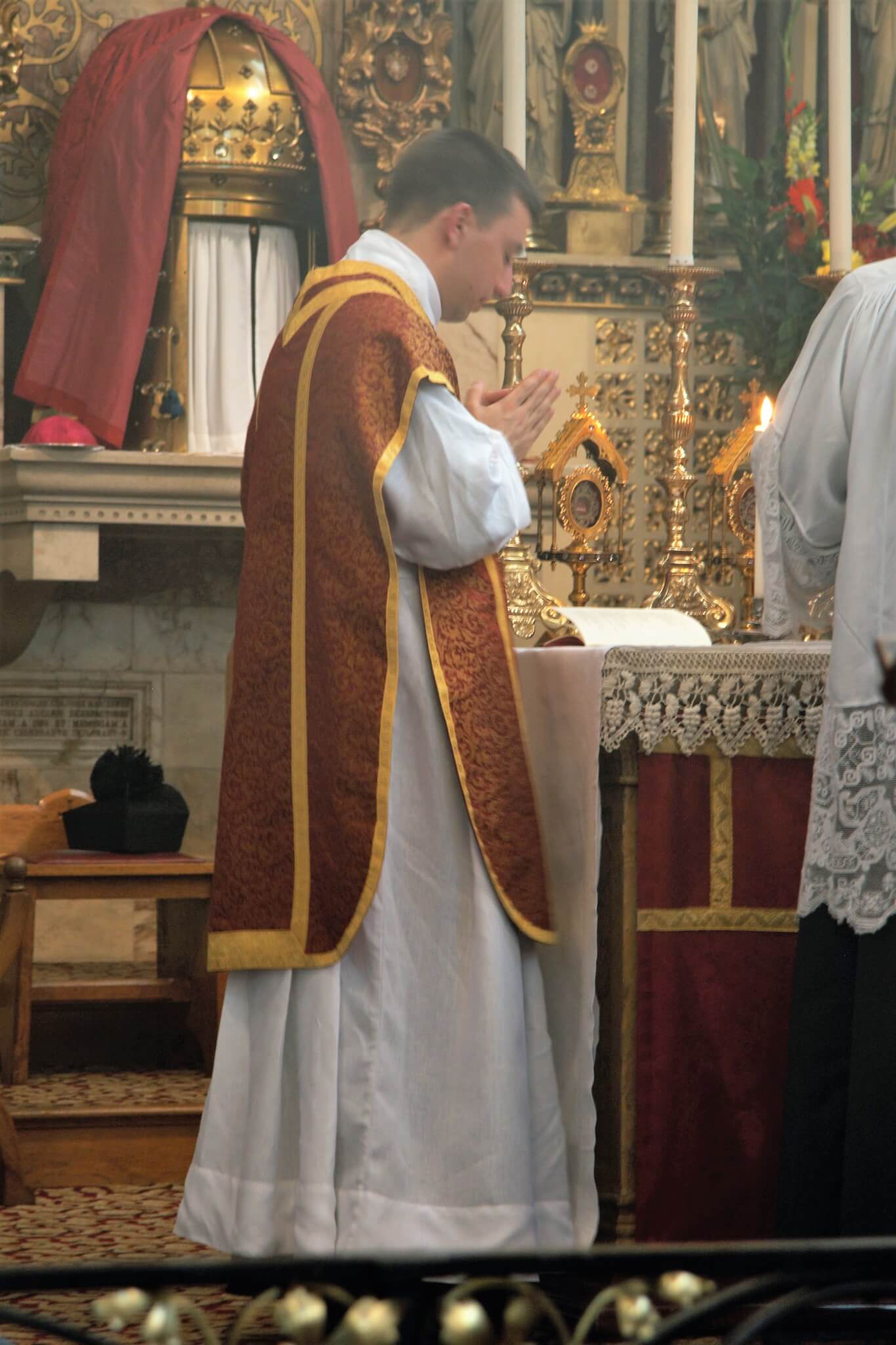
Fr Oliver takes his place at the altar:

IMG_3616 (2)

IMG_3656 (2)

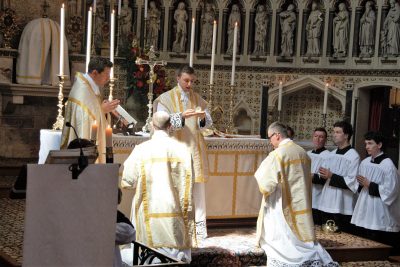
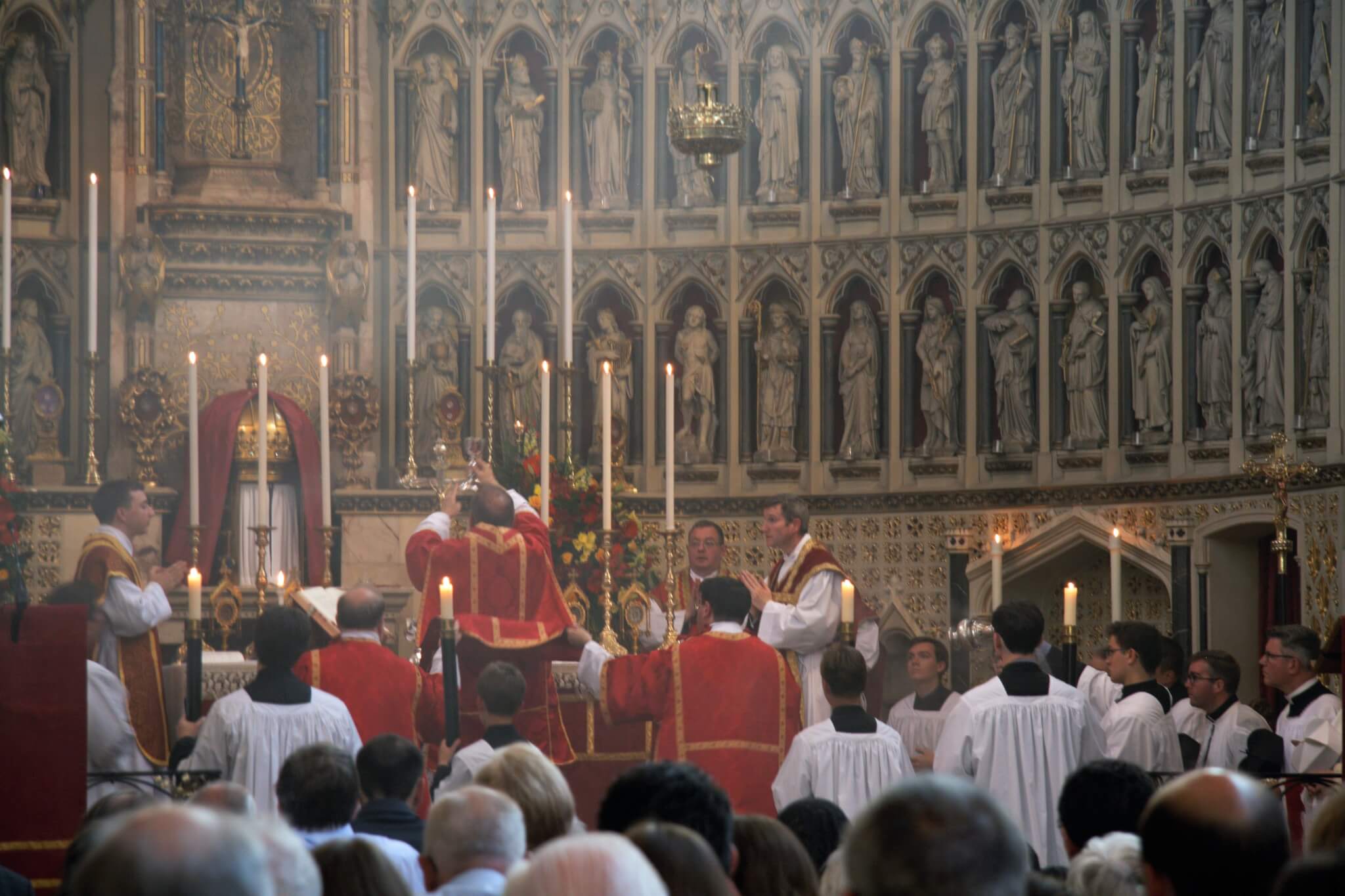
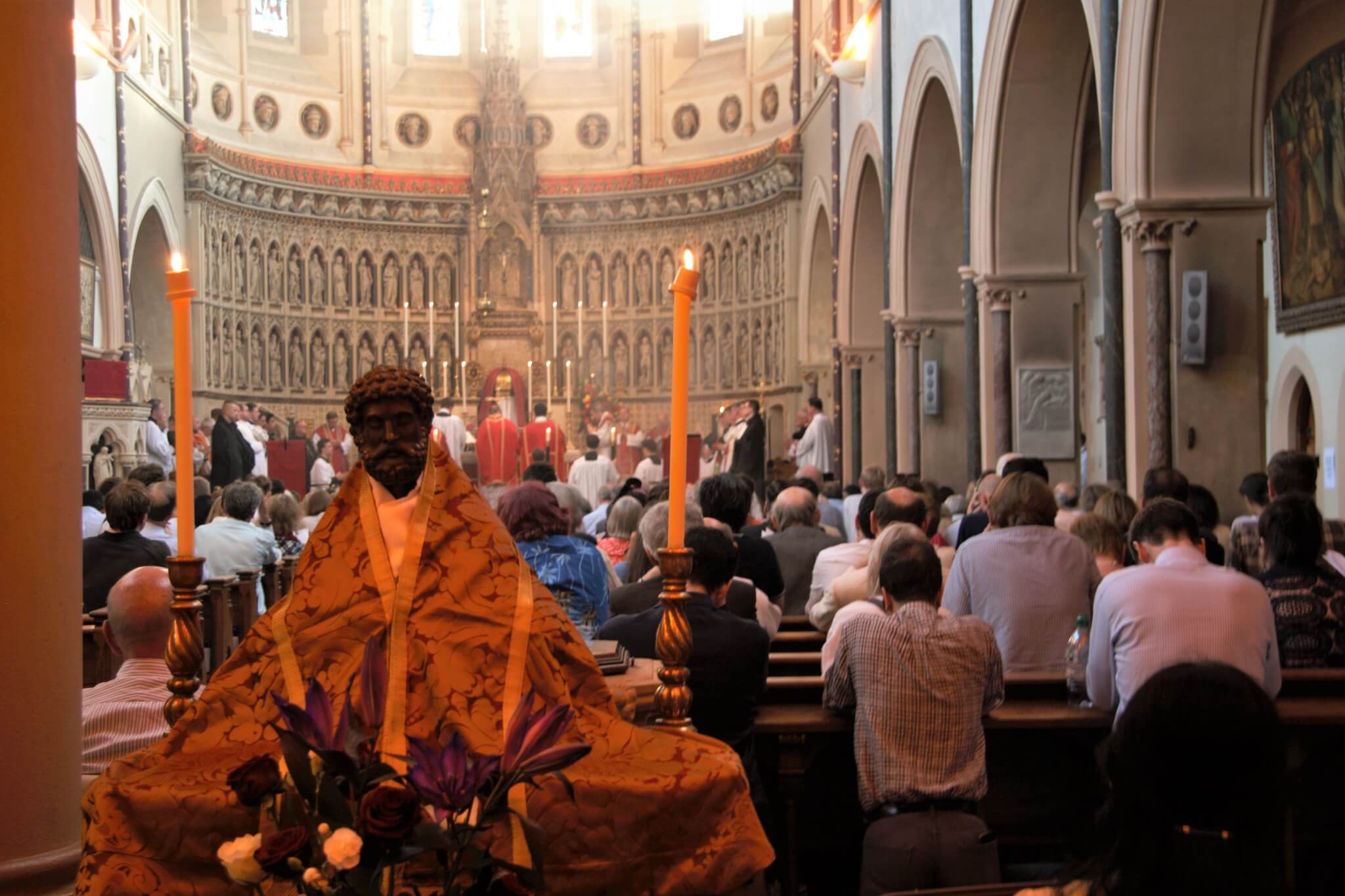
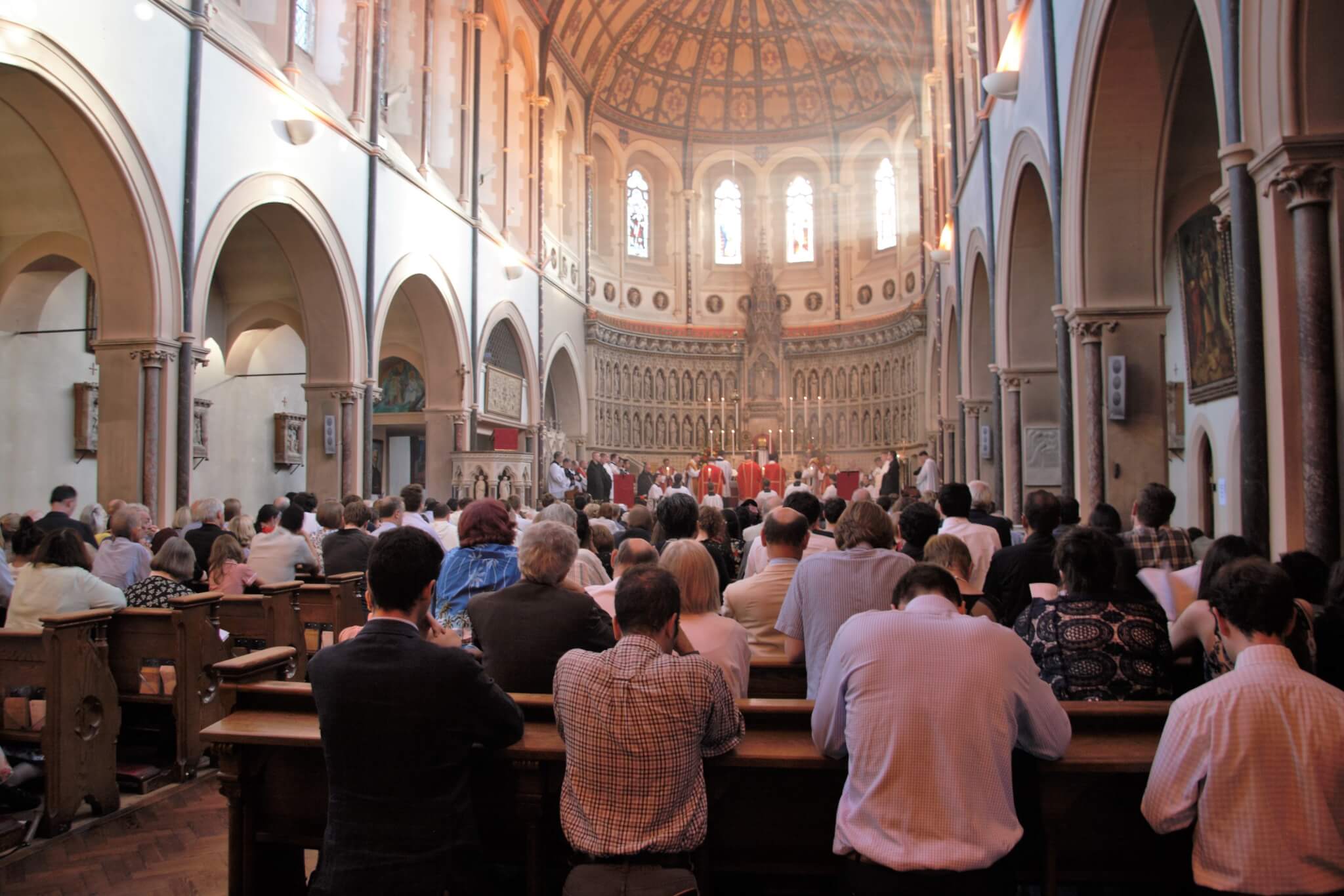
The celebration of the Holy Mass:
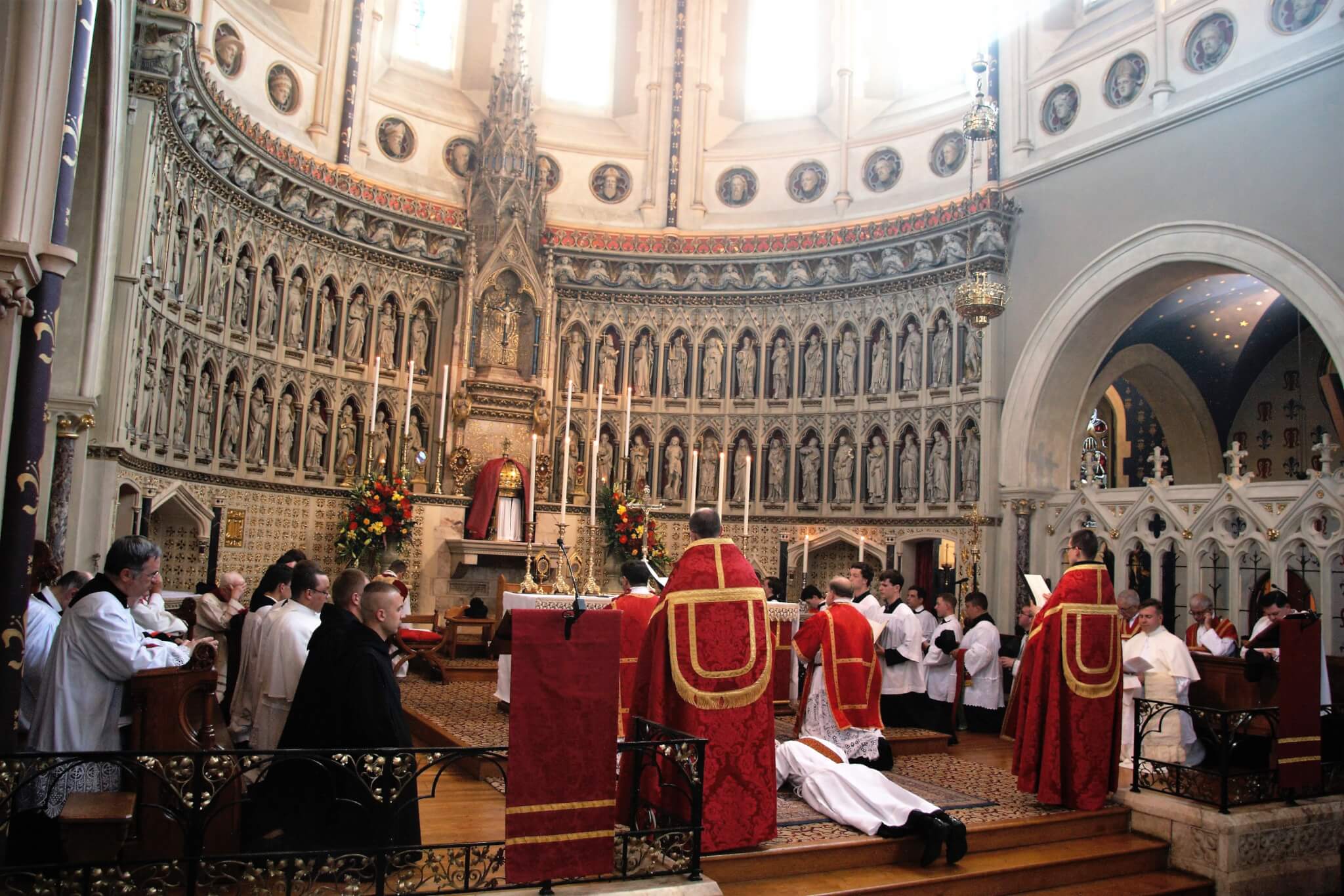
IMG_3652 (2)

IMG_3620 (2) IMG_3635 (2)

IMG_3642 (2)

IMG_3638 (2)

getimage

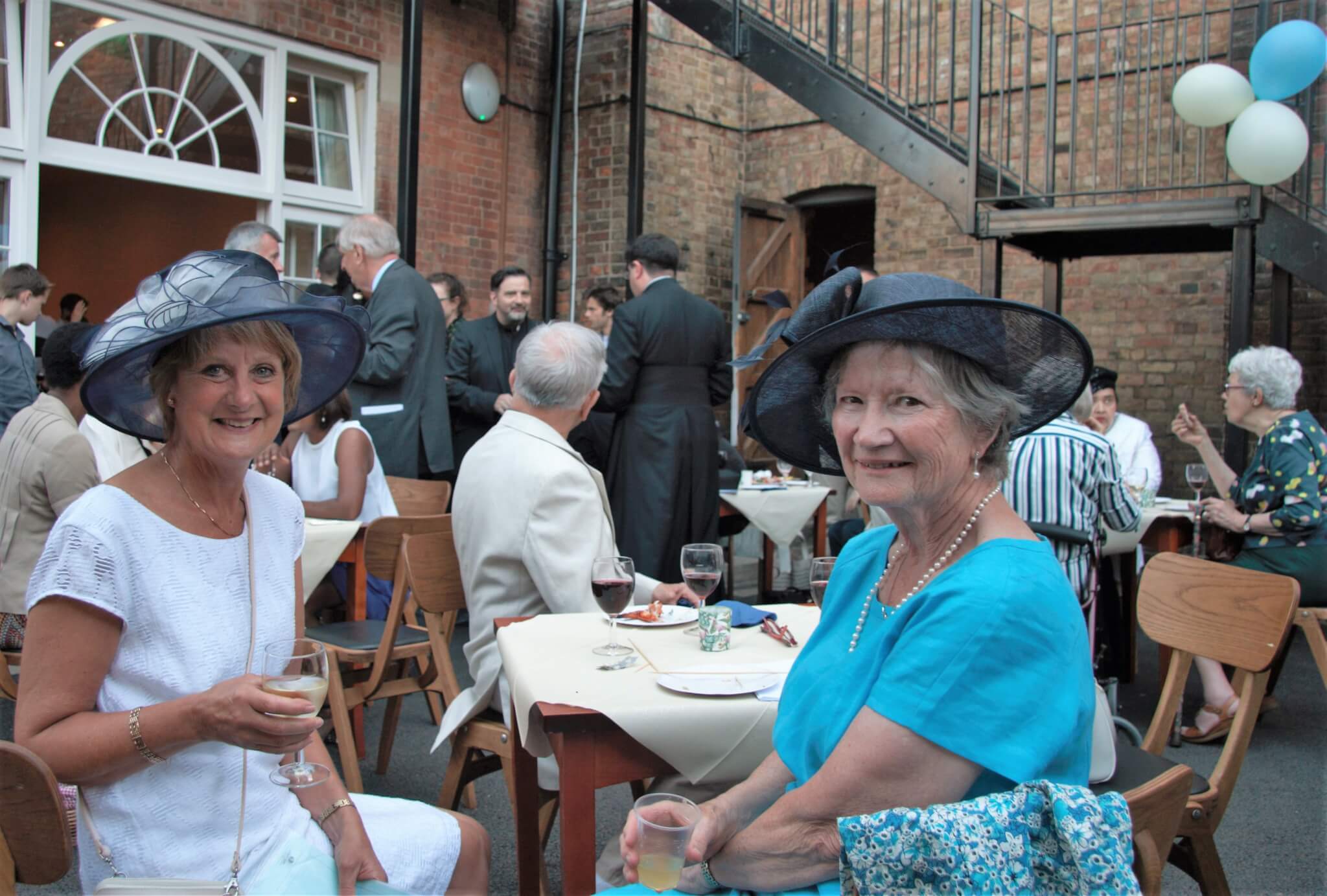
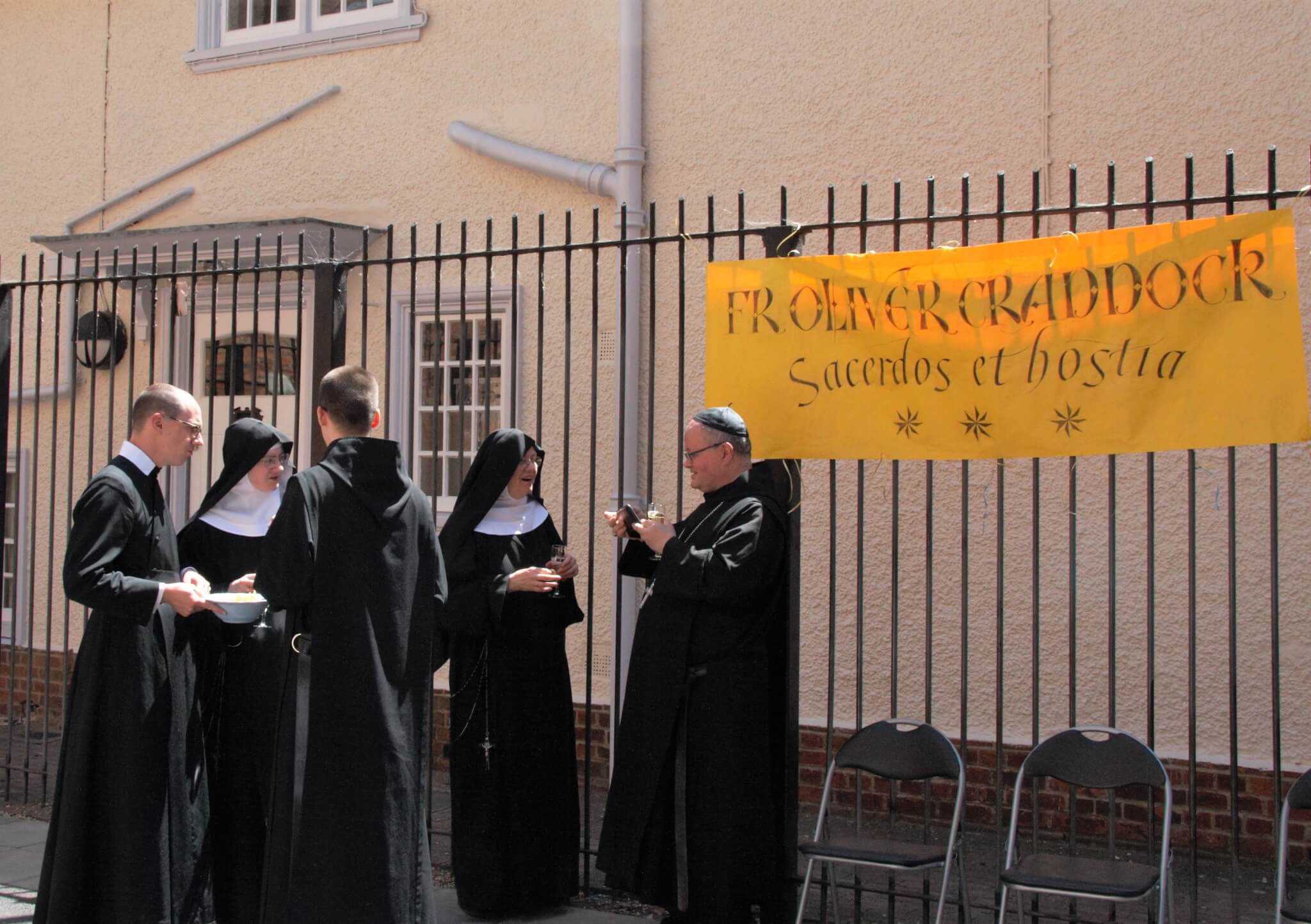
Party time!

IMG_3700 (3)

IMG_3697 (2)

IMG_3823 (2)


Women’s Oratory

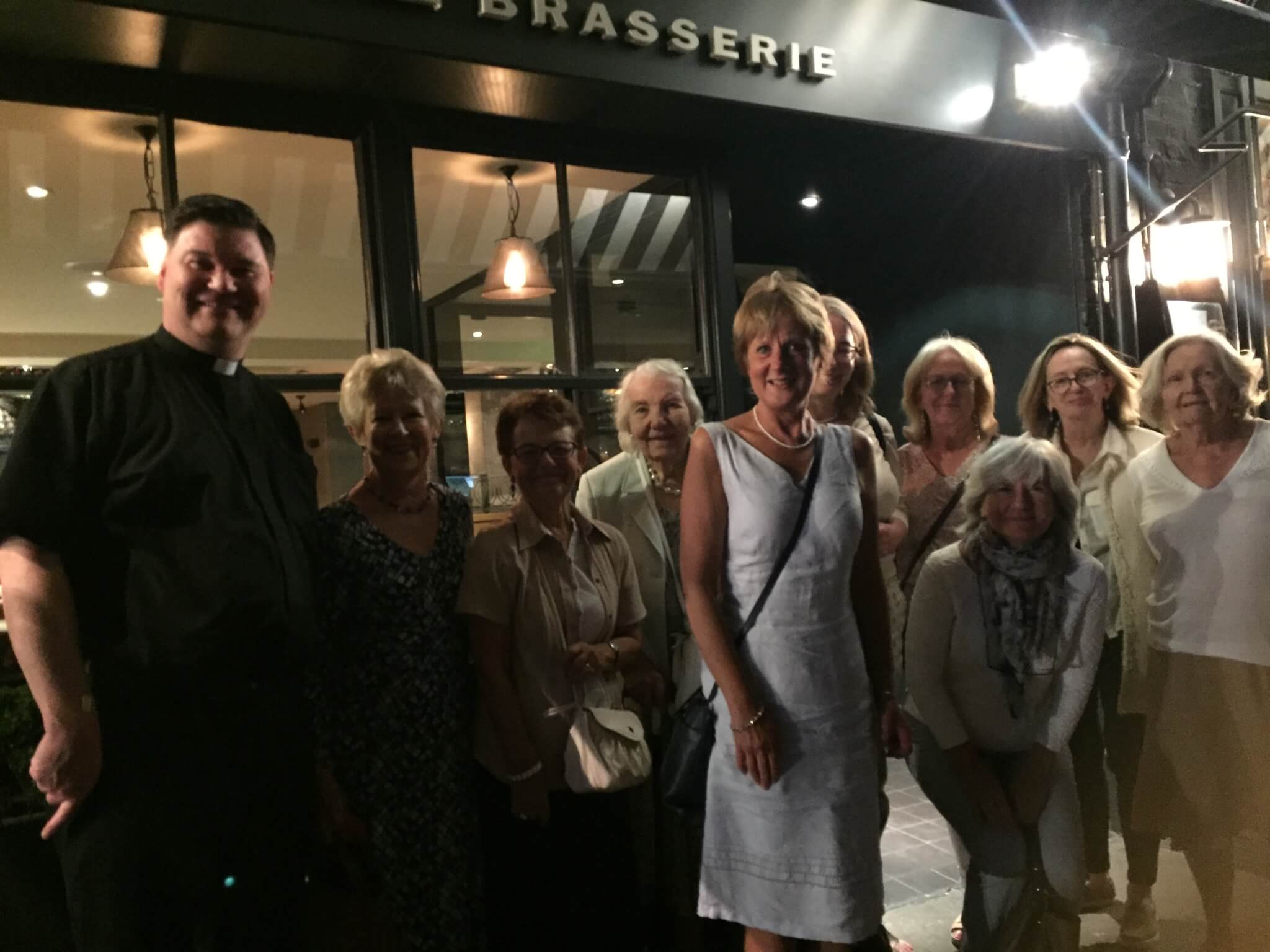
Women’s Oratory went for their summer dinner last night. The group meets on the first and last Monday of each month in the Parish Centre for a talk, prayer and recreation. New members are always welcome.IMG_1470

St Aloysius’ Day in his Jubilee Year

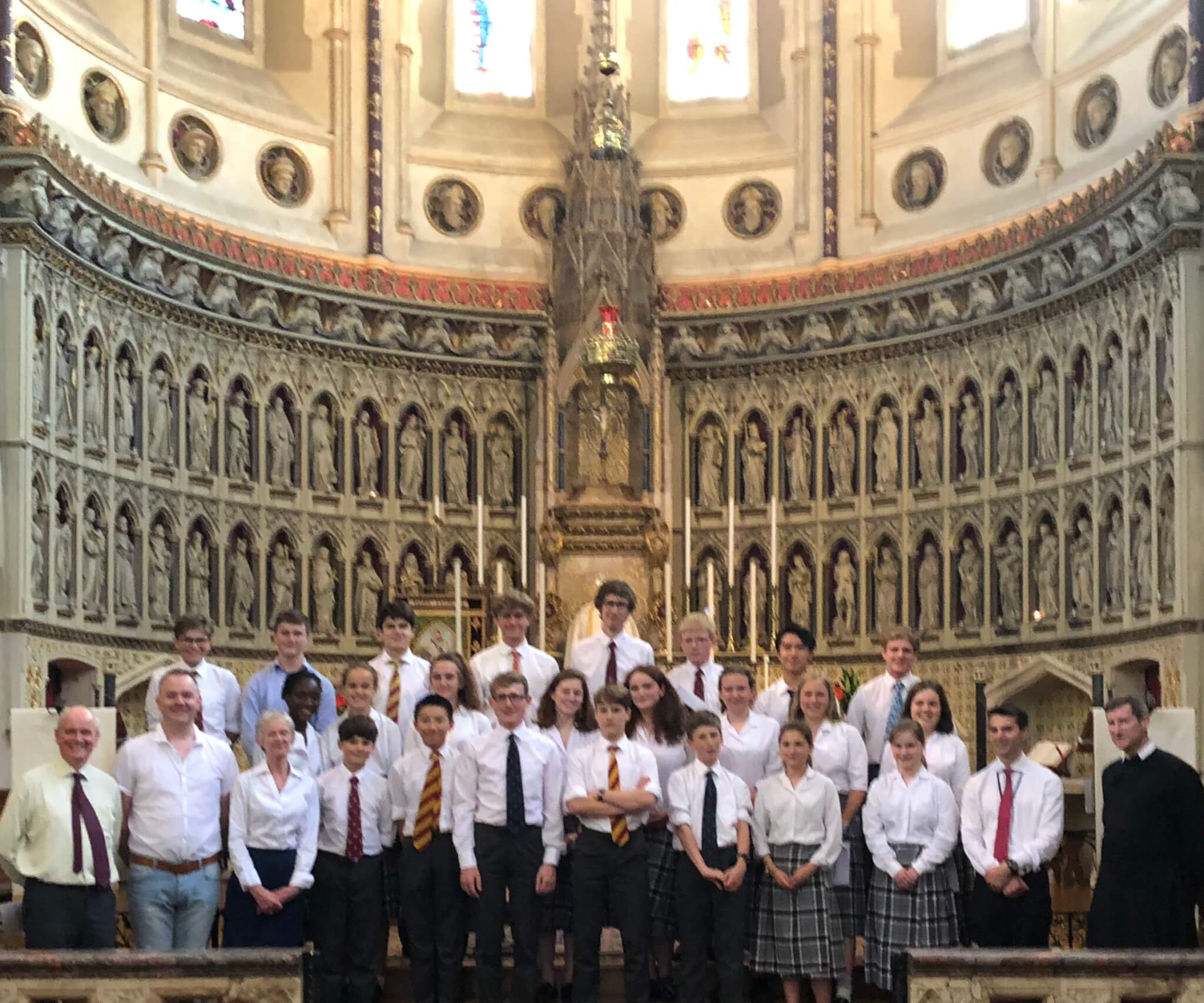
This year marks the 450th anniversary of St Aloysius’s birth in 1568. The choir of Downside School this evening sang at Solemn First Vespers and Benediction in honour of our parish’s patron saint.

IMG_5849

Tomorrow (21st June) is the Solemnity of St Aloysius. There will be a sung English Mass with St Aloysius’ School at 10am. Bishop William Kenney C.P. will celebrate a Pontifical High Mass at 6pm at which Fr Matthew Power. SJ. will preach.

During this Jubilee Year a plenary indulgence is available every day in our church under the usual conditions (until 9th March 2019).

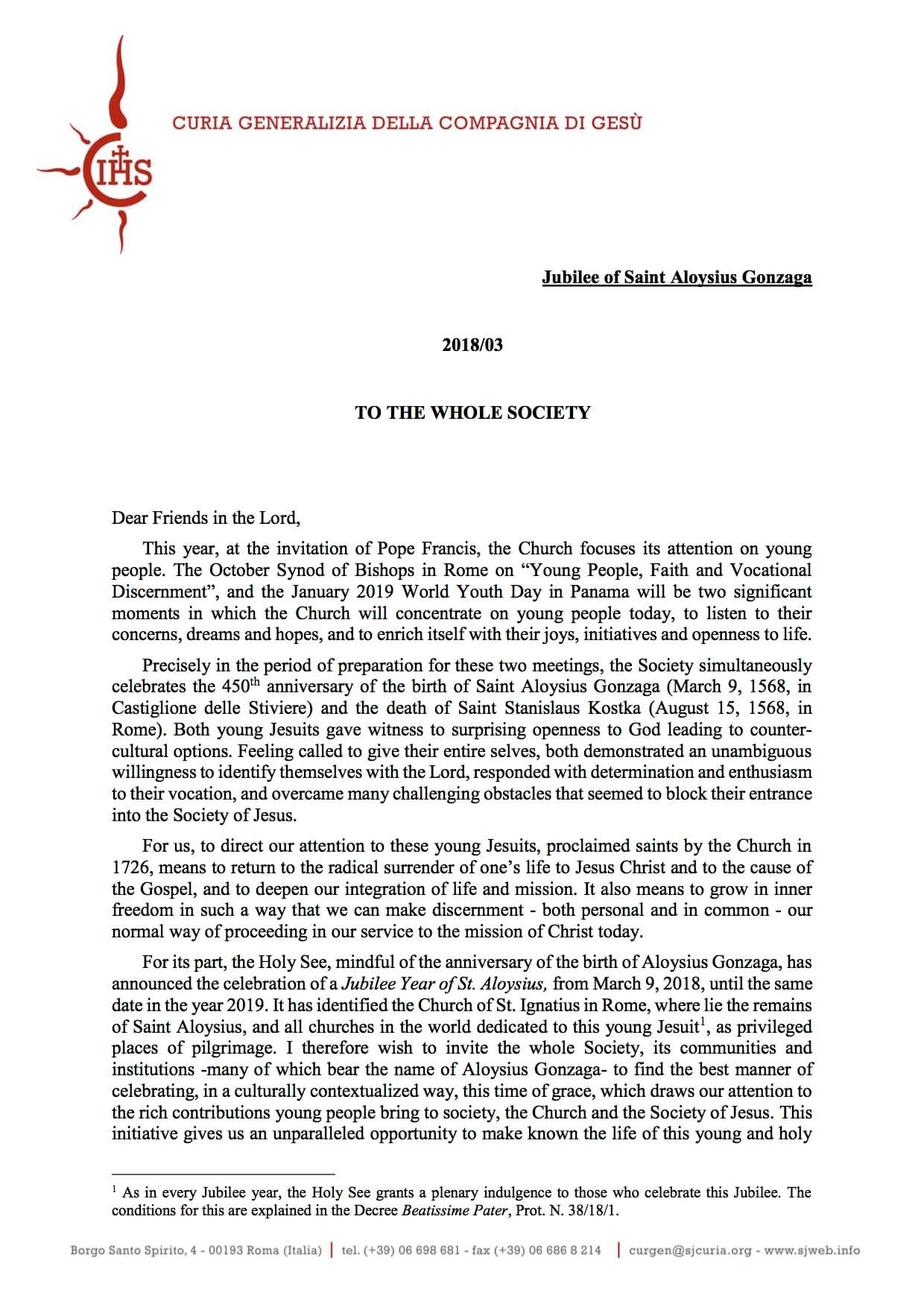
Here is a letter from the General of the Society of Jesus about the Jubilee Year:

Lettera del Generale

And here is the Decree announcing the Plenary Indulgence:

Decreto Giubileo Aloisiano

Flower-arranging Workshop

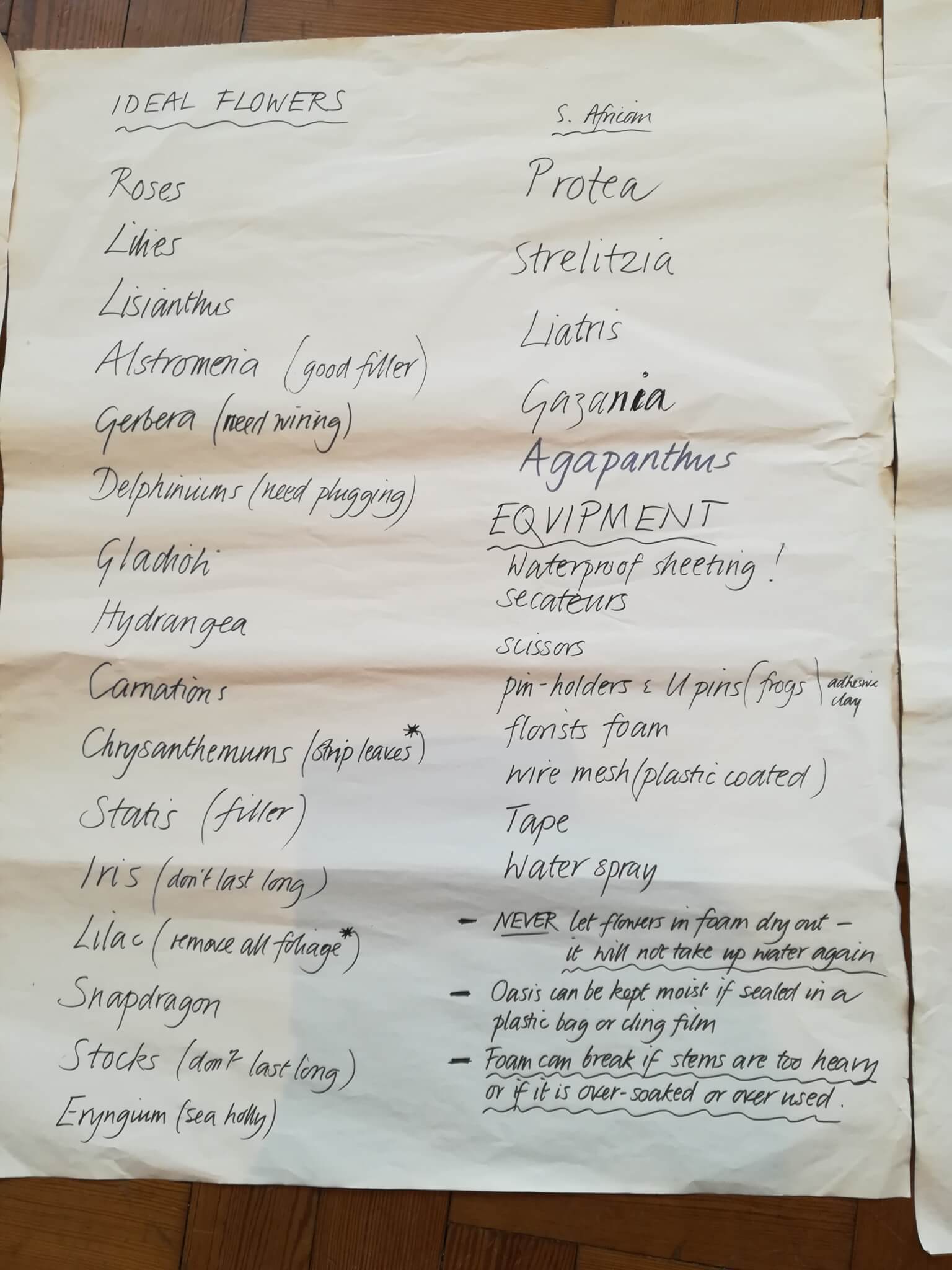
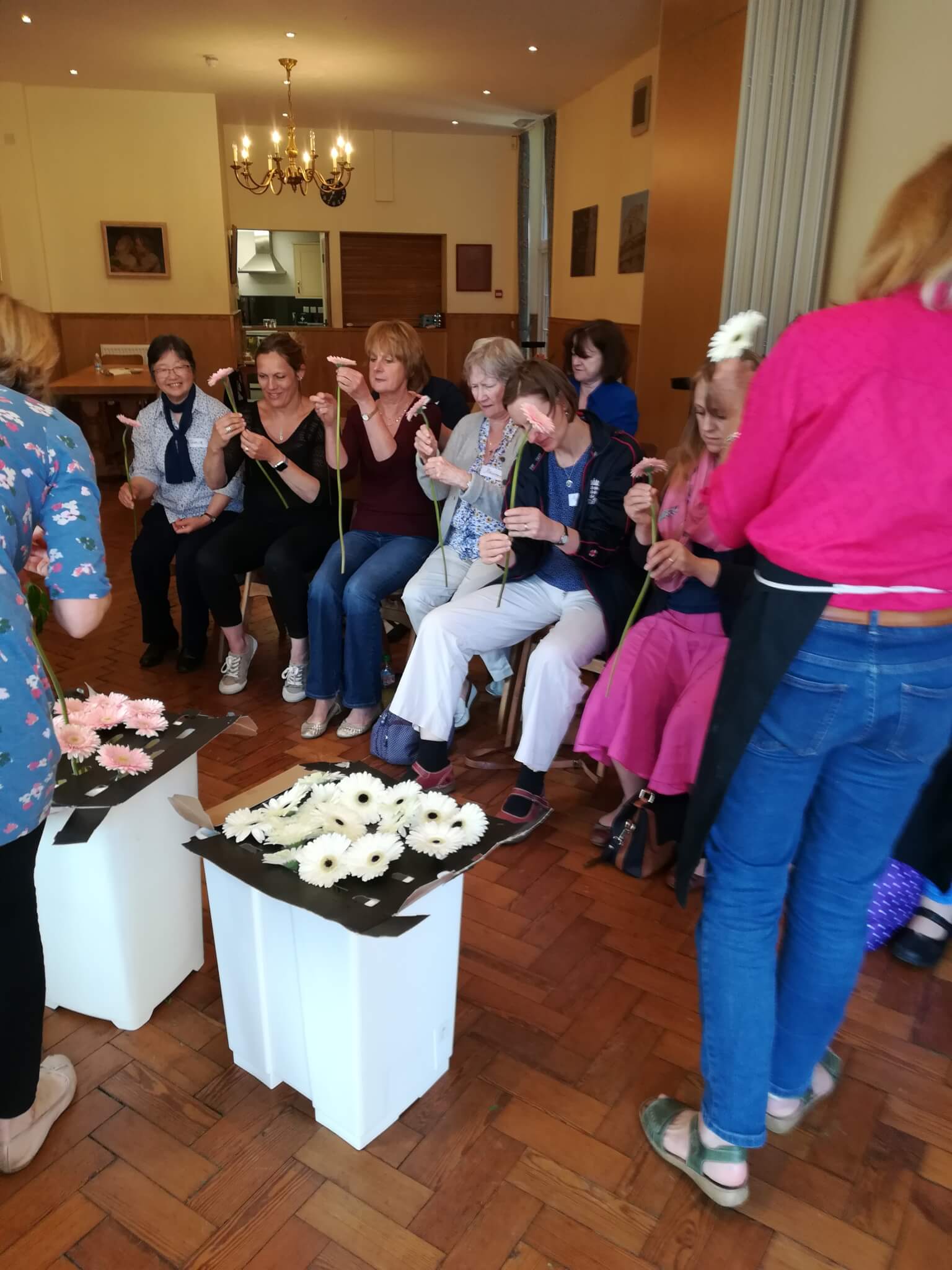
We could have filled the available spaces on the flower arranging workshop twice over. For those who did manage to get a place, the day began with a fortifying cup of coffee and a biscuit before everyone settled down to what turned out to be a remarkably professional presentation from two of our parishioners, Anna Jones and Freddie Quartley. However random flower arranging may appear to the uninitiated, in fact a great deal of planning is needed. First, suitable flowers have to be identifiedIMG_20180609_124902:

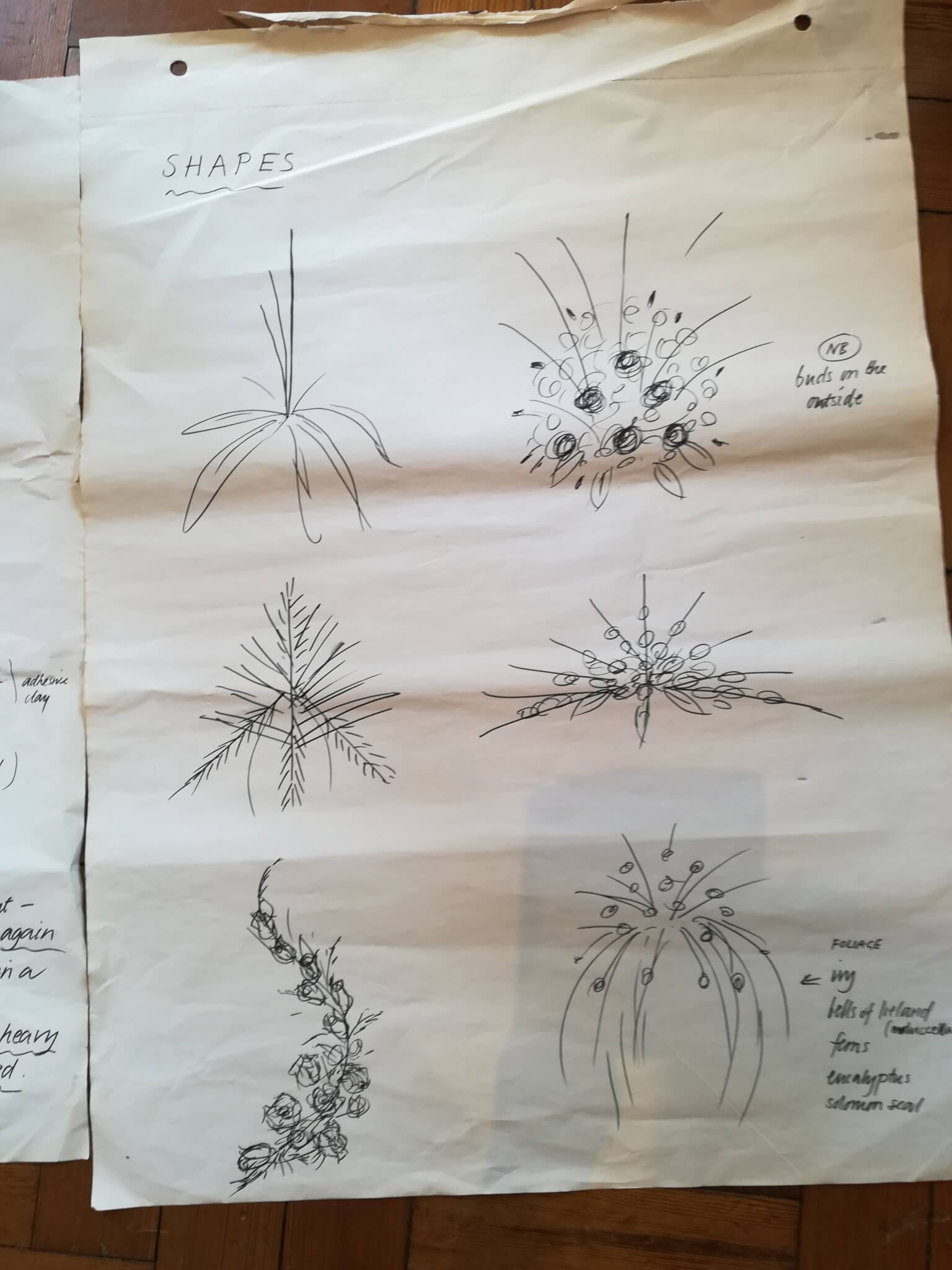
Then the shape of the display has to be planned :

IMG_20180609_124909

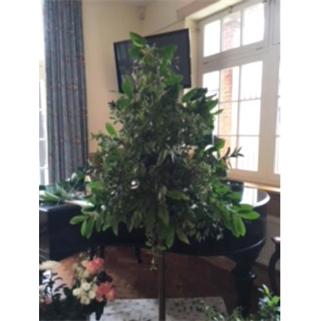
Slowly, carefully, and piece by piece, the foliage is put in place. Not a bloom goes anywhere near the arrangement until the greenery is good enough to form a display all on its own:

image005

image006

image008

Everyone then has a try at wiring the stems of some of the blooms :

IMG_20180609_133428 (2)

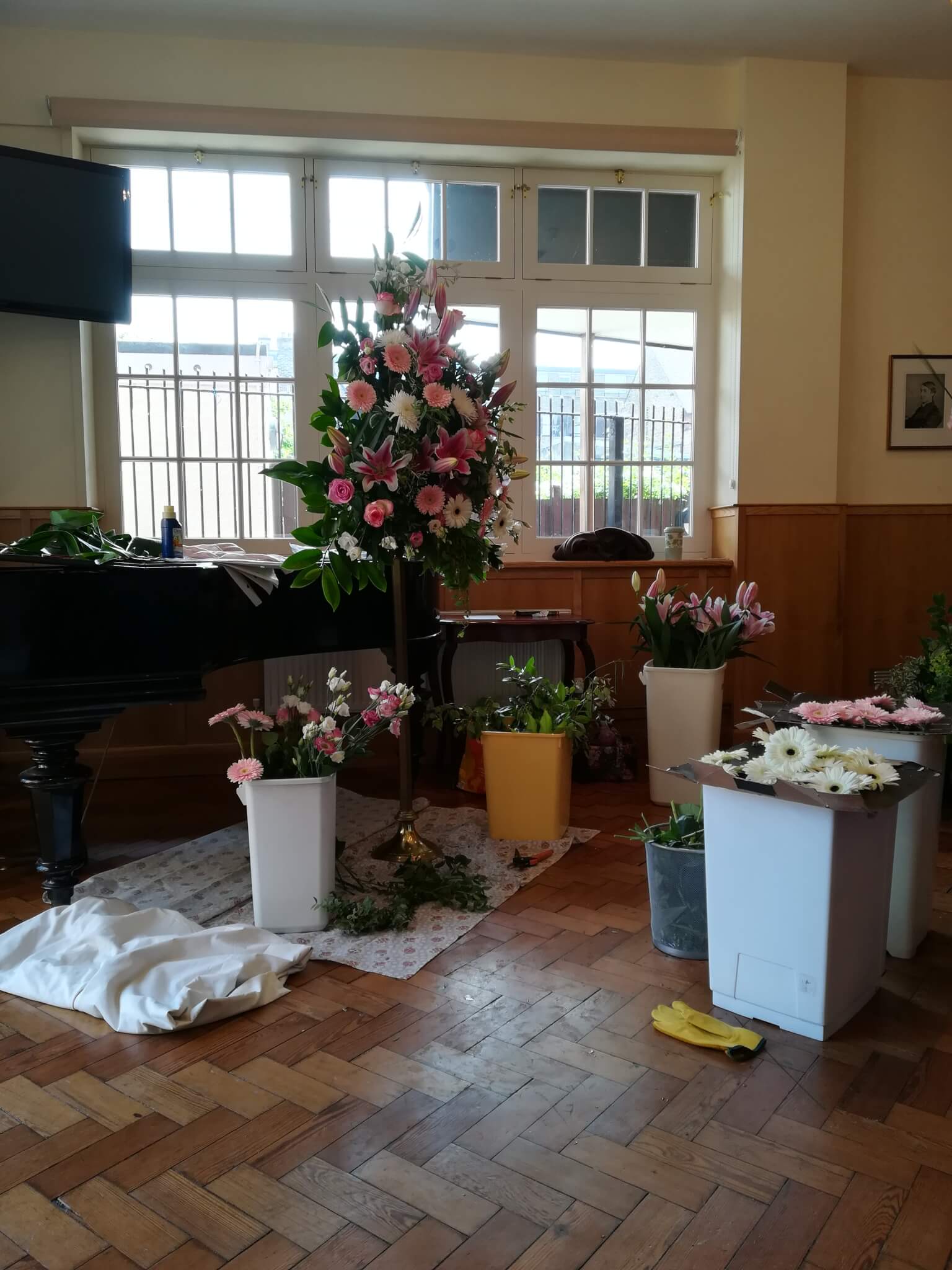
before the flowers themselves begin to be placed, until eventually the display is completed:

IMG_20180609_142648 (2)

IMG_20180609_141409 (2)

Et voila! Four outstanding displays, two for the main sanctuary and two for St Philip’s chapel:

IMG_20180609_160523 (2)

A huge thank-you to Anna and Freddie for all their hard work, and well done to everyone for producing beautiful arrangements!

Adoremus in Aeternum

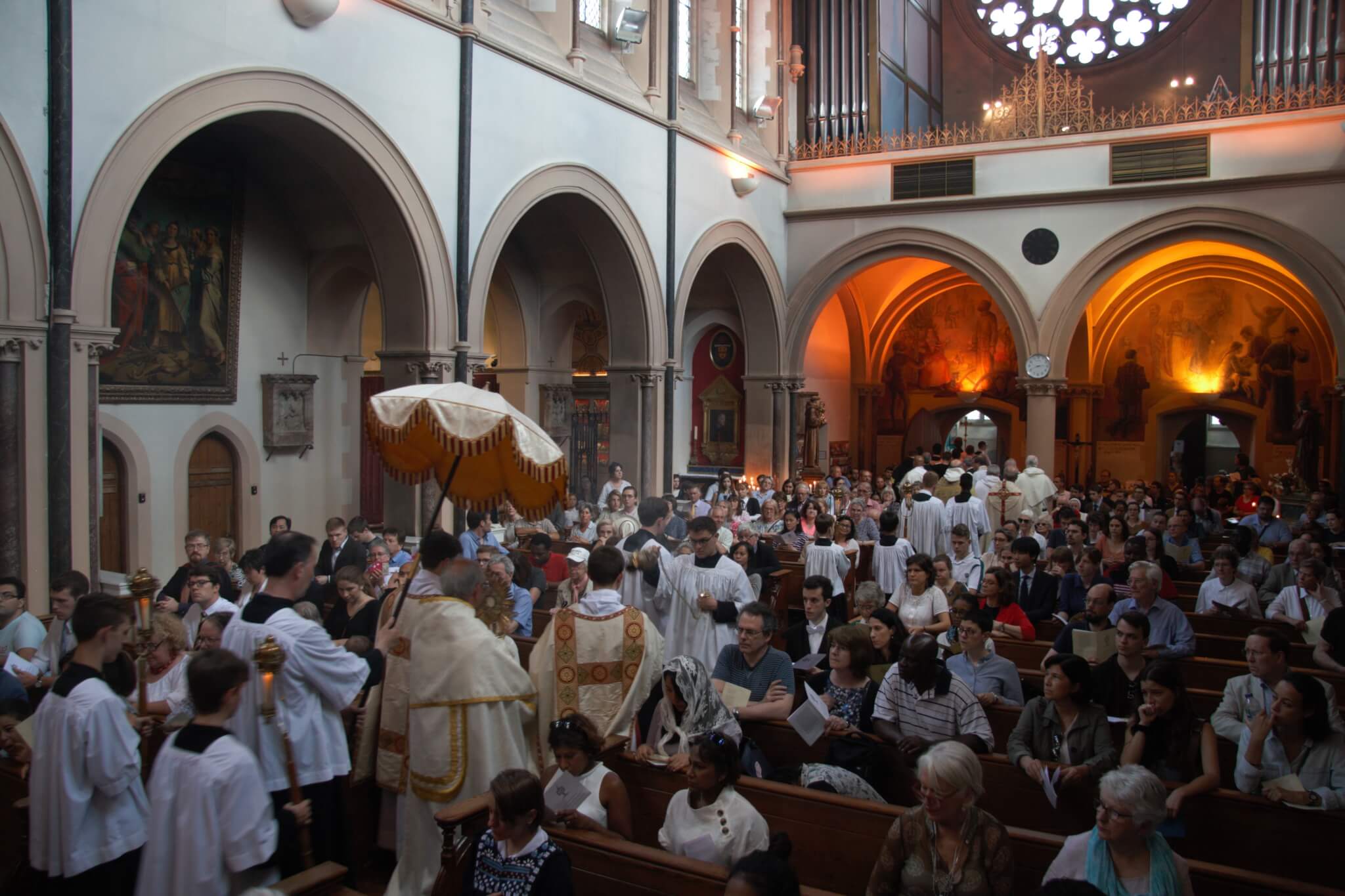
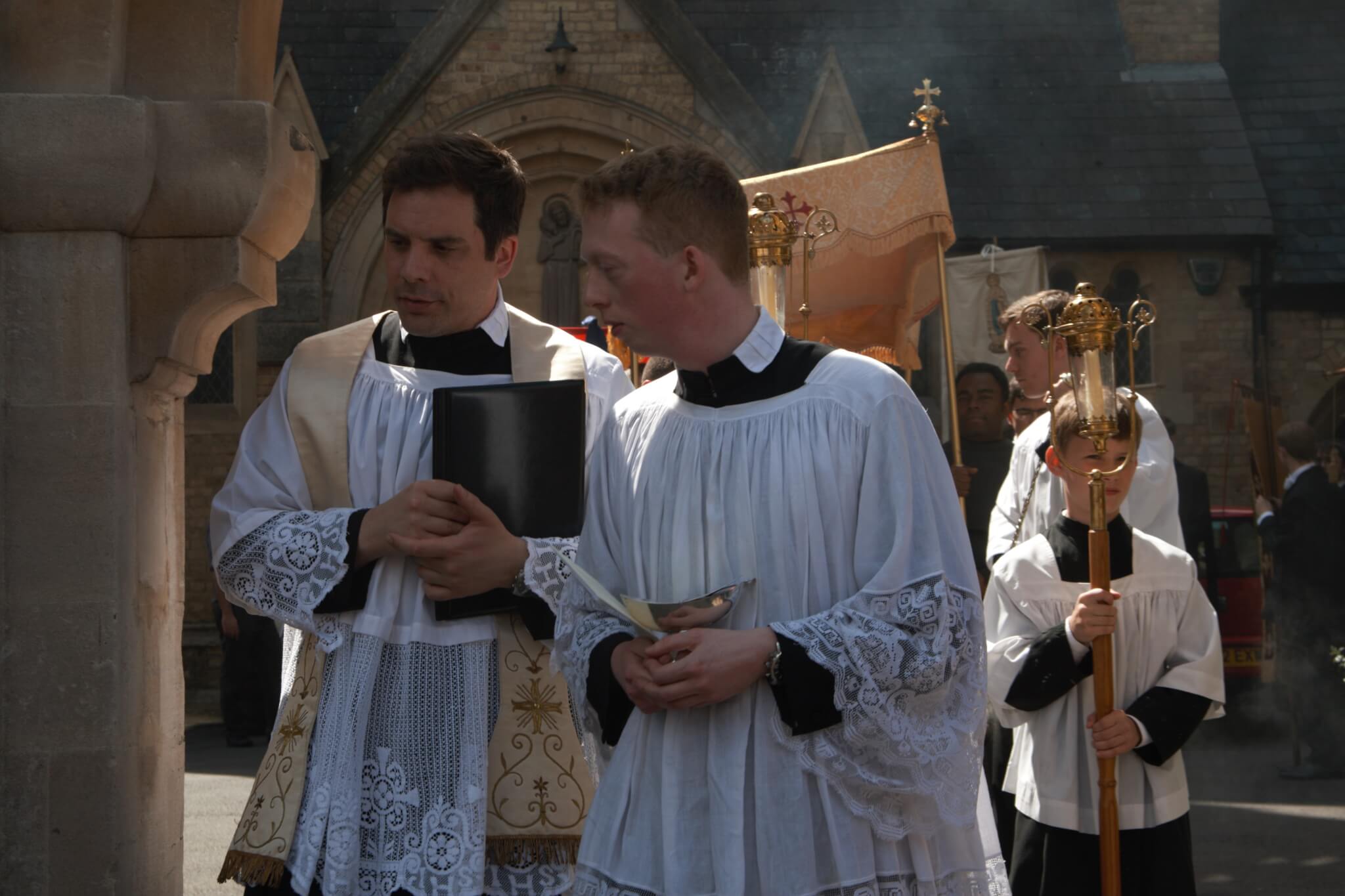
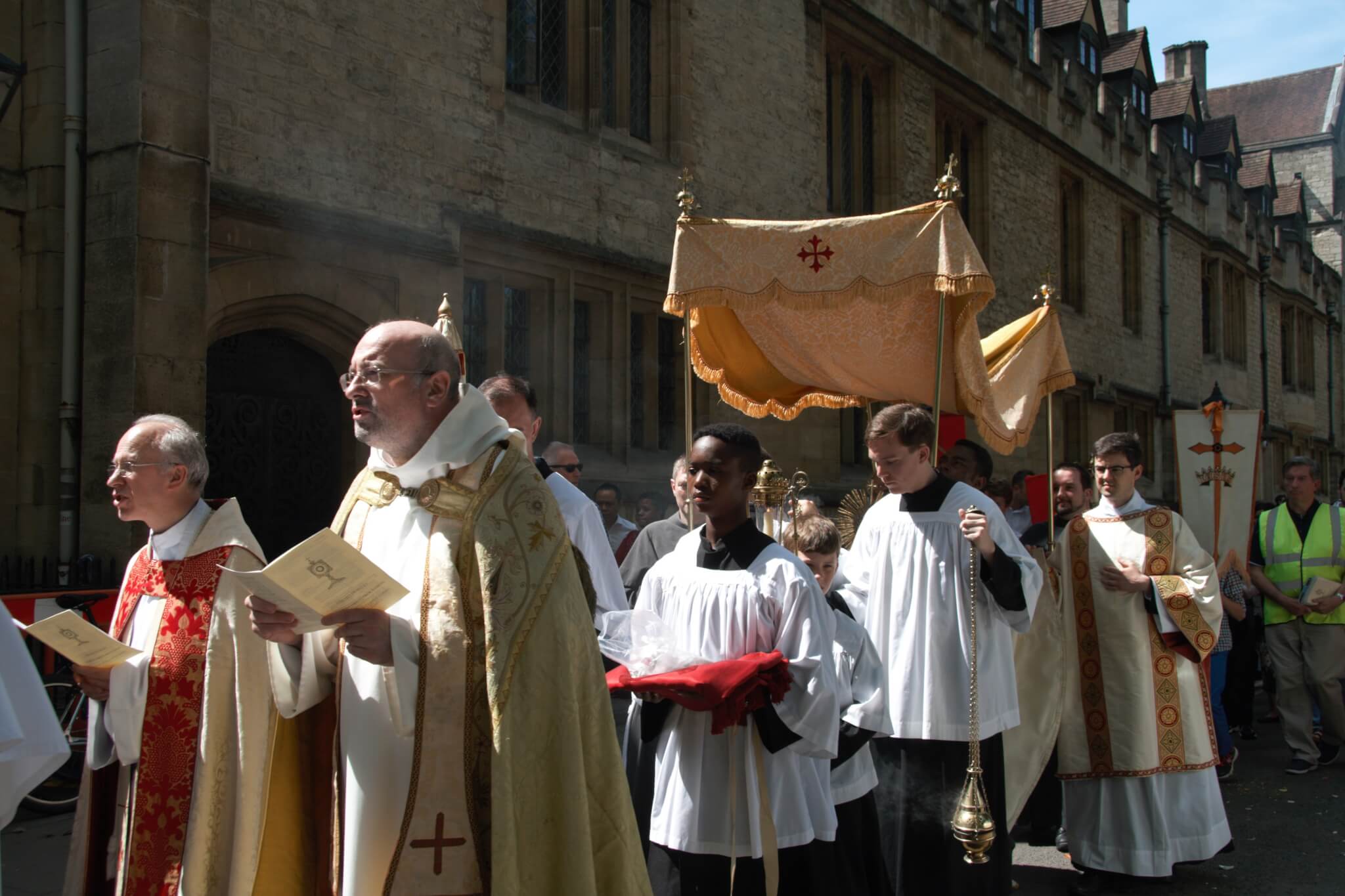
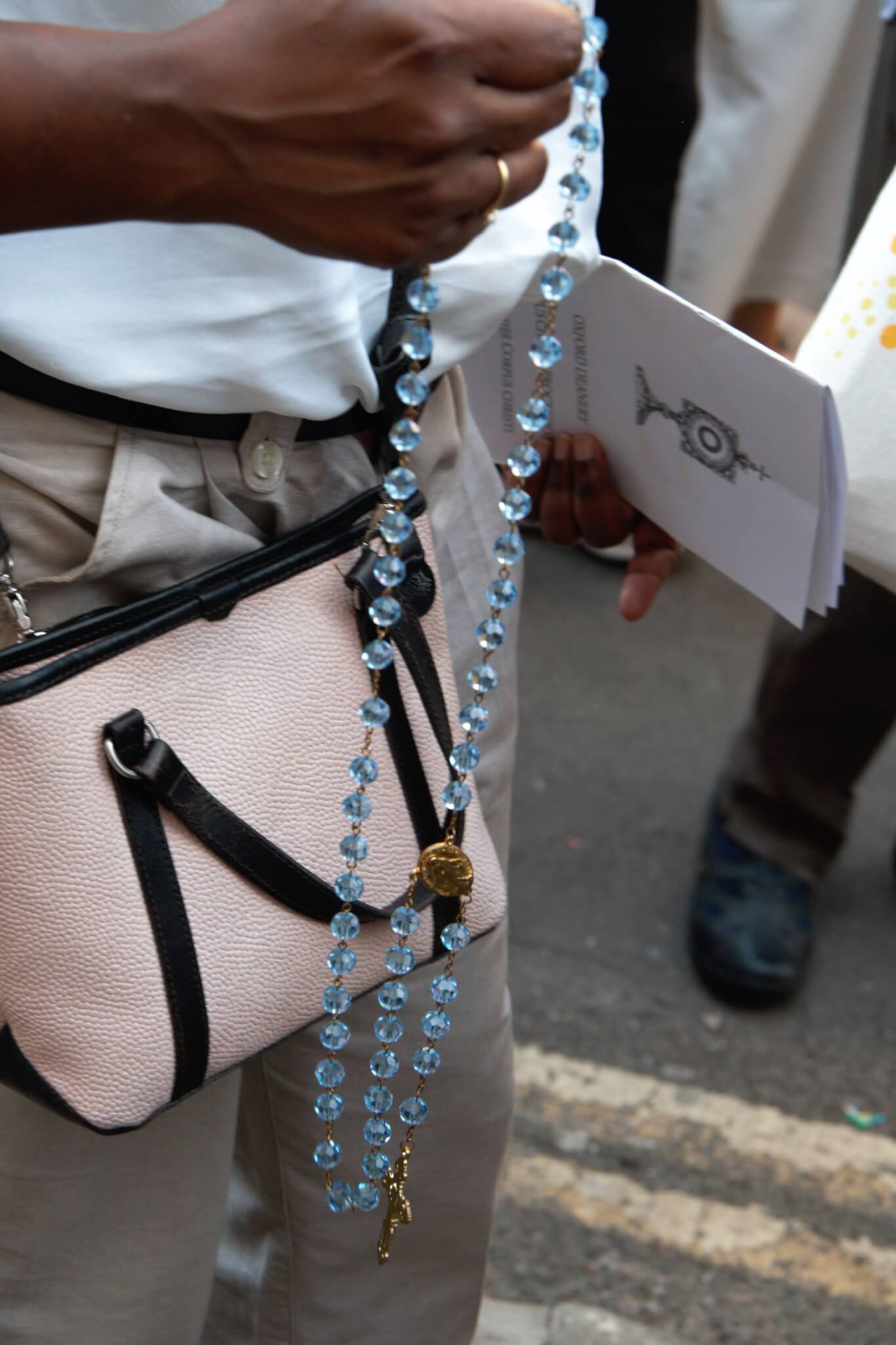
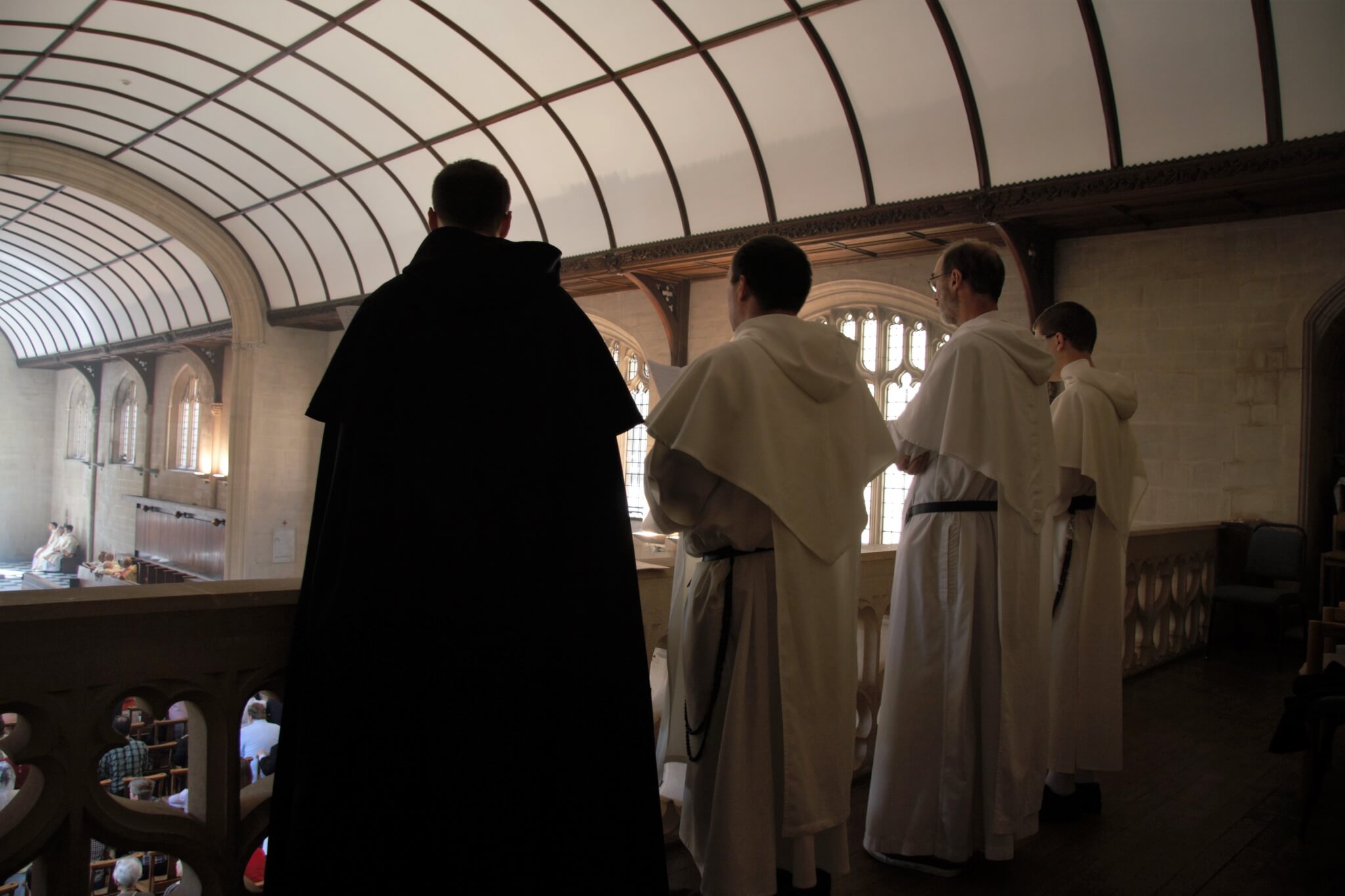
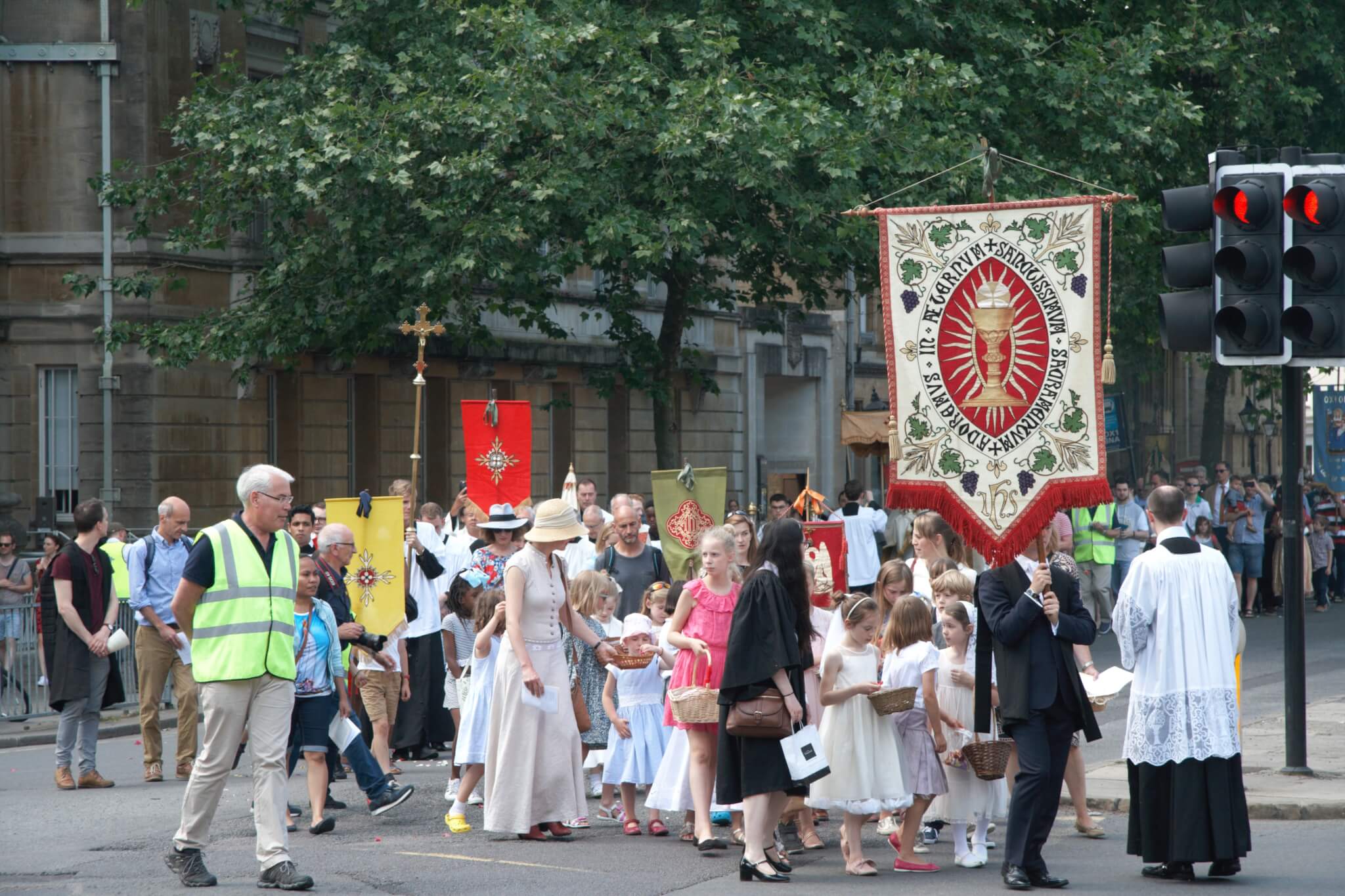
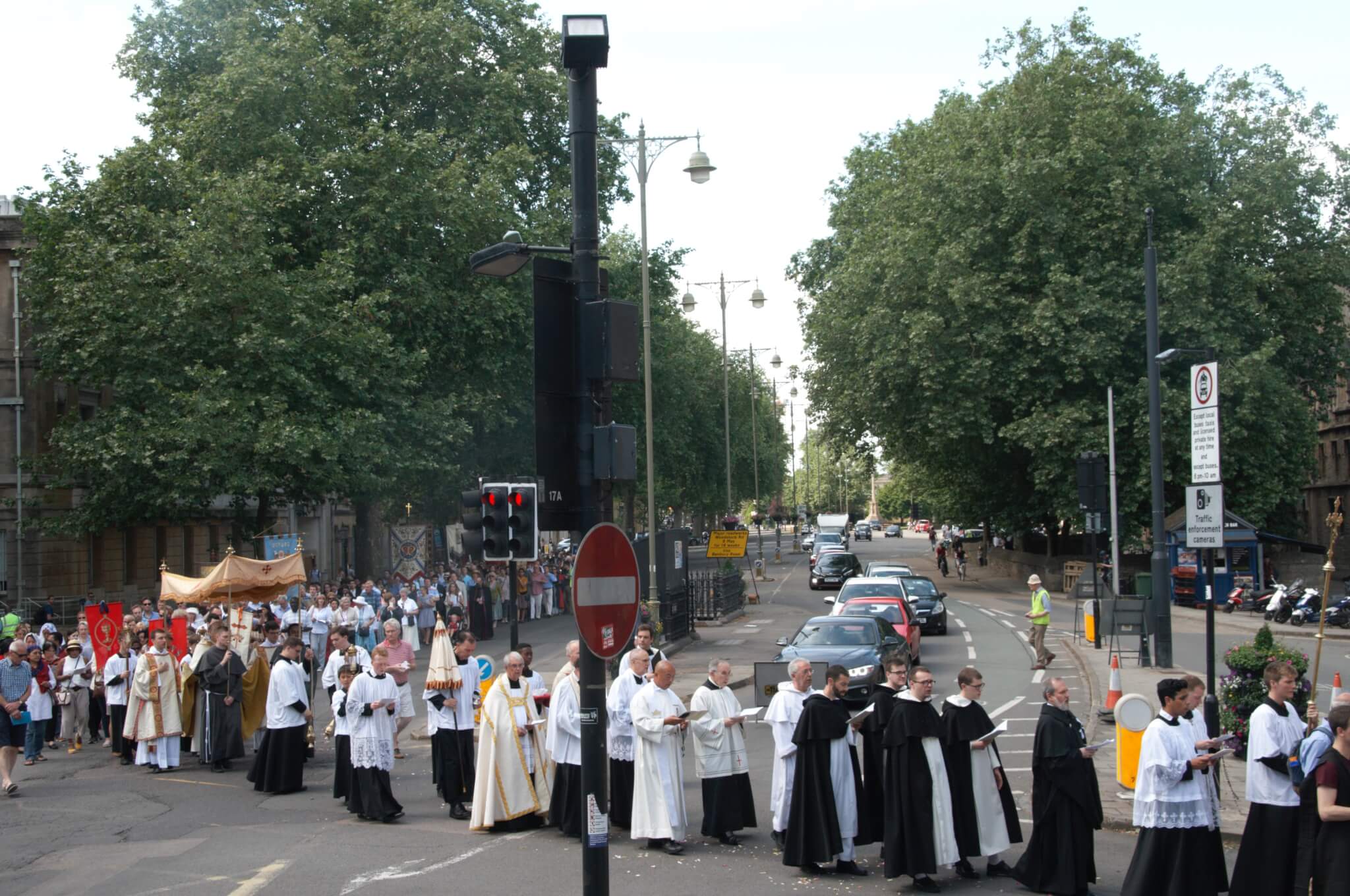
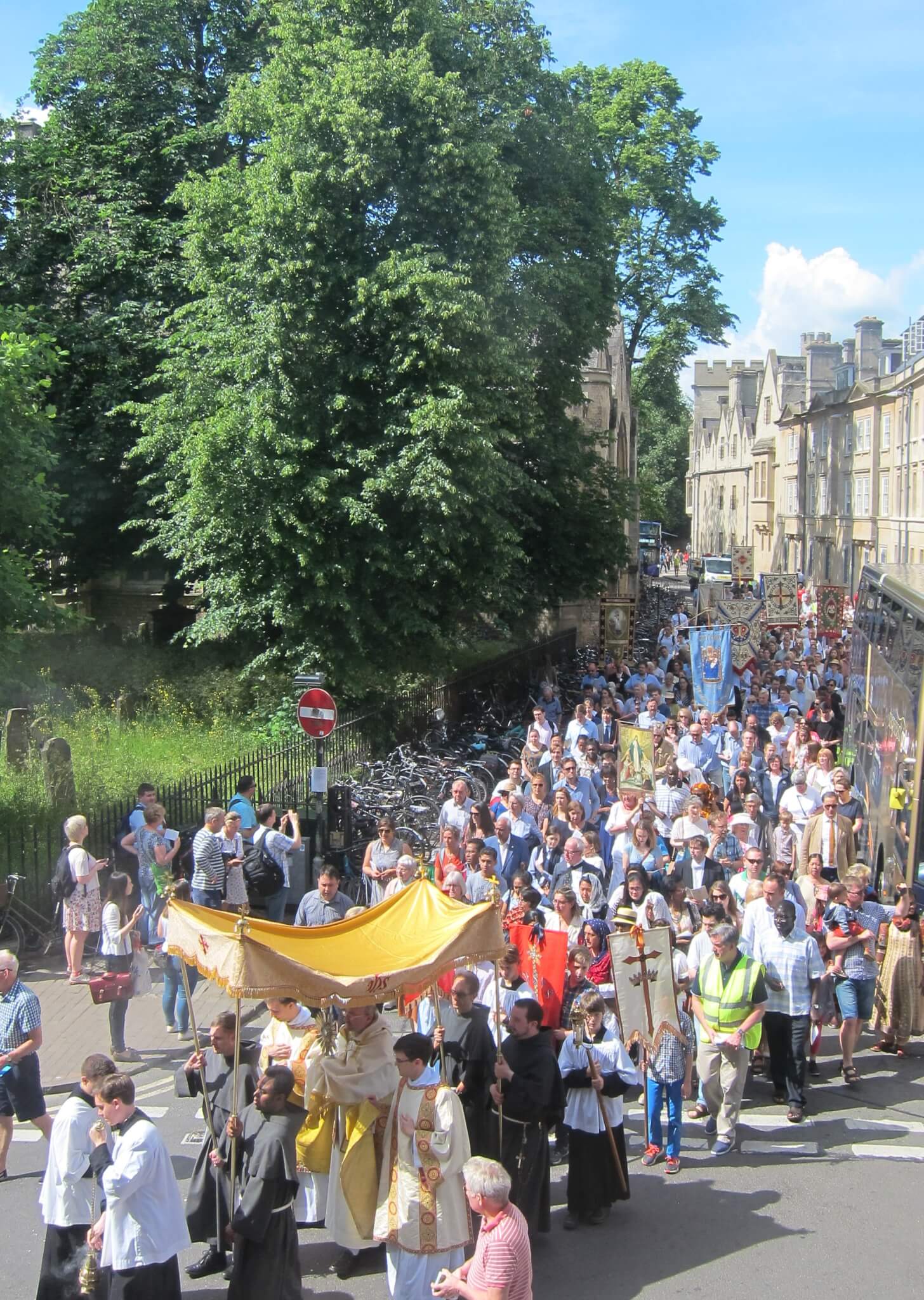
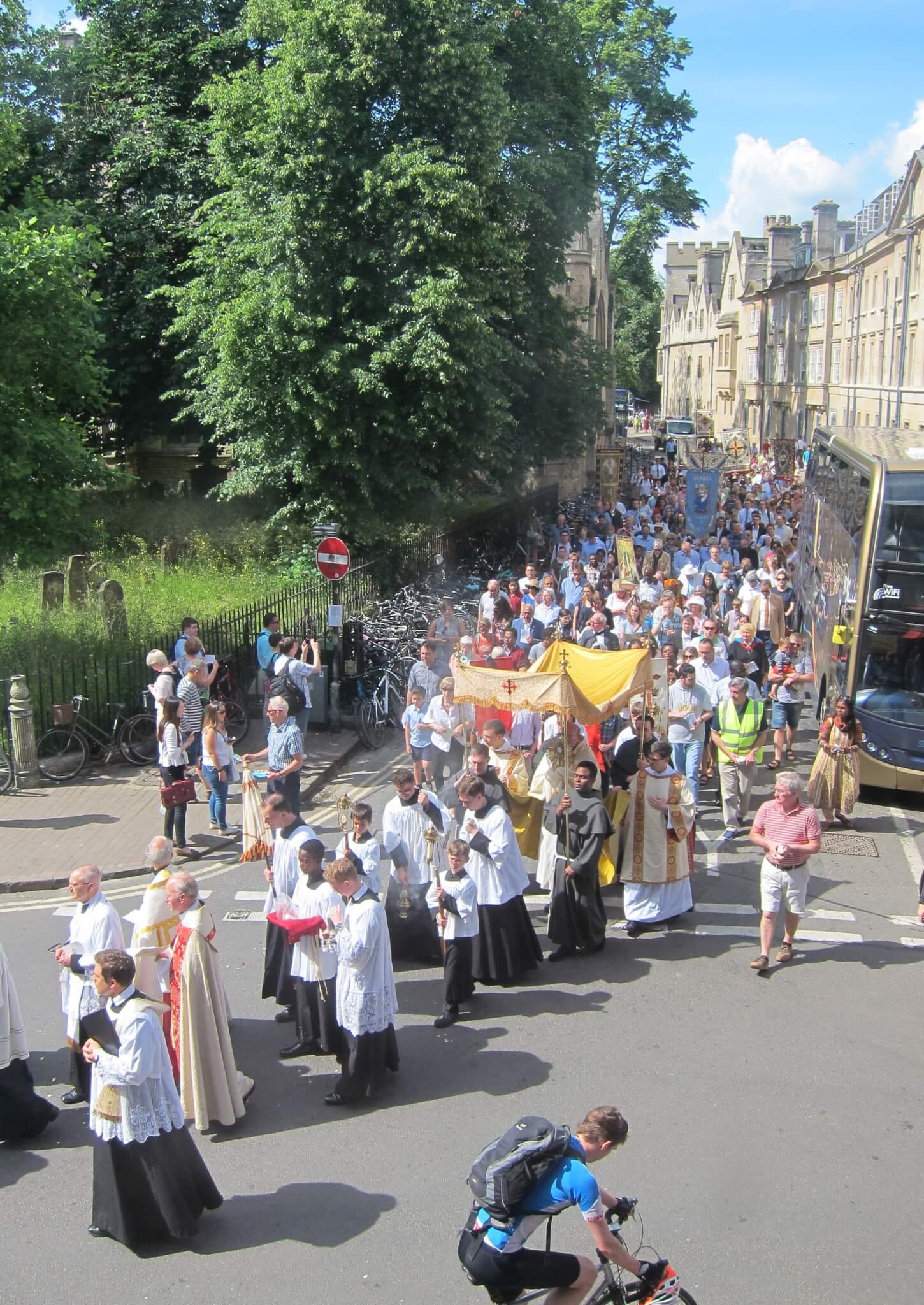
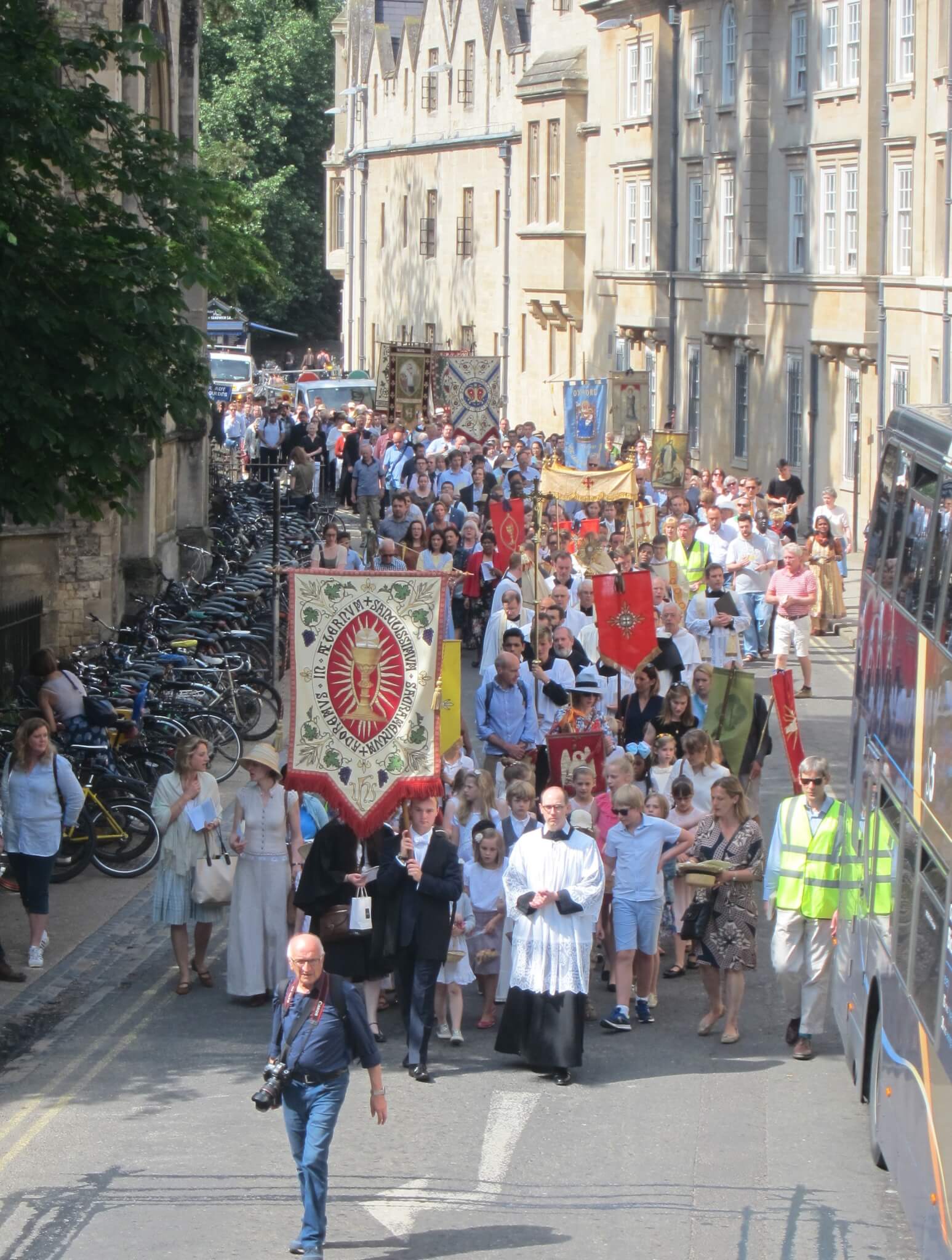
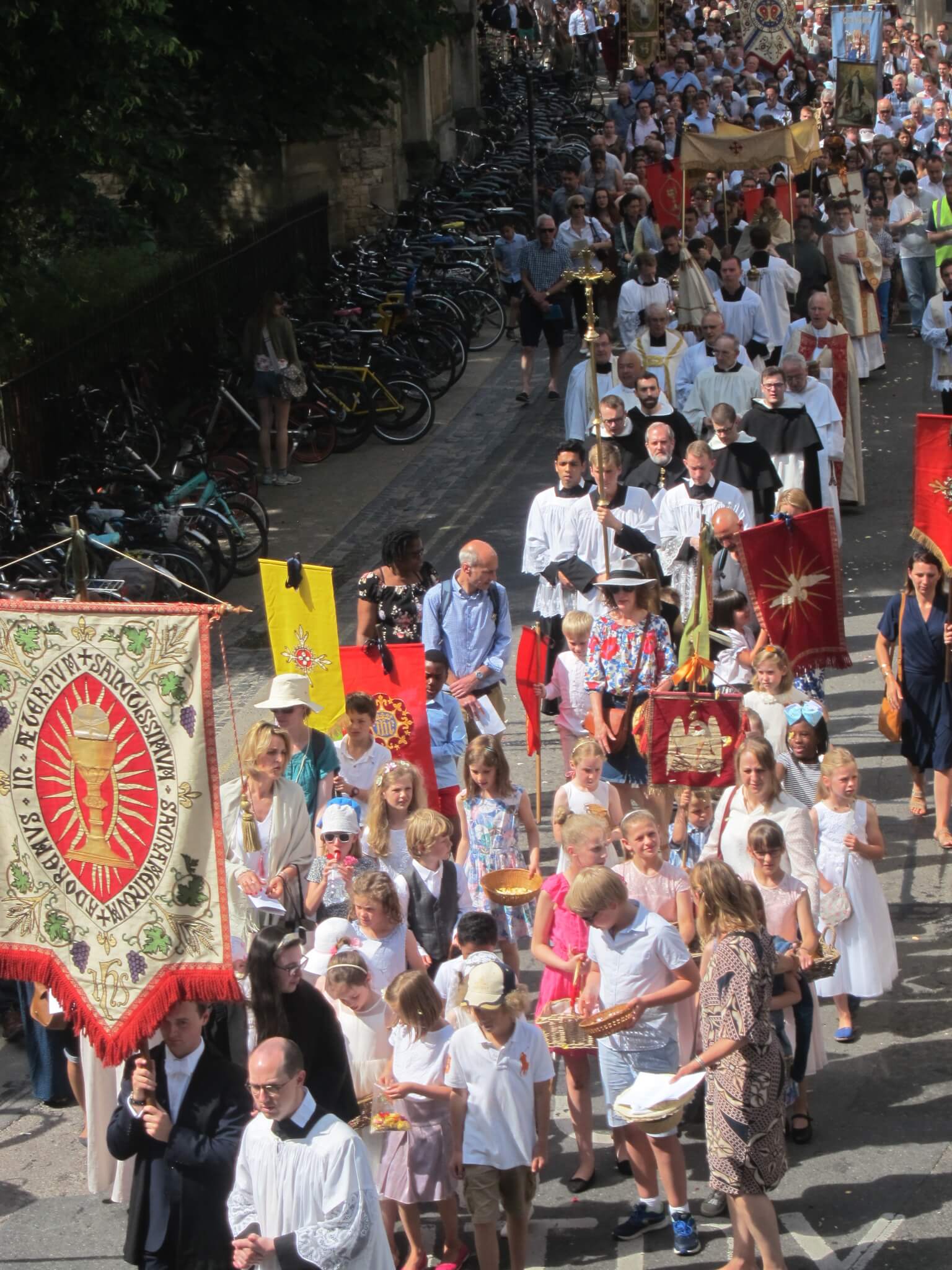
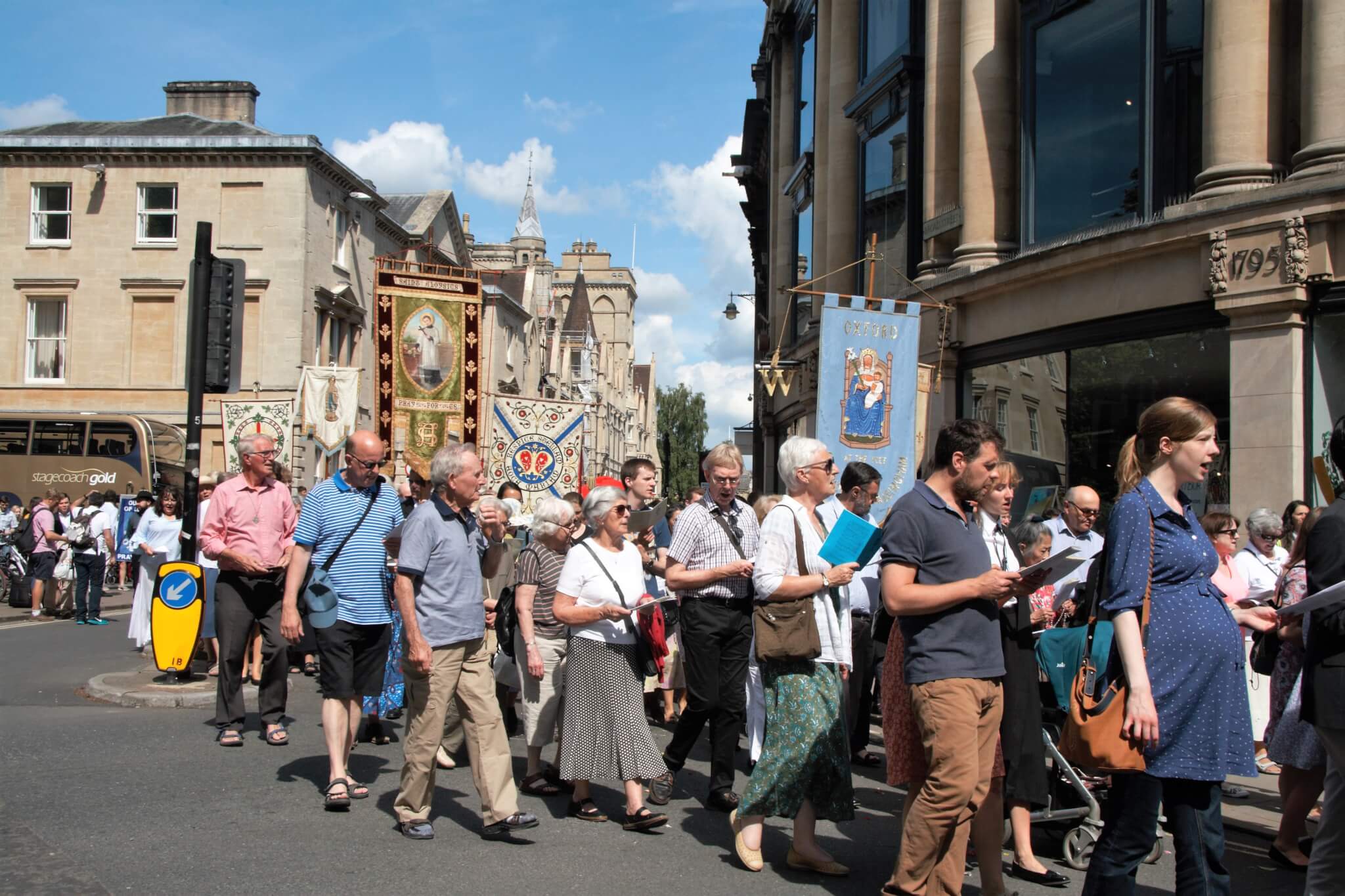
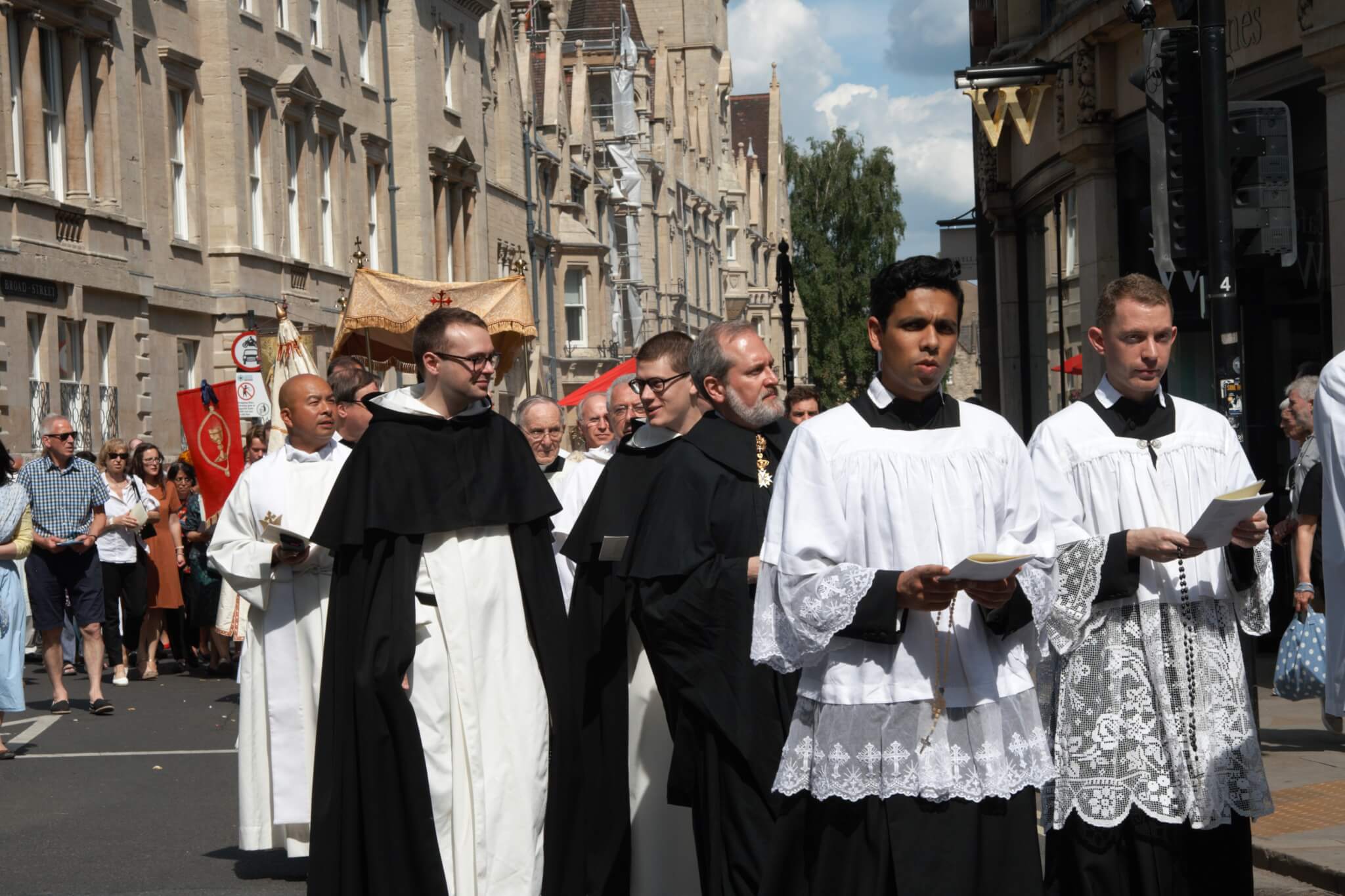
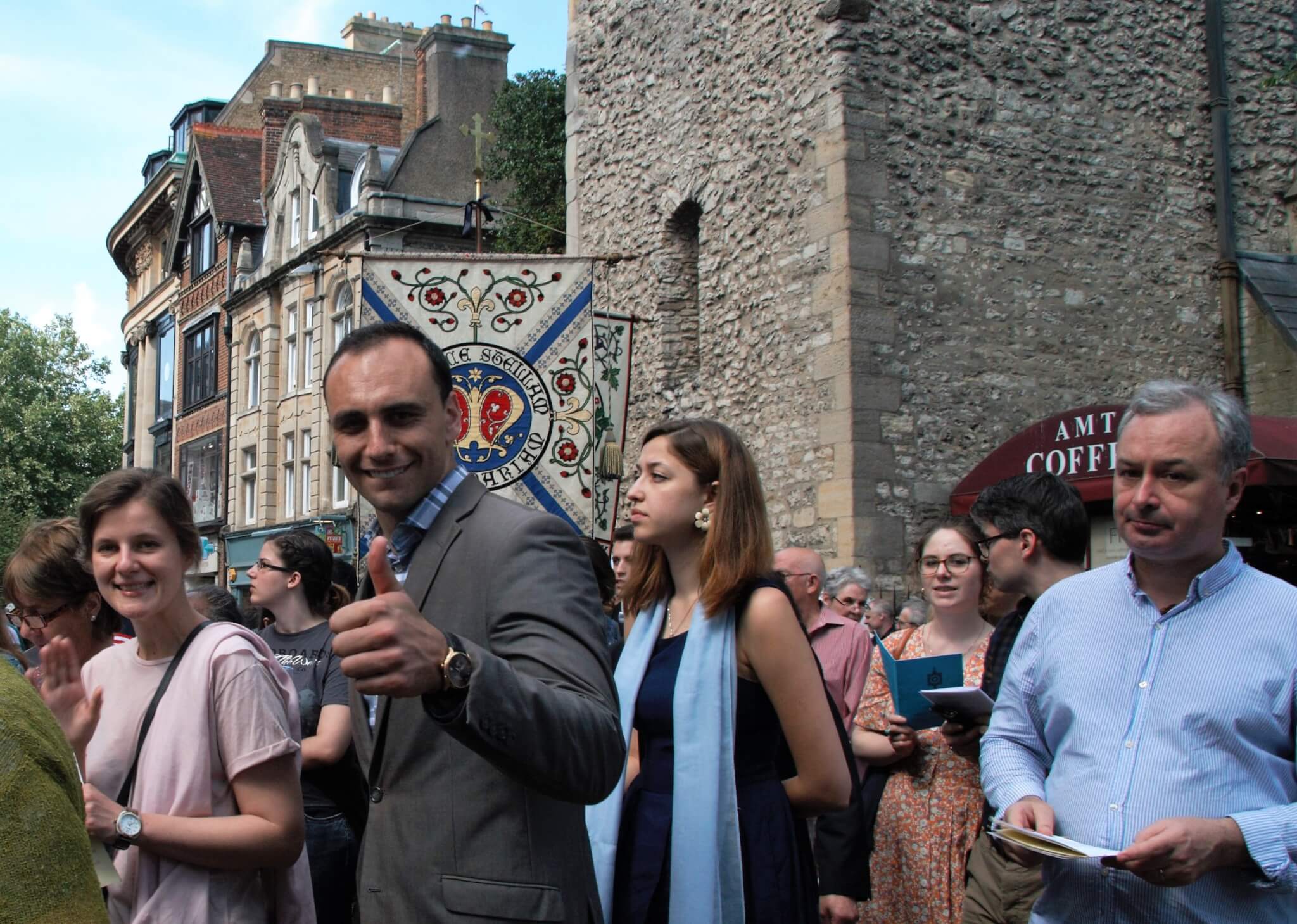
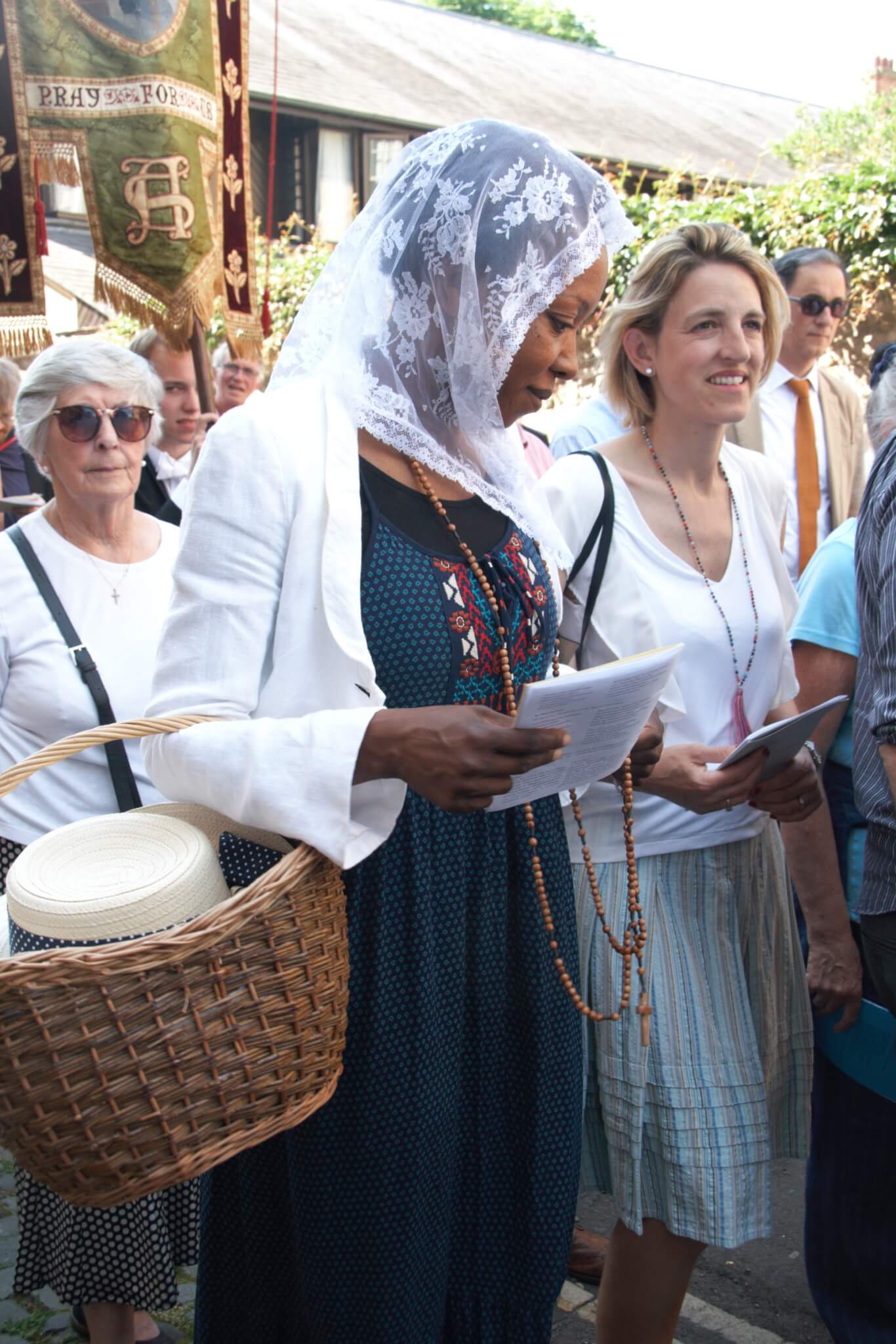
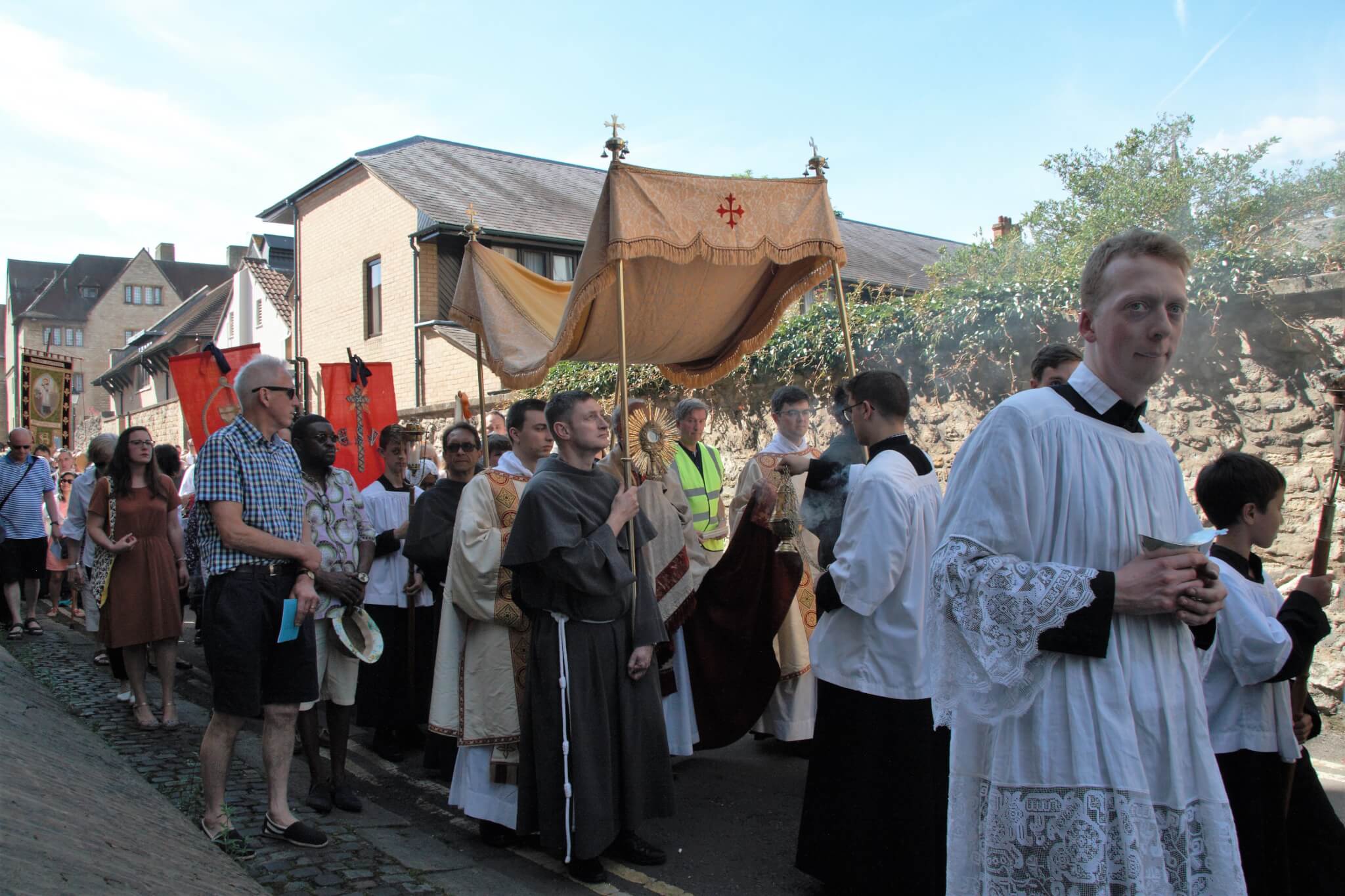
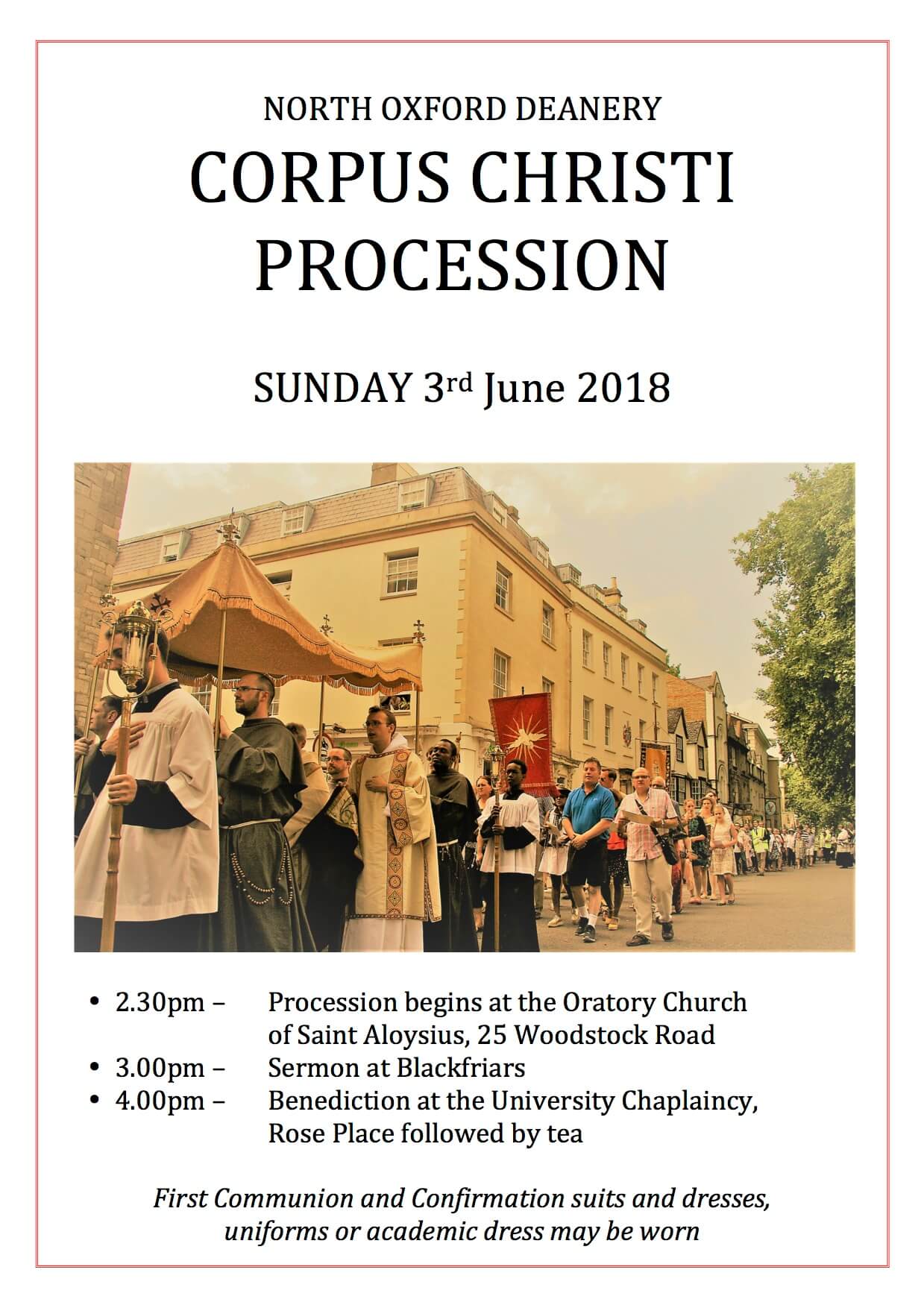
On Sunday we had a beautiful summer’s day for the annual Procession of the Blessed Sacrament.

Petals are ready to scatter:

IMG_3248 (2)

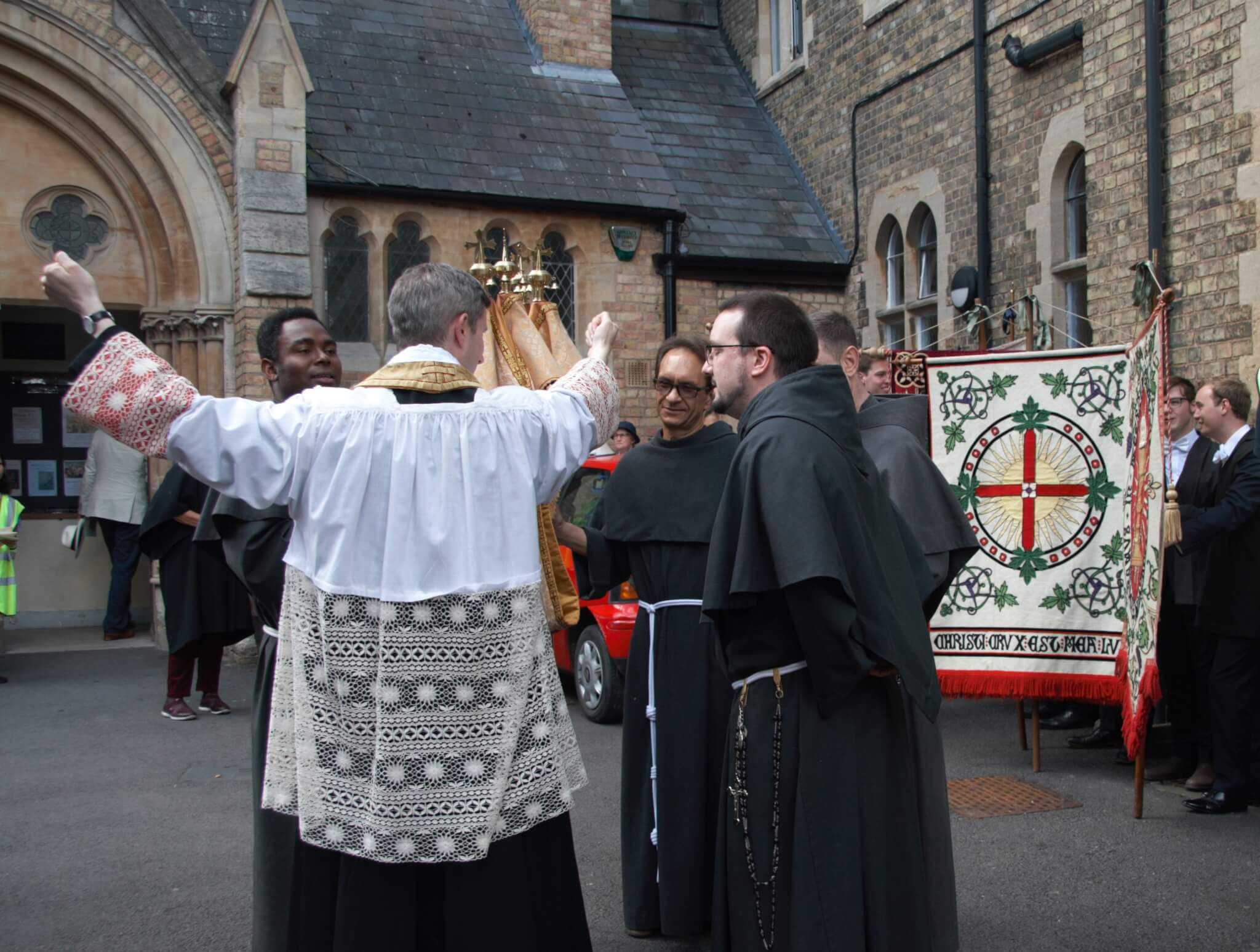
The Conventual Franciscan Friars are instructed about their canopy-carrying duties:
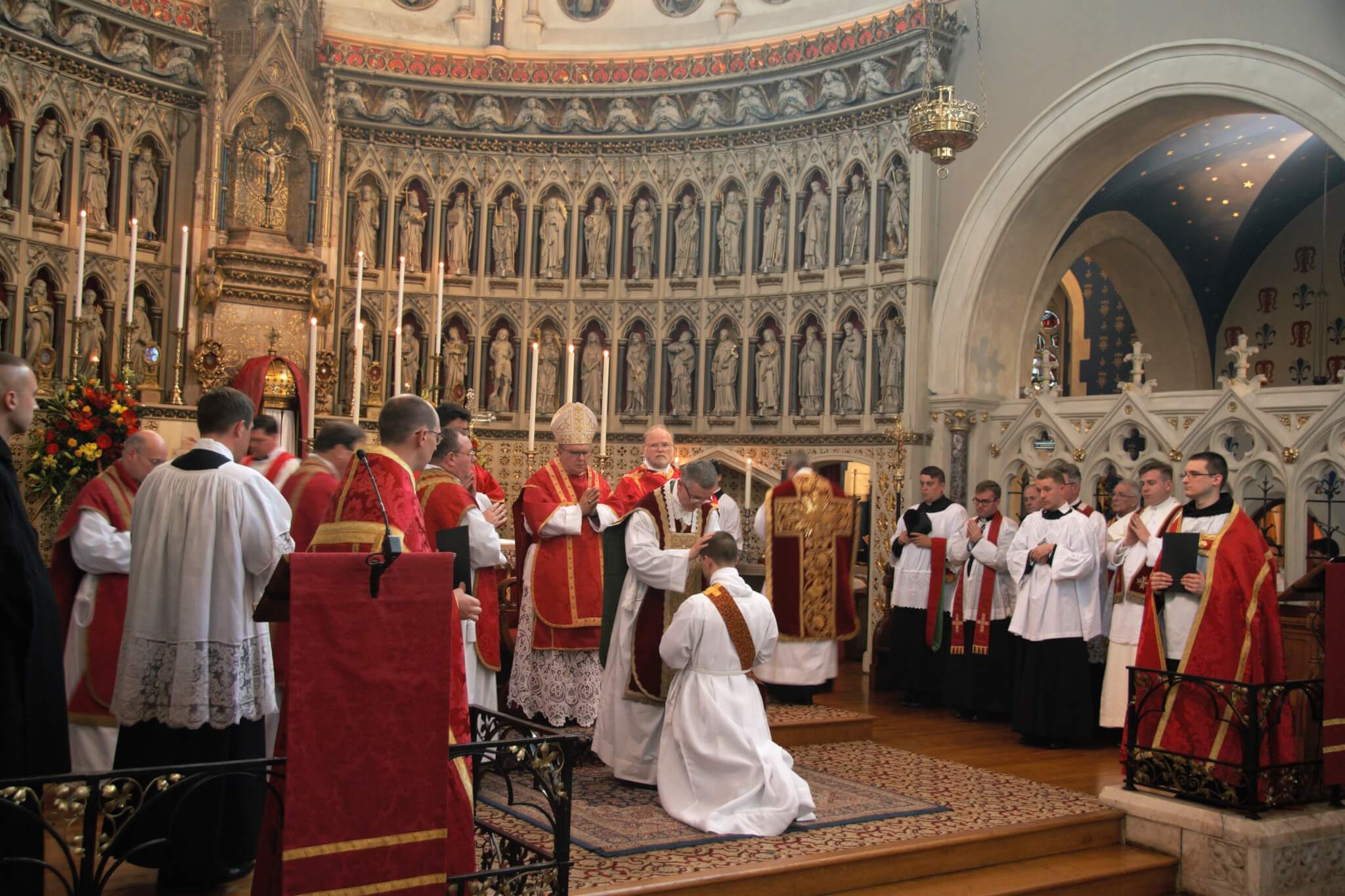
IMG_3242 (2)

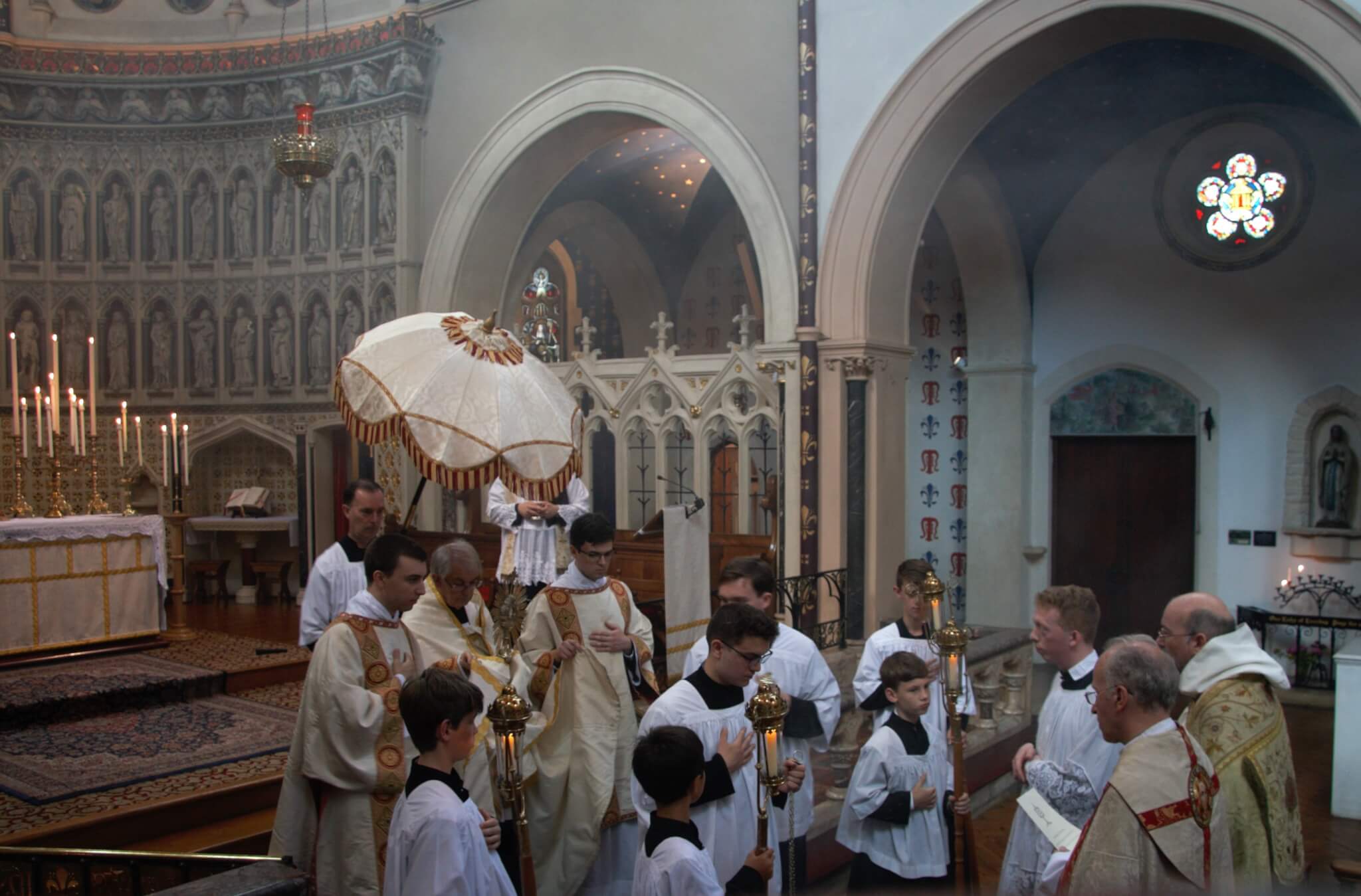
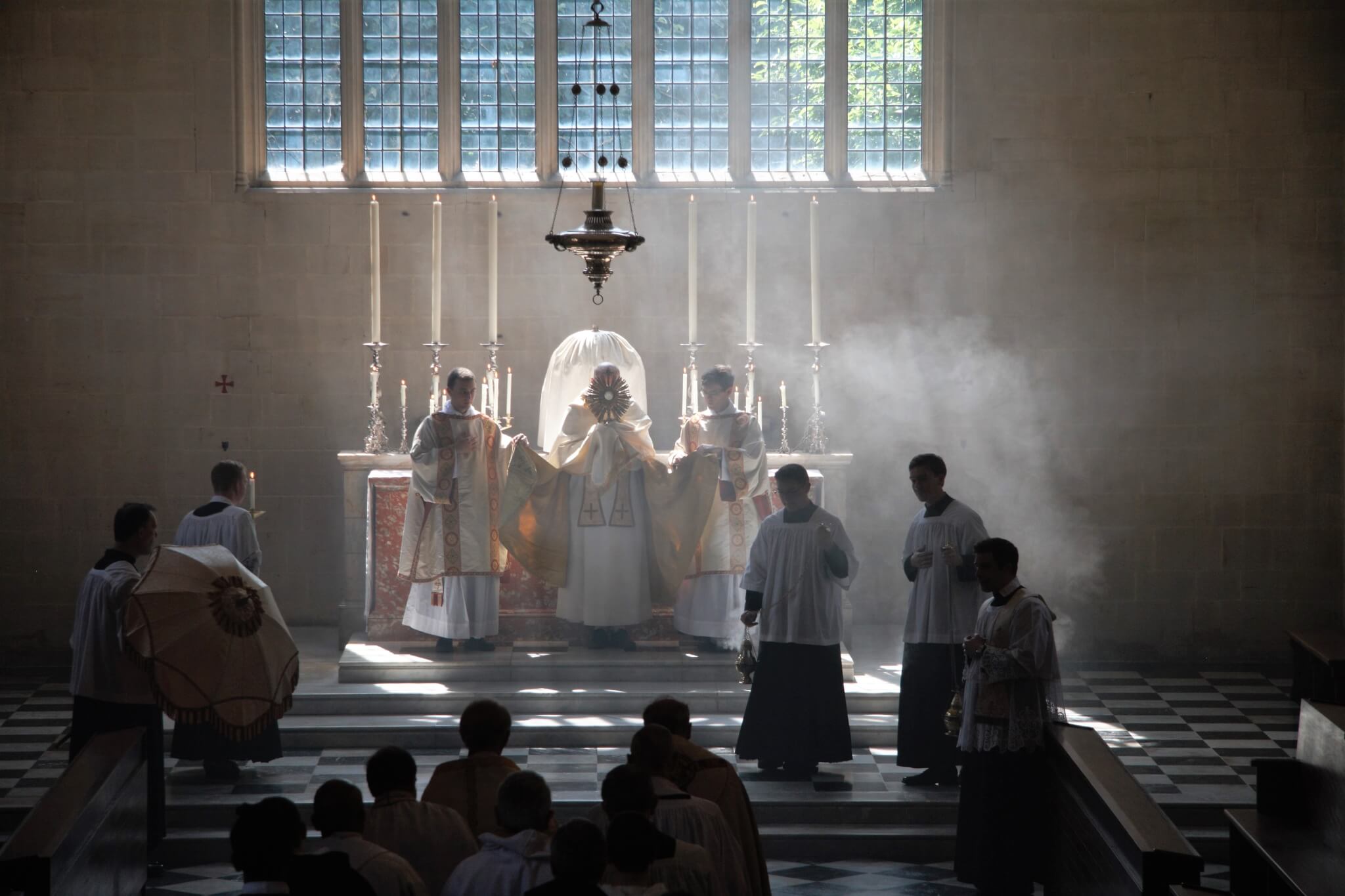
The Blessed Sacrament is exposed upon our altar:
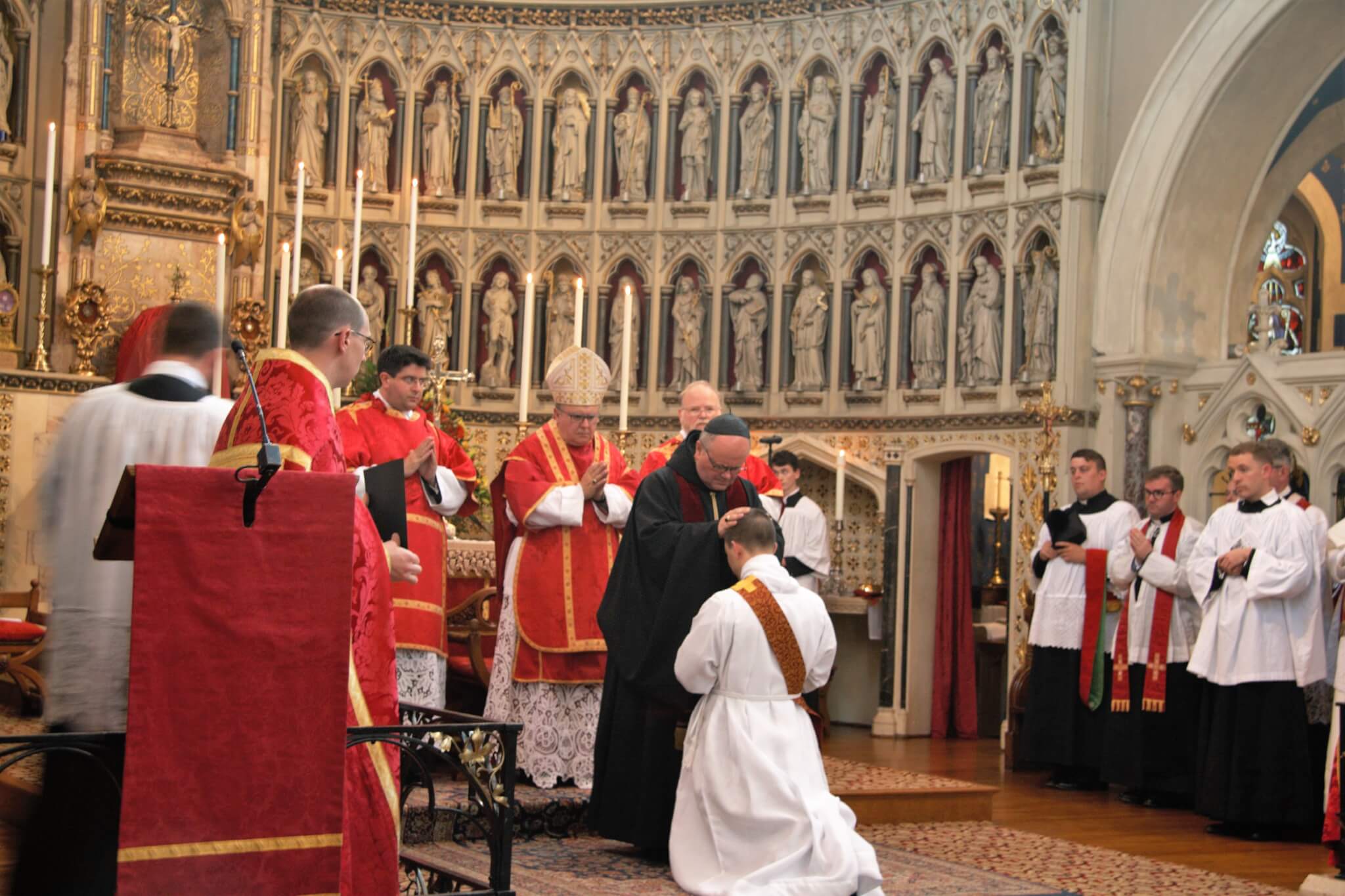
IMG_3261 (2)

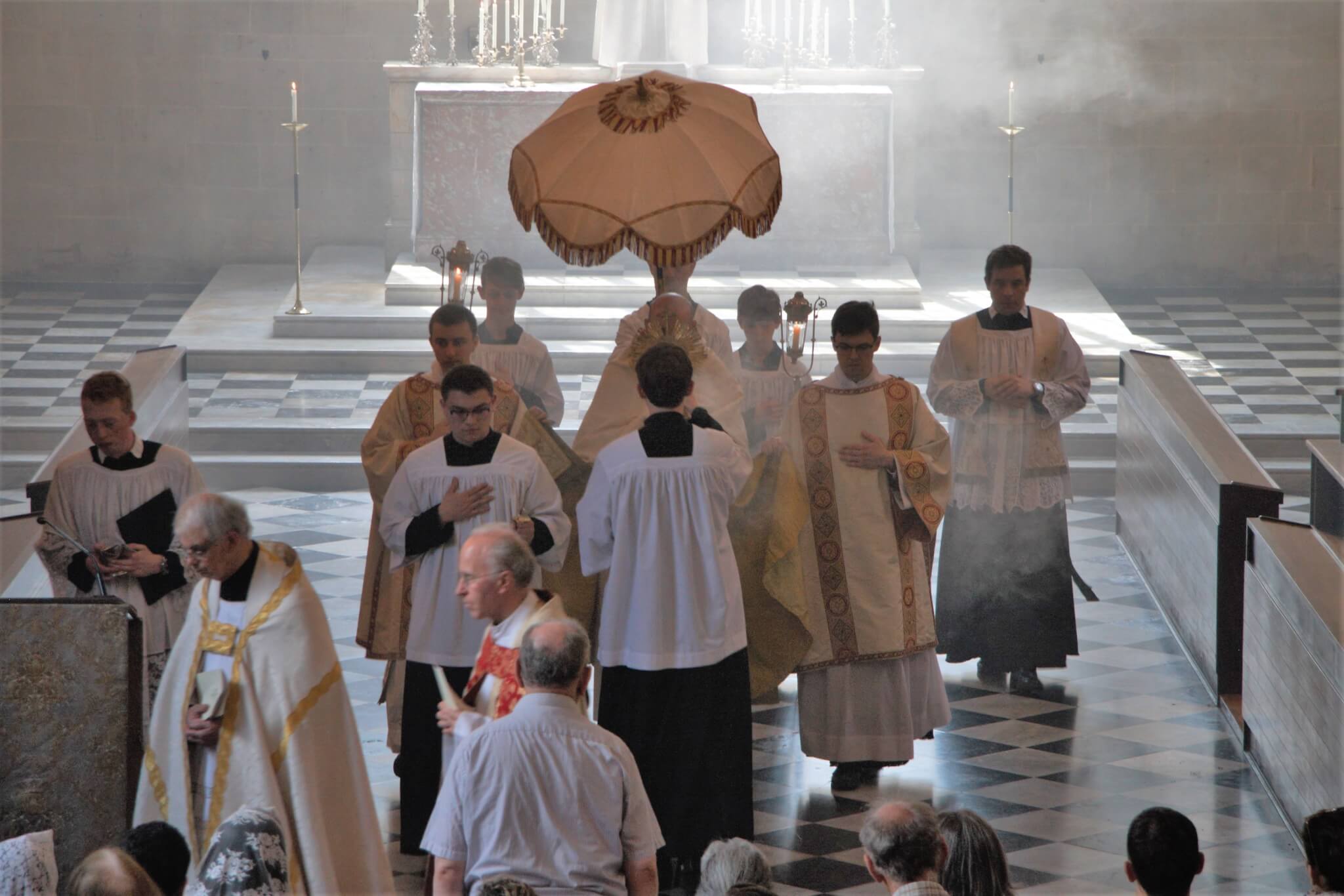
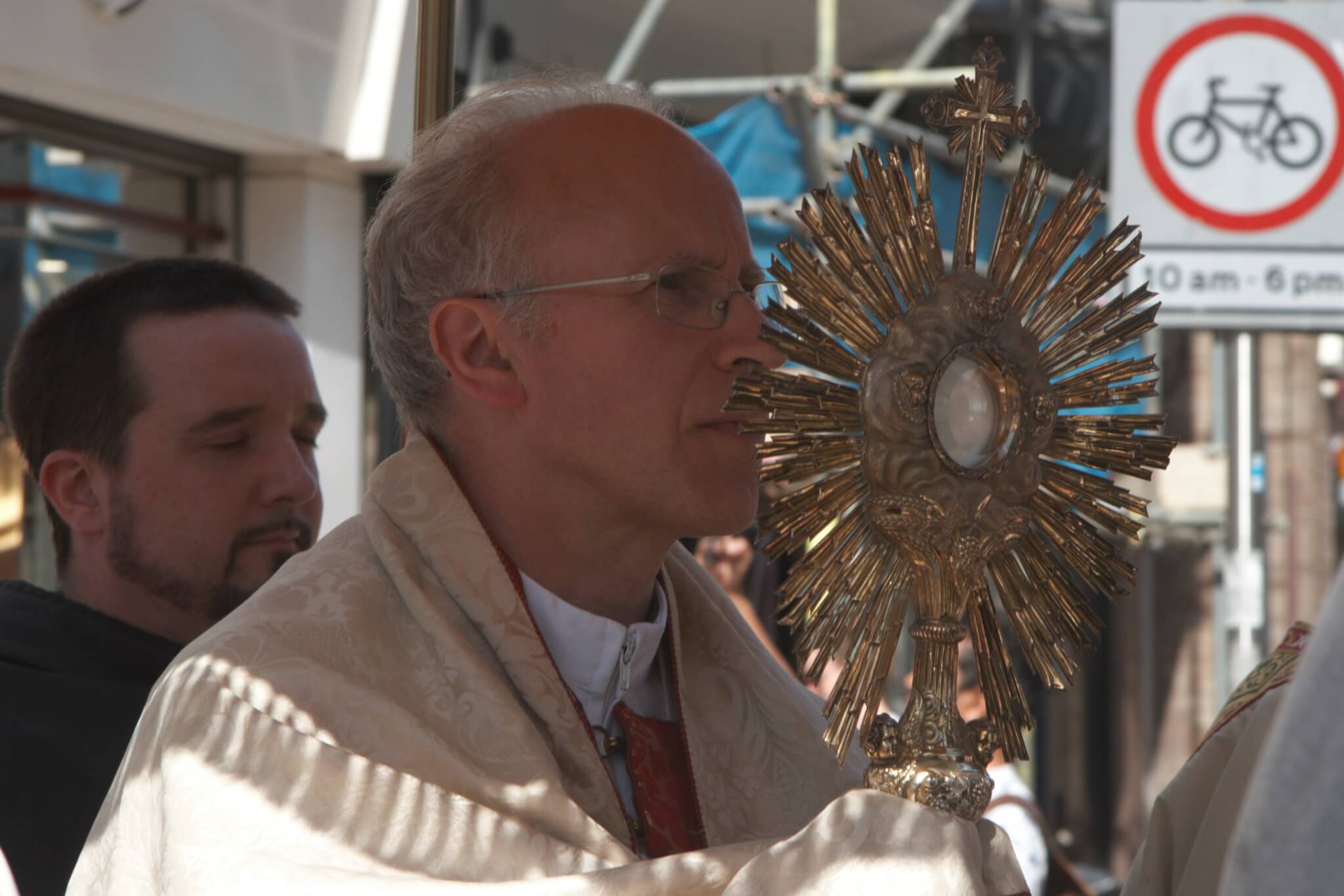
The Dean, Fr John Hancock, carries the Blessed Sacrament from our church:

IMG_3265 (2)

IMG_3268 (2)

Emerging from the Oratory courtyard:

IMG_3272 (2)

Along St Giles’:

IMG_3297 (2)

IMG_3429 (3)

As the Procession enters Blackfriars, the Dominicans sing the Lauda Sion:

IMG_3301 (3)

Fr Simon Gaine, OP, Regent of Blackfriars, carries Our Lord through the Priory Church:

IMG_3319 (3)

IMG_3322 (3)

Crossing St Giles’:

IMG_3328 (2)

IMG_3334 (2)

IMG_3333 (2)

The view along Magdalen Street:


IMG_2676

IMG_2675

IMG_2668IMG_2671

IMG_3349 (3)

IMG_3341 (2)

See today before us laid

The living and life-giving Bread,

Theme for praise and joy profound:

IMG_3368 (3)

IMG_3432 (2)

St Michael’s Street:

IMG_3375 (2)

New Inn Hall Street:

IMG_3386 (2)

Fr Matthew Power, SJ, Chaplain to the University, carries the Blessed Sacrament along St Ebbe’s:
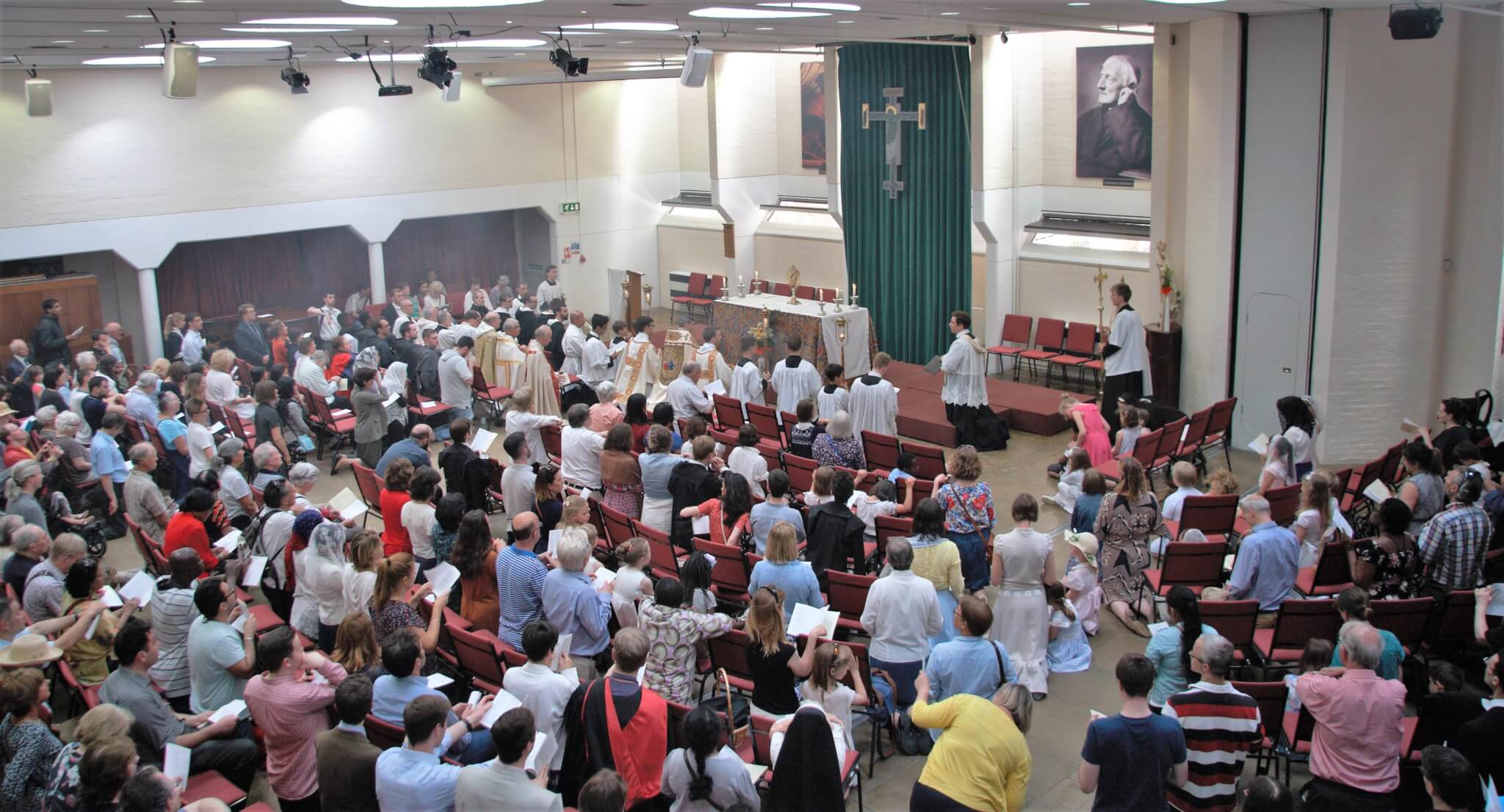
IMG_3393 (2)

IMG_3426 (3)

IMG_3423 (2)

IMG_3416 (2)

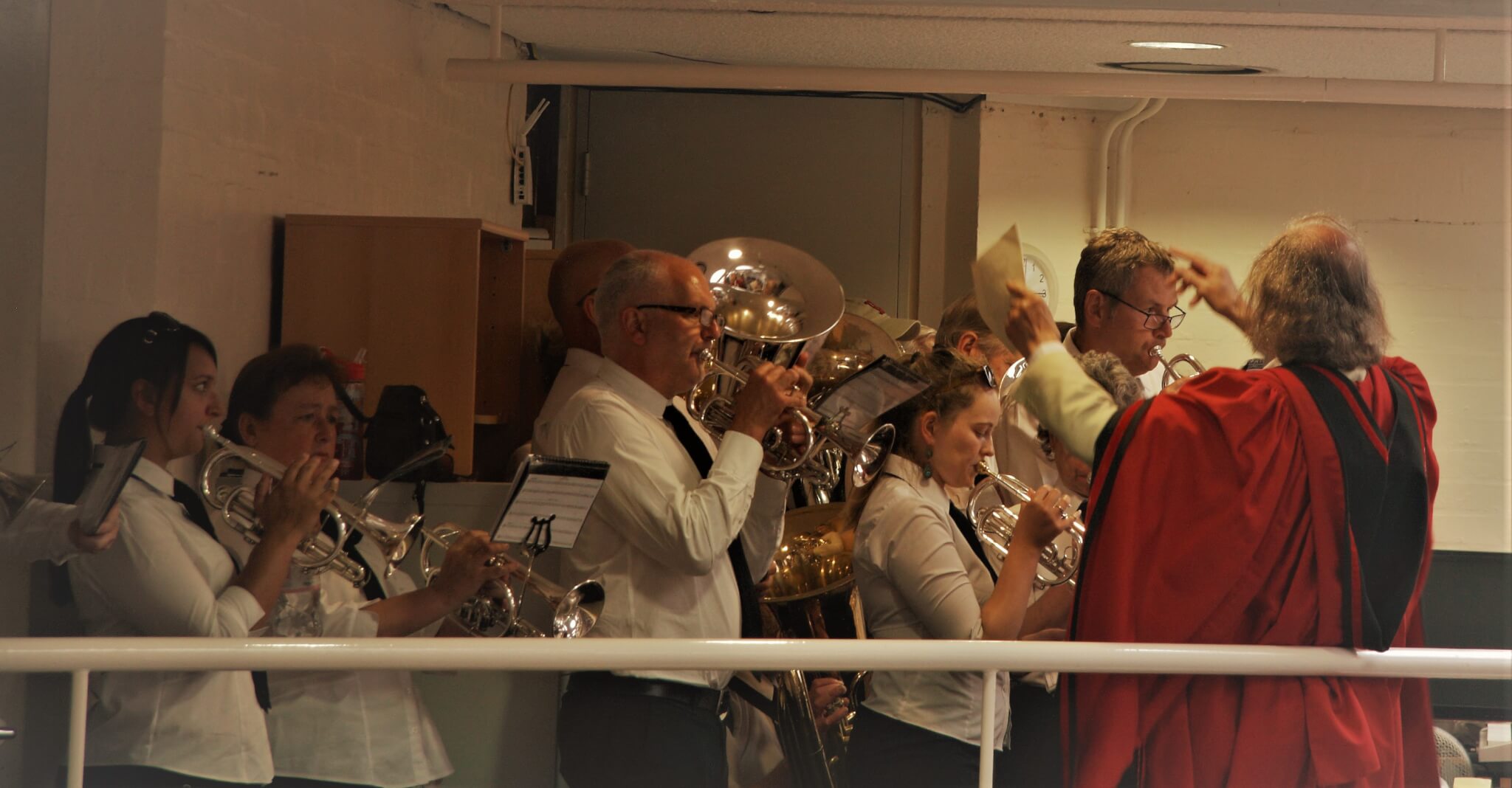
Brewer Street:
IMG_3427 (2)

Benediction at the University Chaplaincy:

IMG_3436 (4)

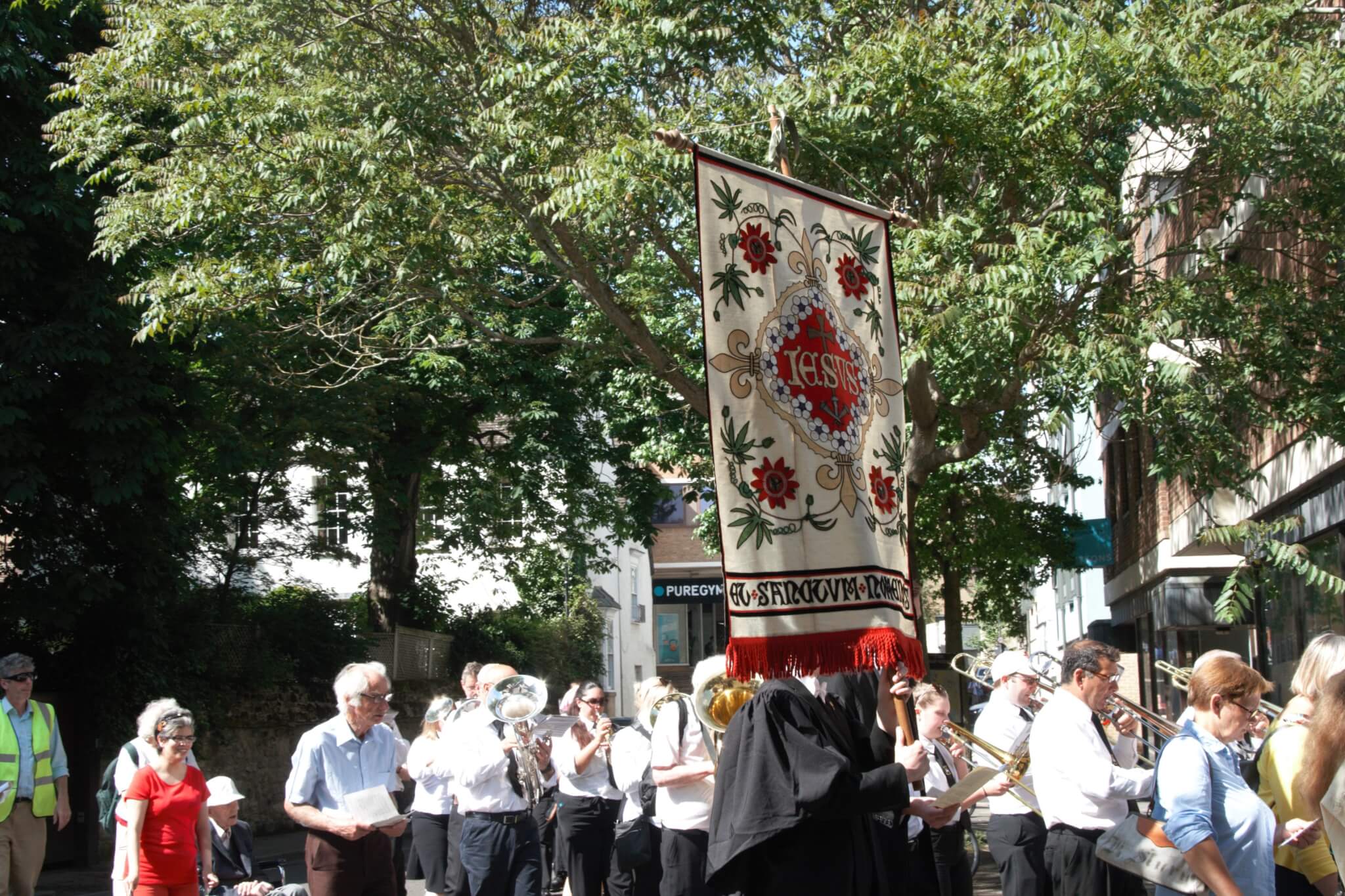
The Witney Town Band did a magnificent job in accompanying the whole procession, and Benediction at the Old Palace:

IMG_3438 (2)

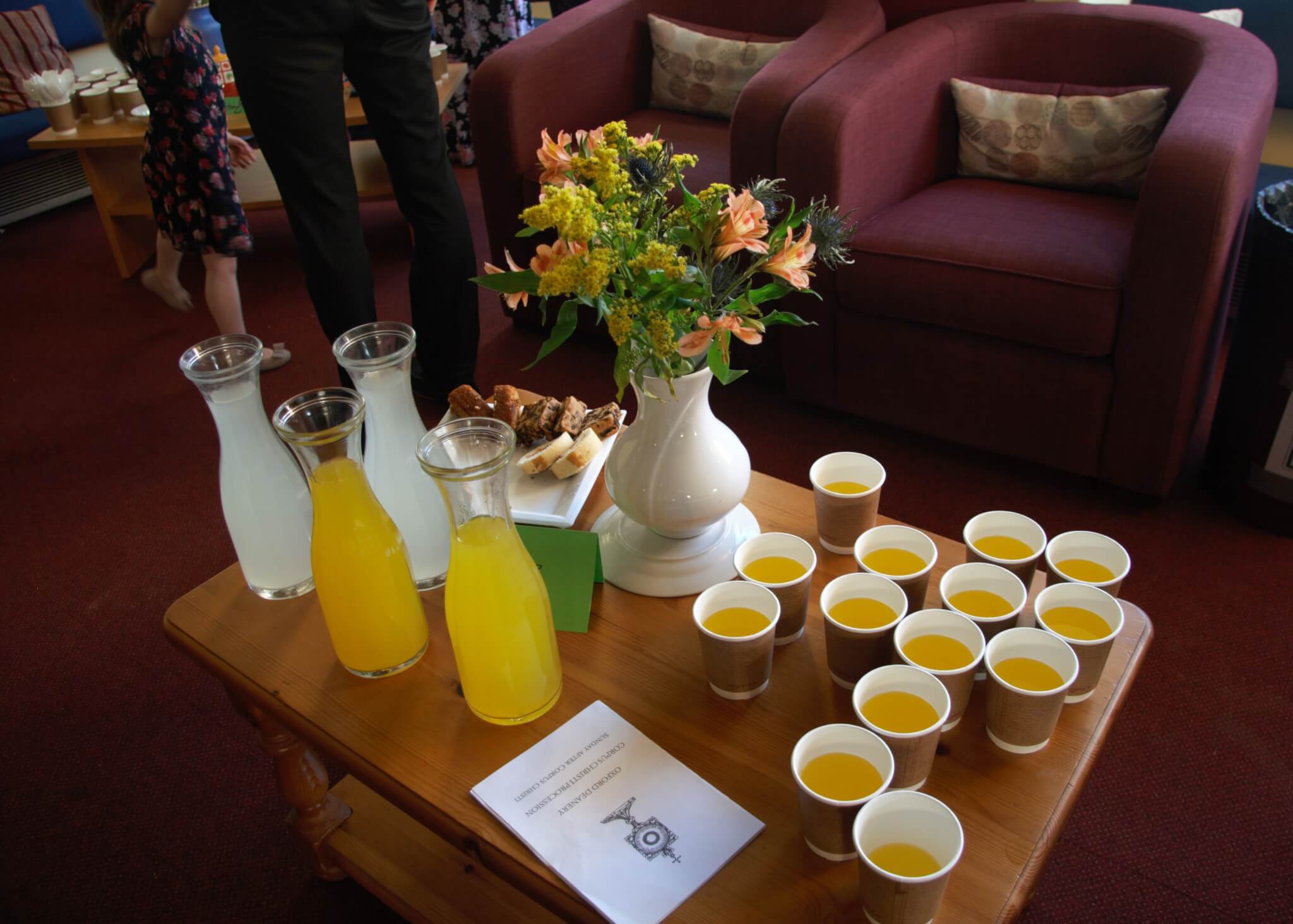
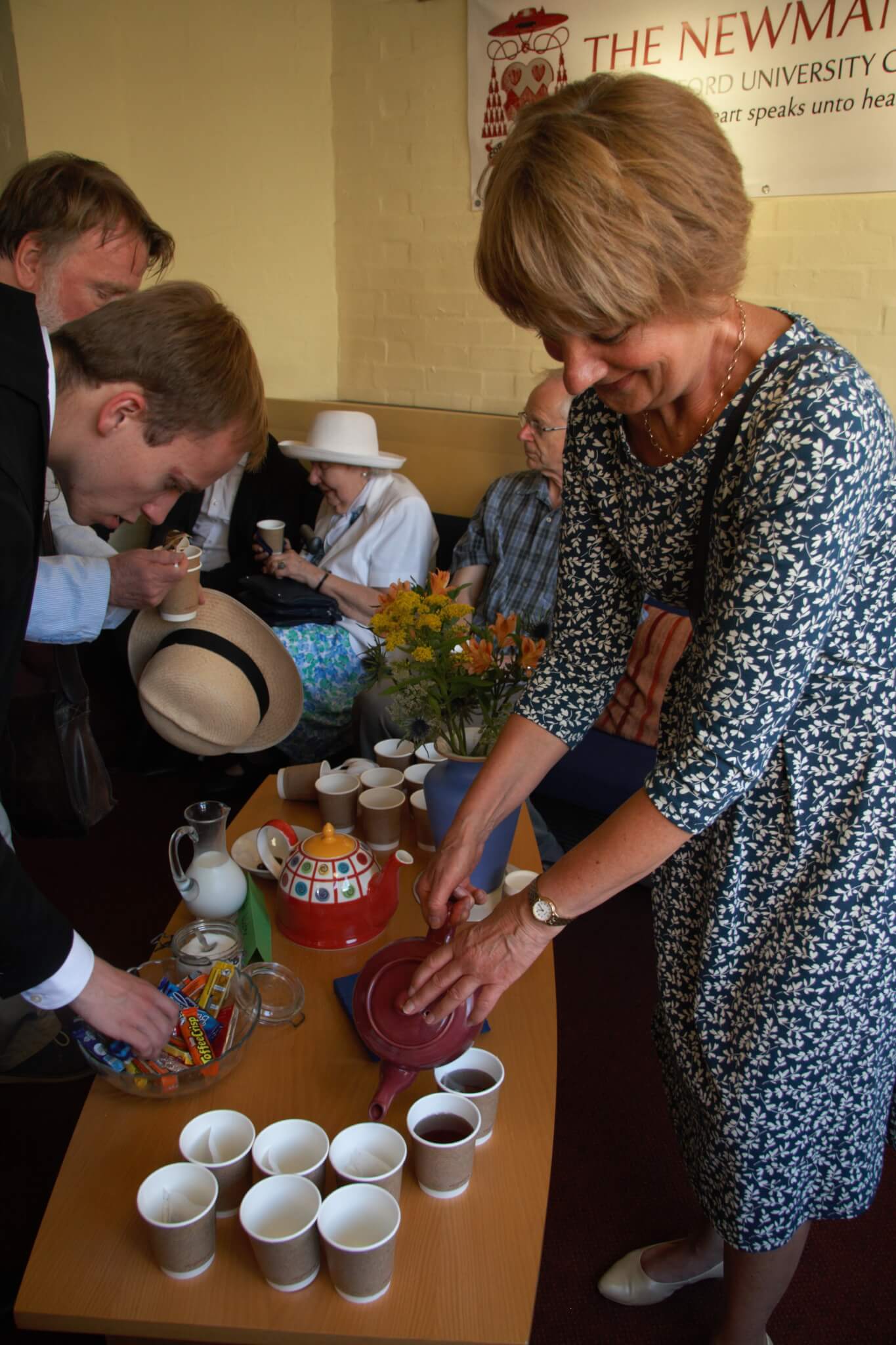
Welcome refreshments, courtesy of the Chaplaincy:

IMG_3455 (2) IMG_3460 (2)

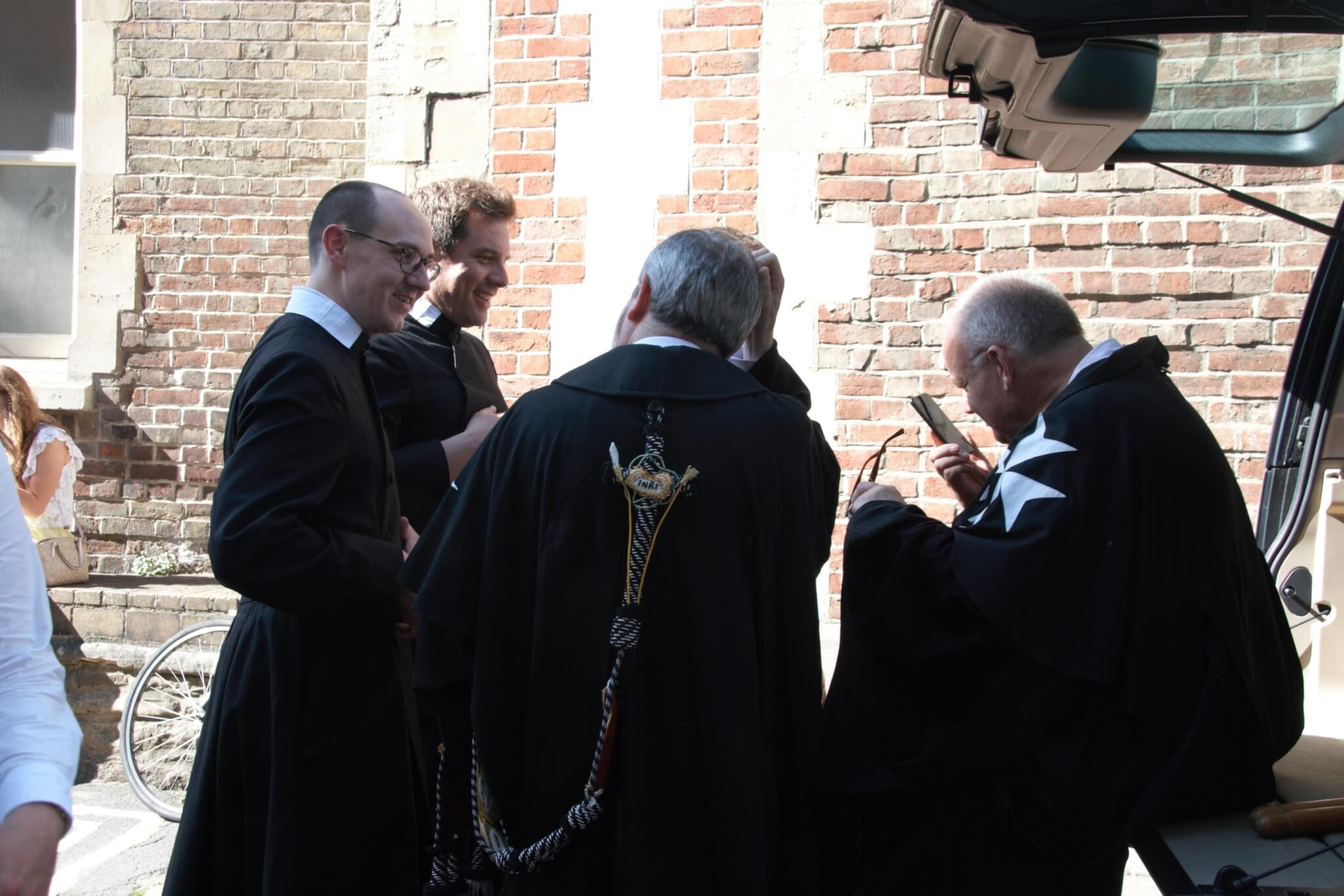
Debriefing:

IMG_3465 (3)

From the Jesuit Archives

St Aloysius' Church, Oxford

The following article recently appeared on the website of the Jesuits in Britain Archives. It is reproduced here by kind permission. The original post may be found here:https://www.jesuit.org.uk/blog/archives-st-aloysius%E2%80%99-oxford

FROM THE ARCHIVES: ST ALOYSIUS’, OXFORD

145 years ago, on the 20th of May 1873, Oscar Wilde and a companion were among a large crowd that watched as Dr William Bernard Ullathorne, the first Bishop of Birmingham, laid the foundation stone of the first Catholic church to be built in the centre of Oxford since the Reformation: St Aloysius’. According to Fr John Morris SJ who was also present at the occasion:

The weather, on which an out-door function is so entirely dependent, was magnificent; and the attendance on the occasion was large. Admission was by ticket, and publicity had been as much as possible avoided; but seven hundred tickets were distributed, and there were hundreds of applications besides.

St Aloysius’ was to be the new centre of the Jesuit mission in Oxford, and this important occasion marked, for the small congregation, an end to worshipping at their ‘out-of-the-way dreary little chapel of St Ignatius’ which had been built by Fr Charles Leslie SJ in 1793, little dreaming that it would have to suffice for a further 80 years. A small mission of the Society had initially opened at Waterperry, c1750, which formed one parish with Britwell and Oxford, and it was when Oxford was created as a separate parish that Fr Leslie built his chapel. Although a plain and humble structure, St Ignatius’ chapel was considered a great thing in its day, and its opening a prodigious event. It was there that, on the 12th of October 1845, John Henry Newman heard Mass for the first time.

parkinson_fr_thomas_sj_1819-1904

The first half of the 19th, however, was a time of poverty for the mission and it was proving unproductive: in 1839 there were only 130 communicants and no more than 118 in 1859. That year it, along with several other small missions, was handed over to the respective dioceses to be served by secular priests. One such at St Ignatius’, Fr Alexander Comberbach, purchased the land opposite Christ Church with a view to build a modest Gothic church to the Immaculate Conception, while Newman planned to found an Oratory in Oxford and so purchased the land that is now Wellington Square. In the end, neither of these plans came to fruition, with the result that in 1871 Dr Ullathorne asked the Jesuits to resume charge of the mission. The old chapel being inadequate to the wants of the congregation, and inconveniently situated, it was decided to build a new church and a new site was purchased in Woodstock Road thanks to an unexpected legacy of £7,000 from Baroness Weld. The architect appointed was Joseph Aloysius Hansom, who had previously designed the Jesuit Church of the Holy Name in Manchester, and would go on to design St Walburge’s, Preston.

St Aloysius’ was solemnly dedicated on the 23rd of November 1875 by Dr Ullathorne, with Cardinal Manning preaching the sermon. Fr Thomas Parkinson SJ had arrived in October 1875 to take charge of the mission, and would go on to serve it for twelve years. By the start of 1876 Fr Parkinson had purchased the houses adjoining the church with the aim of creating an open approach to the church and space for an adequate hall or parish rooms, and rooms for the community to move into. By the end of their first year, Lord Bute had given £1,000 for a new altar and 34 converts had been received.

hansom_letter

Letter from Joseph Hansom to Fr Parkinson regarding the new altar, 11 December 1878

The first Mass was celebrated at the new altar on the 9th of February 1878 by Fr Parkinson and in August that year work on the new presbytery was completed, which would meet the needs of the various societies and provided an adequate residence for the community. Between December 1878 and September 1879 the church was served by Fr Gerard Manley Hopkins SJ, who, for two weeks of that year, was also required to fill in as parish priest for Fr Parkinson who had been injured after a fall from a cart. Unfortunately, although “he had come [to the Society] with a record of brilliance and with all the enthusiasm of a convert, Hopkins had yet to succeed in the practical, workaday duties with which most Jesuits are expected to cope. Little wonder that, as he later admitted, he was not a palpable hit with the eminently practical Father Superior.”

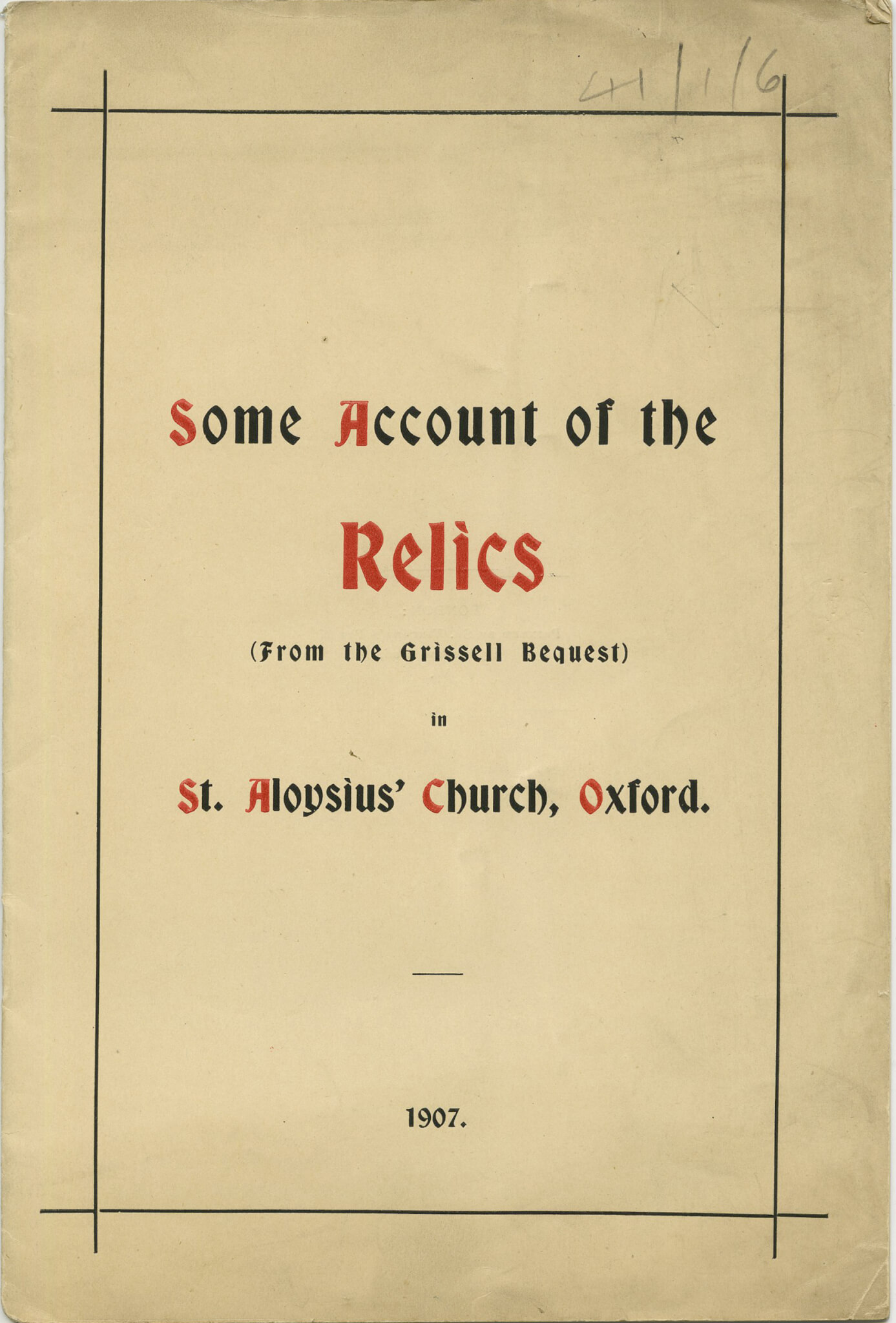
Over the years St Aloysius’ congregation would hear many of the day’s most distinguished preachers: Cardinals Newman and Manning, Fr Basil Maturin (who lost his life on the Lusitania), and Frs Bernard Vaughan, Cyril Martindale and Martin D’Arcy SJ. For many years a distinguished member of the parish was Hartwell de la Garde Grissell, a Papal Chamberlain and founder of the Oxford University Newman Society. When he died in June 1907 he left his entire collection of relics to the Catholic Archdiocese of Birmingham, on the condition that it be housed within a special chapel in the church. With only two months to provide a chapel and sacristy for the relics, Fr Arthur Day SJ (then Superior) sent appeals to friends of the church and letters to the press. Over £350 was raised and the baptistry speedily converted into the required chapel and a small sacristy was built on. The relics included those of over a hundred martyrs, four primary relics of St Philip Neri, founder of the Oratorians, and of St Ignatius, St Francis Xavier, and other Jesuit saints. relics

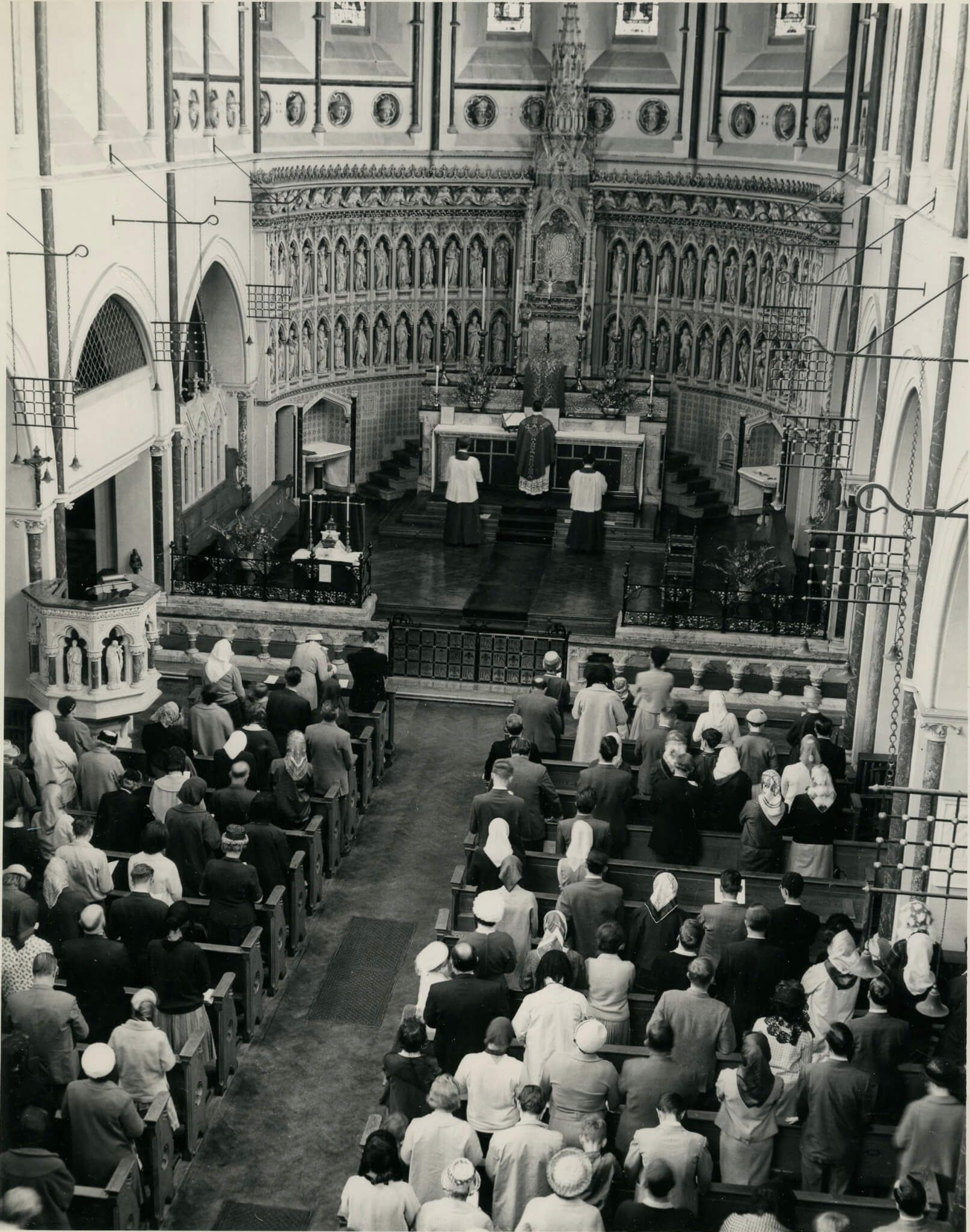
In the 1950s the decoration of the church was simplified to concentrate attention on the altar and a parish hall was constructed above the school next to the church. When the altar was moved forward in 1966, dry rot was found under the sanctuary, requiring extensive repairs. In the mid-1970s Fr John Costigan had the church re-painted in more cheerful colours (it had been painted grey during the renovations in the 1950s), and this colour scheme remains today. By this time, however, the Society felt they could no longer look after the parish and so in 1981, the church was handed back over to the Archdiocese of Birmingham, which looked after it until 1990 when it was entrusted to the Fathers of the Oratory.

oxford_-_st_aloysius_-_interior

Interior of St Aloysius’ Church, before the altar was moved forward

If you are interested in St Aloysius’ and would like to know more about the archives we hold, or about the work of the Jesuits in Britain Archives in general, please contact us.

Mary Allen, Deputy Archivist