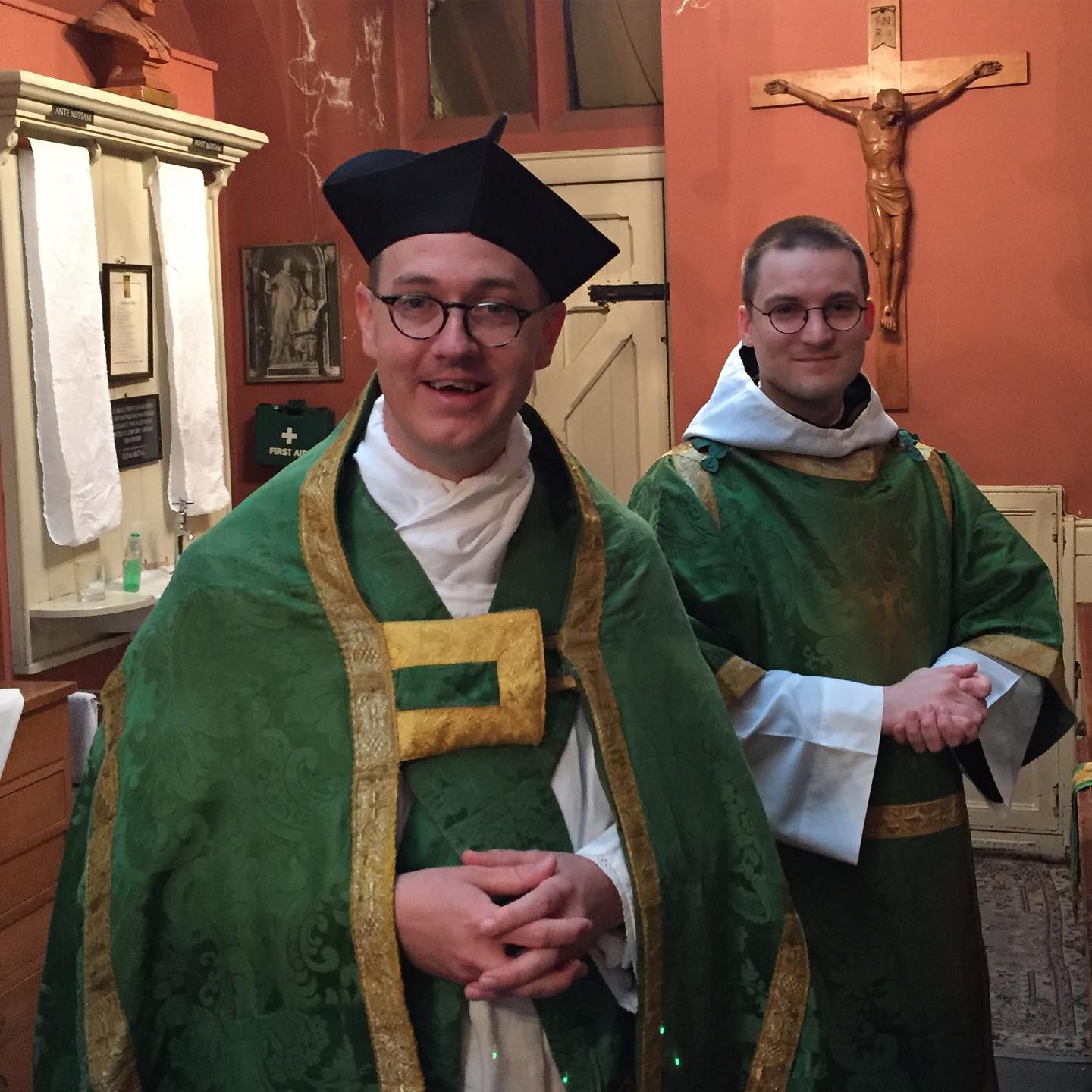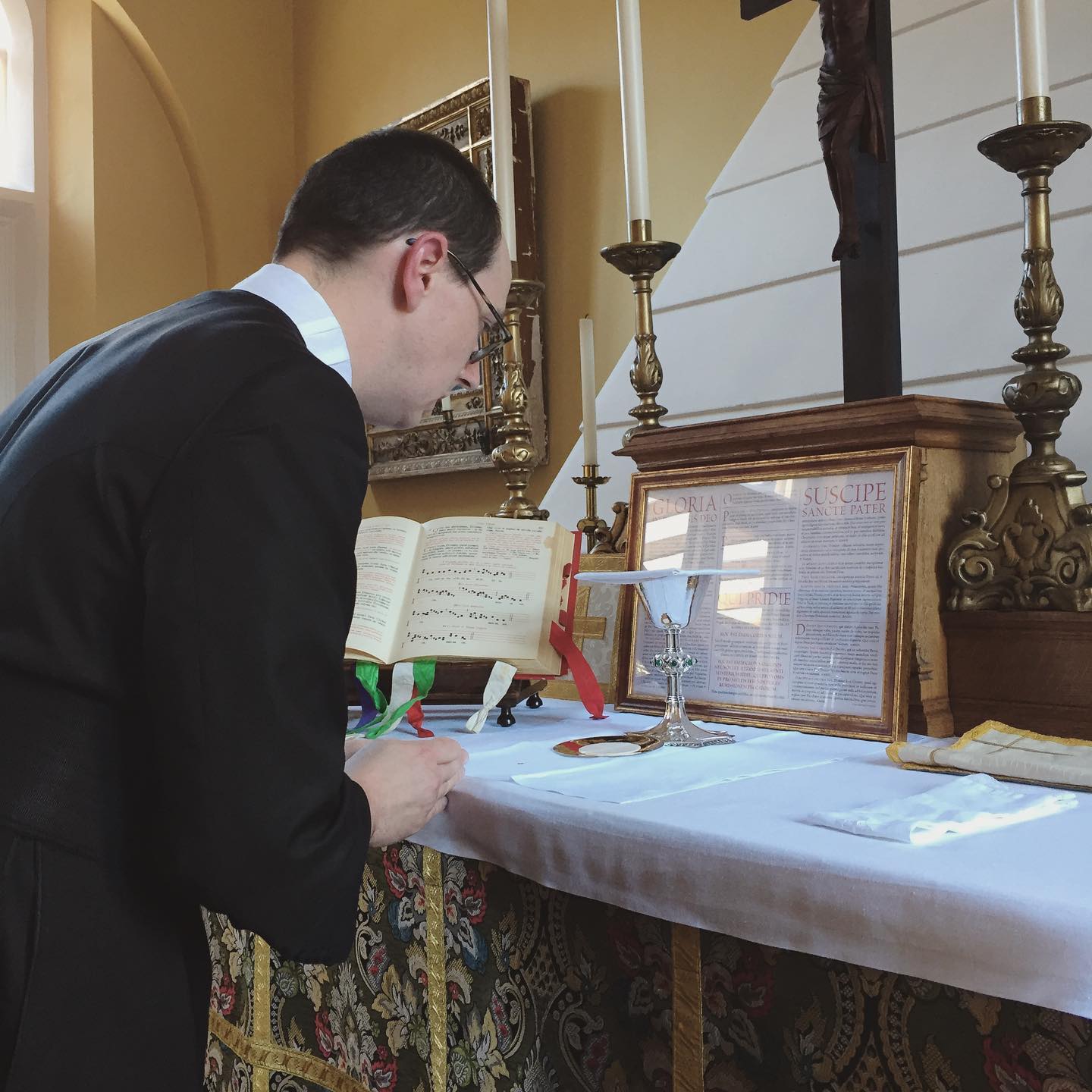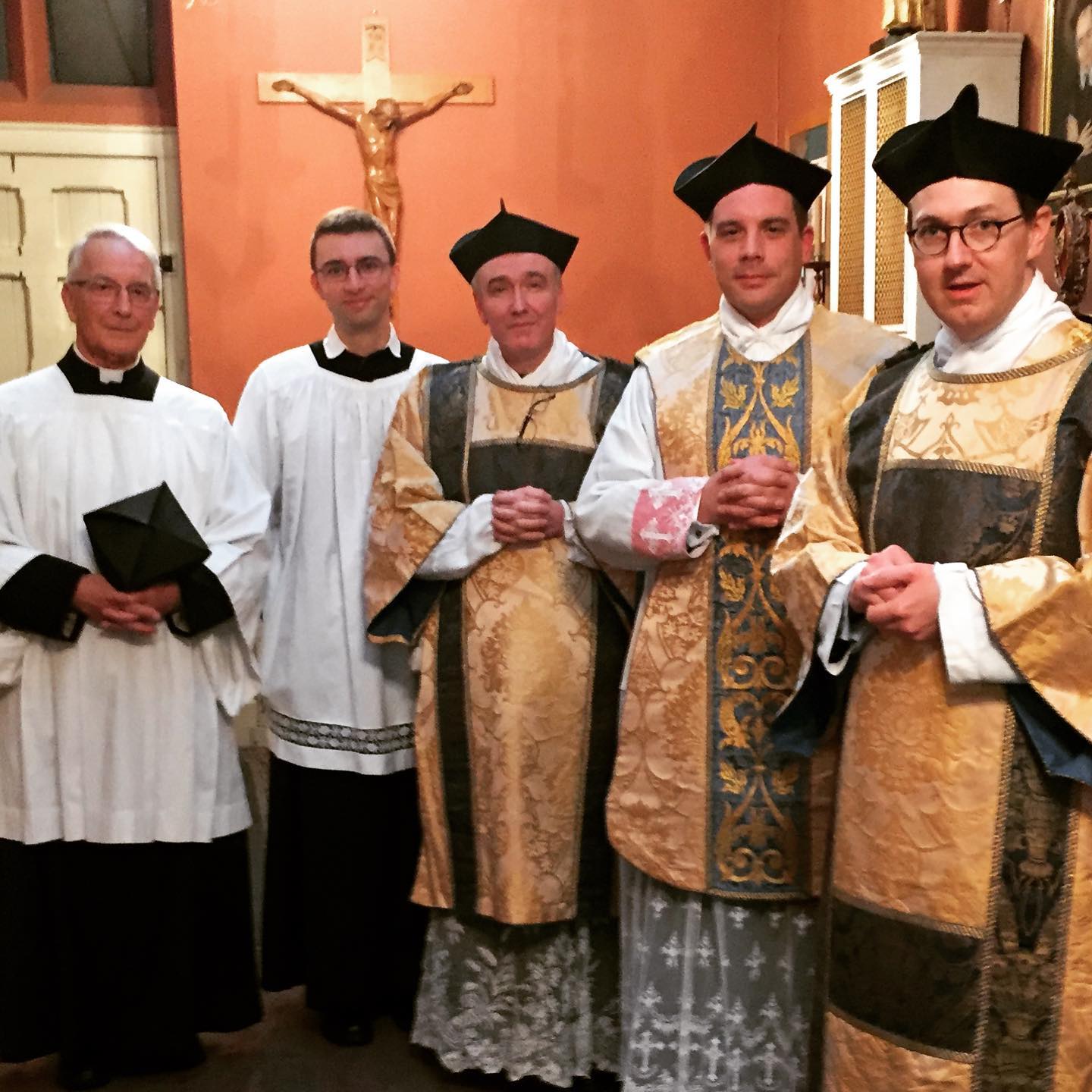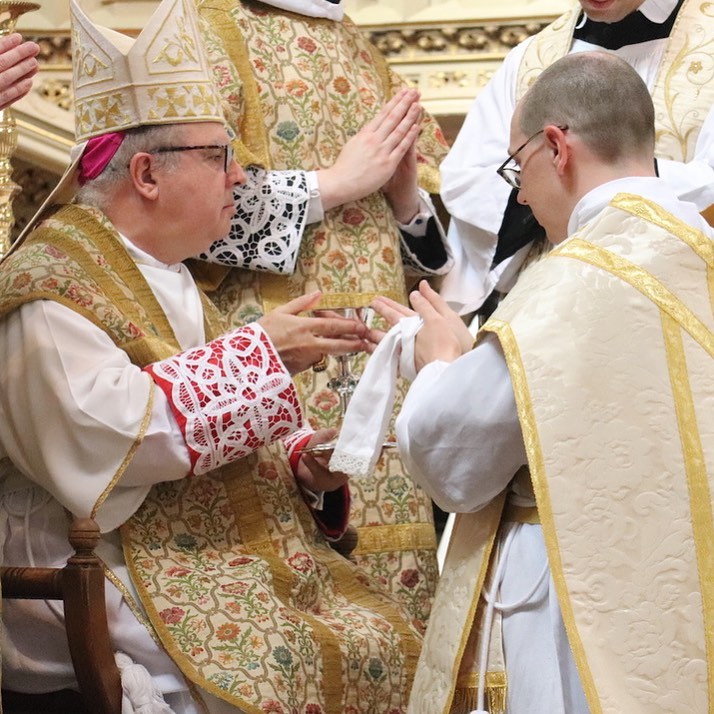
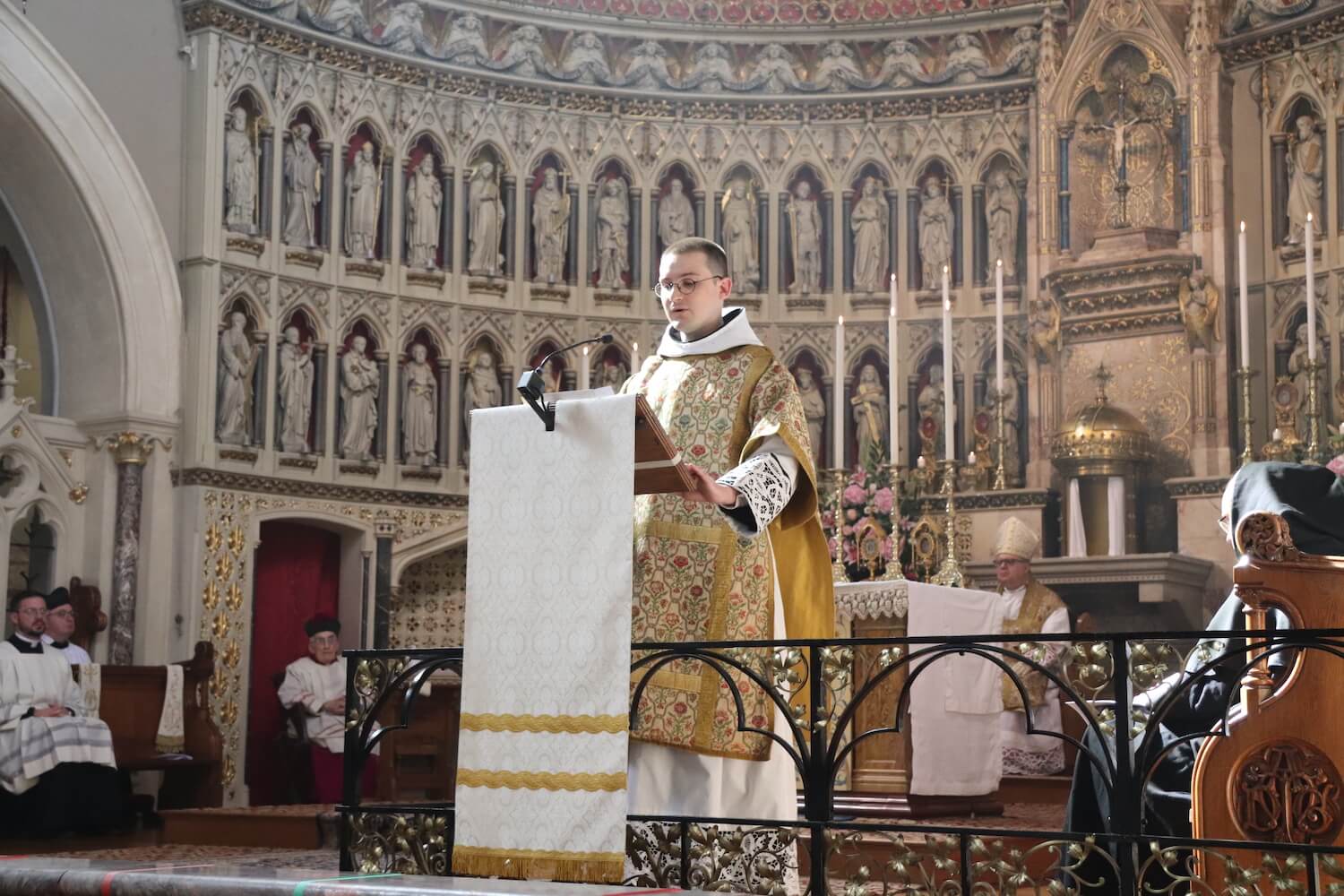
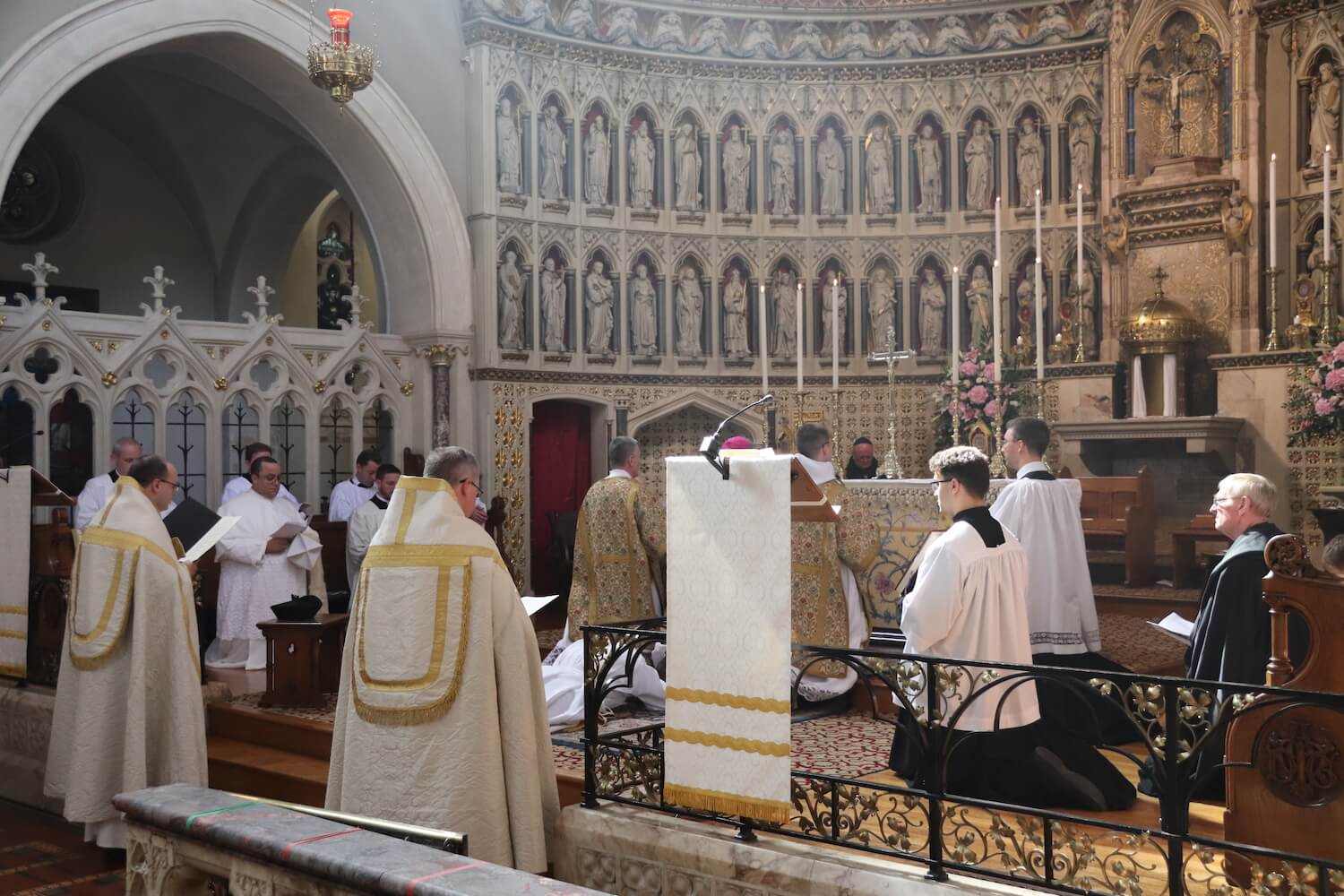
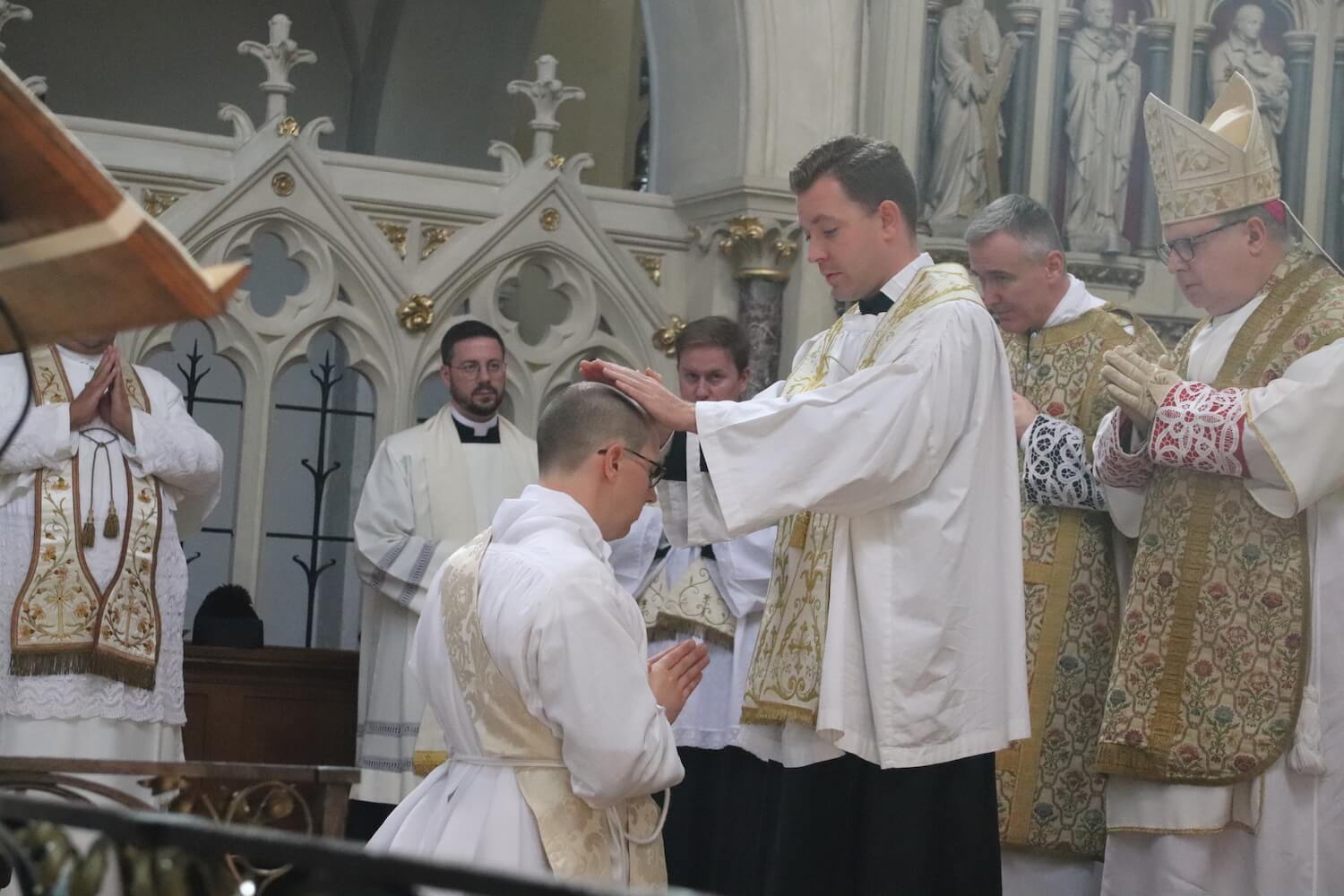
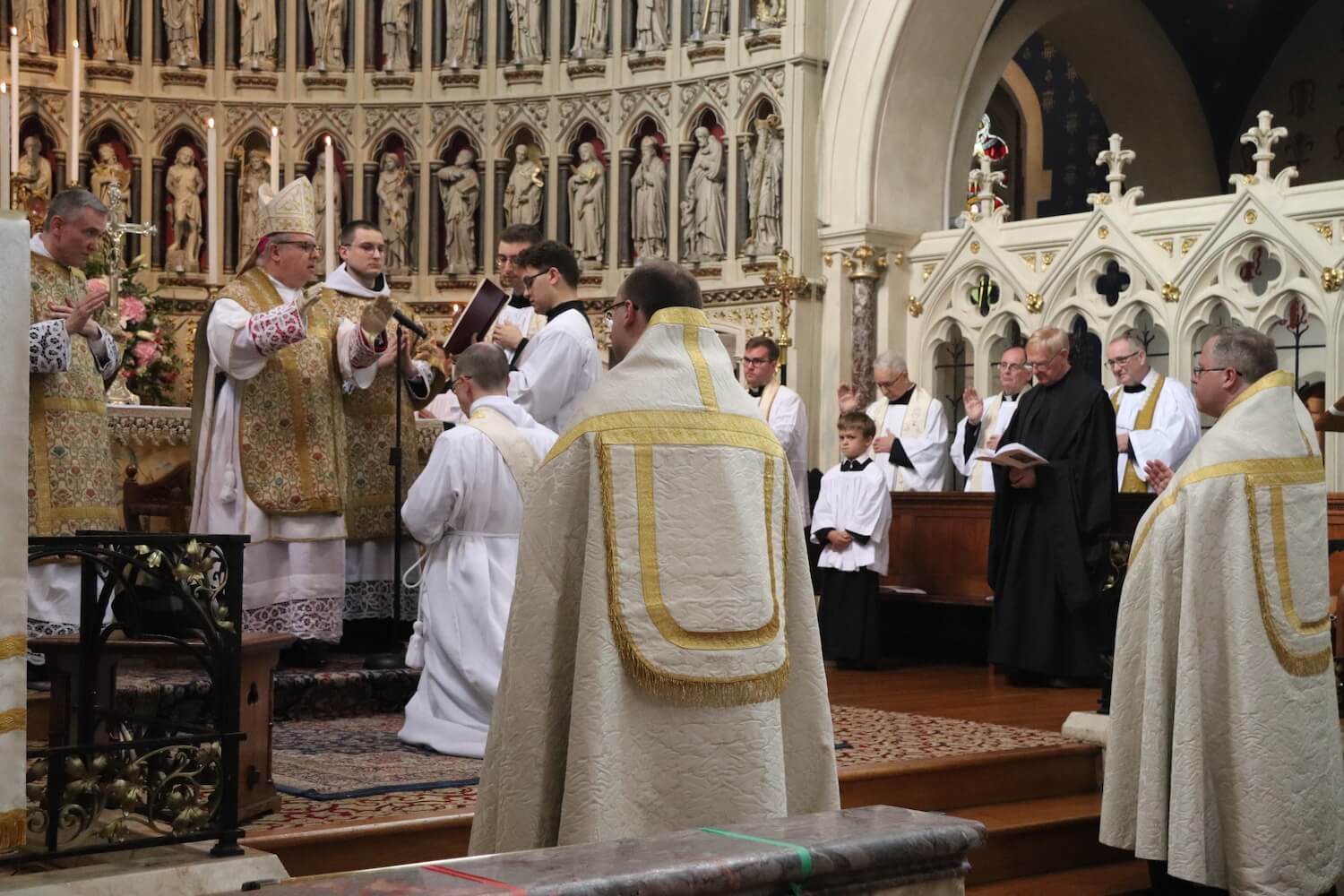
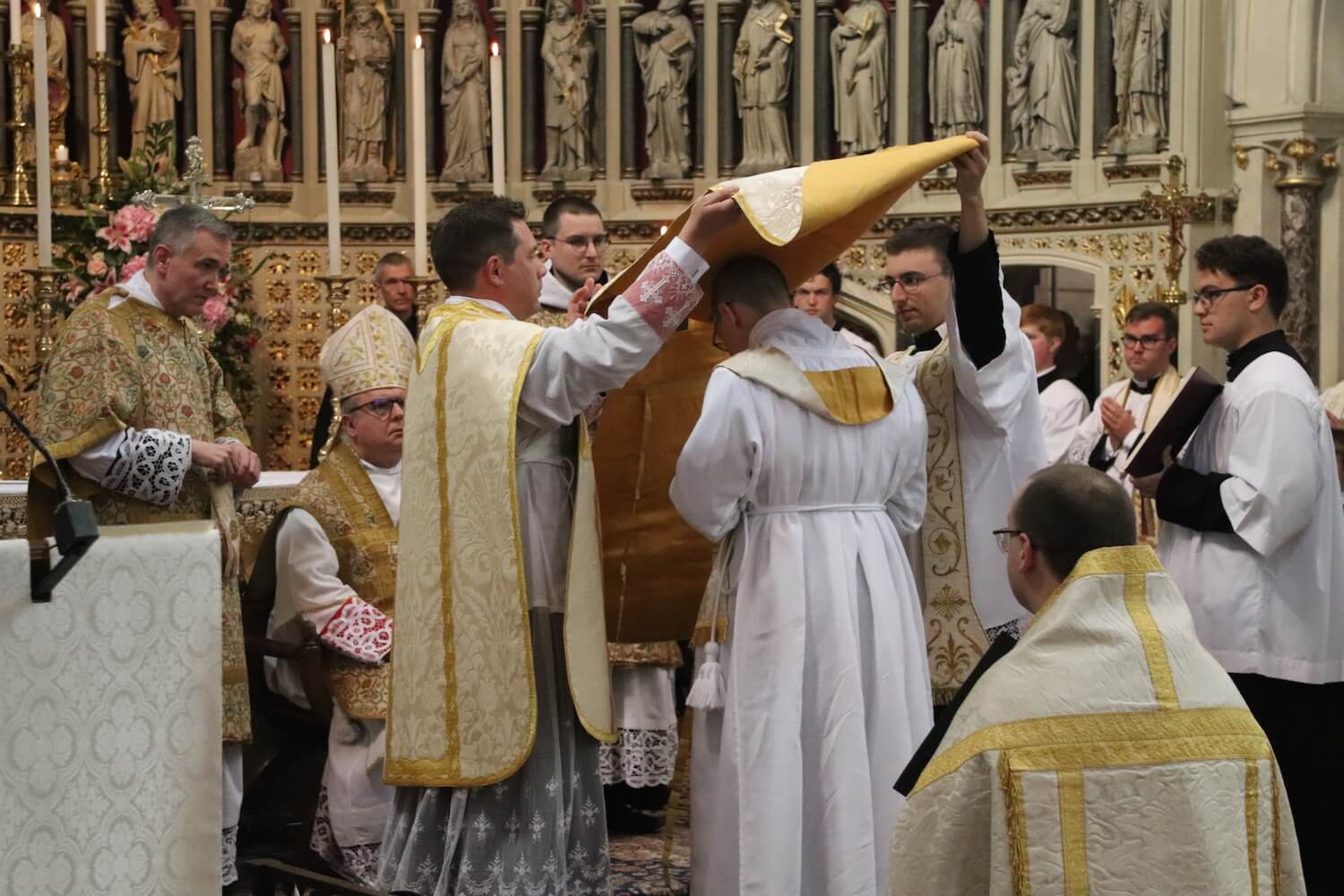
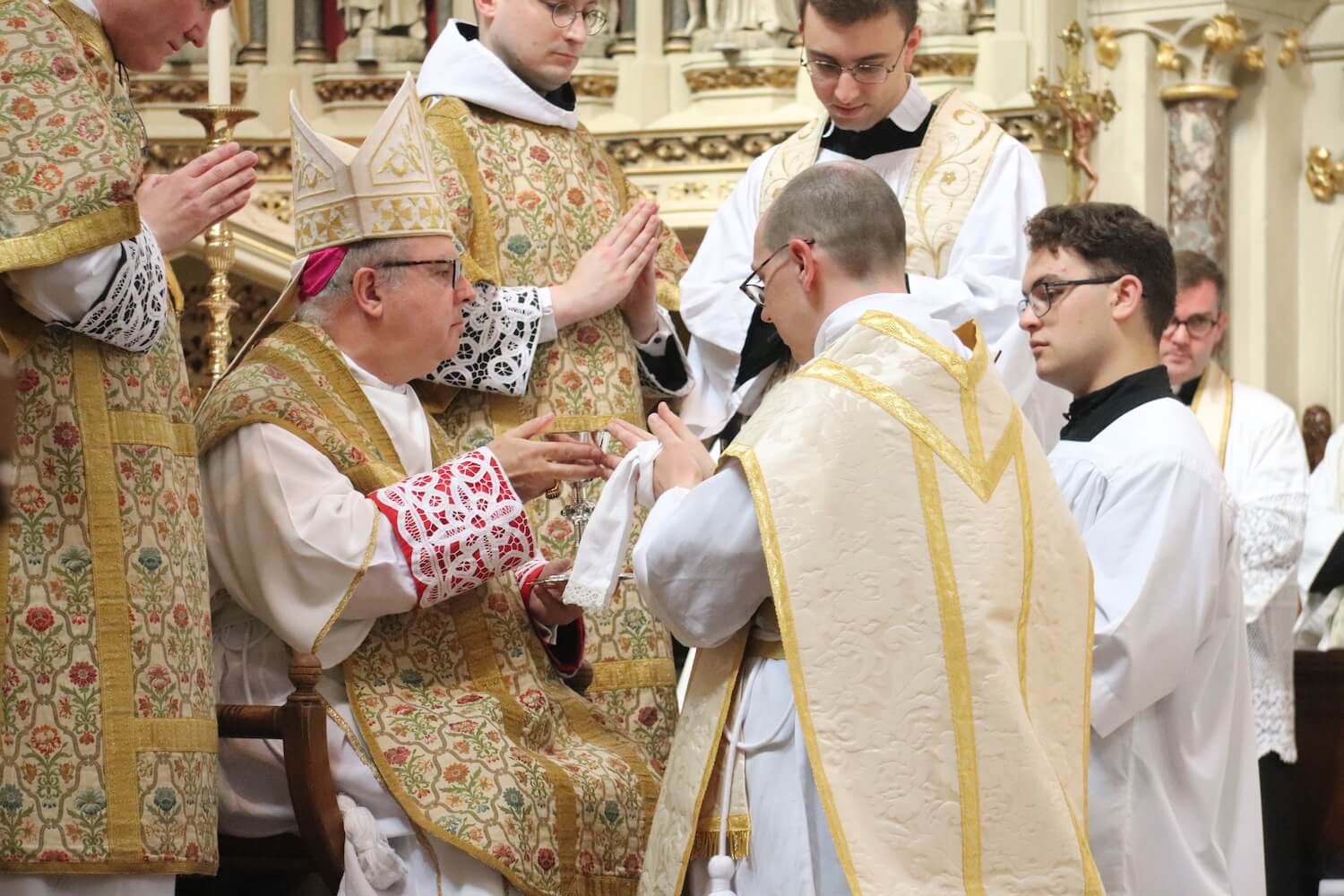
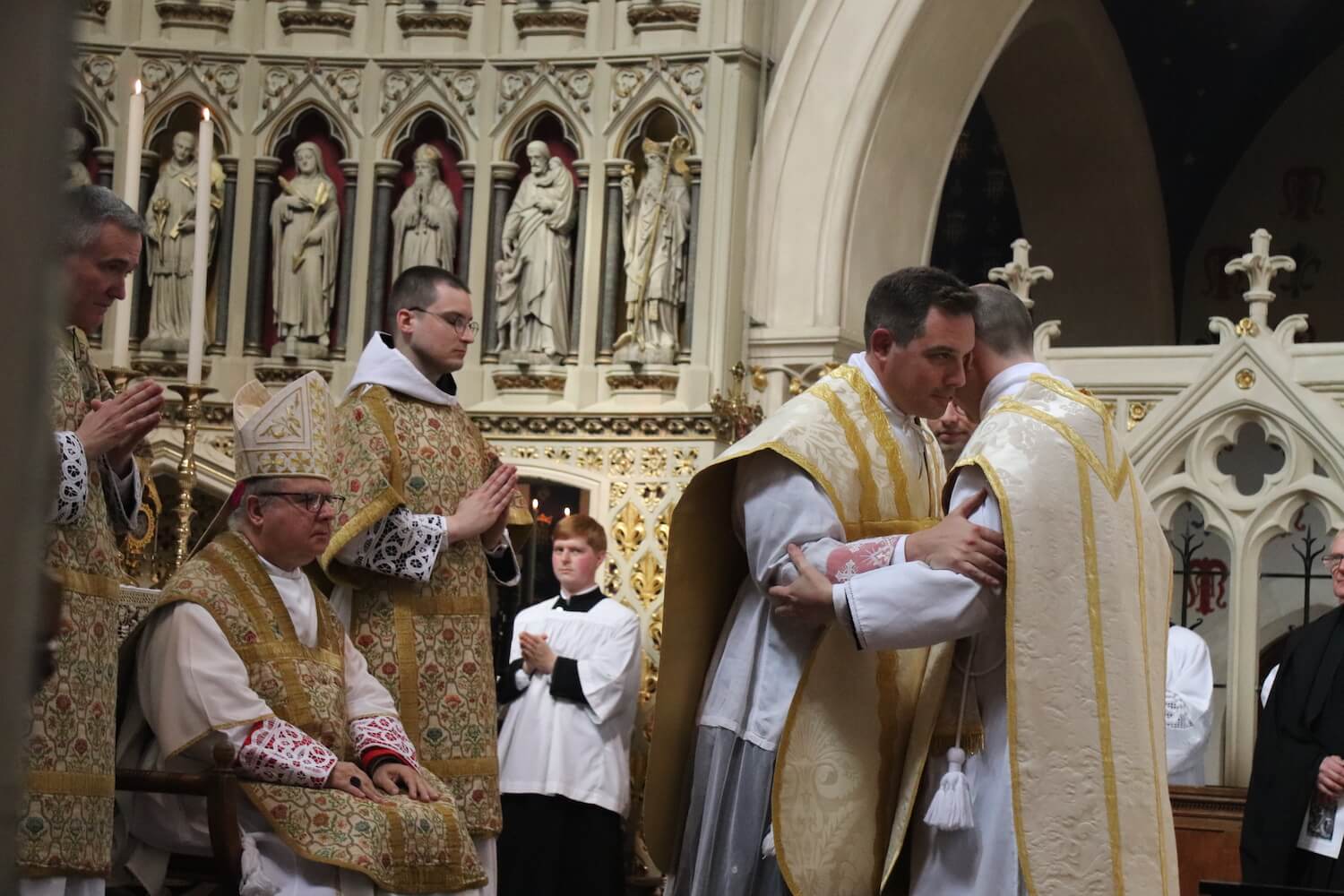
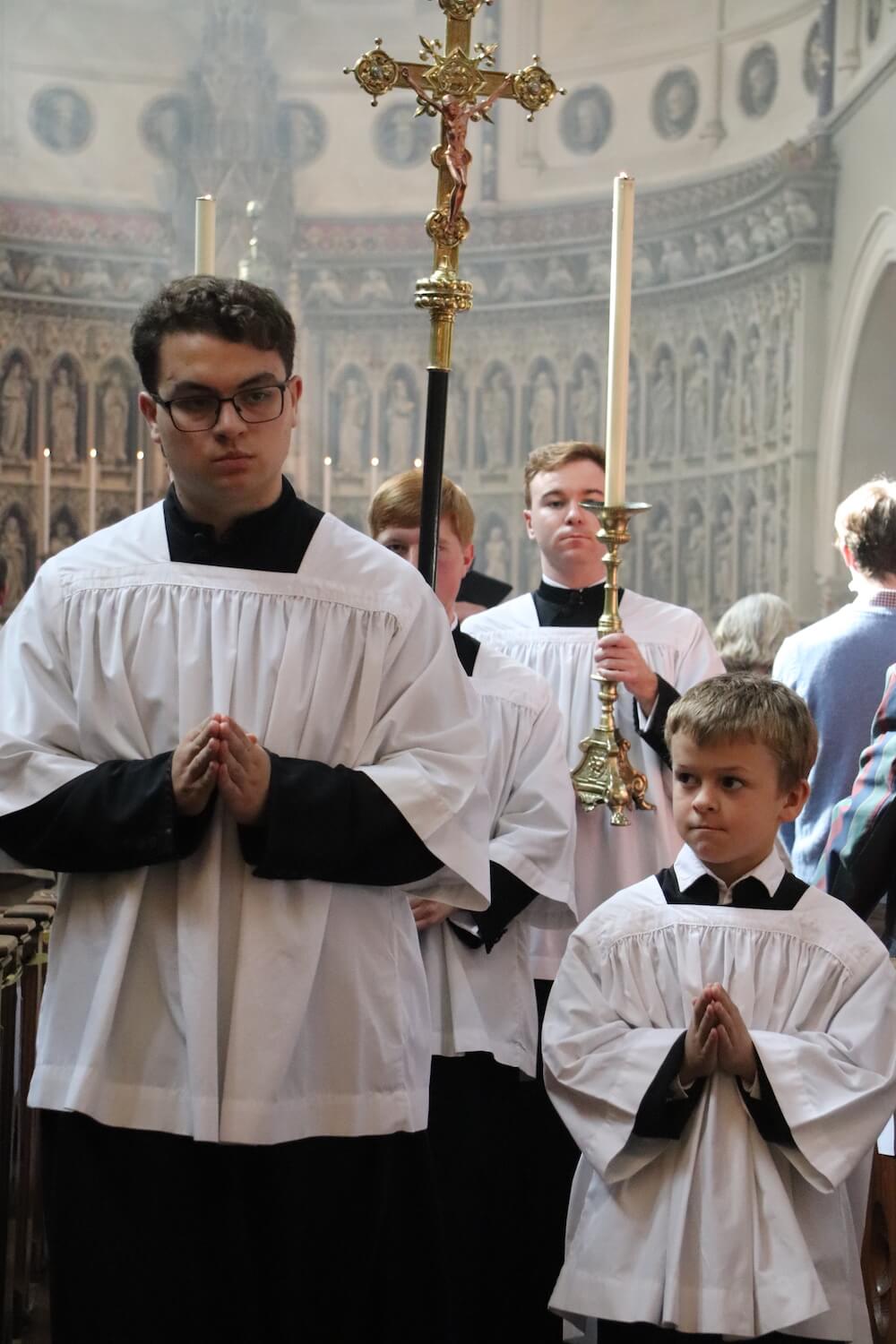
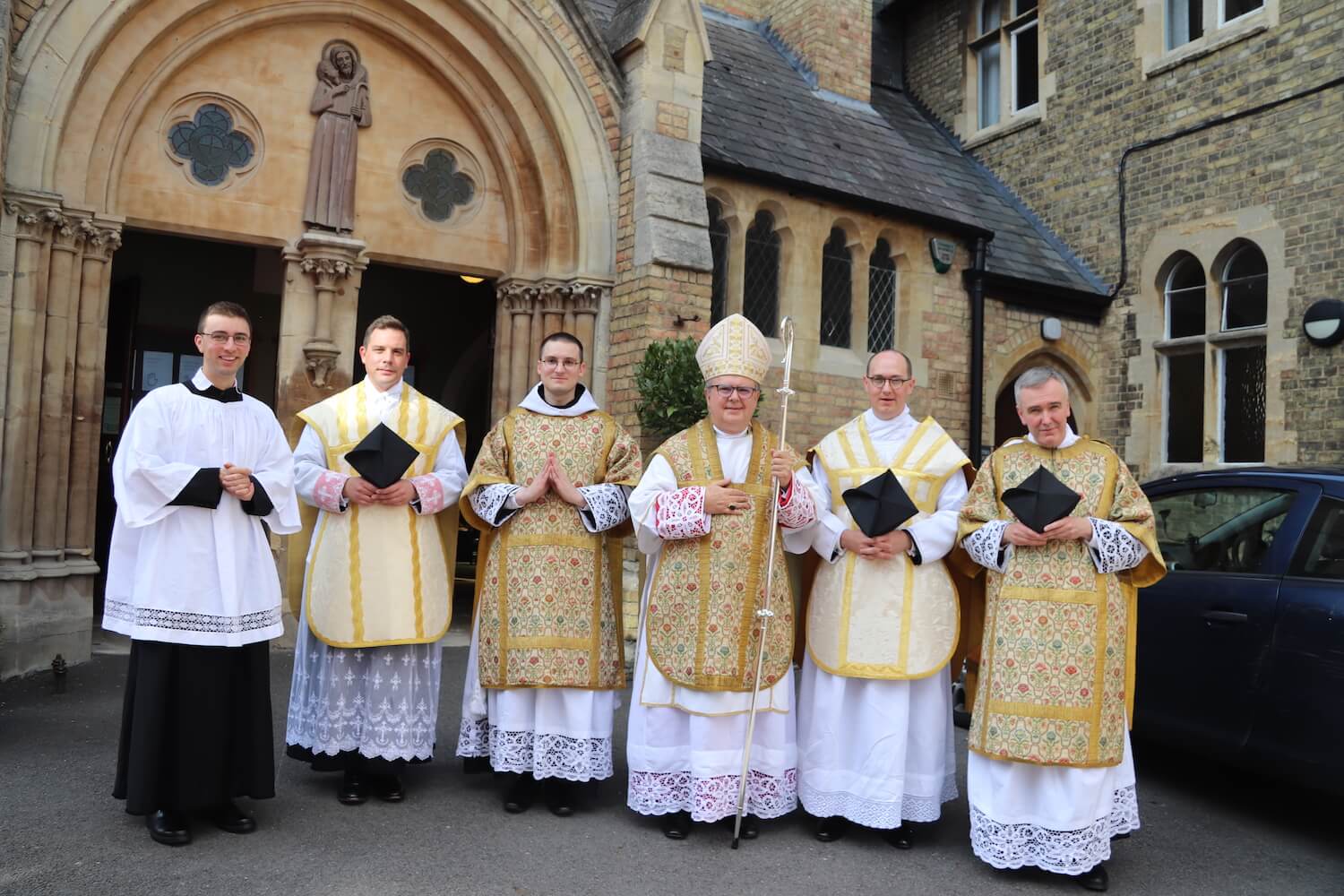
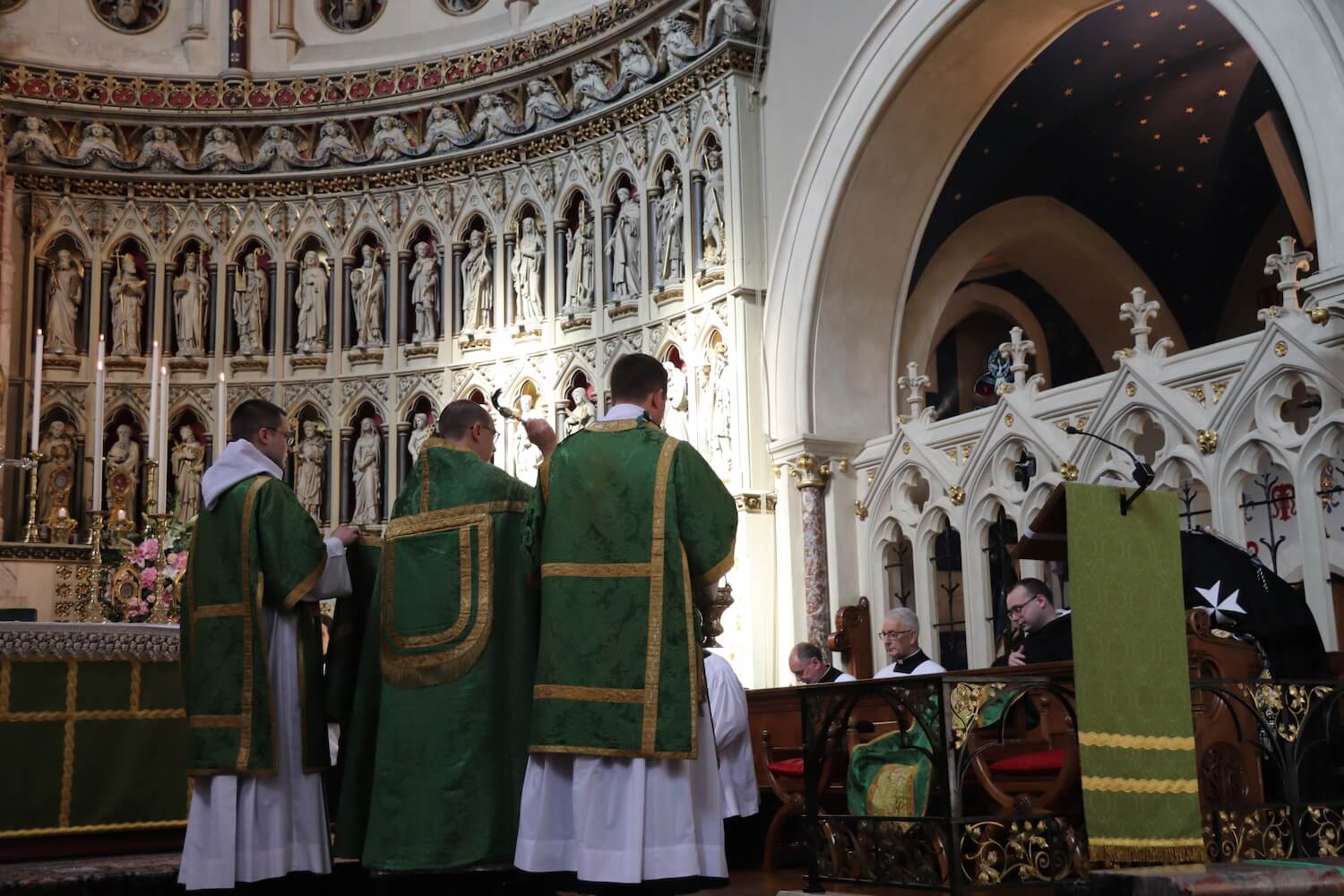
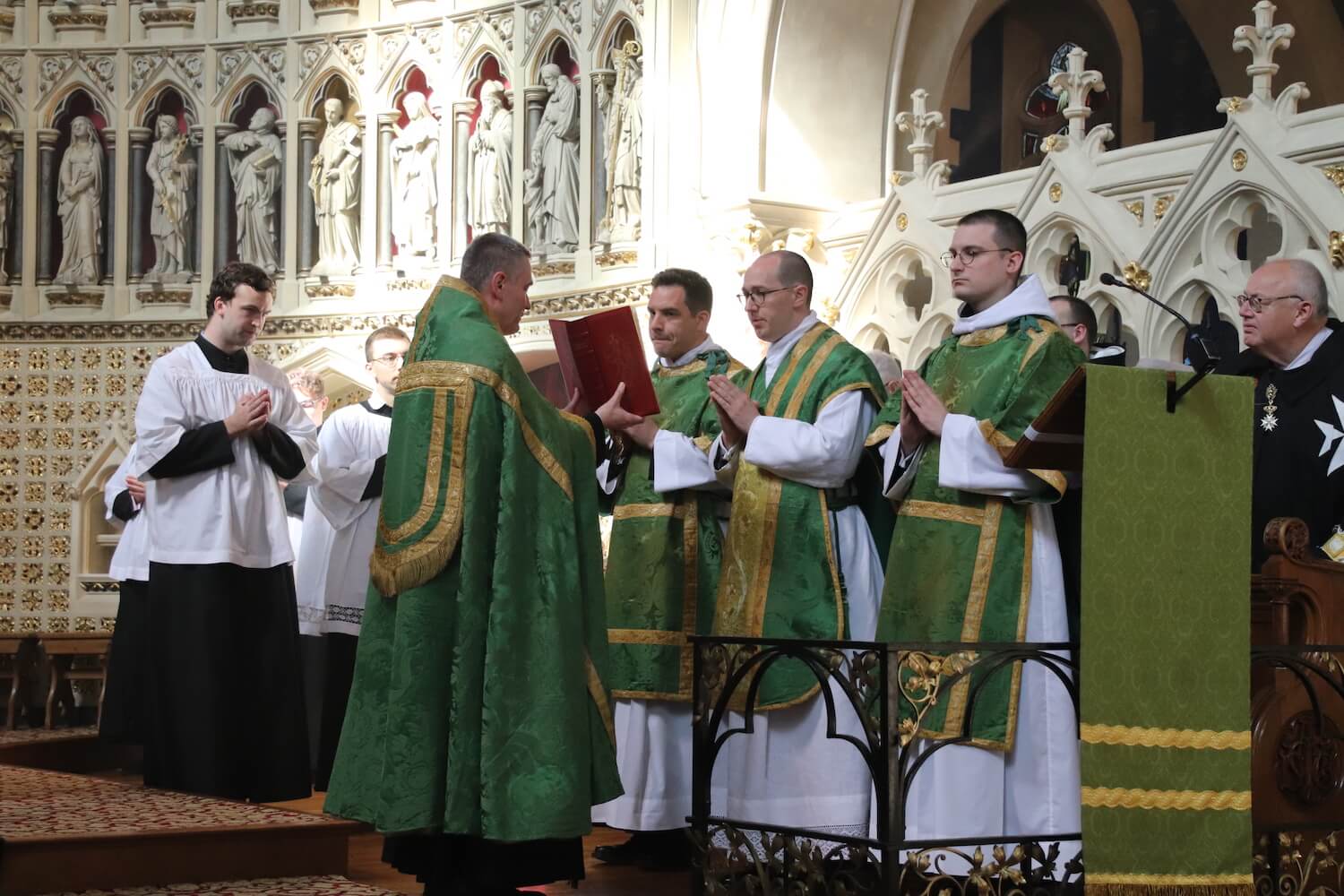
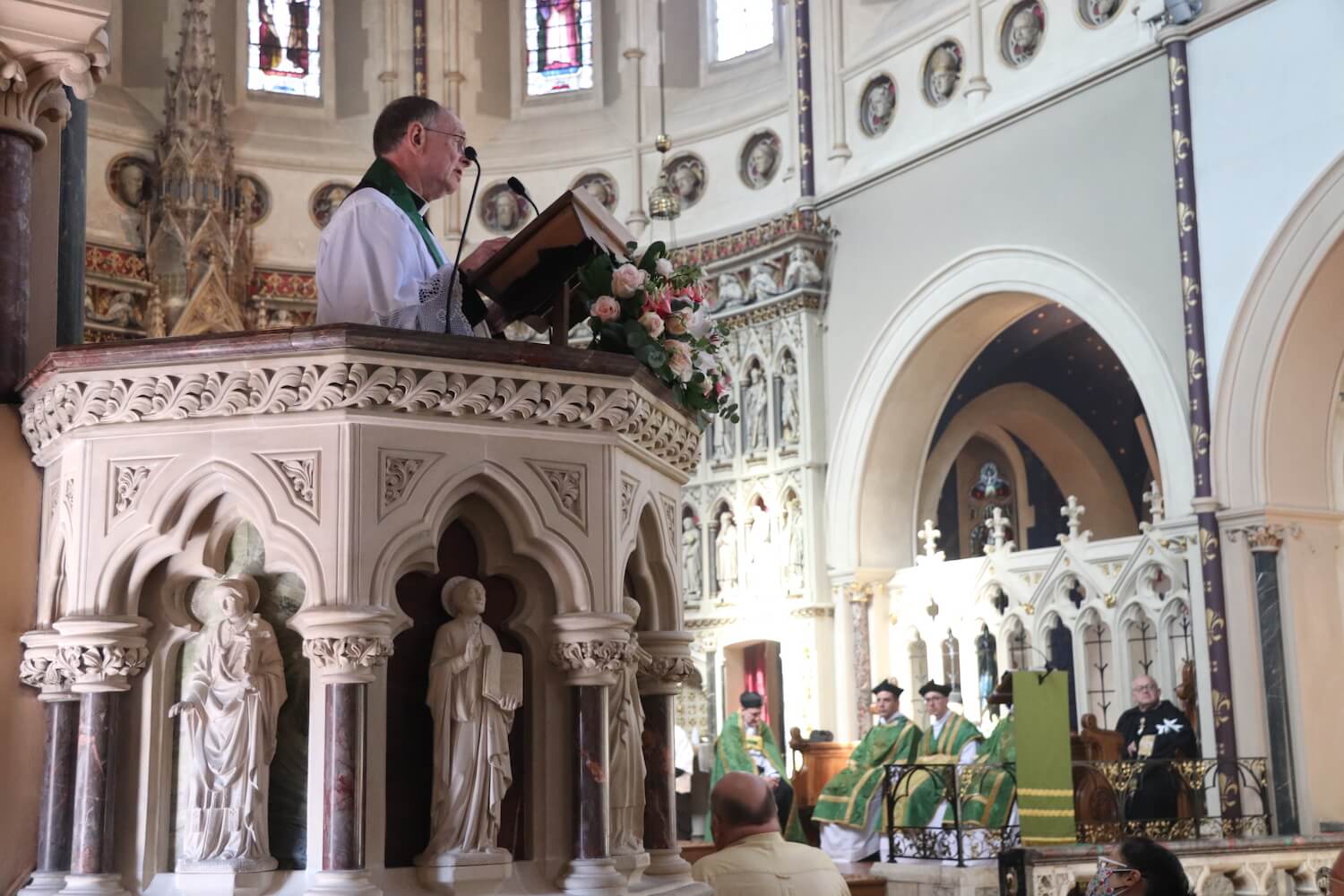
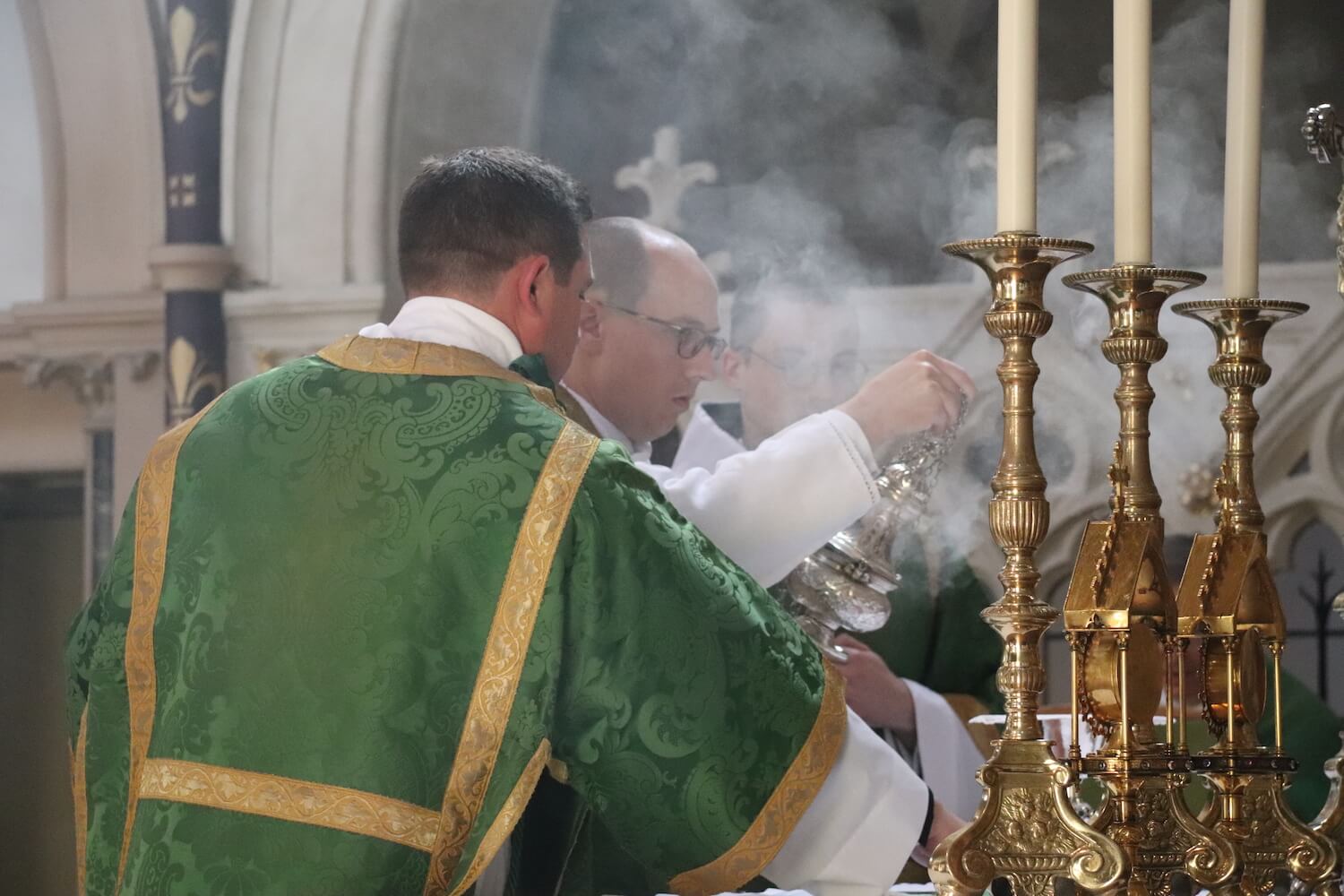
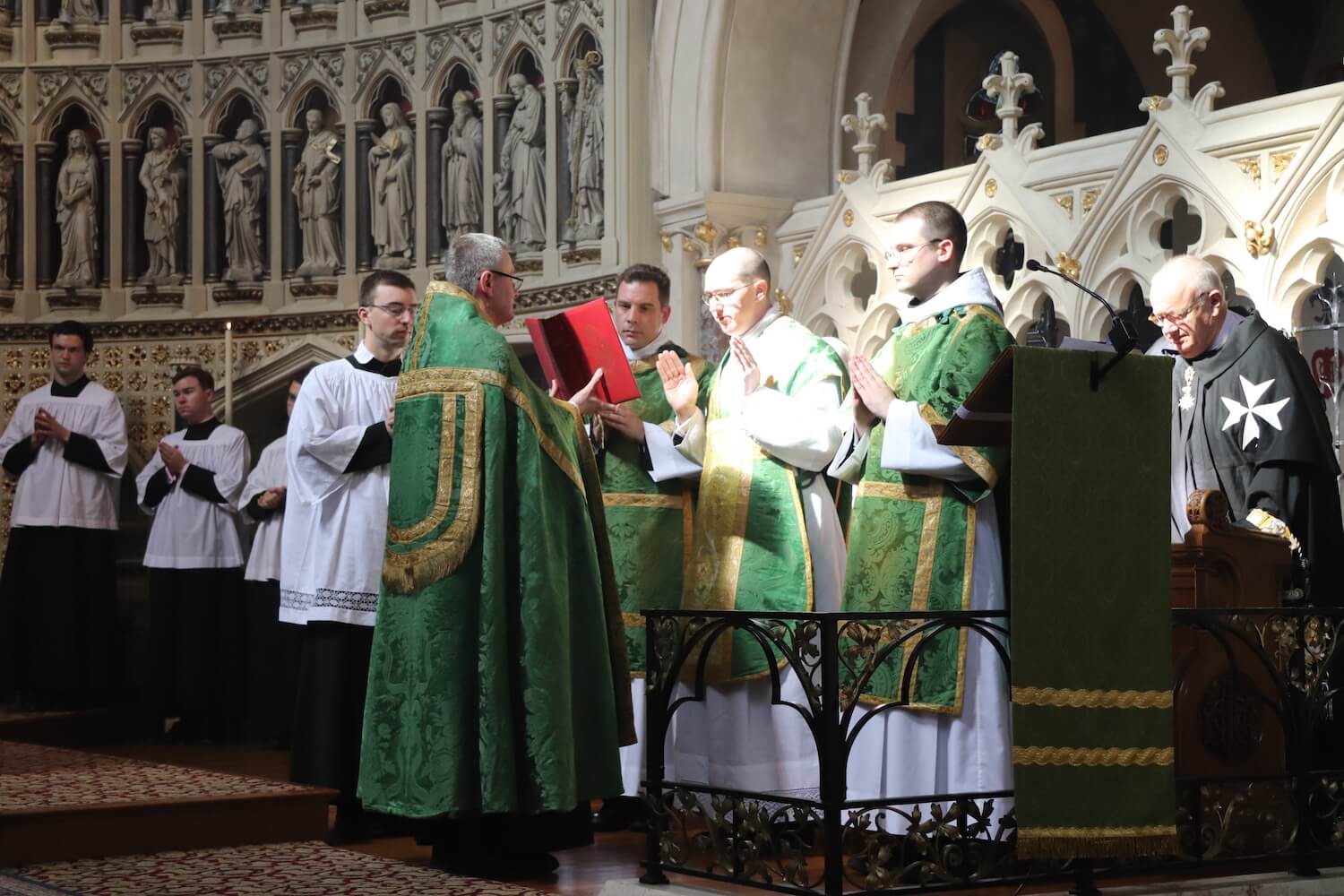
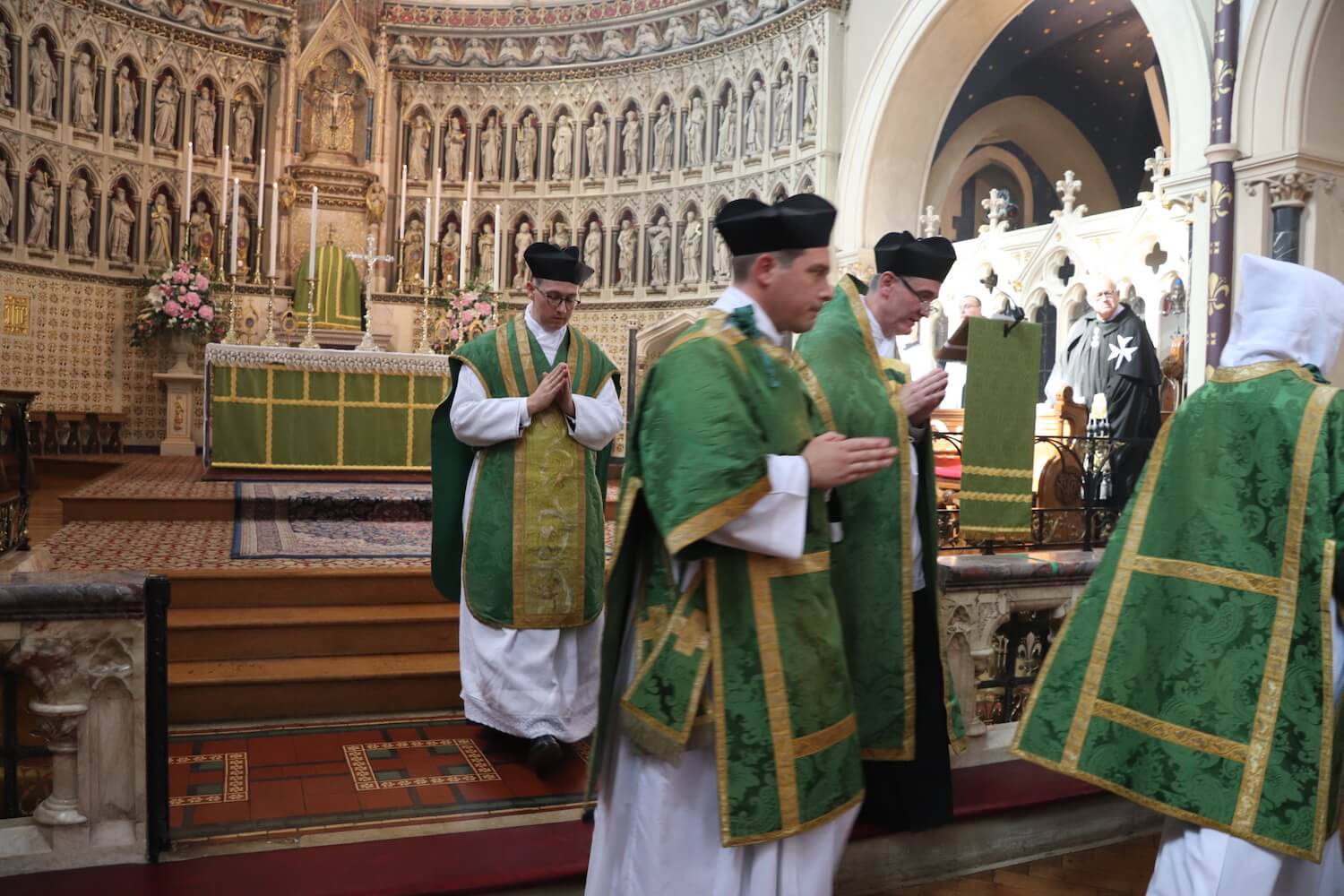
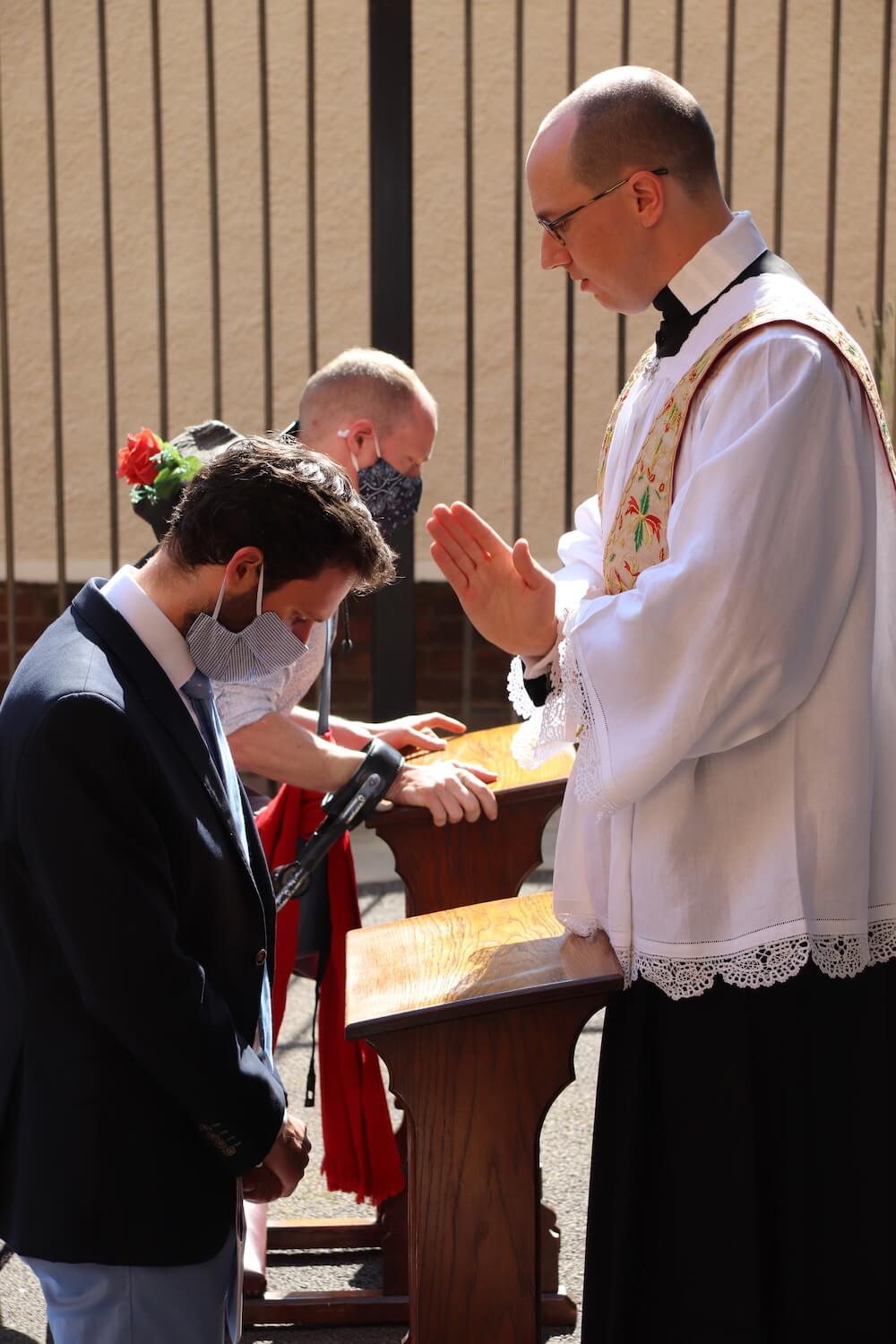
Photos from Fr Benedict’s ordination and first Mass are now on our website. #oxfordoratory
Photos from Fr Benedict’s ordination and first Mass are now on our website. #oxfordoratory




At the Oratory we are blessed with many relics of the True Cross. While all of these are tiny splinters, some of them are encased in beautiful reliquaries, of crystal, silver, precious wood, and gold. They are all from the wood of the Cross on which Jesus died, discovered by the Empress Helena in the Fourth Century. It is that discovery, and the dedication of the large church on Calvary in Jerusalem, that was commemorated on Monday with the feast of the Exaltation of the Holy Cross. Our celebration, however, was not of two historical events; it was a celebration of the mystery of the Cross in the story of salvation and in our own personal paths to holiness.
It is easy to see a cross simply as a symbol of our faith, or even as a pretty decoration. That it became the most recognised religious symbol in the world, a symbol to us of God’s love, forgiveness and redemption, is a miracle in itself. To the ancient Romans and Jews it was a sign of degradation and death. Crucifixion was a death so brutal that it was reserved for only for slaves and conquered peoples. The cross was a terrible thing.
The cross was the means of the suffering and death of the Son of God. And yet it is through the Cross that we are led to eternal life. Death was not the final word; Christ was raised from the dead and ascended in power and glory. As the Church sings in the Introit for the feast of the Holy Cross: “We should glory in the Cross of our Lord Jesus Christ, in whom is our salvation, life and resurrection, through whom we are saved and delivered.” This salvation is a wonderful gift, freely won through Christ’s death. But in accepting that gift, we also have to follow Christ’s example. Like the apostles, we are perfectly willing to follow the Lord when the going is easy, when the miracles are happening, the birds are singing, and love is in the air. And then comes the cross, or coronavirus, or darkness, or pain.
When the apostles were challenged to follow our Lord to the Cross, they fled like sheep, as Isaiah prophesied they would. They could only see the Cross as a defeat. But the power of the Resurrection raised them up too, and they brought the message of the Cross and the Resurrection to the whole world.
We are the successors to the disciples. We are the followers of Jesus in 2020. And each one of us is being called to follow him, not only into the presence of God and the glory of heaven, but also to the Cross. Because every one of us is being given a particular cross, and being nailed to it: a cross of betrayal, a cross of persecution, a cross of injustice, a cross of unrequited love, a cross of serious illness of ourselves or those we love, a cross of loneliness following the death of a loved one. And the smaller crosses can be just as painful: an insult or criticism, the reopening of an old wound, the misunderstandings and little conflicts that arise in our families or relationships.
To followers of the Risen Christ, the crucifixion is never the end. The crosses that we find ourselves nailed to will not last forever, because the Lord has united them to his own and suffers with us. The Resurrection that follows crucifixion means a new and glorious life. The cross moves from being a symbol of human cruelty at its worst to a symbol of triumphant victory. It is our way to heaven. We are certainly an Easter People – but only because we are in the first place a People of the Cross. And we embrace that Cross just as we are to embrace the crosses of our own lives.
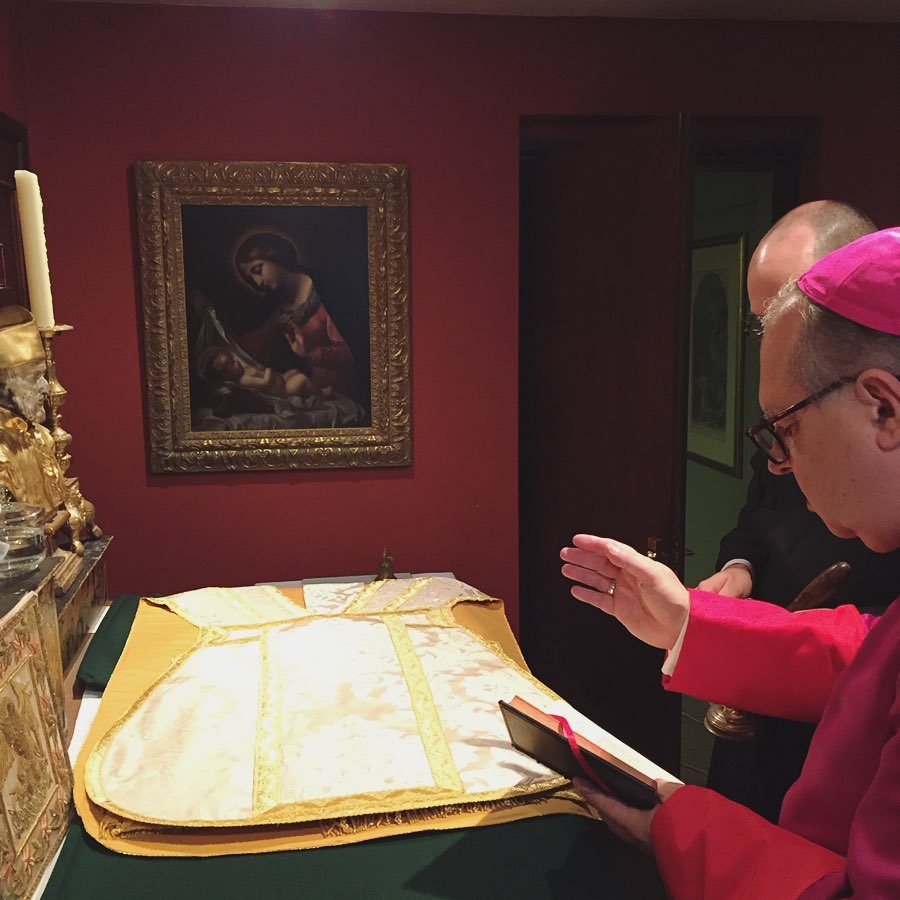
Behind the scenes: before the ordination, the bishop blessed the new priest’s vestments.
Almighty everlasting God, who decreed through Moses, your servant, that the vesture of high-priest, priest, and levite, used in fulfilling their ministry in your sight, should be worn to dignify and beautify the worship rendered to your holy name; mercifully heed our prayers, and be pleased, through our lowly ministry, to bless these priestly vestments, bedewing them with your grace, so that they become hallowed and suitable for divine worship and the sacred mysteries. Let every bishop, priest, or deacon clothed in these sacred vestments be strengthened and defended from all assault or temptation of wicked spirits; let them perform and celebrate your mysteries reverently and well; and let them always carry out their ministry in a devout and pleasing manner; through Christ our Lord. Amen.
#oxfordoratory
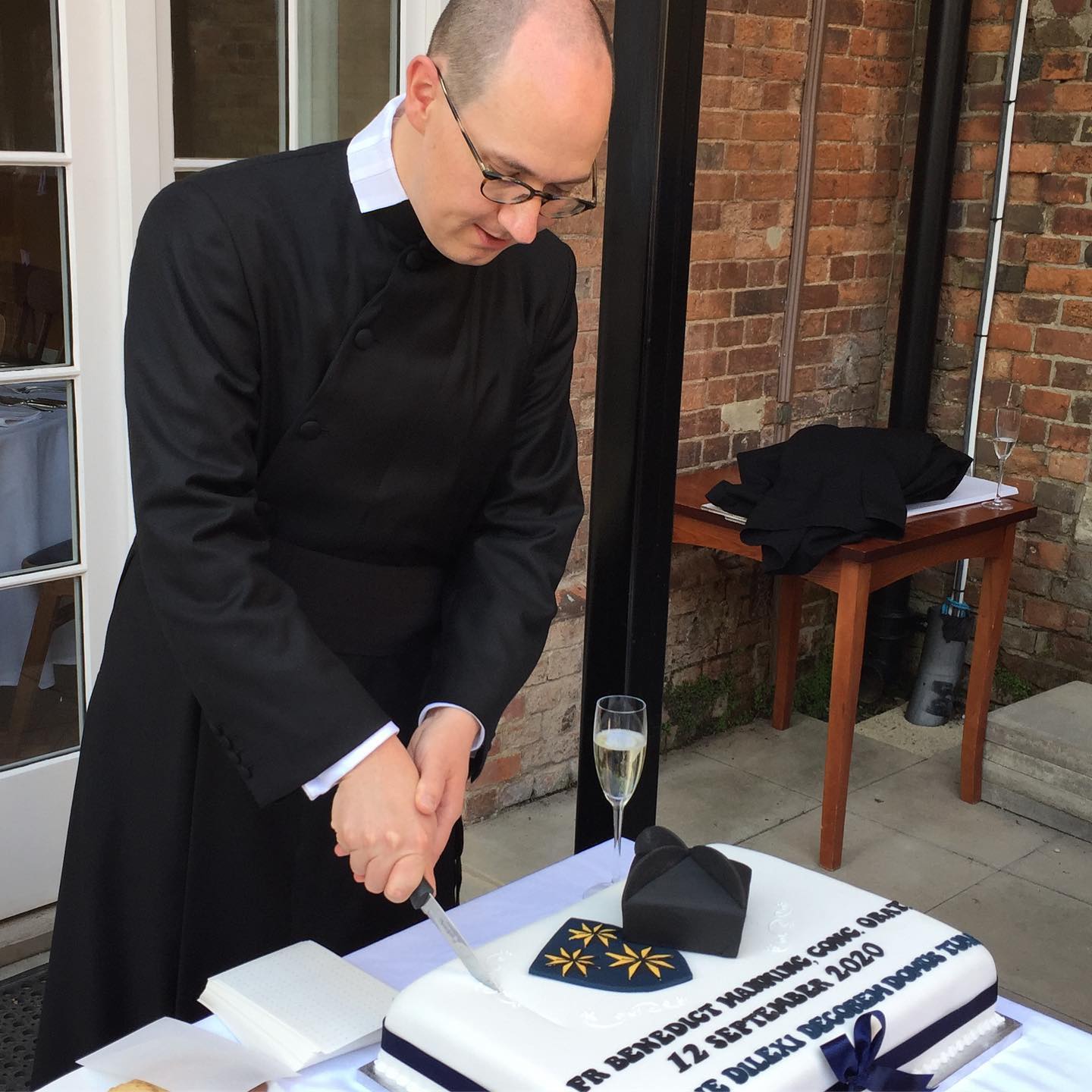
Congratulations to our new priest, Fr Benedict Manning. Ad multos annos! #oxfordoratory
Download the booklet for this Mass here.
If we think that endings are tough, we should try and remember how important good beginnings are. There is a line in the Rule of St Benedict that says, “Always we begin again.” For monks in their monasteries, their life, the measure of their success perhaps, is perseverance in the round of repeated tasks and jobs and prayers. But this is true of the Christian life as a whole, repetition is so much of what it is to run the race of the our life, a race that in many ways seems to be perpetually beginning. But rather than a bore, this is a blessing.
September is a month of beginnings, especially for children returning to school and doing so this year in stranger circumstances than we can remember. It is also a month of change and endings where the nights have drawn in, the leaves are turning and a distinctly autumnal smell is on the air. September is a month of possibilities. If we have ever complained to ourselves, “if only there was time to do that,” or “if only I had the chance to begin again with this,” there is certainly no time like the present. The virtues, those strengths of mind and character that shape us into the likeness of the Lord always get going with the smallest of beginnings if we are to see them flourish towards the end for which we strive.
In this month of possibilities, maybe we should all try with new heart. In the spiritual life we don’t always have the feeling of being armed with a new pencil case and pristine shoes for our new beginnings because God gives us the grace we need to get started in more subtle ways. With his help, now is the time to begin with baby steps along the way of patience, and courage, even of returning to Mass, the practice of prayer, not to mention all the little kindnesses that create a climate for doing the good we ought to do, but sometimes feel daunting in the getting started. And may the Lord who begins this good work in us, bring it to fulfilment.