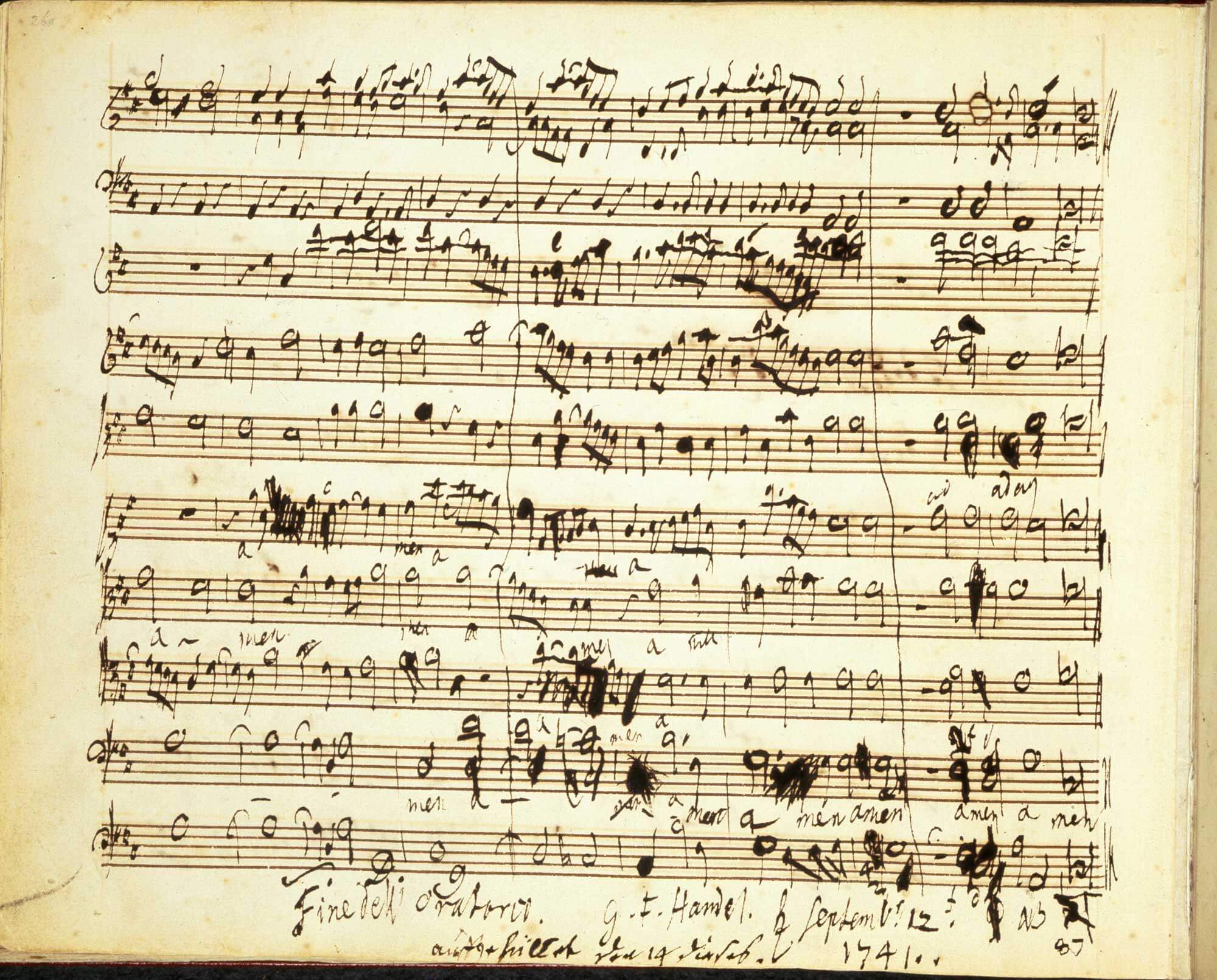
The ‘Come and Sing’ Messiah will be performed at 8pm this Saturday in our church, in aid of the fundraising campaign.
Tickets cost £10 and are available now from the Porter’s Lodge, or on the door on the night.
The ‘Come and Sing’ Messiah will be performed at 8pm this Saturday in our church, in aid of the fundraising campaign.
Tickets cost £10 and are available now from the Porter’s Lodge, or on the door on the night.
Much fun was had on Saturday at our Murder Mystery evening, in aid of the Oratory Campaign.
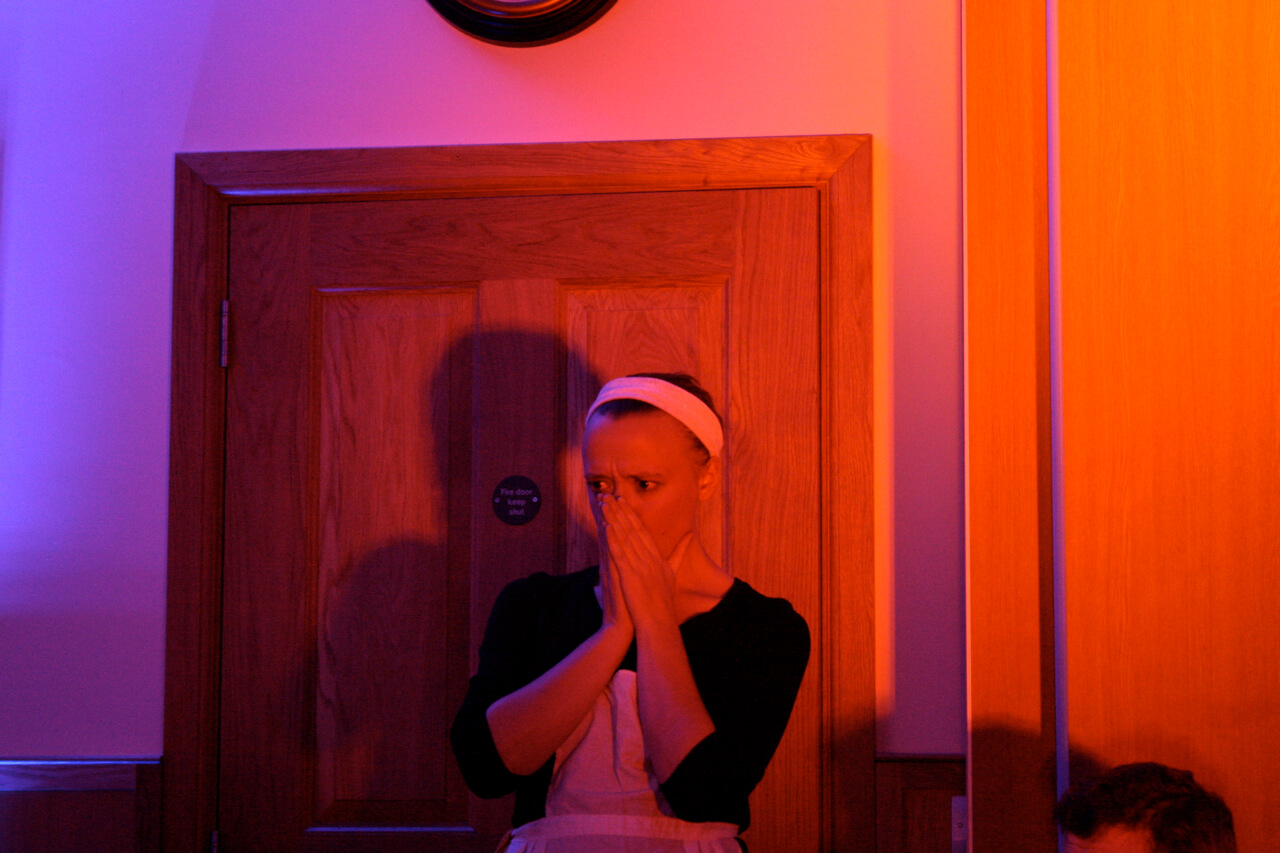
The year was 1950. We began in the library, where the protagonists were revealed.
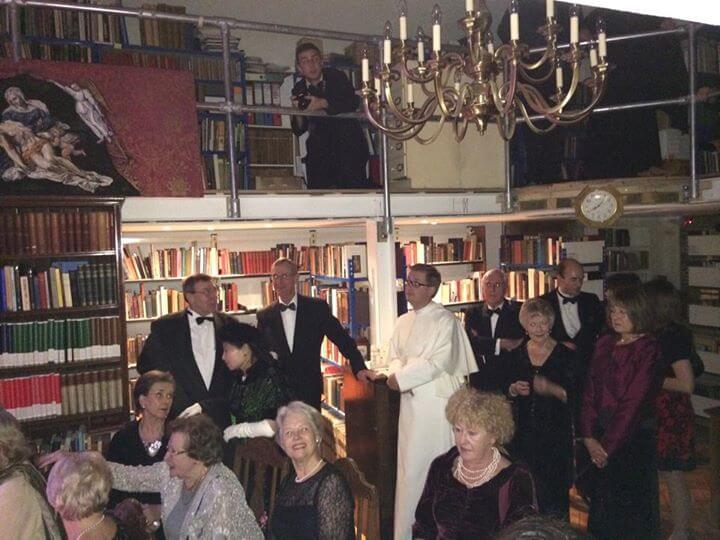
First: the troubled Parish Priest, waiting for the Finance Committee to arrive:
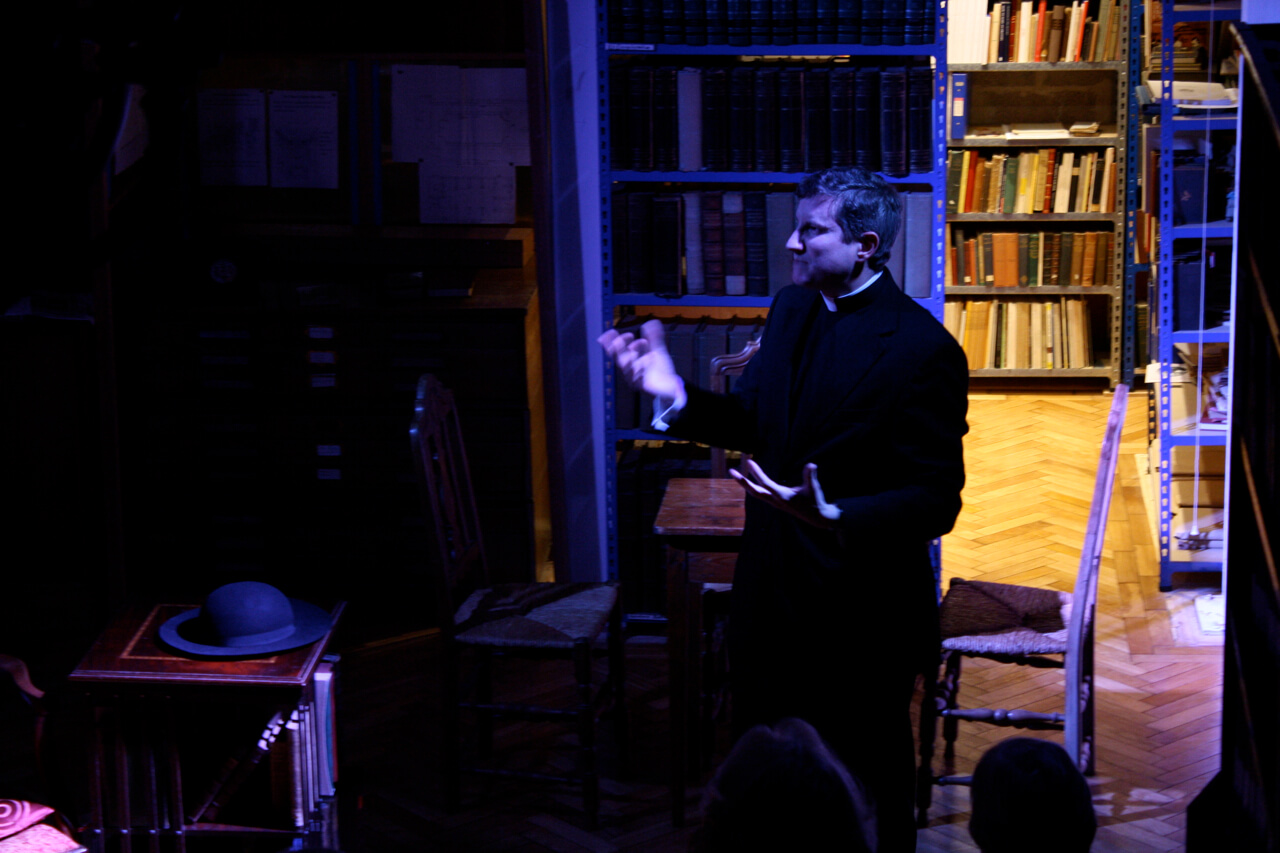
Mrs Drewett, the housekeeper, Sarah the maid, and Mrs Wilby the Treasurer were surprised at the arrival of Tom, the long-lost brother of Mr Jeremiah Crump, the sacristan:
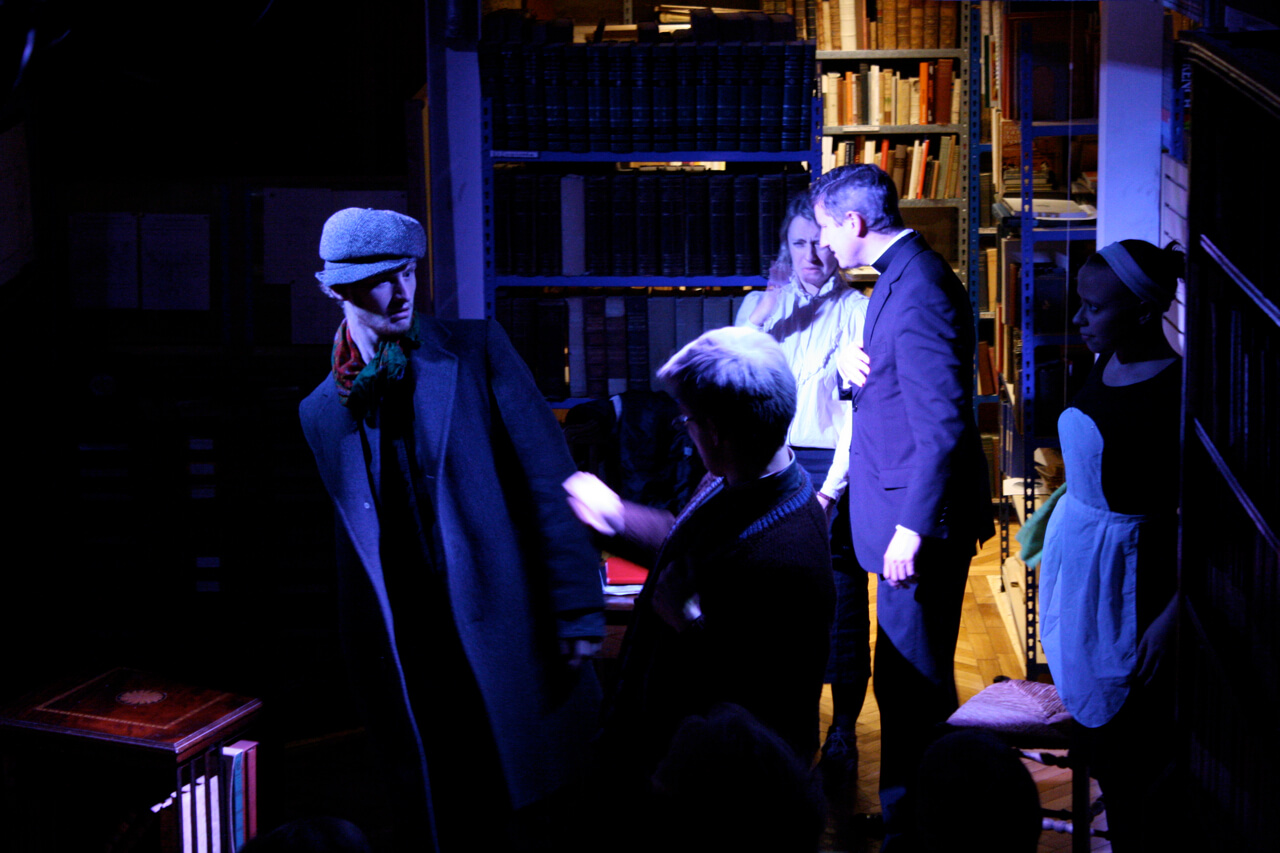
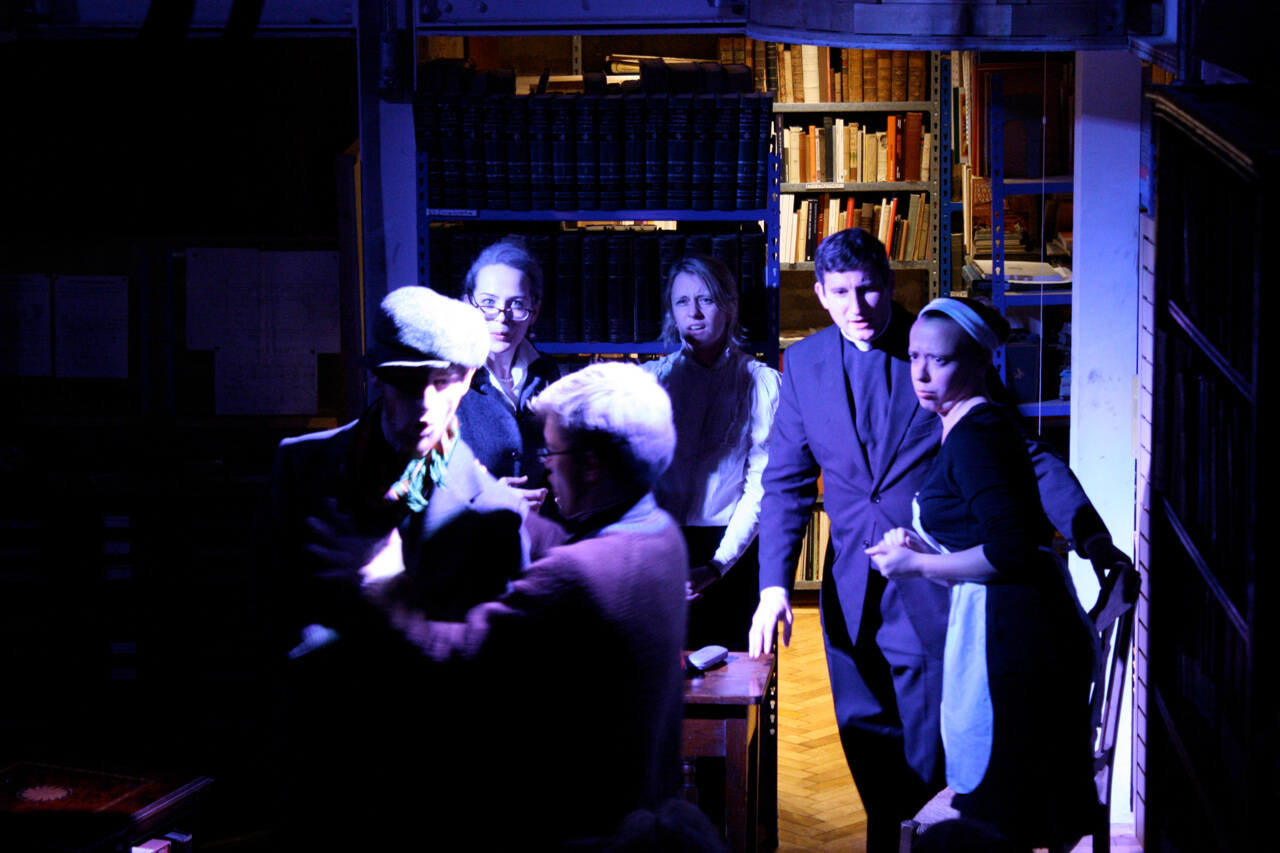
Tom certainly seemed to have a strong motive to do his brother harm:
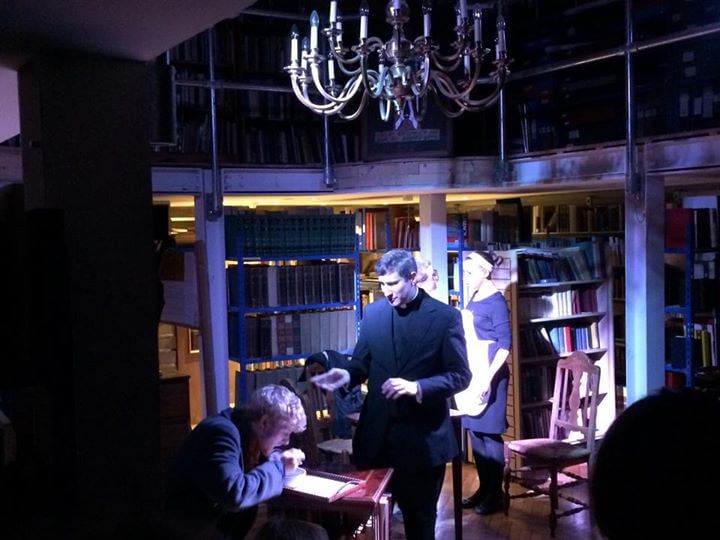
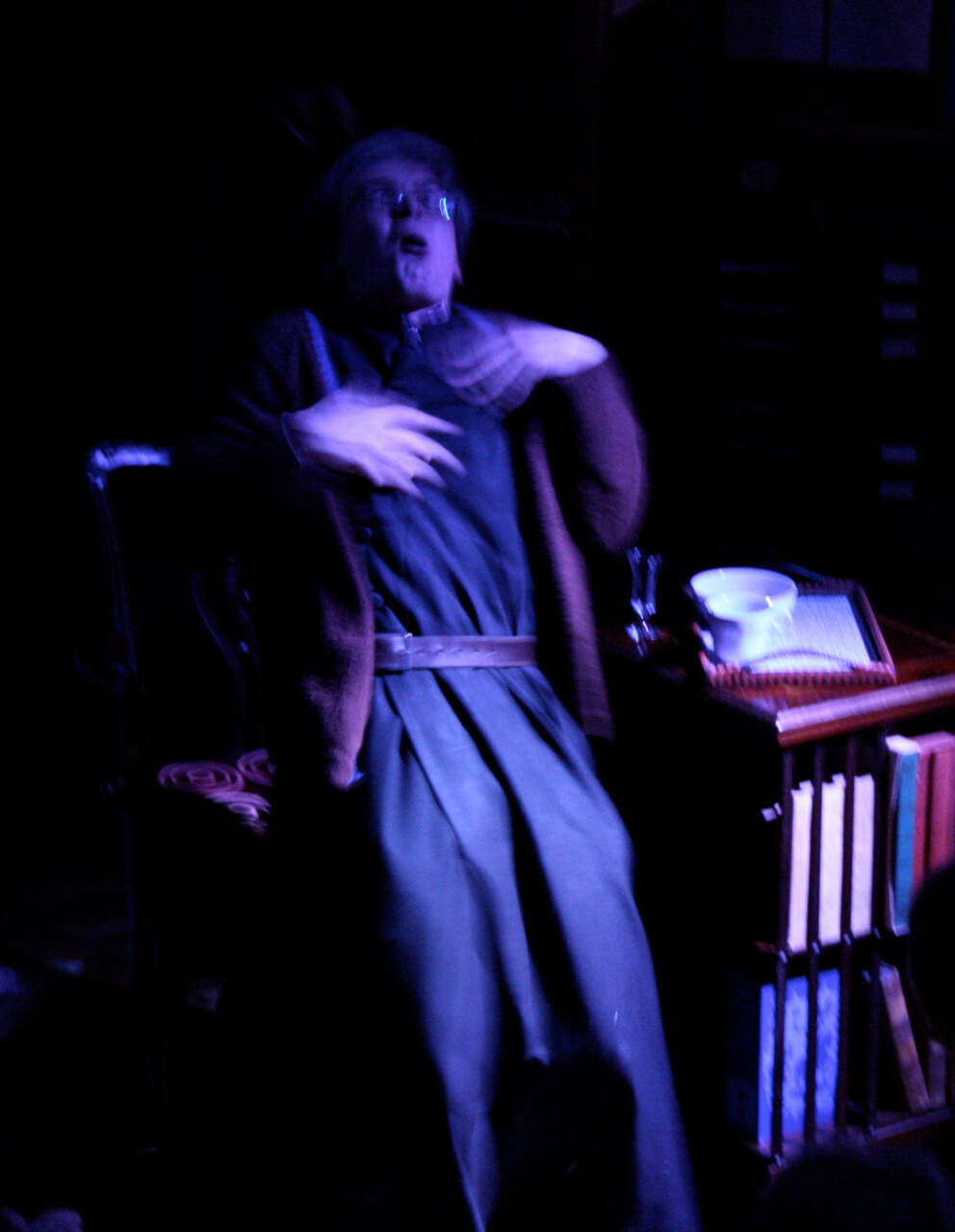
Not long later, Mr Crump fell unexpectedly dead. Was it the coffee? Was it the sandwiches? Was it the sherry?

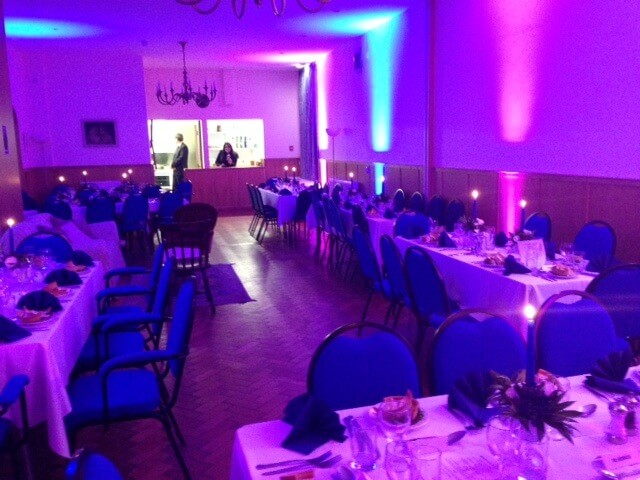
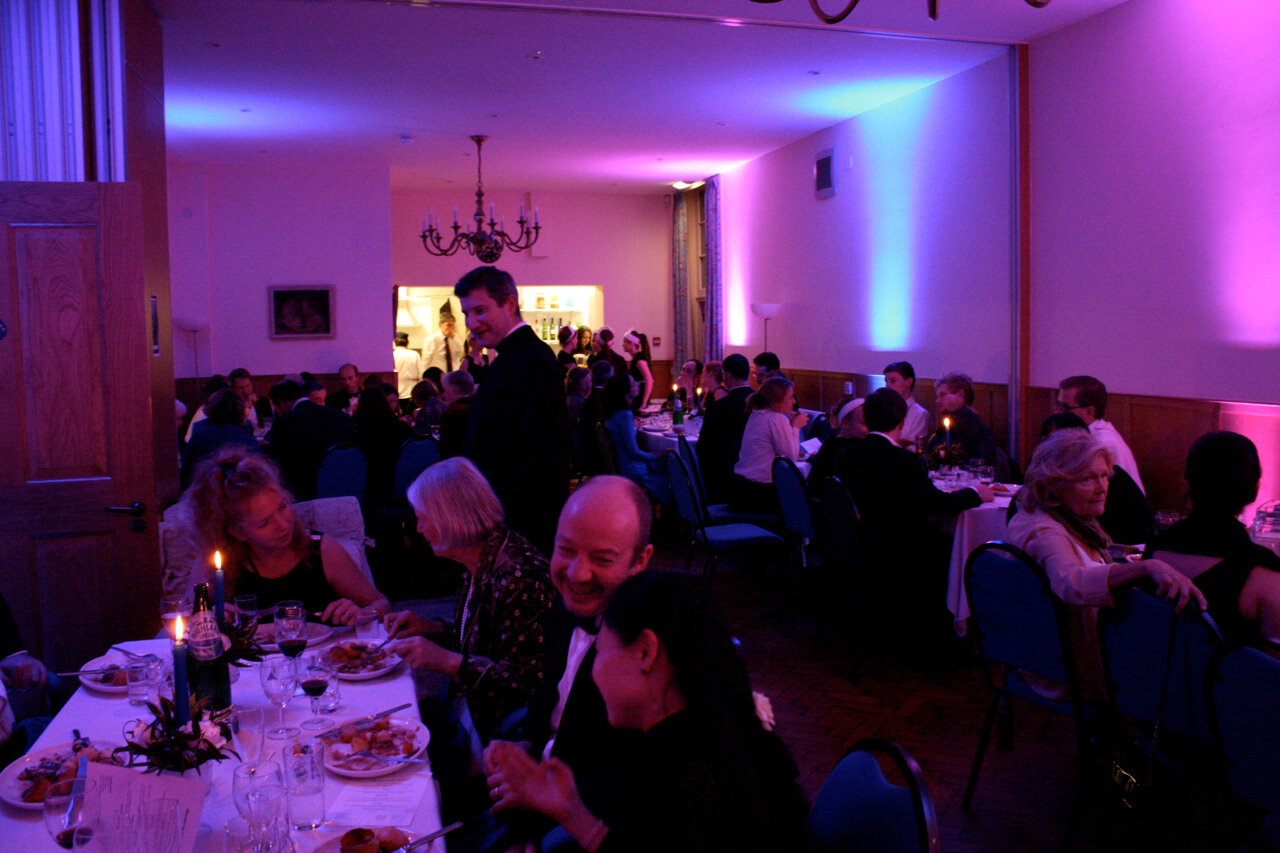
After the shocking first scene, the 56 guests descended to the Parish Centre for dinner. The room had been transformed for fine dining:

After the first course, Inspector Kinch from the Oxford Constabulary arrived. She was certainly a surprise:
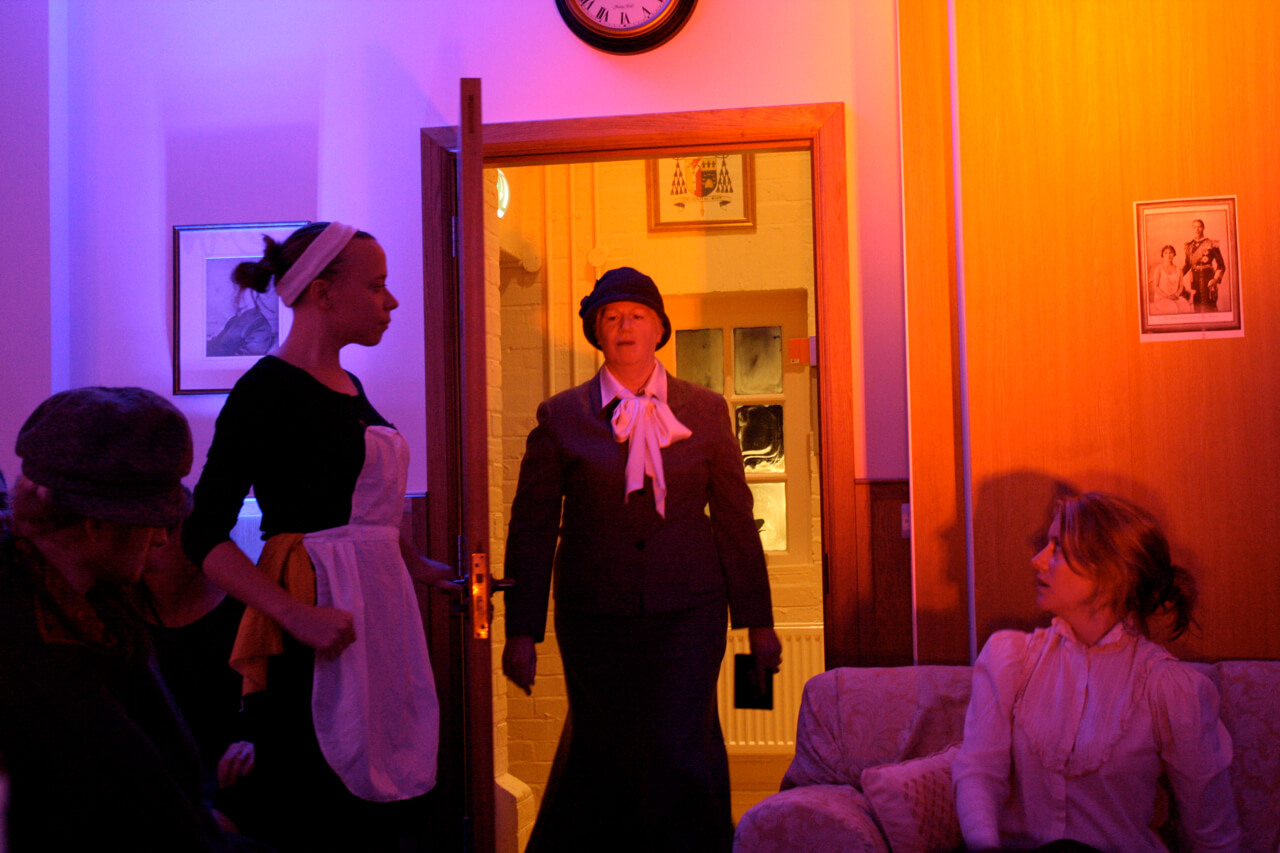
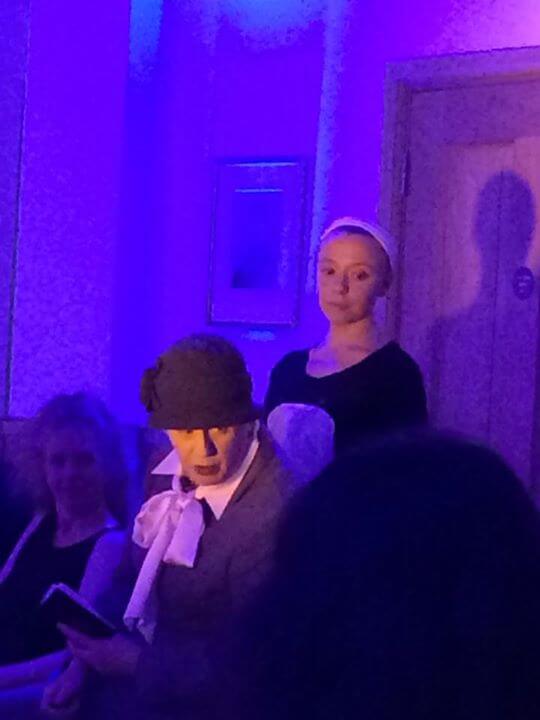
Mrs Drewett became rather hysterical. “It must have been the sherry!”
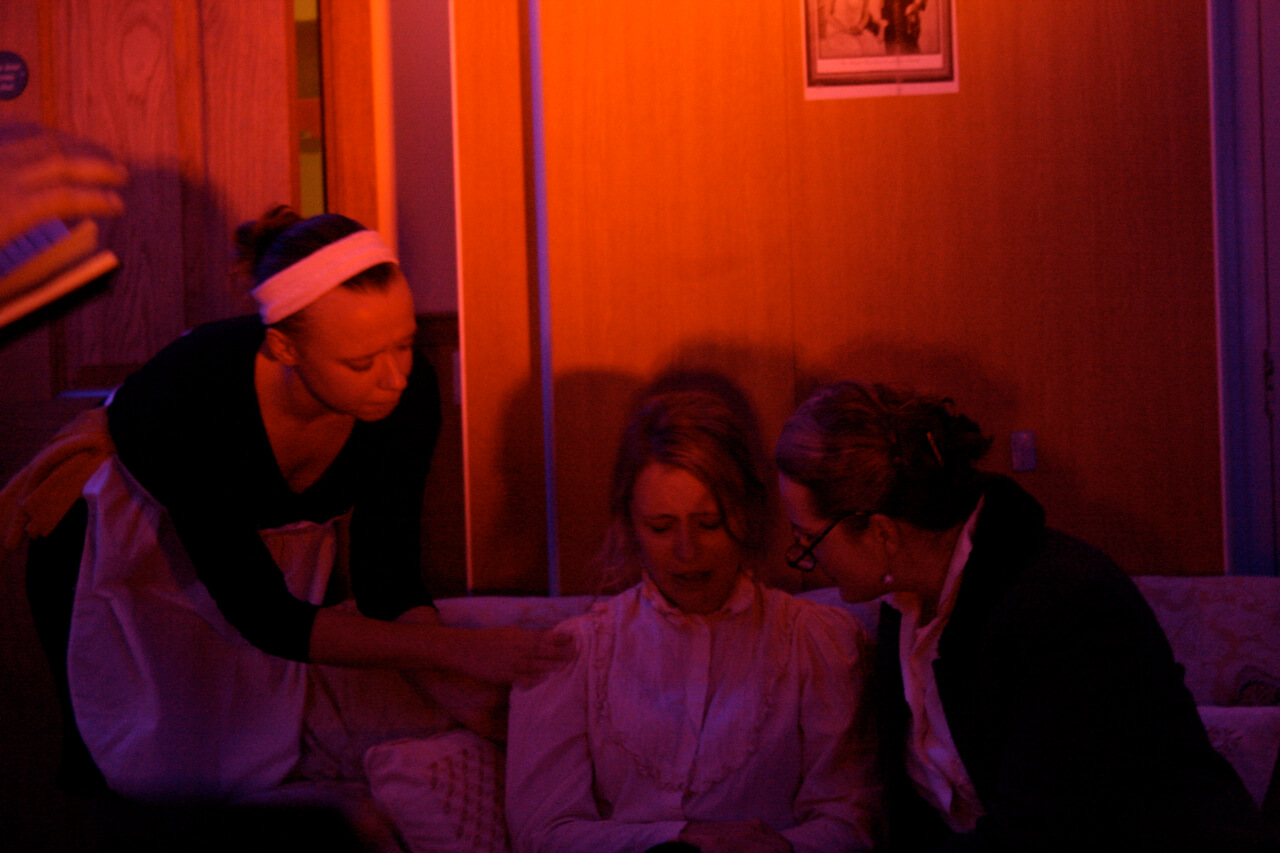
A constable confirmed that poison had been used – taken from the presbytery outhouses.

Suspicion falls on the respectable Mrs Wilby, who had discovered Tom, Crump’s disreputable brother in the outhouses at the beginning of the evening. We know already that Crump was blackmailing Mrs Wilby.
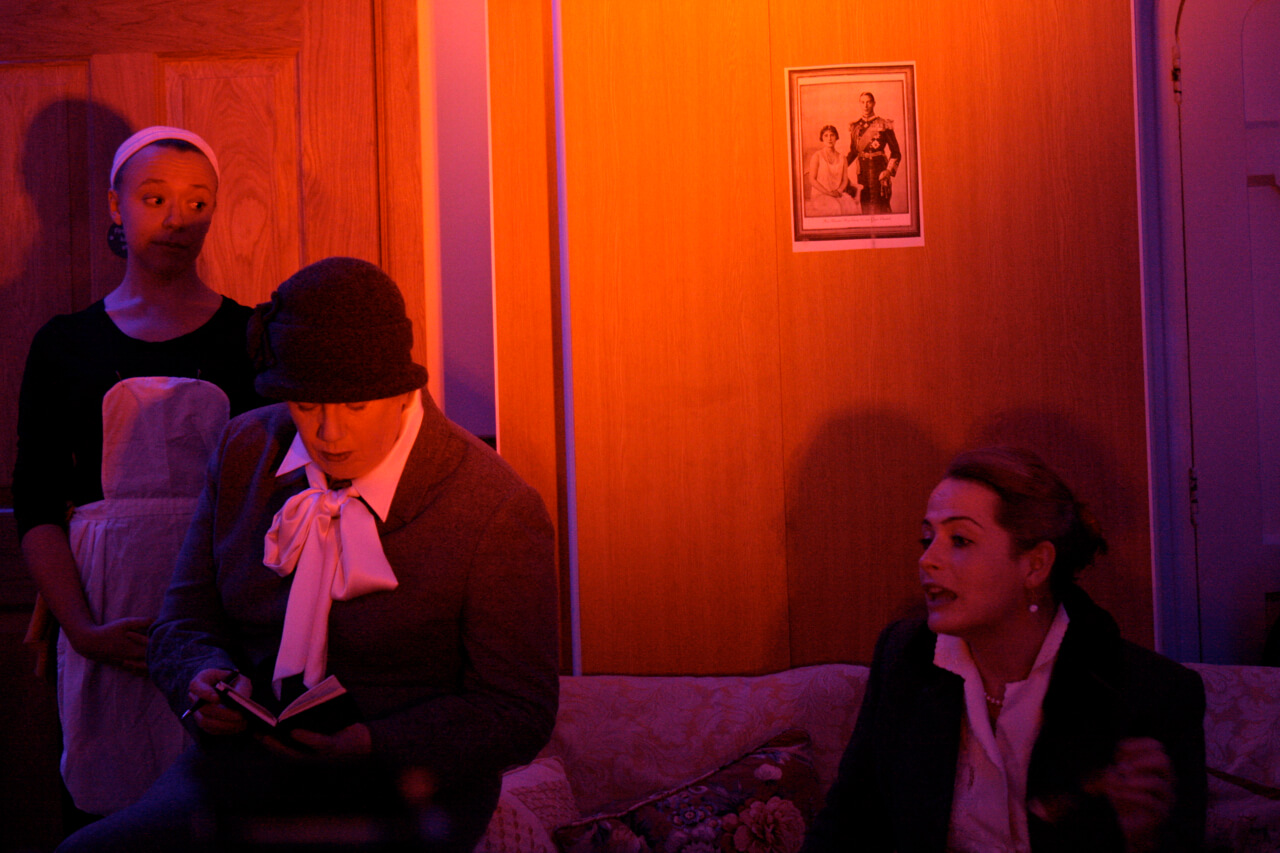
Or could it be Sarah, whose own tearaway brother had been denied the second chance he needed by Crump’s mean-spirited malice?
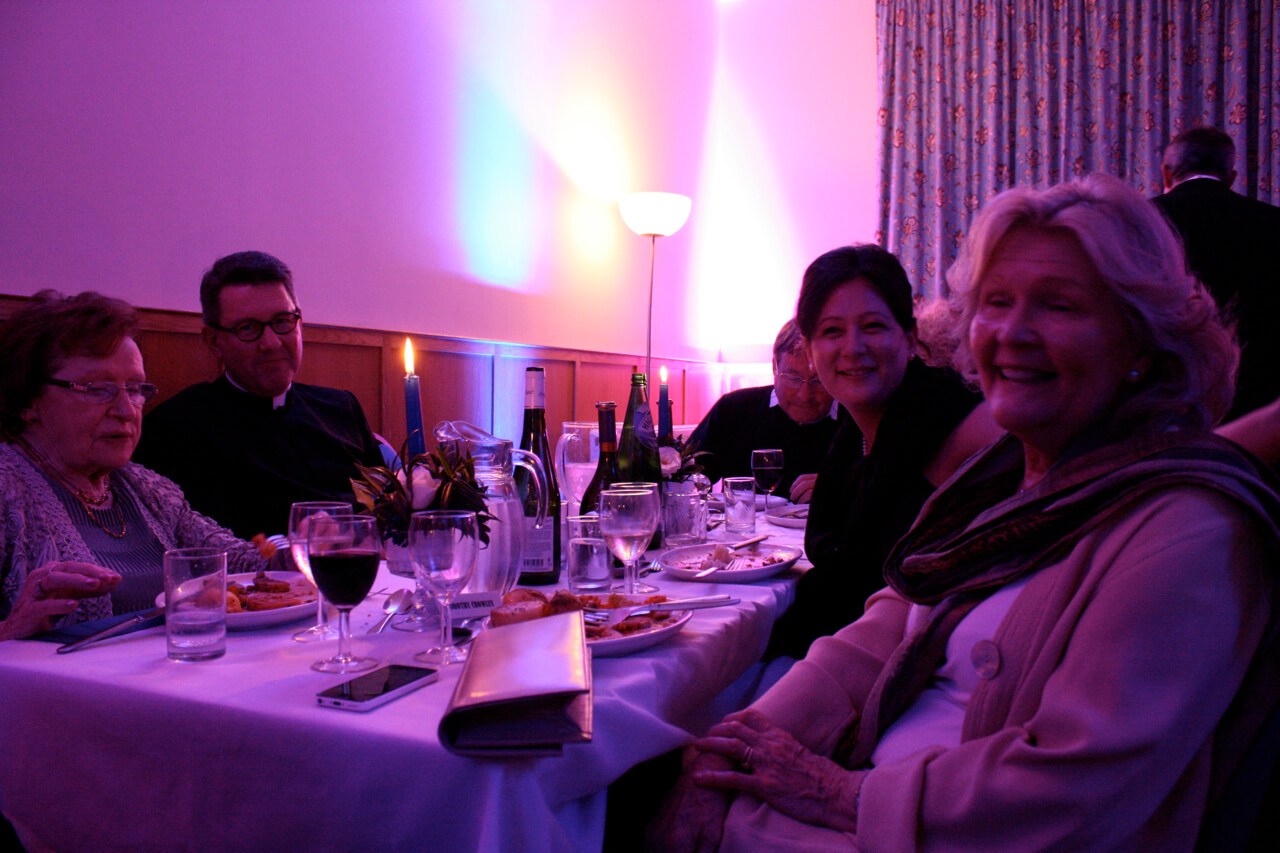
The guests went on to enjoy their main course:
After pudding, the police were back. Each table had come to its conclusion. Four of them had got it right!
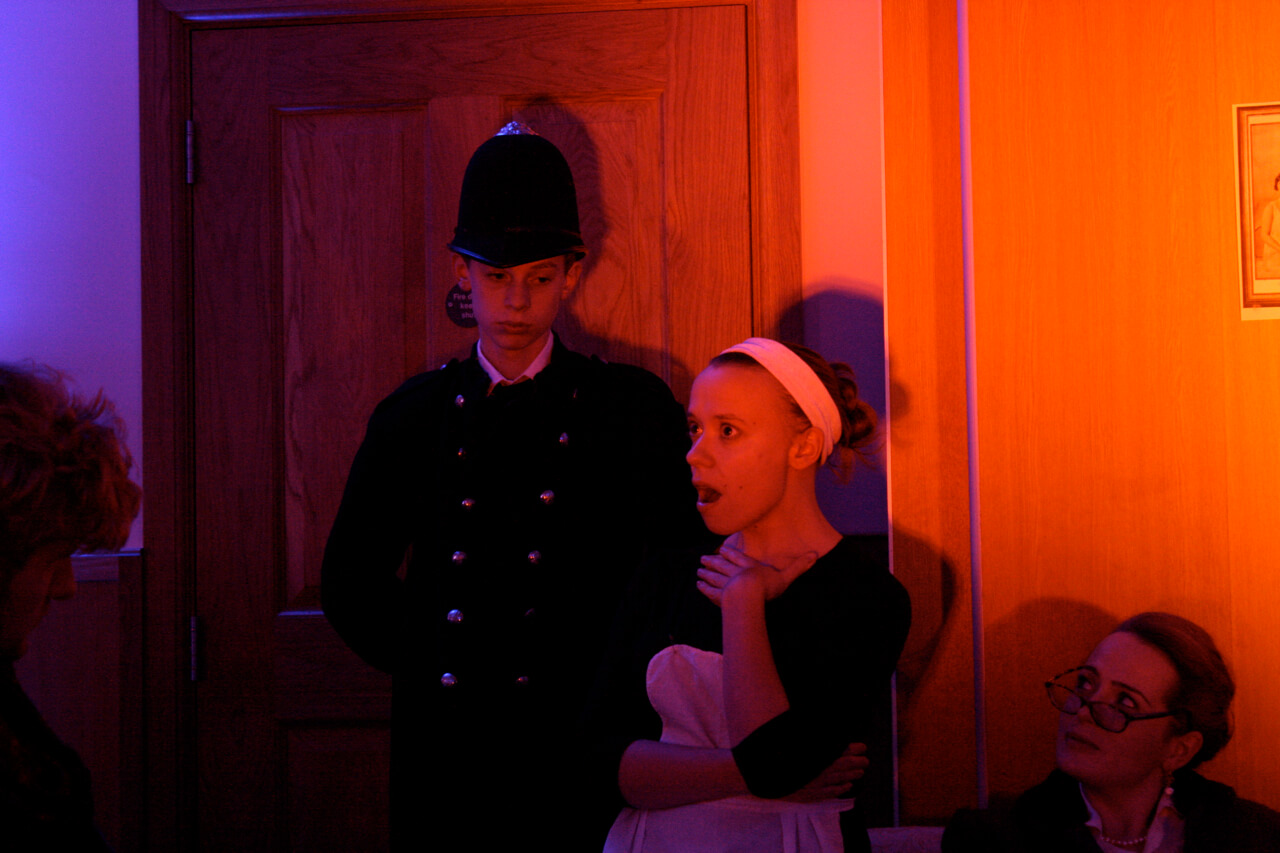
Yes, it was the housekeeper, Mrs Drewett, taking revenge for the murder of her own sister, many years ago. She is led off to the cells:
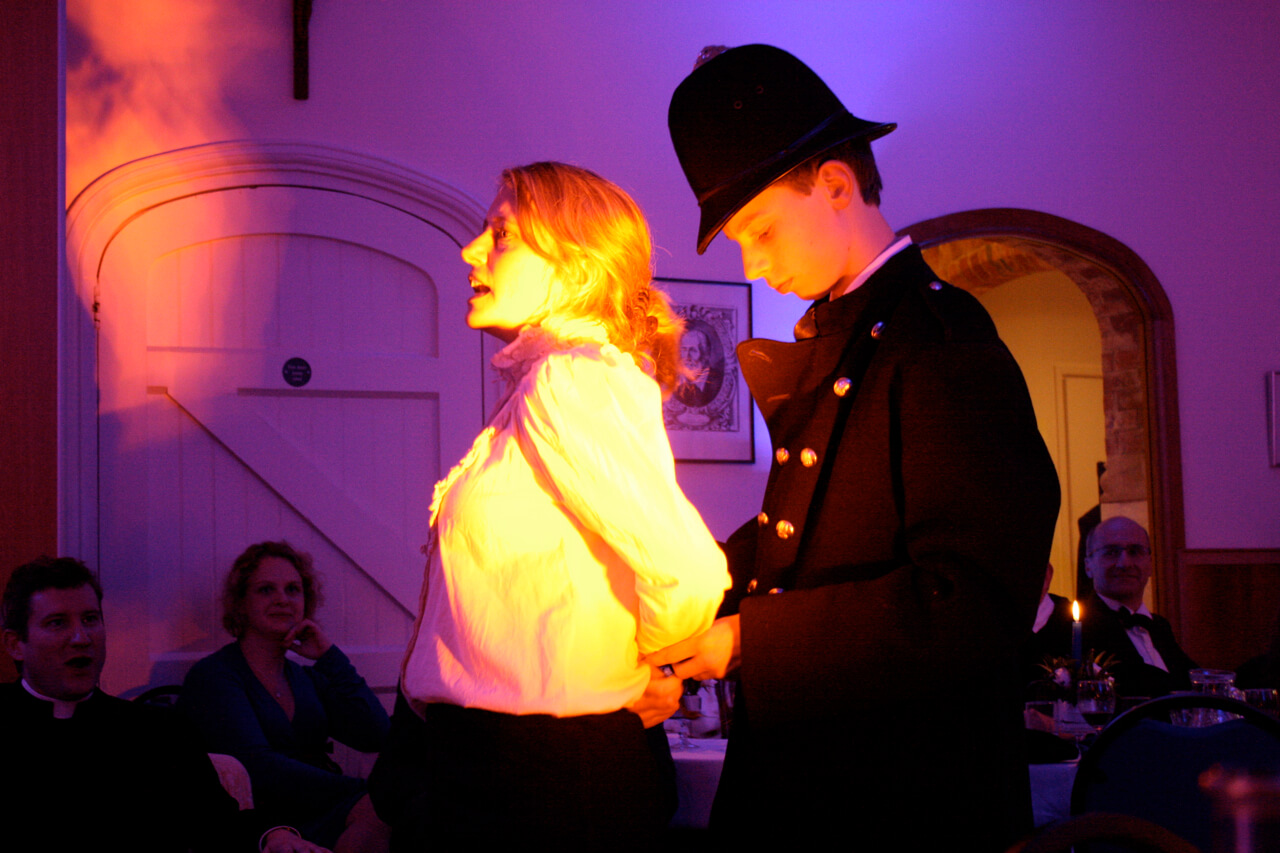
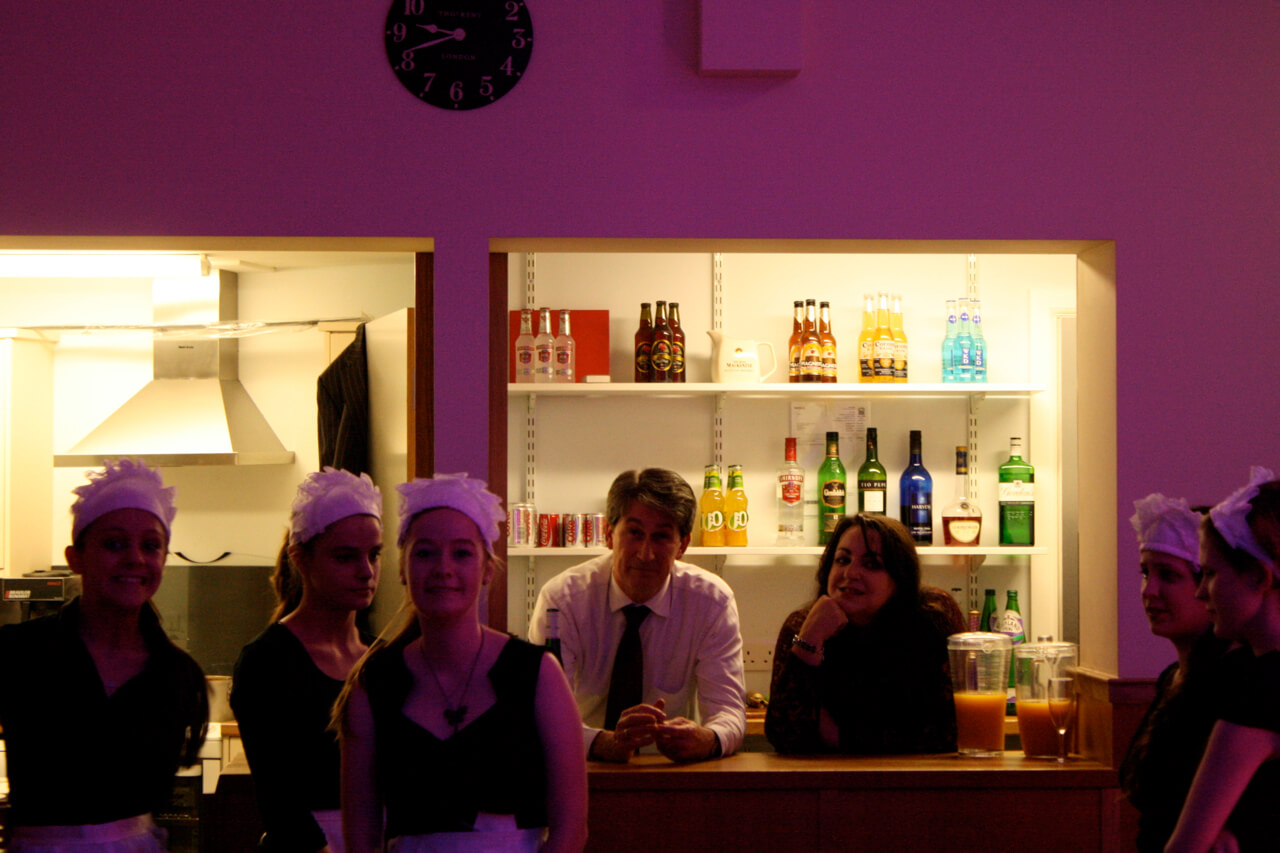
Thank you to everyone for taking part: to Clare Thomas for writing the script, to the actors, sound and light technicians, those who decorated the rooms so beautifully, to the cook, the waitresses and bar staff. We hope to have a similar event another time.
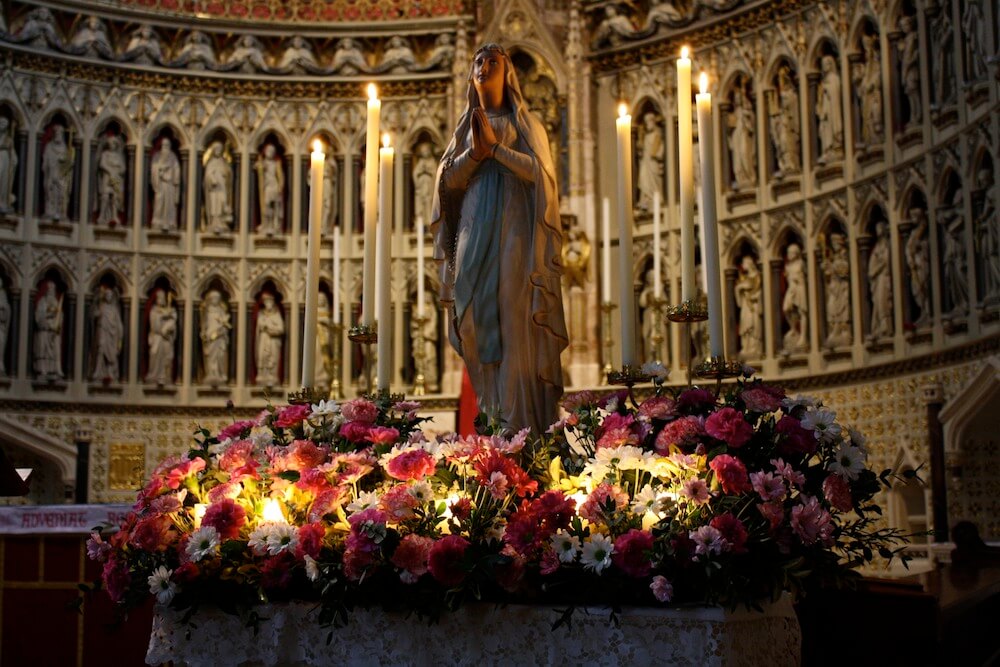
NOVENA
Starts Friday 28 November 6:30pm
Continues weekdays at 6:30pm and weekends at 6pm.
SOLEMN FIRST VESPERS
Sunday 7 December 5:15pm
SOLEMN MASS
Monday 8th December 6pm
Preacher: Fr Richard Biggerstaff,
Director of the St Barnabas Society
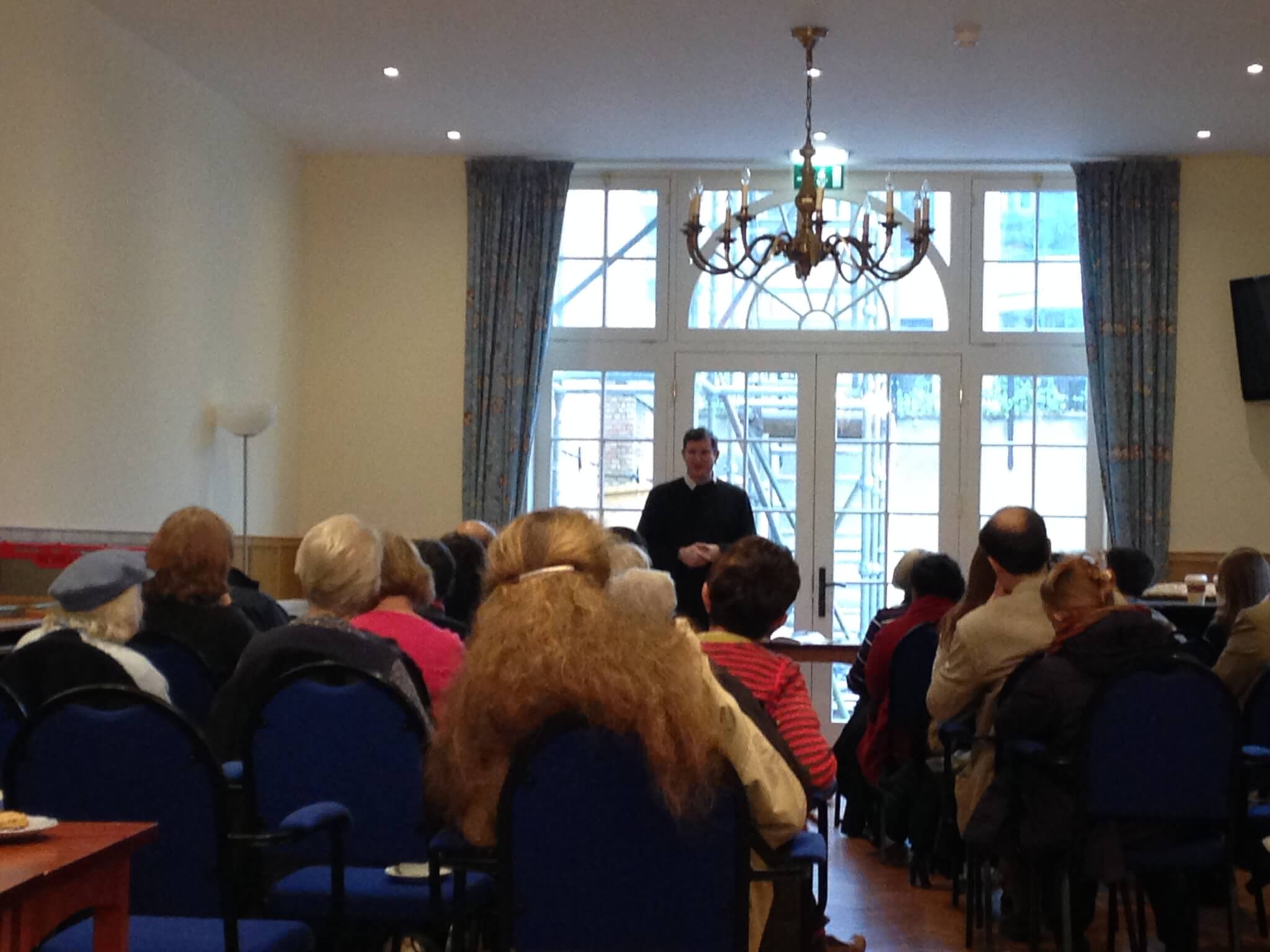
Fr Daniel today gave the last talk in the Last Things series – on Hell. Saturday morning exploration of the faith will continue on 17th January, when a series of films will be shown. More details to follow.
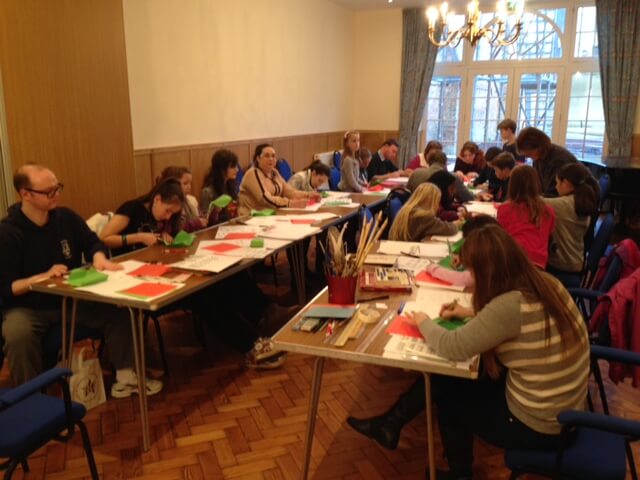
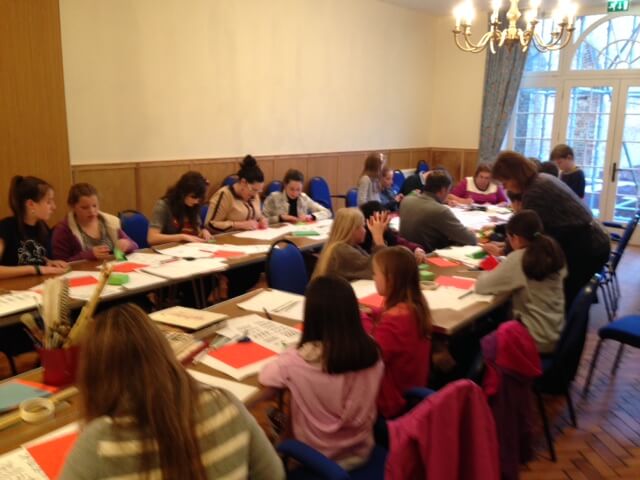
Thank you to Freddie Quartley, whose Art and Calligraphy afternoon last Saturday was well-attended and enjoyed. The pictures show those who took part hard at work under her tutelage.
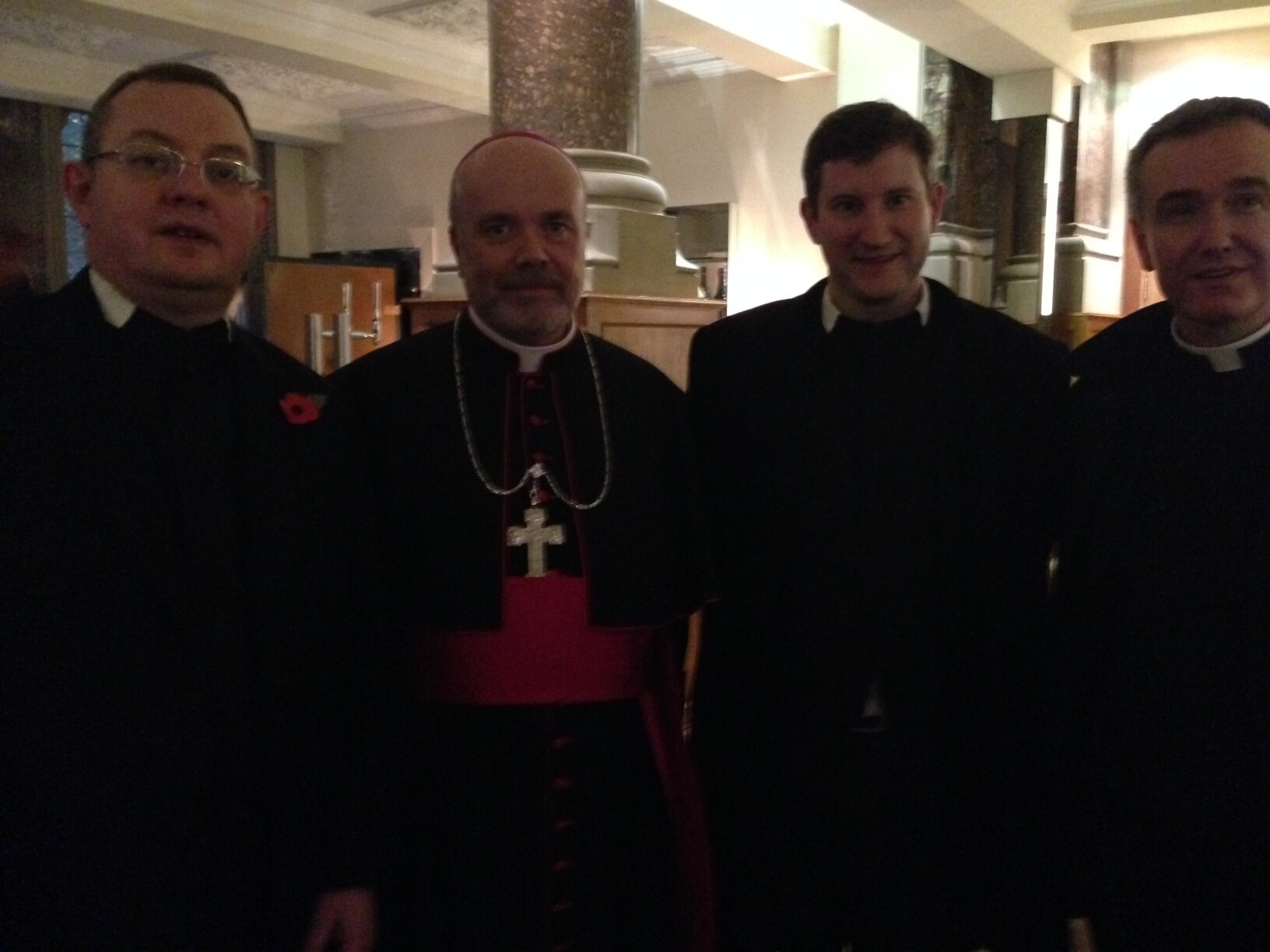
Fr Daniel, Fr Dominic and Fr Richard were all at Leeds Cathedral last Thursday to support Bishop Marcus Stock as he was ordained as the new Bishop of Leeds.
Cardinal Vincent Nichols was the principal co-consecrator together with Archbishop Arthur Roche, Bishop Emeritus of Leeds and our own Archbishop Bernard Longley, the Archbishop of Birmingham. Archbishop Malcolm McMahon OP, Archbishop of Liverpool and Metropolitan of the Northern Province, was the preacher at the inspiring Mass.
Bishop Marcus has been a friend of the Birmingham and Oxford Oratories for many years, and was the last diocesan priest to look after the parish of St Aloysius, in the last fortnight before the Fathers of the Oratory arrived in 1990.
Please keep the new bishop and his diocese in your prayers as he begins this important work of service to the Church.
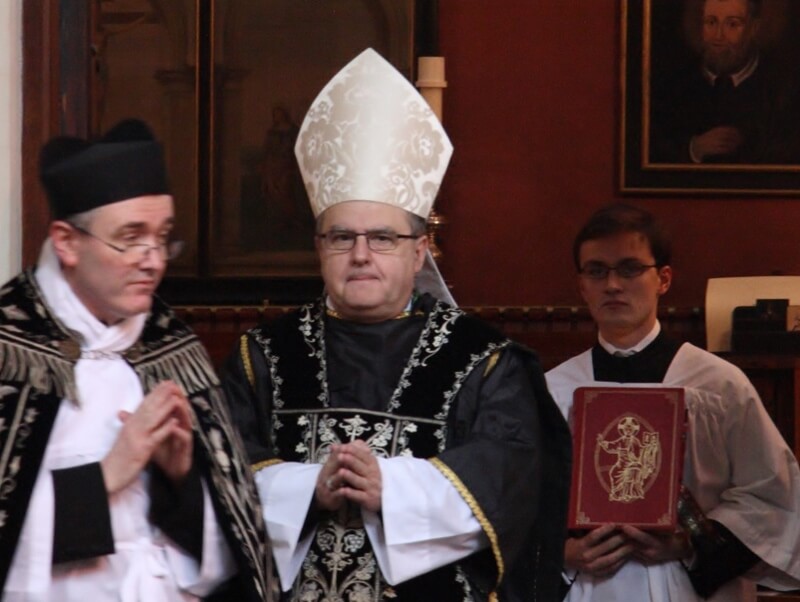
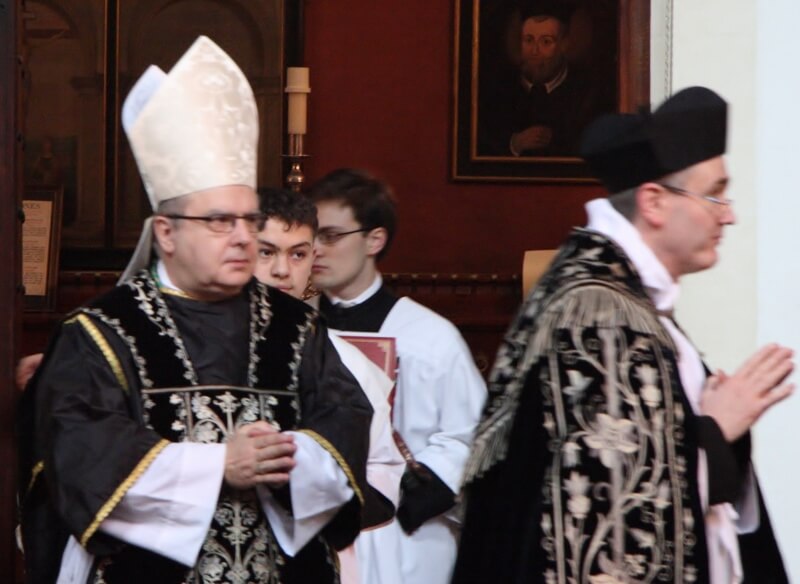
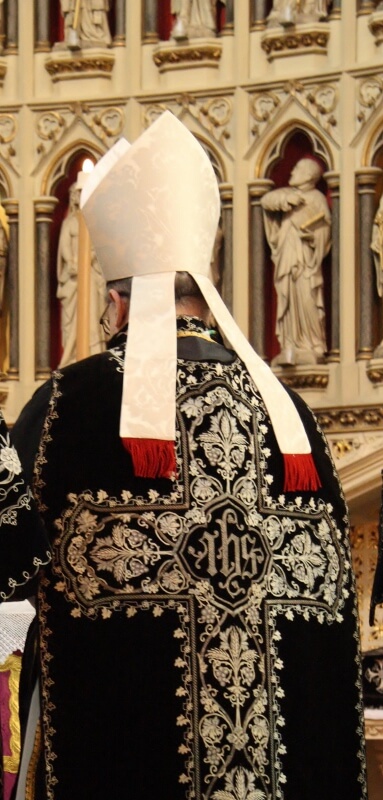
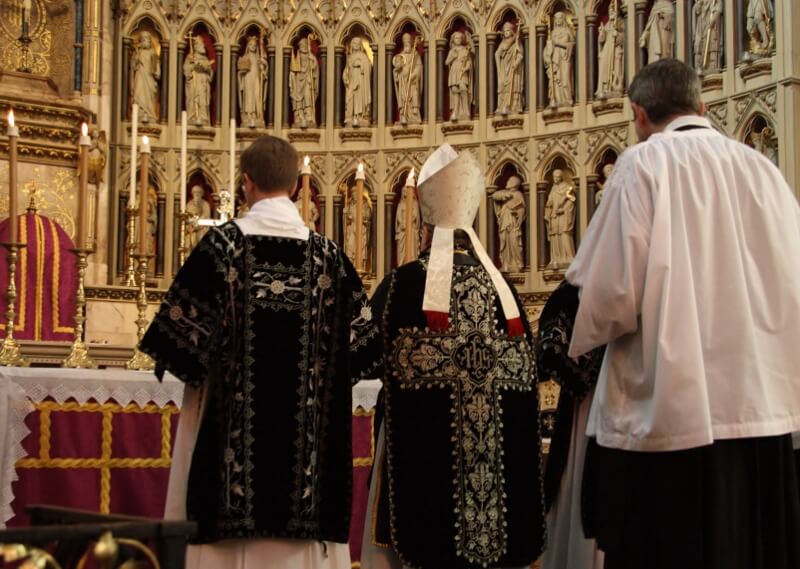
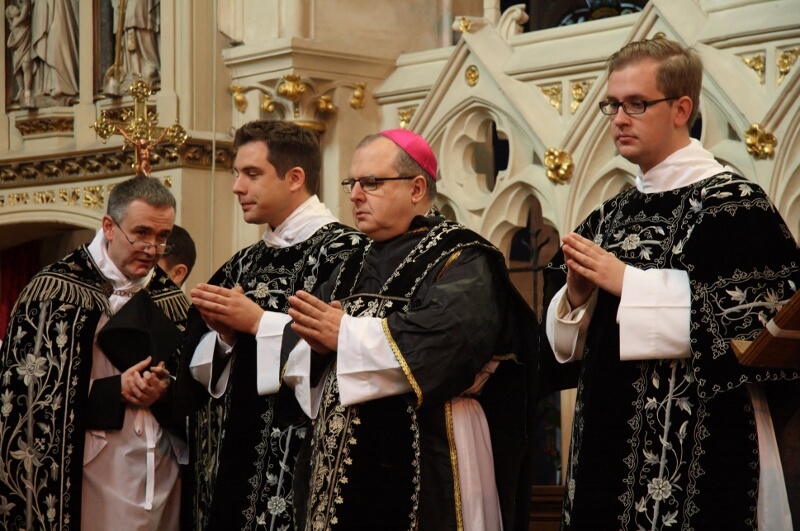
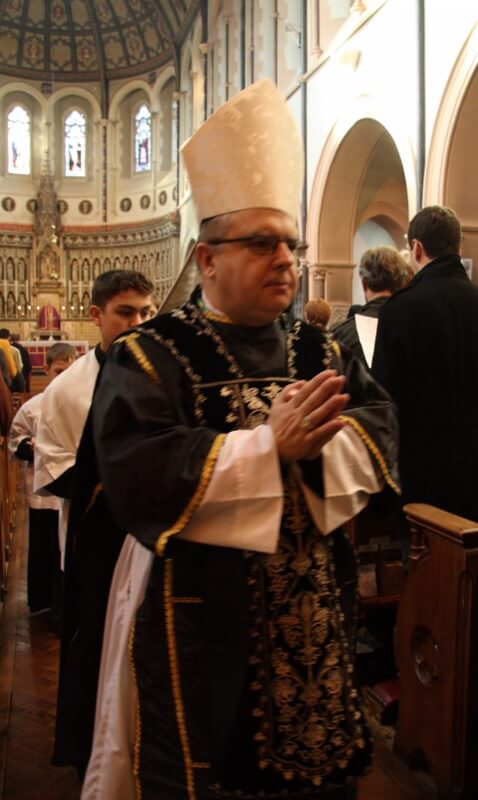
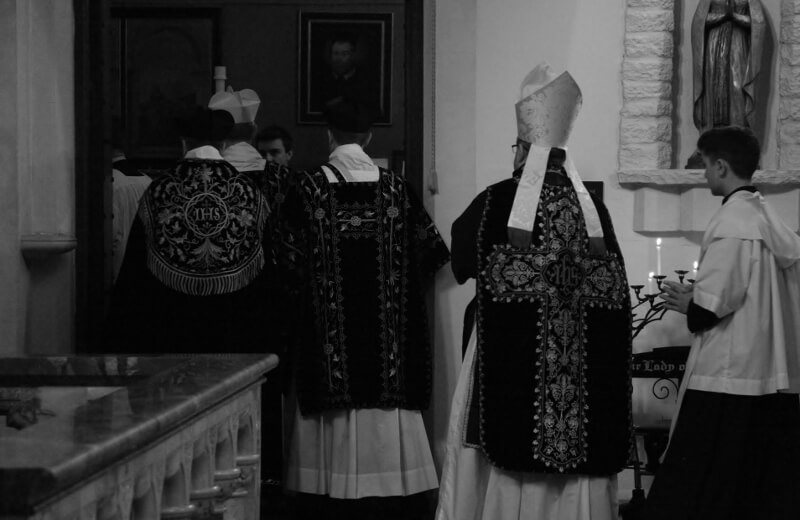
The Right Reverend Bishop Robert Byrne, Cong. Orat. celebrated a Pontifical Requiem Mass in our church on Remembrance Sunday for the souls of those who have fallen in war.
“O valiant hearts who to your glory came
Through dust of conflict and through battle flame;
Tranquil you lie, your knightly virtue proved,
Your memory hallowed in the land you loved.”
The procession emerges from the sacristy:
“Proudly you gathered, rank on rank, to war
As who had heard God’s message from afar;
All you had hoped for, all you had, you gave,
To save mankind—yourselves you scorned to save.”
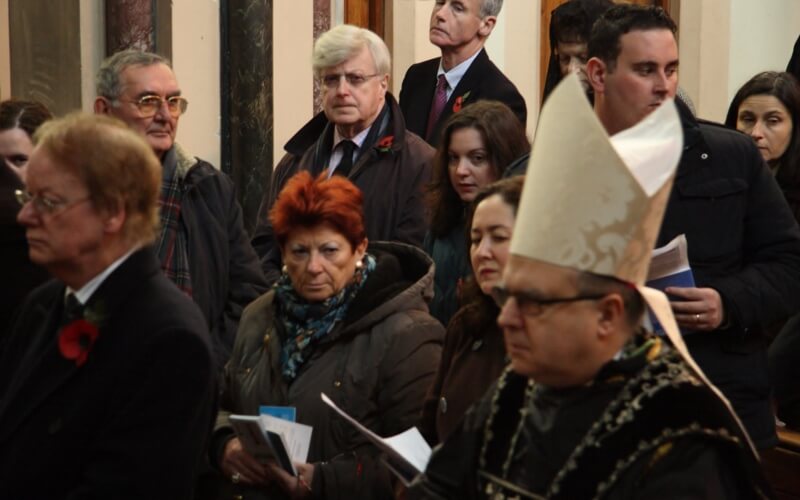
Splendid you passed, the great surrender made;
Into the light that nevermore shall fade;
Deep your contentment in that blest abode,
Who wait the last clear trumpet call of God.
Arriving at the altar:
“Long years ago, as earth lay dark and still,
Rose a loud cry upon a lonely hill,
While in the frailty of our human clay,
Christ, our Redeemer, passed the self same way.”

“Still stands His Cross from that dread hour to this,
Like some bright star above the dark abyss;
Still, through the veil, the Victor’s pitying eyes
Look down to bless our lesser Calvaries.”
The Offertory:


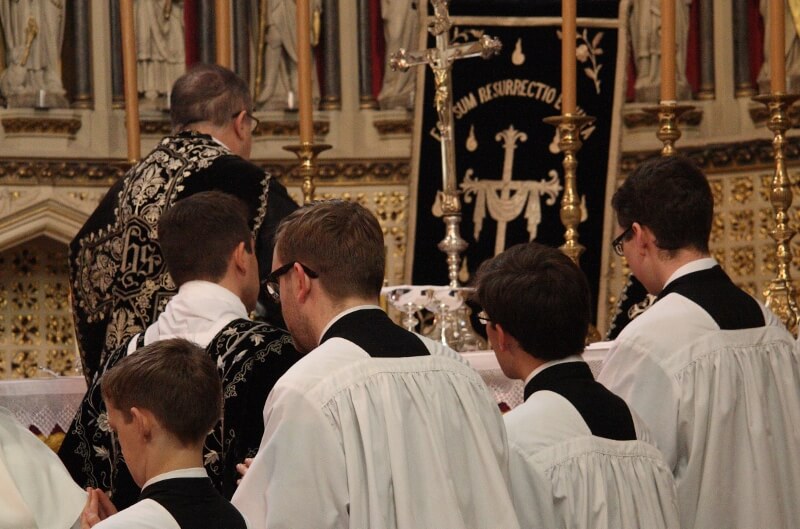
“These were His servants, in His steps they trod,
Following through death the martyred Son of God:
Victor, He rose; victorious too shall rise
They who have drunk His cup of sacrifice.”
The elevation of the chalice:

“O risen Lord, O Shepherd of our dead,
Whose cross has bought them and Whose staff has led,
In glorious hope their proud and sorrowing land
Commits her children to Thy gracious hand.”

The final blessing, before the National Anthem was sung:
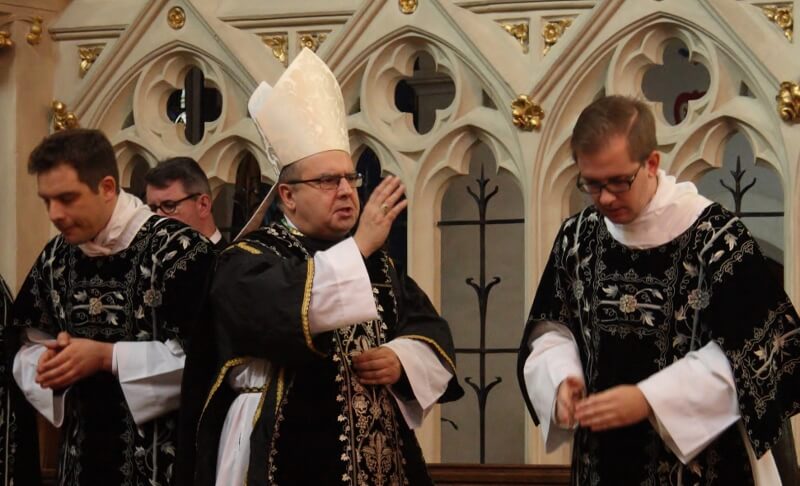
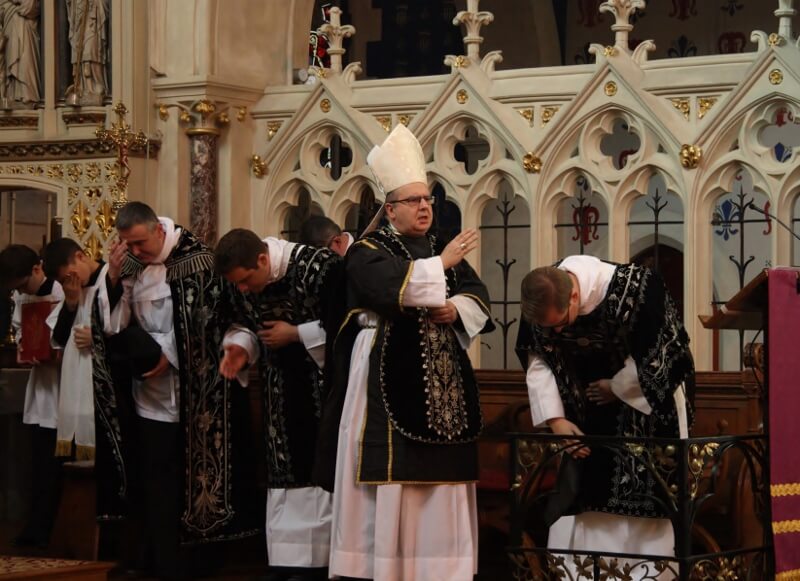
The Bishop returns to the sacristy:
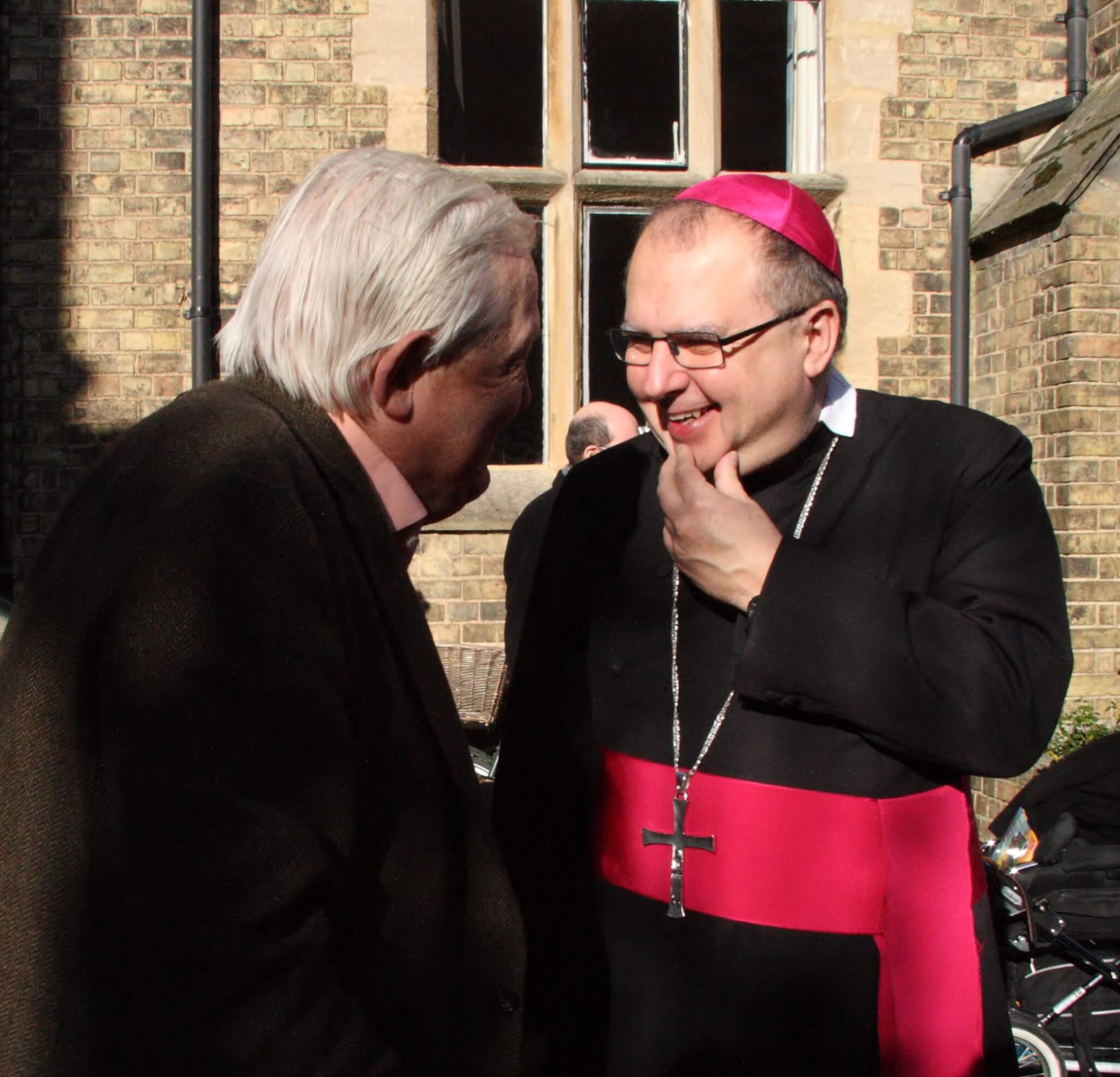
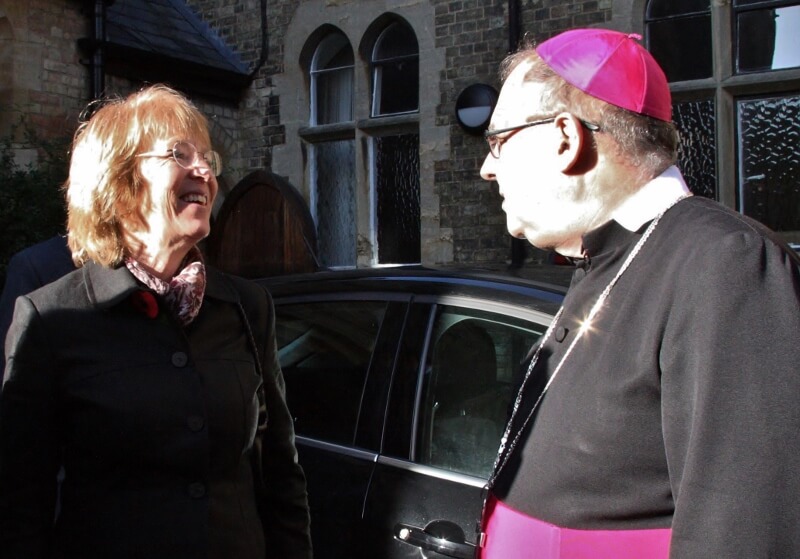
After Mass, Bishop Robert meets parishioners:
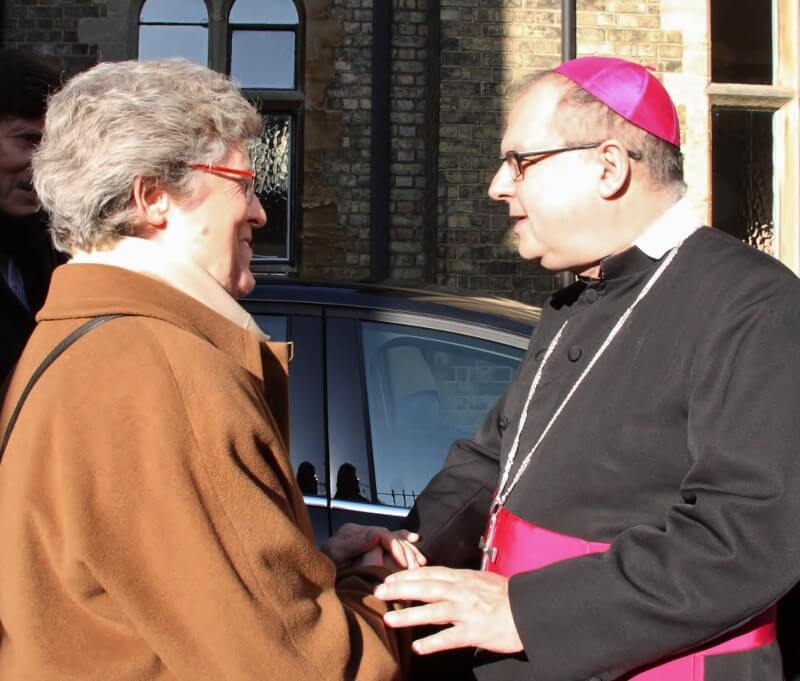
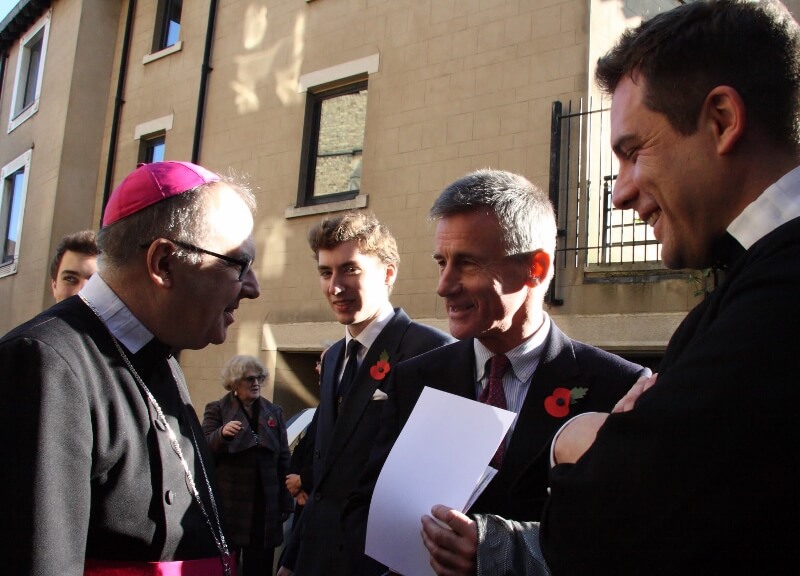
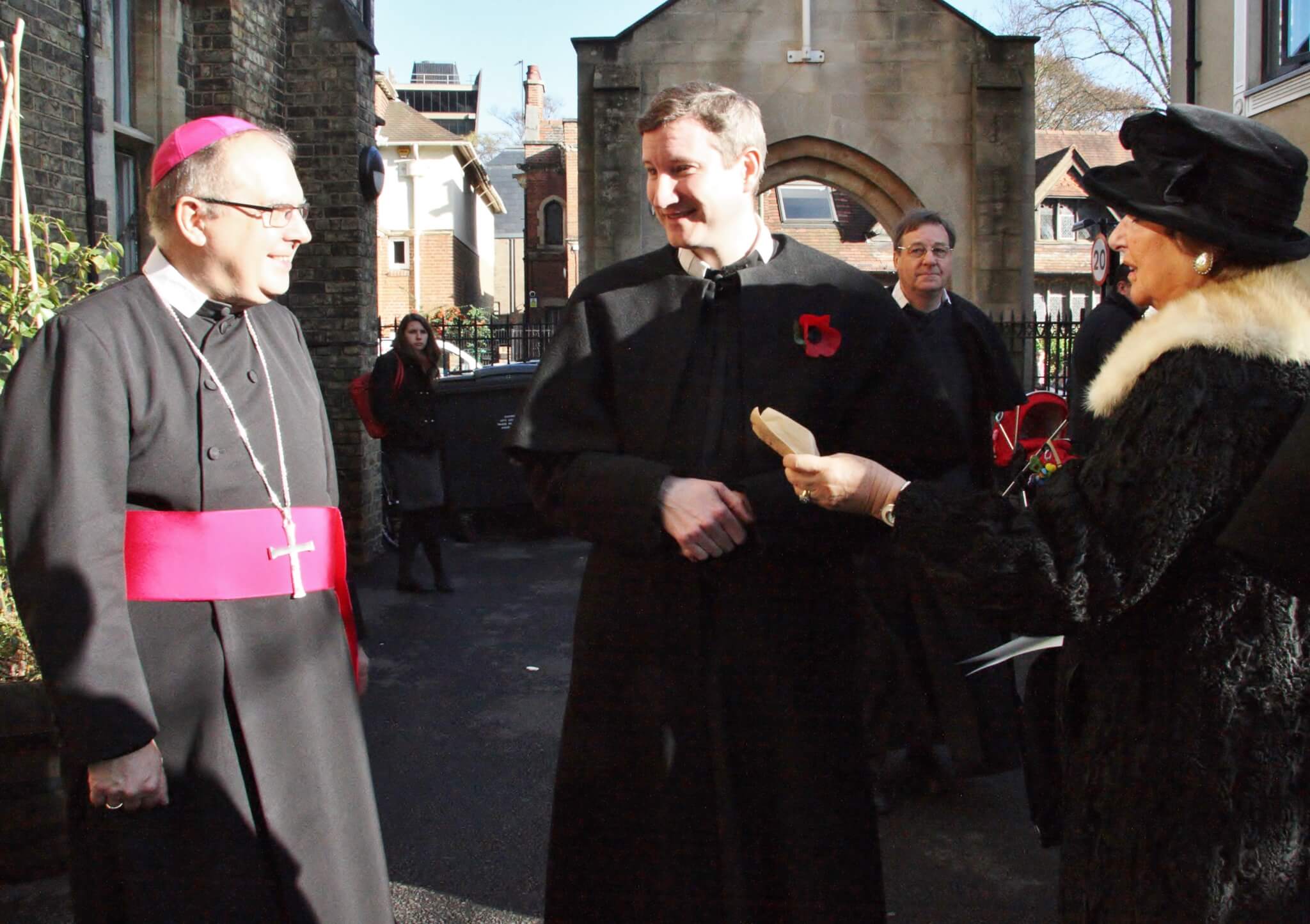
Photographs by Hannah Chegwyn.
The Holy Father yesterday published a decree recognising the heroic virtues of Father Raimondo Calcagno of the Oratory in Chioggia.

Born at Chioggia on 17th April 1888 to a fishing family – poor but with solid Christian principles, Raimondo showed from childhood a vocation as a teacher, which characterised his whole life, despite coming from this fishing city in which poverty, illiteracy and degraded morals were widespread.
As a young man he became president of “Azione Cattolica” and threw his energies into helping poor boys. On 28th March 1914 he became a priest of the Oratory, where he instituted many activities for the young.
In 1921 he took on the direction of “San Gerolamo Emiliani” – an institute that cared for young people in extreme poverty and the orphan children of fishermen.
On his deathbed, Father Calcagno was able to say that he had never held back in giving to these poor youths. He brought them along the way of St Philip: full of joy, truth and love.
From 1948 to 1957, Fr Calcagno went in obedience to be Provost and Parish Priest of the Oratory at Verona. On his return to Chioggia he continued to preach fervently: “Live in charity!” to seminarians, young people and his Oratorian brethren. His last thoughts before his death, on 18th July 1964, were for his spiritual children, for whom he had become a father, brother, and faithful consellor. Until the end of his life, he would say, like St Philip, “Let them play!”
On 7th November 1991 the cause of Fr Calcagno’s canonisation was opened at the Chioggia Oratory, and 66 witnesses gave evidence in the process.
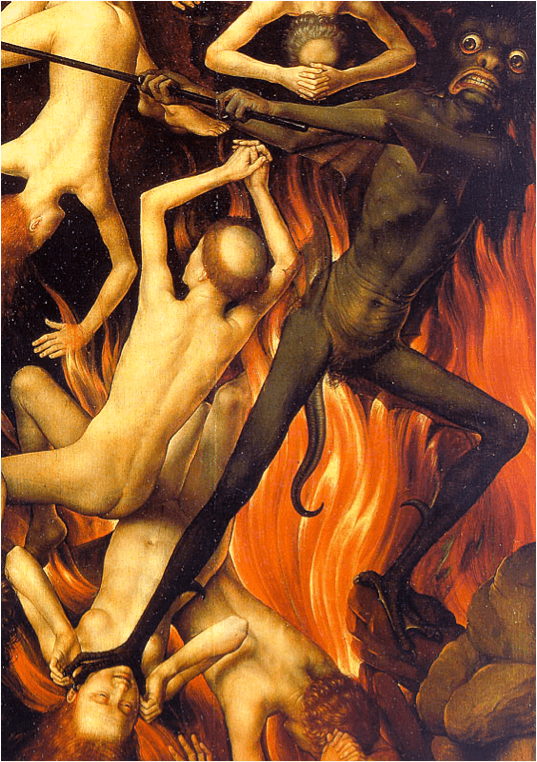
There will be a series of talks in the Parish Centre during November on the Last Things – on Saturdays at 11am.
1st November – Death
8th November – Judgement
15th November – Heaven
22nd November – Hell
Tea and coffee will be served beforehand
On Monday, we welcomed Fr Cassian and Fr Benedict from the Benedictine monastery in Norcia for the talk Marriage and Monasticism. Br Gregory has written the following summary for the Norbertine Vocations blog.

I was greatly privileged last night to be able to listen to a talk given by Fr Cassian and Fr Benedict from the Benedictine monastery in Norcia, in Italy, which is the birthplace of St Benedict.
The address was on the subject of stability, comparing and contrasting the monastic life with married life, which is a wonderful title, since these two ways are the principal ways by which we might live the Christian life more perfectly, so it seems fitting to compare and contrast them.
Stability, of course, is something that we Norbertines share with the Benedictines, although, unlike monks, we do not make a vow of stability in the same way as do monks (they make specific vows of stability, conversion of manners, and obedience, although the principle is the same). Our vows of poverty, consecrated celibacy and obedience are always made, however, in the context of stability: we make our vows not only to God, but to our superior, and our brethren, before the people of God, in our particular houses. Monastic stability does not necessarily mean, however, stability in a particular building, although that is an important part of it, of course. We must be able to love our buildings, and be comfortable in them, and, when the time comes, expand them. Given that monasteries are supposed to be little beacons of heaven (more visible from the outside, perhaps!), it seems fitting to apply the analogy of the psalmist to a monastic building, who, referring to Jerusalem (a type of heaven in the old testament), says: “thy servants think upon her stones” (Ps 102:14).
The monks of Norcia re-founded this ancient monastery 16 years ago – they are now 20 in number, 11 in solemn vows – and are steadily growing, and now need to expand their buildings. In Chelmsford, we are a younger community – our independence was gained 10 years ago, and we have been in Chelmsford for only 6 years – and, given that God has seen fit to bestow vocations upon us, it will be our responsibility also to expand our capacity. Stability refers to a commitment to a particular group of people in a particular place at a particular time. The love and affection we have for each other has brethren is similar to familial love: if we are parents, we do not choose our children; as children, we do not choose our parents, or our brothers and sisters. In religious life, this is also the case: we do not choose our brethren. They are already there when we join, and, after we join, more will follow. God gives them to us – and God gives us to others – as a means of sanctification.
So, clearly, stability is common ground for both monastics and married persons. Fr Cassian referred in particular to the three marital goods annunciated by St Augustine:
proles: an openness to new life. This can refer not only to marital procreation – although this is the specific meaning implied by Augustine – given that not all married couples will be able to have children for one reason or another. There is a difference between accepting God’s gift for what it is, and rejecting God’s gift. In marriage, he may or may not bestow the gift of children upon a couple. In religious life, he may or may not bestow the gift of more vocations upon a monastery. In both cases, if the respective parties live their life contrary to God’s will for them, if they are closed off to vitality, growth and new life, then the marriage will shrivel; the monastery will fail. I think also that this requires a certain degree of holy naïveté: we must be willing to accept what we are given as the gift that it is. Christ, after all, commanded us to be childlike.
fides: fidelity. Married couples make a commitment of exclusivity to one another, symbolised, of course, by the wedding-ring (many religious women wear “profession rings” as a wife would wear a wedding ring; male wedding rings are an innovation). In marriage, a couple dedicates themselves to each other, to the exclusion of others. In religious life, we do not commit ourselves in the same way to a particular person (the vow of celibacy is all about this), but to a particular group of people, and, therefore, Almighty God Himself becomes the most important Person. In religious life, love for one another is sustained by the common love for and relationship with Almighty God. In fact, both the religious and marital life have Almighty God as the foundation. Marriage is the symbol of the relationship between Almighty God and His people: He is always faithful to the covenant; we, His people, are not. The prophet Hosea was ordered by Almighty God to marry a prostitute, to show God’s fidelity, and, moreover, our capriciousness. This relationship was consummated by the shedding of Christ’s Blood on the Cross, as the priest says at every Mass: “This is the chalice of My Blood, the Blood of the new and eternal covenant…”
sacramentum: by which Augustine does not mean that marriage is one of the seven sacraments, but he is referring to the bond “till death do us part”. Marriage is the only original dispensation that was not washed away by the flood, but it is something these days that has, in general, in the west, lost its sense of permanence. Due to our fallen human nature, of course, sometimes our relationships with others do break down. Indeed, Almighty God knows all about that: He falls victim every day to our continual acts of infidelity against Him. So many, particularly younger, couples do not discuss important things with one another, like having children, until they are actually married, and they are so afraid of conflict – or, more likely, the have little understanding of human nature, and virtually no self-awareness – that at the first argument, some newly-weds even decide to separate. We know, however, that we do not come down off the cross; we do not run away at the first sign of difficultly (sometimes we do, because we are afraid; but that does not mean that we cannot try to return to Calvary and pick up where we left off). In marriage, and the religious life, we learn about the Christian virtues, and how to apply them in real situations, particularly the ability to forgive one another – not least, ourselves. In short, we learn how to become Christ-like.
In whichever way we live the Christian life, each one of us is called to strive to live it ever more perfectly. We have seen, hopefully, how these two ways of life, marriage and religious life, are great gifts of Almighty God, in that they are the most well-founded means for our sanctification, and for those around us. Things of God are attractive, whether they be long-lasting marriages or flourishing religious communities. In these dark ages in which we live, may those who choose these paths truly be a shining beacon of Christ, a lamp-stand on a hill-top, and so sanctify the world.
The Year of Consecrated Life will begin on the first Sunday of Advent this year.