More Bees

13512144_10154932746706521_4184057638975529399_n

Visitors to our Church on Monday were once again treated to a spectacular swarm of bees. Regular readers of our website may remember this has happened before: Circumdederunt me sicut apes.

The bees swarm when their colony gets too big. Half the colony leaves to go and find a new home. Here they can be seen gathered on the side of the house waiting for their scouts to tell them where that new location was to be. This swarm contained approximately 25,000 bees.

13557803_10154932746816521_27885500730355599_n

In fact, the bees have found rather a better new home than they were expecting. The swarm was collected by the Rt Rev. Dom Cuthbert Brogan OSB, Abbot of St Michael’s Abbey, Farnborough. The Abbey has a number of hives that produce the very popular ‘Abbot’s Special Honey’.

13568781_10157064643230261_2506119400919238810_o

13516696_10210333774925386_9093298484377903782_n

IMG_0737

New Nursery Class at St Aloysius’ School

New Nursery Class at North Oxford Catholic Primary School to Open in January 2017

Proposals to introduce a nursery class at St. Aloysius’ Catholic Primary School in Oxford have recently been approved by Oxfordshire County Council and the Archdiocese of Birmingham. Doors are to open in January 2017 to children aged three and above.

The school is lowering its entrance age in recognition of the limited number of Catholic nursery places available for children in Oxford city. The new nursery class will provide term-time nursery education for up to 26 children, with learning led by qualified teachers and support staff. The nursery, to be called Acorn Class, will be accommodated next to the school’s Reception Class, creating a dedicated Early Years Foundation Stage Unit. The Catholic values and ethos of the primary school will be central to the curriculum and daily life of the nursery.

Father Daniel, the School Chaplain said “It is very exciting that St. Aloysius’ School is now able to expand its provision to cover the nursery years. I hope that this will be of real value for Catholic parents, looking for the best for their children from their earliest years.”

The school is taking enquiries for the nursery class now. In addition to the Government’s 15 funded hours, parents will be able to buy additional hours to take advantage of full-time provision. Lunchtime wraparound cover will also be provided.

———

Contact Details: Zoë Spilberg or Jo Clarke.

Email: office.3842@st-aloysius.oxon.sch.uk or telephone 01865 311056.

Acorn Class Advert

St Aloysius’ Day

The_Vocation_of_Saint_Aloysius_Gonzaga

We were pleased to welcome Fr Gerard Skinner, Parish Priest of St Francis’, Notting Hill Gate and Dean of North Kensington, to preach at the High Mass last night for St Aloysius’ Day. Here are his words:


The Vocation of St Aloysius Gonzaga

‘They have vanished’, wrote Aldous Huxley of the Gonzaga; ‘they are as wholly extinct as the dinosaur’. And yet here we are this evening, singing the praises of a Gonzaga. Of all the Gonzaga, it was to be one of the most short-lived who was to be granted the most impressive reign – not merely a reign of some span of years in this world but rather imperishably in aeternum.

The life of St Aloysius , familiar to many of you, may be told swiftly. He was born in 1568, the eldest son of Ferrante Gonzaga, marquis of Castiglione in Lombardy and a prince of the Holy Roman Empire. His mother was a member of the Della Rovere family and between his parents, Aloysius numbered as members of his family dukes, marquises, cardinals and bishops throughout Italy, Spain, France and Germany. From the age of seven he dedicated his life to prayer and mortification, channelling all the fighting energy and stubborn resolve for which his family was renowned, into practising his faith. At the age of twelve he received his First Holy Communion from the hands of St Charles Borromeo. After great opposition from his father who had expected his son to take up a military career, Aloysius renounced the marquisate of Castiglione in favour of his younger brother, and in 1585 entered the Society of Jesus’ novitiate in Rome. ‘I am a piece of twisted iron:’ he wrote, ‘I entered religion to get twisted straight.’

In the novitiate he had to be instructed to pray less and refrain from such vigorous mortifications as he had previously imposed on himself. He was noted for his oft repeated desire for an early death but this was more than matched by his eagerness to take on the most menial tasks possible in the novitiate such as sweeping the cobwebs off the ceiling.

In the early months of 1588 Aloysius was admitted to minor orders. The following year the plague broke out in Rome, the saint’s first biographer recording, ‘Verily it was a horrible thing to see the dying creeping to the Hospitals, stinking and loathsome, and sometimes to behold them giving up their last breaths in corners, or falling down dead at the foot of some pair of stairs.’ The Jesuits opened up a hospital for the plague victims and Aloysius asked to be allowed to serve there. He nursed and instructed them, begged for food for them throughout the city and saw some of his confreres die from the disease.

He continued to devote himself to God and the care of the sick until he succumbed to the disease himself, dying at the age of twenty-three with the Holy Name of Jesus on his lips. He was beatified just fourteen years later in 1605 by Pope St Pius V and canonized in 1726, being declared the patron saint of young students three years later and, in 1926, Pope Pius XI pronounced him the patron saint of all youth.

*

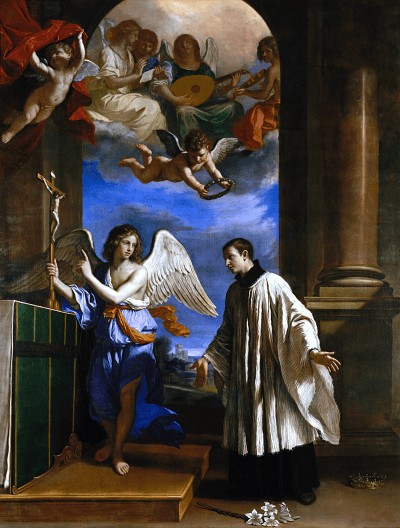
After his death, many paintings and statues of St Aloysius were created, one such painting, impressive not least for its size, now hangs in the Metropolitan Museum of Art in New York. It is a huge altarpiece by the Bolognese artist, Guercino. The work, entitled ‘The Vocation of St Aloysius Gonzaga’, was originally commissioned in 1650 for the Theatine church of Guastalla by Duke Ferrante III Gonzaga (1618–1678).

Guercino depicts St Aloysius much like contemporary portraits of him painted from life – slim face, long nose, like many of his family, but the saint is wearing a black Jesuit cassock and a voluminous white surplice. The moment depicted, in allegory, is that of St Aloysius’ decision to heed his heavenly call.

As we look at the painting it is as if we were standing at the side of a chapel, looking across the front of the altar to an arch, through which can be seen the countryside and the strikingly blue yet cloudy Italian sky. Guercino depicts St Aloysius standing, on the right of the picture, before the predella of the altar. Upon the predella stands an angel of similar height and stature to the saint. The angel is dressed in blue, an orange sash, around his middle. Above the two figures we can see more angels, one playing a lute, another a viol, two more singing from a manuscript.

Through the arch, in the midst of the countryside, we can see the family’s principal castle and, discarded by the Saint’s feet, is the coronet of the marquis. These symbolize St Aloysius’ renunciation of the worldly glory and power that was his birth-right. He had the courage to take a deliberate decision to follow his God given vocation. Despite the prolonged anger of his father and family who did all that they could to persuade him to remain with them, St Aloysius would not utter the words to God ‘I will not serve’, it was not better, thought he, “to reign in [Castiglione], than to serve in Heaven.” (Cf Milton Paradise Lost Book 1). He wanted to give his life to the Church, not his bones – he heard the call of Christ and his response was decisive, bold, iron-willed.

At the feet of St Aloysius lies a single lily stem with seven flower heads. Guercino’s image is that of a young man who is not seemingly given to holding flowers. The lily, of course, is the symbol of chastity, a virtue for which the saint is famed. He was particularly noted for the practice of custody of the eyes, hoping to avoid all sins against purity that he feared he might commit. Here St Aloysius reminds us that ‘Blest are the pure in heart, for they shall see God.’ Preaching at the canonisation of St Maria Goretti – another saint famed for her chastity – Pope Pius XII reflected that ‘Not all of us are expected to die a martyr’s death, but we are all called to the pursuit of Christian virtue. This demands strength of character . . . a constant, persistent, and relentless effort is asked of us right up to the moment of our death. This may be conceived as a slow, steady martyrdom which Christ urged upon us.’

All this being said, the crown and the castle and the lily are but props in this painting compared to the dominant subject – St Aloysius intently yet serenely contemplating the Altar Crucifix that the angel grips with one hand and points to with the other. The saint stands before the Cross, slightly leaning towards it, his hands wide open and apart as if he is awestruck by what he sees. Perhaps we are present at the moment he prays the Suscipe of St Ignatius – his lips seem to be moving – ‘Take, O Lord, and receive my entire liberty, my memory, my understanding and my whole will. All that I am and all that I possess, Thou hast given me: I surrender it all to Thee to be disposed of according to Thy will. Give me only Thy love and Thy grace; with these I will be rich enough and will desire nothing more.’

This central image of Guercino’s painting recalls the saint’s love and respect for the angels – one of St Aloysius’ few writings to survive is a meditation on the angels – those mighty spirits of praise and spiritual warfare, those messengers of God, one of whom has been given to each of us ‘to light and guard, to rule and guide’.

The image also recalls St Aloysius love of the Cross of Christ, central for him in prayer, particularly as he was dying, for he could strive in his sufferings to follow his Divine Master in His humility and sacrificial love.
St Aloysius’ short life in the novitiate was a blazing crucible of the life of God in Rome. Yet despite this, as he prepared to die, he wrote to his mother, ‘In return for my short and feeble labours, God is calling me to eternal rest; his voice from heaven invites me to the infinite bliss I have sought so languidly, and promises me this reward for the tears I have so seldom shed.’

*

Walking through the streets of this city, a month ago, I noticed these words engraved on a college clock tower: ‘It’s later than you think. . .’ An everyday phrase rendered more impressive by the quality of the fine carving in honey-coloured stone. On the adjacent face of the clock tower, more words were inscribed, again in English: ‘. . . But it’s never too late to start.’ There is some intended humour in these words – the clock’s bell strikes at two minutes past each hour – yet the statement seems to acquiesce in the idea that tomorrow will always come. These words reminded me of how we can all put off to another time answering the call of God. How far from the zeal and energy of the early Jesuit fathers such as St Francis Xavier who would have liked to, ‘go round the universities of Europe . . . crying out like a madman, riveting the attention of those with more learning than charity’, hoping to ‘stir most of them to meditate on spiritual realities, to listen actively to what God is saying to them. . . [to] forget their own desires, their human affairs, and give themselves over entirely to God’s will and his choice.’ So that, ‘They would cry out with all their heart: Lord, I am here! What do you want me to do?’ (From the letters of St Francis Xavier)

Aloysius knew the urgency of responding to God’s call for ‘Time, the subtle thief of youth,’ (Milton, Sonnet 7) is ever moving on. Some hearing these words this evening are called now to offer themselves to be priests, brothers or nuns – follow St Aloysius’ example! Some are called now as lay men and women to offer yourselves to this church’s evangelizing mission – follow St Aloysius’ example! Some of us are called now to follow with renewed conviction the example of St Aloysius in our prayer and our renunciation of our self-will to conform ourselves afresh to the will of the Lord – on this feast day, let us follow St Aloysius’ example.

One important detail of Guercino’s altarpiece have I, so far, left out: above the saint hovers a cherub ready to place on Aloysius’ head a different sort of crown from that which he had laid aside. It is the crown of sanctity, made of laurel leaves for victory and white flowers for purity, a very singular halo for a most singular saint.

But now I must leave my praises of your patron saint as we turn again to the Lord. Let St Aloysius speak the final words, his final words addressed to his mother. As he faced death he wrote to her of the fulfilment of his and her vocation, praying that ‘our parting will not be for long; we shall see each other again in heaven; we shall be united with our Saviour; there we shall praise him with heart and soul, sing of his mercies for ever, and enjoy eternal happiness.’ So may it be.

First Holy Communions

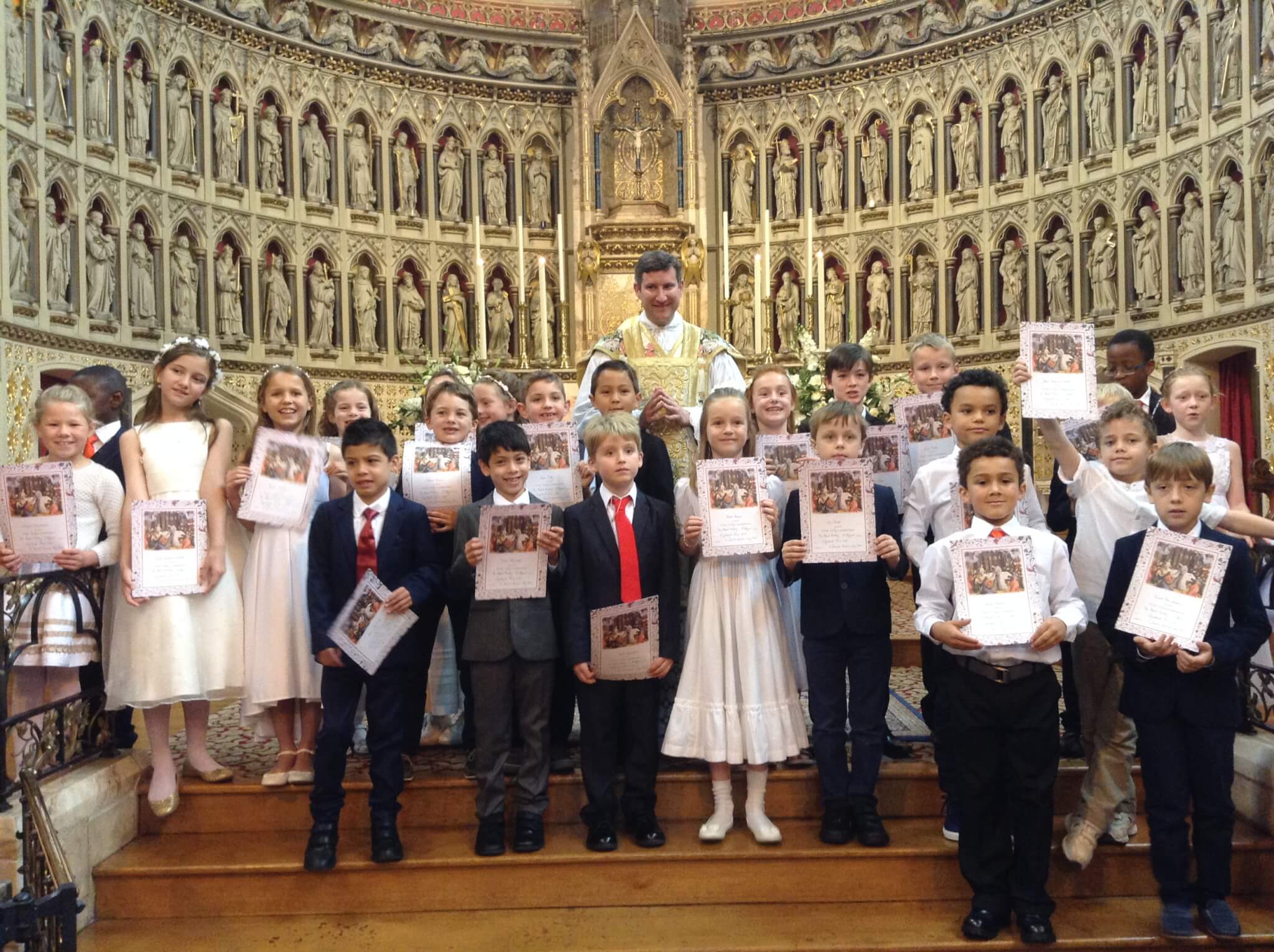
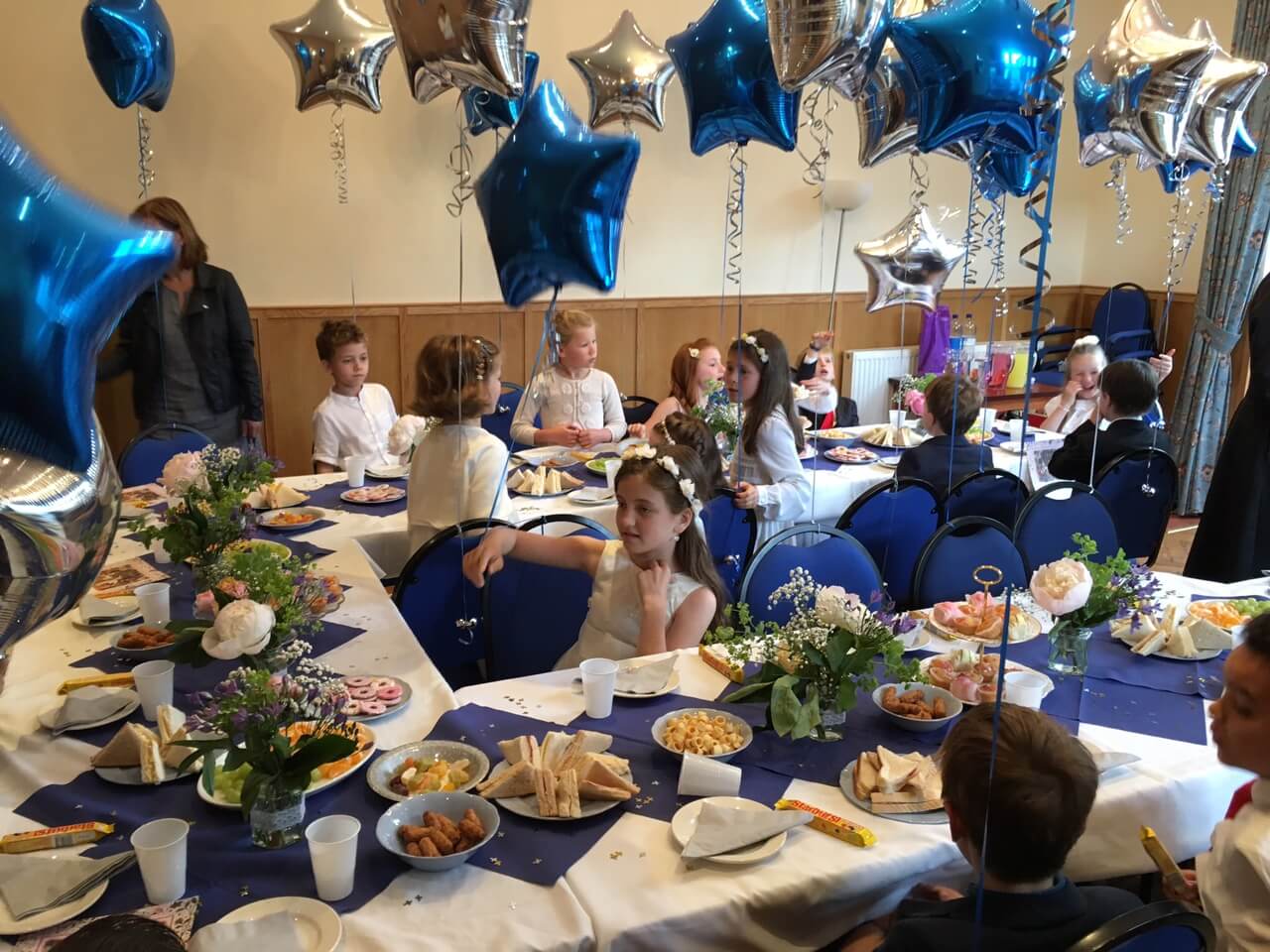
Congratulations to the 25 children from St Aloysius’ School, who made their first Holy Communions on Saturday, and the further 14 children from the parish class who did so on Sunday.

The St Aloysius’ School children with their certificates:2016-06-18 12.11.56

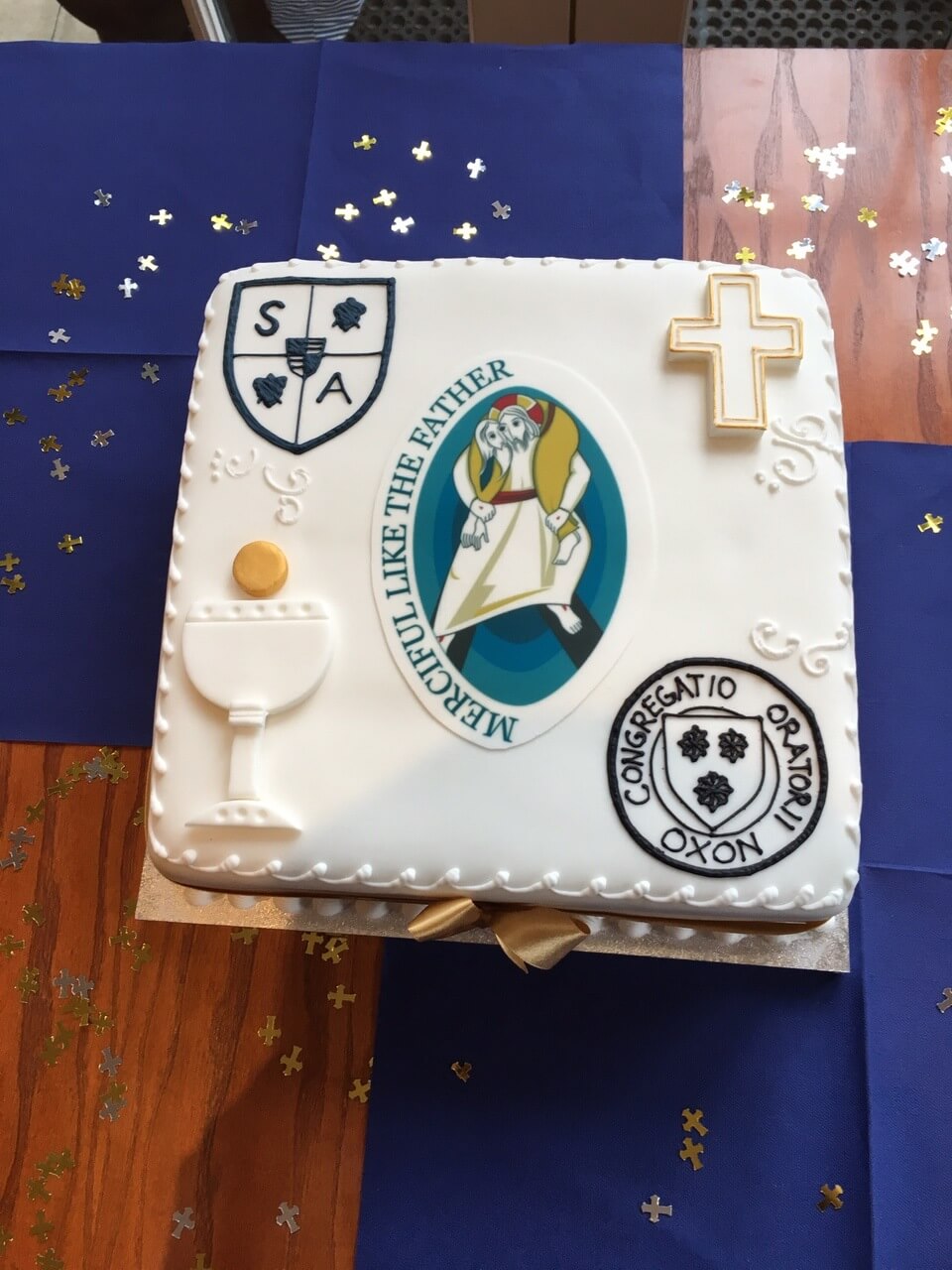
There were two splendid cakes:

IMG_3149

Here is the children’s cake being cut:

2016-06-18 12.34.49

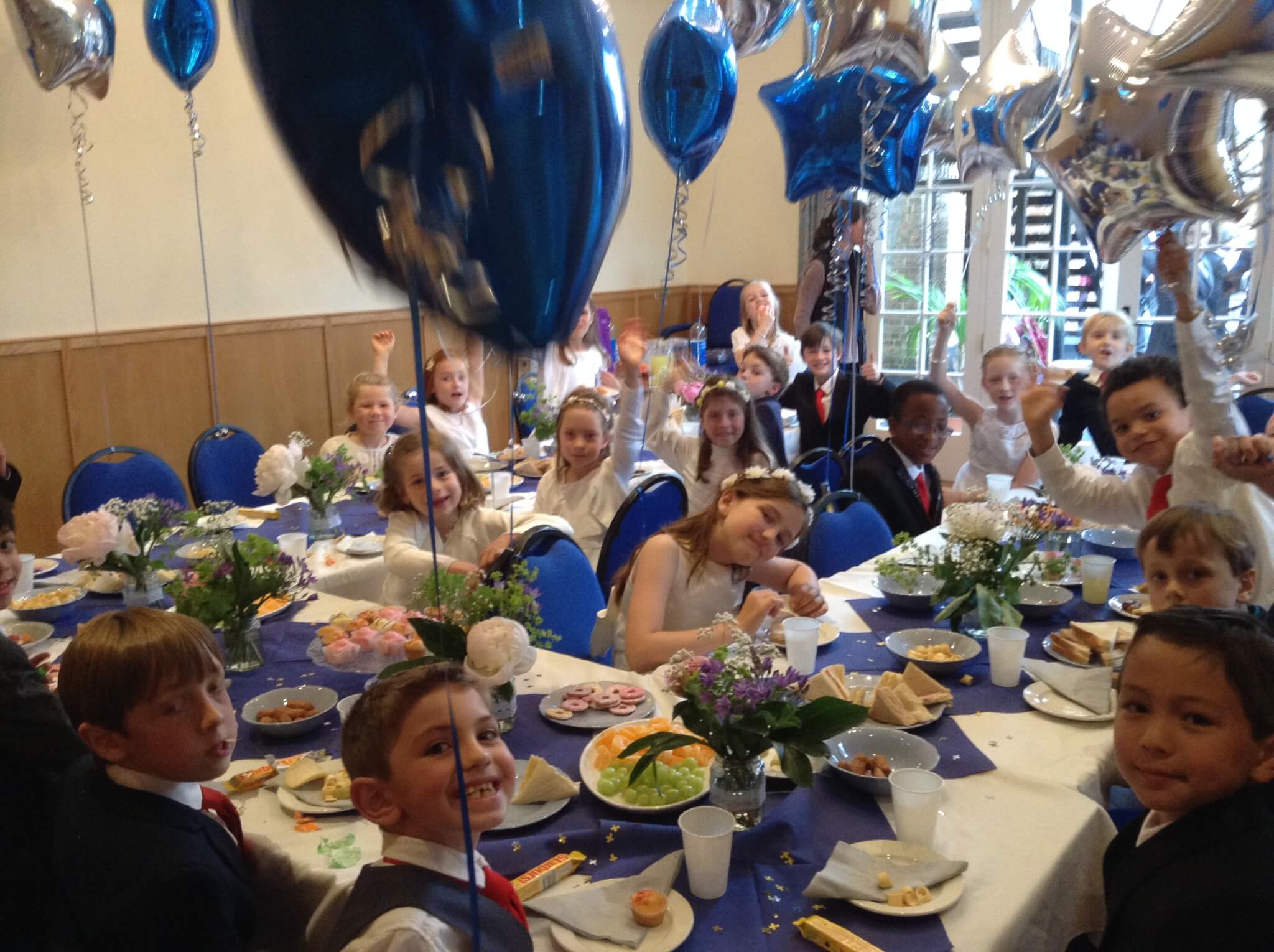
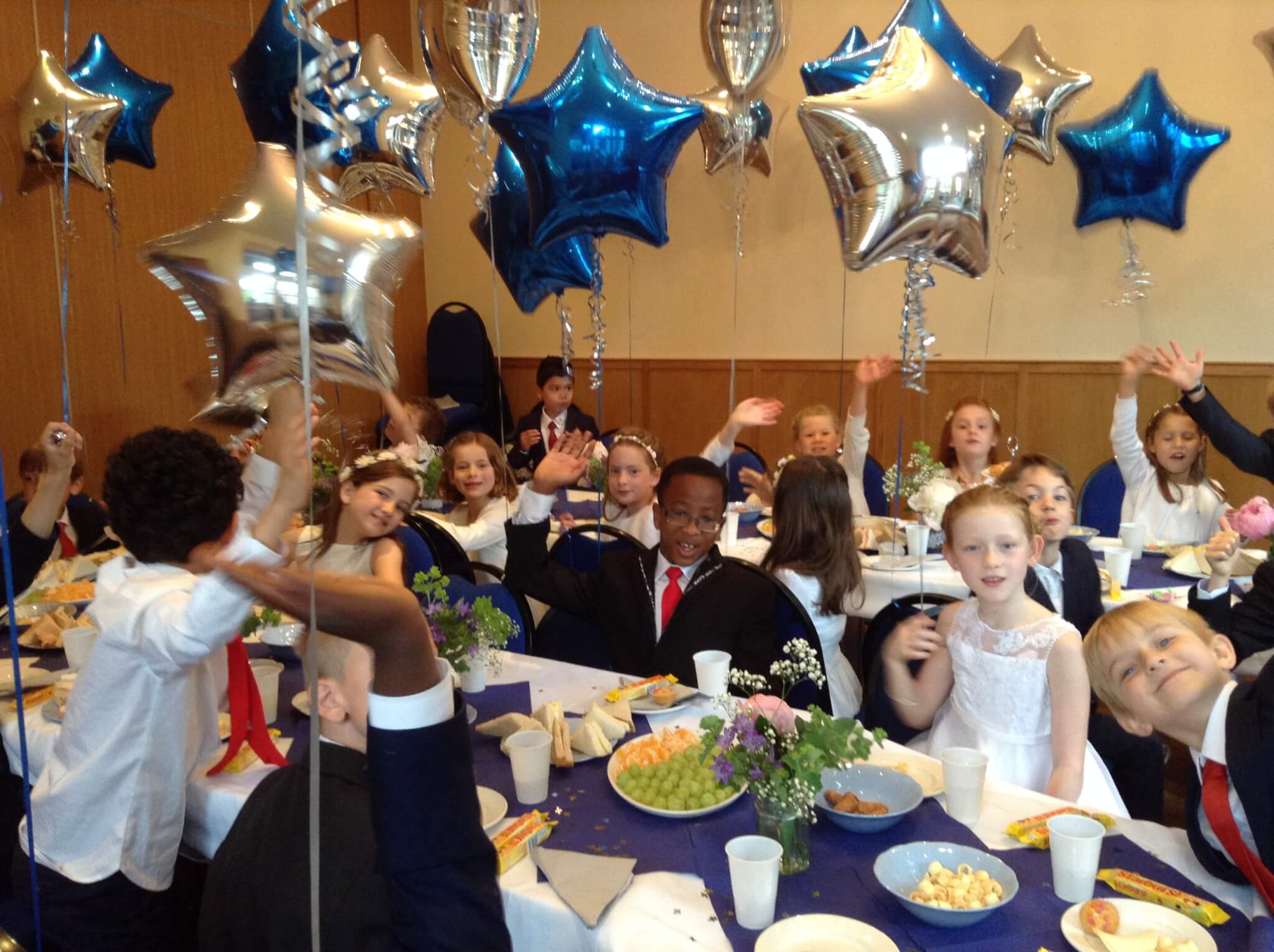
And the first Communicants enjoying their breakfast:

2016-06-18 12.31.54

2016-06-18 12.32.00

2016-06-18 12.32.08

IMG_3146

Long to rain over us…

IMG_1178 (800x562)

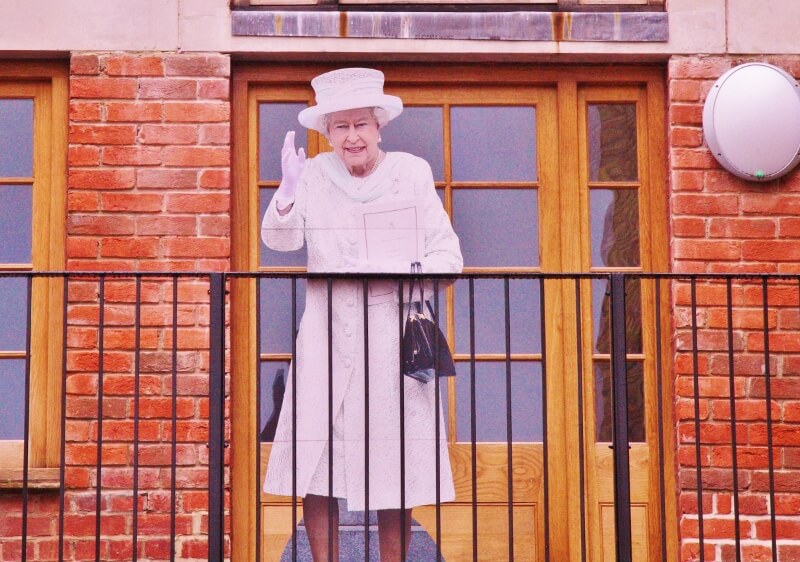
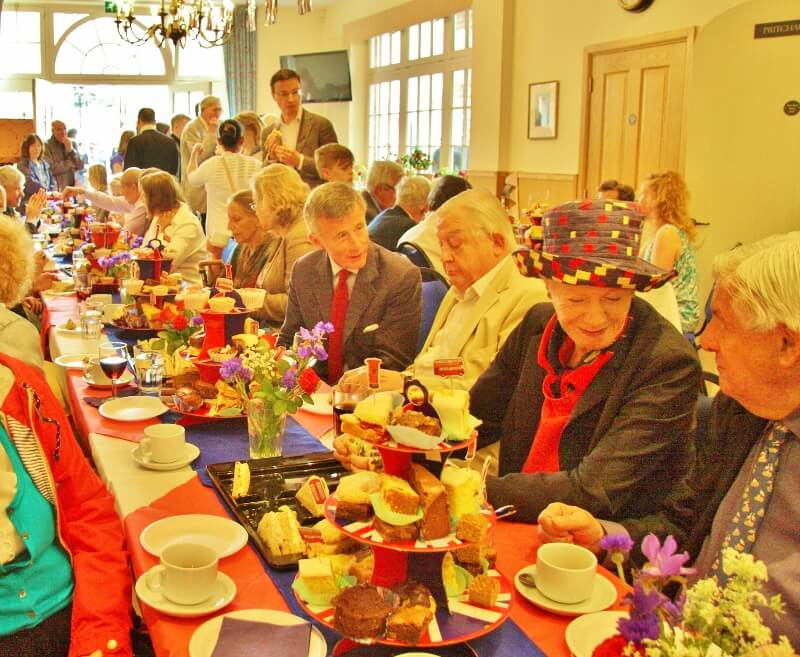
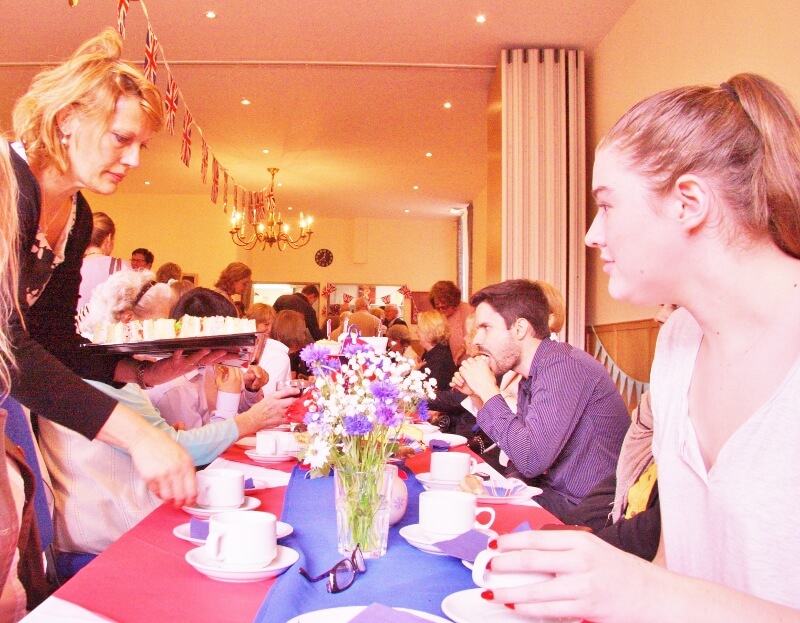
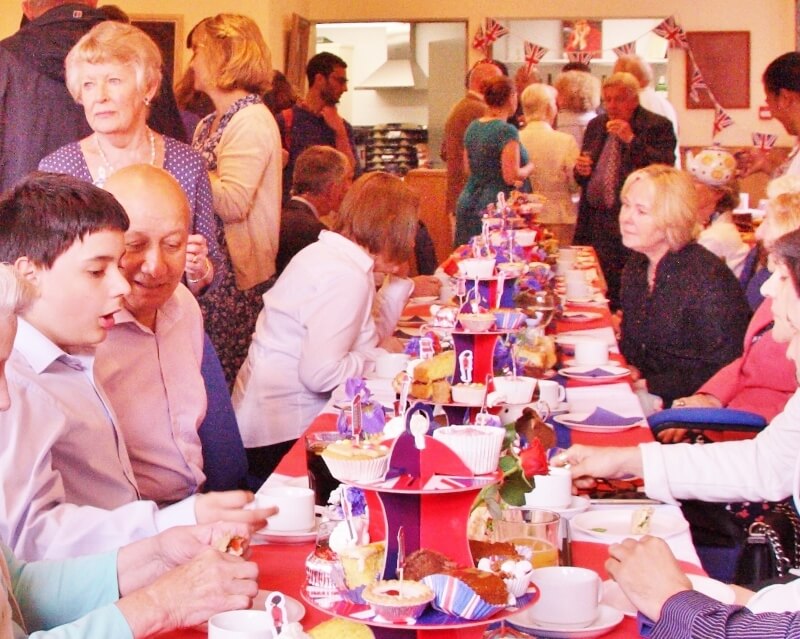
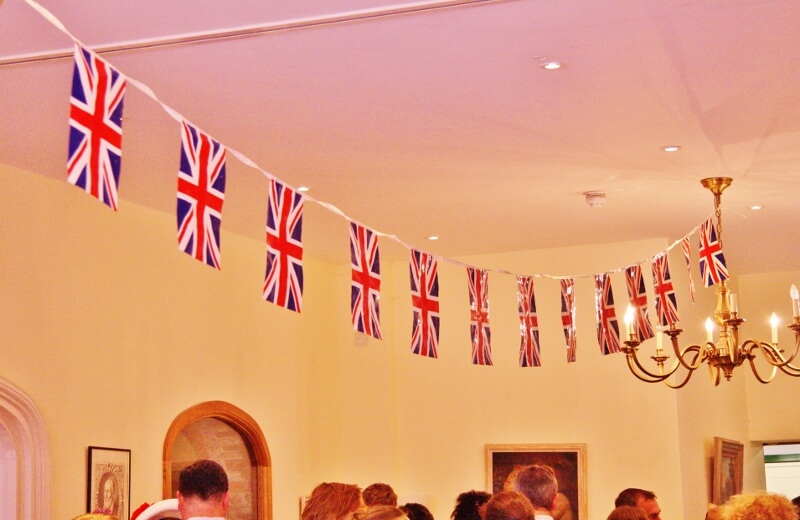
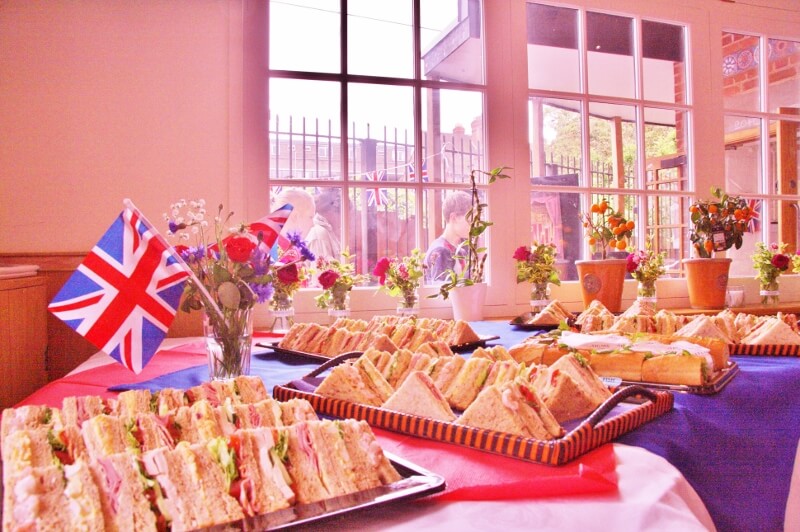
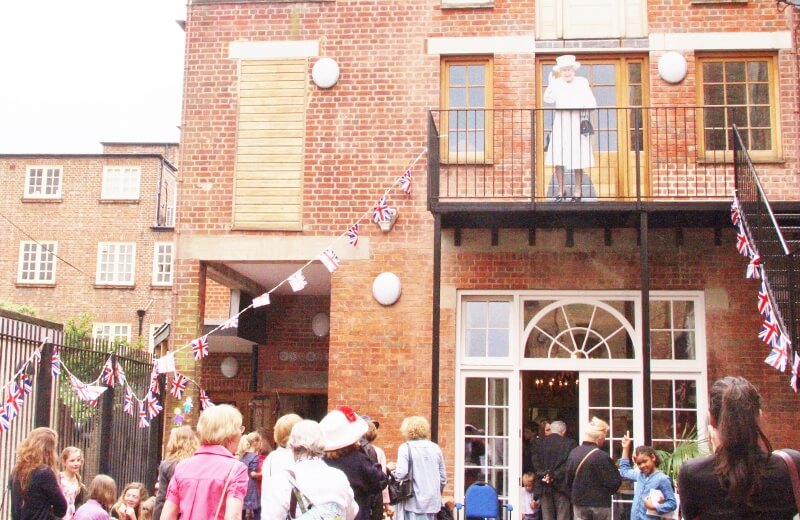
The traditional British weather moved some of our “Street Party” for The Queen’s birthday indoors, but did not dampen our spirits as we enjoyed our cakes, which were brought in great abundance:

IMG_1202 (800x657)

IMG_1195 (800x623)

IMG_1193 (800x639)

IMG_1184 (800x520)

IMG_1182 (800x532)

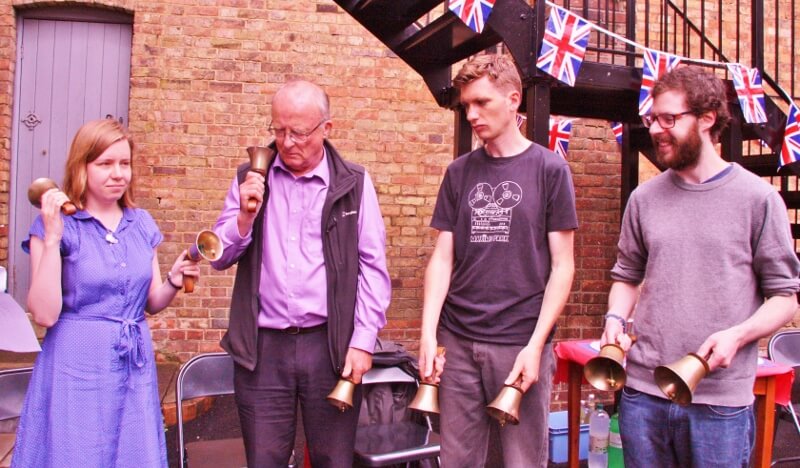
The bell-ringers from St Giles’ gave a short concert of handbells:

IMG_1197 (800x468)

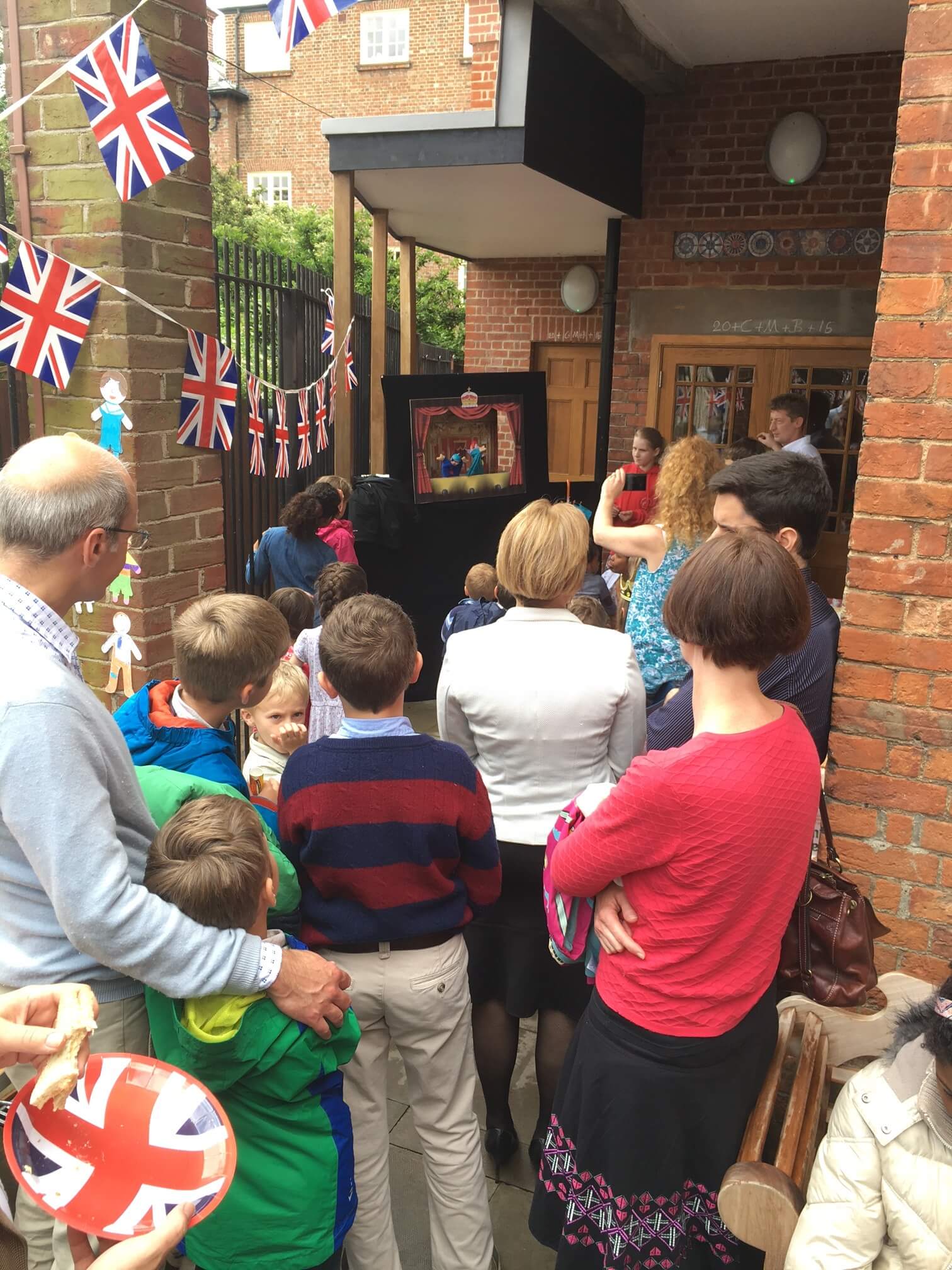
There was a puppet show for children:

IMG_0419

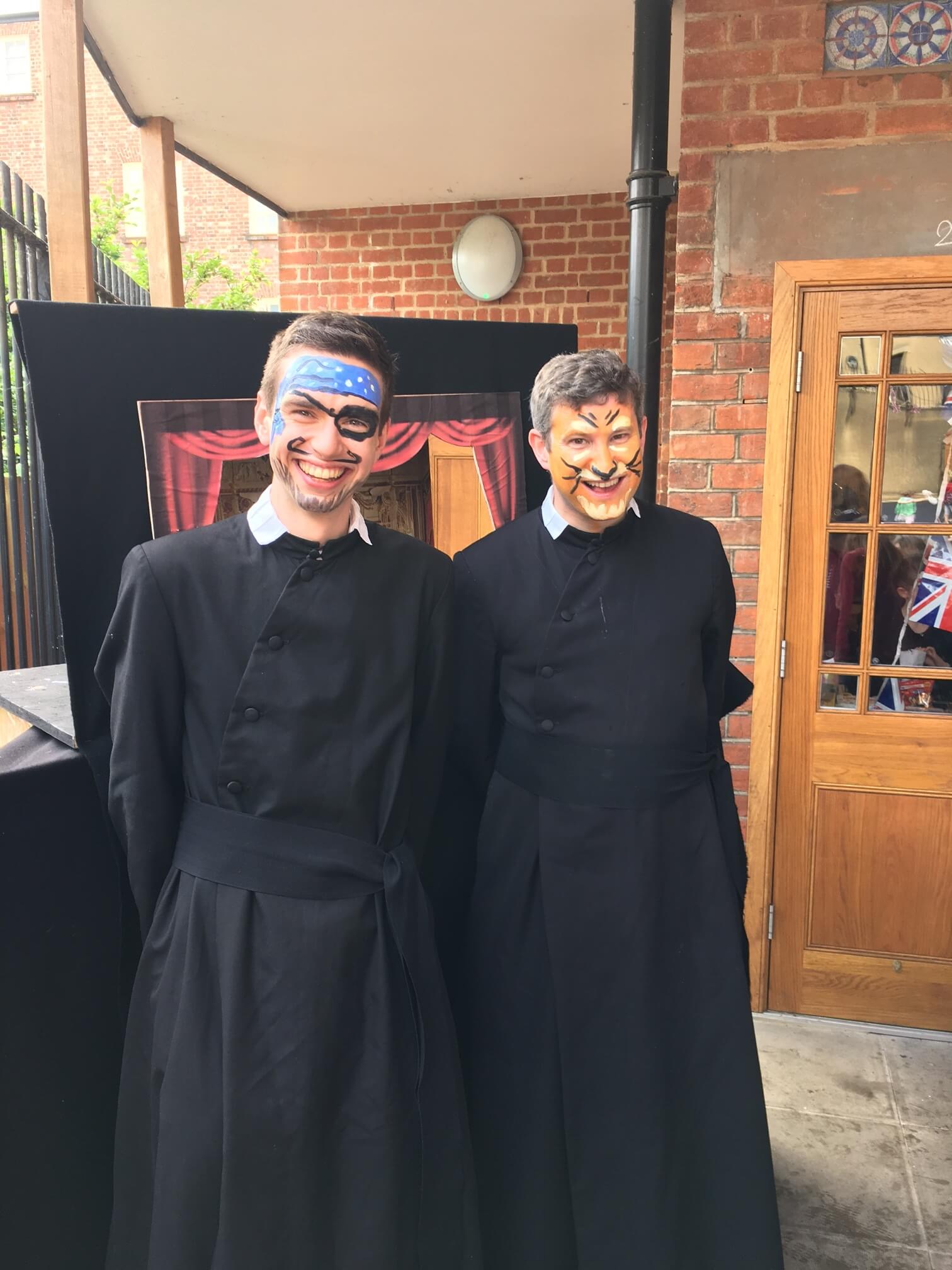
There was also face-painting for children…and others:

IMG_0440

And some of the time, it didn’t even rain:

IMG_1177 (800x520)

Mass at St Edward’s Tomb

IMG_1839 (800x604)

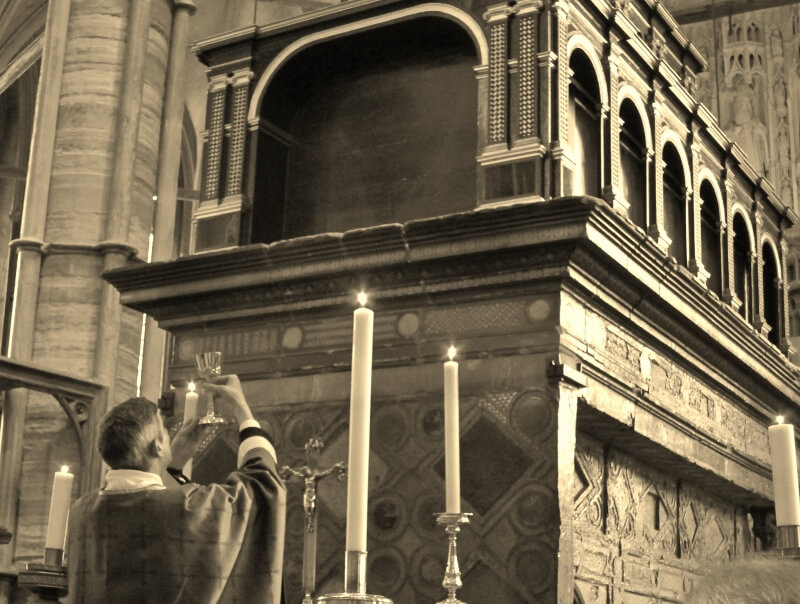
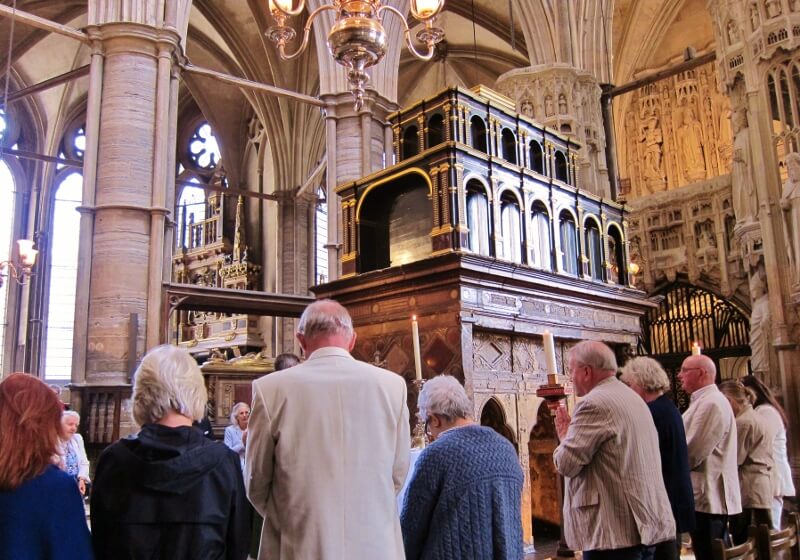
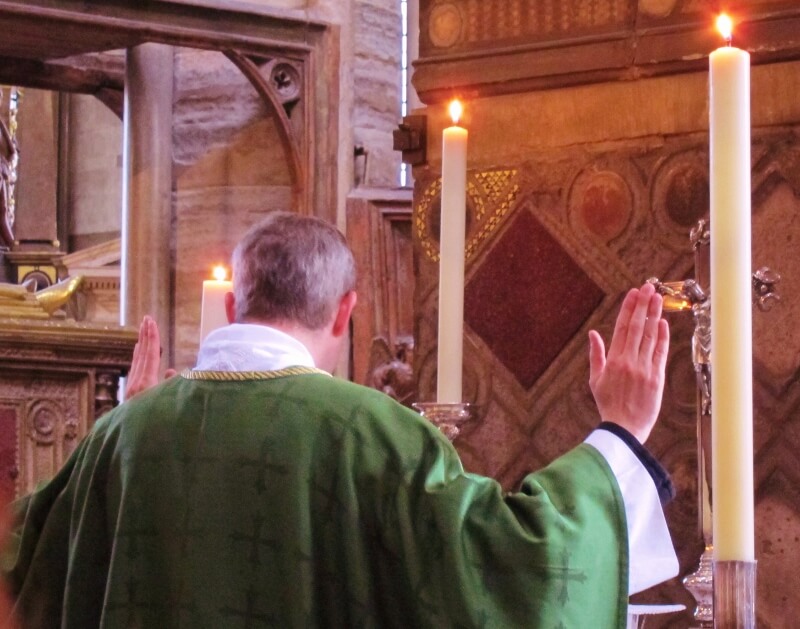
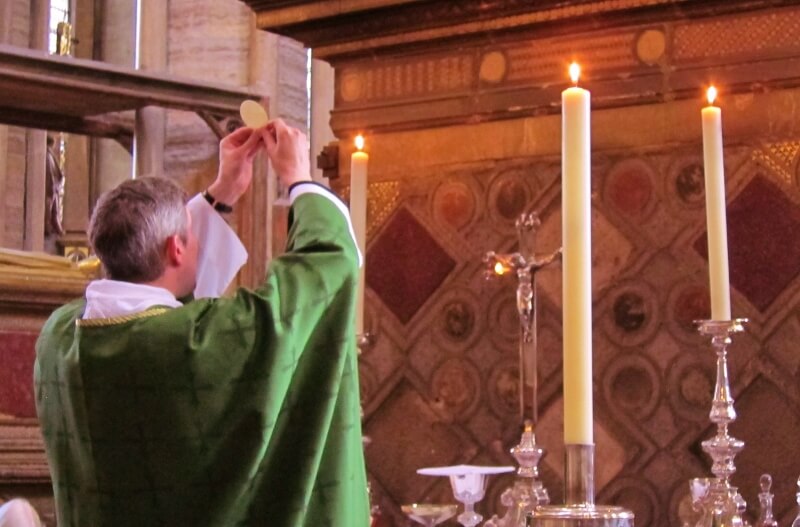
Last Wednesday our Wednesday Morning Group had a trip to Westminster, where we visited the Abbey, saw the Coronation chair, and had the privilege of celebrating Mass at the tomb of St Edward the Confessor.

IMG_1836 (800x560)

IMG_1835 (800x629)

IMG_1834 (800x541)

IMG_1838 (800x527)

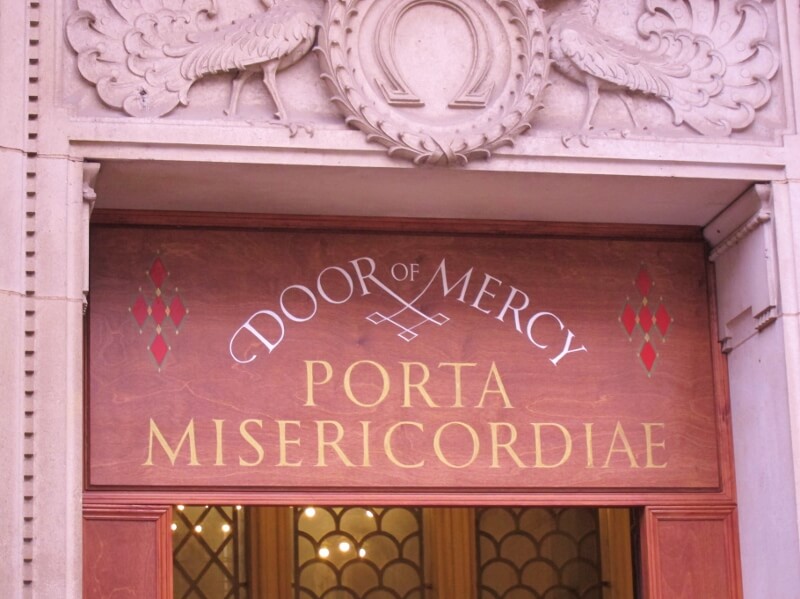
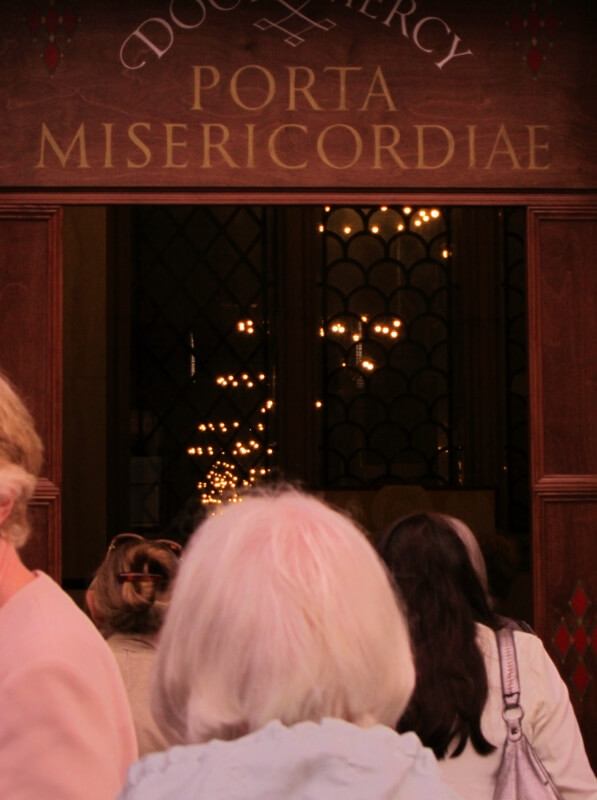
In the afternoon we went to Westminster Cathedral, where we were able to process through the Holy Jubilee Door of Mercy. If the calligraphy looks familiar, it is because, like our own Holy Door, it has been painted by our parishioner Mrs Freddie Quartley:

IMG_1847 (800x599)

IMG_1852 (597x800)

St Philip’s Day Sermon

Here is the text of the sermon preached by Fr Julian Large, Provost of the London Oratory, at our celebration of St Philip’s Day on 27th May:

We English Oratorians can trace the roots of our various communities to friendships that were formed within the walls of the sublimely beautiful Oxford of the 19th Century. Much has been made in some quarters of the strains that came to characterise the friendship between those two oxonians Newman and Faber. But ultimately even this has proved to have been a creative tension. For one thing it served early on to make concrete our consciousness of the individual autonomy of each Oratorian house, which is such an essential feature of our institute, and which does sometimes need to be reaffirmed against an ecclesiastical culture that favours centralisation. And today the houses that were established by those two great founders and this house, which via Birmingham, belongs to the branch of the Oratorian family begun by Blessed John Henry, enjoy together a relationship which is a truly flourishing and fruitful friendship. Oratorians never preach about themselves. But I have to mention the great happiness I felt when I received the invitation from Father Daniel to come and give this sermon on our holy father’s feast day, even if it is slightly terrifying to be preaching to a such a distinguished congregation that contains at least two of my old tutors. I come laden with the fond wishes of all of the London fathers.


As for Fathers Newman and Faber, Heaven is the ultimate venue for reunions, where misunderstandings that occurred between the saints on earth are resolved for eternity. It is probably safe to assume that Blessed John Henry and Father Wilfrid Faber are by now merrily united in perfect friendship at the Throne of Grace, in the presence of our holy father St Philip, with all three of them looking with a special love and care on this Oratory, which is a such a beacon of Catholic charity and truth in Oxford.


Observing St Philip’s life as a layman, his work as a priest while the new Congregation of the Oratory crystalized around him, and his influence on the papal court and Roman society, one is struck by the role that friendship played throughout his long and extraordinary apostolate- so much so that to this Christian Socrates, this Winning Saint and this Gentle Guide of Youth, we might add yet one more title- the Apostle of Christian Friendship.


Perhaps friendship has taken on something of a shallow meaning in the modern age, when it is so often associated with utility and pleasure. Nowadays there is a tendency to think of friendship as not much more than a useful prop to support and comfort a man as he makes his way in life. To understand how friendship was so effective in St Philip’s apostolate, we have to realise that his understanding of friendship was nourished by a formation in the classical and Christian traditions. In the saint’s bookcase at the Vallicella, we find a well-worn edition of the works of Aristotle, and his early biographer Bacci relates that “in theology, he always followed the teaching of St Thomas Aquinas, for whom he had a special love and devotion, having the Summa almost always in his hand.”


For Aristotle, true friendship is a settled disposition, a habit, based on virtue. The good man wishes what is good for his friend and this is reciprocated, and both combine their talents and resources in order to work for the benefit for the polis, or as we might say today, for the common good. In this classical view, real friendship can only ever be established between equals. Indeed, Aristotle even says that becoming gods is the one good that we should never wish for our friends, because then we should certainly forfeit their friendship. For St Thomas, however, friendship with the one true God is made a very real possibility by means of the grace that is poured into our hearts in Baptism. Through this Sanctifying Grace, we are grafted on to the vine which we heard about in the Gospel appointed for this feast, so that the very life of Christ animates the Mystical Body of which we are now members. God having shared His divine life with us, we are able to live in friendship with Him. It can even be said that friendship with God is really the essence of the Christian life.


In our saint’s life, we see how readily he forged friendships with other virtuous men. One of his most profound was with Nicholas Gigli, a Frenchman who like Philip left his native country never to return and served as a priest for twenty years at the Roman Oratory, where he spent every spare moment in the confessional. Philip called him the “Flower of Purity” and, in his last illness, insisted on waiting on him and attending to all his needs. After Gigli’s death, the saint was seen weeping over his body in the church when he thought no-one was watching and covering the face with kisses, and he stipulated that, when he died, his heart should be buried at Gigli’s side as a mark of the special affection that existed between them.


Despite this capacity for giving and receiving affection, Philip always maintained a certain detachment in his earthly friendships. His evenings were never spent chatting into the late hours with bosom companions, but rather alone, communing with his divine Friend under the stars in the loggia which he built on top of the house. The most important friendship in Philip’s life was always that which he nurtured in solitude with his Saviour. The tears that soaked Gigli’s dead body were not the tears that flow from the pain of bereavement. They were tears of joy, interspersed with laughter. Philip was not mourning the loss of his friend, but rather he exulted at the thought that the virtuous Frenchman was now enjoying the fullness of friendship with God in eternity. St Philip was so sure of his friend’s place in Heaven that he always kept something of Gigli’s on his own person as a relic.


Philip’s driving motivation was to bring others to that sanctity which can be understood in terms of living in profound friendship with God. An absolute prerequisite for this, in his eyes, was to help men to be humble, because for St Philip humility is an essential foundation for all of the blessings God wishes to build in our lives. He had a horror of anyone taking himself too seriously, and if someone were to be a friend of St Philip’s, he or she would have to be prepared to become the laughing stock of Rome. With this in view, St Philip never tired of inventing new devices to mortify any self-regard that might be lurking in the hearts of his best loved friends. The highly sensitive Father Gigli was once ordered to feign drunkenness in front of a delegation of highly distinguished visitors to the Oratory. Towards the end of his life, poor Gigli would say: “I have no honour left. The Father has taken it all from me.” His spiritual children were willing to tolerate such embarrassments, and to return for more, because they knew that Philip loved them, and that his aim was to remove every obstacle within them that stood in the way of them realizing their potential for perfect beauty of soul. The most tender and touching testimonies in the cause for the saint’s canonization come from those who suffered his most outlandish mortifications.


Philip excelled in making hearts receptive to the vocation to live as friends of God. As men began to be drawn to the Oratory, the spirit of Christian friendship which they discovered there secured many conversions. Philip’s joyful influence fostered a sense of belonging in which men found pleasure in each others company and were encouraged to assist each other in living virtuously. A shy cobbler whom Philip spotted sitting at the back of the exercises was summoned to the front and hugged like a long lost child returning to his relations. The new family into which he found himself adopted included princes and future popes. A watch-seller facing bankruptcy suddenly found himself overwhelmed by eager customers at the Oratory- Philip’s friends having been primed to come to his assistance. This infectious spirit of generosity and charity was fostered by visits to the poor in the hospitals. Charitable works are always a force for social cohesion at the Oratory, as virtuous friendships are consolidated in pursuit of the common good.


If friendship with God was inconceivable to Aristotle, the idea of extending friendship to enemies was also a contradiction in terms. This is because friendship must always be reciprocated. In the Christian view, however, the seemingly impossible once again becomes a reality through the action of grace. St Philip suffered various persecutions during his apostolate. One of two things tended to happen to his oppressors: either they came to a grisly end, through no action of Philip’s; or their hearts were softened because while they abused him Philip insisted on treating them like friends. Monsignor Ronald Knox, an Oxford man with a great devotion to St Philip, once explained in sermon: “one who shows bitter enmity towards a saint, speaks evil of him, persecutes him, is to the saint simply a friend who is being tiresome; it’s a sort of tiff between lovers that is bound to blow over.” Monsignor Knox continued: “I know the lives always tell us the saints loved their enemies as instruments of their own mortification; and I dare say it’s true, but that’s not all the truth. They didn’t love them for being instruments, they loved them for being men.” If we wish to see this principle in action, there is no better place to look than the life of St Philip. When one youth turned up to make fun of the Oratory in 1562 and persisted in ridiculing the exercises for months on end, Philip insisted that no harsh word should be spoken to him. Eventually the young fellow was captivated by Philip’s unceasing kindness and prayers. He repented and became utterly devoted to Philip, before eventually entering the Order of St Dominic. The charity and patience that he encountered in the Oratory had prepared him to open his heart to the vocation to that divine friendship which is the life of grace.

St Philip shows us, then how the Oratory is to be a school of Christian Friendship – a place of warmth and welcome, where virtue is cultivated and encouraged, always with a supernatural end in view- friendship with God, and ultimately, everlasting friendship with God in Heaven.


The London fathers are in a good position to know that the spirit of that first Oratory is alive and kicking in Oxford today. A number of people who have ended up working in London and who come to us for the sacraments have told us that their Catholic faith was re-awakened in them, or ignited in their hearts for the first time, here, at the Oxford Oratory, while they were undergraduates or graduates. And three of our younger fathers in London are priests today largely thanks to the encouragement and support that they found in this school of Christian friendship. For that, we offer you our profound thanks. And we ask our holy father St Philip to pray for all of us.

Image 65


Lourdes Pilgrimage

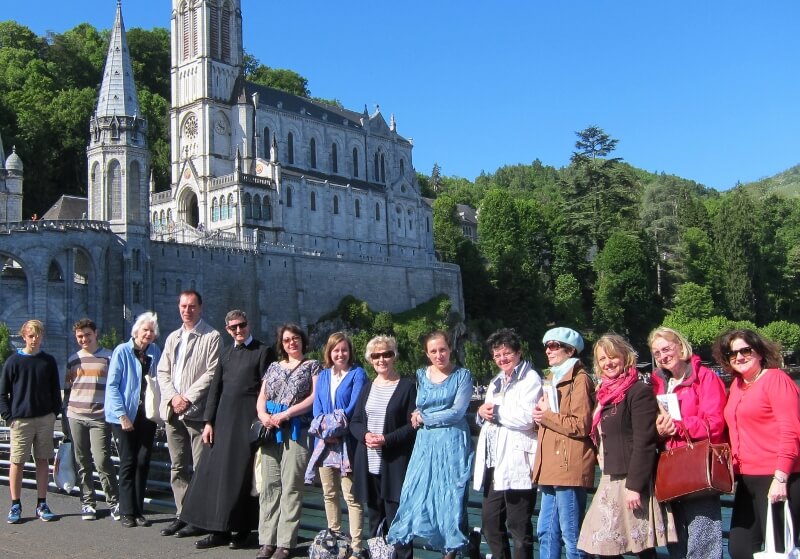
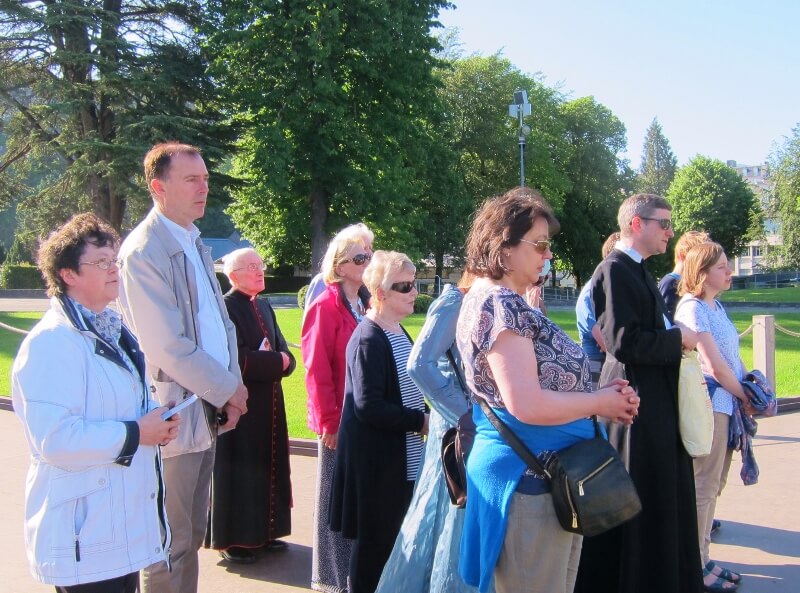
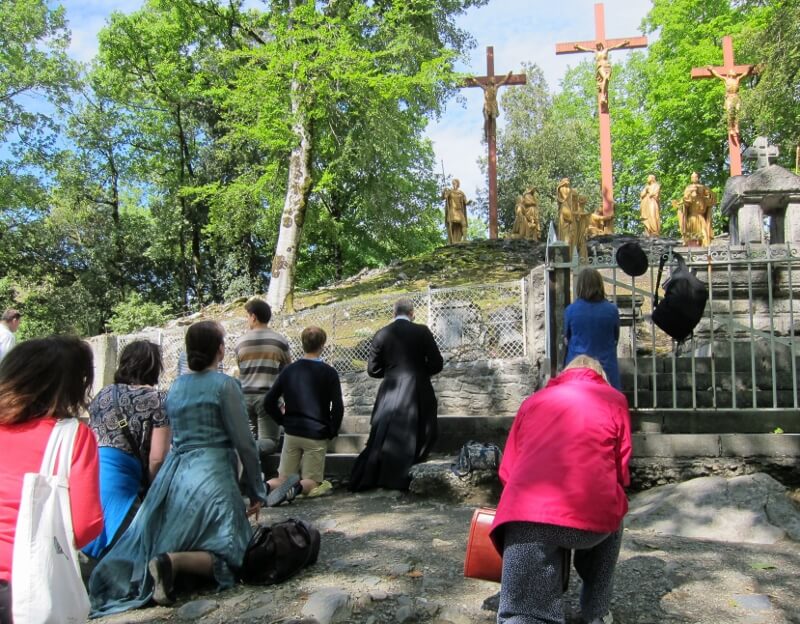
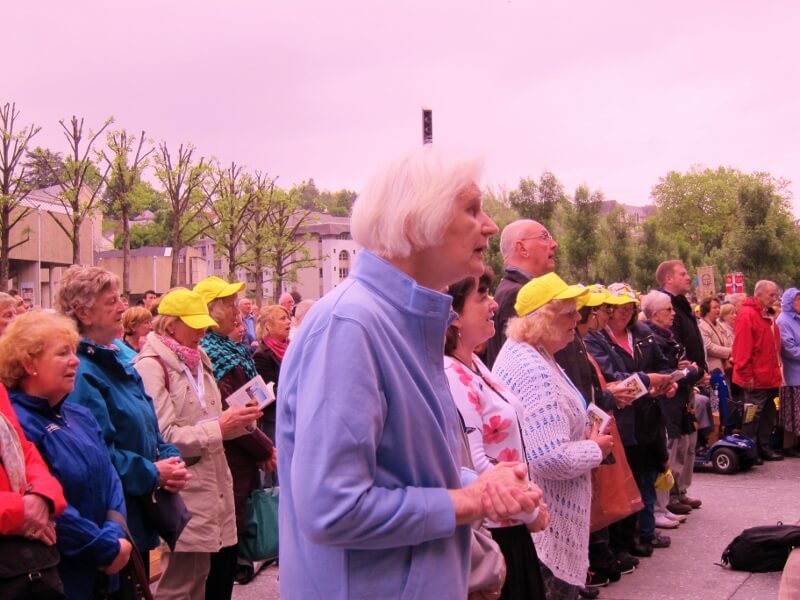
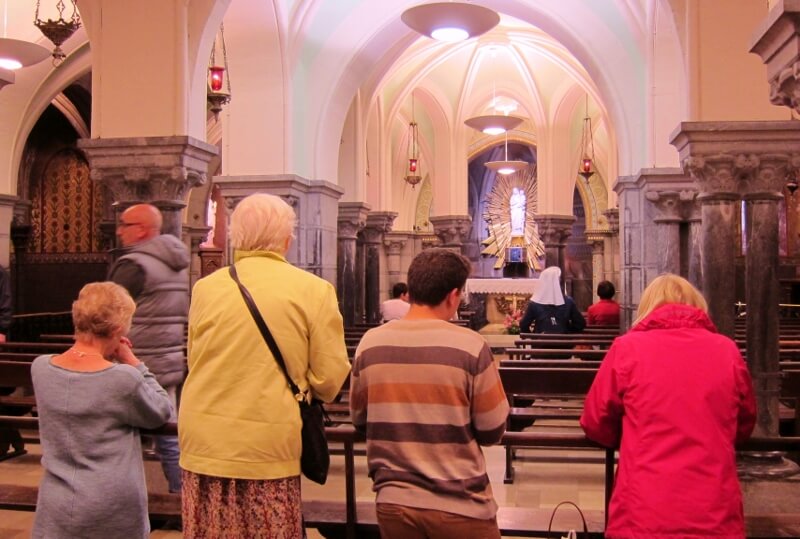
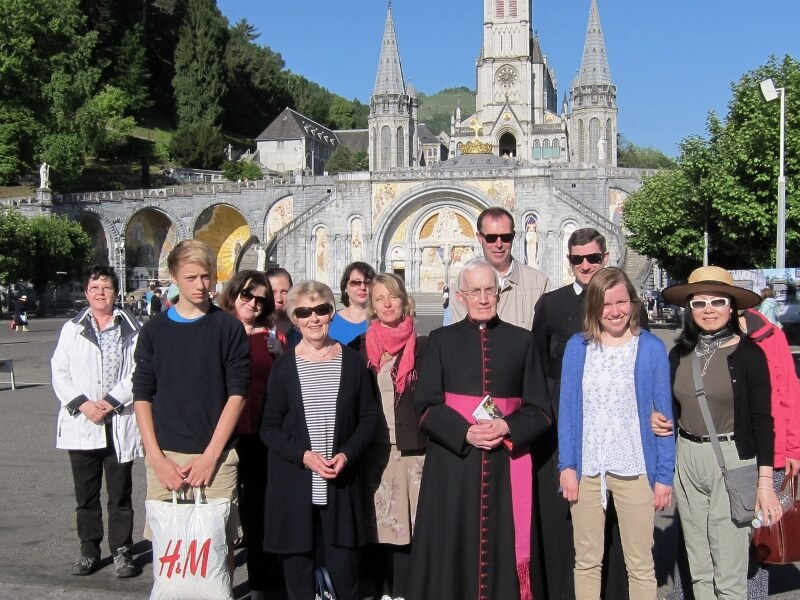
Eighteen pilgrims went from our parish last week to Lourdes.

IMG_1796 (800x559)

IMG_1754 (800x719)

The dioceses of Birmingham, Middlesbrough and Plymouth were also present, so Our Lady must have heard a great roar of English prayers storming heaven.

For the Year of Mercy, the shrine has its own Jubilee Door of Mercy by St Michael’s Gate, which we were able to pass through together:IMG_1795 (800x593)IMG_1792 (800x577)

We also took part in the torchlight procession:

IMG_1787 (800x600)

IMG_1786 (800x607)

We made the Stations of the Cross:

IMG_1801 (800x600)

IMG_1802 (800x624)

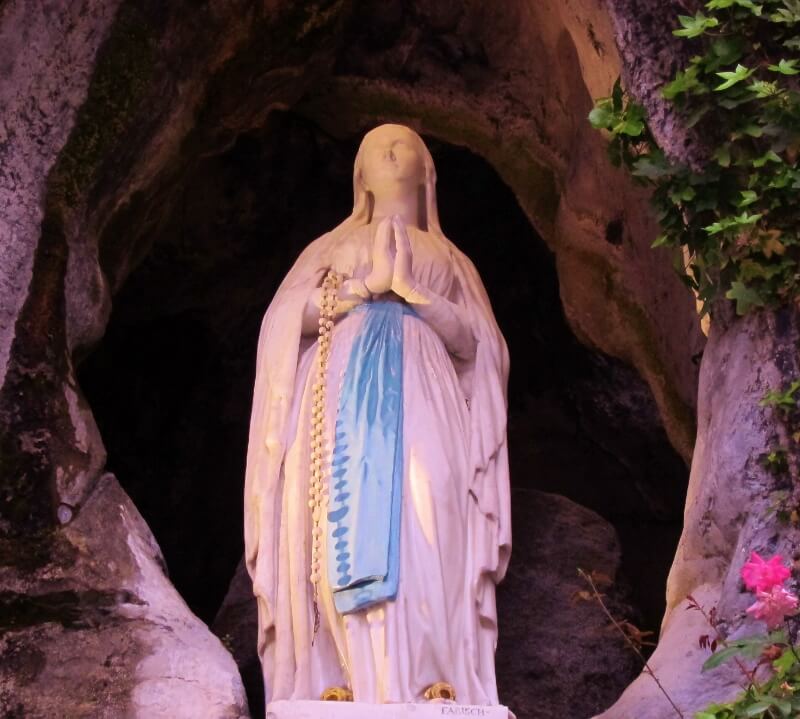
There was Mass at the Grotto:

IMG_1741 (800x597)

IMG_1748 (800x600)

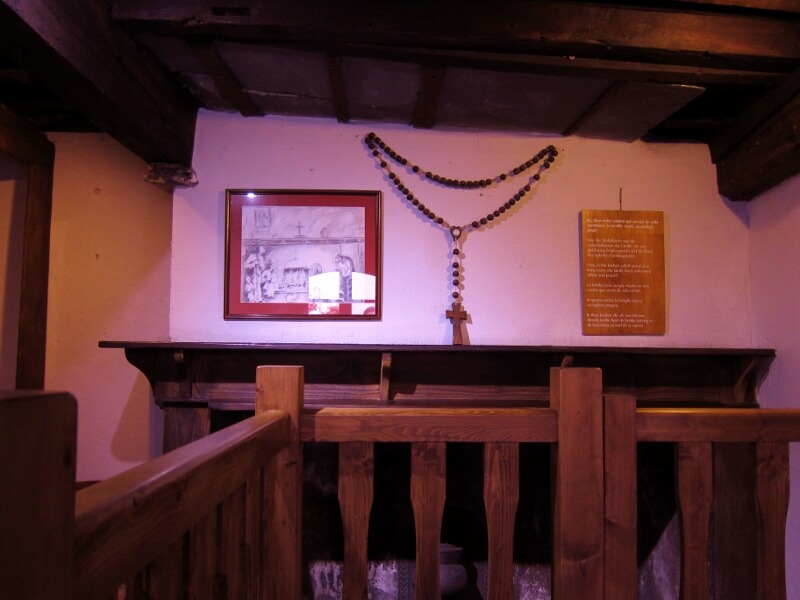
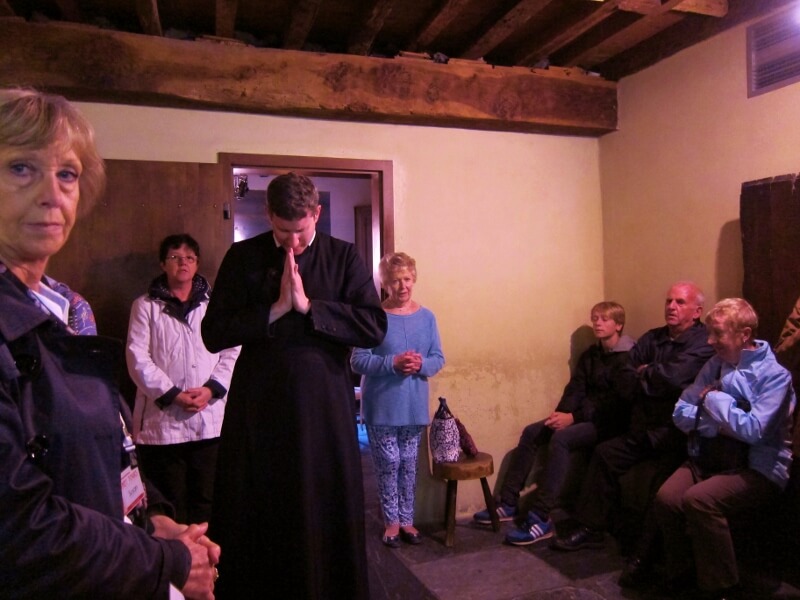
The Cachot is the former prison where the Soubirous family were living at the time of the apparitions. It was considered too unhealthy to be used as a gaol:

IMG_1770 (800x600)

IMG_1774 (800x600)

The Crypt is the one basilica in Lourdes that St Bernadette actually saw. She was present at the first Mass there before she left Lourdes: thus she saw that Our Lady’s command to build a church had been fulfilled:

IMG_1816 (800x539)

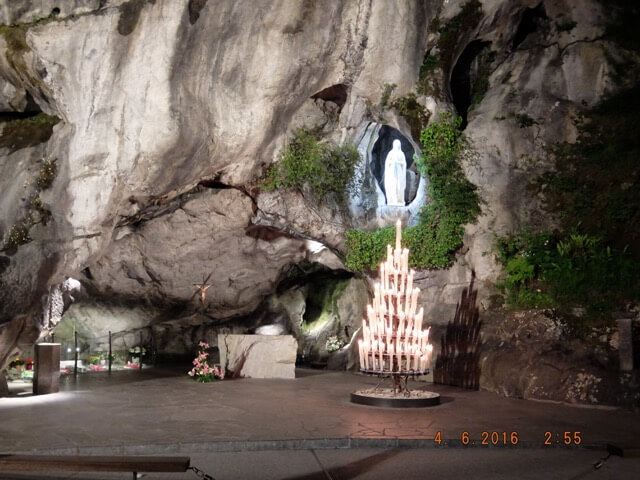
Some of our pilgrims got up in the night to pray at the Grotto when it was quiet. This is where Our Lady appeared to St Bernadette eighteen times in 1858, between 11th February and 16th July. The Grotto at 3 o’clock in the morning:

DSCF2017

One day we visited Bartrès, where St Bernadette was nursed as a baby when her mother could not feed her, and where she went to work as a servant when there were too many mouths to feed at home. We had Mass in the Parish Church of St John the Baptist in Bartrès:

IMG_1825 (800x600)

Afterwards we were able to venerate the relic of St Bernadette:

IMG_1828 (735x800)

And some of our pilgrims walked back to Lourdes:

IMG_1830 (800x592)

IMG_1829 (800x632)

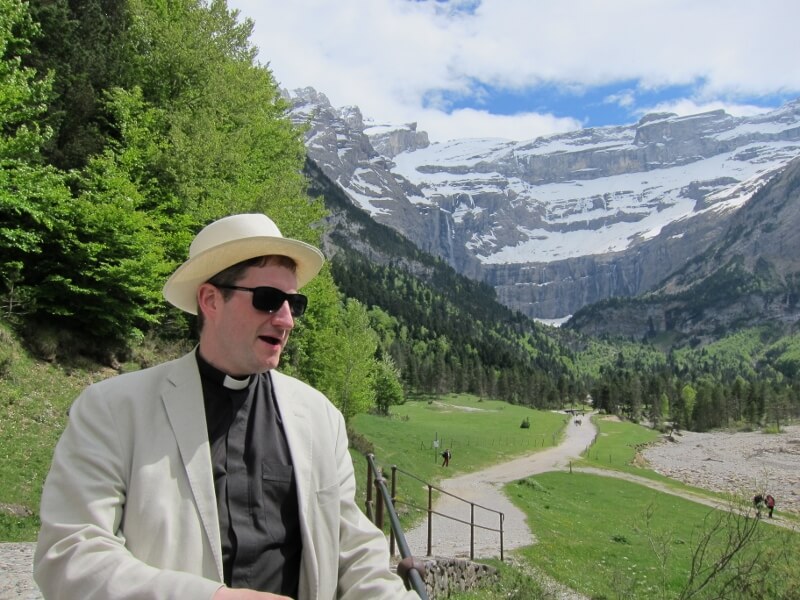
Another day we went up into the Pyrenees, to the lovely village of Gavarnie, which also has a church of St John the Baptist, where there was once a pilgrim hostel for pilgrims on the Camino of St James:

IMG_1814 (800x600)

IMG_1808 (800x600)

IMG_1810 (800x600)

Our group in front of the Rosary Basilica:

IMG_1791 (800x600)

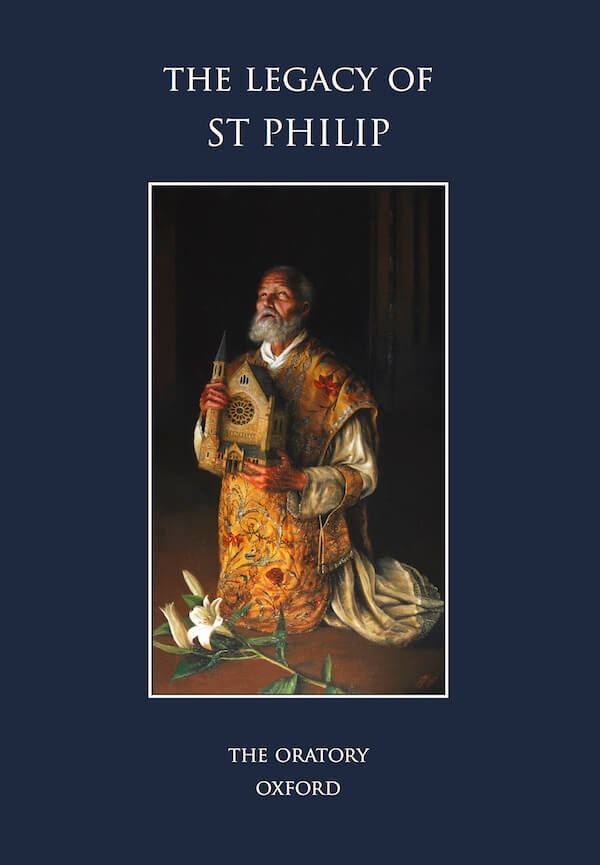
New Book: The Legacy of St Philip

legacy-of-st-philip

Last year, we had a double celebration: of 500 years since Our Holy Father St Philip’s birth in 1515, and the silver jubilee of the Oratory in Oxford. The Legacy of St Philip commemorates these two events, and is based on some of the talks given by the Fathers on Saturday mornings during May last year.

The chapters included are:

The Popes and the Oratory by Fr Daniel Seward
Living with St Philip by Br Oliver Craddock
Holy Friends of St Philip: his Contemporary Saints by Fr Nicholas Edmonds-Smith
Two Missionary Saints by Fr Richard Duffield
Blessed John Henry Newman the Musician by Fr Dominic Jacob

The book is available online from Lulu, and in the Porter’s Lodge.

Our other books can be seen in the Publications Section of the website.