Saturday Talks: People of the Gospel

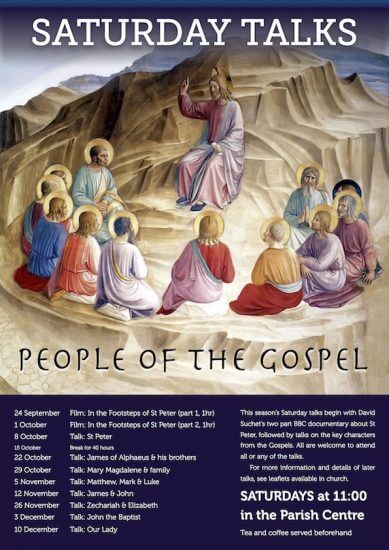
people-of-the-gospel-poster

This season’s Saturday Talks began today with St Peter, the first of the People of the Gospel. Eight talks trace the family and friends of Jesus. We all know their names, but who were these people? How did they fit into God’s plan, and what can we learn from them?

The next talks will be:

22 October: James of Alphaeus & his brothers
29 October: Mary Magdalene & family
5 November: Matthew, Mark & Luke
12 November: James & John
26 November: Zechariah & Elizabeth
3 December: John the Baptist
10 December: Our Lady

All are welcome to attend all or any of the series at 11:00 in the Parish Centre. Tea and coffee are served beforehand.

Oratory Young Adults

oya1

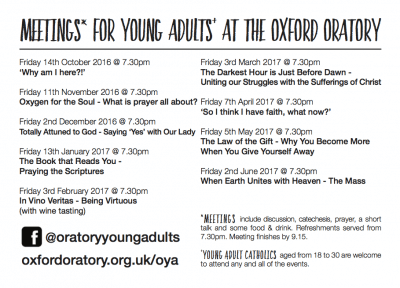
From Friday 14th October we begin a new series of events for young adults aged 18 to 30.
The events are intended to help build community among younger adults who come to the Oratory but also to help our young adults share and grow in faith. Each event centres around a scripture reading for discussion and conversation over some food and drink and the session ends with a time of prayer. The first session is entitled ‘Why am I here?’ so if sometimes you come to Church and you are not sure of the answer to this question, perhaps you ought to come along! The card below shows the list of dates and topics for the meetings and you can get updates and event notices on our Facebook page @oratoryyoungadults

oya2

Our series of events for young adults aged 18-30 takes place on a Friday night at the beginning of each month. We meet over some simple food and drink to discuss a question that is important to us as young Catholics, share some catechesis and a piece of scripture before spending a short time in prayer and song together in Church.
13925616_514823635380132_3650200604516306470_o
Five hundred years ago in Rome St Philip gathered around him some young people who were preoccupied with the cares, not only of life and work, but of what it means to be faithful to the Church and become a closer disciple and friend of Christ. Familiar conversation on the Word of God, prayer, song, and friendship with one another was St Philip’s way of helping them grow in love of the Lord, and this is what we do as a group each month; an ancient formula for ordinary young Catholics today.
14352384_531165120412650_4589150153378334031_o
Whether you are a strong and devout Catholic, consider yourself to be trying hard to be faithful, or usually find that ‘Church Groups’ are not for you there is a place for you at each of our events for young adults at the Oratory. Come and see!
13495501_497201320475697_7997920222183634984_o

Newman Night Walk

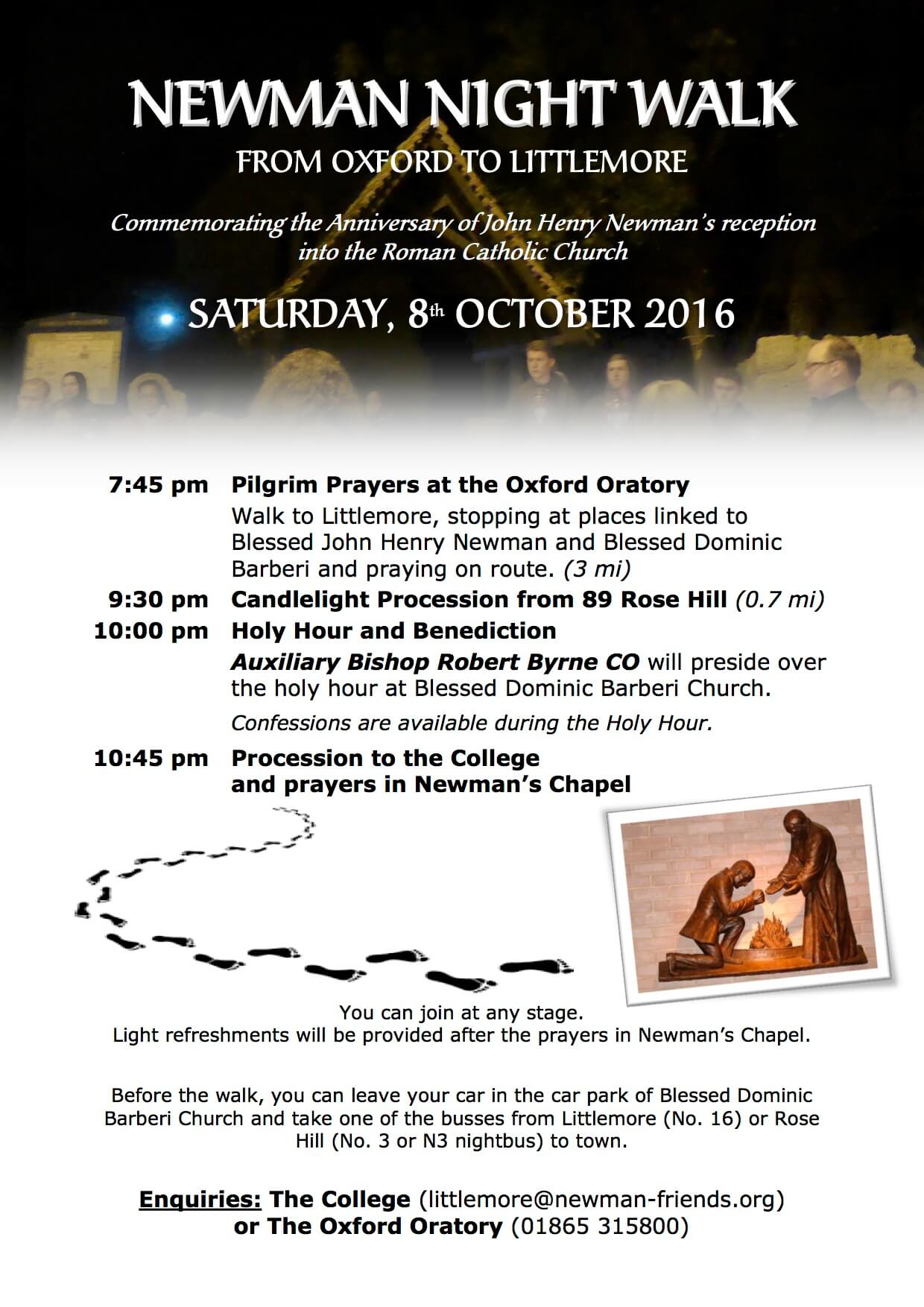
Saturday 8th October will be the anniversary of the arrival of Blessed Dominic Barberi at Littlemore to receive Blessed John Henry Newman into the ‘one fold of the Redeemer’. The traditional Night Walk will take place, beginning at the Oratory at 7.45pm, and the next day Bishop Robert Byrne, Cong. Orat. will celebrate the eleven o’clock Mass, at which Fr Paul Chavasse, Cong. Orat. will preach.

poster-nightwalk-2016

Young Oratory and Little Oratory

Two of our groups for young people, Young Oratory and Little Oratory begin meeting again this week. New members are always welcome.

yo-poster-2016-09

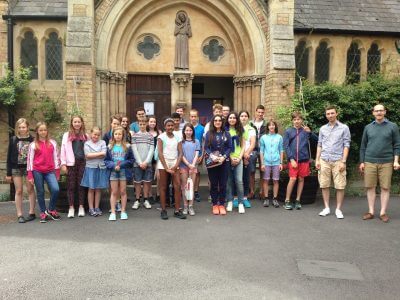
Young Oratory meetings begin on Tuesday 20 September. Young Oratory is a group for Catholics aged 11–16 to talk about questions we have about what it means to live our faith. We get to know God, and other people our age who come to our church. We meet Tuesdays 5 to 6pm in school term time. This week’s discussion is entitled ‘Put out into the deep’. A full list of topics and dates can be seen on the Young Oratory poster.

lo-poster-2016-09

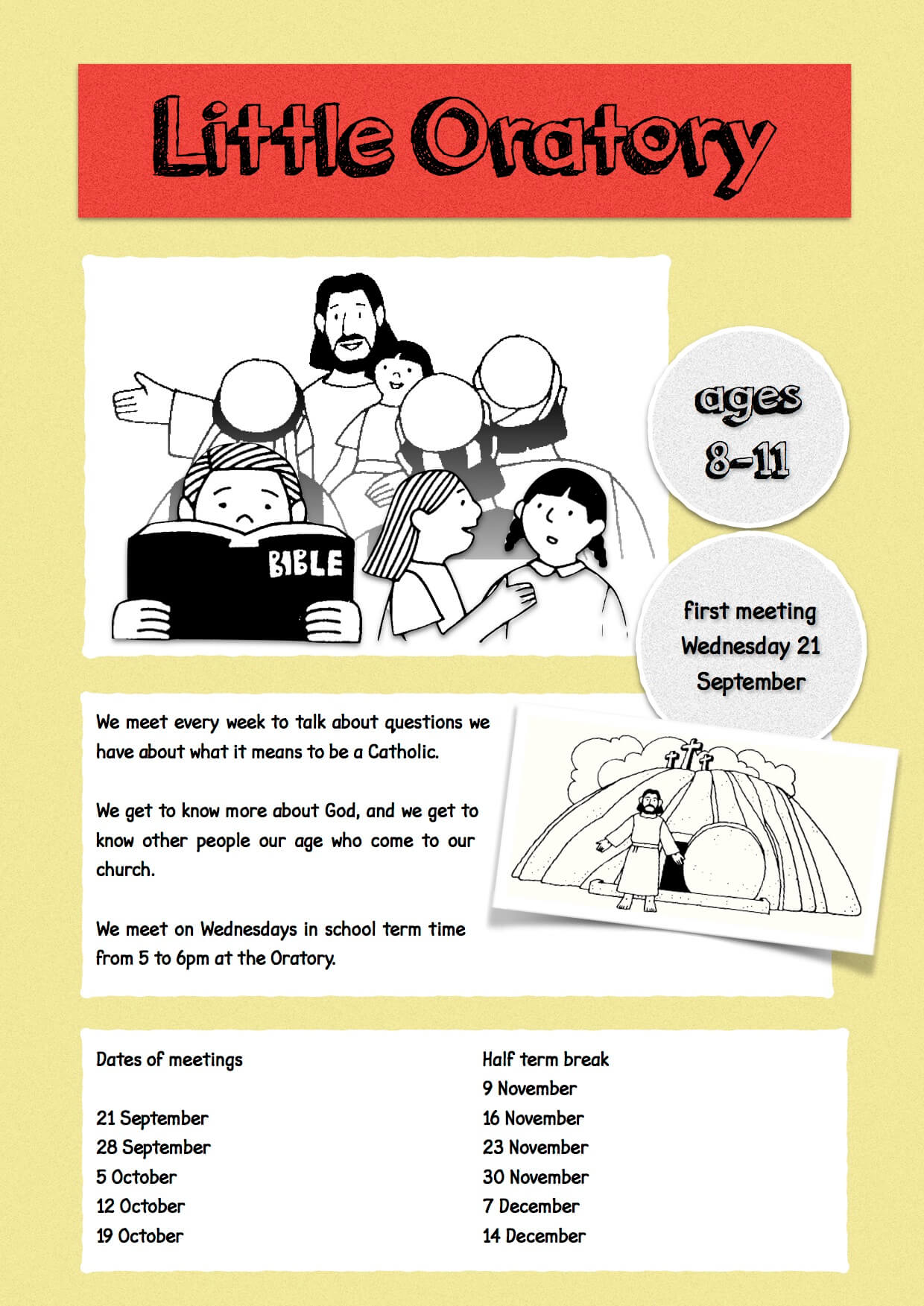
Little Oratory meets again on Wednesday 21 September, for ages 8–11. We meet every week to talk about questions we have about what it means to be a Catholic. We get to know more about God, and we get to know other people our age who come to our church. We meet on Wednesdays in school term time from 5 to 6pm at the Oratory. A full list of dates of meetings is on the Little Oratory poster above.

rome-poster

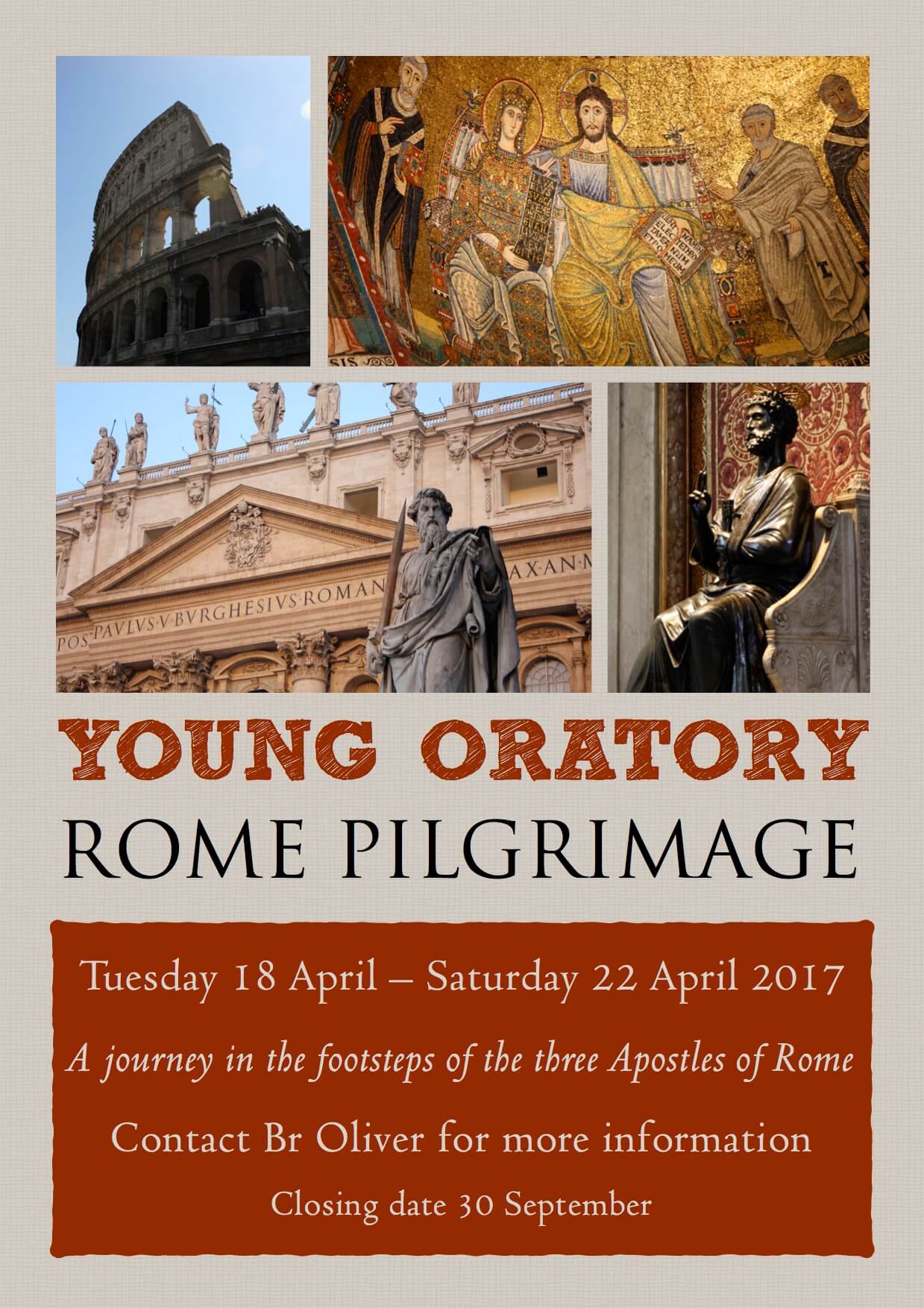
During Easter week next year, Fr Daniel, Br Oliver and Br Benedict will be taking a group of young pilgrims to Rome next year, from 18th to 22nd April, in the footsteps of Rome’s apostles: St Peter, St Paul and St Philip. The final price will depend on numbers but an estimate is £250 per person, including flights and half-board accommodation. Please tell Br Oliver by 30th September if your child might be interested.

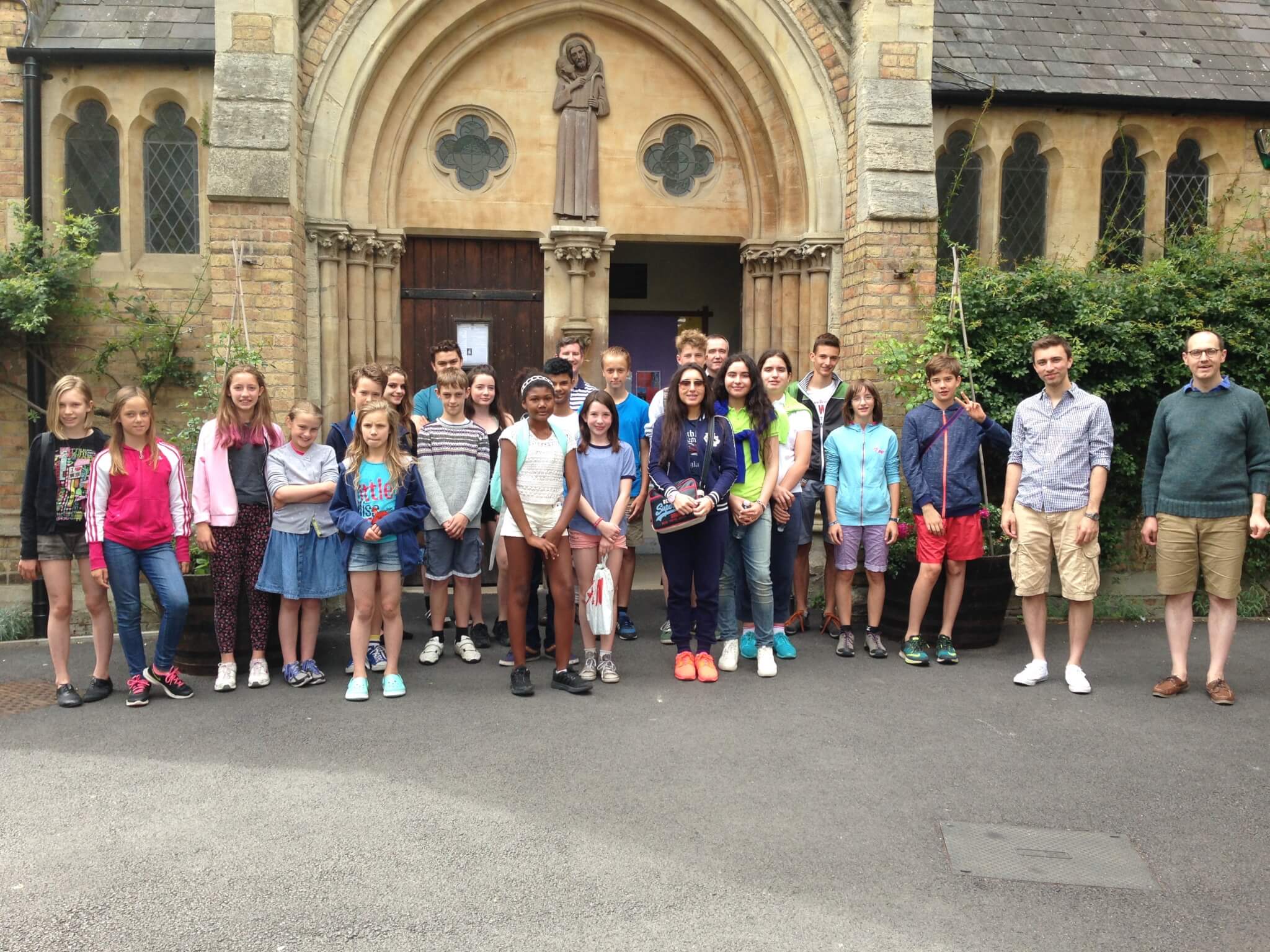
The Young Oratory group is pictured below just before setting out for their annual punting trip, much drier than when they returned…

img_1684

Our Lady’s Birthday

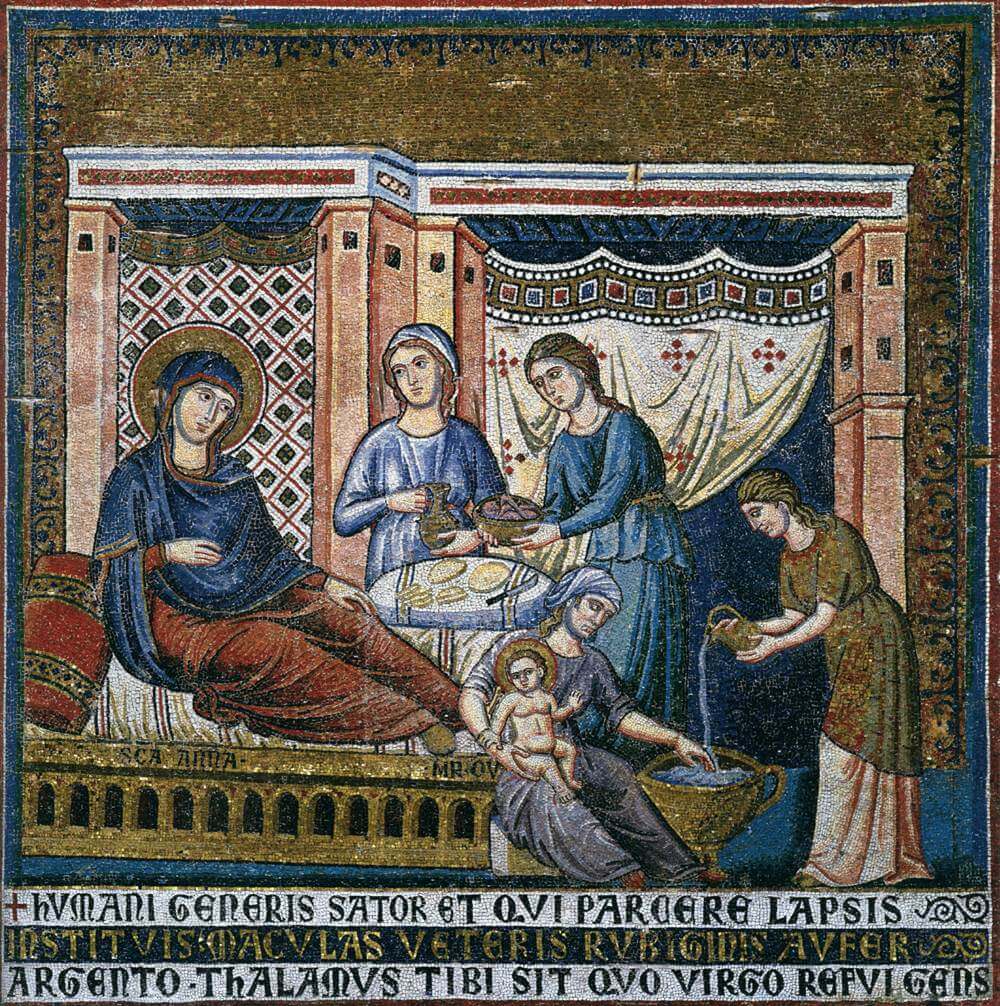
8th September, the Nativity of the Blessed Virgin, is also the anniversary of the arrival of the Fathers of the Oratory in Oxford in 1990. Below is the sermon preached at the High Mass yesterday by Fr Rupert Allen, Chaplain to the University of Bristol.

nativity-of-the-blessed-virgin-mary

Most of us reach a stage in our lives when our birthdays lose the excitement and anticipation which so marked their celebration during our childhood and youth. They begin to mark a mere passing of time or another year closer to the grave when we can indeed give thanks for the good things of past years, but so too have an eye somewhat closer to our inevitable mortality. I do not mind confessing that I seem to have reached that stage rather recently.

The Church, ever directing our gaze to heaven, rarely marks the earthly births of her members; the feasts of our saints mark not their birth upon this earth, but rather their earthly death and their birth into heaven. Indeed in the whole calendar of the Church’s year only three times do we celebrate an earthly birthday; those of St. John the Baptist, of our Saviour and today, the birth of Our Mother. Those births which celebrate and direct our minds to these great moments when something of Heaven was born to earth.

And it was to our life and to us that Our Lady was born. That great genealogy which we have just heard in the Holy Gospel is the very story of the whole of human history – with its triumphs and disasters personified. Our Lady does not come as the natural culmination to a line of perfect persons, but as a gift from Almighty God to a people most in need of the Salvation which is heralded by her birth.

Our Lady is born to a people, to the elect people of the House of Israel. Her forbears reflect humanity at its best and at its worst. We see as those generations unfold the struggle of Israel to remain faithful to its vocation to be a light to the nations, a struggle equalled in both fidelity to and abandonment of the Law of the One True God. These names, some of which seem both at once unfamiliar and unpronounceable to us, are none the less part of our common inheritance too, for they reflect not only our common wrestling with the Truth and our attempts to live it, but that even in the midst of our failure to do so, our God intervenes time and time again to rescue His people. The faith of Abraham and the apostasy of Manessah, the wisdom of Solomon and the idolatry of Amon …. to this, to our confused, fallen and weak humanity was born the Mother of Him who was destined to be a sign of contradiction to the sinfulness of Man.

Preserved from sin, she was not shielded from being a witness to the rise and fall of many; and it was during that most painful sorrow of hers, that of the Passion of Her Son, that the Mother of God became the Mother of us all. In the midst of suffering, pain and sorrow, Her Motherhood was made known to all so that when such times arrive for Her children, they may know to turn to their loving Mother; that She who stood by the Cross of Her Son will be on hand to stand by us when our crosses come. It is that too which we celebrate today; not only the birth of the holy Mother of God, but the moment that Heaven gave us a Mother too.

Our Lady, preserved Immaculate though she is, does not abandon us who are tainted by sin, after all she was born amongst us. Rather she seeks us out, amidst the contradictions and confusions of our human condition and seeks to claim us for her Son, she is quite simply, our Mother who seeks our salvation. If the Apostle says “where sin abounds, grace abounds all the more” we can be certain that we sinners are ever sought out by her who is full of grace, sought out by our Mother who loves us and wants us to experience and to know that love, not simply as an idea or a sentiment, but in reality.

Just as Our Lady was born to a people and to a family so that she might become the Mother of All Christians, so too I am sure many of us can recall a moment, an image, a place where we first began to understand and to rejoice in the protection of our heavenly mother, the moment when Her Motherhood was born into our lives. A moment perhaps when in the midst of our sinfulness God’s Mother came to remind us of Heaven’s claim on us.

I am sure the good Fathers know already of the great number of us who first learnt to love Our Lady in this church through the preaching and devotion of Her sons and St. Philip’s; of the legions of Catholics who seemed first to grasp something of Our Mother’s love for us, as individuals, as Her children, within the walls of this church. It is no surprise therefore that in so many a room of those who have passed through this parish, and those who remain, that image, so motherly and so merciful, of Our Lady of Oxford, Mother of Mercy, continues to look down with love on those who first found her in her chapel here. In that chapel, now once more so beautifully adorned, how many of us have poured out our hearts, sought out our Mother and even received the first stirrings of our vocations?

For myself I could not stand here preaching in this church on the Feast of Our Lady’s Nativity without mentioning a moment, more years ago than I care to number, when Our Lady seemed to have something to say to the young student I then was. There in her chapel I came across a prayer-card (I never discovered which of the Fathers left it but I have my suspicions), an image of a true son of Our Lady with a very real love for her; St. Gabriel of Our Lady of Sorrows; a young man who enjoyed all the world had to offer, but who gave it up to live a life devoted to his Mother in the Congregation of the Passionists.

On that prayer-card were written words which have always stayed with me and lost none of their impression. “Do you seek someone to love” St. Gabriel says “then Love Mary!… She is loveable, faithful, constant. She will never let herself be outdone in love, but will ever remain supreme. If you are in danger, she will hasten to free you. If you are troubled, she will console you. If you are sick, she will bring you relief. If you are in need, she will help you. She does not look to see what kind of person you have been. She simply comes to a heart that wants to love her. She comes quickly and opens her merciful heart to you, embraces you and consoles and serves you. She will even be at hand to accompany you on the trip to eternity”

She does not look to see what kind of person you have been. She simply comes to a heart that wants to love her. ….  Just as God did not abandon Israel for its contradictions but instead gave them, and all of us, a Mother, so too does Our Lady look past what we have been and seeks only that we should want to love her. As she comes to us to be our Mother, she does not require even that we already love her perfectly, but only that we should want to. We are here today to celebrate her birth because we do want to love her, let us ask therefore the grace, through her maternal and merciful intercession, that we may be granted the great favour not only to desire, but indeed to love.

Scout Camp 2016

Photo 29-08-2016, 13 43 50

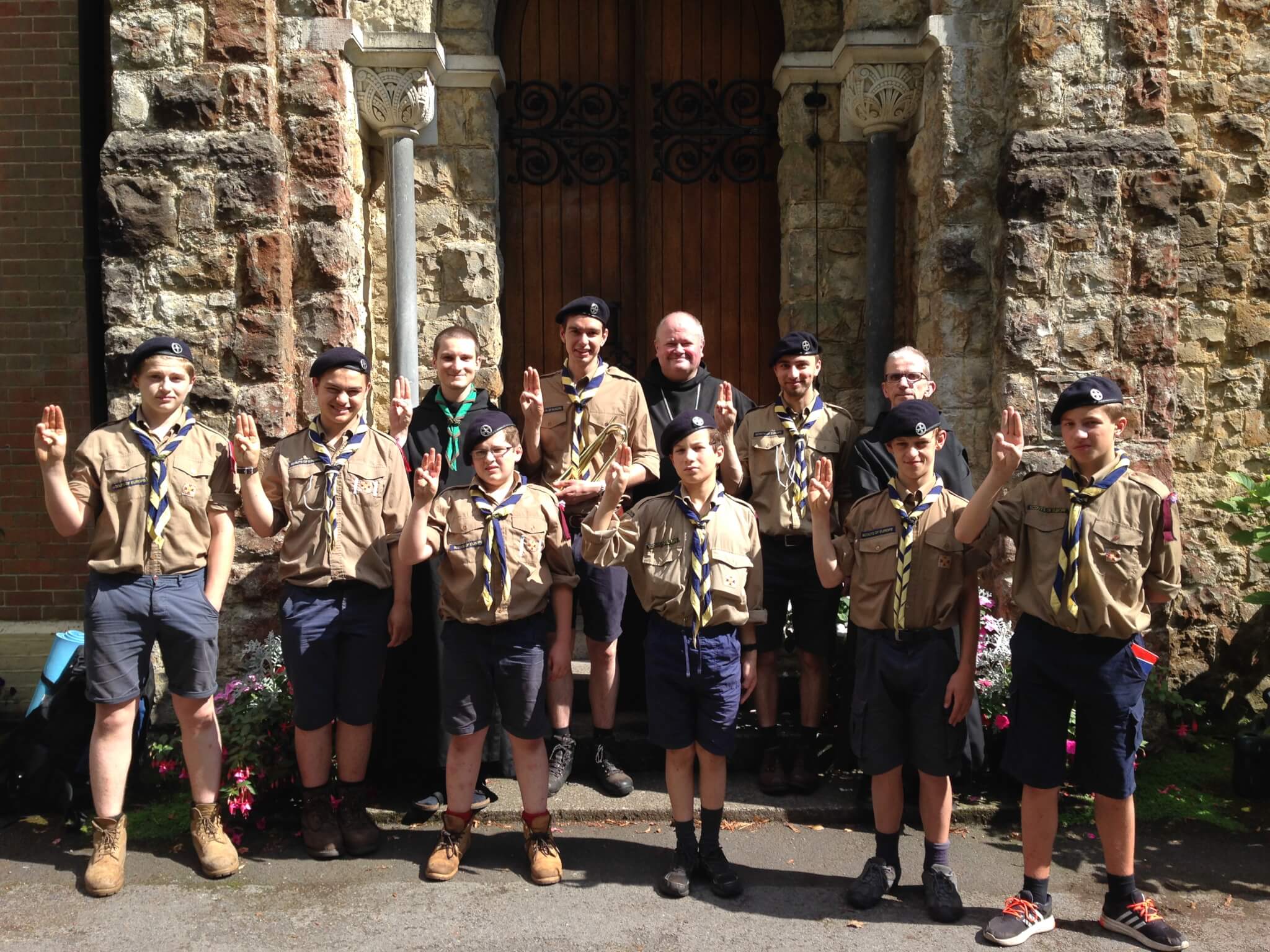
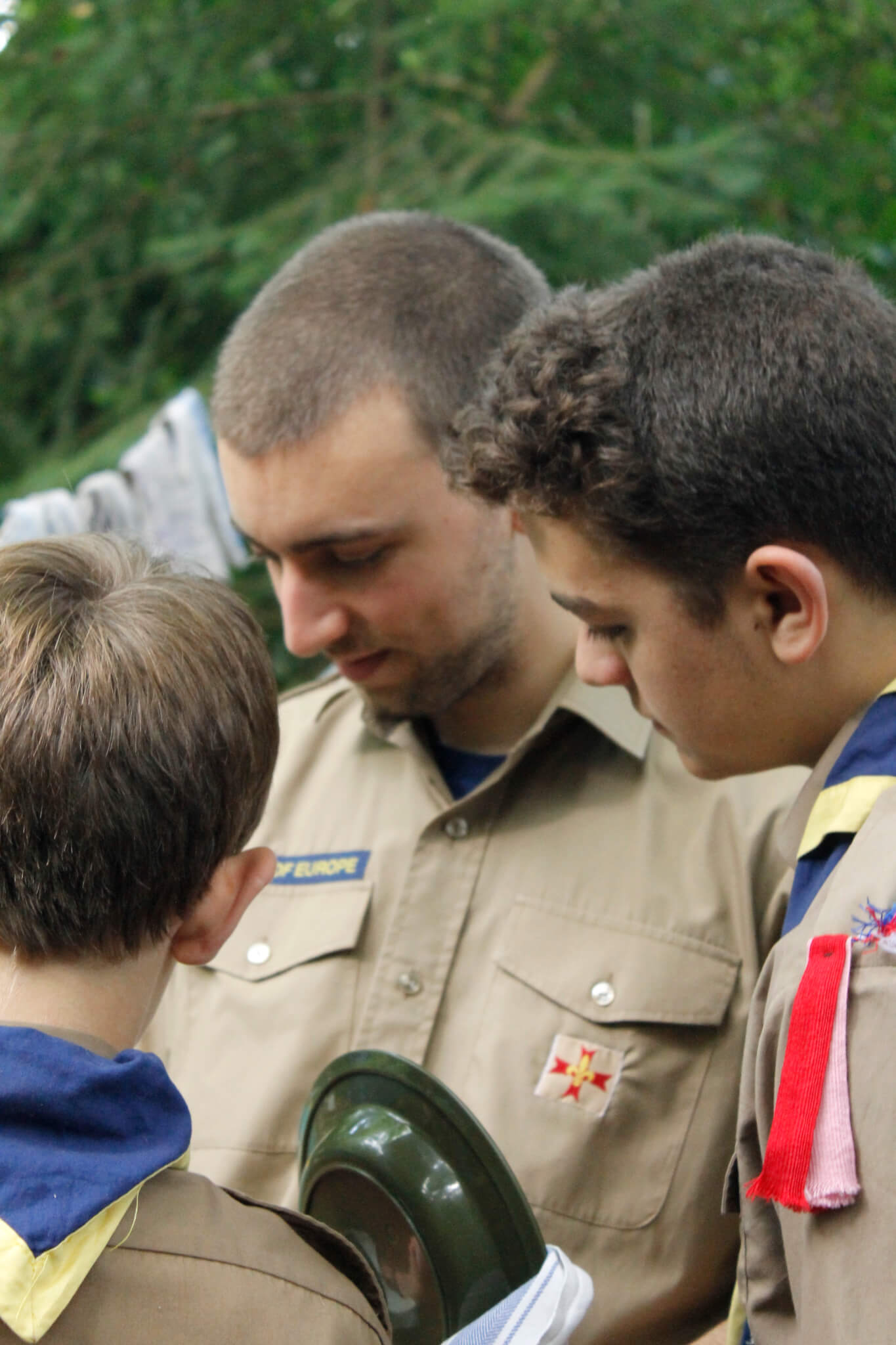
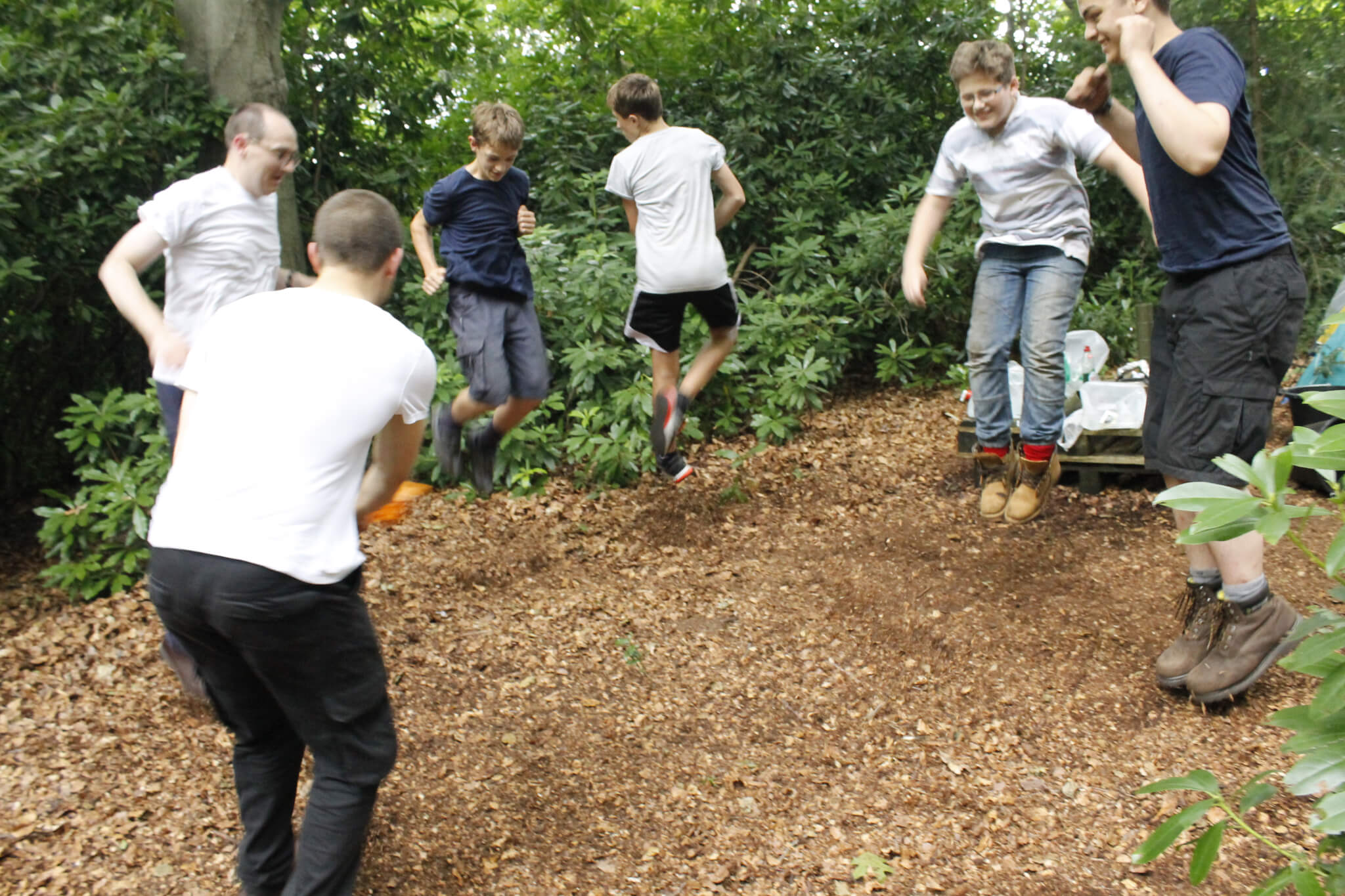
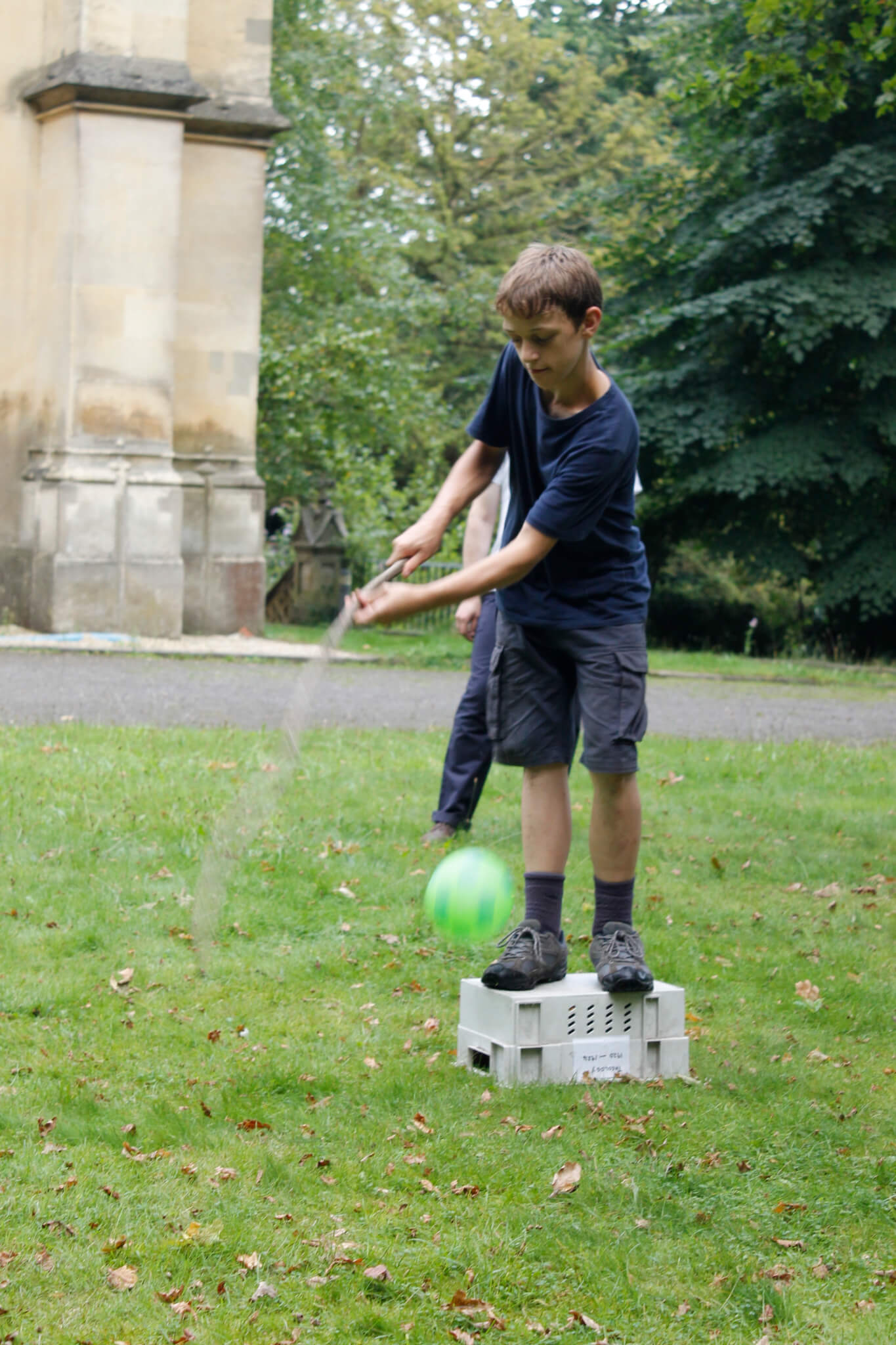
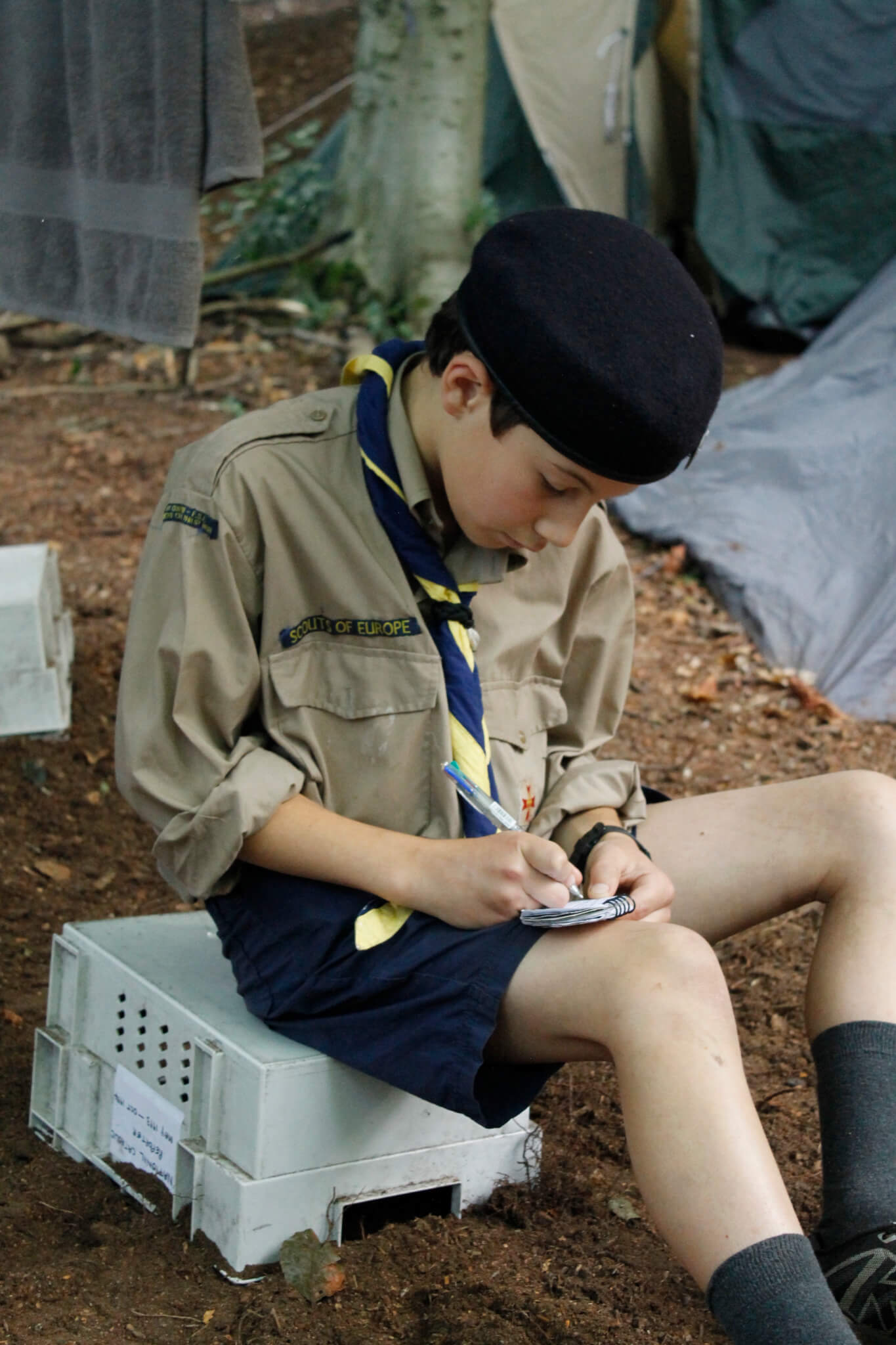
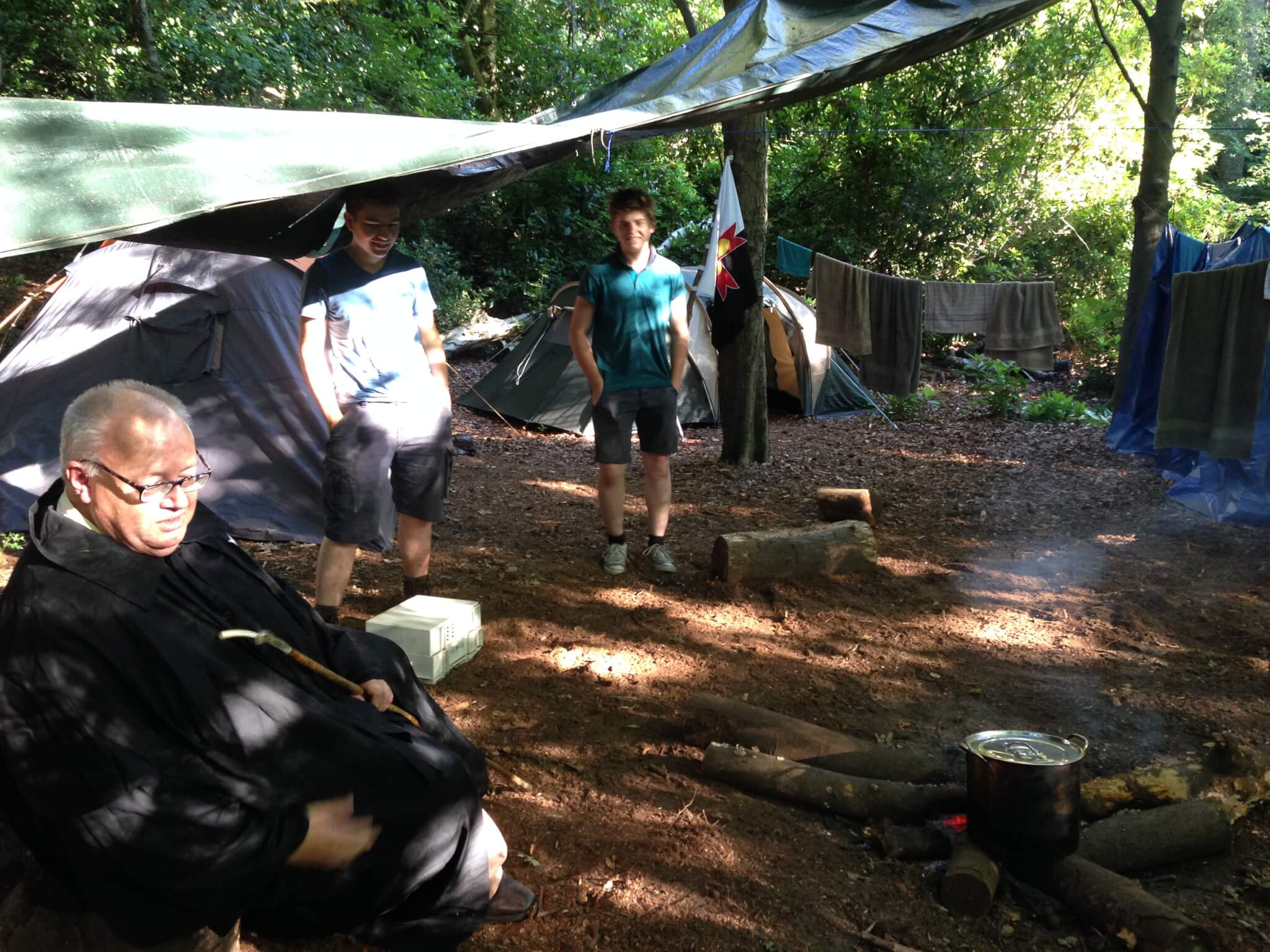
The 1st Oxford FSE Scout Troop of St Philip returned last week from their second summer camp in the grounds of St Michael’s Abbey, Farnborough. Six boys were able to go on the seven day camp, lead by Br Oliver and Br Adam.

_MG_0837

_MG_0984

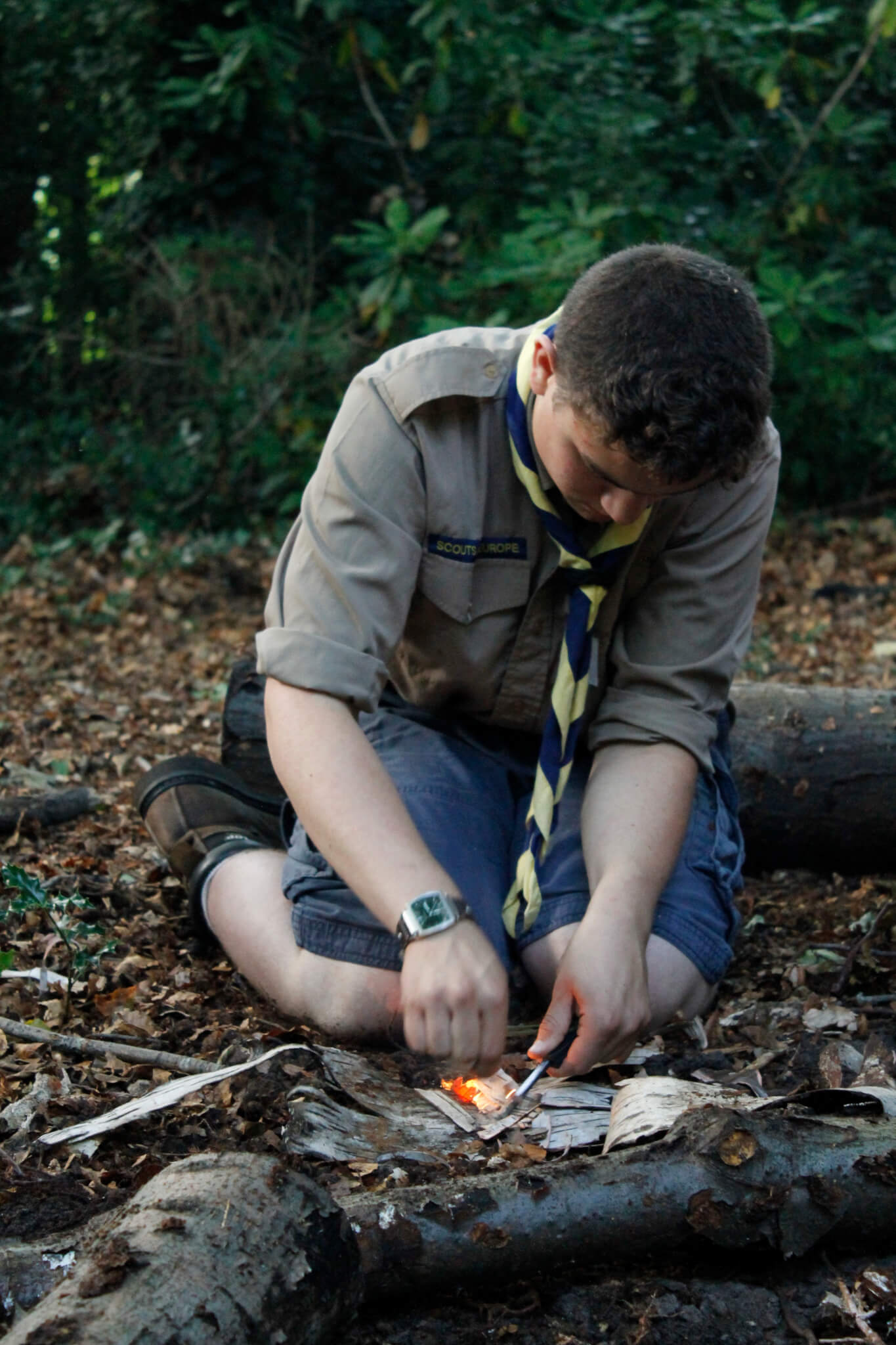
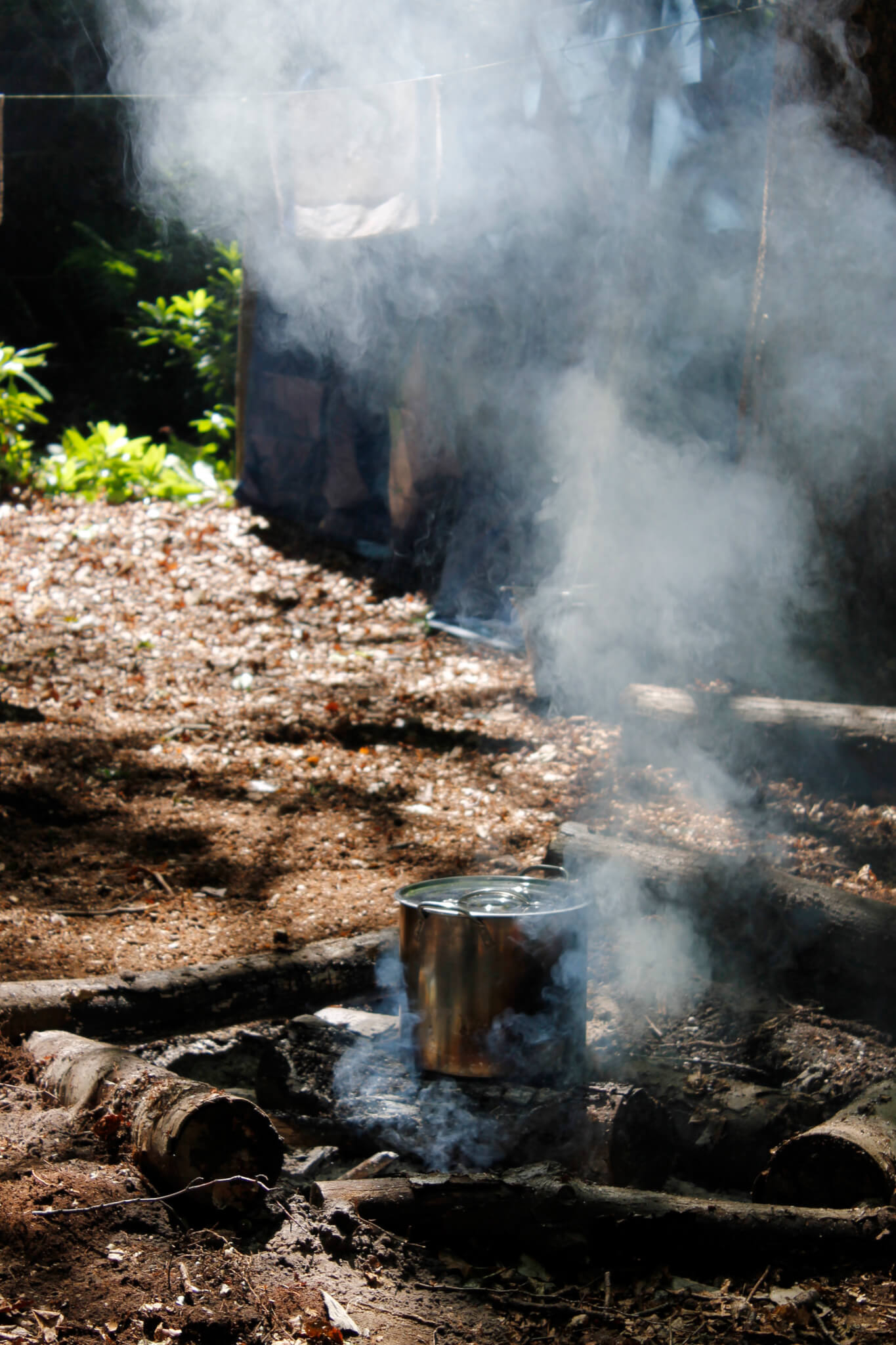
The boys constructed their own outdoor facilities — including showers — and went indoors only for Mass each day. They cooked all their meals on an open fire.

_MG_0800

_MG_0845

Most of the homemade bread was edible.

Photo 27-08-2016, 13 11 08

Photo 25-08-2016, 12 54 49

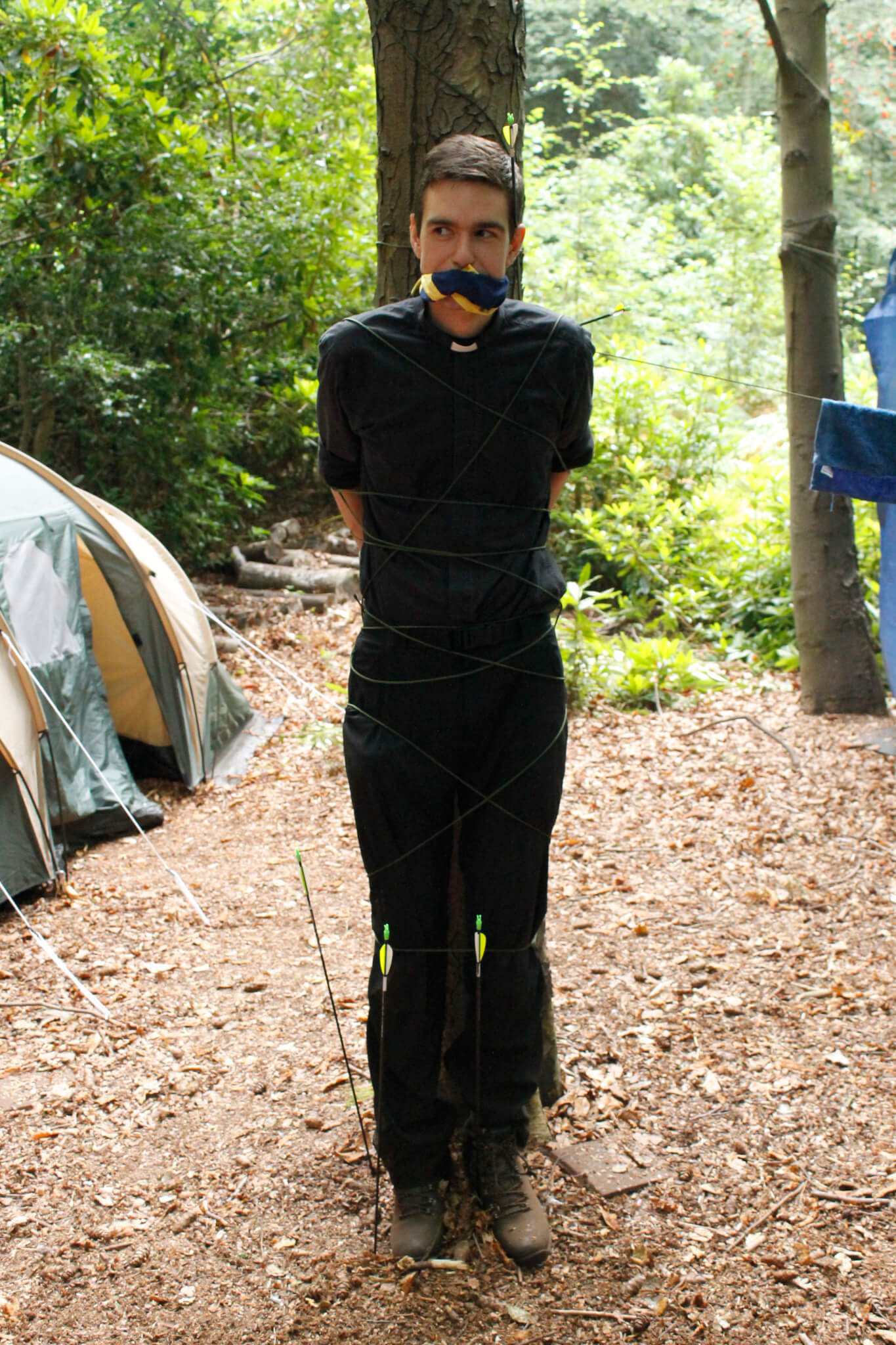
The days were full of games and activities in the woods.

_MG_0909

_MG_0924

_MG_0986

_MG_0934

Fra’ Julian Chadwick of the Order of Malta spoke to the boys about the history of the order, and its work with the poor today. The work of the Order is summarised in its motto — Defence of the faith and assistance to the poor. These works are shared by the scout, who promises to serve God and to help his neighbour at all times.

Photo 26-08-2016, 17 31 37

The boys also met Scouts of Europe from France, Belgium, Germany and Poland who were all guests of the Abbey. They learned much about the history of scouting in Poland, where the scouts have helped to shape the country by resisting both the Nazis and the Soviets.

Photo 28-08-2016, 14 29 36

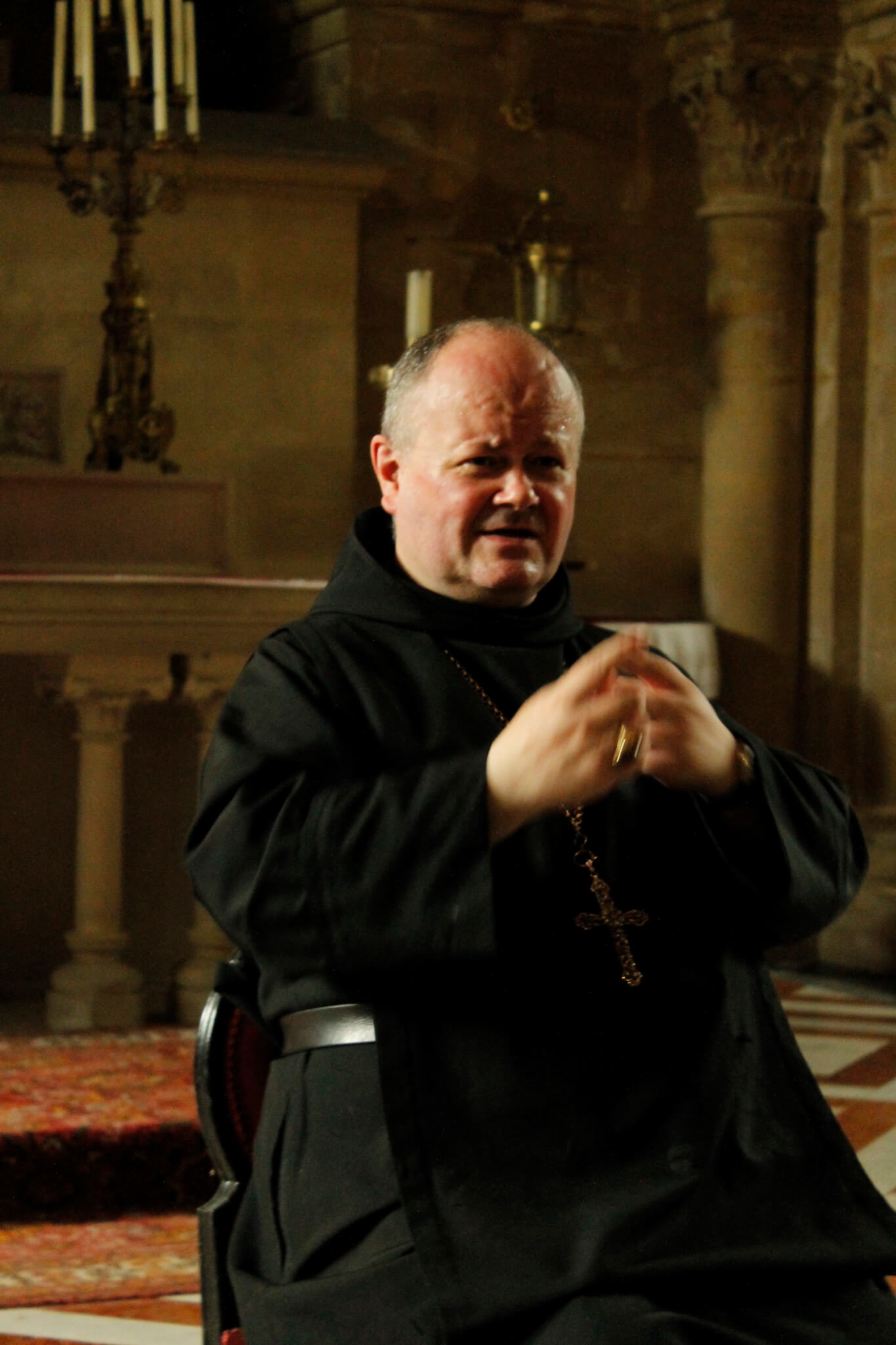
The Abbot gave the Troop a lesson in British Sign Language, and taught them to sign the alphabet and the Our Father.

_MG_0954

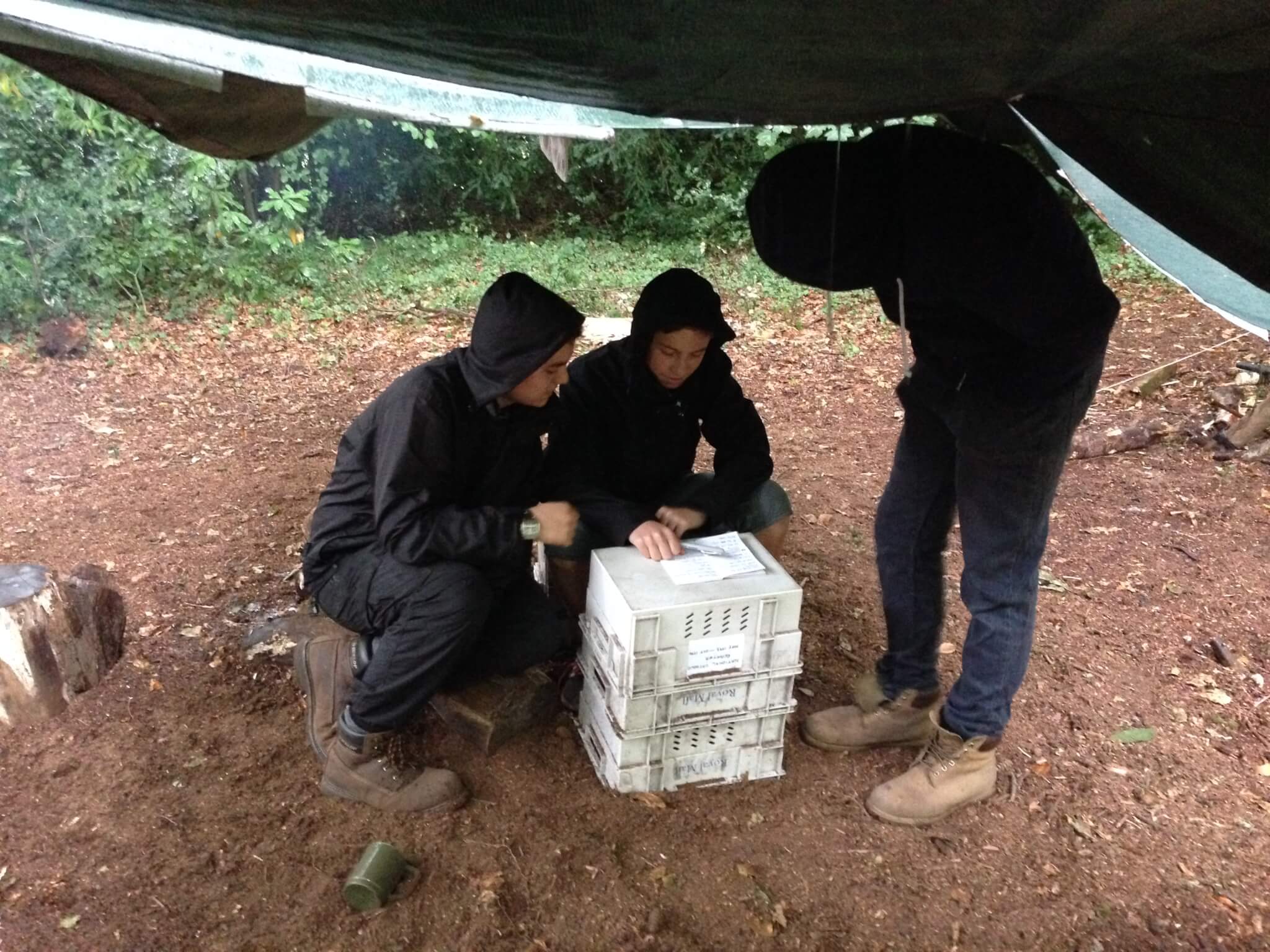
The weather held up mostly, but the boys were prepared for the rain when it eventually came.

Photo 28-08-2016, 12 29 55

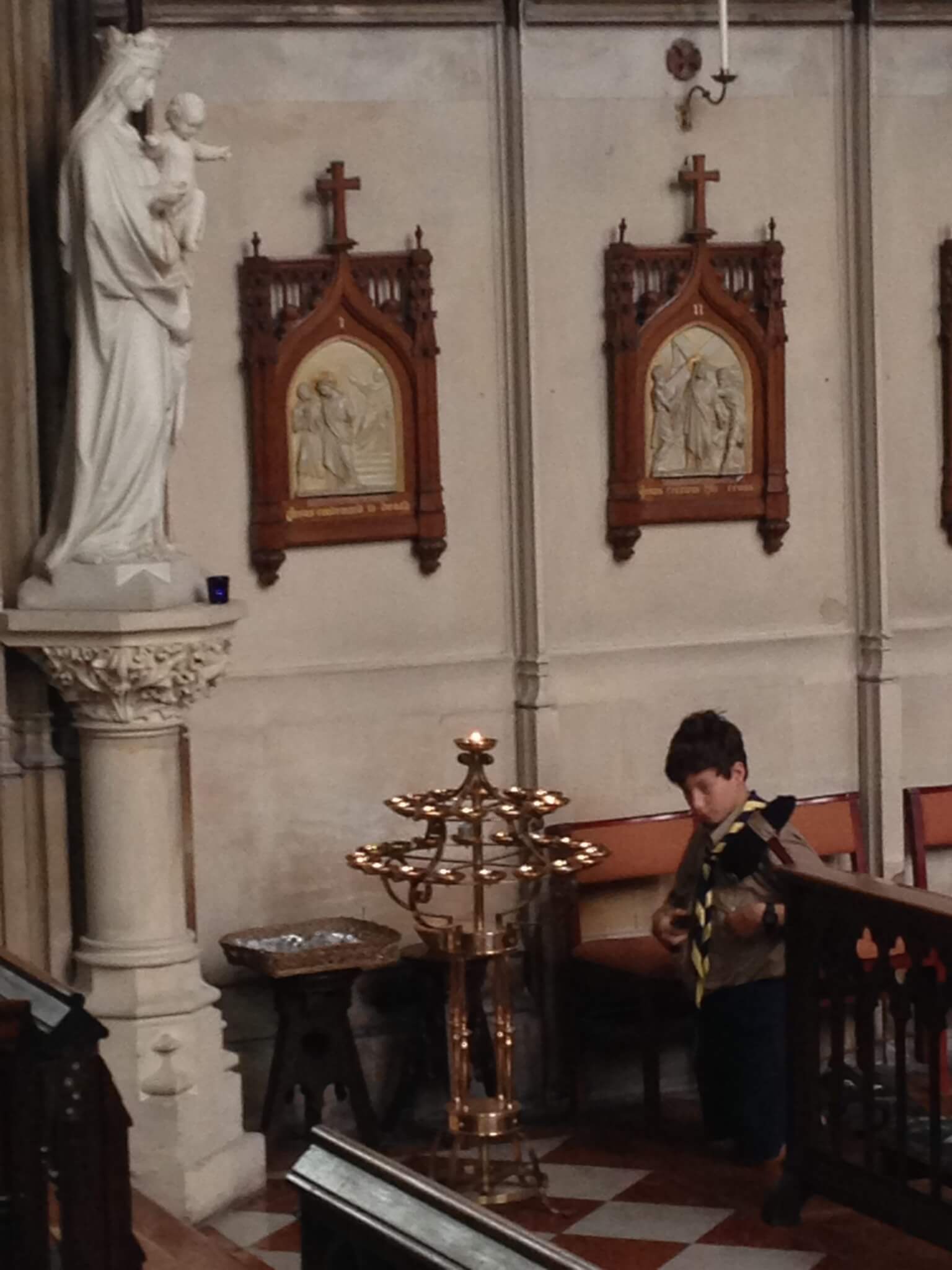
On Sunday, the Abbot celebrated a pontifical Mass, at which two of the scouts served.

Photo 29-08-2016, 08 36 04

The scouts have produced their own videos from the camp, which can be watched below.

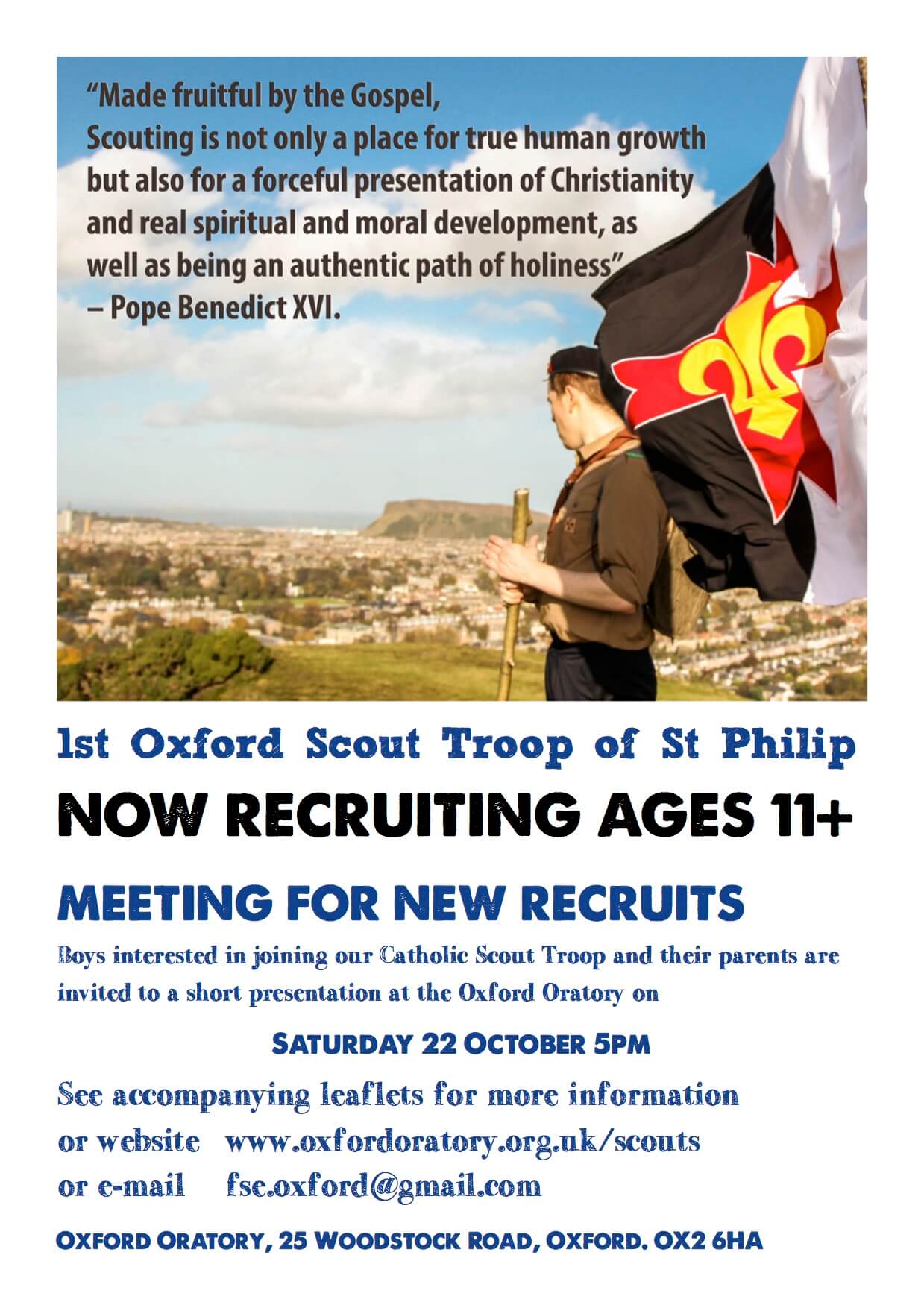
The Troop is recruiting new members aged 11–14 over the next few months. For more information about the Scouts of Europe at the Oxford Oratory, see this leaflet.

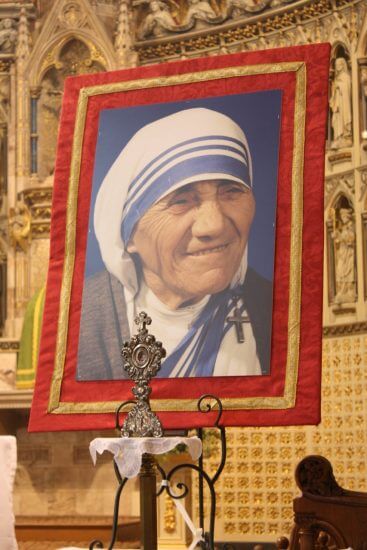
Saint Teresa of Calcutta, pray for us!

IMG_9146

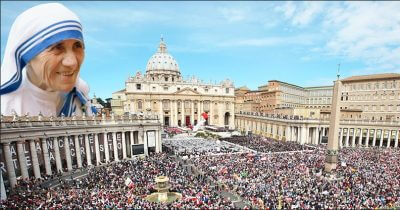
Parishioners were given an opportunity to celebrate the canonization of Mother Teresa on Sunday with a Solemn Mass of thanksgiving, followed by the Te Deum and veneration of her relic. Father Daniel preached the following sermon:

This morning in Rome, the Holy Father has pronounced the canonization of Mother Teresa of Calcutta. What does it mean for us? Firstly it is a sign of hope for us because we can know for certain that Mother Teresa’s soul is in heaven. In raising saints up for our veneration, the Church exercises her office of teaching infallibly, says St Thomas Aquinas. (The veneration of the saints) is “a confession of the faith, in which we believe in the glory of the saints”, he wrote. Not all those in heaven are canonized, but those who are give us hope that this is the purpose of our lives too. This is what the Church is for; we are meant to follow them in holiness and so to arrive at the same destination. In proposing the lives of the saints to us as models, the Church also gives us intercessors: we are part of the same body as them; their prayers can certainly help us.

For many of us, St Teresa is a saint with whom we feel an instant connection because she was so well known during her life on earth. Perhaps some of you were present as I was in 1993 when Mother addressed the Oxford Union and courageously proclaimed the Gospel of Life with humility and clarity. So in fact, she is a saint who has visited our parish. On the same visit, St Teresa went to the then Notre Dame Convent, next door to St Aloysius’ School. Mrs Webb, who was teaching her class, saw Mother Teresa out of the window and took her pupils over to the fence to meet her. St Teresa told her what an important vocation it is to be a teacher, and to the children she gave each a small miraculous medal, as she did with everyone she met, saying, “Mary, Mother of Jesus, be a Mother to me”.

So it is right that we, together with so many millions of others, can lay a special claim to St Teresa’s intercession in heaven, feeling sure that she will answer our cries just as she answered the cries of the poor, the dying, the naked, the thirsty, the imprisoned and the hungry when on earth. But: and here I can only speak for myself, the holiness of the saints is a bit terrifying. Here is a women who said “yes” to the Lord without reservation, who saw Him in “the distressing disguise of the poorest of the poor” and picked those poor up off the streets of Calcutta, who allowed herself nothing of earthly comfort but rather in the darkness of her inner soul allowed herself to be totally conformed to the Passion of Christ. And what have I done? I suspect that many of us should tremble at those words of Our Lord:

Truly, I say to you, as you did it not to one of the least of these, you did it not to Me. (Matthew 25:45)

St John the apostle is equally explicit about the fate of those who close their hearts:

“If you refuse to love, you must remain dead; to hate your brother is to be a murderer, and murderers, as you know, do not have eternal life in them.” (1 John 3:14–15)

Strong stuff; and a reminder that an event like today’s canonization is not just an excuse for us to pat ourselves on the back, feel good about humanity, and be complacent; no: the life and witness of Saint Teresa of Calcutta is for every single one of us an urgent call to conversion. Our Lord does not politely request that we give a brief thought to Him every now and again; He demands that we follow Him, He commands that we act as His witnesses, He says to us insistently, “Be perfect, even as your heavenly Father is perfect”.

And this call is not just for an elite few, it is for all of us. There is a universal call to holiness. Universal in the sense that there is no opt-out for me or you. Our Lord is not interested in crowds, He has made each one of us individually in His image and likeness. In the criticisms of Mother Teresa, which you can find in all the predictable places in the media, there is a common theme: rather than trying to achieve the greatest good for the greatest number, Mother concentrated on the individual, rather than killing the children of the poor in the womb or stopping them reproducing in the first place, Mother loved the babies and mothers for whom she cared. We have seen in the past century what happens when we care about this nebulous concept “humanity” rather than individual human beings: it has led to concentration camps, gulags, experimentation on human embryos and a society that has never known such high levels of unhappiness. This is why Mother Teresa said when she was presented with the Nobel Peace Prize that the greatest destroyer of peace today is abortion. It is because the moment that we forget that every man, woman and child is precious in God’s eyes then we become incapable of love. Love is not drawing up a five-year plan or constructing an ideology, it is about seeing Christ in this particular, broken, sinful, flawed person whom we are called to love in this moment.

At the beatification of Mother Teresa, thirteen years ago, St John Paul II put it like this:

It was to Jesus Himself, hidden under the distressing disguise of the poorest of the poor, that her service was directed … She wanted to be a sign of “God’s love, God’s presence and God’s compassion”, and remind all of the value and dignity of each of God’s children, “created to love and be loved”. Thus was Mother Teresa ‘bringing souls to God and God to souls and satiating Christ’s thirst.

There are two phrases of Our Lord which sum up St Teresa’s mission: the “I thirst”, He spoke from the Cross, and those words she heard on the train to Darjeeling in 1946: “Come, be My light”. Teresa sought to quench the thirst of Christ, and to be a light to others even though for many years, within herself, she felt only an inner darkness.

St John Paul again:

This harsh spiritual trial led her to identify herself more and more closely with those whom she served each day, feeling their pain and, at times, even their rejection. She was fond of repeating that the greatest poverty is to be unwanted, to have no one to take care of you.

And this is why holiness is not to be left to the few but it is a call for all of us. Mother Teresa loved the saying of her patron, St Thérèse of Lisieux: “To be a great saint means to do small things with great love.” She also said, “Peace begins with a smile”. We too are called to quench the thirst of Christ by loving Him in those we meet every day, to be His light in all the darkness of the world around us. The order Mother Teresa founded is called the Missionaries of Charity because their purpose in tending the poor, the sick and the unwanted is not just to solve a social problem, but to be a light to others, to bring the light of Christ to the darkness, to be missionaries. To be a missionary is the vocation of every Christian, it is your vocation. To see Jesus in others is the one difference we can make.

At the end of this Mass we shall have the opportunity to venerate a relic of St Teresa of Calcutta, a piece of her hair. It is a reminder to us that the saints are not distant from us: we have seen them, and we can touch them. And whatever you do to the least of my brethren, you do it to Me.

Brothers’ Retreat at Belmont Abbey


abbey-600x310

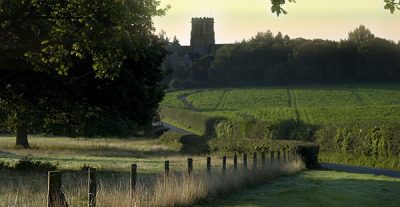
Some of the Brothers of the Secular Oratory have been away on retreat to Belmont Abbey in Herefordshire.

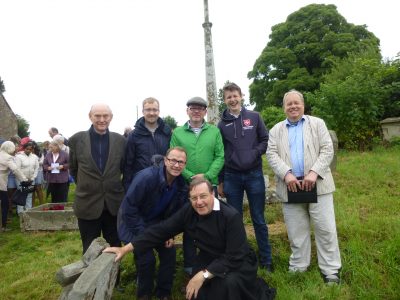
Their visit coincided with the feast day of the local martyr St John Kemble, which they went to celebrate at nearby Welsh Newton:

Welsh Newton, Brothers at St John Kemble's grave (3)

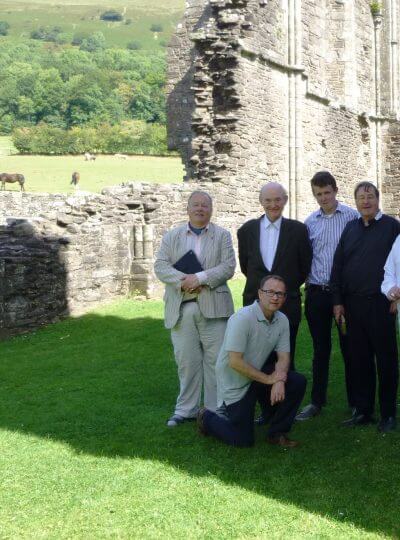
They also visited Llanthony Priory, a former Augustinian house. The Priory buildings were once among the greatest in mediaeval Wales:

Brothers at Llanthony Priory

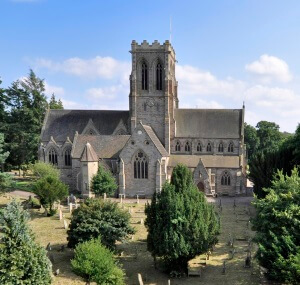
Founded in 1859, Belmont Abbey is a monastery of the English Benedictine Congregation dedicated to St Michael and All Angels.

Since its foundation Belmont has served as a cathedral and a monastic house of studies. It has played an important part in the development of monasticism in Great Britain and is home to a thriving community of monks, who still follow the Rule of St Benedict.
phpThumb_generated_thumbnailjpg